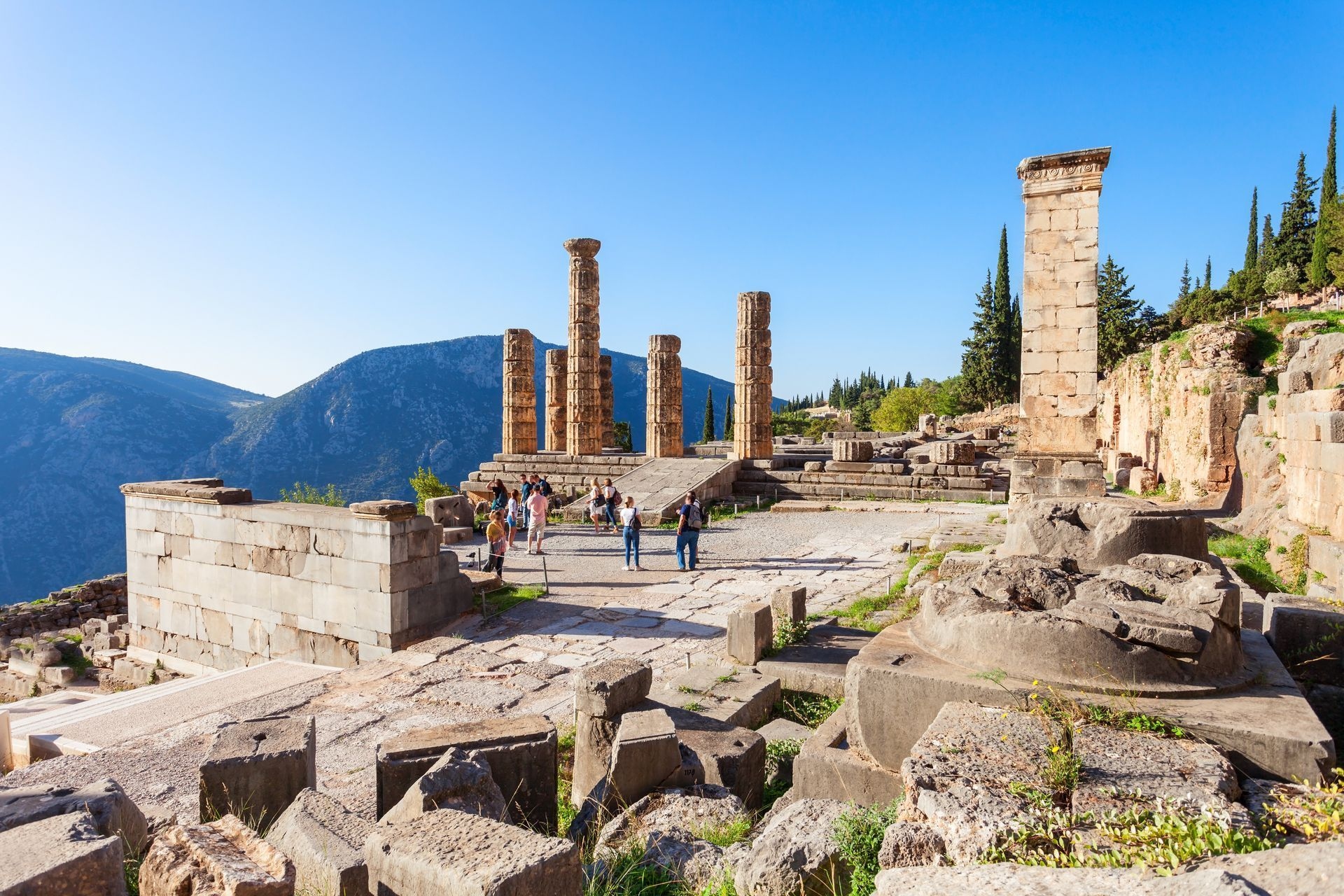
Private Tour of Thermopylae with a pickup (Optional Delphi)
Active
7h
For a full refund, cancel at least 24 hours before the scheduled departure time.
Instant confirmation
Mobile or paper ticket accepted
About this experience
The Thermopylae tour is unique because it combines legendary history, stunning landscapes, and powerful storytelling in one unforgettable experience. You walk the actual ground where King Leonidas and his 300 Spartans made their heroic last stand against the Persian empire in 480 BCE. The tour includes the battlefield, the Kolonos Hill, and the modern visitor center with interactive exhibits that bring the past to life. You’ll also visit the nearby hot springs, linked to ancient mythology and known for their healing waters. This rare blend of history, myth, and nature allows you to connect deeply with one of the most iconic moments in Western civilization, making the Thermopylae tour not just a visit, but a journey through time and courage.
Available options
Private Tour of Thermopylae with a pickup (Optional Delphi)
Pickup included
What's included
Professional driver guide with knowledge of history allowed to provide only exterior insights
WiFi on board
Toilet
Air-conditioned vehicle
Water
Detailed itinerary
1
The Battle of Thermopylae took place in 480 BCE during the second Persian invasion of Greece. King Xerxes I led a vast Persian army to conquer the Greek city-states. At the narrow pass of Thermopylae, a small Greek force of about 7,000 men, led by King Leonidas of Sparta and including his famous 300 Spartans, made a heroic stand. For two days, the Greeks held off the much larger Persian army using the terrain to their advantage. On the third day, a traitor named Ephialtes showed the Persians a hidden path through the mountains, allowing them to surround the Greeks. Leonidas and his men fought to the death, buying time for the rest of Greece to prepare. Though a tactical loss, the battle became a symbol of bravery and sacrifice, inspiring later victories at Salamis and Plataea that ultimately saved Greece from Persian rule.
2
The Thermopylae hot springs have been known since ancient times for their healing properties and mythological significance. Located near the famous battlefield, the springs get their name from "Thermo" (hot) and "Pylae" (gates), meaning “Hot Gates.” According to legend, the waters were created by the hero Heracles, who struck the ground to create a spring where he could heal after battle. The springs are rich in sulfur and other minerals, known to relieve skin and joint conditions. Ancient Greeks and Romans visited them for therapeutic purposes. Today, the hot springs flow freely in a natural setting, attracting visitors seeking relaxation and a connection to both history and nature. The surrounding area, with its link to the legendary 480 BCE Battle of Thermopylae, offers a unique blend of wellness, mythology, and heritage.
3
The path of Ephialtes near the Monastery of Damastas is linked to one of the most pivotal moments in ancient Greek history. In 480 BCE, during the Battle of Thermopylae, the traitor Ephialtes revealed a hidden mountain path to the Persian army, allowing them to outflank the defending Greek forces led by King Leonidas of Sparta. This secret route, known as the Anopea Path, passed near the area where the Damastas Monastery stands today, on the slopes of Mount Kallidromon. While the exact trail has changed over time, the region preserves the memory of betrayal and the fall of the heroic last stand at Thermopylae. The Monastery of Damastas, built centuries later, offers a peaceful spiritual contrast to this dramatic historical event. Visiting the area connects you to both the natural beauty of the mountain and a moment that shaped Western history.
4
You must visit the Infopoint of Thermopylae because it brings the legendary battle to life through interactive exhibits, videos, and 3D models. Located near the actual battlefield, it helps you understand the geography, strategy, and historical context of the famous stand of Leonidas and the 300 Spartans. You’ll explore the events of 480 BCE, learn about the weapons, armor, and tactics used, and see how the narrow pass shaped the outcome. The Infopoint also honors the legacy of heroism and sacrifice, making your visit to Thermopylae far more meaningful. It’s an essential stop for anyone who wants to connect deeply with one of history’s most iconic moments.
5
The fortified hill of Kolonos, located near the modern-day site of Thermopylae, is believed to be the place where King Leonidas and his remaining Greek warriors made their final stand during the Battle of Thermopylae in 480 BCE. After two days of holding back the massive Persian army, the Greeks were betrayed by Ephialtes, who revealed a secret mountain path to the Persians. Surrounded and vastly outnumbered, Leonidas, his 300 Spartans, and a few hundred Thespians and Thebans retreated to Kolonos Hill to fight to the death. Excavations have found spearheads and arrowheads, confirming intense fighting in the area. Today, Kolonos stands as a symbol of ultimate bravery and sacrifice. A monument near the hill honors the fallen warriors, with a plaque quoting the famous epitaph: "Stranger, tell the Spartans that here we lie, obedient to their laws." The hill remains a sacred site and a powerful reminder of the values of courage, duty, and freedom.
What's not included
Tickets fees for Thermopylae
Optional visit Delphi Archeological sight with extra fee
Tickets fees for Delphi Archeological sight
Licenced professional archeologist tour guide to escort you in the sight with extra fee
Available languages
Guide guide
EN
Reviews breakdown
Tripadvisor
5.0
4 reviews
5★
4
4★
0
3★
0
2★
0
1★
0
Important information
Suitable for all physical fitness levels
About Athens
Athens, the capital of Greece, is a city rich in history and culture, often considered the cradle of Western civilization. It is home to iconic ancient landmarks, vibrant neighborhoods, and a thriving modern scene.
Top Attractions
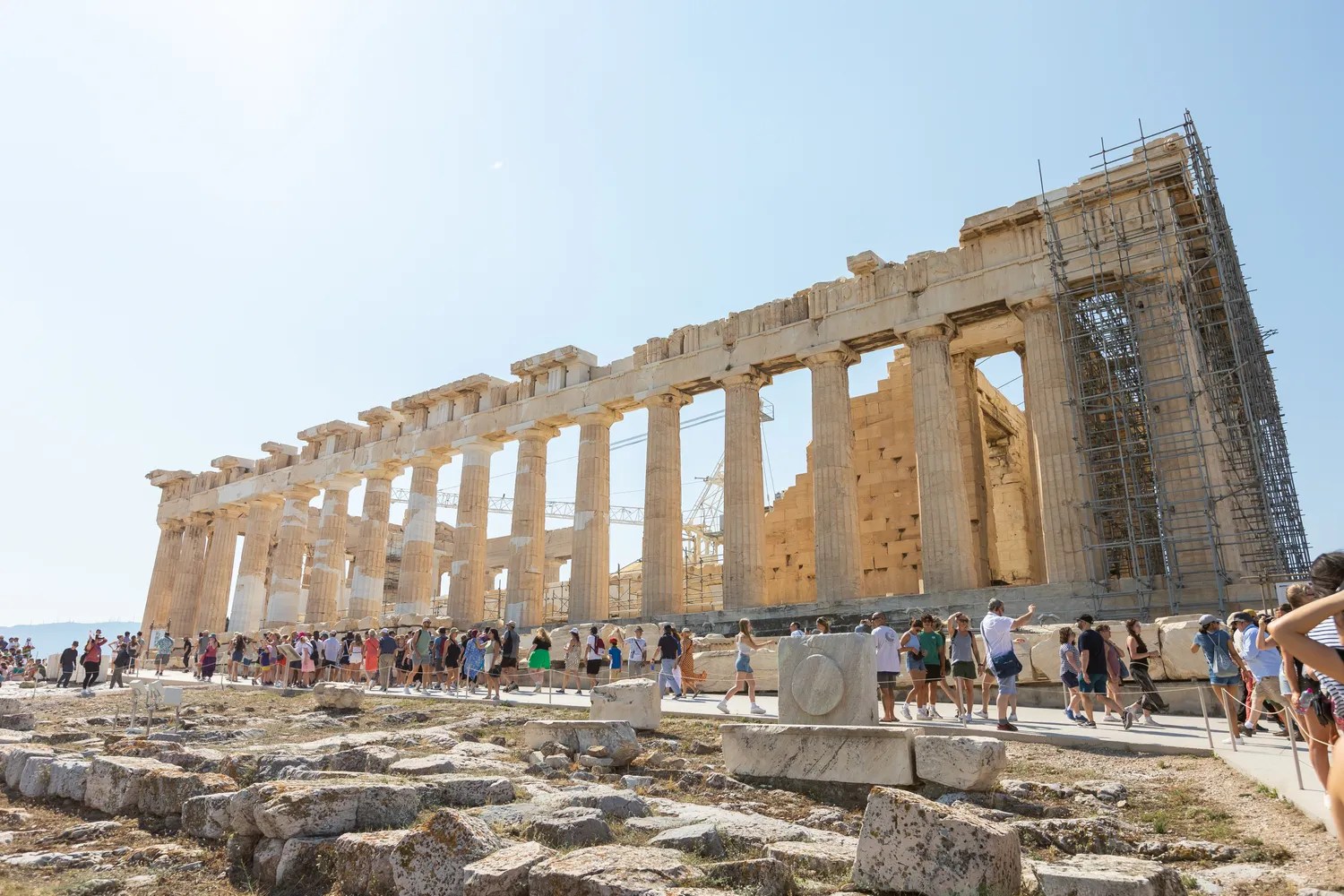
Acropolis of Athens
The Acropolis is the most iconic landmark in Athens, featuring ancient ruins and temples, including the Parthenon.
Historical
2-3 hours
€20 (combined ticket for multiple sites)
Ancient Agora of Athens
The heart of ancient Athens, featuring the Temple of Hephaestus and the Stoa of Attalos.
Historical
1-2 hours
€8 (included in the combined ticket)
Plaka
A charming, historic neighborhood with narrow streets, neoclassical houses, and vibrant nightlife.
Cultural
2-3 hours
Free to explore
Acropolis Museum
A modern museum showcasing artifacts from the Acropolis and its surroundings.
Museum
1-2 hours
€10
Temple of Olympian Zeus
An ancient temple dedicated to Zeus, once the largest temple in Greece.
Historical
30 minutes to 1 hour
€6 (included in the combined ticket)
Must-Try Local Dishes
Moussaka
A baked dish with layers of eggplant, minced meat, and béchamel sauce.
Dinner
Vegetarian versions available
Souvlaki
Grilled meat skewers, often served with pita bread and tzatziki.
Snack
Can be made with chicken, pork, or vegetarian options
Tzatziki
A yogurt-based dip with cucumber, garlic, and herbs.
Snack
Vegetarian and vegan options available
Baklava
A sweet pastry made with layers of filo, nuts, and honey syrup.
Dessert
Vegetarian
Popular Activities
Hiking in the mountains
Rock climbing
Scuba diving
Beach visits
Spa treatments
Café hopping
Museum visits
Theater performances
Best Time to Visit
April to June, September to October
The best time to visit Athens is during the spring and autumn months when the weather is pleasant and the tourist crowds are smaller.
18°C to 32°C
64°F to 90°F
Practical Information
Language
- Official: Greek
- Widely spoken: English, French, German
- English: Moderately spoken
Currency
Euro (EUR)
Time Zone
GMT+2 (EET)
Electricity
230VV, 50HzHz
Safety Information
Overall Safety Rating: Generally safe
Athens is generally safe for travelers, but petty crime and pickpocketing can occur in tourist areas. Be cautious with your belongings and avoid poorly lit areas at night.
Important Precautions:
- • Keep valuables secure
- • Use licensed taxis or ride-sharing apps
- • Be cautious with ATMs and credit cards
Getting there
By air
- Eleftherios Venizelos International Airport • 30 km from city center
By train
Athens Central Railway Station
By bus
KTEL Bus Station
Getting around
Public transport
Clean, efficient, and air-conditioned. Easy to navigate with clear signage in English.
Taxis
Available • Apps: Beat, Uber
Rentals
Car, Bike, Scooter
Neighborhoods
Plaka
Monastiraki
Psiri
Koukaki
Kolonaki
Day trips
Cape Sounion
65 km from Athens • Half day to full day
A scenic coastal area featuring the Temple of Poseidon with stunning views of the Aegean Sea.
Delphi
180 km from Athens • Full day
An ancient archaeological site and home to the famous Oracle of Delphi.
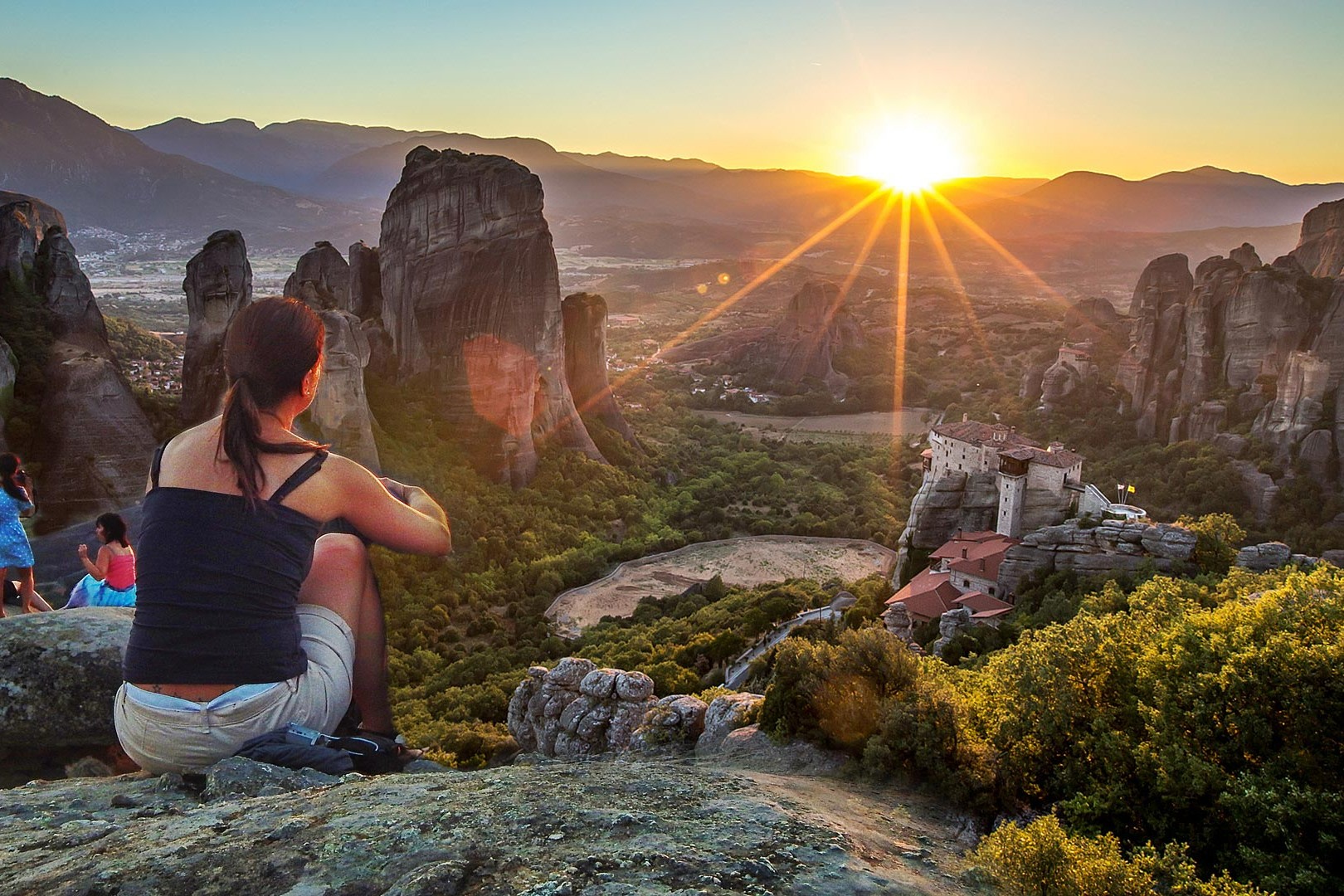
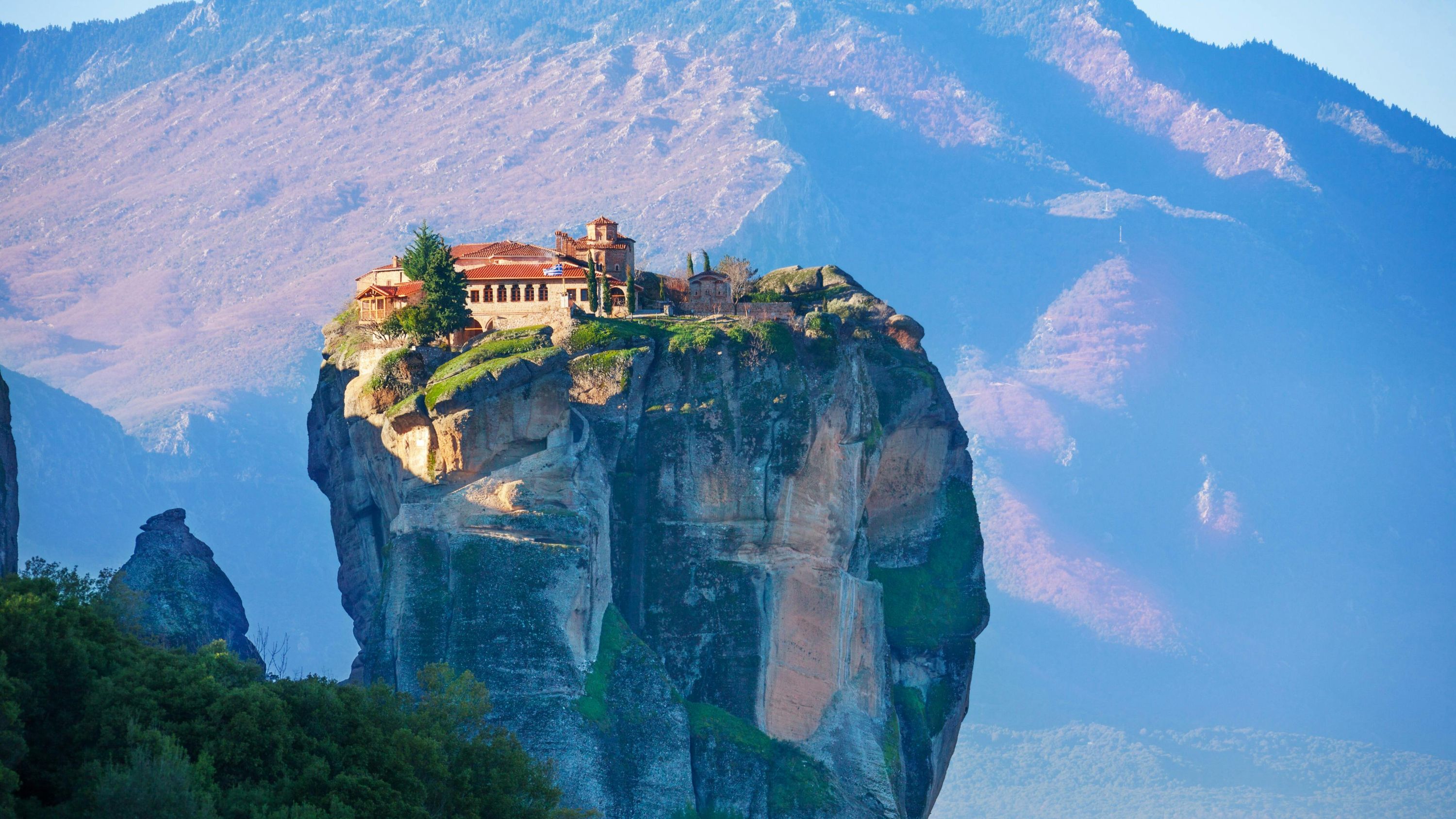
Meteora
350 km from Athens • Overnight
A unique landscape featuring rock formations and medieval monasteries perched atop cliffs.
Festivals
Athens Festival • May to October
Athens Epidaurus Festival • June to August
Athens International Film Festival • October
Pro tips
- Visit major attractions early in the morning or late in the afternoon to avoid crowds and heat
- Use the metro for easy and efficient travel around the city
- Explore local neighborhoods for an authentic Greek experience
- Try local street food for a quick and delicious meal
- Learn a few basic Greek phrases to enhance your experience and connect with locals
From $25
per person
Price varies by option
Secure booking
Free cancellation available
Instant confirmation