Private tour of Corinth, Nafplio, Mycenae with a Pickup
Active
8h
For a full refund, cancel at least 24 hours before the scheduled departure time.
Instant confirmation
Mobile or paper ticket accepted
About this experience
This tour is unique because it offers an exclusive, personalized experience combining history, culture, and breathtaking landscapes. Unlike typical group tours, it is tailored to your interests and pace, allowing you to explore iconic sites like Nafplio, Mycenae, and Epidaurus with expert local guides who bring ancient stories to life. You’ll enjoy insider access to hidden gems, authentic local flavors, and stunning views off the beaten path. The small group size or private setting ensures comfort, flexibility, and a deep connection to Greece’s rich heritage. Whether you’re passionate about archaeology, mythology, or simply soaking up the atmosphere, this tour creates unforgettable memories through immersive storytelling and genuine hospitality. It’s not just a visit—it’s a journey through time crafted just for you.
Available options
Private tour of Corinth, Nafplio, Mycenae with a Pickup
Pickup included
What's included
Professional driver guide with knowledge of history allowed to provide only exterior insights
WiFi on board
Toilet
Air-conditioned vehicle
Water
Detailed itinerary
1
Stop 1
The Corinth Canal, connecting the Gulf of Corinth with the Saronic Gulf, was a dream dating back to ancient times. The tyrant Periander first proposed it in the 7th century BCE, but it was considered too ambitious. Instead, a paved road called the Diolkos was built to transport ships overland. Several rulers, including Julius Caesar and Nero, attempted the project, but it wasn’t until 1881 that construction finally began under Greek and French engineers. Completed in 1893, the canal stretches 6.4 kilometers and cuts through the narrow Isthmus of Corinth. Though too narrow for modern large ships, it remains a vital passage for smaller vessels and a major tourist attraction. The canal symbolizes Greek persistence and engineering ambition spanning millennia.
2
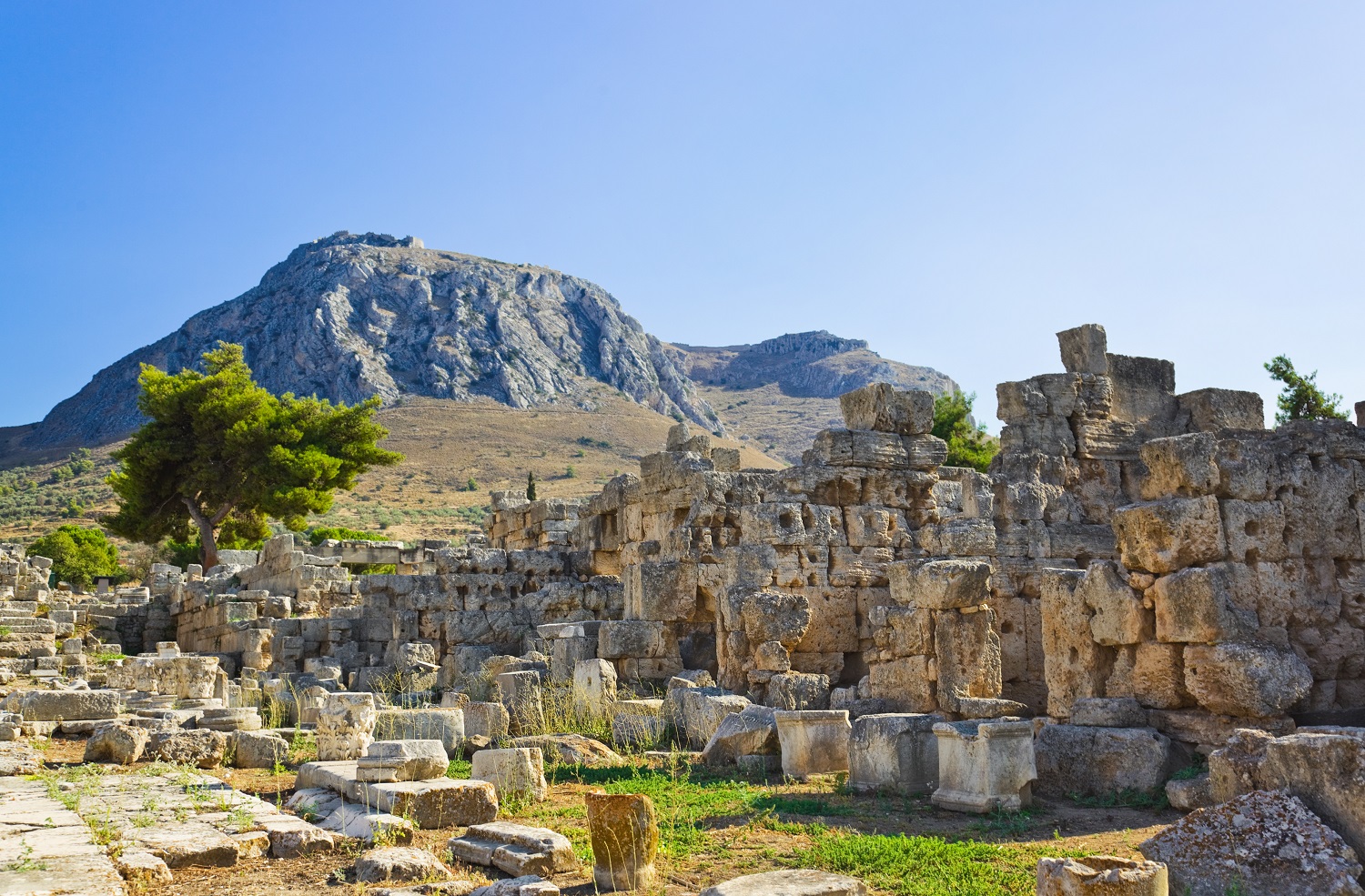
Ancient Corinth was a wealthy and powerful Greek city, located on the Isthmus connecting mainland Greece to the Peloponnese. Known for its commerce, art, and the Temple of Aphrodite, it thrived in both the Classical and Roman periods. In 146 BCE, it was destroyed by the Romans but was rebuilt by Julius Caesar in 44 BCE as a Roman colony. The city regained prominence, becoming a major urban and administrative center.
Apostle Paul visited Corinth around 50 CE during his second missionary journey. He stayed for 18 months, preaching and establishing a Christian community. His letters to the Corinthians, now part of the New Testament, address issues of morality, unity, and faith, offering insight into early Christian life. The ruins of Corinth today, including the Bema where Paul likely stood, are key to both ancient Greek and Christian heritage.
3
Acrocorinth, the acropolis of ancient Corinth, is a towering rock rising over 570 meters above the city, offering strategic views of the surrounding plains and seas. It was continuously fortified from antiquity through the Middle Ages due to its key defensive position. In ancient times, it was home to the Temple of Aphrodite, linked to the city's prosperity and myths.
The fortress was later expanded by Romans, Byzantines, Franks, Venetians, and Ottomans, each leaving their mark on its walls and gates. During the medieval period, it served as the seat of the local ruler and a vital military stronghold in the Peloponnese.
Today, Acrocorinth stands as a powerful symbol of Corinth's historical importance, blending ancient mythology with centuries of military history, and offering breathtaking views along with layers of architectural remains from different civilizations.
4
Stop 4
The theater of Epidaurus, built in the 4th century BCE, is one of the best-preserved ancient theaters in Greece and a masterpiece of Greek architecture. Designed by Polykleitos the Younger, it was part of the sanctuary of Asclepius, the god of medicine. The theater could seat around 14,000 spectators and was used for dramatic performances that were considered part of the healing process.
Famous for its exceptional acoustics, the theater allows even a whisper from the stage to be heard clearly at the highest seats. It reflects the Greek ideal of harmony between architecture and nature, perfectly blending into the surrounding landscape.
Rediscovered and excavated in the 19th century, it remains in use today for performances during the annual Epidaurus Festival, continuing its ancient tradition. The theater stands as a symbol of the enduring legacy of Greek drama, healing, and aesthetics.
5
Mycenae, a major center of Greek civilization during the Late Bronze Age, flourished between 1600–1100 BCE. It was the seat of the powerful Mycenaean kings and gave its name to the entire civilization. Surrounded by massive Cyclopean walls, Mycenae featured grand palaces, royal tombs like the famous Treasury of Atreus, and rich grave goods, reflecting its wealth and power.
According to myth, it was the kingdom of King Agamemnon, leader of the Greeks in the Trojan War. Mycenae’s influence extended across the Aegean, with strong trade and military presence. The city declined around 1100 BCE, likely due to internal unrest and external invasions.
Rediscovered in the 19th century by Heinrich Schliemann, Mycenae revealed treasures that confirmed its legendary past. Today, it stands as a symbol of early Greek civilization and heroic mythology, bridging myth and archaeology.
6
Nafplio, a picturesque coastal town in the Peloponnese, is famous for its rich history, stunning architecture, and charming atmosphere. It was the first capital of modern Greece after independence in 1821 and served as a political and cultural center. Nafplio is known for its impressive fortresses, including Palamidi, a massive Venetian castle perched on a hill, and Bourtzi, a small fortress on an islet guarding the harbor.
The town’s narrow streets, neoclassical buildings, and lively squares attract visitors seeking a blend of history and beauty. Nafplio played a key role in the Greek War of Independence and hosted many important historical events. Today, it’s a popular tourist destination celebrated for its seaside promenade, vibrant cafes, and close proximity to archaeological sites like Mycenae and Epidaurus, making it a gateway to Greece’s ancient and modern heritage.
What's not included
Tickets fees for the Archeological sight of Epidaurus
Tickets fees for the Archeological sight of Corinth and Archeological museum
Tickets fees for the Archeological sight of Mycenae
Licenced professional archeologist tour guide to escort you in the sight with extra fee
Available languages
Guide guide
EN
Reviews breakdown
Tripadvisor
5.0
1 reviews
5★
1
4★
0
3★
0
2★
0
1★
0
Important information
Suitable for all physical fitness levels
About Meteora
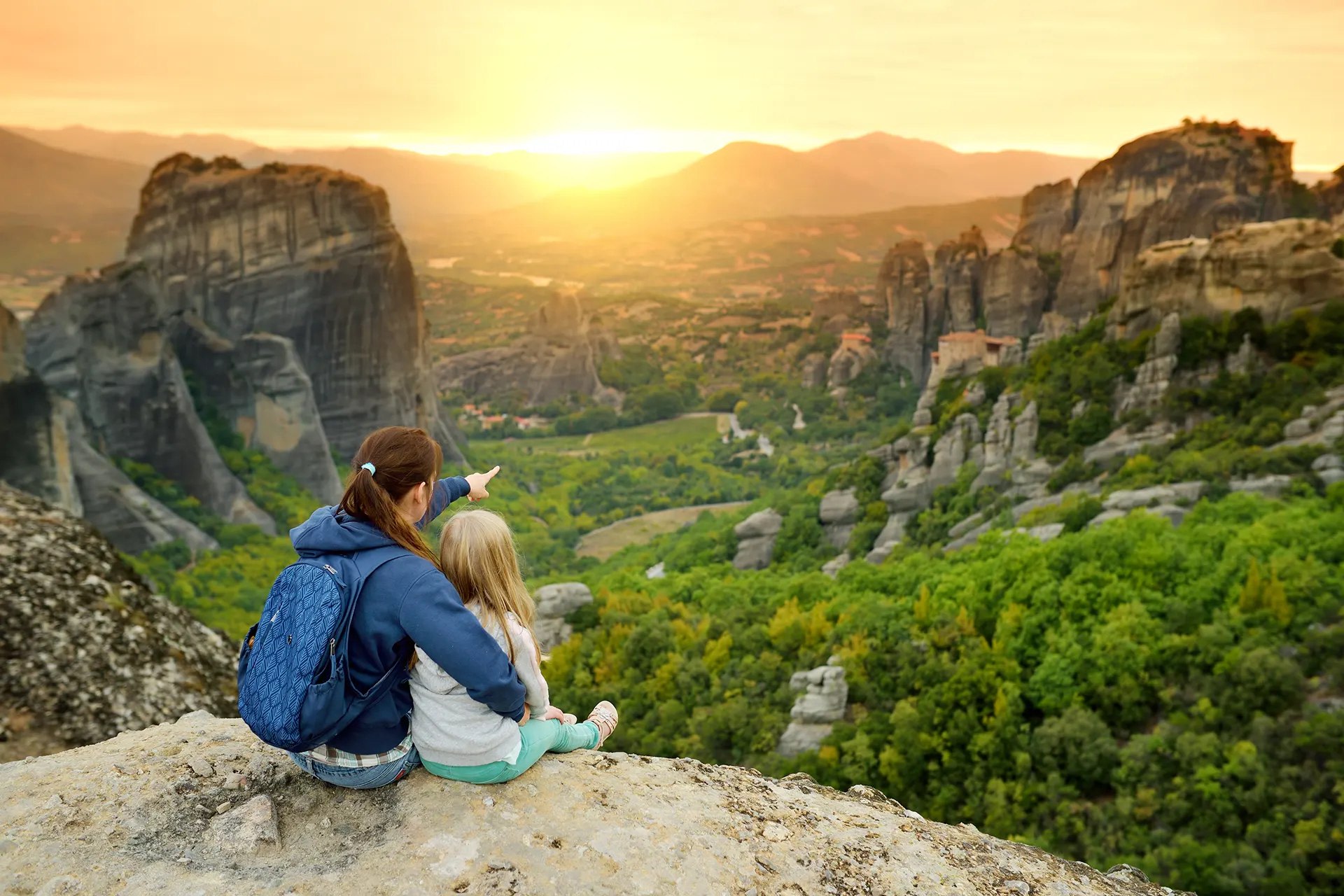
Meteora is a unique geological and historical site in Greece, famous for its stunning rock formations and historic monasteries perched atop towering pillars. This UNESCO World Heritage site offers breathtaking views and a rich cultural heritage that attracts visitors from around the world.
Top Attractions
Meteora Monasteries
A complex of Eastern Orthodox monasteries built on top of natural sandstone pillars, dating back to the 14th century.
Historical/Religious
Half to full day
€3-€5 per monastery
Meteora Hiking Trails
Scenic trails offering stunning views of the rock formations and monasteries.
Nature/Adventure
2-4 hours
Free
Kalambaka
A charming town at the foot of the Meteora rocks, known for its traditional architecture and local cuisine.
Cultural
Half day
Free to explore
Must-Try Local Dishes
Pita
A savory pie filled with various ingredients like spinach, cheese, or meat.
Dinner
Vegetarian options available
Souvlaki
Grilled meat skewers, often served with pita bread and tzatziki sauce.
Snack
Contains meat
Dolmades
Grappe leaves stuffed with rice and herbs.
Appetizer
Vegetarian
Popular Activities
Hiking
Rock climbing
Caving
Wine tasting
Dining at local tavernas
Strolling through Kalambaka Old Town
Visiting monasteries
Exploring historic towns
Best Time to Visit
April to October
This is the best time to visit Meteora, with pleasant weather and clear skies ideal for hiking and sightseeing.
15°C to 30°C
59°F to 86°F
Practical Information
Language
- Official: Greek
- Widely spoken: English
- English: Moderately spoken
Currency
Euro (EUR)
Time Zone
EET (GMT+2), EEST (GMT+3) during daylight saving time
Electricity
230VV, 50HzHz
Safety Information
Overall Safety Rating: Generally safe
Meteora is a safe destination with low crime rates. Standard precautions should be taken to ensure a safe and enjoyable trip.
Important Precautions:
- • Keep valuables secure
- • Be cautious when hiking alone
- • Use reputable tour operators
Getting there
By air
- Ioannis Daskalogiannis Airport • 220 km from Meteora
By train
Kalambaka Station
By bus
Kalambaka Bus Station
Getting around
Public transport
Buses are infrequent and may not cover all areas. Taxis are a better option for convenience.
Taxis
Available • Apps: Beat
Rentals
Car, Bike, Scooter
Neighborhoods
Kalambaka
Kastraki
Day trips
Trikala
30 km from Meteora • Half day
A historic town with a mix of Ottoman and Greek architecture, known for its traditional markets and local cuisine.
Larissa
60 km from Meteora • Full day
A major city with a rich history, offering a variety of museums, parks, and dining options.
Festivals
Meteora Festival • July
Easter Celebrations • March/April (dates vary)
Pro tips
- Visit the monasteries early in the morning to avoid crowds and enjoy the serene atmosphere.
- Hike the Meteora trails for stunning views and a unique perspective of the rock formations.
- Try local dishes like 'pita' and 'souvlaki' at traditional tavernas in Kalambaka.
- Pack comfortable hiking shoes and a camera to capture the breathtaking landscapes.
- Stay in Kastraki for a quieter experience and easy access to hiking trails.
From $25
per person
Price varies by option
Secure booking
Free cancellation available
Instant confirmation