Private tour from Athens to Marathon with a pickup
Active
8h
For a full refund, cancel at least 24 hours before the scheduled departure time.
Instant confirmation
Mobile or paper ticket accepted
About this experience
What makes this tour truly unique is its powerful blend of history, heroism, and heritage all set in the birthplace of one of the world’s most iconic events—the Marathon. Visitors walk in the footsteps of ancient warriors at the Marathon Tomb, feel the sacred energy at the Temple of Artemis, and explore rare artifacts at both the Archaeological and Marathon Run Museums. Each site tells a different part of a 2,500-year-old story—of victory, faith, and human endurance.
Unlike standard tours, this experience offers a deep, emotional connection to the past, combining myth and history in a serene natural setting. From battlefields to temples, and from ancient relics to Olympic glory, the tour honors both the ancient Athenians and modern spirit of the Marathon. It’s not just sightseeing—it’s a journey through time that inspires pride, reflection, and admiration for the timeless Greek legacy.
Available options
Private tour from Athens to Marathon with a pickup
Pickup included
What's included
Professional driver guide with knowledge of history allowed to provide only exterior insights
Water
WiFi on board
Air-conditioned vehicle
Detailed itinerary
1
The Marathon Dam, also known as the Marathon Reservoir, was constructed between 1926 and 1929 to address Athens' growing water needs. Located near the town of Marathon, the dam was a major engineering project of its time and marked the first large-scale infrastructure development in modern Greece. Built by the American company Ulen & Co., it created an artificial lake by blocking the Charadros River. The dam is 54 meters high and 285 meters long.
Notably, it was faced with Pentelic marble—the same material used to build the Parthenon—symbolizing a link between ancient and modern Greece. The dam played a crucial role in the modernization of Athens, supplying clean drinking water for decades. Today, although no longer the city's primary water source, the Marathon Dam remains a symbol of progress and a popular destination for visitors, blending natural beauty with historical significance.
2
The Marathon Tomb, or Tymvos, is the burial mound of the 192 Athenian soldiers who died in the Battle of Marathon in 490 BCE. This pivotal battle saw the vastly outnumbered Athenian army defeat the invading Persian forces, marking a turning point in the Greco-Persian Wars and securing the survival of Greek city-states and their democratic ideals.
According to tradition, the Athenians chose to bury their fallen on the battlefield—an honor typically reserved for heroes—rather than in the Kerameikos cemetery. The 9-meter-high earthen mound stands near the plain of Marathon, close to where the battle took place. Archaeological excavations in the 19th century uncovered cremated remains and grave offerings inside the mound.
The Marathon Tomb remains a powerful symbol of bravery, sacrifice, and the defense of freedom. It continues to inspire visitors from around the world, standing as a solemn reminder of one of history’s most famous military victories.
3
The Temple of Artemis in Brauron (Vravrona) was one of the most important sanctuaries of Artemis in ancient Attica. Built in the 6th century BCE near the Erasinos River, it honored Artemis Brauronia, goddess of nature, hunting, and childbirth. The site was a major religious center for women and especially young girls, who took part in rituals known as the Arkteia, where they "played the bear" to honor the goddess and prepare for adulthood.
The temple complex included a Doric temple, a sacred spring, a stoa, and a unique L-shaped building for festivals and ceremonies. Pilgrims from all over Attica came to offer dedications, especially garments of women who had safely given birth.
The sanctuary declined after the 3rd century BCE, likely due to floods and later Roman influence. Rediscovered in modern times, the site offers deep insight into ancient Greek religion, female rites of passage, and the cultural role of Artemis in classical society.
4
The Archaeological Museum of Marathon, located near the historic battlefield, showcases the rich history of the Marathon area from prehistory to late antiquity. Opened in 1975, the museum houses artifacts from the Battle of Marathon (490 BCE), the Marathon Tomb (Tymvos), and the Sanctuary of the Egyptian Gods.
Its five rooms display pottery, sculptures, inscriptions, and grave offerings. Highlights include the Marathon Boy, a bronze statue found in the sea, and funerary stelae from the Classical period. The museum also features finds from the Neolithic site at Tsepi and the early cemetery of the area, revealing Marathon’s importance long before the famous battle.
With its rich collection, the museum connects visitors to the heroic past of Marathon, offering insight into daily life, religion, and warfare in ancient Greece. It stands as a tribute to both the legendary battle and the area's broader archaeological significance.
5
The Marathon Run Museum, located in the town of Marathon, celebrates the history of the Marathon race, inspired by the legendary run of the messenger Pheidippides from the battlefield to Athens in 490 BCE to announce victory over the Persians. The museum traces the evolution of the race from ancient legend to modern Olympic sport.
Opened in 2004, it features over 4,000 exhibits, including rare documents, medals, uniforms, and memorabilia from Olympic Marathons and international races. A special focus is given to Greek Marathon legends like Spyros Louis, winner of the first modern Olympic Marathon in 1896.
The museum also honors the spirit of endurance, peace, and international friendship that the Marathon run symbolizes today. Through its rich collection, it connects the ancient past with modern athletic achievement, making it a unique cultural and historical destination for sports enthusiasts and visitors alike.
What's not included
Lunch
Tickets fees the Marathon run Museum
Tickets fees for the Archeological Museum of the Marathon
Tickets fees for Archeological Museum of Vravrona
Licenced professional archeologist tour guide to accompany you inside the sights with extra fee
Available languages
Guide guide
EN
Reviews breakdown
Tripadvisor
5.0
6 reviews
5★
6
4★
0
3★
0
2★
0
1★
0
Important information
Suitable for all physical fitness levels
About Athens
Athens, the capital of Greece, is a city rich in history and culture, often considered the cradle of Western civilization. It is home to iconic ancient landmarks, vibrant neighborhoods, and a thriving modern scene.
Top Attractions
Acropolis of Athens
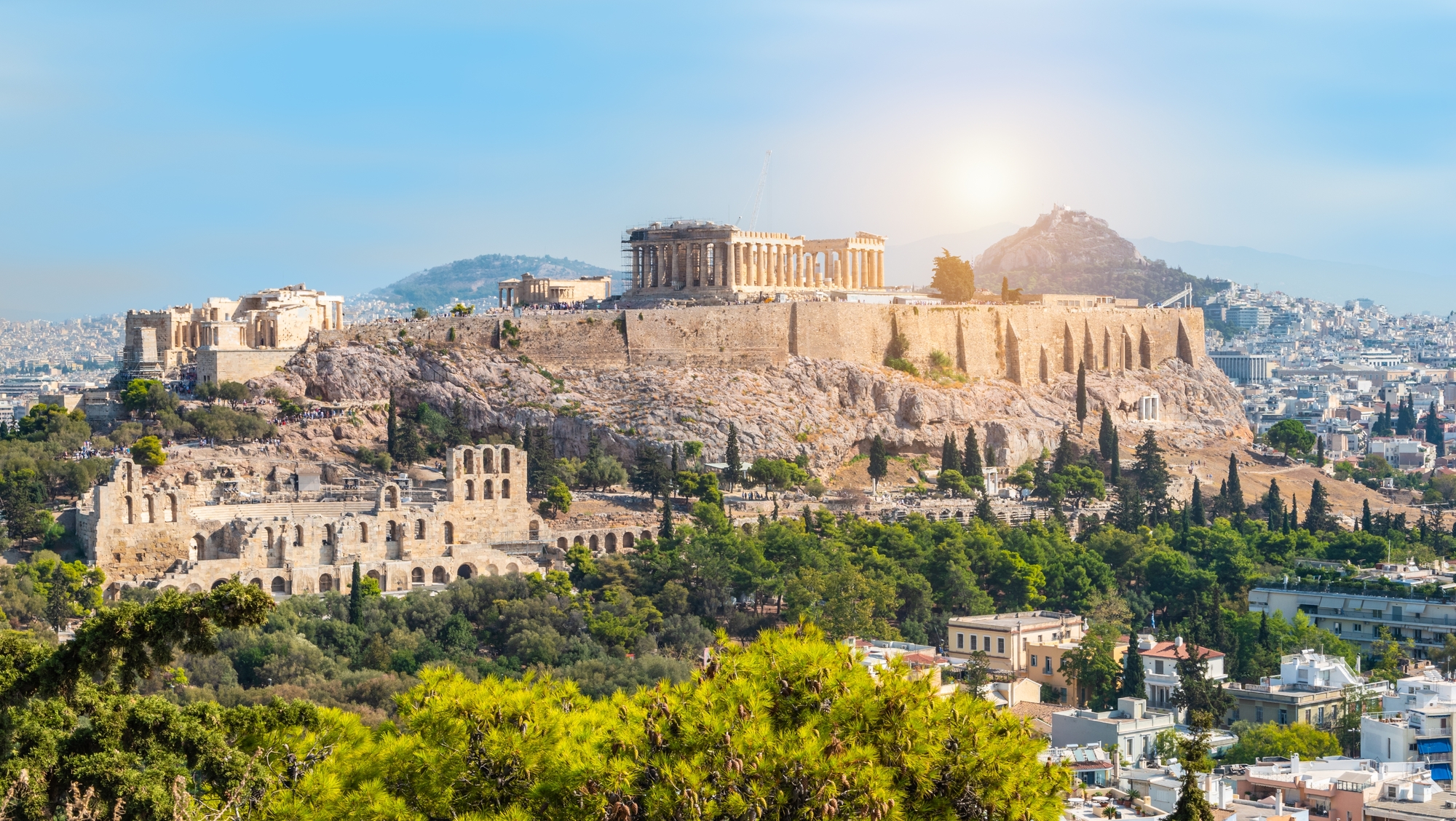
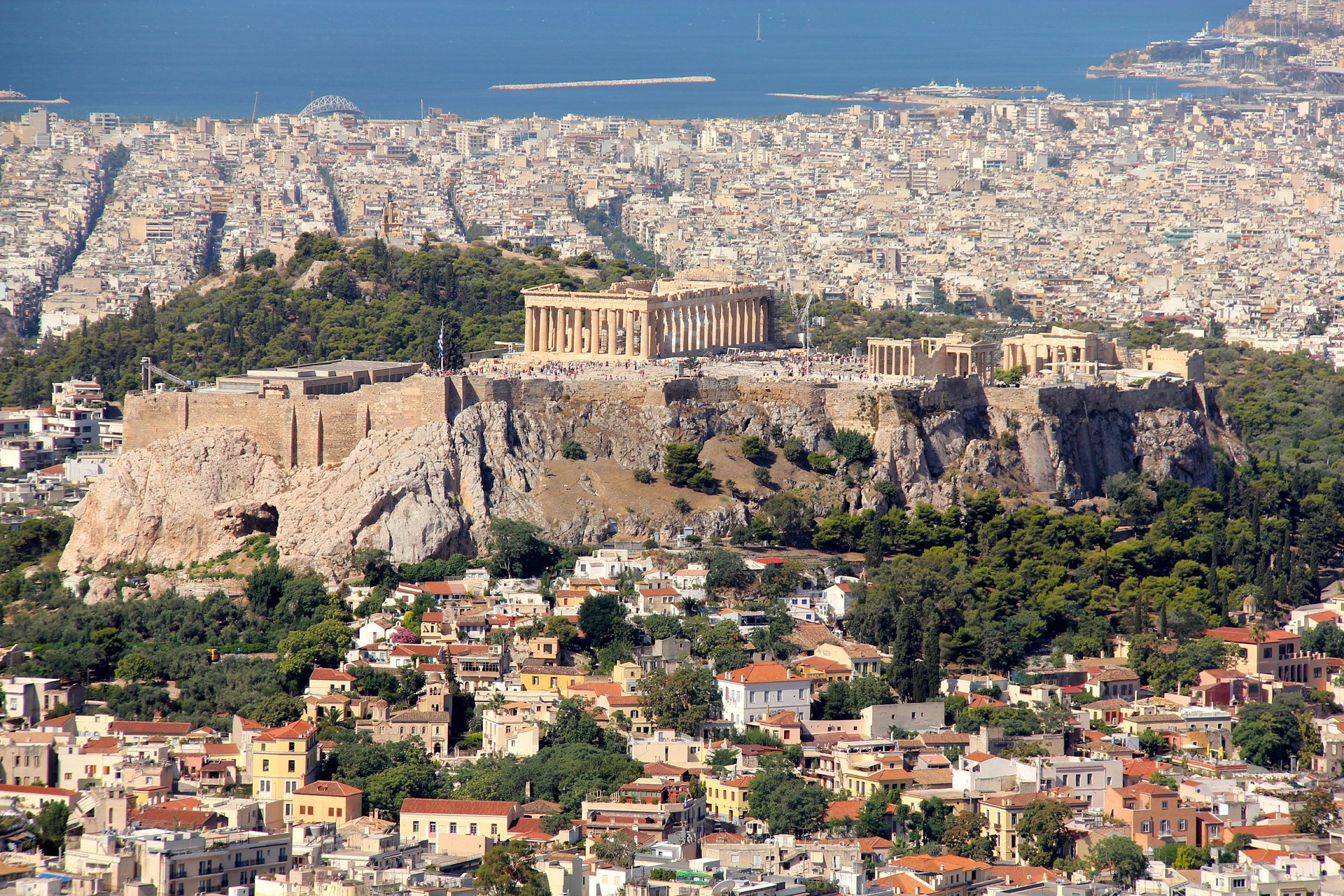
The Acropolis is the most iconic landmark in Athens, featuring ancient ruins and temples, including the Parthenon.
Historical
2-3 hours
€20 (combined ticket for multiple sites)
Ancient Agora of Athens
The heart of ancient Athens, featuring the Temple of Hephaestus and the Stoa of Attalos.
Historical
1-2 hours
€8 (included in the combined ticket)
Plaka
A charming, historic neighborhood with narrow streets, neoclassical houses, and vibrant nightlife.
Cultural
2-3 hours
Free to explore
Acropolis Museum
A modern museum showcasing artifacts from the Acropolis and its surroundings.
Museum
1-2 hours
€10
Temple of Olympian Zeus
An ancient temple dedicated to Zeus, once the largest temple in Greece.
Historical
30 minutes to 1 hour
€6 (included in the combined ticket)
Must-Try Local Dishes
Moussaka
A baked dish with layers of eggplant, minced meat, and béchamel sauce.
Dinner
Vegetarian versions available
Souvlaki
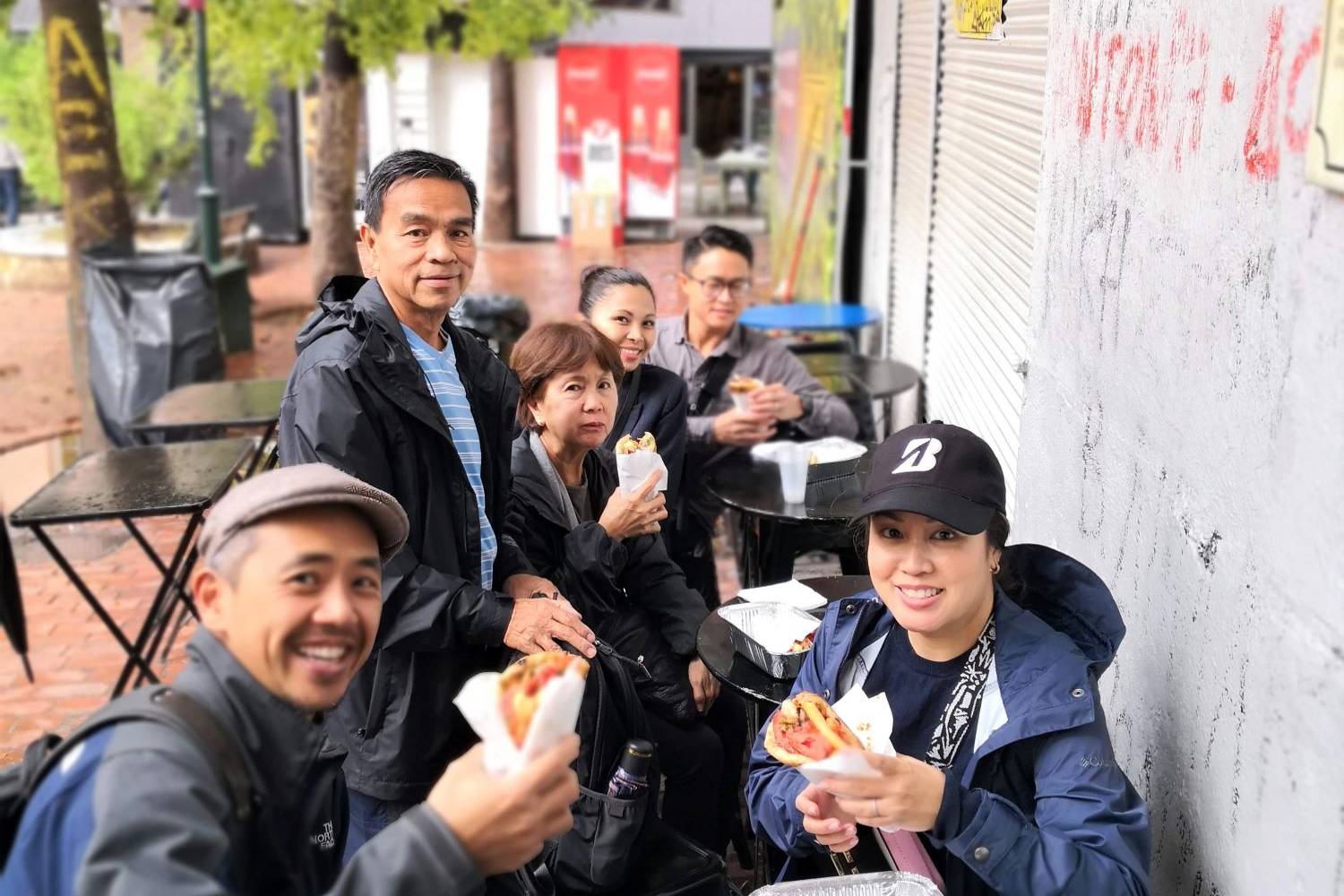
Grilled meat skewers, often served with pita bread and tzatziki.
Snack
Can be made with chicken, pork, or vegetarian options
Tzatziki
A yogurt-based dip with cucumber, garlic, and herbs.
Snack
Vegetarian and vegan options available
Baklava
A sweet pastry made with layers of filo, nuts, and honey syrup.
Dessert
Vegetarian
Popular Activities
Hiking in the mountains
Rock climbing
Scuba diving
Beach visits
Spa treatments
Café hopping
Museum visits
Theater performances
Best Time to Visit
April to June, September to October
The best time to visit Athens is during the spring and autumn months when the weather is pleasant and the tourist crowds are smaller.
18°C to 32°C
64°F to 90°F
Practical Information
Language
- Official: Greek
- Widely spoken: English, French, German
- English: Moderately spoken
Currency
Euro (EUR)
Time Zone
GMT+2 (EET)
Electricity
230VV, 50HzHz
Safety Information
Overall Safety Rating: Generally safe
Athens is generally safe for travelers, but petty crime and pickpocketing can occur in tourist areas. Be cautious with your belongings and avoid poorly lit areas at night.
Important Precautions:
- • Keep valuables secure
- • Use licensed taxis or ride-sharing apps
- • Be cautious with ATMs and credit cards
Getting there
By air
- Eleftherios Venizelos International Airport • 30 km from city center
By train
Athens Central Railway Station
By bus
KTEL Bus Station
Getting around
Public transport
Clean, efficient, and air-conditioned. Easy to navigate with clear signage in English.
Taxis
Available • Apps: Beat, Uber
Rentals
Car, Bike, Scooter
Neighborhoods
Plaka
Monastiraki
Psiri
Koukaki
Kolonaki
Day trips
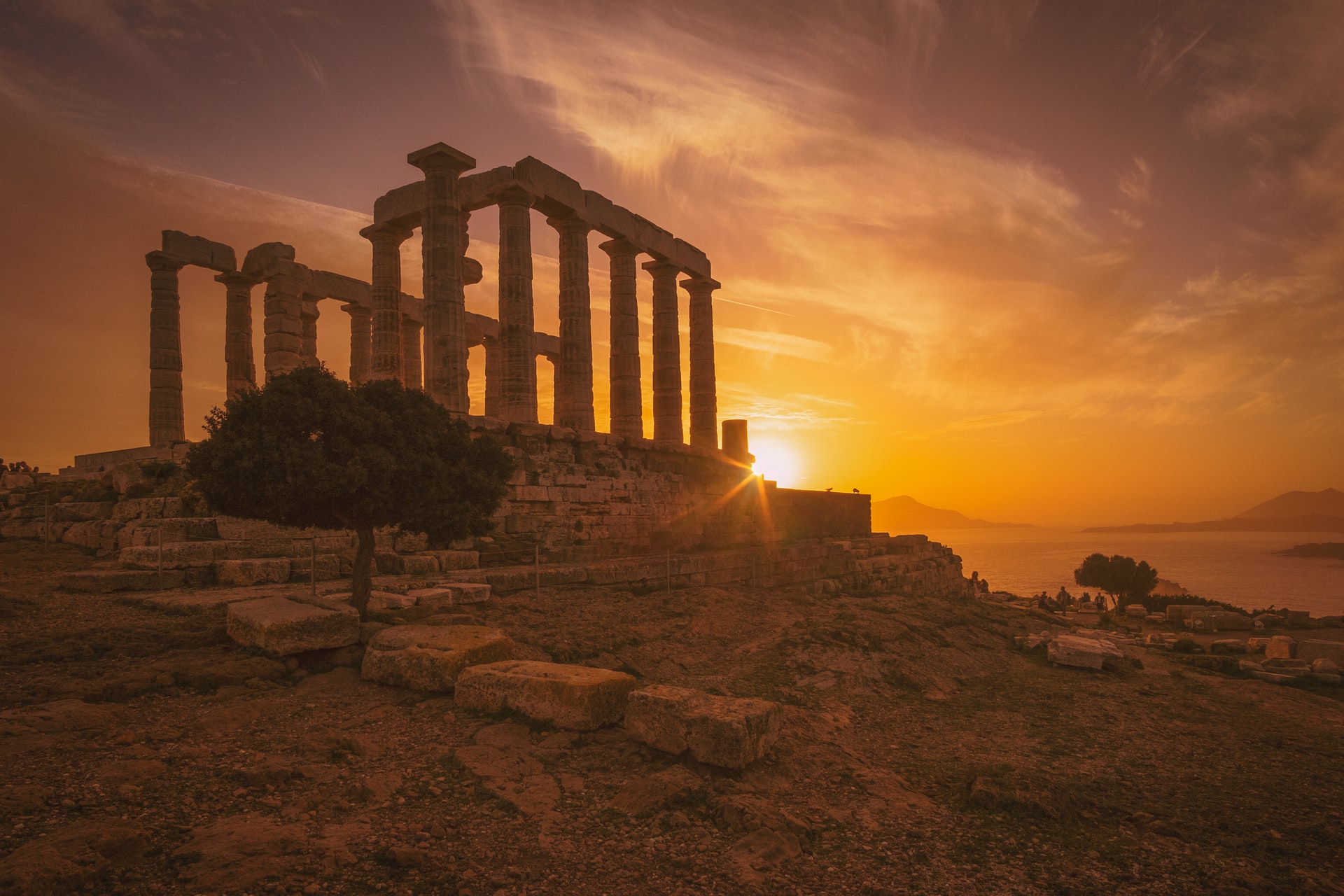
Cape Sounion
65 km from Athens • Half day to full day
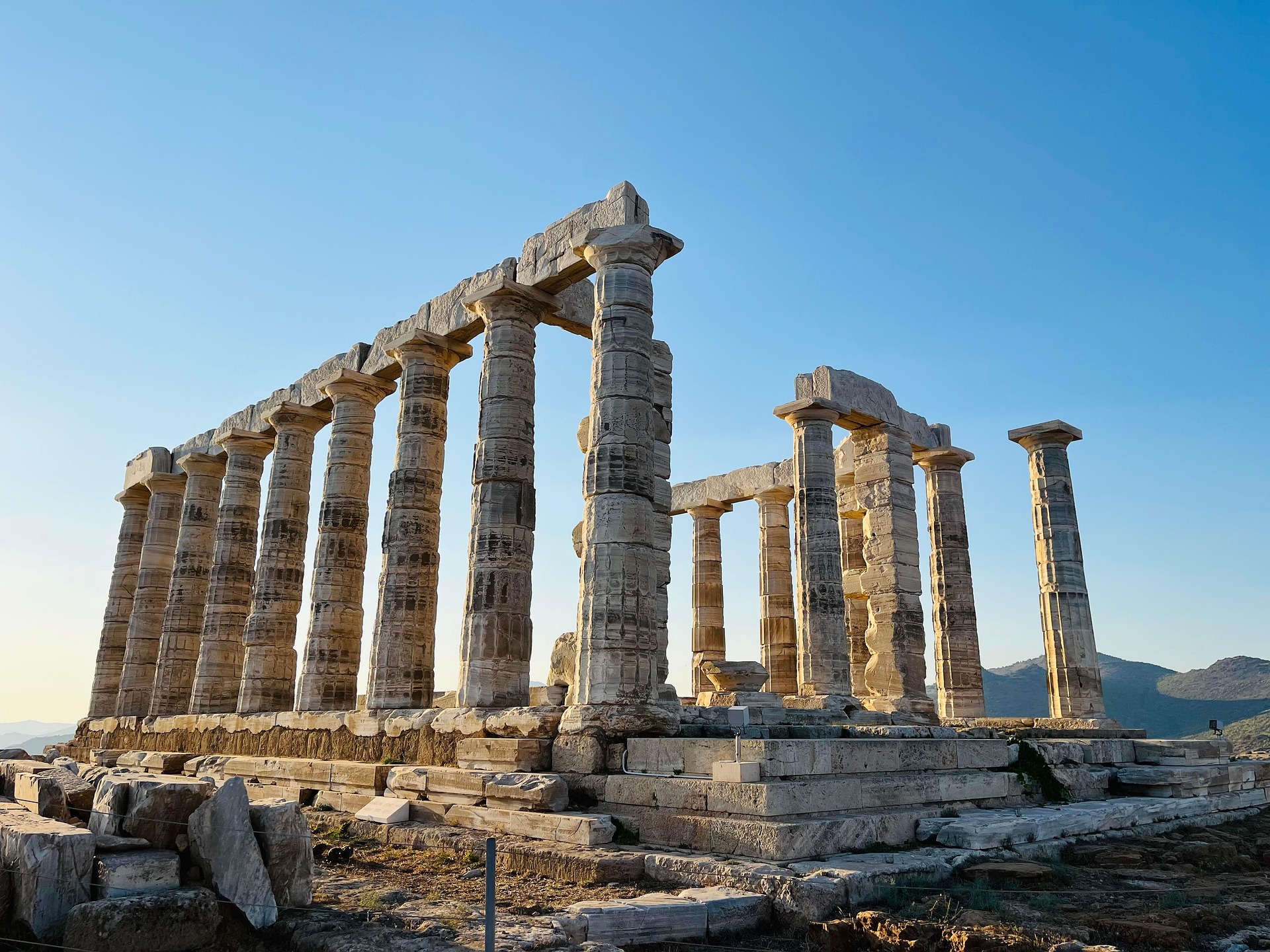
A scenic coastal area featuring the Temple of Poseidon with stunning views of the Aegean Sea.
Delphi
180 km from Athens • Full day
An ancient archaeological site and home to the famous Oracle of Delphi.
Meteora
350 km from Athens • Overnight
A unique landscape featuring rock formations and medieval monasteries perched atop cliffs.
Festivals
Athens Festival • May to October
Athens Epidaurus Festival • June to August
Athens International Film Festival • October
Pro tips
- Visit major attractions early in the morning or late in the afternoon to avoid crowds and heat
- Use the metro for easy and efficient travel around the city
- Explore local neighborhoods for an authentic Greek experience
- Try local street food for a quick and delicious meal
- Learn a few basic Greek phrases to enhance your experience and connect with locals
From $25
per person
Price varies by option
Secure booking
Free cancellation available
Instant confirmation