Awa Dance Festival Ticket with Car Transfer from Takamatsu
Active
7h
All sales are final. No refund is available for cancellations.
Manual confirmation
Mobile or paper ticket accepted
About this experience
Limited to all 5 days on August 11th~15th!
Experience the largest dance festival in Japan, Awa Odori from a paid reserved seating area from Takamatsu!
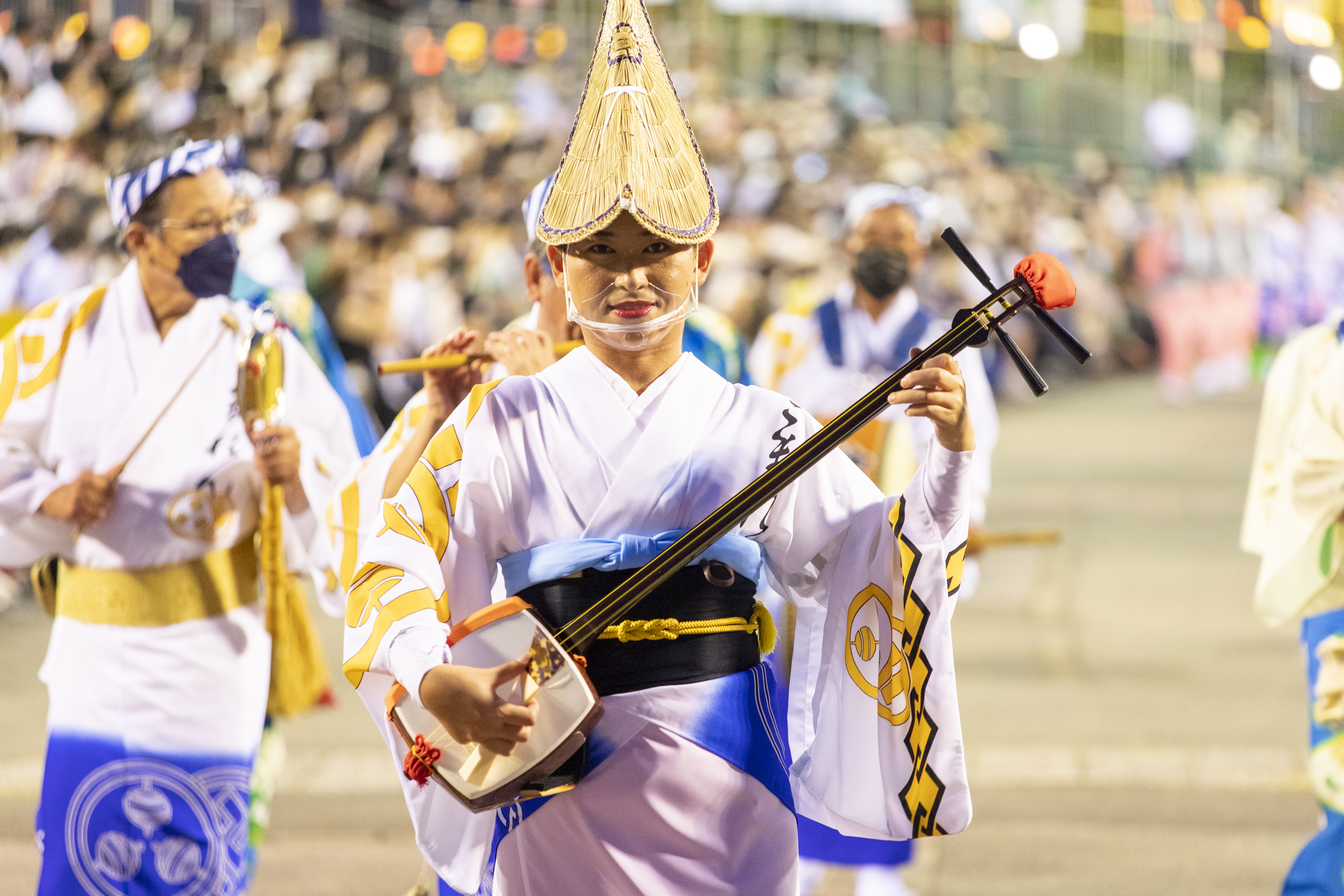
The Awa Dance Festival (Awa Odori) is the country's largest dance festival as part of the Obon festival in Tokushima Prefecture, Japan.
Dancers and musicians known as ren parade through the streets accompanied by traditional instruments, wearing obon dance costumes and chanting. "Awa" refers to the old name of Tokushima Prefecture, and "odori" means "dance".
"Odoru aho ni miru aho, onaji aho nara odoranya sonson" (A fool watches a fool dancing, If they're both fools, let's dance). It's the lyrics sung by the dancers during the festival.
Available options
From Takamatsu Station
HiAce type or similar: We require a minimum number of 6 people for the tour to operate.<br/>From Takamatsu Station
What's included
Admission fee of Awa Odori Museum (Inside if Awa Odori Kaikan)
Air-conditioned vehicle
Admission fee of The Awa Dance Festival S-class seats
Detailed itinerary
1
The Awa Dance Festival (Awa Odori) is Japan's largest dance festival, held during the Obon festival in Tokushima Prefecture. Dancers and musicians called ren parade through the streets wearing traditional obon dance costumes, accompanied by traditional instruments. "Awa" refers to the old name of Tokushima Prefecture, and "odori" means "dance." The festival's signature chant goes: "Odoru aho ni miru aho, onaji aho nara odoranya sonson♪" (A fool watches a fool dancing, If they're both fools, let's dance♪).
※ The spectator seats will be S-class seats.
※ Performance schedule Part 1 (18:00-19:30)
※ Performance schedule Part 2 (20:30-22:00)
2
Upon arrival in Tokushima City, immerse yourself in the festival atmosphere of Awa Odori throughout the town. (Free time activity.) * Please arrange your own dinner. There are also many festival food stalls available.
3
The world-famous Awa Dance can be viewed all year round at this dance hall. The first floor is home to an information desk and shop area for local products and tourist information. On the second floor is the Awa Dance library and an exhibition hall. The third floor is home to a museum.
Available languages
Guide guide
EN
Important information
Public transportation options are available nearby
Infants are required to sit on an adult’s lap
Not recommended for travelers with spinal injuries
Not recommended for pregnant travelers
Not recommended for travelers with poor cardiovascular health
Suitable for all physical fitness levels
This is not a private tour, you will enjoy the tour with other guests.
We might cancel the tour if we do not have at least 6 participants by 14 days before the scheduled departure.
Drinking alcohol on the bus is prohibited.
Please note that odd-numbered groups will, in principle, shared seats on the bus
The order of the itinerary may be partially changed.
Awa Odori may be canceled due to weather conditions. If cancellation is confirmed before departure, the tour will be canceled and a full refund will be given.
You need to climb stairs to reach the seats.
Meeting point
Your driver will be waiting for you holding a board displaying the tour name.
About Takamatsu
Takamatsu is a coastal city in Kagawa Prefecture, known for its beautiful gardens, historic castles, and delicious udon noodles. The city offers a blend of traditional Japanese culture and modern attractions, making it a unique destination for travelers.
Top Attractions
Takamatsu Castle
Also known as Tamamo Castle, this historic castle offers beautiful views of the city and the Seto Inland Sea. The castle grounds are a popular spot for cherry blossom viewing in the spring.
Historical
1-2 hours
Free
Ritsurin Garden
One of Japan's most famous gardens, Ritsurin Garden is a beautiful blend of traditional Japanese landscaping and natural beauty. The garden features ponds, bridges, and historic tea houses.
Nature
2-3 hours
¥410
Yashima
A scenic plateau offering stunning views of the Seto Inland Sea and the surrounding islands. Yashima is also known for its historic significance and beautiful natural landscapes.
Nature
2-3 hours
Free (some attractions may have fees)
Must-Try Local Dishes
Sanuki Udon
Thick, chewy wheat noodles served in a variety of broths and toppings. A must-try specialty of Takamatsu.
Main dish
Vegetarian options available
Tamanegi
Sweet and savory onions, a popular side dish in Takamatsu.
Side dish
Vegetarian
Oysters
Fresh oysters from the Seto Inland Sea, often grilled or served raw.
Seafood
Gluten-free, but check for allergens
Popular Activities
Hiking on Yashima
Cycling around the city
Kayaking in the Seto Inland Sea
Visiting Ritsurin Garden
Beach relaxation at Katahinahama
Spa and onsen experiences
Exploring Takamatsu Castle
Visiting Kompira-san Shrine
Best Time to Visit
April to October
This period offers pleasant weather, perfect for outdoor activities and exploring the city's attractions. The cherry blossom season in April and the autumn foliage in November are particularly beautiful.
15°C to 30°C
59°F to 86°F
Practical Information
Language
- Official: Japanese
- Widely spoken: English (limited)
- English: Limited
Currency
Japanese Yen (JPY)
Time Zone
GMT+9
Electricity
100VV, 50/60HzHz
Safety Information
Overall Safety Rating: Very safe
Takamatsu is a very safe city with low crime rates. Violent crime is rare, and petty crime is uncommon. However, travelers should always take basic precautions to protect their belongings.
Important Precautions:
- • Keep valuables secure and out of sight.
- • Be cautious of pickpockets in crowded areas.
- • Use reputable taxi services and check fares before starting your journey.
Getting there
By air
- Takamatsu Airport • 15 km from city center
By train
Takamatsu Station
By bus
Takamatsu Station Bus Terminal, Central Bus Terminal
Getting around
Public transport
The bus system is the primary mode of public transport in Takamatsu. Buses are frequent and cover most of the city.
Taxis
Available • Apps: JapanTaxi, DiDi
Rentals
Car, Bike, Scooter
Neighborhoods
Marunouchi
Katahinahama
Yashima-cho
Day trips
Kotohira
20 km from Takamatsu • Half day
A small town known for its historic Kompira-san Shrine, a significant Shinto shrine dedicated to the god of theater and commerce.
Naoshima
20 km from Takamatsu • Full day
A small island in the Seto Inland Sea known for its contemporary art museums and installations, including works by famous artists like Yayoi Kusama and James Turrell.
Shikoku Pilgrimage
Varies • Multi-day
A famous pilgrimage route covering 88 Buddhist temples across Shikoku Island. Many travelers choose to walk parts of the route for its spiritual and cultural significance.
Festivals
Takamatsu Udon Festival • November
Takamatsu Matsuri • July
Kotohira Matsuri • April
Pro tips
- Visit Ritsurin Garden early in the morning to avoid crowds and enjoy a peaceful experience.
- Try different types of udon at local specialty shops to find your favorite.
- Explore the city by bike to discover hidden gems and enjoy the scenic routes.
- Attend a local festival or event to experience the city's vibrant culture and traditions.
- Take a day trip to Naoshima Island for a unique art and nature experience.
From $25
per person
Price varies by option
Secure booking
Free cancellation available


![[Early Spring Limited] Kawazu Cherry Blossom Festival × Strawberry Picking and All-You-Can-Eat × Shuzenji Onsen · Jōgasaki Coast Scenery Day Trip (From Tokyo)](https://res.klook.com/image/upload/activities/mowj7x0bsw5keqs3vbt0.jpg)
![[Tohoku, Japan | Akita Private Car Tour] Akita City & Lake Tazawa/Kashima/Kakunodate/Dakigaeri Gorge | Customizable Itinerary](https://res.klook.com/image/upload/activities/zm2dt7batadqyujferwr.jpg)
![[Izu Cherry Blossom & Plum Blossom Day Trip] Kawazu Cherry Blossoms, Atami Baien Plum Garden, Strawberry Picking at Fruit Park | Departure from Tokyo Ginza](https://res.klook.com/image/upload/activities/xccjhpfn5orffiyh0deg.jpg)