Mt Koya 1 Day Walking Tour from Osaka
Active
8h
All sales are final. No refund is available for cancellations.
Manual confirmation
Mobile or paper ticket accepted
About this experience
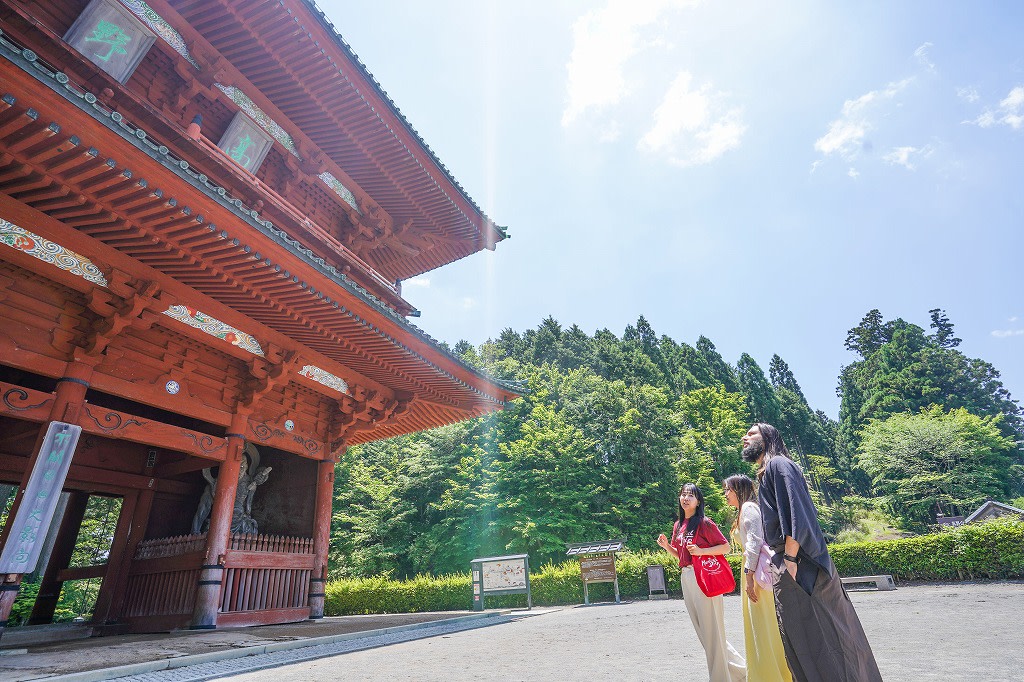
Mount Koya (高野山, Kōyasan) is the center of Shingon Buddhism, an important Buddhist sect which was introduced to Japan in 805 by Kobo Daishi (also known as Kukai), one of Japan's most significant religious figures. A small, secluded temple town has developed around the sect's headquarters that Kobo Daishi built on Koyasan's wooded mountaintop. It is also the site of Kobo Daishi's mausoleum and the start and endpoint of the Shikoku 88 Temple Pilgrimage.
・Visit to Koyasan’s central temple complex with Private English Speaking Guide (Danjo Garan, Konpo Daito Pagoda, Okunoin Temple)
・Experience of Shojin Ryori (Japan's Sophisticated Buddhist Cuisine) for Lunch and Dinner at temple (Shukubo)
・Including transportation's fee (Nankai Train Tickets) between Namba station (Osaka) and Mt. Koya
Available options
Mt Koya 1 Day Walking Tour from Osaka
Pickup included
What's included
English speaking guide
Admissions fee
Round trip transportation between Osaka and Mt Koya(Koyasan)
Detailed itinerary
1
Nankai train and bus between Namba station and Mt Koya - Round trip.
2
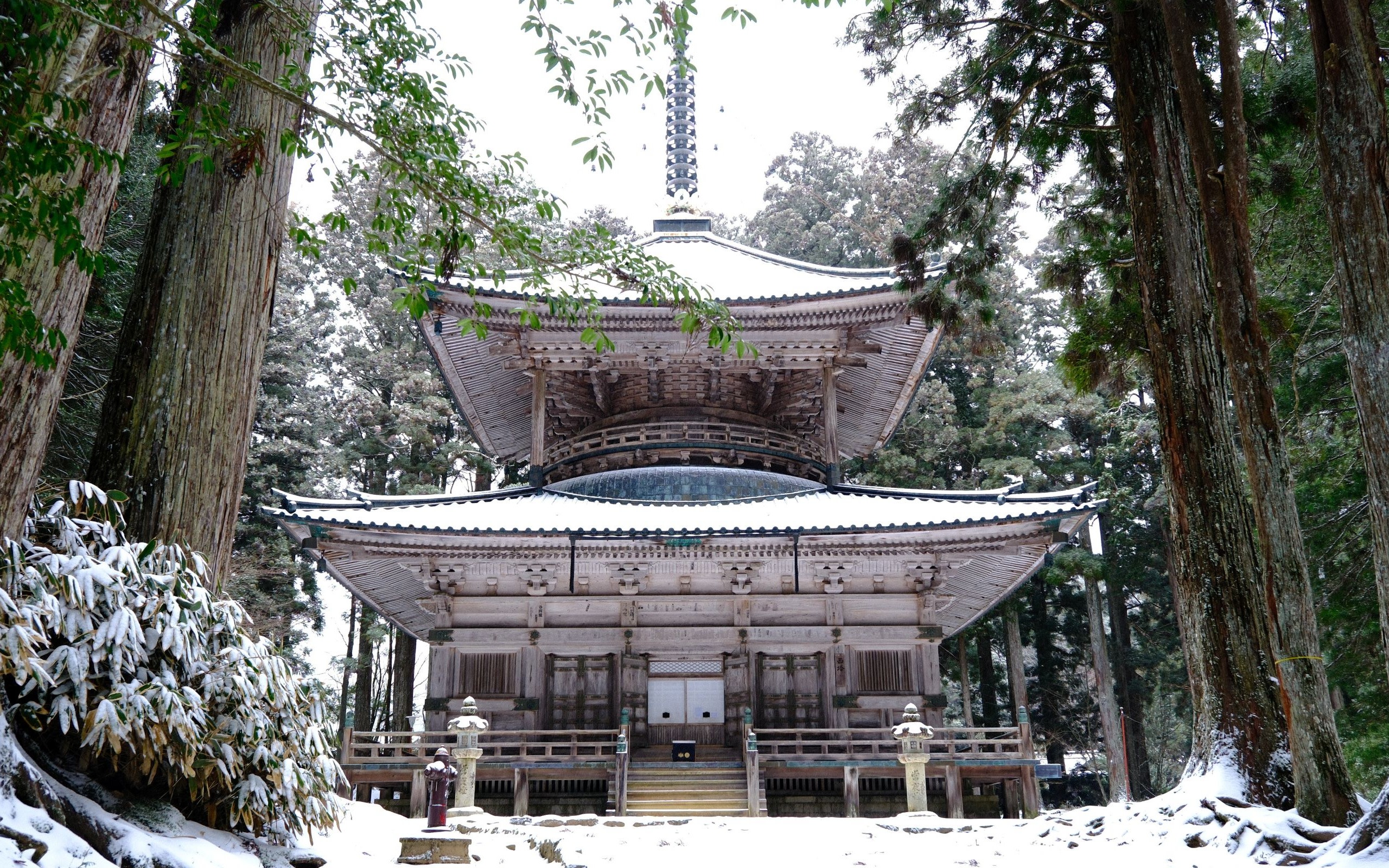
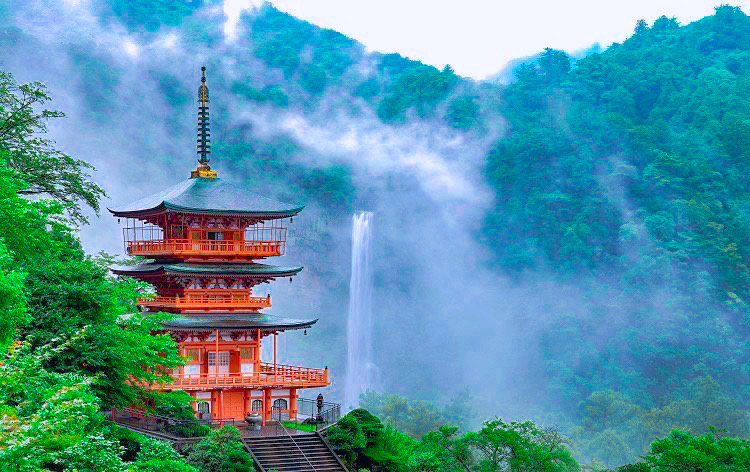
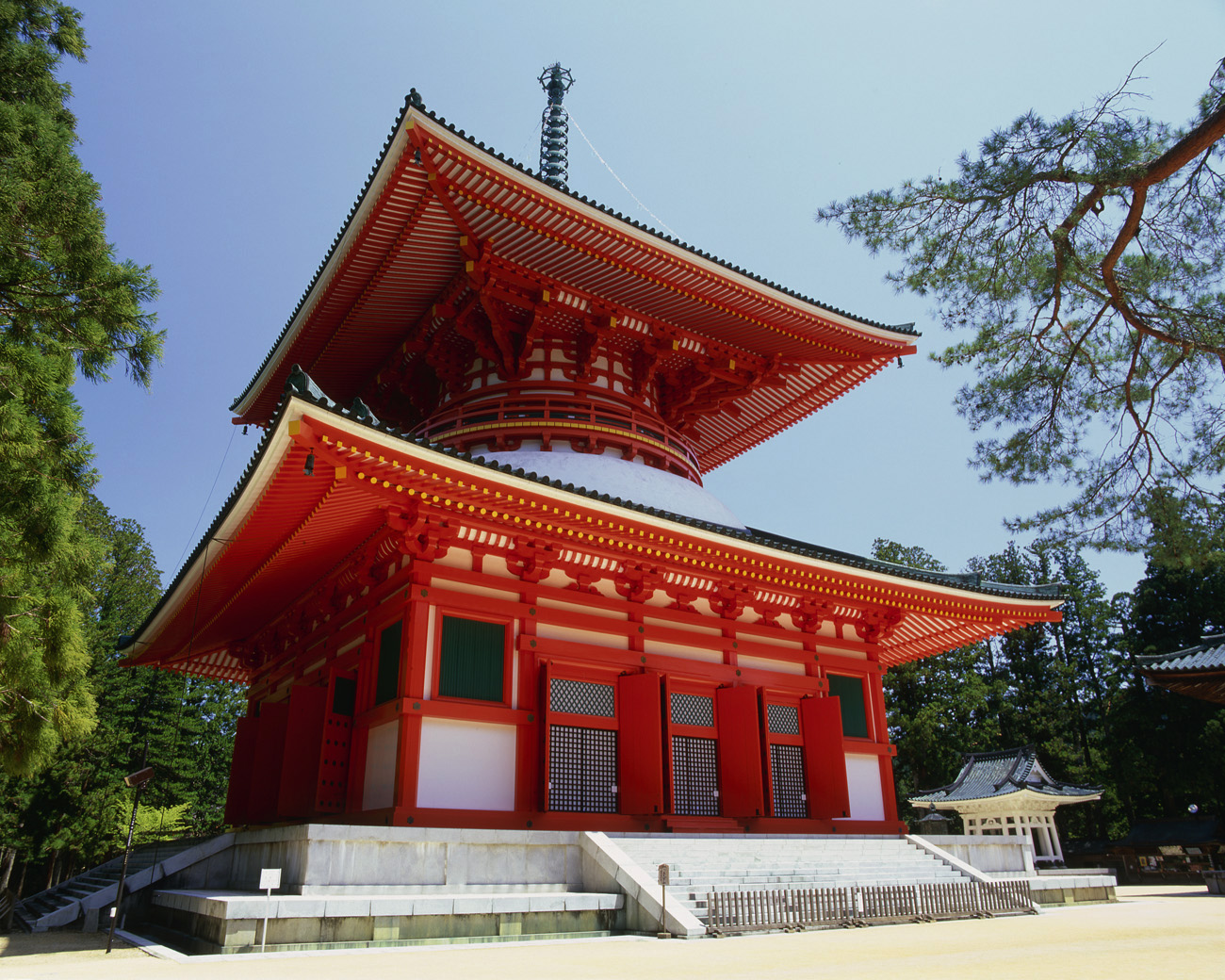
The vermilion Konpon Daito Pagoda, a 45 meter tall, two tiered, tahoto style pagoda. A statue of the Dainichi Nyorai (Cosmic Buddha, also known as Variocana), the central Buddha in Shingon Buddhism, stands in the middle of the pagoda's interior and is surrounded by statues and paintings on pillars, which together make up a rare three dimensional mandala (a metaphysical map of the cosmos). Mandala are usually two dimensional paintings.
3
Stop 3
Okunoin (奥の院) is the site of the mausoleum of Kobo Daishi (also known as Kukai), the founder of Shingon Buddhism and one of the most revered persons in the religious history of Japan. Instead of having died, Kobo Daishi is believed to rest in eternal meditation as he awaits Miroku Nyorai (Maihreya), the Buddha of the Future, and provides relief to those who ask for salvation in the meantime. Okunoin is one of the most sacred places in Japan and a popular pilgrimage spot.
The Ichinohashi Bridge (first bridge) marks the traditional entrance to Okunoin, and visitors should bow to pay respect to Kobo Daishi before crossing it. Across the bridge starts Okunoin's cemetery, the largest in Japan, with over 200,000 tombstones lining the almost two kilometer long approach to Kobo Daishi's mausoleum. Wishing to be close to Kobo Daishi in death to receive salvation, many people, including prominent monks and feudal lords, have had their tombstones erected here over the centuries.
4
Stop 4
Legend has it that Kobo Daishi, the founder of Shingon Buddhism, threw his sankosho (a double ended, three pronged Buddhist ceremonial tool) from China, where he had been studying, toward Japan. Back in Japan, while in search of a place to headquarter his new religion, he came across his sankosho stuck in the branches of a pine tree on Koyasan and started construction of the Garan, Koyasan's central temple complex. The pine tree, that caught the sankosho, is still growing there.
The two most prominent buildings of the Garan are the Kondo Hall and the huge Konpon Daito Pagoda. The Kondo Hall is a large wooden temple hall where major ceremonies are held. The building has burned down multiple times over the centuries, and the current hall dates back to 1932. It enshrines an image of Yakushi Nyorai, the Buddha of medicine and healing.
5
Stop 5
Lunch of Shojin Ryori (Japan's Sophisticated Buddhist Cuisine) at temple (Shukubo).
What's not included
Lunch
Available languages
Guide guide
EN
Reviews breakdown
Viator
5.0
1 reviews
5★
1
4★
0
3★
0
2★
0
1★
0
Important information
Wheelchair accessible
Infants and small children can ride in a pram or stroller
Service animals allowed
Public transportation options are available nearby
Infants are required to sit on an adult’s lap
Suitable for all physical fitness levels
About Namba
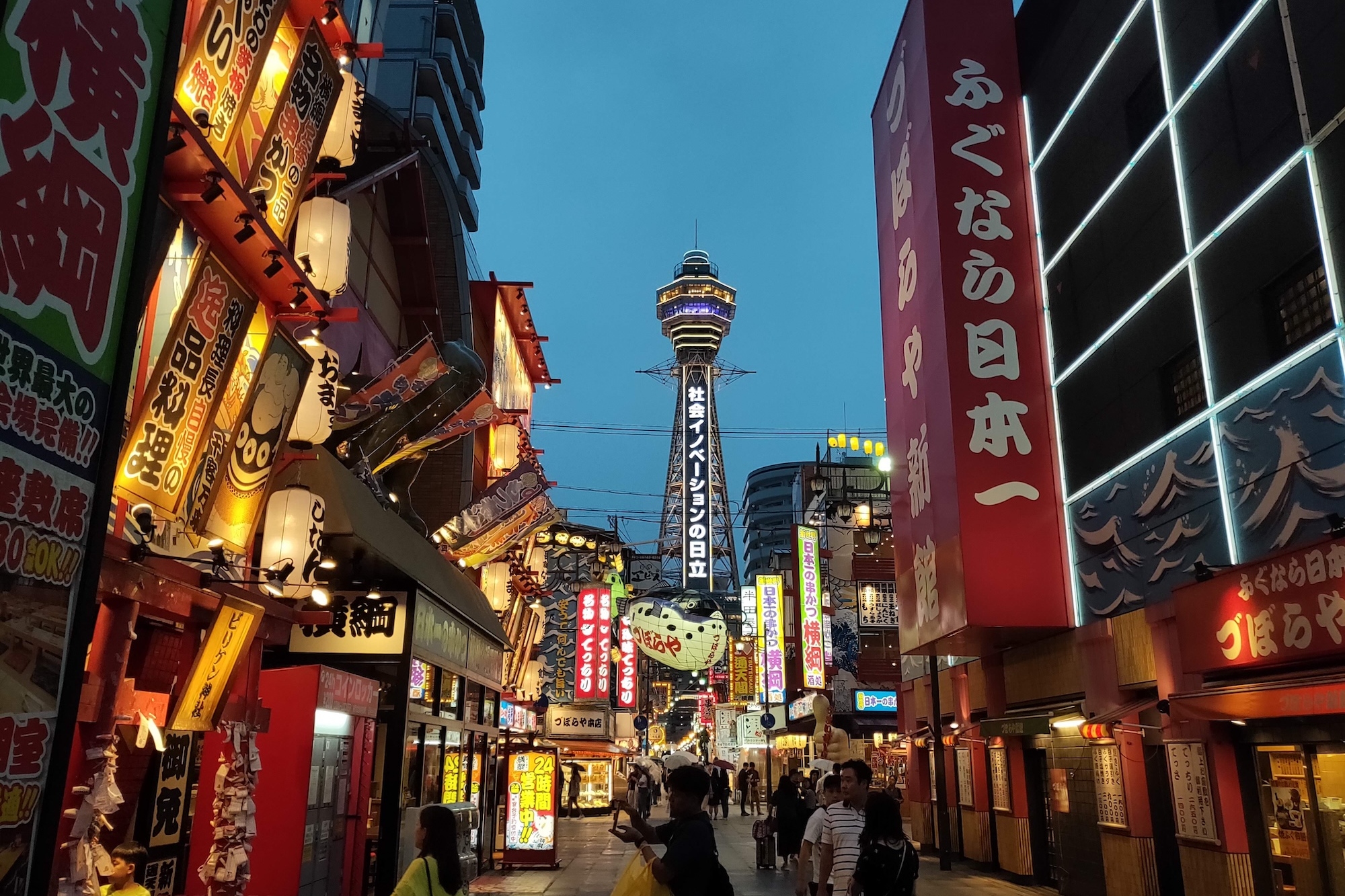
Namba is the vibrant, bustling heart of Osaka, renowned for its lively streets, delicious street food, and vibrant nightlife. It's a perfect blend of traditional Japanese culture and modern entertainment, offering a unique experience to every traveler.
Top Attractions
Dotonbori
A bustling street known for its neon lights, street food, and vibrant nightlife. It's a must-visit for its lively atmosphere and iconic Glico Running Man sign.
Entertainment
2-3 hours
Free to explore (food and shopping costs extra)
Shinsaibashi Shopping Arcade
A long shopping street filled with shops, restaurants, and entertainment options. It's a great place for shopping and people-watching.
Shopping
2-4 hours
Free to explore (shopping costs extra)
Hozenji Yokocho
A narrow, atmospheric alleyway with a moss-covered Buddha statue and traditional wooden buildings. It offers a glimpse into old Osaka.
Historical
30-60 minutes
Free to explore (food and drinks cost extra)
Amerikamura (Amemura)
A trendy district known for its youth culture, street fashion, and vintage shops. It's a great place to experience Osaka's modern subcultures.
Cultural
1-2 hours
Free to explore (shopping costs extra)
Namba Parks
A modern shopping mall with a rooftop garden and a variety of shops and restaurants. It's a great place for shopping and relaxation.
Shopping
1-3 hours
Free to explore (shopping and dining costs extra)
Must-Try Local Dishes
Takoyaki
Octopus-filled dough balls, cooked in a special mold and topped with sauce, mayonnaise, and bonito flakes.
Snack
Contains seafood, gluten, and soy
Okonomiyaki
Savory pancake made with cabbage, batter, and various toppings like pork, shrimp, and cheese.
Main Dish
Can be made vegetarian or vegan upon request
Kushikatsu
Deep-fried skewers of meat, seafood, and vegetables, served with a dipping sauce.
Snack
Contains meat and seafood, gluten, and soy
Ramen
Noodle soup with various broths (tonkotsu, shoyu, miso) and toppings like chashu pork, egg, and bamboo shoots.
Main Dish
Contains gluten, soy, and sometimes seafood
Popular Activities
Hiking in nearby mountains
Biking along the river
Kayaking or paddleboarding
Visiting onsen (hot springs)
Enjoying a traditional tea ceremony
Strolling through parks and gardens
Visiting temples and shrines
Attending a traditional festival
Best Time to Visit
March to May (Spring) and September to November (Autumn)
These seasons offer pleasant weather with mild temperatures, making it ideal for exploring the city. Cherry blossoms in spring and vibrant foliage in autumn add to the charm.
15°C to 25°C
59°F to 77°F
Practical Information
Language
- Official: Japanese
- Widely spoken: English, Chinese, Korean
- English: Moderately spoken in tourist areas, limited elsewhere
Currency
Japanese Yen (JPY)
Time Zone
GMT+9
Electricity
100VV, 50/60HzHz
Safety Information
Overall Safety Rating: Very safe
Osaka is generally very safe, with low crime rates and a strong police presence. However, petty crimes like pickpocketing can occur in crowded areas.
Important Precautions:
- • Keep your belongings secure in crowded areas
- • Use licensed taxis and check the meter
- • Be cautious of strangers offering help or services
Getting there
By air
- Kansai International Airport • 50 km from Namba
- Osaka International Airport (Itami) • 20 km from Namba
By train
Namba Station, Osaka Namba Station
By bus
Namba Bus Terminal
Getting around
Public transport
The Osaka Metro is efficient, clean, and easy to use. It connects to major attractions and neighborhoods in Namba and beyond.
Taxis
Available • Apps: JapanTaxi
Rentals
Car, Bike, Scooter
Neighborhoods
Dotonbori
Shinsaibashi
Nipponbashi
Amerikamura (Amemura)
Hozenji Yokocho
Day trips
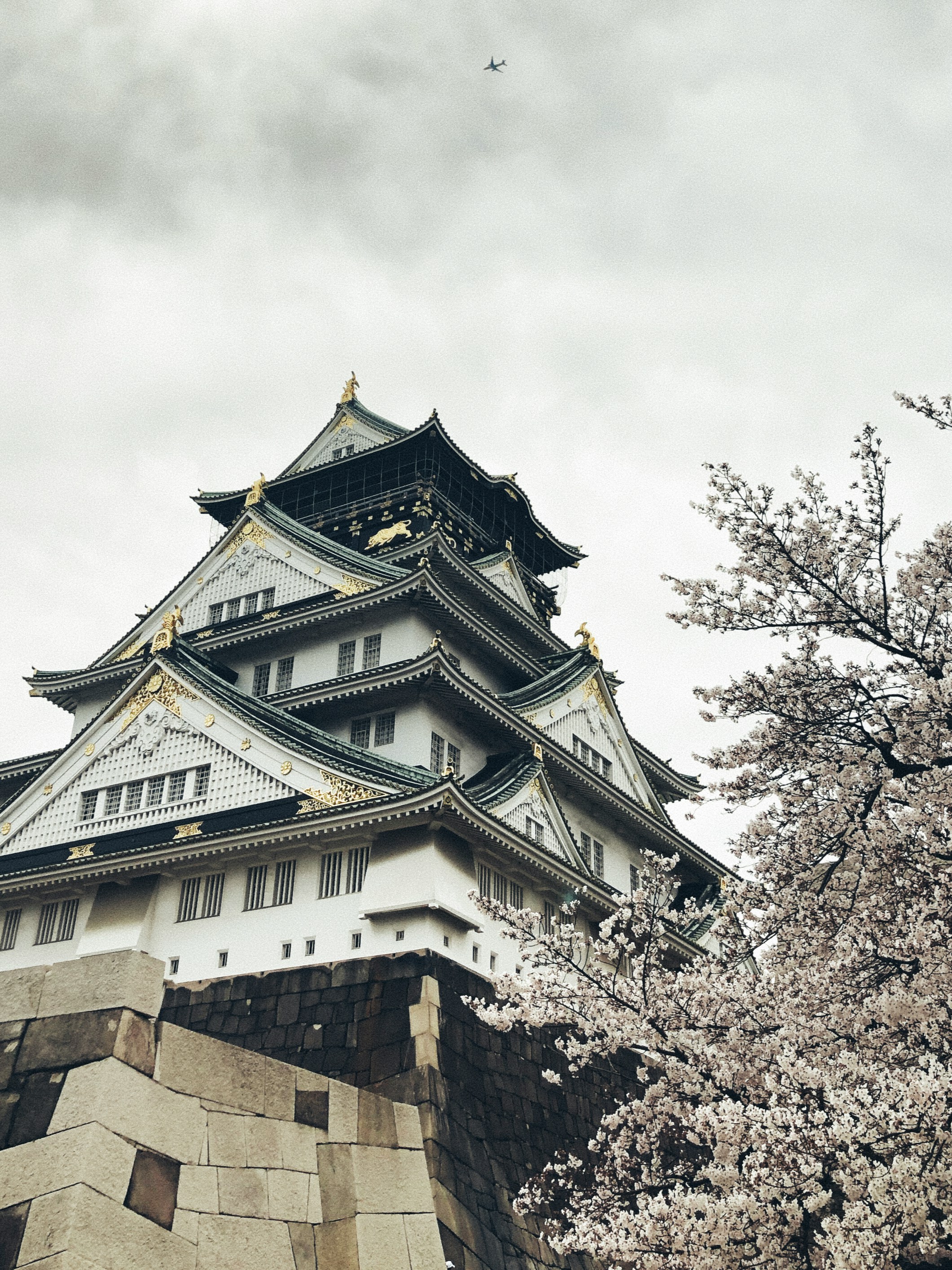
Osaka Castle
3 km from Namba • Half day
A stunning castle with a rich history, offering beautiful views of the city and a glimpse into Japan's feudal past.
Universal Studios Japan
15 km from Namba • Full day
A popular theme park featuring a variety of rides, shows, and attractions based on popular movies and characters.
Kobe
30 km from Namba • Full day
A nearby port city known for its beef, scenic views, and historical sites. It's a great place for a day trip to explore a different side of Japan.
Festivals
Osaka Asian Film Festival • March
Sumiyoshi Matsuri • July 30-31
Tenjin Matsuri • July 24-25
Pro tips
- Use an IC card (like ICOCA or Suica) for convenient payments on public transportation and at some shops and vending machines
- Try takoyaki and okonomiyaki from street vendors for an authentic Osaka experience
- Visit Dotonbori at night to see the neon lights and enjoy the vibrant atmosphere
- Explore Hozenji Yokocho for a glimpse into old Osaka and traditional izakayas
- Use Google Maps or Japan Travel app for navigation and real-time updates on train schedules and delays
From $25
per person
Price varies by option
Secure booking
Free cancellation available


![[1 Person Group] Meet adorable deer, stroll through ancient capitals: Kyoto, Nara, Osaka Kansai classic panoramic one-day tour](https://res.klook.com/image/upload/activities/jbrmcjclahu1gouqkk9w.jpg)