Full-Day Jeju Island WEST Tour (entrance fee included)
Active
9h
For a full refund, cancel at least 24 hours before the scheduled departure time.
Instant confirmation
Mobile or paper ticket accepted
About this experience
Cruise guests are welcomed! This tour schedule can be CUSTOMISED.
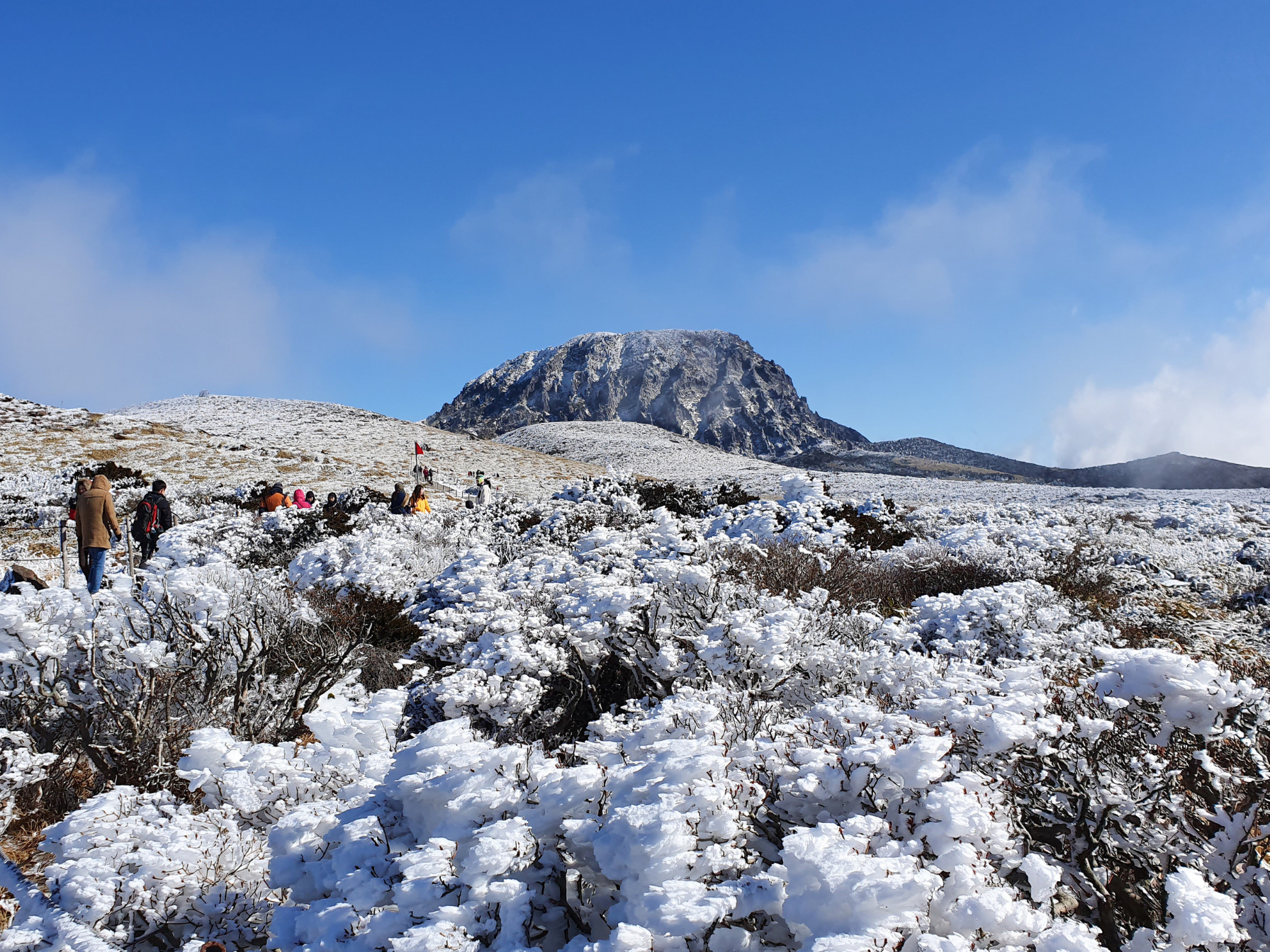
Seasonal tours: depends on the season(Winter, Summer, Spring, Autumn) our guide will take you to the best destinations for each season!
Destinations and local foods will be recommended by experienced local tour guide!
MORE YOU KNOW, MORE YOU SEE!
To maximize your travel experience, well experienced certified tour guide will tell you all about Jeju history and culture in a airconditioned comfortable van or minibus.
Jeju Island is 3 times bigger than Seoul, which makes it difficult to explore the area without your own transport. Cover all the highlights of Jeju Island with us through our attraction filled EAST, SOUTH, and WEST tours.
Full day tour with stress-free hotel pickup and drop-off service.
****Basic English tour does not include 'tour guide', it is only driver.
Available options
No guide basic English
Duration: 9 hours: You will be discussing your itinerary with our manager of Tour Jeju Korea upon your booking. <br/>Private Vehicle with Driver<br/>Pickup included
Full-Day Jeju Island West Small Group Tour
Pickup included
Cruise customers Jeju Island
Duration: 9 hours: Maximum 9 hours from pick up to drop off. <br/>Pickup included
Tour w Certified English Guide
Duration: 9 hours: Maximum 9 hours from pick up to drop off <br/>Private vehicle<br/>Pickup included
What's included
Air-conditioned vehicle
certified tour guide
Detailed itinerary
1
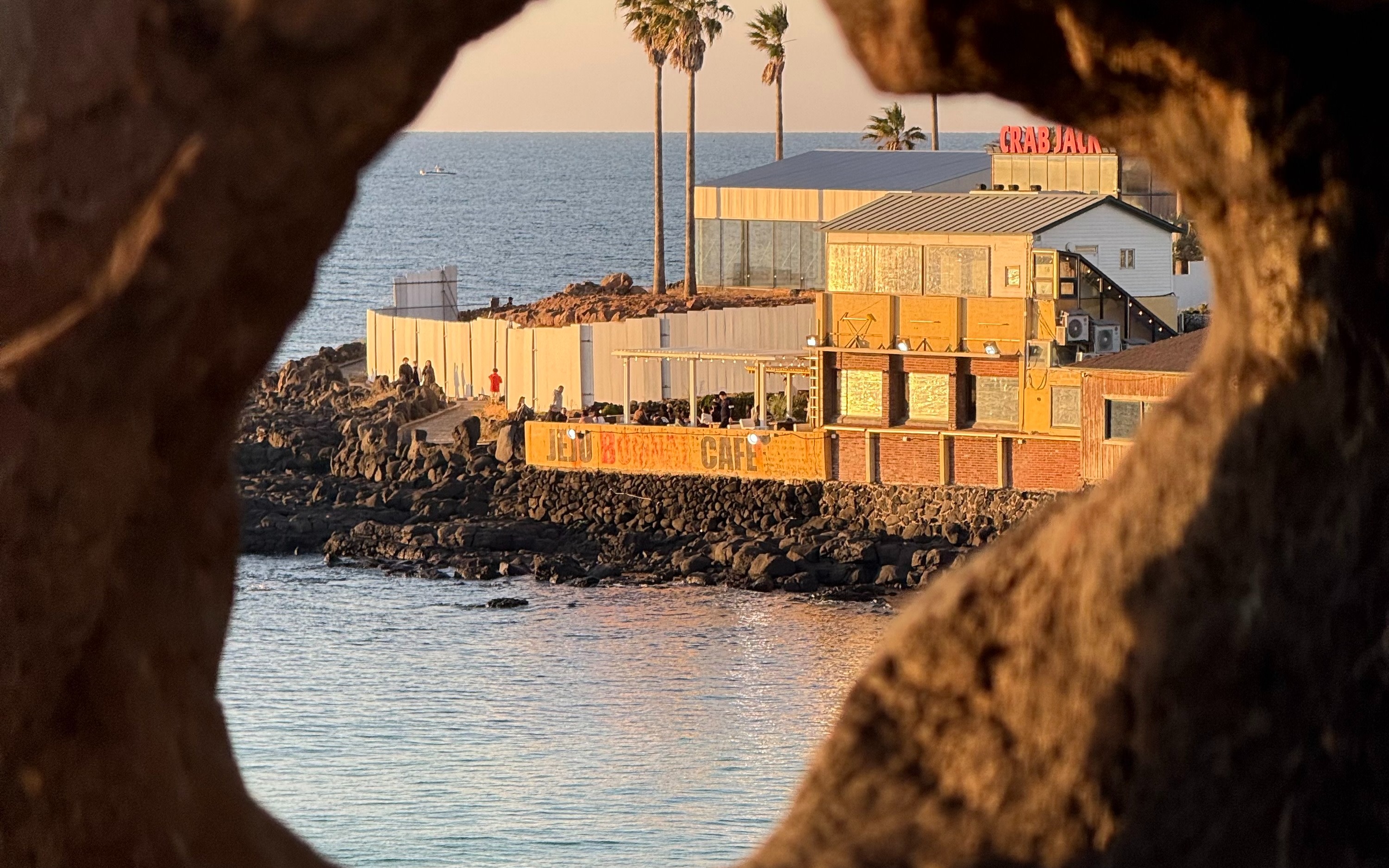
We will take Aewol Coastal Drive Road to the beach on the West Jeju. After passing through the steep cliffs and strong waves, you’ll come across Aewol Coastal Road, which zigzags up and down its way to Aewol possesses a beauty that makes you want to drive back after reaching the end just to experience it again. The curve of the road is its specialty, and ensures that the drive is a charming one.
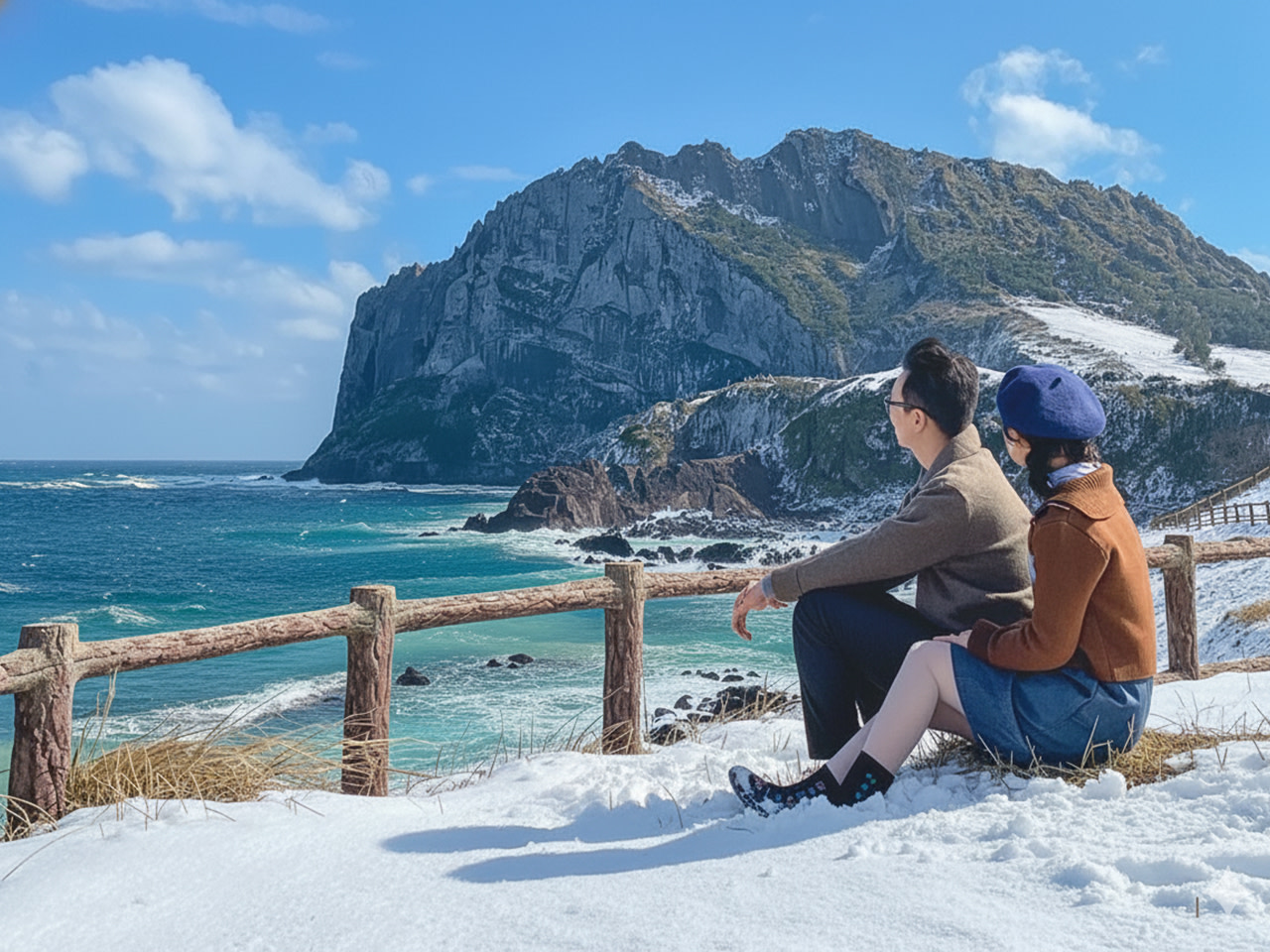
The view of the black rocks, which look like sculptures, as well as the large and small cliffs, is so beautiful that you will not be able to take your eyes. It is time to spend a great time with your significant other while taking in the cool sea breeze.
2
Hyeopjae Beach
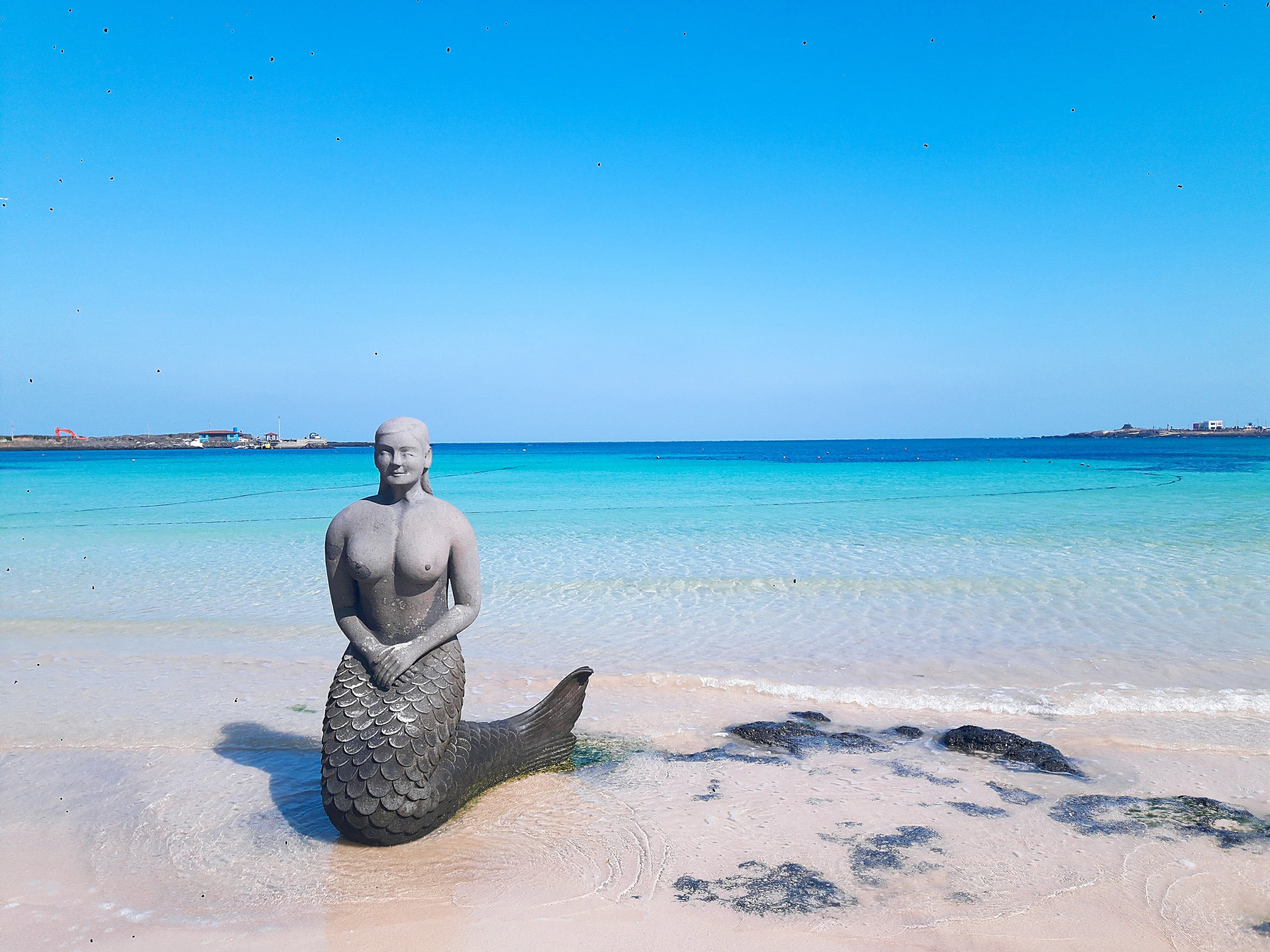
Clear waters and white sands are combined with broken shells, this long and beautiful shoreline offers a mesmerizing view of low-tide, with Biyangdo Island floating in the distance. The blue translucent water creates the illusion that one might even reach the island on foot.
10 minutes to Stone park by car.
3
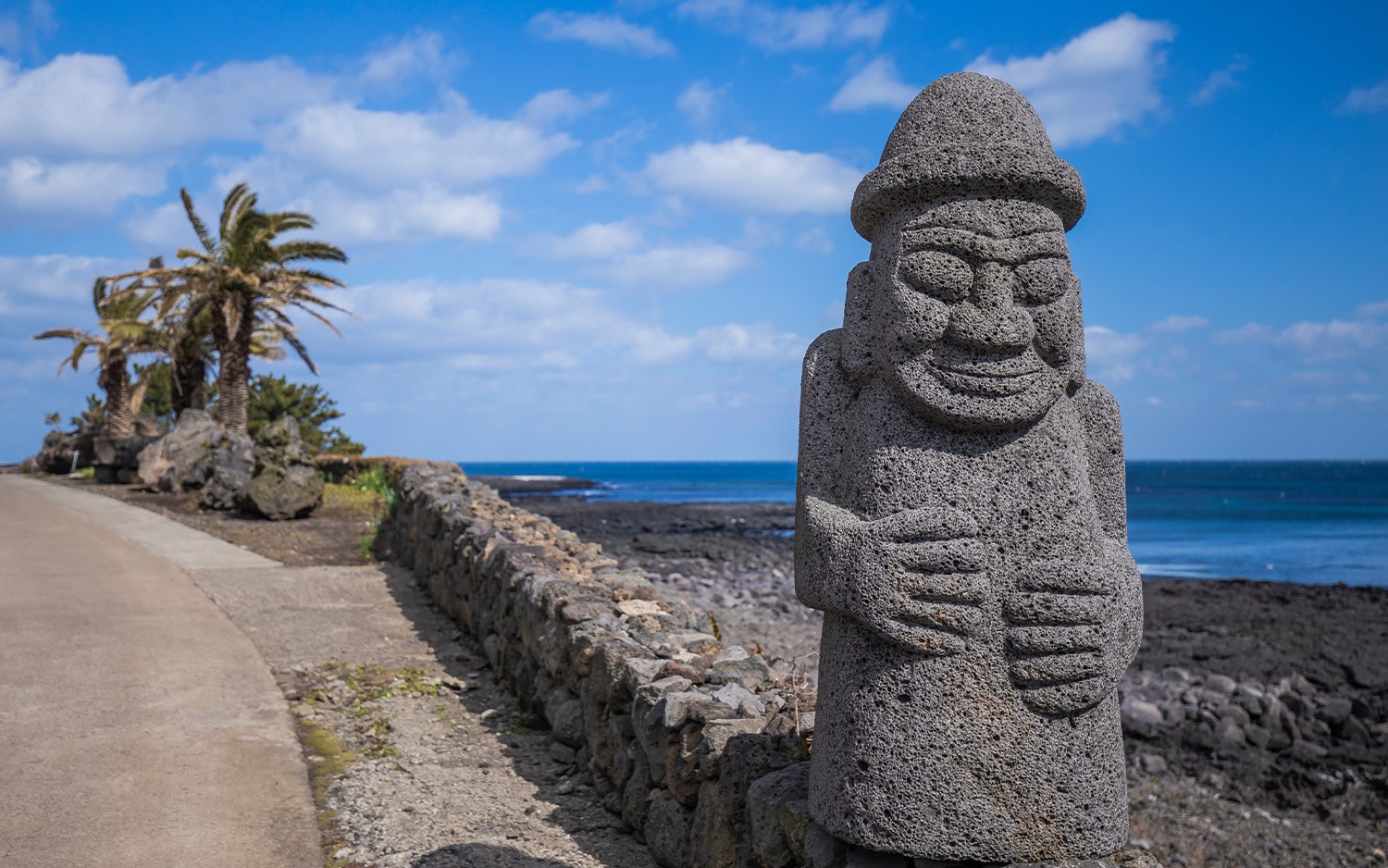
Seokmulwon Stone Park is a park created by master craftsman Jang Gong-ik, who has been making dol hareubang for about 40 years, using stones to depict aspects of Jeju life. A pond on the right, and there are works expressing legends of the Jeju region in stone, such as “Dol Hareubang,” “Haenyeo Statue,” “Dongja Statue,” and “Mother Statue Taking Care of Her Child Carrying Water on Her Thighs,” as well as Jeju life, folklore, and more. A model of Dolhareubang, which was given as a gift to presidents, prime ministers, and leaders from many countries around the world when they visited Jeju Island, was also displayed. The stone Buddhas with Buddhist colors that dominate the overall atmosphere are the work of Jang Gong-ik, who has maintained this place for decades. There are two caves in Geumneung Seokmulwon, Jeongyeo Cave and Jojo Cave, and within the caves there is a hermitage where you can offer Buddhist prayers. 10 minutes to Cacti.
4
Wolryeong Cactus Grove Walkway. Though Jeju has no deserts, it does have Wollyeong Village, a village covered entirely in cactuses. It is a farm village of approximately 150 households, and the majority of the farms in the area cultivates cactuses. The cactus population at Wollyeong-ri is a cactus colony that has been registered as Natural Monument 429. These cactuses grow naturally in between the rocks of Wollyeong. Since olden times, cactuses have been used in folk treatments. It is said that they were planted on the stonewalls to prevent the entry of snakes or mice. Cactuses are very resistant to dry weather, and will not dry out even during a drought. Their flowers, which blossom in the summer, are yellow, while their fruit, which resemble figs, turn purple when ripe. In recent years, the cultivation area for cactuses has increased due to the emergence of popular products such as cactus extract and cactus chocolate.
5
After one hour local dish lunch - This Jeju coastal area has attracted worldwide attention with the discovery of rare fossilized footprints. Starting from the direction of Sanbangsan Mountain, you can admire this towering edifice as Hallasan Mountain, Hyeongjaeseom, Gapado and Marado Islands come into view. Dullegil trail that runs along the coastal perimeter of the mountain, and affords hikers a remarkable view of Jeju’s southern ocean. Along the way, you can spot a myriad of wild flower species, and catch glimpses of goats and horses grazing in the thick mountain grass. History, too, appears to walkers in fascinating geological formations, and more poignant reminders of human influence in the Japanese military caves and outposts from the time that Japan occupied Korea. 15 minutes to Yonemeori.
6
Yongmeori Coast
The Yongmeori Coast got its name because the beach looks like a dragon that is jumping into the ocean with its head raised (“Yong” means dragon and “Meori” means head in Korean).
Yongmeori is a sandstone bed created by layers of sand that have been deposited for tens of millions of years. The mysterious scenery of the coast is enough to make anyone who witnesses it exclaim in wonder.
Under the weather condition, when low tide, we will do the Yonmeori Coast walk, when high tide Sanbangsan Grotto. However, you will be going to both Yongmeori Caost and Sanbangsan Temple.
7
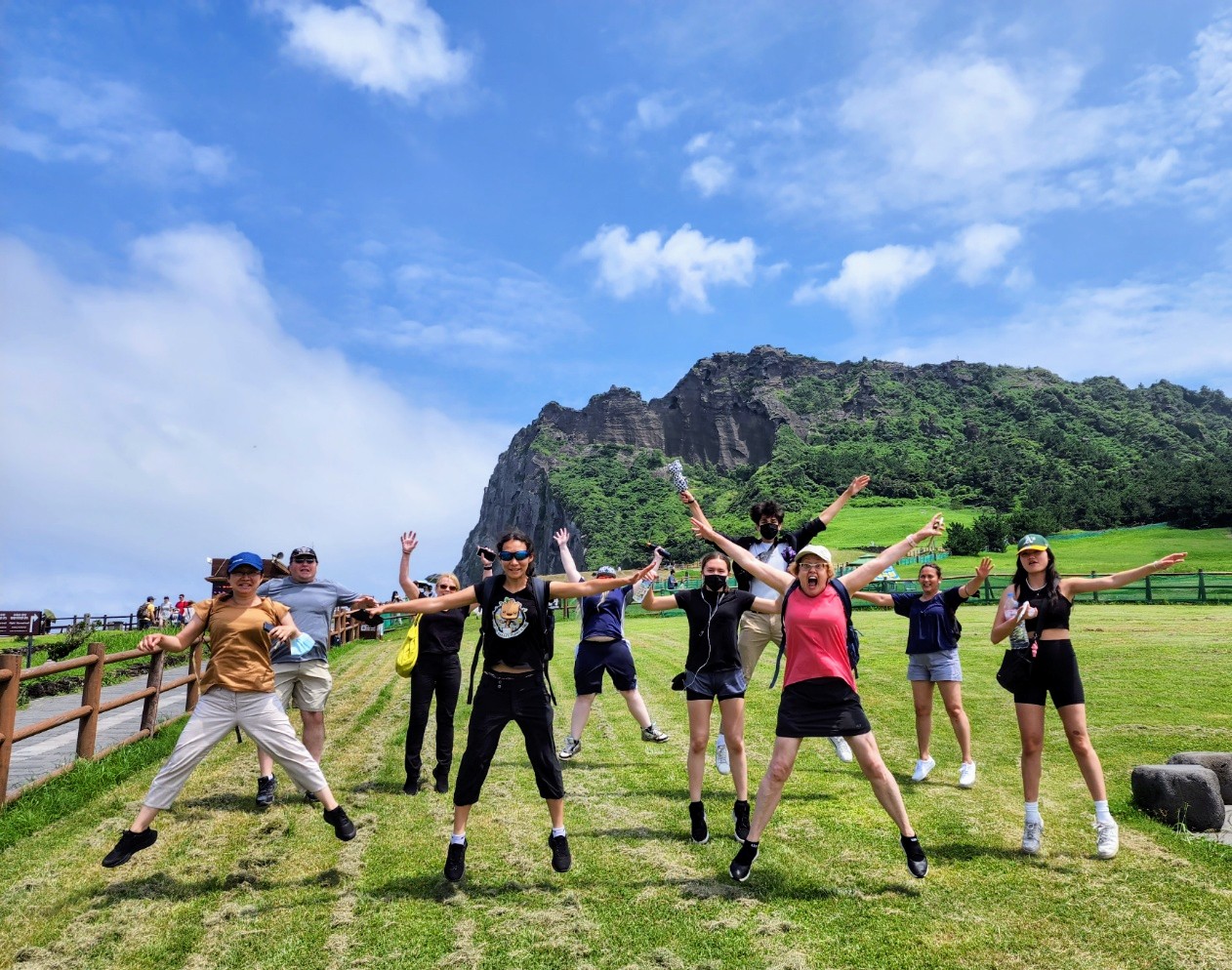
Beautiful temple on Sanbangsan Mountain (Sanbanggulsa Grotto - Buddha in the cave) is a trachytic tuff lava dome connected to the sedimentary layer of Yongmeori Beach. It is a bell-shaped tholoid that stands tall in the plains of southwest Jeju, allowing it to be seen from anywhere in the area. Stairs are well-made so that tourists can climb up to Sanbanggulsa Grotto. Due to its relatively tall height and proximity to the coast, Sanbangsan Mountain will often have clouds hanging or swirling around its summit, and the edge of each face of the mountain will show wildly diverging climate characteristics. Sanbang refers to a cave within a mountain, and Sanbangsan Mountain derives its name from the fact that there is a sea cave located around 150m above sea level on its southern face.
Under the weather condition, when low tide, we will do the Yonmeori Coast walk, when high tide Sanbangsan Grotto. However, you will be seeing both Yonemeori Coast and Sanbangsan Temple.
8
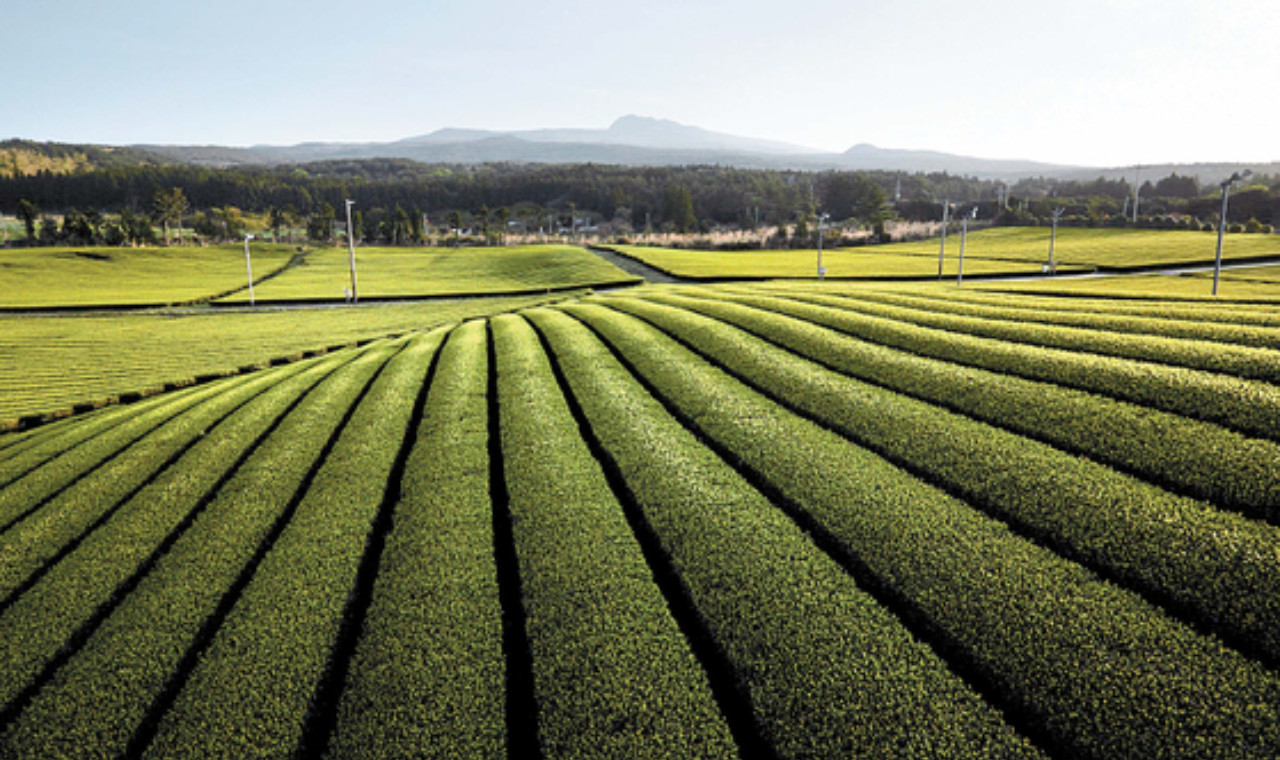
Osulloc is a tea brand with fields throughout Jeju. The company’s Tea Museum is undoubtedly the most well-known place to learn about the drink on the island. It is located in Jeju’s southwest Tea Fields, a sprawling tea plantation that spreads out over the surrounding countryside. There’s also a shop where you can buy produce from fields. You can try various products made from green tea, including lattes, cakes, and iced tea drinks. The space itself is interesting due to the wide-open floor-to-ceiling windows that provide visitors with clear views of the garden outside, even in the restroom helping visitors connect to nature.
Around one hour on the road back to the Jeju city. You will be dropped off at the hotel / meeting point by / around 6pm.
What's not included
personal expenses
Gratuities
Available languages
Guide guide
EN
Important information
Infants are required to sit on an adult’s lap
Suitable for all physical fitness levels
The total duration of this tour includes the travel time or the transportation.
About Seogwipo
Seogwipo is a vibrant city on the southern coast of Jeju Island, known for its stunning natural landscapes, including waterfalls, beaches, and volcanic formations. It offers a mix of outdoor adventures, cultural experiences, and relaxation opportunities, making it a perfect destination for nature lovers and those seeking a peaceful retreat.
Top Attractions
Oedolgae Rock
A striking volcanic rock formation rising from the sea, offering breathtaking views and a unique geological feature.
Nature
1-2 hours
Free
Jeongbang Waterfall
One of the few waterfalls in the world that falls directly into the ocean, Jeongbang Waterfall is a stunning natural attraction.
Nature
1-2 hours
Free
Seogwipo Olle Market
A lively market offering a variety of local foods, crafts, and souvenirs, perfect for experiencing the local culture.
Market
1-2 hours
Budget to Moderate
Must-Try Local Dishes
Black Pork
A local delicacy made from black-haired pigs raised on Jeju Island, known for its tender and flavorful meat.
Main Dish
Not vegetarian
Haenyeo Dolsot Bibimbap
A traditional bibimbap (mixed rice bowl) featuring seafood, vegetables, and a fried egg, served in a hot stone pot.
Main Dish
Contains seafood and egg
Hallabong
A sweet and juicy variety of tangerine unique to Jeju Island.
Fruit
Vegan-friendly
Popular Activities
Hiking
Scuba diving
Paragliding
Beach activities
Spa treatments
Coffee shop hopping
Visiting temples
Exploring markets
Best Time to Visit
April to June, September to November
This is the best time to visit Seogwipo due to the comfortable temperatures and lower humidity. The city is less crowded, and the weather is ideal for outdoor activities and exploring nature.
15-25°C
59-77°F
Practical Information
Language
- Official: Korean
- Widely spoken: English (limited)
- English: Limited
Currency
South Korean Won (KRW)
Time Zone
GMT+9
Electricity
220VV, 60HzHz
Safety Information
Overall Safety Rating: Very safe
Seogwipo is generally very safe, with low crime rates. However, travelers should always take basic precautions to ensure a safe and enjoyable trip.
Important Precautions:
- • Keep valuables secure
- • Be cautious when using ATMs (prefer those located inside banks or shopping centers)
- • Avoid walking alone in isolated areas at night
Getting there
By air
- Jeju International Airport • 40 km from Seogwipo
By bus
Jeju Intercity Bus Terminal
Getting around
Public transport
Buses are the primary mode of public transport in Seogwipo. They are affordable and cover most areas of the city and island.
Taxis
Available • Apps: KakaoTaxi, T-Money
Rentals
Car, Bike, Scooter
Neighborhoods
Dongmun Market Area
Seogwipo KAL Hotel Area
Day trips
Halla Mountain
30 km from Seogwipo • Full day
Halla Mountain is the highest peak in South Korea, offering stunning views and a variety of hiking trails for all skill levels.
Udo Island
30 km from Seogwipo • Full day
Udo Island is a small, picturesque island known for its beautiful beaches, scenic trails, and fresh seafood.
Festivals
Jeju Fire Festival • March (specific dates vary)
Seogwipo Maze Festival • July (specific dates vary)
Pro tips
- Visit Oedolgae Rock at sunset for the most breathtaking views.
- Try black pork, a local delicacy unique to Jeju Island.
- Explore the Jeju Olle Trail for a scenic and sustainable hiking experience.
- Visit Seogwipo Olle Market for a taste of local culture and cuisine.
- Rent a car to explore the island at your own pace and discover hidden gems.
From $25
per person
Price varies by option
Secure booking
Free cancellation available
Instant confirmation