Kibera Slum Guided Tour from Nairobi
Active
5h
For a full refund, cancel at least 24 hours before the scheduled departure time.
Instant confirmation
Mobile or paper ticket accepted
About this experience
Visit to the Kibera slum, one of the largest slums in Africa and a sight unseen by most visitors. Visit workshops, vendors, and schools in Kibera to learn how the slum's 250,000 residents live on a day to day basis while your guide provides informative commentary about the area's challenges and opportunities.
Available options
Kibera Slum Guided Tour from Nairobi
Pickup included
What's included
Tour guide
T-shirt
Bottle of water
Detailed itinerary
1
Stop 1
The tour starts by picking you from your hotel in Nairobi at 8:00am You will be driven through the Ngong road past , to Kibera DO headquarters where you start to descend walking into the three (3) kilometer Main Kibera slum road. Visit the Soweto Village homesteads, and then continue to the Curio (handcrafts) Workshop where you will witness how those living there are innovative in making ornaments out of animal bones. Continue with visits of the Nursery schools and pass by to see the water vendor and the shower shop as you meet slum dwellers mingling with you . Turn right past the roadside fish mongers into the Biogas plant, which will use human waste as its raw material in the production of Biogas which will be used as cooking gas as well as lighting about 200 households once it is accomplished and commissioned. Proceed to one of the community based School run with the donations . You will then be escorted back to your car and dropped back at your Nairobi Hotel/Home.
What's not included
Lunch
Drinks
Gratuities
Available languages
Guide guide
EN
Important information
Infants and small children can ride in a pram or stroller
Specialized infant seats are available
Suitable for all physical fitness levels
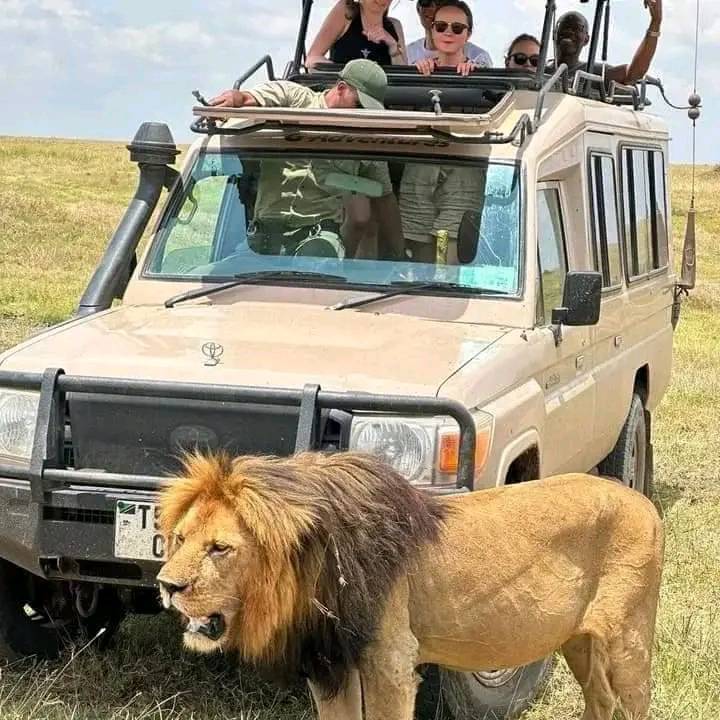
About Maasai Mara National Reserve
Maasai Mara National Reserve is one of Africa's most famous wildlife conservation areas. Known for its vast open savannahs, abundant wildlife, and the annual Great Migration, it offers an unparalleled safari experience. The reserve is home to the Maasai people, adding a rich cultural dimension to the natural wonders.
Top Attractions
Great Migration
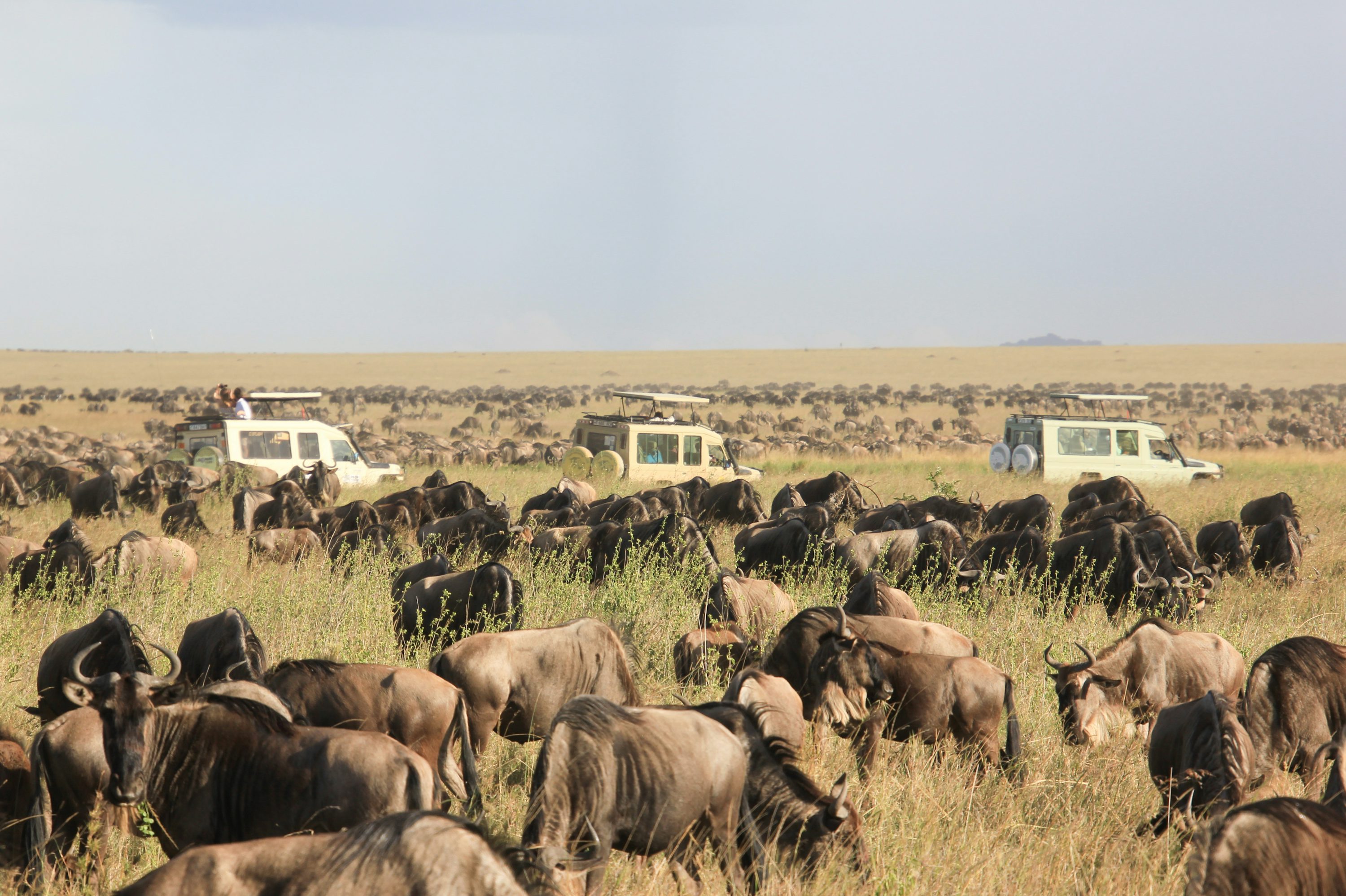
The annual Great Migration sees millions of wildebeest, zebra, and gazelle crossing the Mara River. This spectacular event is a must-see for any visitor.
Nature
Varies, but typically a full day of game drives
Included in safari packages
Maasai Mara University Cultural Museum
This museum offers insights into the Maasai culture and history. It features traditional artifacts, weapons, and artwork.
Cultural
1-2 hours
Moderate
Mara River
The Mara River is a vital water source for the wildlife in the reserve. It is famous for the dramatic crossings during the Great Migration.
Nature
Varies, typically during game drives
Included in safari packages
Must-Try Local Dishes
Nyama Choma
Grilled meat, typically goat or beef, seasoned with local spices.
Main Course
Not vegetarian or vegan.
Ugali
A staple food made from maize flour, often served with stews or meats.
Side Dish
Vegetarian.
Sukuma Wiki
Collard greens cooked with onions and tomatoes.
Side Dish
Vegetarian.
Popular Activities
Game drives
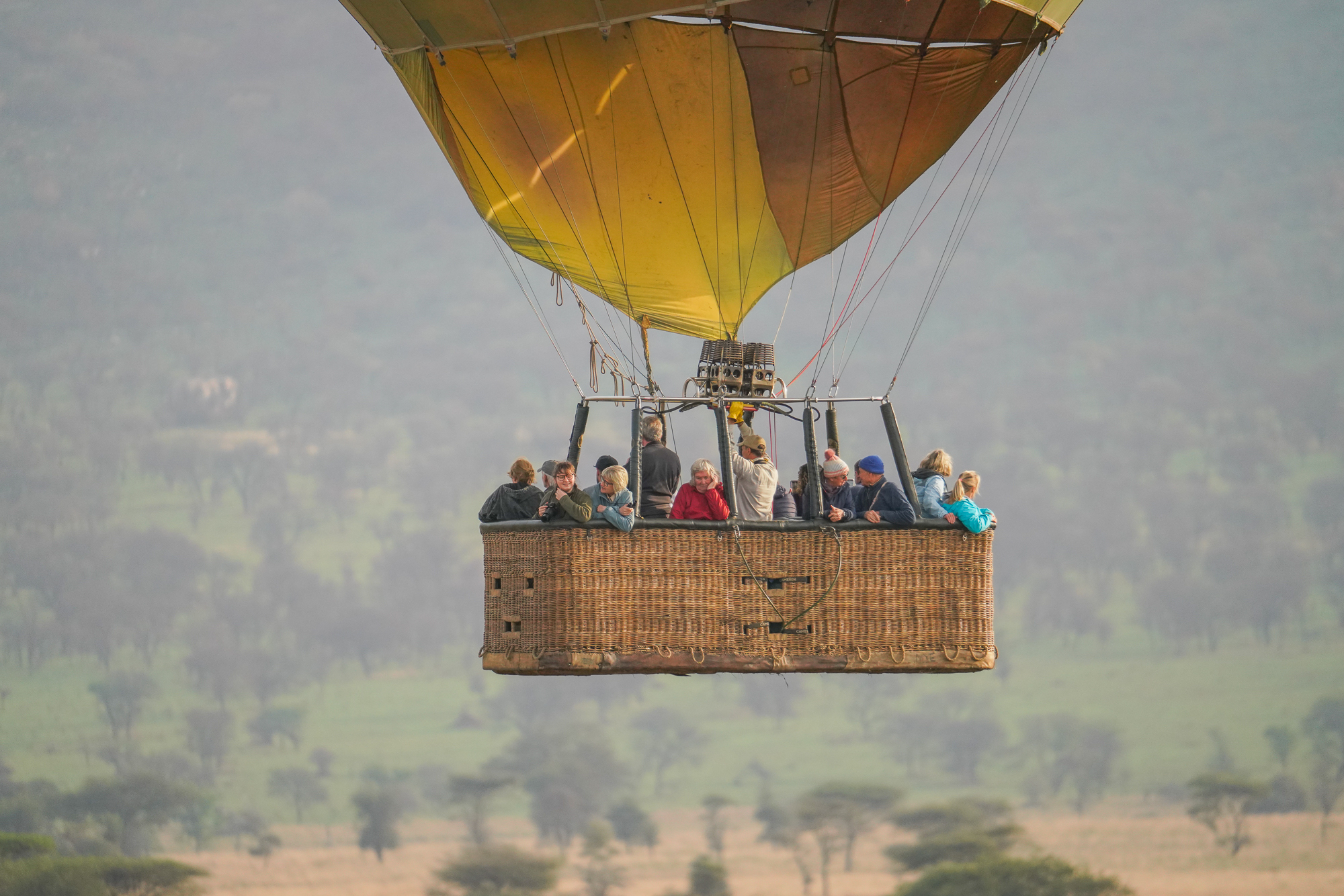
Hot air balloon safaris
Walking safaris
Bush dinners
Spa treatments
Sunset views
Visiting Maasai villages
Cultural performances
Best Time to Visit
June to October
This is the best time for wildlife viewing, especially during the Great Migration when millions of wildebeest, zebra, and gazelle cross the Mara River. The weather is dry, and the grass is short, making it easier to spot animals.
20°C to 30°C
68°F to 86°F
Practical Information
Language
- Official: English, Swahili
- Widely spoken: Maasai
- English: Widely spoken in tourist areas
Currency
Kenyan Shilling (KES)
Time Zone
EAT (UTC+3)
Electricity
240VV, 50HzHz
Safety Information
Overall Safety Rating: Exercise caution
Maasai Mara is generally safe for tourists, but it's important to follow safety guidelines, especially regarding wildlife.
Important Precautions:
- • Stay in your vehicle unless instructed otherwise.
- • Avoid walking alone, especially at night.
- • Be cautious with wildlife, even when on a game drive.
Getting there
By air
- Jomo Kenyatta International Airport • 200 km from Maasai Mara
- Wilson Airport • 180 km from Maasai Mara
By bus
Nairobi
Getting around
Taxis
Available
Rentals
Car
Neighborhoods
Mara Triangle
Sekenani Gate Area
Day trips
Narok Town
140 km from Maasai Mara • Half day
Narok is the nearest town to the reserve and offers a glimpse into local life. It has shops, markets, and restaurants.
Lake Nakuru National Park
200 km from Maasai Mara • Full day
Known for its large population of flamingos and rhinos, Lake Nakuru offers a different but equally rewarding wildlife experience.
Festivals
Maasai Mara Cultural Festival • Annual, typically in July
Pro tips
- Book your safari well in advance, especially during peak season.
- Pack neutral-colored clothing for game drives to blend in with the environment.
- Bring binoculars and a good camera to capture the wildlife.
- Respect the local culture and traditions.
- Stay hydrated and protect yourself from the sun.
From $25
per person
Price varies by option
Secure booking
Free cancellation available
Instant confirmation