Golden Circle of Iceland, small group, Russian-speaking guide
Active
6h - 8h
For a full refund, cancel at least 24 hours before the scheduled departure time.
Manual confirmation
Mobile or paper ticket accepted
About this experience
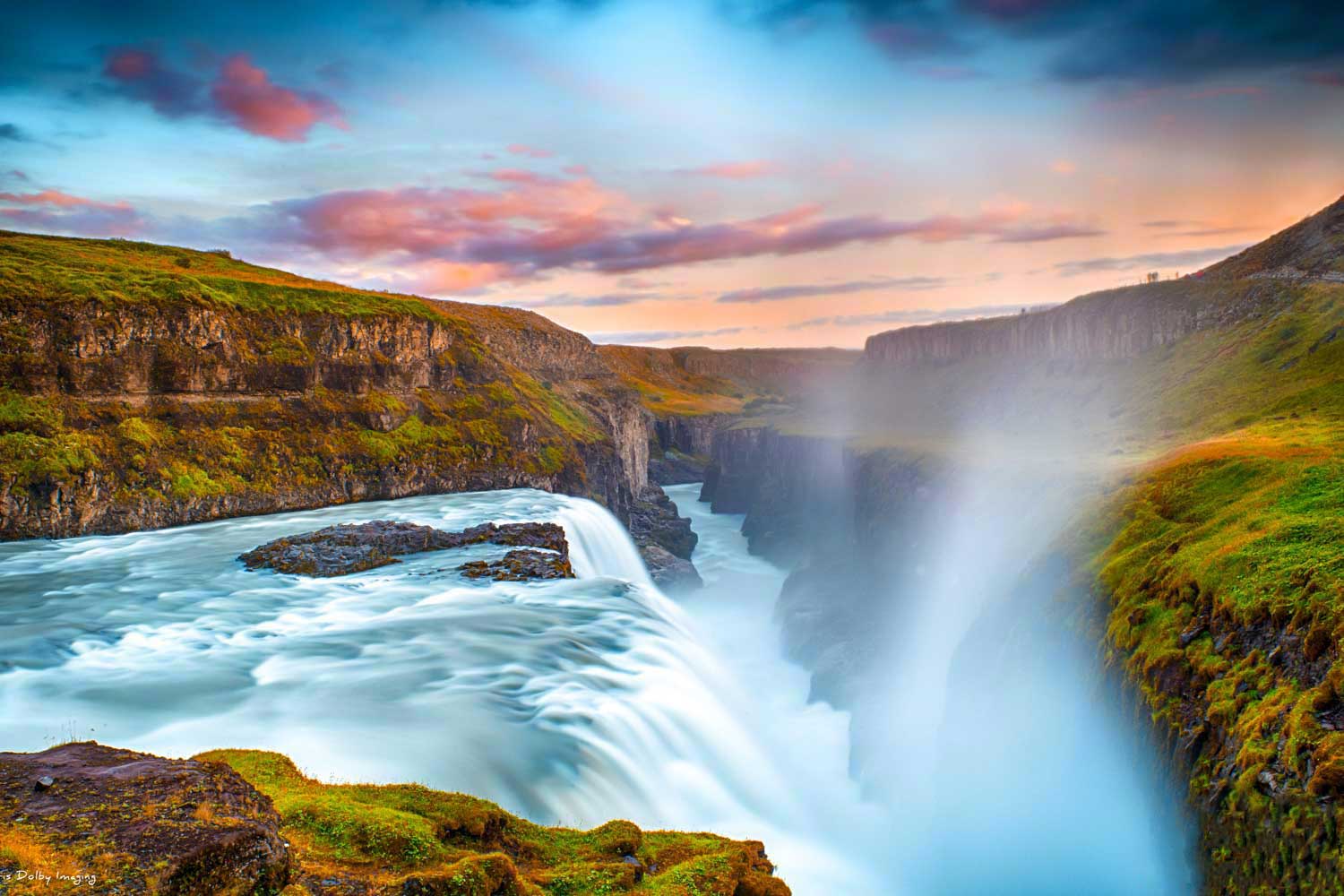
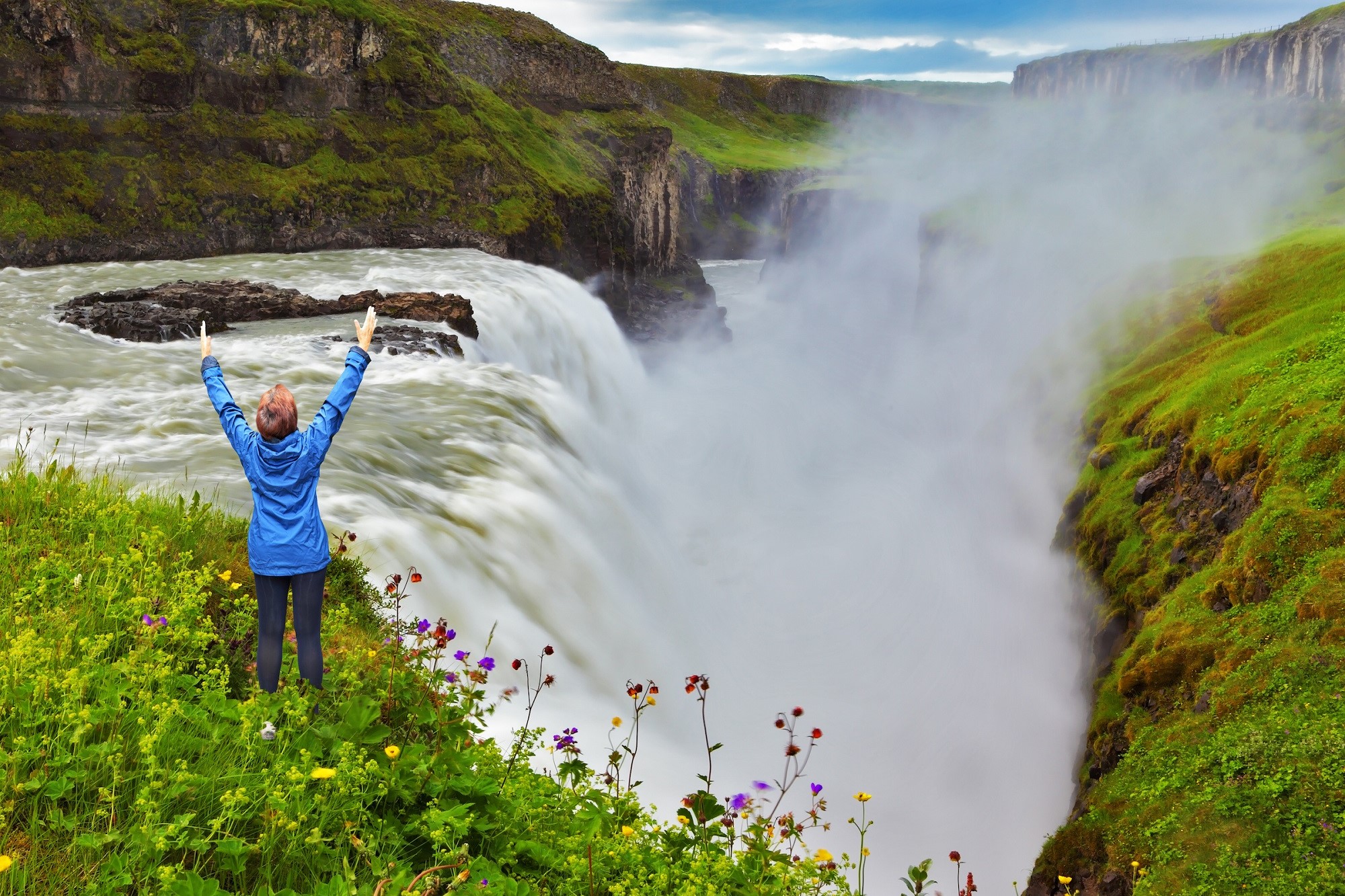
The program of this day includes a walk through the Þingvellir National Park, the famous Valley of Geysers and one of the largest waterfalls in Iceland, Gulfoss, the Golden Falls. Rugged beauty, a unique geological location in the valley of a tectonic fault, the history of the creation and development of the Parliament of the Icelandic Republic since the time of the first settlers in Viking times.
Lunch (additional charge upon request).
Next along the route is the Valley of Geysers with the famous geyser called Geysir, which gives its name to all the erupting hot springs in the world (“geisa” means “to erupt” in Icelandic) and many other hot springs, including the regularly erupting Strokkur geyser ( Strokkur). Visit to the extinct crater of the Kerid volcano - price 400 ISK (4 Euro) to be paid additionally on the spot. Return to Reykjavik.
Available options
Golden Circle of Iceland, small group, Russian-speaking guide
Pickup included
What's included
Air-conditioned vehicle
Detailed itinerary
1
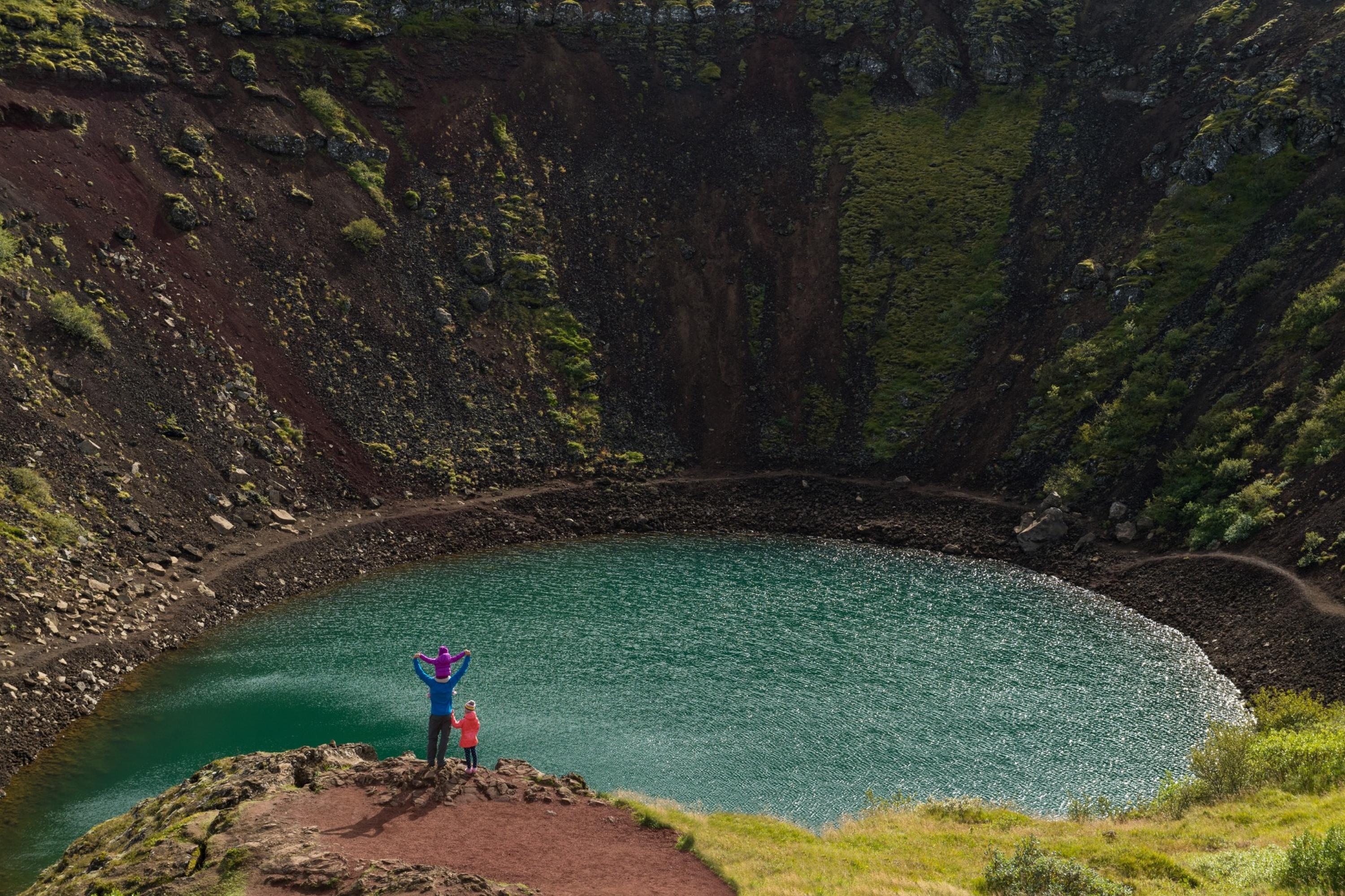
One of several crater lakes in the western volcanic zone of Iceland, covering the Reykjanes Peninsula and the Langjökull glacier. These lakes appeared in volcanic craters formed when the crust moved over a hot spot. The Kerid Lake crater is particularly well preserved because it is half the age of most neighboring volcanic structures: it is about 3 thousand years old. This also applies to the nearby group of Seydishowlar craters, as well as to the Kerhoudl crater. The crater in which this lake lies is 55 meters deep and 270 x 170 meters wide. Its walls are made of red volcanic stone. The slope of the crater is for the most part quite steep and sparse in vegetation, but on one side it is gentler and covered with moss, which makes it easy to go down. The lake itself is shallow, its depth is 7-14 m
2
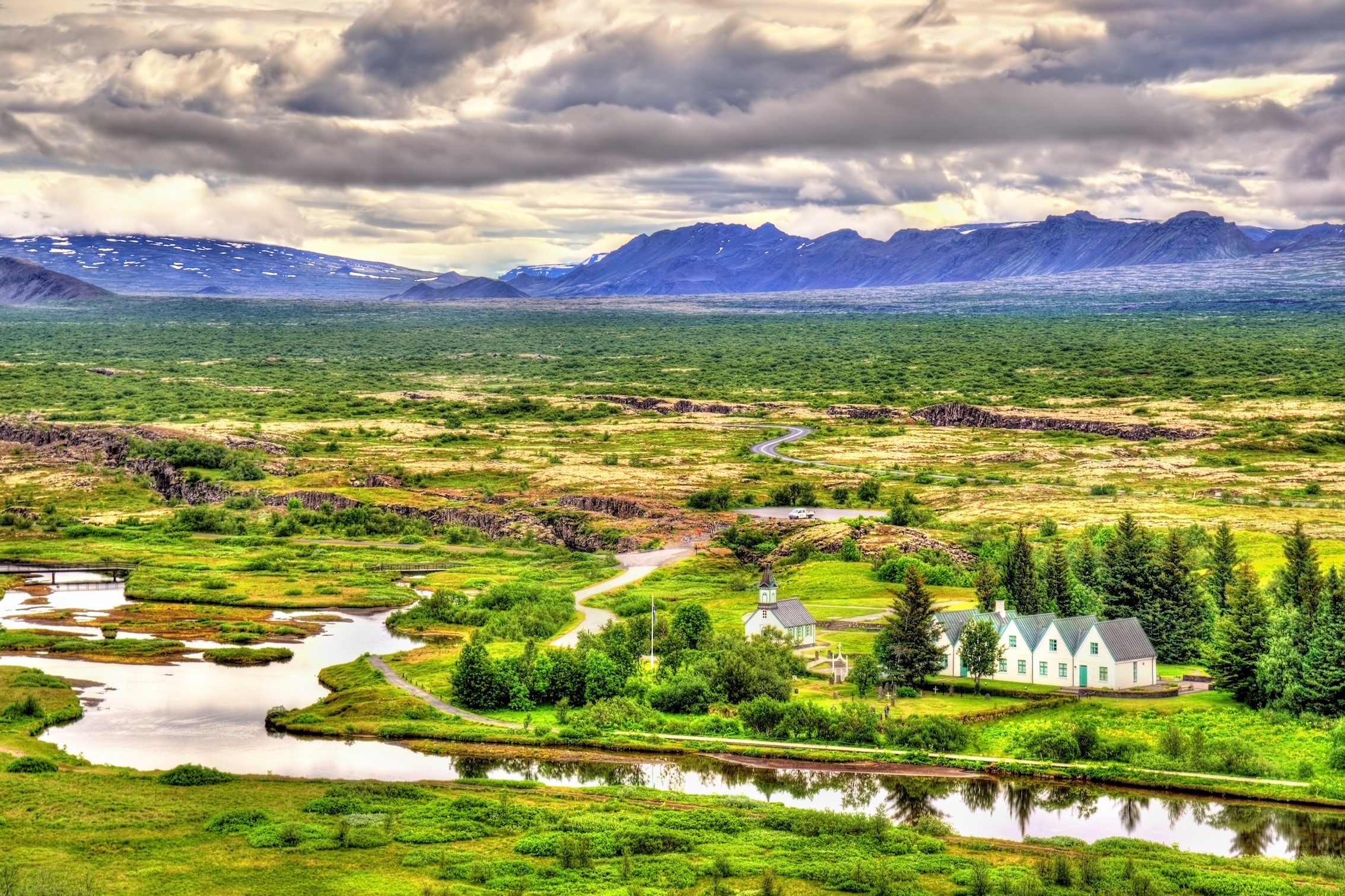
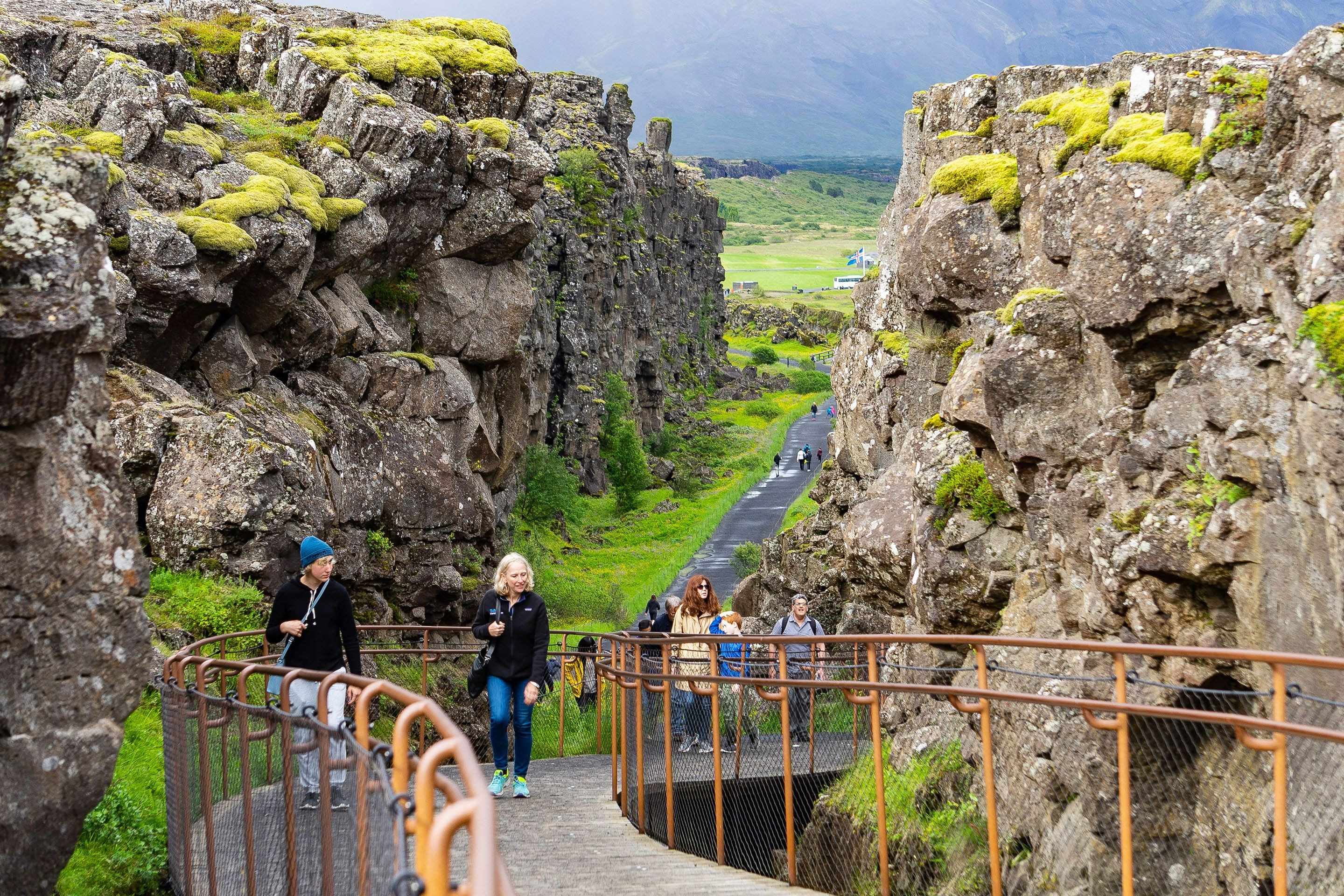
Þingvellir (Icelandic: [ˈθiŋkˌvɛtlɪr̥] ⓘ, anglicised as Thingvellir[Note 1]) was the site of the Alþing, the annual parliament of Iceland from the year 930 until the last session held at Þingvellir in 1798.[2] Since 1881, the parliament has been located within Alþingishúsið in Reykjavík.[3]
Þingvellir is now a national park in the municipality of Bláskógabyggð in southwestern Iceland, about 40 km (25 miles) northeast of Iceland's capital, Reykjavík. Þingvellir is a site of historical, cultural, and geological significance, and is one of the most popular tourist destinations in Iceland. The park lies in a rift valley that marks the crest of the Mid-Atlantic Ridge and the boundary between the North American and Eurasian tectonic plates. To its south lies Þingvallavatn, the largest natural lake in Iceland.[4]
3
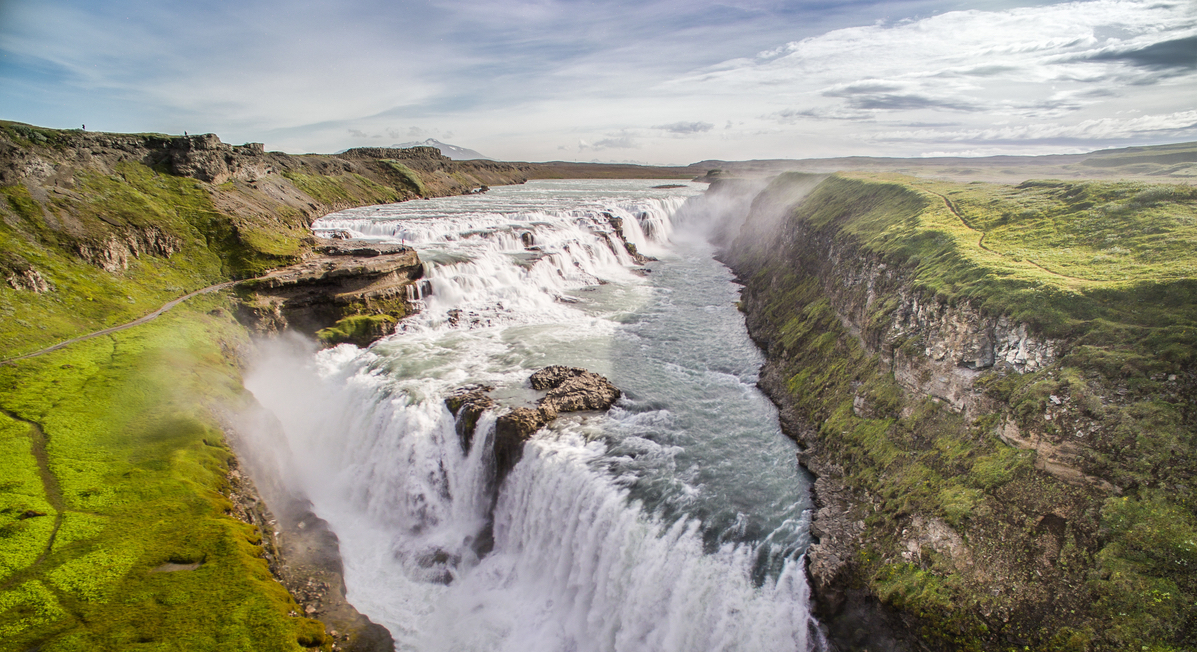
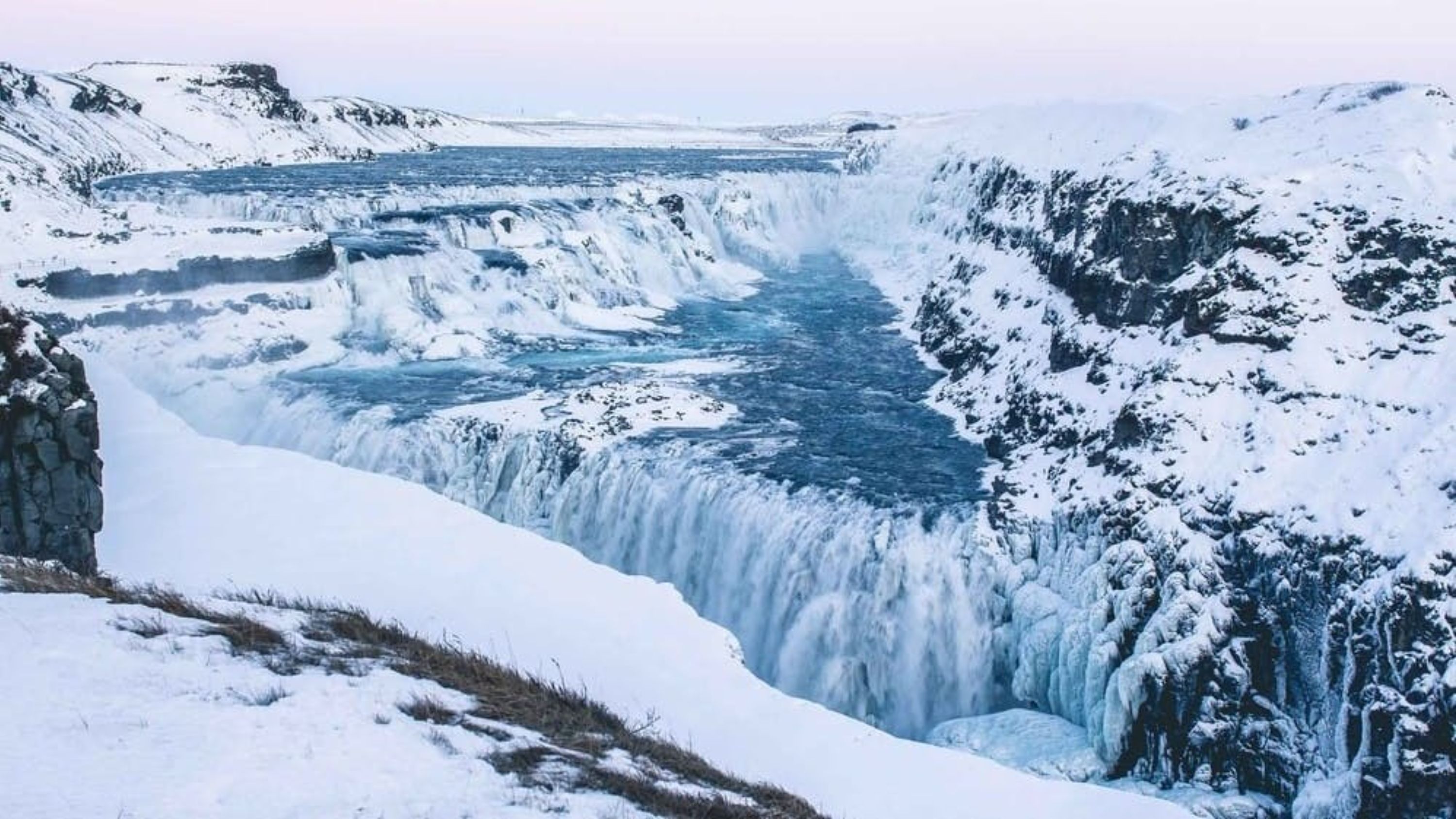
The Hvítá river flows southward, and about a kilometre above the falls it turns sharply to the west and flows down into a wide curved three-step "staircase" and then abruptly plunges in two stages (11 metres or 36 feet, and 21 metres or 69 feet)[1] into a crevice 32 metres (105 ft) deep. The crevice, about 20 metres (66 ft) wide and 2.5 kilometres (1.6 mi) in length, extends perpendicular to the flow of the river. The average amount of water running down the waterfall is 141 cubic metres (5,000 cu ft) per second in the summer and 80 cubic metres (2,800 cu ft) per second in the winter. The highest flood measured was 2,000 cubic metres (71,000 cu ft) per second.
4
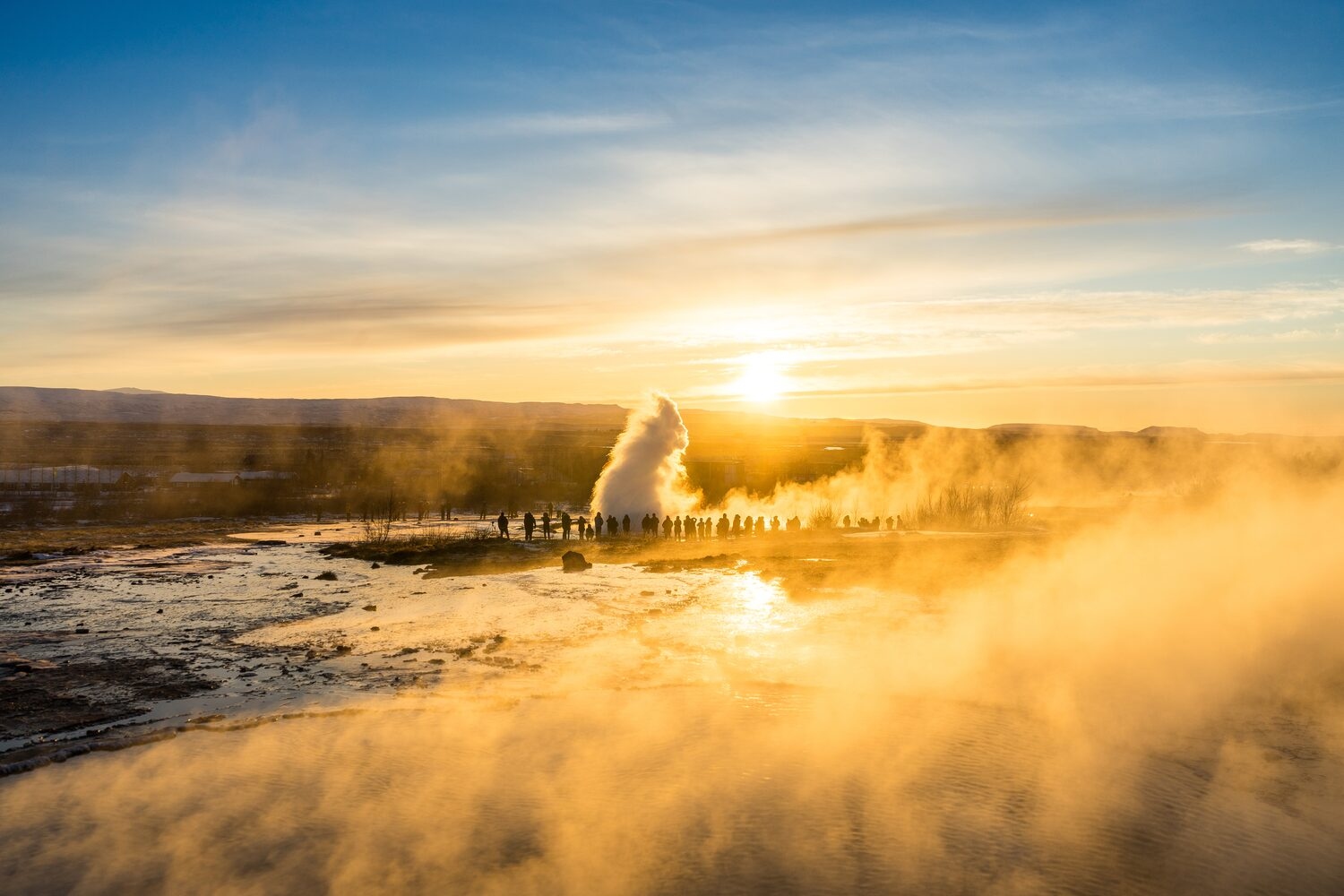
Geysir lies in the Haukadalur valley on the slopes of Laugarfjall lava dome, which is also the home to Strokkur geyser about 50 metres (160 ft) to the south. The Strokkur geyser may be confused with it, and the geothermal field it is in is known usually as either, Geysir or Haukadalur.
Eruptions at Geysir can typically hurl boiling water up to 60 m (200 ft) in the air. However, eruptions are nowadays infrequent, and have in the past stopped altogether for many years at a time.
What's not included
Lunch
Available languages
Guide guide
RU
EN
Reviews breakdown
Tripadvisor
5.0
2 reviews
5★
2
4★
0
3★
0
2★
0
1★
0
Important information
Public transportation options are available nearby
Specialized infant seats are available
Suitable for all physical fitness levels
travel time is included on the Tour Duration.
Meeting point
After booking, we will contact you to discuss the meeting location. Usually this is near the entrance to the Hard Rock Cafe
About Reykjavik
Reykjavik is the world's northernmost capital city, known for its vibrant cultural scene, stunning natural surroundings, and unique Icelandic charm. It offers a blend of modern amenities and ancient geothermal wonders, making it a must-visit destination for travelers seeking both adventure and relaxation.
Top Attractions
Hallgrímskirkja
This iconic church is a landmark of Reykjavik, known for its distinctive architecture and towering spire. It offers panoramic views of the city from its tower.
Architecture/Religious
1-2 hours
Moderate (ISK 1000 for the tower)
Harpa Concert Hall
A stunning modern concert hall with a glass facade that reflects the surrounding landscape. It hosts a variety of performances and events.
Architecture/Entertainment
1-2 hours
Free to enter, performance tickets vary
Blue Lagoon
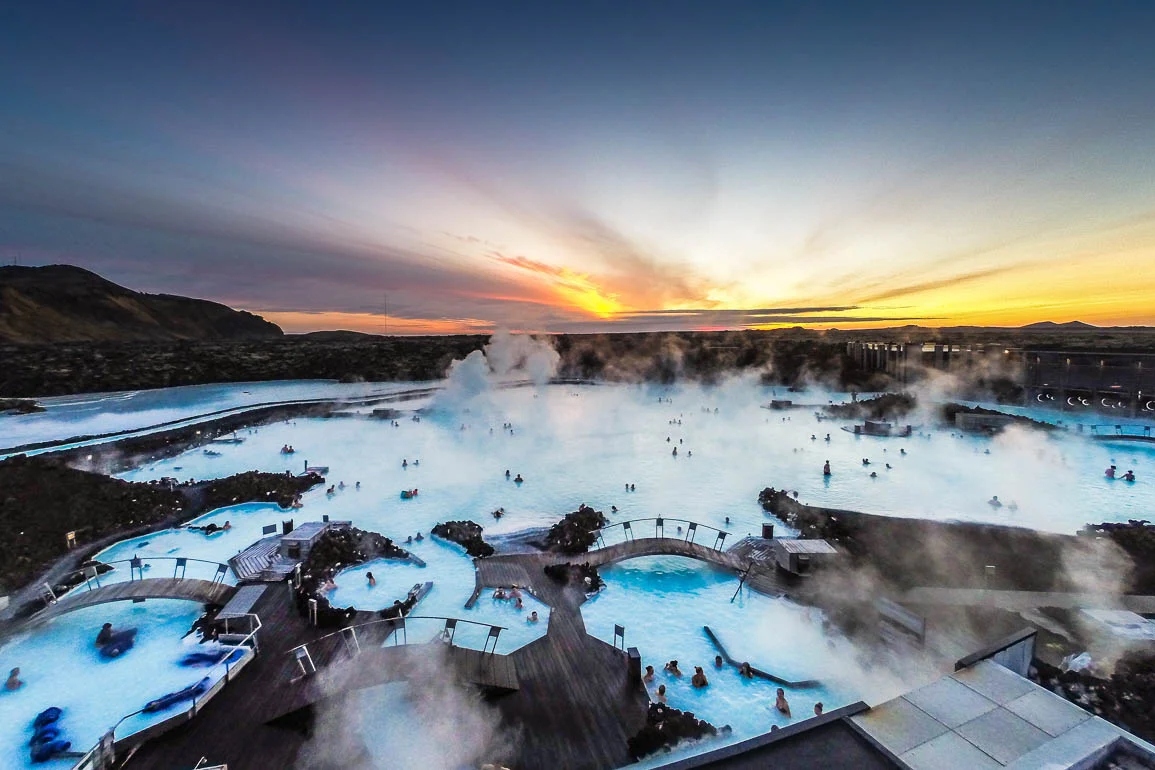
A geothermal spa known for its milky-blue waters rich in minerals. It's a popular spot for relaxation and rejuvenation.
Nature/Relaxation
Half a day
Expensive (ISK 49,900 and up)
Reykjavik Art Museum
A museum showcasing contemporary Icelandic and international art. It's housed in a striking building with a glass facade.
Museum
1-2 hours
Moderate (ISK 1400)
Perlan Museum
A unique museum located in a glass dome that offers a variety of exhibits, including a glacier exhibit and a planetarium.
Museum
2-3 hours
Moderate to Expensive (ISK 3,990 and up)
Must-Try Local Dishes
Plokkfiskur
A traditional Icelandic fish stew made with mashed potatoes, white fish, onions, and béchamel sauce.
Main Course
Contains fish and dairy
Hákarl
Fermented shark, a traditional Icelandic delicacy known for its strong smell and taste.
Snack
Contains fish
Skyr
A thick, creamy Icelandic yogurt-like dairy product, often served with berries or cream.
Dessert
Contains dairy
Rúgbrauð
A dense, dark rye bread traditionally baked underground using geothermal heat.
Bread
Vegan
Popular Activities
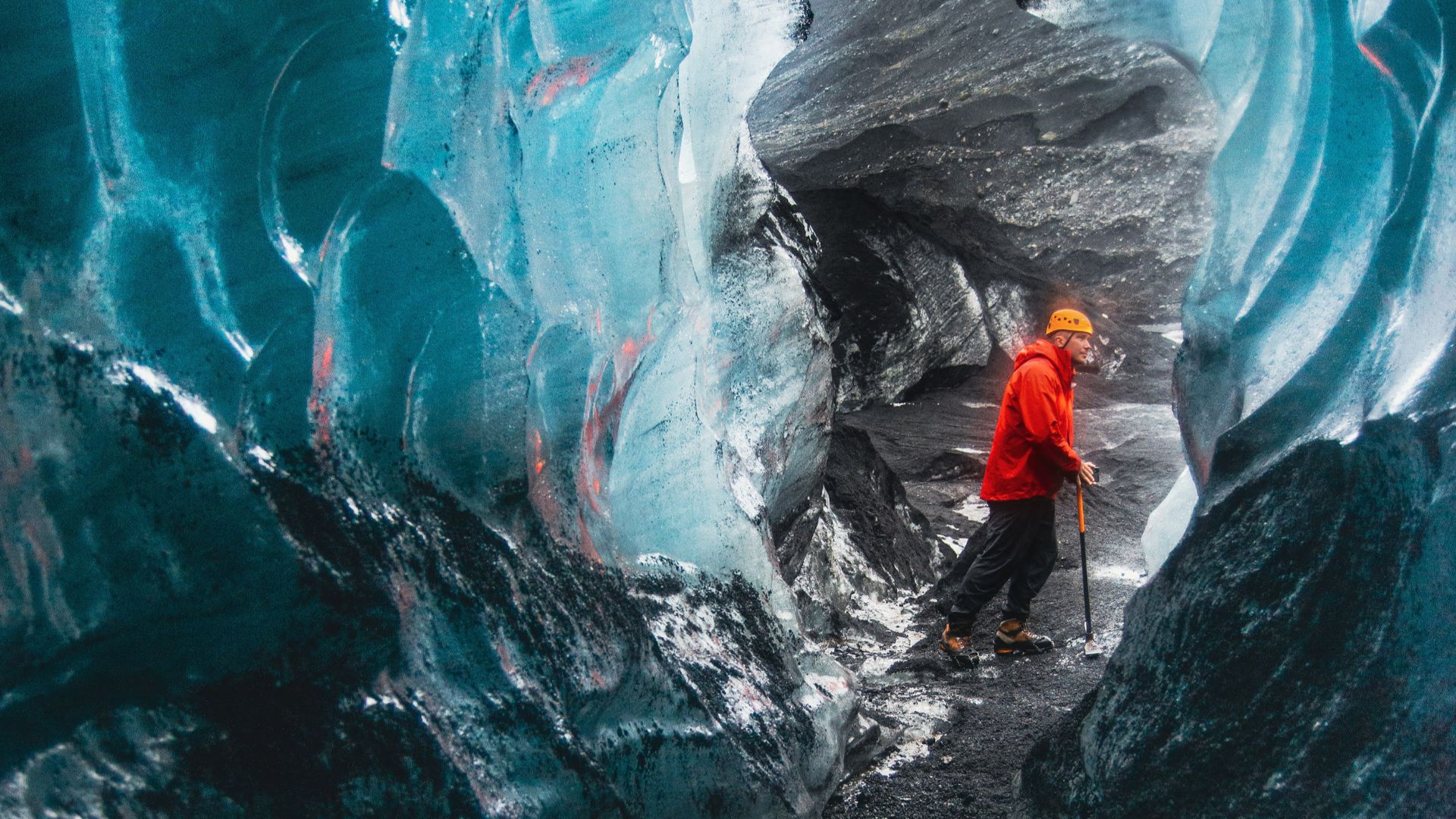
Glacier hiking and ice climbing
Whale watching
Snowmobiling on a glacier
Caving and lava tunnel exploration
Visiting geothermal spas like the Blue Lagoon or Sky Lagoon
Enjoying a traditional Icelandic massage or spa treatment
Taking a leisurely walk around Tjörnin Lake in Reykjavik
Visiting museums and galleries
Best Time to Visit
June to August
This is the warmest time of the year with long daylight hours, making it ideal for outdoor activities and sightseeing. The city is lively with numerous festivals and events.
8°C to 13°C (46°F to 55°F)
46°F to 55°F
Practical Information
Language
- Official: Icelandic
- Widely spoken: English, Danish, German
- English: Widely spoken
Currency
Icelandic Króna (ISK)
Time Zone
GMT+0
Electricity
230VV, 50HzHz
Safety Information
Overall Safety Rating: Generally safe
Iceland is a very safe country with low crime rates. However, it's always important to be aware of your surroundings and take precautions to ensure your safety.
Important Precautions:
- • Keep your valuables secure and be aware of your surroundings, especially in crowded areas
- • Be cautious when using ATMs, and only use ATMs located in secure, well-lit areas
- • Research tour operators and rental companies before booking to ensure they are reputable and legitimate
Getting there
By air
- Keflavík International Airport • 50 km (31 miles) from Reykjavik
By bus
BSÍ Bus Terminal
Getting around
Public transport
The bus system is efficient and affordable, with frequent services and easy-to-use ticketing.
Taxis
Available • Apps: Bustravel, Uber (limited availability)
Rentals
Car, Bike, Scooter
Neighborhoods
Downtown Reykjavik
Hlemmur
Vesturbær
Day trips
Golden Circle
230 km (143 miles) from Reykjavik • Full day
A popular day trip route that includes three of Iceland's most famous attractions: Þingvellir National Park, Geysir Geothermal Area, and Gullfoss Waterfall.
South Coast
150-200 km (93-124 miles) from Reykjavik • Full day or overnight
A scenic drive along Iceland's south coast, offering a variety of attractions, including waterfalls, black sand beaches, and glaciers.
Snæfellsnes Peninsula
240 km (149 miles) from Reykjavik • Full day or overnight
A scenic peninsula known as 'Iceland in Miniature' due to its diverse landscapes, including mountains, glaciers, lava fields, and beaches.
Festivals
Reykjavik Arts Festival • Late May to early June
Iceland Airwaves • Early November
Reykjavik Winter Lights Festival • Late January to early February
Pro tips
- Visit the Blue Lagoon or another geothermal spa for a relaxing and rejuvenating experience
- Explore Reykjavik's street art and murals, which can be found throughout the city
- Take a day trip to the Golden Circle or another nearby attraction for a taste of Iceland's natural wonders
- Try traditional Icelandic food, such as lamb soup, fish stew, and fermented shark
- Visit a local brewery or distillery and sample Icelandic craft beer or spirits
From $25
per person
Price varies by option
Secure booking
Free cancellation available