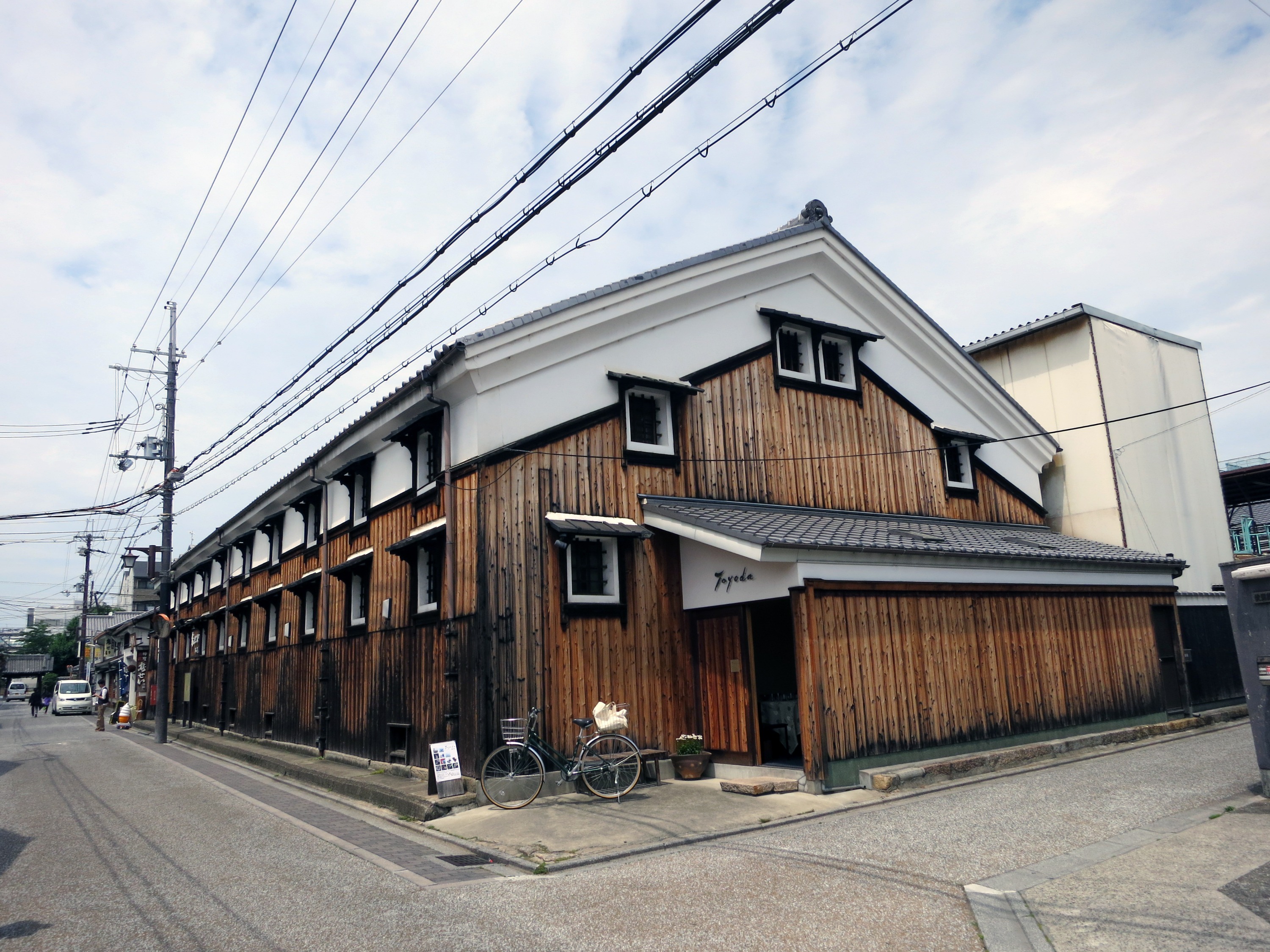
Private Echizen Lacquer Painting Experience and Cycling Tour
Active
3h
For a full refund, cancel at least 24 hours before the scheduled departure time.
Manual confirmation
Mobile or paper ticket accepted
About this experience
The Kawada district of Sabae City is a town of Echizen lacquerware with a history of 1500 years. Tour the roots of Echizen lacquerware on a lacquered bicycle, including the Lacquerware Shrine (Shikiyama Shrine), which enshrines the god of lacquerware, and a tour of a workshop led by a craftsman.
Available options
Private Echizen Lacquer Painting Experience and Cycling Tour
What's included
Factory Tour fee
URUSHI(Lacquer) bike and Helmet Rental fee
English Speaking Guide fee
Workshop Experience fee
Detailed itinerary
1
Inside the lacquerware shrine, there are ceiling paintings made with maki-e and gilded gold by craftsmen.
An important presence in the Kawada district that enshrines the god of lacquerware.
2
Shikiyama Shrine has a lacquerware shrine in its precincts.
Climb the 200 stairs to get a panoramic view of the Kawada area, and enjoy a beautiful view.
3
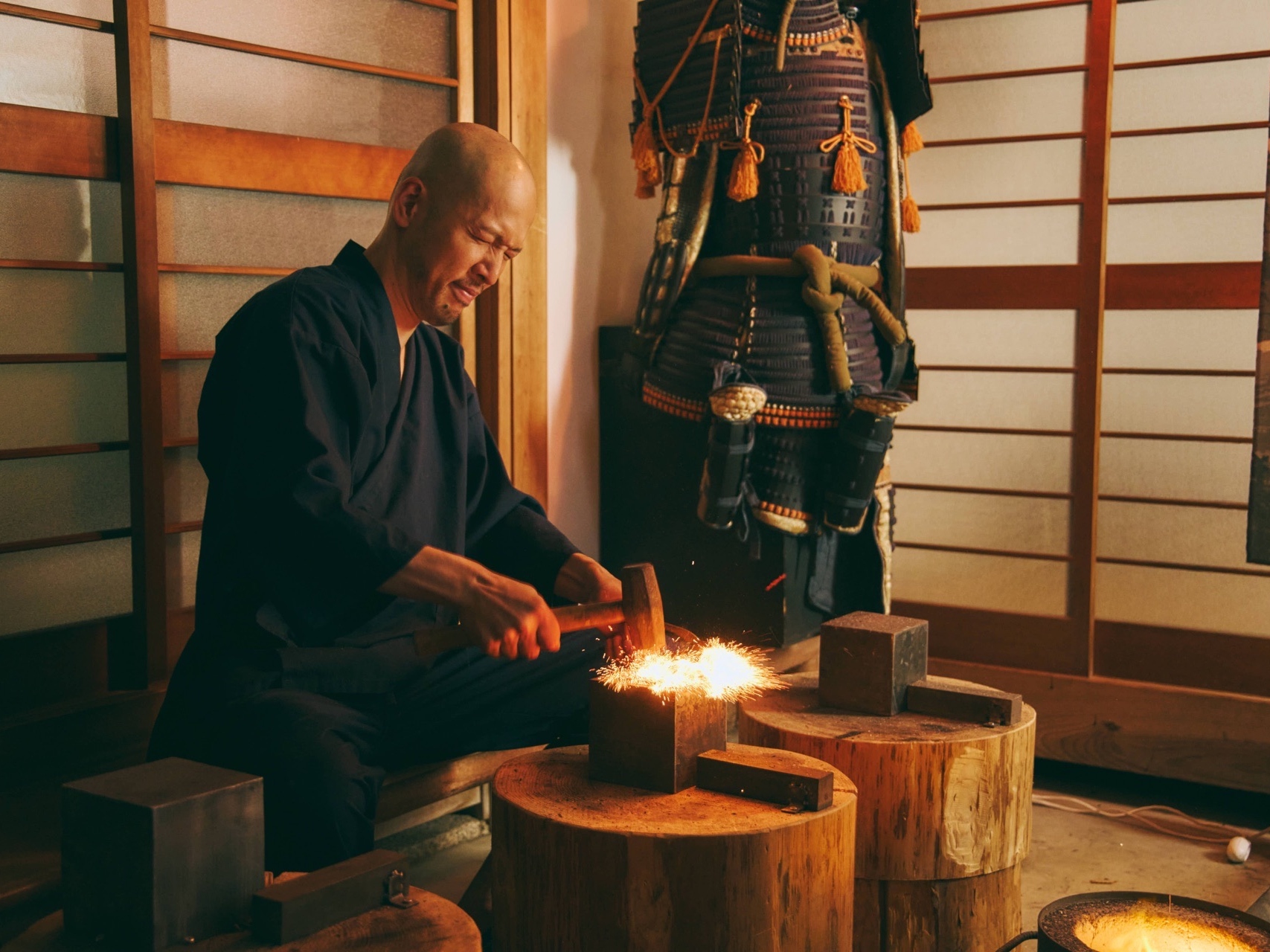
After the shrine, we went on a tour of the lacquer workshop.
You can learn about the process of making lacquerware while observing an actual workshop.
4
You will receive a direct lecture from Mr. Nishikikori at the long-established Nishikikori lacquerware store, which has been in business for over 100 years.
What's not included
Private transportation
Lunch
Available languages
Guide guide
JA
EN
Important information
Public transportation options are available nearby
Not recommended for travelers with spinal injuries
Not recommended for pregnant travelers
Not recommended for travelers with poor cardiovascular health
Travelers should have at least a moderate level of physical fitness
Meeting point
Meet inside the Echizen Lacquerware Hall(Urushi no Sato Kaikan) building.
About Fukui Prefecture
Fukui Prefecture is a hidden gem in the Chubu region of Japan, known for its rich history, natural beauty, and unique cultural heritage. It's home to some of the country's most significant dinosaur fossils, beautiful coastlines, and traditional crafts like Echizen lacquerware and Sabaika pottery.
Top Attractions
Fukui Castle Ruins
The ruins of Fukui Castle offer a glimpse into the region's feudal history. The castle was built in the 17th century and played a significant role in the area's development.
Historical
1-2 hours
Free (museum may have a small fee)
Dinosaur Museum (Fukui Prefectural Dinosaur Museum)
This world-class museum showcases Fukui's rich dinosaur fossils, including the Fukuiraptor and Fukuisaurus. It's a must-visit for dinosaur enthusiasts and families.
Museum
2-3 hours
¥800-¥1,200
Eihei-ji Temple
One of the two main temples of the Soto School of Zen Buddhism, Eihei-ji is a serene and spiritual place. The temple complex is surrounded by beautiful forests and offers a peaceful retreat.
Religious
2-3 hours
Free (donations welcome)
Maruoka Castle
Maruoka Castle is one of Japan's few remaining original castles. It's known for its unique architecture and beautiful cherry blossoms in the spring.
Historical
1-2 hours
¥400
Tojinbo Cliffs
Tojinbo Cliffs are a stunning geological formation along the Sea of Japan. The basalt columns and rugged coastline offer breathtaking views and are a popular spot for photography and hiking.
Nature
1-2 hours
Free
Must-Try Local Dishes
Echizen Crab
Fukui is famous for its Echizen crabs, particularly the snow crab and horsehair crab. They are typically served steamed or in hot pot dishes.
Main course
Contains shellfish
Fukui Ramen
A local ramen variety with a rich, soy-based broth and thin noodles. It's often topped with pork, green onions, and a soft-boiled egg.
Main course
Vegetarian options available
Echizen Soba
Buckwheat noodles served cold with a dipping sauce or in a hot broth. A popular dish in the Echizen region.
Main course
Gluten-free options available
Fukui Pickles
A variety of pickled vegetables, including radish, eggplant, and cucumber. They are a staple in Fukui's cuisine and often served as a side dish.
Side dish
Vegan-friendly
Popular Activities
Hiking in the mountains
Skiing and snowboarding in winter
Exploring the Tojinbo Cliffs
Onsen (hot spring) visits
Picnicking in parks
Strolling through traditional gardens
Visiting temples and shrines
Attending local festivals
Best Time to Visit
Spring (March to May) and Autumn (September to November)
These seasons offer comfortable temperatures and beautiful scenery, with cherry blossoms in spring and vibrant foliage in autumn. It's the best time for outdoor activities and sightseeing.
10°C to 25°C
50°F to 77°F
Practical Information
Language
- Official: Japanese
- Widely spoken: English (limited)
- English: Limited
Currency
Japanese Yen (JPY)
Time Zone
GMT+9
Electricity
100VV, 50/60HzHz
Safety Information
Overall Safety Rating: Very safe
Fukui is a very safe destination for travelers. Violent crime is rare, and petty crime is relatively uncommon. However, as with any destination, it's important to take basic precautions to ensure a safe and enjoyable trip.
Important Precautions:
- • Keep valuables secure and out of sight
- • Use reputable tour operators and ticket sellers
- • Be cautious when using ATMs, especially at night
Getting there
By air
- Komatsu Airport • 25 km from central Fukui
By train
Fukui Station
By bus
Fukui Station Bus Terminal, Echizen Railway Terminal
Getting around
Public transport
The bus system is efficient and covers most of the city. Buses are the primary mode of public transport in Fukui.
Taxis
Available • Apps: JapanTaxi, DiDi
Rentals
Car, Bike, Scooter
Neighborhoods
Central Fukui
Echizen
Katsuyama
Sakai
Day trips
Kanazawa
60 km from central Fukui • Full day
Kanazawa is a vibrant city known for its well-preserved Edo-era districts, art museums, and traditional crafts. It's a great day trip from Fukui for those interested in history, culture, and architecture.
Shirakawa-go and Gokayama
100 km from central Fukui • Full day or overnight
Shirakawa-go and Gokayama are UNESCO World Heritage Sites famous for their traditional gassho-zukuri farmhouses. These picturesque villages offer a glimpse into rural Japanese life and are a popular day trip from Fukui.
Kurobe Gorge
80 km from central Fukui • Full day
Kurobe Gorge is a stunning natural attraction known for its breathtaking scenery, hiking trails, and the Kurobe Gorge Railway. It's a great day trip for nature lovers and outdoor enthusiasts.
Festivals
Echizen Kaga Kaikan Matsuri • April
Fukui Lantern Festival • August
Echizen Washi (Paper) Festival • October
Pro tips
- Visit the Fukui Prefectural Dinosaur Museum for a unique and educational experience, especially if traveling with children
- Try Echizen crab, a local delicacy, at one of the many specialty restaurants in the region
- Explore the traditional crafts of Echizen, such as lacquerware and pottery, by visiting workshops and demonstrations
- Experience a traditional tea ceremony or Zen meditation session at a local temple for a spiritual and cultural experience
- Visit the Tojinbo Cliffs for stunning coastal views and photography opportunities, but be cautious near the edges
From $25
per person
Price varies by option
Secure booking
Free cancellation available


![[Kyoto Tour - Top Grade A5 Black Wagyu Kobe Beef] Fushimi Inari Shrine with Thousand Torii Gates & Arashiyama Togetsukyo Bridge Bamboo Forest Path & Kiyomizu-dera Temple Ninenzaka and Sannenzaka (Departure from Nagoya)](https://res.klook.com/image/upload/activities/imo21l4gsidptquoe5sg.jpg)