Uffizi, David Tour & Gelato with Art Historian
Active
4h
For a full refund, cancel at least 24 hours before the scheduled departure time.
Instant confirmation
Mobile or paper ticket accepted
About this experience
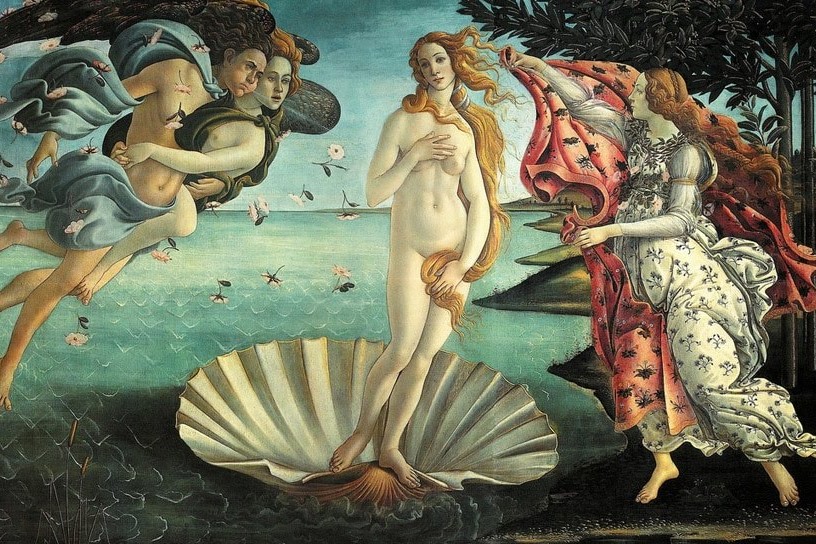
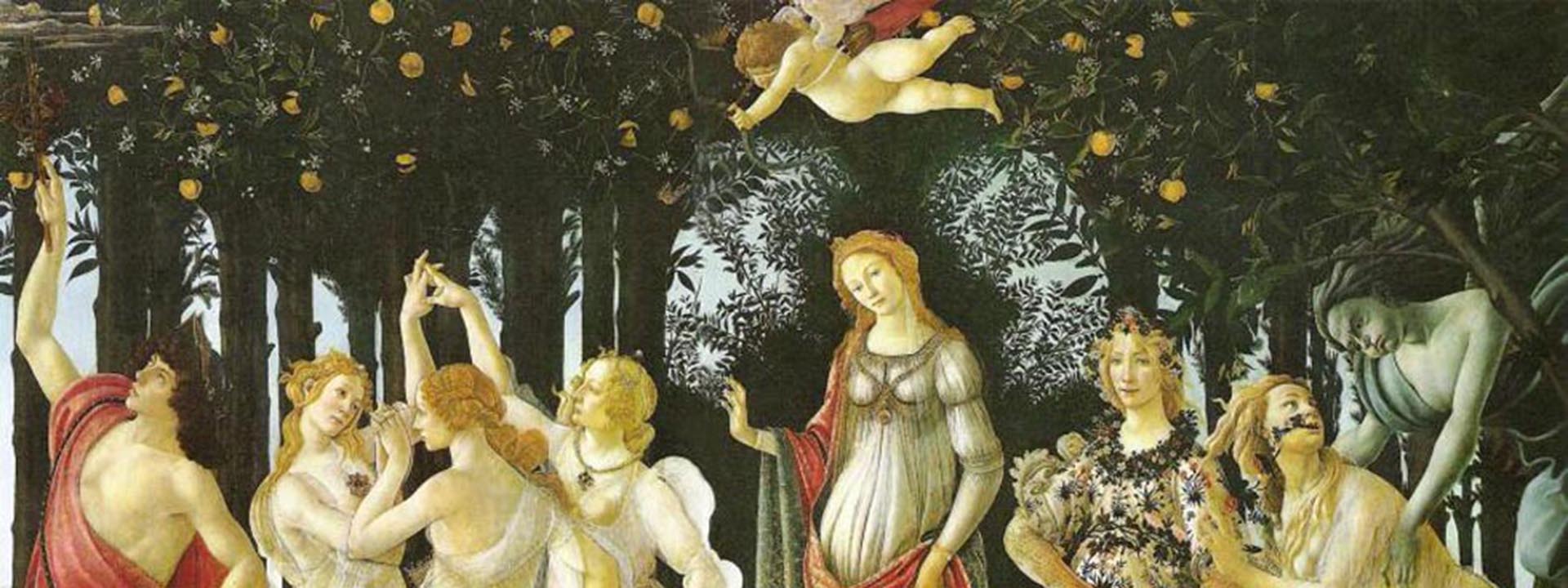
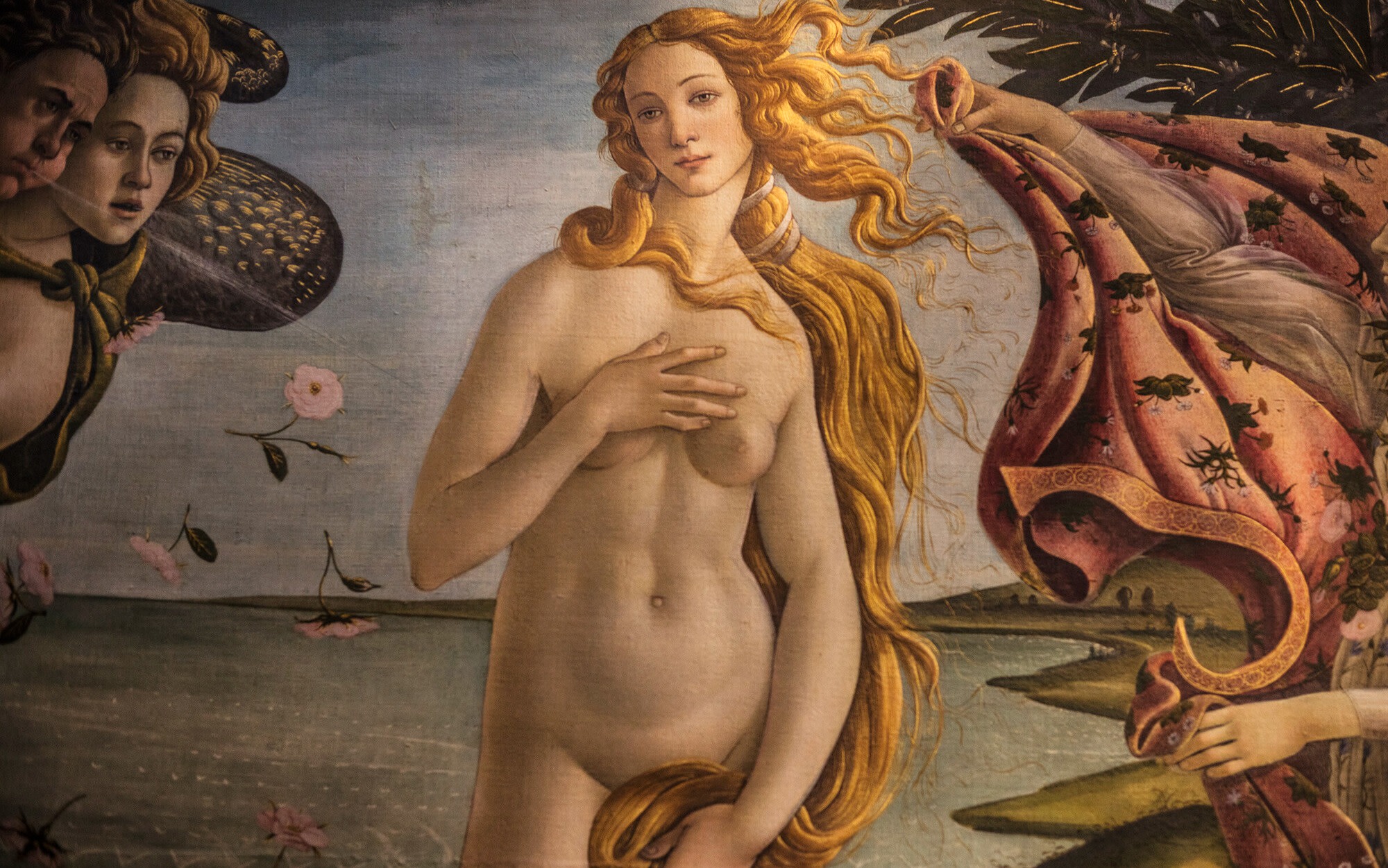
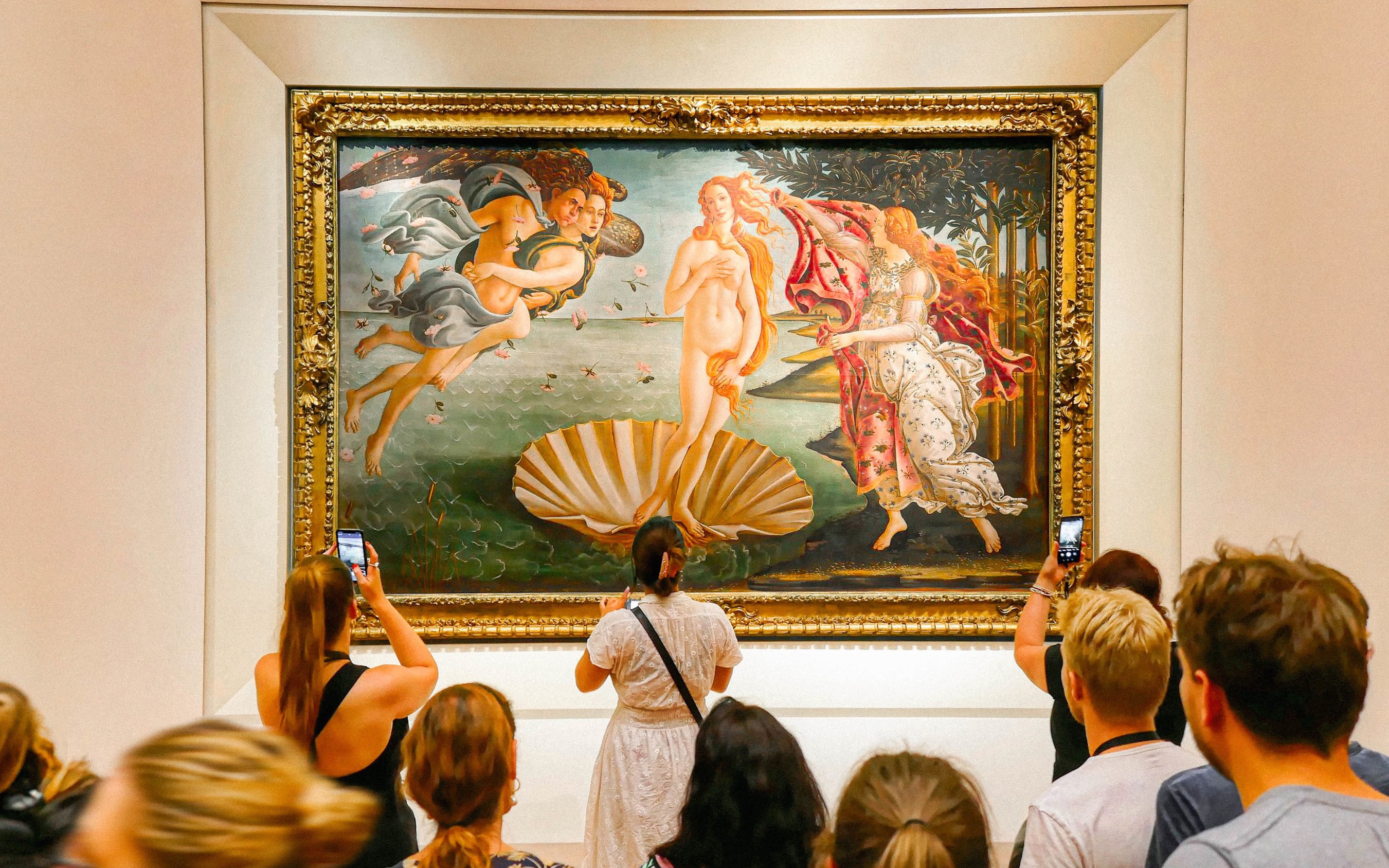
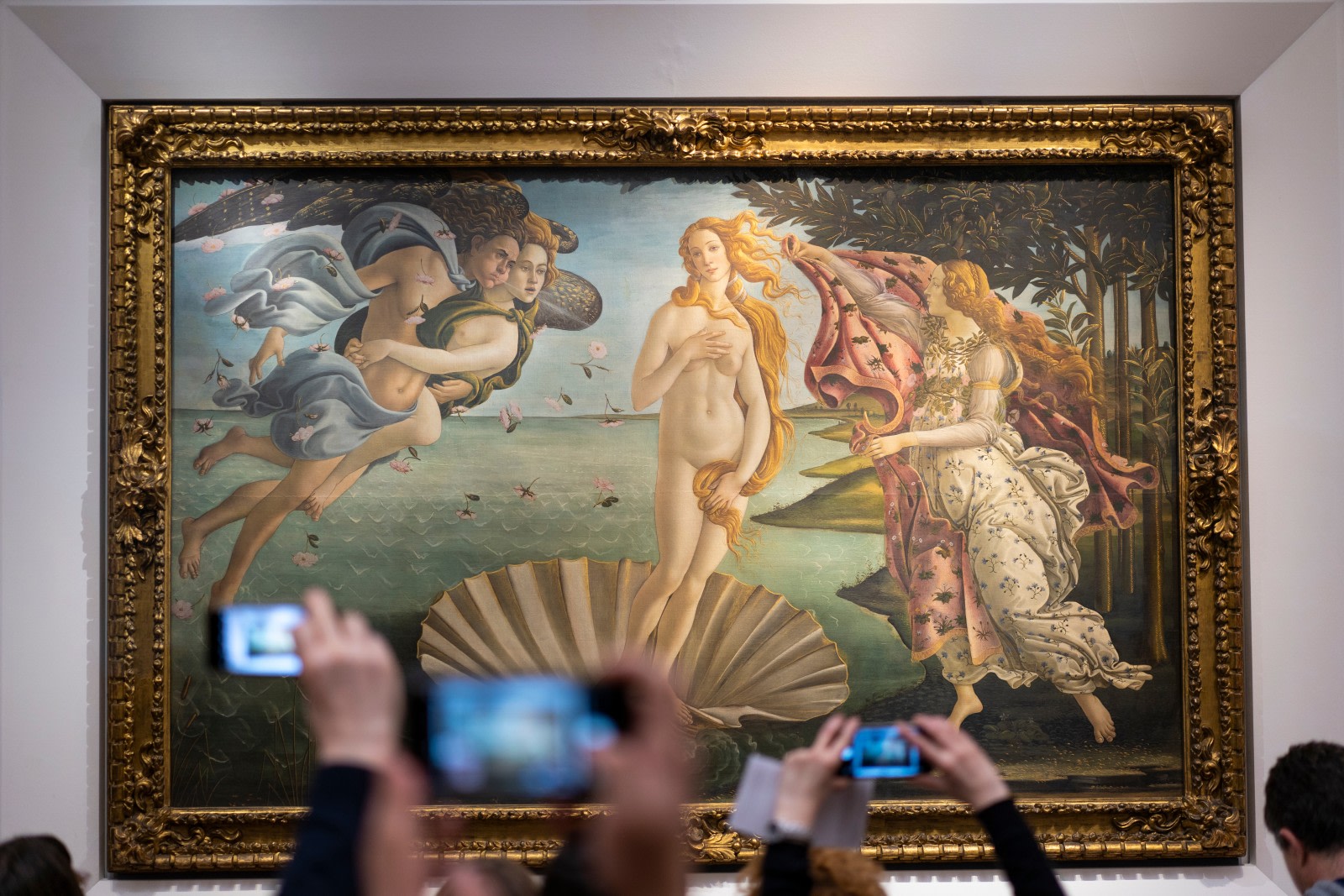
Skip the queues and discover why Florence became the birthplace of the Renaissance on this intimate half-day tour led by a local art historian. Stand before Botticelli's "Birth of Venus" and hear the Medici scandal behind its commission.
Walk through the open-air sculpture gallery of Piazza della Signoria, gaze up at Brunelleschi's impossible dome, and refuel with authentic Florentine gelato at a local artisan shop—not a tourist trap.
Then save the best for last: meet Michelangelo's David at the Accademia and learn why this 17-foot giant was carved from a block of marble two other sculptors had already rejected. The perfect ending to a perfect Florence morning.
Skip notorious 2-hour queues with priority access to both Uffizi and Accademia
Maximum 9 guests means real conversations, not a sea of raised umbrellas
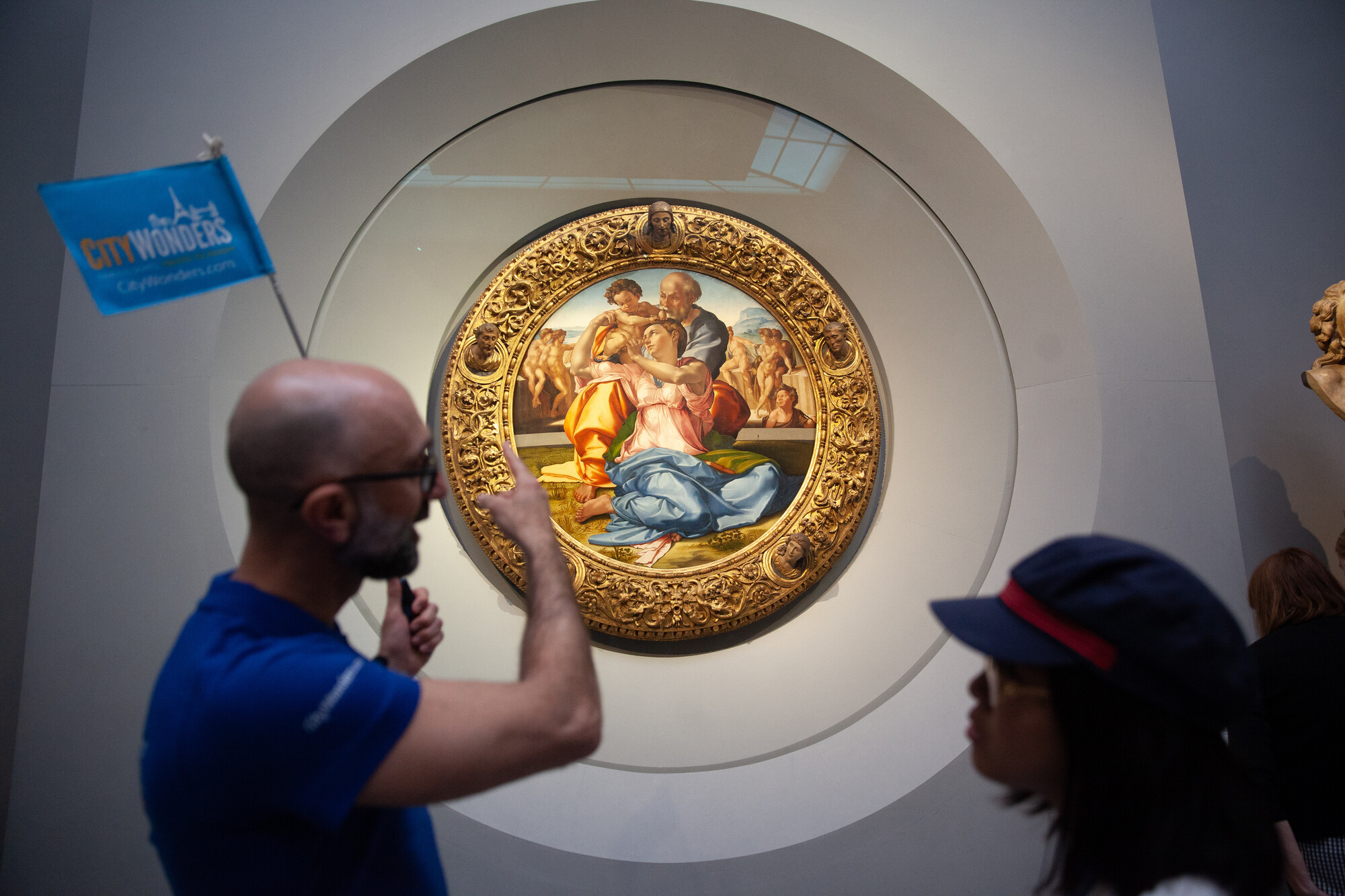
Led by a local art historian who brings masterpieces to life with untold stories
Gelato break included at a local favorite, plus a grand finale with Michelangelo's David
Available options
Private Tour - 4 Hours
Duration: 4 hours: A private Uffizi + David + gelato experience with an Art Historian — timed-entry tickets included.
Small Group Tour - 4 Hours
Uffizi + David + gelato with an Art Historian — timed-entry tickets included.
What's included
Entrance Ticket with reservation to the Academia Gallery
Guided tour led by an expert Art Historian
Small group guarantee (maximum 9 guests) for a personal experience
Authentic artisanal gelato tasting (cup or cone)
Digital "Insider's Guide to Florence" (PDF) with local restaurant tips
Radios and headsets
Entrance Ticket with reservation to the Uffizi Gallery
Detailed itinerary
1
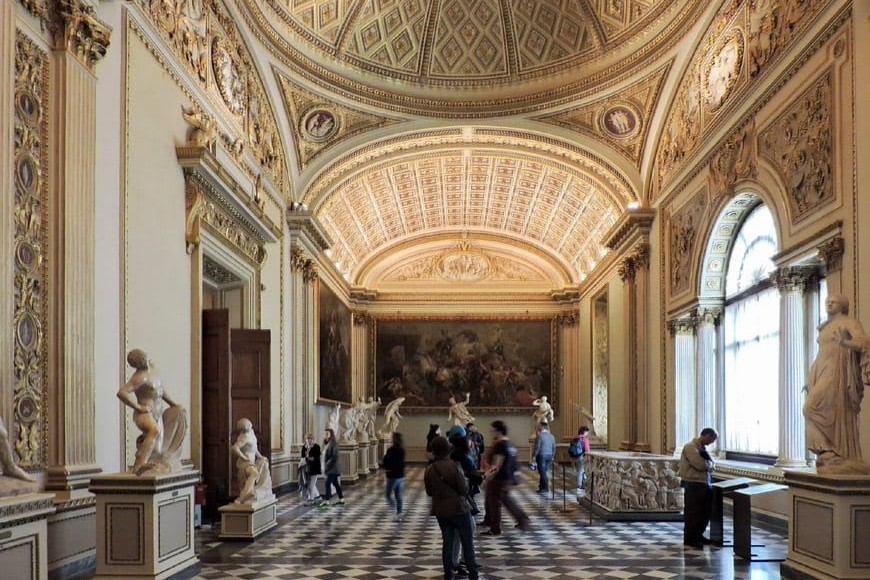
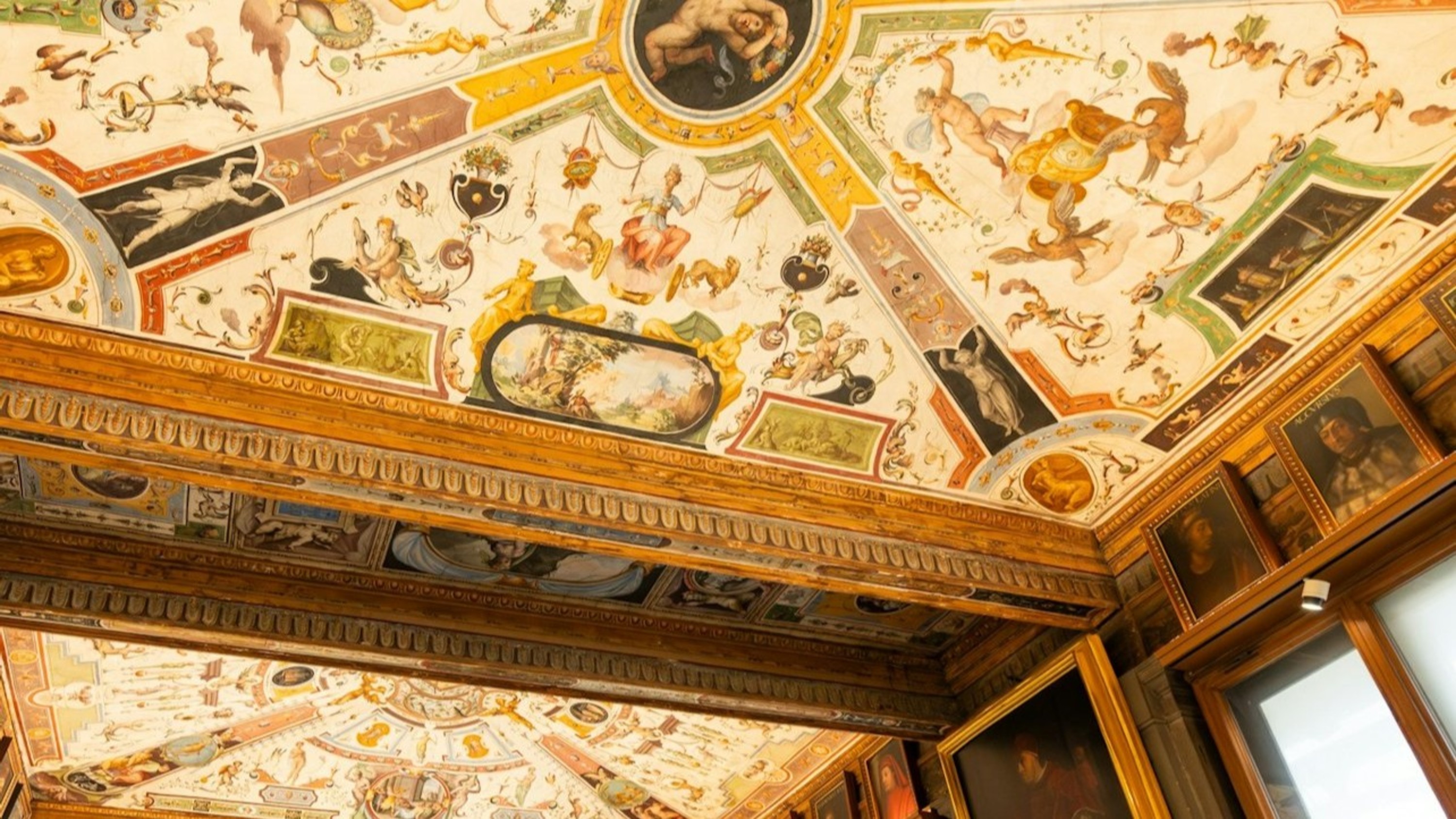
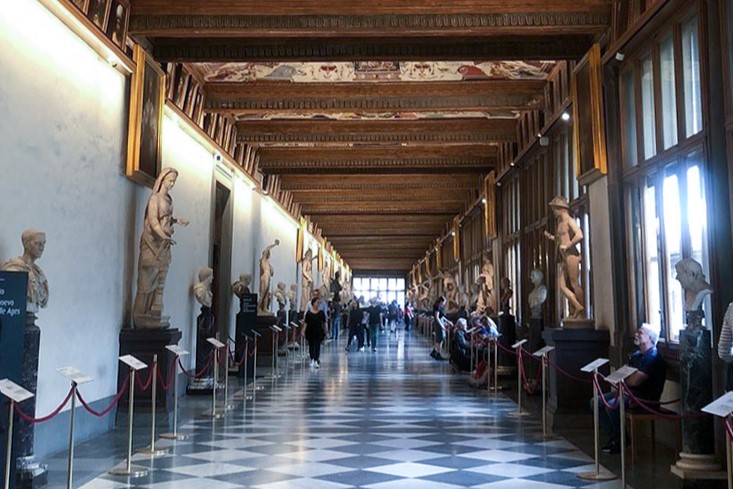
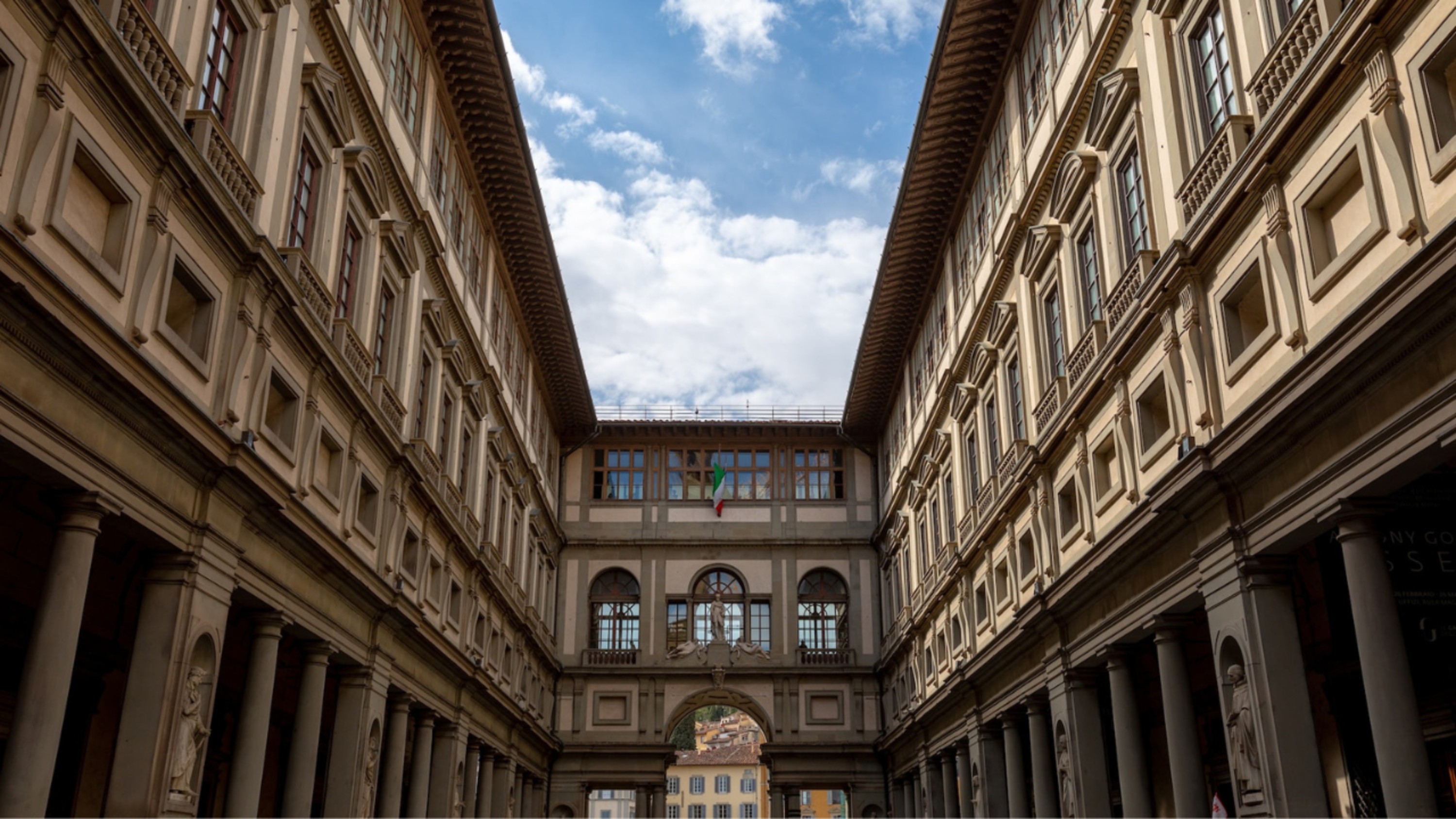
Skip the notorious queues and step directly into the world's greatest collection of Renaissance art. Your art historian guide leads you through the Uffizi's treasure-filled corridors, bringing masterpieces to life with stories the average visitor never hears. Stand before Botticelli's "Birth of Venus" and "Primavera" as your guide reveals the hidden symbols, scandalous commissions, and Medici family drama behind these iconic works. Discover why Leonardo da Vinci left his "Adoration of the Magi" unfinished, examine Caravaggio's revolutionary use of light and shadow in "Medusa," and trace the artistic rivalry between Michelangelo and Raphael through their contrasting styles. With a maximum of 9 guests, you'll have space to appreciate each masterpiece without fighting crowds—and time to ask the questions that make art come alive.
2
Stop 2
Piazza della Signoria stands as the historic heart of Florence, a stunning open-air museum where art, politics, and history converge. This L-shaped square, dominated by the imposing Palazzo Vecchio with its soaring tower, has been the center of Florentine political life since the 14th century.
The piazza serves as a free open-air sculpture gallery, featuring masterful works that have witnessed centuries of Florentine history. The Loggia dei Lanzi, an elegant arched gallery, shelters Renaissance masterpieces including Cellini's dramatic "Perseus with the Head of Medusa" and Giambologna's "Rape of the Sabines." At the piazza's center, visitors can admire a copy of Michelangelo's "David" marking the spot where the original once stood, alongside Bandinelli's "Hercules and Cacus" and the majestic "Neptune Fountain" by Ammannati.
3
Stop 3
Pass by one of Florence's most unusual churches—a Gothic building that started life as a grain market before becoming a shrine to the city's powerful guilds. The exterior niches display remarkable sculptures by Renaissance masters including Donatello, Ghiberti, and Verrocchio, each commissioned by a different guild competing to display their wealth and taste. Your guide points out Donatello's revolutionary "St. George," the first Renaissance sculpture to show a figure in psychological tension, and explains how this former granary became a who's-who of Florentine sculpture. Look up to spot the original grain chutes still visible in the walls—a reminder that commerce and faith were never far apart in medieval Florence.
4
Stop 4
Pass by
Walk through Florence's grandest piazza, built on the site of the ancient Roman forum. When Florence briefly became Italy's capital (1865-1871), the city demolished the medieval Jewish ghetto and central market to create this elegant 19th-century square. Your guide explains the controversial history behind the triumphal arch inscription boasting of the city's "restoration from ancient squalor"—a decision still debated today. Notice the historic literary cafés lining the square, including Caffè Gilli and Caffè Paszkowski, where intellectuals and artists have gathered since the 1800s. The ornate carousel adds a touch of whimsy to this monumental space where Roman, medieval, and modern Florence intersect.
5
Stop 5
Arrive at Florence's spiritual center where Brunelleschi's magnificent dome dominates the skyline—an engineering marvel that defined the Renaissance and still inspires architects 600 years later. Your art historian explains how Brunelleschi won the dome competition with an egg, why the construction technique remained a mystery for centuries, and the rivalry with Ghiberti that produced the Baptistery's famous "Gates of Paradise." Admire the Cathedral's pink, white, and green marble facade while learning about the ambitious 140-year construction project that bankrupted the city yet created Italy's largest church. Giotto's Bell Tower rises beside you as your guide reveals the stories behind its intricate marble panels—and why this piazza represents the pinnacle of Florentine ambition. This is also the perfect moment for photos before continuing to meet Michelangelo's David.
6
Stop 6
Skip the long queue and walk directly into the presence of the world's most famous sculpture. Michelangelo's David stands 17 feet tall at the end of a dramatic corridor lined with his unfinished "Prisoners"—figures that appear to struggle free from the marble, revealing the sculptor's unique technique of "liberating" forms trapped within stone. Your art historian guide explains the psychological depth Michelangelo carved into David's intense gaze, the anatomical "mistake" that was actually a deliberate artistic choice, and the political symbolism that made this Biblical hero a symbol of Florentine independence. Learn why this sculpture, carved from a "ruined" block of marble that two other artists had abandoned, became the defining masterpiece of the Renaissance. Beyond David, discover the Accademia's remarkable collection of Florentine paintings and Giambologna's original plaster models—works most visitors rush past in their hurry to see the main attraction.
What's not included
Hotel pickup and drop-off
Food and drinks (other than the specific gelato tasting included)
Available languages
Guide guide
EN
IT
ES
Reviews breakdown
Viator
5.0
1 reviews
5★
1
4★
0
3★
0
2★
0
1★
0
Important information
Wheelchair accessible
Infants and small children can ride in a pram or stroller
Public transportation options are available nearby
Infants are required to sit on an adult’s lap
Specialized infant seats are available
Transportation options are wheelchair accessible
All areas and surfaces are wheelchair accessible
Suitable for all physical fitness levels
Each traveler must present a valid passport or ID document that matches the name provided at the time of booking for successful entry to the Uffizi Gallery, Palazzo Pitti, Boboli Gardens, or Vasari Corridor
Please provide the full names of all travelers when booking. Failure to present a voucher with all travelers’ full names at the ticket office prior to entry may result in denied entry to the attraction
Cost of direct ticket is 29.00
Meeting point
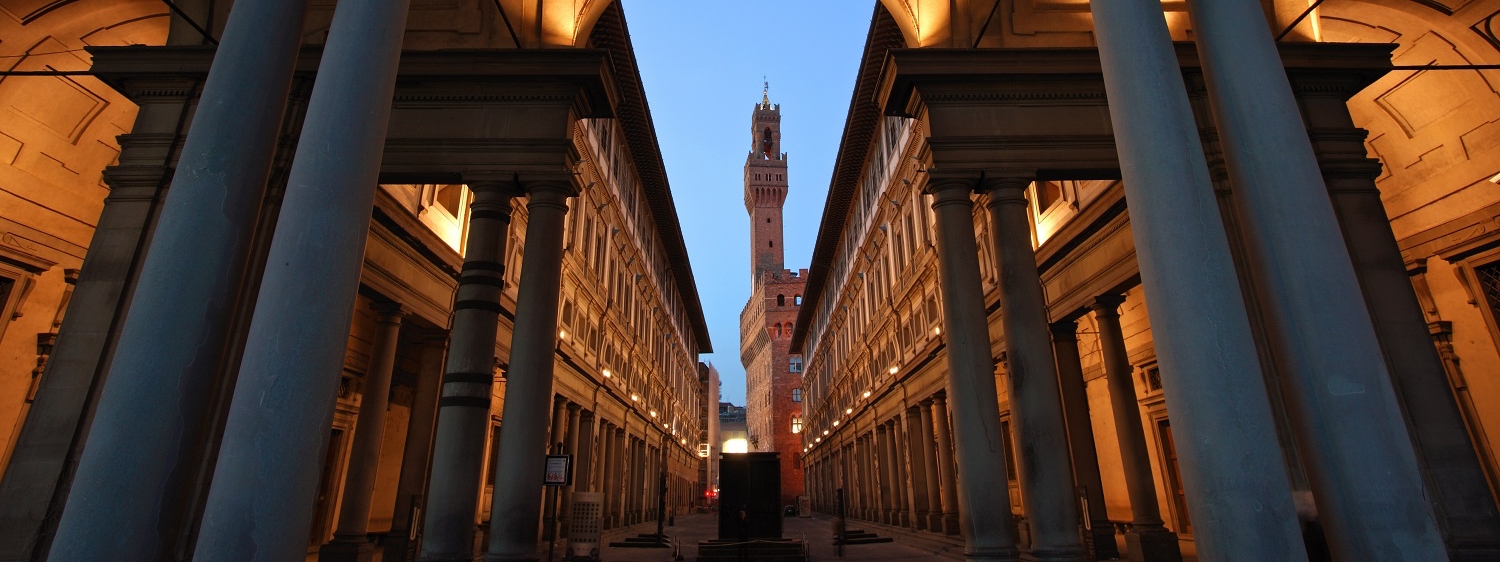
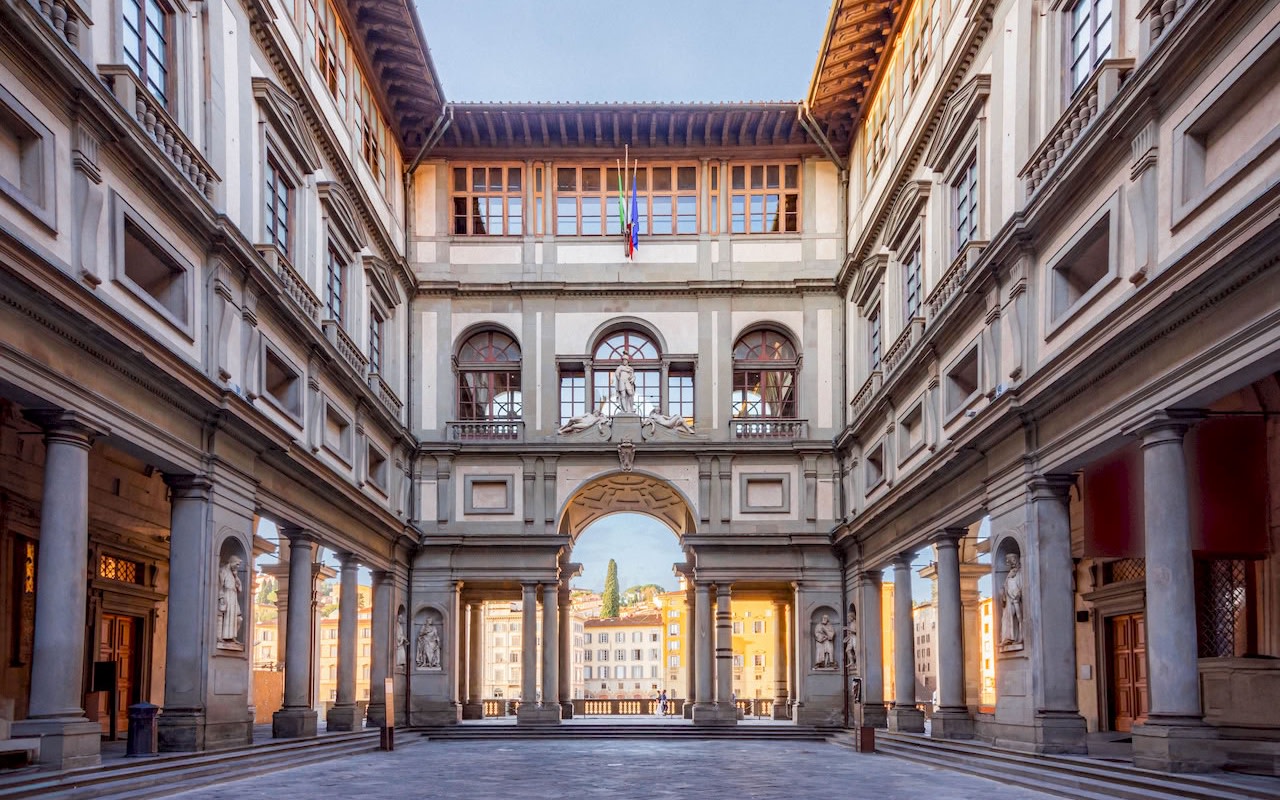
Your host will meet you at Piazzale degli Uffizi, 1, in the courtyard on the right side of the Uffizi Gallery entrance. Look for our representative holding a "Florence with Locals" flag under the Leonardo da Vinci statue, which is located opposite Door #3 of the gallery.
About Florence
Florence, the capital of Italy's Tuscany region, is a treasure trove of art, architecture, and history. Known as the birthplace of the Renaissance, it's home to iconic masterpieces, stunning cathedrals, and a rich cultural heritage that continues to captivate visitors from around the world.
Top Attractions
Duomo
The Florence Cathedral, known as the Duomo, is a masterpiece of Renaissance architecture. Its iconic dome, designed by Brunelleschi, offers panoramic views of the city.
Architecture/Religious
2-3 hours
Free to enter the cathedral, €18 for the climb to the dome
Uffizi Gallery
One of the world's most famous art museums, the Uffizi Gallery houses works by Botticelli, Michelangelo, and Leonardo da Vinci.
Museum/Art
2-3 hours
€20
Ponte Vecchio
A medieval stone bridge famous for its jewelry shops. It's one of the most iconic landmarks in Florence.
Architecture
30 minutes to 1 hour
Free
Piazzale Michelangelo
A panoramic terrace offering breathtaking views of Florence. It's a perfect spot for sunset and photography.
Scenic Viewpoint
1-2 hours
Free
Accademia Gallery
Home to Michelangelo's famous statue of David, the Accademia Gallery is a must-visit for art lovers.
Museum/Art
1-2 hours
€16
Must-Try Local Dishes
Bistecca alla Fiorentina
A thick-cut, grilled T-bone steak, seasoned simply with salt and pepper. It's a must-try for meat lovers.
Dinner
Contains beef, not suitable for vegetarians or vegans
Ribollita
A hearty vegetable and bread soup, traditionally made with leftover bread and vegetables. It's a classic Florentine dish.
Lunch/Dinner
Vegetarian, can be made vegan
Lampredotto
A Florentine street food made from the fourth and final stomach of a cow. It's typically served in a sandwich.
Lunch
Contains beef, not suitable for vegetarians or vegans
Cantucci
Almond biscotti traditionally served with Vin Santo, a sweet Tuscan wine. They are crunchy and perfect for dipping.
Dessert
Contains almonds, can be made gluten-free
Popular Activities
Hiking in the Tuscan countryside
Cycling tours
Hot air balloon rides
Wine tasting tours
Spa day at a luxury hotel
Strolling through the gardens of Villa medici
Visiting museums and art galleries
Attending opera or concerts
Best Time to Visit
April to June, September to October
These months offer pleasant weather and fewer crowds compared to the summer peak. Ideal for sightseeing and outdoor activities.
15-28°C
59-82°F
Practical Information
Language
- Official: Italian
- Widely spoken: English, French, Spanish
- English: Moderately spoken
Currency
Euro (EUR)
Time Zone
GMT+1 (CET), GMT+2 (CEST during daylight saving time)
Electricity
230VV, 50HzHz
Safety Information
Overall Safety Rating: Generally safe
Florence is generally safe for tourists, but pickpocketing and petty theft can occur, especially in crowded areas. Be aware of your surroundings and take precautions to protect your belongings.
Important Precautions:
- • Keep valuables secure and out of sight
- • Be cautious of your surroundings, especially in crowded areas
- • Use licensed taxis or ride-sharing apps
Getting there
By air
- Florence Airport • 5 km from city center
- Pisa International Airport • 85 km from city center
By train
Santa Maria Novella Station
By bus
Villa Costanza Bus Station, Florence Airport Bus Terminal
Getting around
Public transport
The bus network covers the entire city and is the primary mode of public transport. Buses are frequent and reliable.
Taxis
Available • Apps: MyTaxi, FreeNow
Rentals
Car, Bike, Scooter
Neighborhoods
Santa Maria Novella
Oltrarno
San Lorenzo
Santa Croce
Day trips
Siena
70 km from Florence • Half day to full day
A medieval city known for its stunning Piazza del Campo and the Palio, a traditional horse race held twice a year.
Pisa
85 km from Florence • Half day
Home to the iconic Leaning Tower of Pisa, this city offers a mix of historic sites and scenic views.
Chianti Wine Region
30-50 km from Florence • Full day
A picturesque wine region known for its rolling hills, vineyards, and charming villages.
Festivals
Festa di San Giovanni • June 24
Calcio Storico Fiorentino • June (dates vary)
Firenze dei Fiori • April to June
Pro tips
- Visit major attractions early in the morning or late in the afternoon to avoid crowds
- Book tickets for popular attractions in advance to save time and avoid long queues
- Explore the city's hidden gems, such as the Oltrarno neighborhood and the secret passages of the Palazzo Vecchio
- Try local specialties like Bistecca alla Fiorentina, Ribollita, and Lampredotto
- Learn a few basic Italian phrases to enhance your experience and connect with locals
From $25
per person
Price varies by option
Secure booking
Free cancellation available
Instant confirmation