Medici Family Private Guided Walking Tour
Active
3h
For a full refund, cancel at least 24 hours before the scheduled departure time.
Instant confirmation
Mobile or paper ticket accepted
About this experience
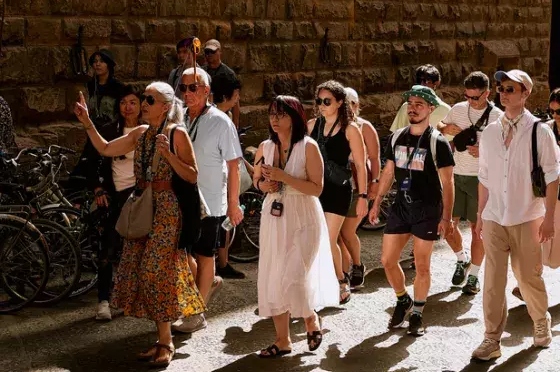
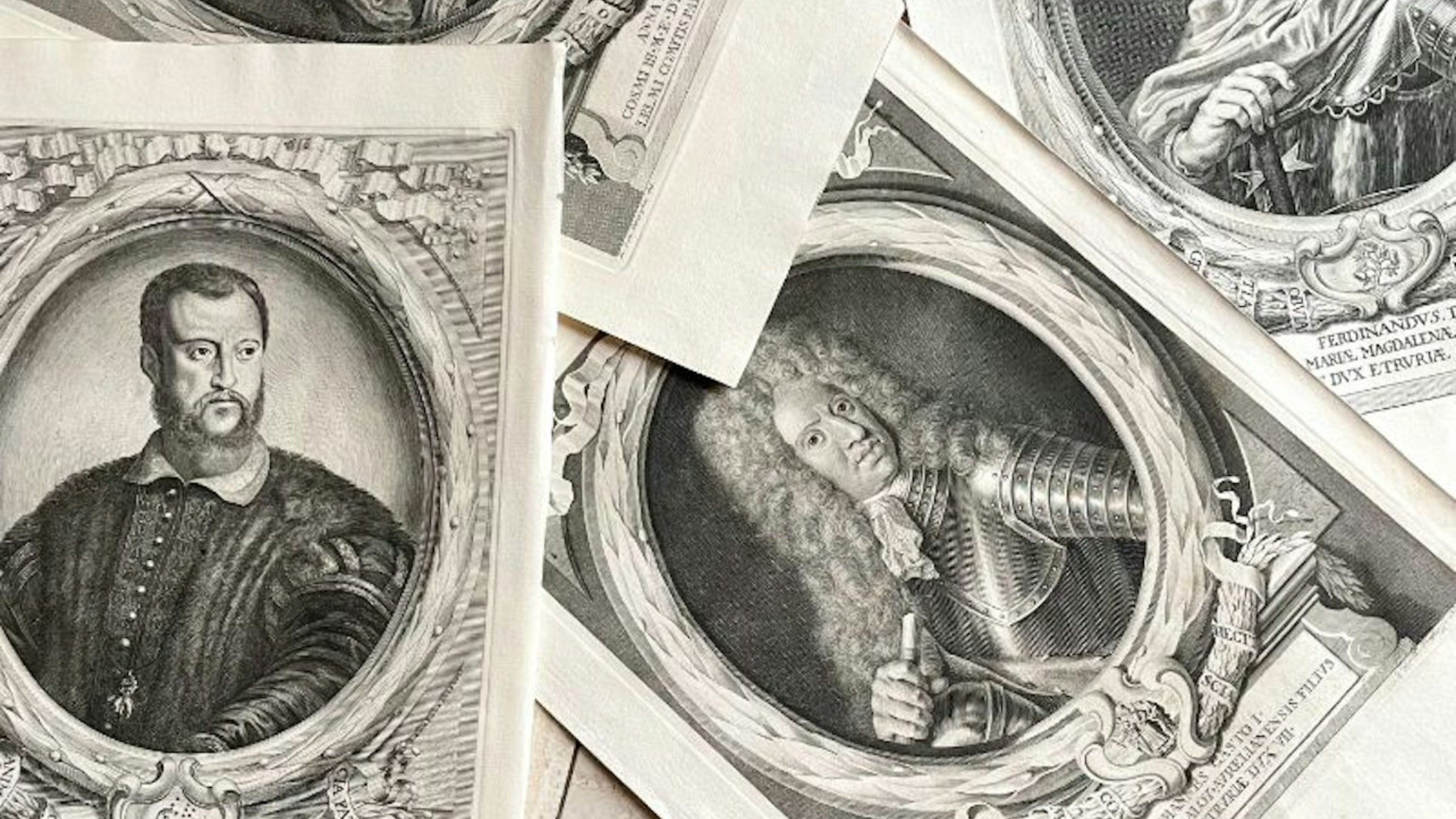
Transform your visit to Florence with this intimate private tour, where you and your companions will be guided through the magnificent story of the Medici dynasty by your own expert art historian. Unlike large group experiences, this exclusive journey allows you to explore Florence's most powerful family's legacy at your own pace.
Why Choose This Private Experience. Personalized Attention, Your dedicated private guide crafts the perfect pace and focus based on your interests, ensuring a truly personal journey through Renaissance Florence. Flexibility and Comfort: Enjoy the freedom to linger at sites that fascinate you most, ask in-depth questions, and adjust the route to suit your preferences - a luxury only possible with a private guide. Expert Private Guide: Your art historian guide brings deep knowledge and passion, sharing insights and stories that bring the Medici era vividly to life, tailored to your interests.
Available options
Medici Family Private Guided Walking Tour
Spanish Tour
Italian Tour
What's included
Private 3-hour tour
Headphones if more than 6 participants
Guided tour of Florence's historic center
Walk through medieval alleyways and past Dante's house
Stroll across the Ponte Vecchio
Visit to the Florence Cathedral and its dome ( out side )
Tour of the Palazzo Vecchio, including the Salone dei Cinquecento
Exploration of Piazza della Signoria and its statues
Certified local tour guide
Palazzo Vecchio skip-the-line admission ticket
The Medici Chapels skip-the-line admission ticket
Detailed itinerary
1
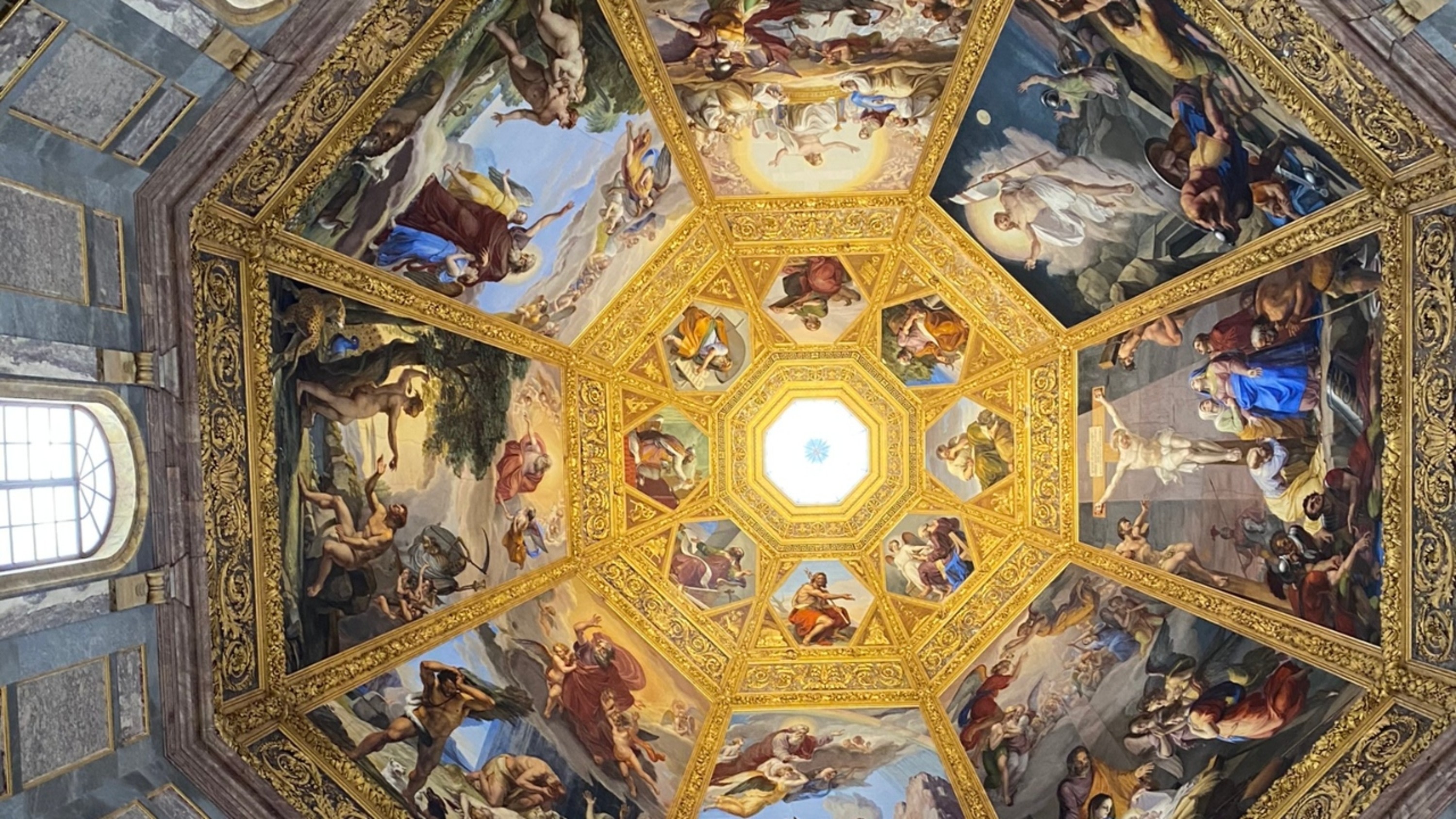
The Medici Chapels, adjoining the Basilica of San Lorenzo, represent the ultimate expression of Medici power and artistic patronage in Florence. As you step inside, you'll be dazzled by the opulent Chapel of Princes (Cappella dei Principi), where exotic marbles and semiprecious stones create an extraordinary display of wealth and artistry beneath a soaring 59-meter dome. In the New Sacristy (Sagrestia Nuova), Michelangelo's genius comes to life through his magnificent sculptures adorning the tombs of Lorenzo and Giuliano de' Medici, including the famous "Dawn and Dusk" and "Night and Day." This sacred space, serving as the final resting place of the Medici dynasty, showcases an unparalleled combination of architectural brilliance and artistic mastery that defined the Renaissance era.
2
Stop 2
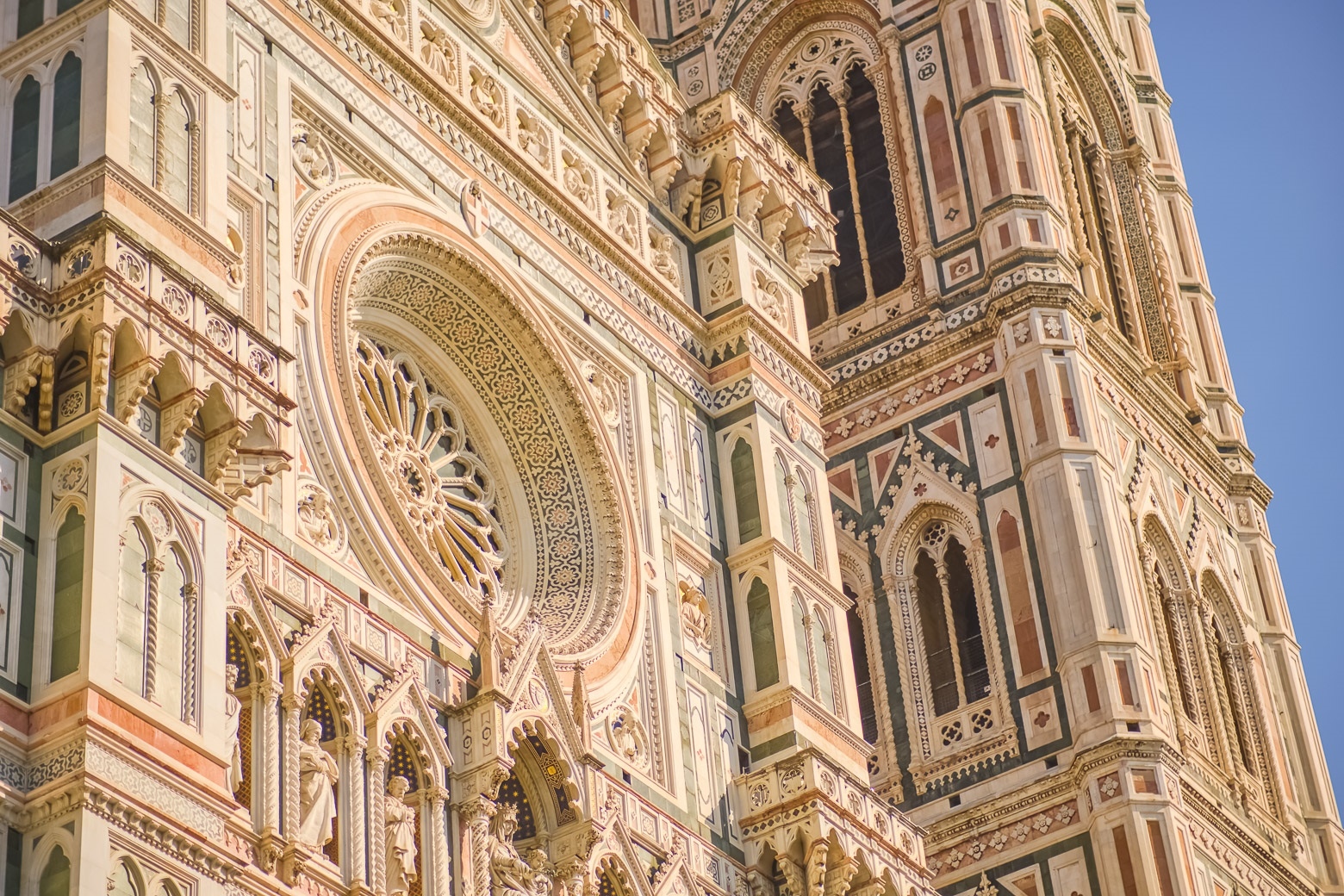
Piazza del Duomo, the spiritual and architectural heart of Florence, is crowned by the breathtaking Cathedral of Santa Maria del Fiore. Here, Brunelleschi's magnificent terracotta dome dominates the skyline, a revolutionary feat of engineering that became the symbol of Renaissance innovation. The square showcases three architectural masterpieces: the Cathedral with its striking marble façade in shades of pink, white, and green; Giotto's soaring Bell Tower, adorned with exquisite sculptural reliefs; and the octagonal Baptistery, famous for its glittering golden 'Gates of Paradise' doors by Ghiberti. This grand piazza, which has been Florence's religious center since Roman times, perfectly captures the city's artistic genius and spiritual devotion, offering visitors an unforgettable glimpse into the grandeur of Renaissance Florence.
3
Stop 3
Pass by
Orsanmichele stands as one of Florence's most unique architectural gems, embodying both religious devotion and civic pride. Originally built as a grain market in the 14th century, this remarkable building was transformed into a church while maintaining its distinctive dual identity. Its exterior showcases 14 elaborate niches, each commissioned by Florence's powerful trade guilds and filled with masterpiece statues by artists like Donatello, Ghiberti, and Verrocchio. The stunning Gothic building rises three stories high, with its ground floor serving as a church adorned with Andrea Orcagna's magnificent marble tabernacle, while the upper floors house a fascinating museum. Inside, you'll find the original sculptures from the external niches (now replaced by copies outside), offering a rare opportunity to view these Renaissance masterpieces up close in their original context.
4
Stop 4
The Loggia dei Lanzi, an elegant open-air gallery beneath graceful Gothic arches, stands as one of Florence's most remarkable outdoor museums. Built in the late 14th century as a covered platform for public ceremonies, this stunning arcade now houses an exceptional collection of Renaissance and Classical sculptures. Here, masterpieces like Benvenuto Cellini's bronze "Perseus with the Head of Medusa," Giambologna's dramatic "Rape of the Sabine Women," and the ancient "Medici Lions" create a magnificent display of artistic achievement. The loggia's strategic position, facing Palazzo Vecchio in Piazza della Signoria, made it the perfect stage for the Medici to showcase their power through art. Today, its sheltering arches continue to protect these priceless sculptures while offering visitors the unique experience of viewing Renaissance masterpieces in their historical setting.
5
Stop 5
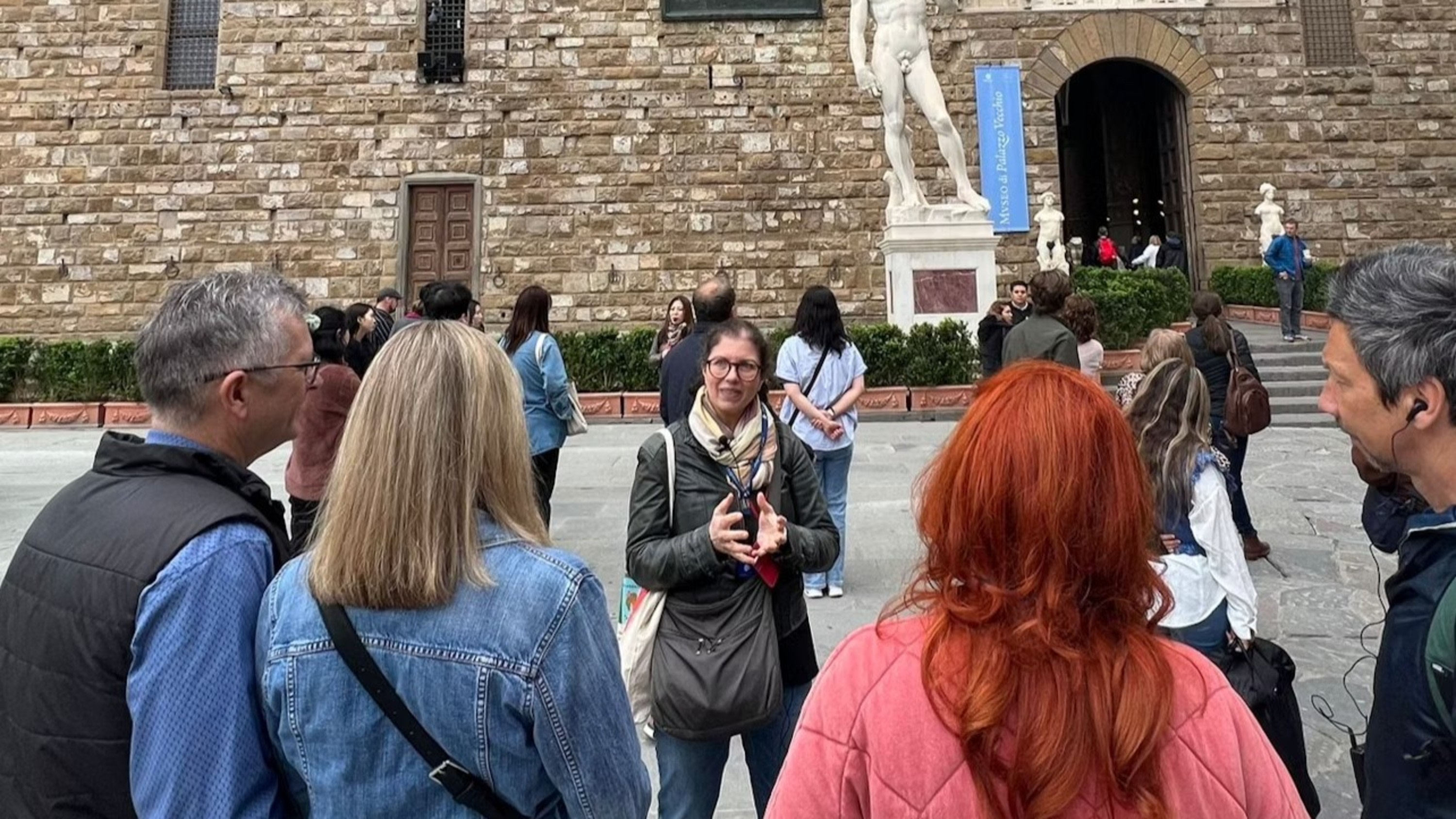
Piazza della Signoria, the political heart of Florence since the Middle Ages, stands as an open-air museum of power and artistic brilliance. Dominated by the imposing Palazzo Vecchio, with its medieval tower soaring into the sky, this magnificent square showcases an extraordinary collection of sculptures including a replica of Michelangelo's David, Cellini's dramatic Perseus holding Medusa's head, and the impressive Fountain of Neptune. The elegant Loggia dei Lanzi serves as an outdoor gallery, housing masterpieces like Giambologna's Rape of the Sabines. This historic square, where the Medici shaped Florence's destiny and Savonarola met his fate, tells countless stories of political intrigue, artistic rivalry, and public spectacle. Here, every corner, statue, and stone bears witness to the city's remarkable past, making it one of the most captivating piazzas in the world.
6
Stop 6
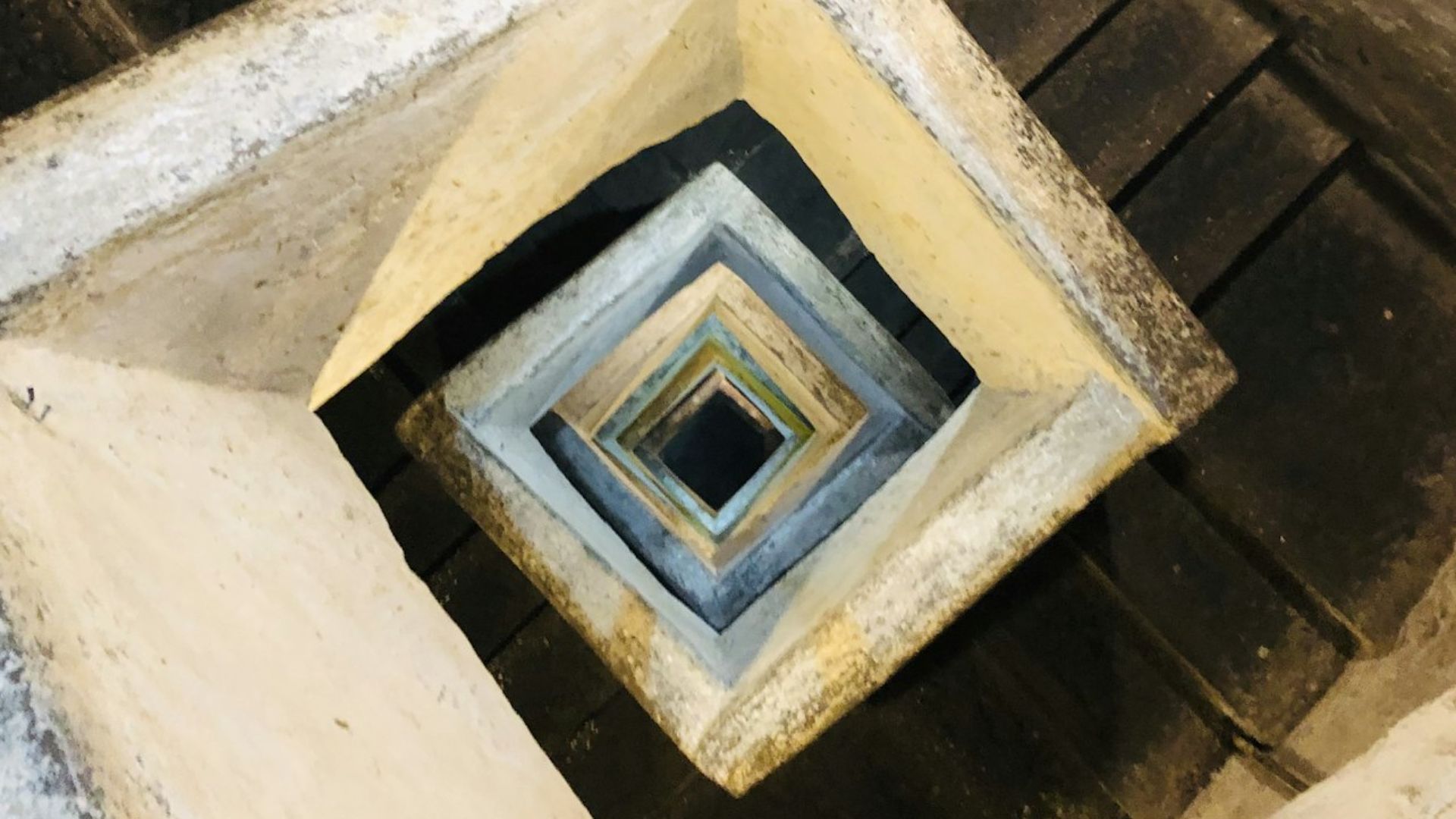
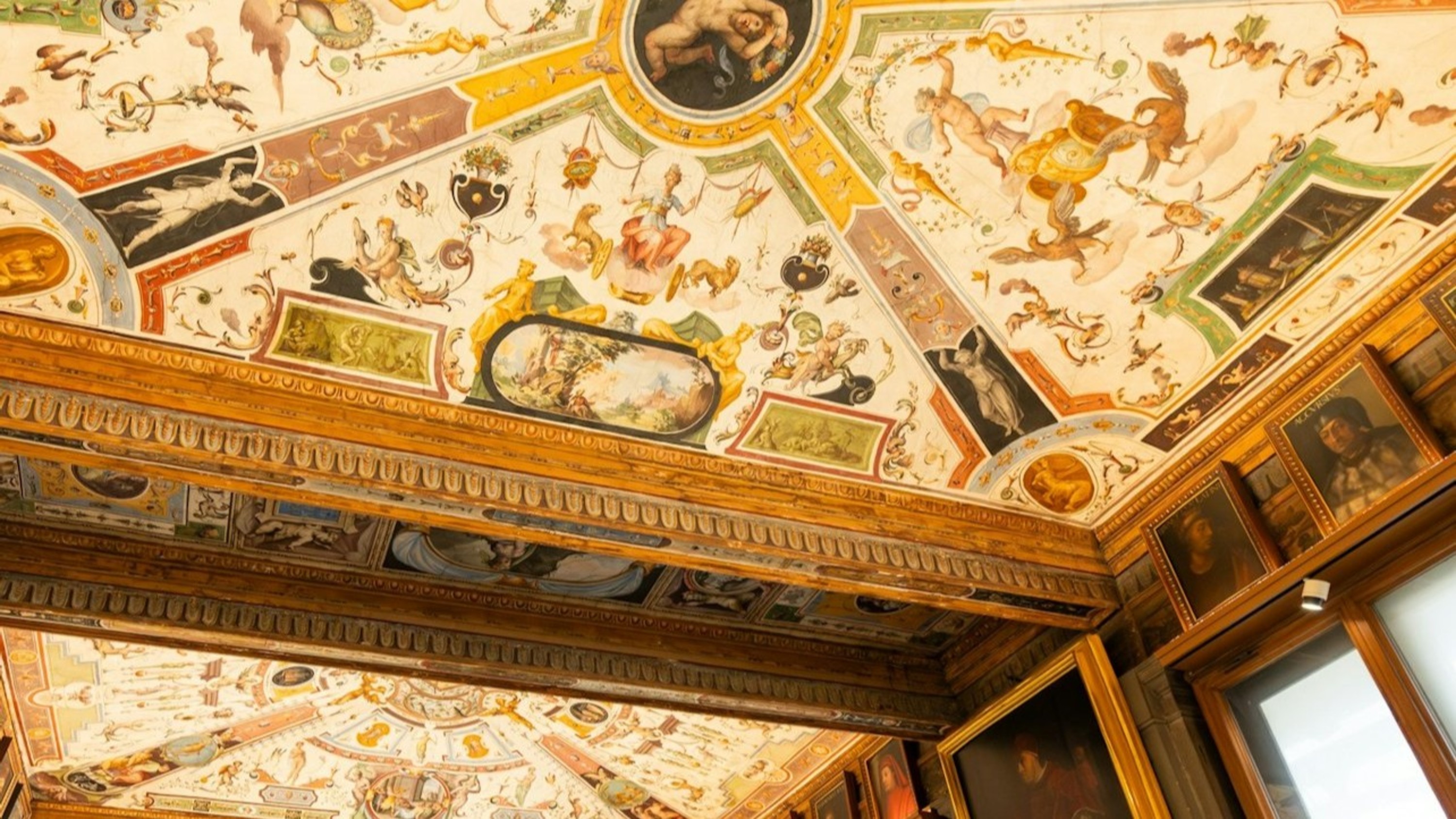
Palazzo Vecchio, Florence's majestic town hall, stands as a powerful symbol of civic power and artistic splendor since the 14th century. Its imposing facade, crowned by the soaring Arnolfo Tower and adorned with the renowned copy of Michelangelo's David at its entrance, tells stories of the city's political might. Inside, the palace reveals breathtaking treasures, most notably the grand Salone dei Cinquecento (Hall of the Five Hundred), where colossal frescoes by Vasari depict Florence's victories, and where traces remain of the famous artistic duel between Leonardo da Vinci and Michelangelo. The palace's upper floors house the sumptuously decorated private apartments of the Medici family, featuring remarkable works by Bronzino, Ghirlandaio, and other masters. Each room tells a story, from the tiny private chapel of Eleonora of Toledo to the spectacular Hall of Maps, where rare 16th-century globes and maps reveal Renaissance geographical knowledge.
7
Stop 7
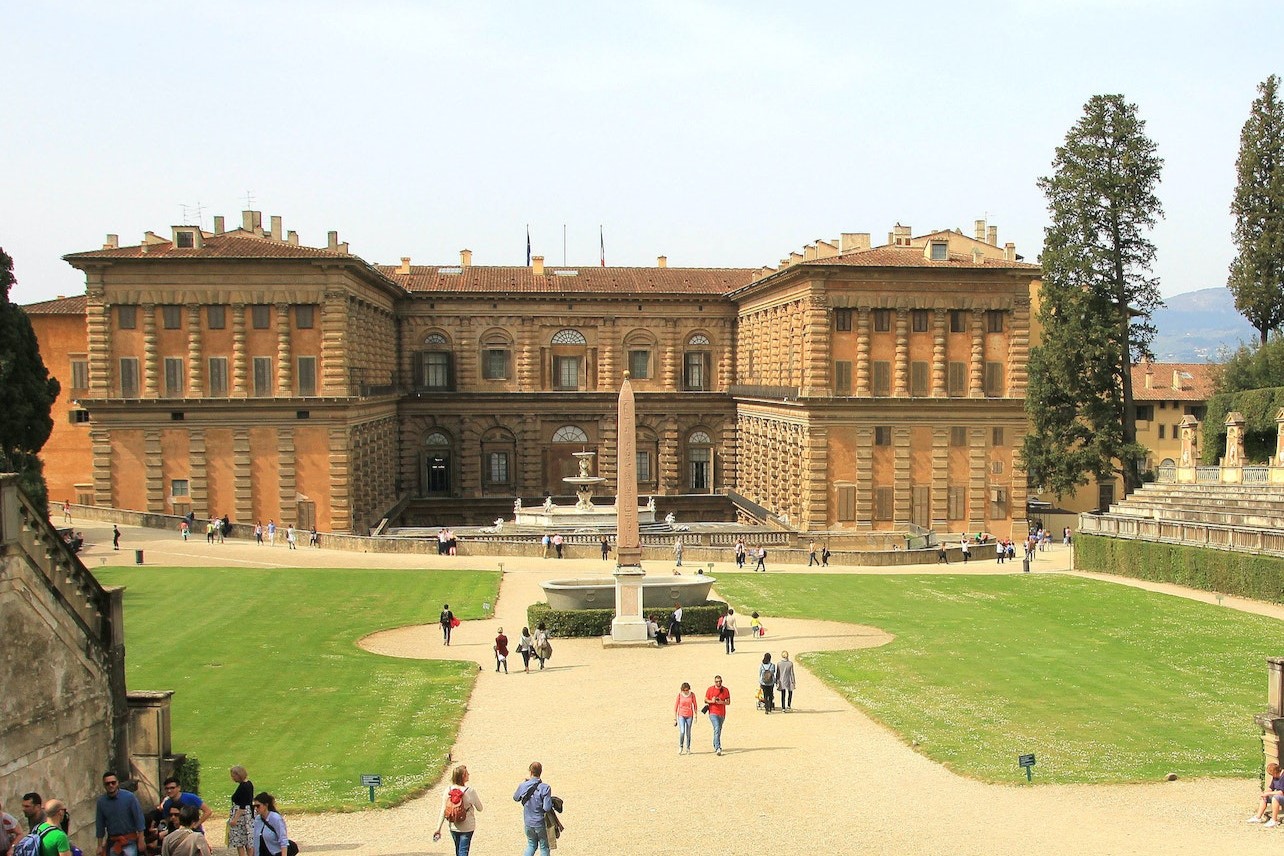
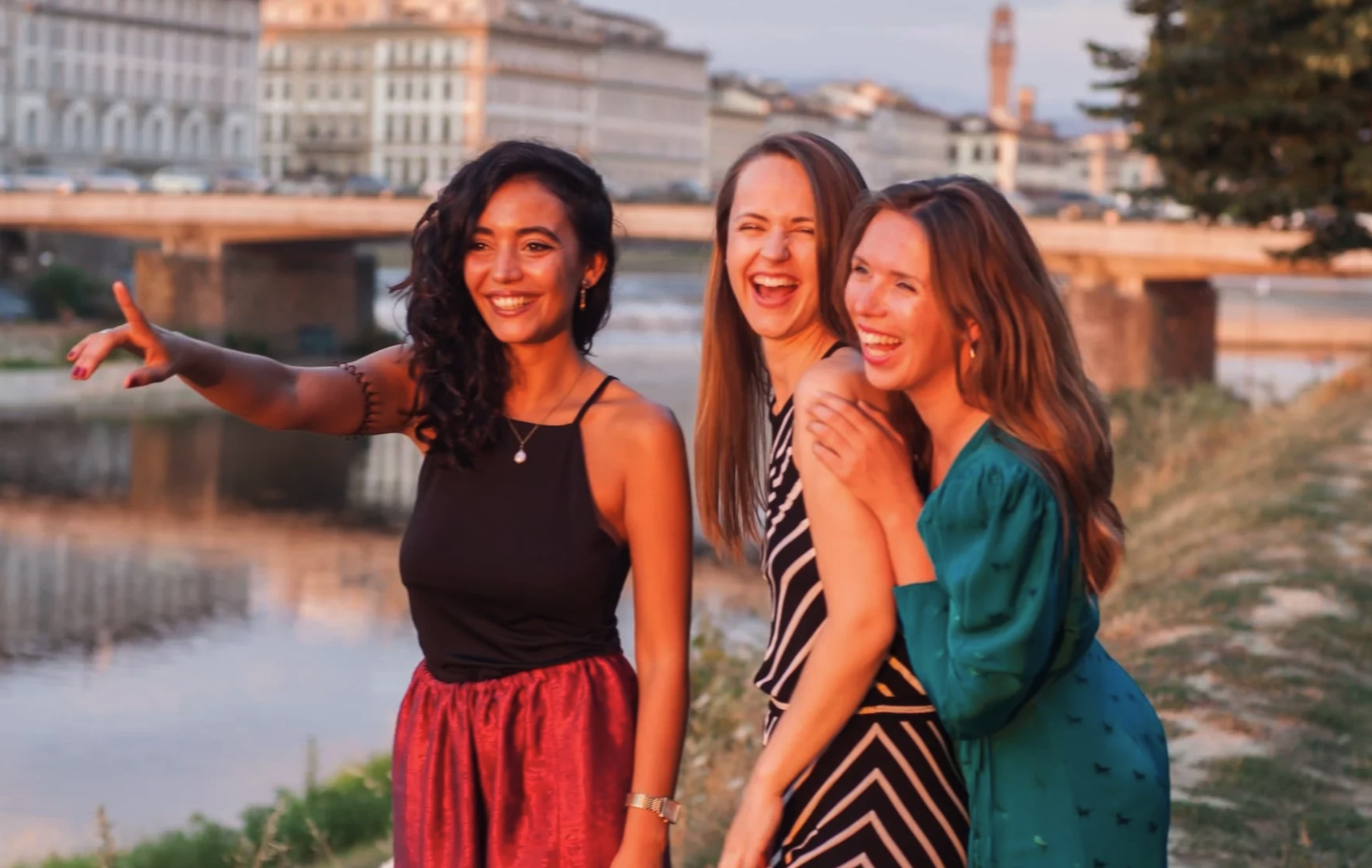
Ponte Vecchio, Florence's oldest and most iconic bridge, has spanned the Arno River since 1345, serving as a living testament to the city's enduring spirit. This medieval masterpiece is the only Florentine bridge that survived World War II, making it even more precious to the city's heritage. The bridge's unique character comes from the traditional goldsmiths' shops that line its edges, their wooden shutters creating a rustic charm when closed, and their glittering displays of jewelry catching the sun by day. Above these shops runs the mysterious Vasari Corridor, a private elevated passageway built for the Medici family in 1565, connecting Palazzo Vecchio to Palazzo Pitti. The bridge offers spectacular views of the Arno River and has become Florence's most romantic spot, where visitors gather at sunset to witness the golden light reflecting off the water while street musicians serenade passersby.
What's not included
Hotel pickup and drop-off
Meals and beverages
Personal expenses
Available languages
Guide guide
EN
IT
ES
Important information
Infants and small children can ride in a pram or stroller
Public transportation options are available nearby
Specialized infant seats are available
Suitable for all physical fitness levels
Meeting point
We will meet at the entrance of the Medici Chapels, located in Piazza di Madonna degli Aldobrandini. Your guide will be waiting with a clearly visible sign reading our Company Name.
About Florence
Florence, the capital of Italy's Tuscany region, is a treasure trove of art, architecture, and history. Known as the birthplace of the Renaissance, it's home to iconic masterpieces, stunning cathedrals, and a rich cultural heritage that continues to captivate visitors from around the world.
Top Attractions
Duomo
The Florence Cathedral, known as the Duomo, is a masterpiece of Renaissance architecture. Its iconic dome, designed by Brunelleschi, offers panoramic views of the city.
Architecture/Religious
2-3 hours
Free to enter the cathedral, €18 for the climb to the dome
Uffizi Gallery
One of the world's most famous art museums, the Uffizi Gallery houses works by Botticelli, Michelangelo, and Leonardo da Vinci.
Museum/Art
2-3 hours
€20
Ponte Vecchio
A medieval stone bridge famous for its jewelry shops. It's one of the most iconic landmarks in Florence.
Architecture
30 minutes to 1 hour
Free
Piazzale Michelangelo
A panoramic terrace offering breathtaking views of Florence. It's a perfect spot for sunset and photography.
Scenic Viewpoint
1-2 hours
Free
Accademia Gallery
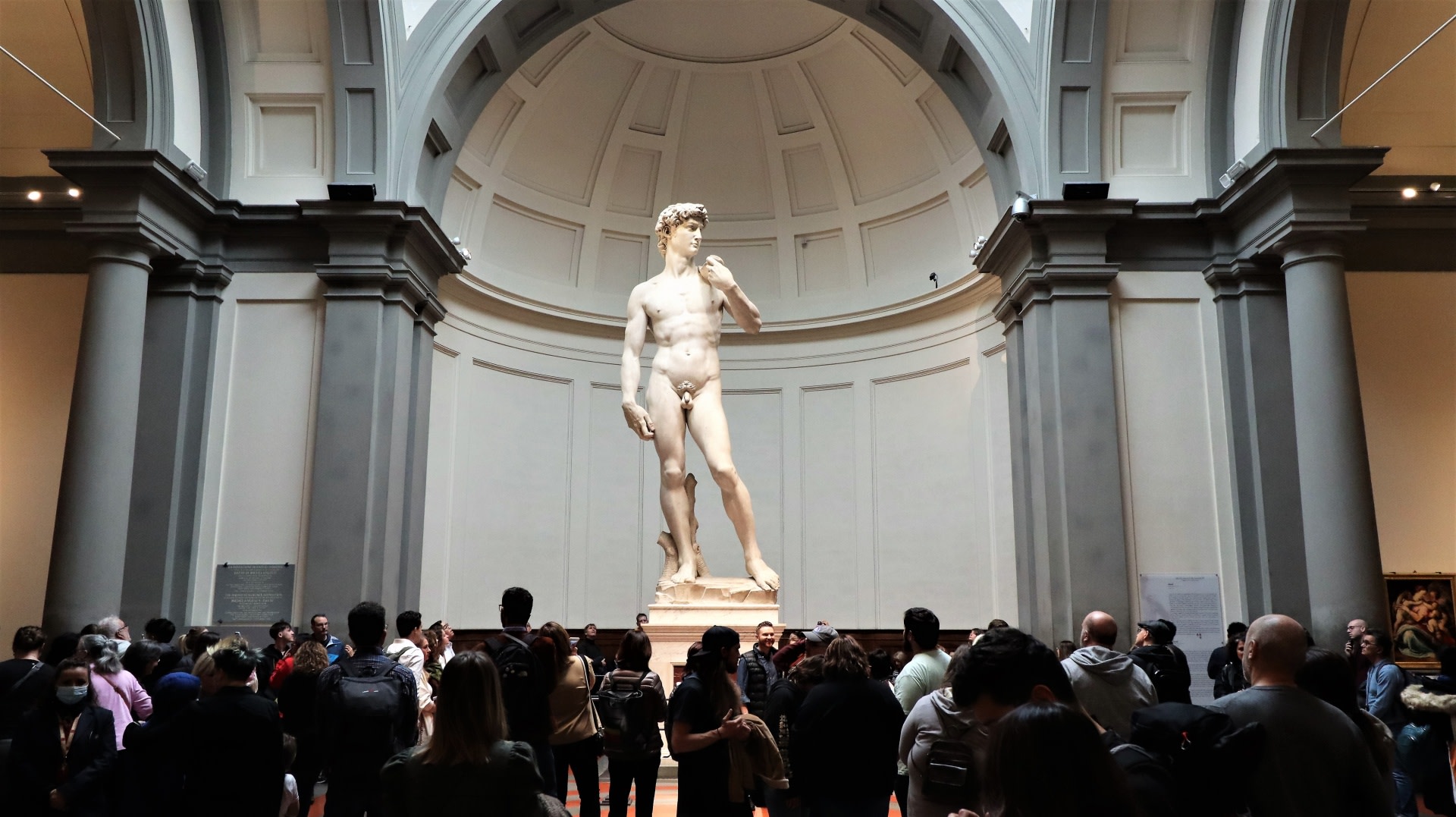
Home to Michelangelo's famous statue of David, the Accademia Gallery is a must-visit for art lovers.
Museum/Art
1-2 hours
€16
Must-Try Local Dishes
Bistecca alla Fiorentina
A thick-cut, grilled T-bone steak, seasoned simply with salt and pepper. It's a must-try for meat lovers.
Dinner
Contains beef, not suitable for vegetarians or vegans
Ribollita
A hearty vegetable and bread soup, traditionally made with leftover bread and vegetables. It's a classic Florentine dish.
Lunch/Dinner
Vegetarian, can be made vegan
Lampredotto
A Florentine street food made from the fourth and final stomach of a cow. It's typically served in a sandwich.
Lunch
Contains beef, not suitable for vegetarians or vegans
Cantucci
Almond biscotti traditionally served with Vin Santo, a sweet Tuscan wine. They are crunchy and perfect for dipping.
Dessert
Contains almonds, can be made gluten-free
Popular Activities
Hiking in the Tuscan countryside
Cycling tours
Hot air balloon rides
Wine tasting tours
Spa day at a luxury hotel
Strolling through the gardens of Villa medici
Visiting museums and art galleries
Attending opera or concerts
Best Time to Visit
April to June, September to October
These months offer pleasant weather and fewer crowds compared to the summer peak. Ideal for sightseeing and outdoor activities.
15-28°C
59-82°F
Practical Information
Language
- Official: Italian
- Widely spoken: English, French, Spanish
- English: Moderately spoken
Currency
Euro (EUR)
Time Zone
GMT+1 (CET), GMT+2 (CEST during daylight saving time)
Electricity
230VV, 50HzHz
Safety Information
Overall Safety Rating: Generally safe
Florence is generally safe for tourists, but pickpocketing and petty theft can occur, especially in crowded areas. Be aware of your surroundings and take precautions to protect your belongings.
Important Precautions:
- • Keep valuables secure and out of sight
- • Be cautious of your surroundings, especially in crowded areas
- • Use licensed taxis or ride-sharing apps
Getting there
By air
- Florence Airport • 5 km from city center
- Pisa International Airport • 85 km from city center
By train
Santa Maria Novella Station
By bus
Villa Costanza Bus Station, Florence Airport Bus Terminal
Getting around
Public transport
The bus network covers the entire city and is the primary mode of public transport. Buses are frequent and reliable.
Taxis
Available • Apps: MyTaxi, FreeNow
Rentals
Car, Bike, Scooter
Neighborhoods
Santa Maria Novella
Oltrarno
San Lorenzo
Santa Croce
Day trips
Siena
70 km from Florence • Half day to full day
A medieval city known for its stunning Piazza del Campo and the Palio, a traditional horse race held twice a year.
Pisa
85 km from Florence • Half day
Home to the iconic Leaning Tower of Pisa, this city offers a mix of historic sites and scenic views.
Chianti Wine Region
30-50 km from Florence • Full day
A picturesque wine region known for its rolling hills, vineyards, and charming villages.
Festivals
Festa di San Giovanni • June 24
Calcio Storico Fiorentino • June (dates vary)
Firenze dei Fiori • April to June
Pro tips
- Visit major attractions early in the morning or late in the afternoon to avoid crowds
- Book tickets for popular attractions in advance to save time and avoid long queues
- Explore the city's hidden gems, such as the Oltrarno neighborhood and the secret passages of the Palazzo Vecchio
- Try local specialties like Bistecca alla Fiorentina, Ribollita, and Lampredotto
- Learn a few basic Italian phrases to enhance your experience and connect with locals
From $25
per person
Price varies by option
Secure booking
Free cancellation available
Instant confirmation