Athens mini cruise: "East Attica Hidden Gems"
Active
4h
For a full refund, cancel at least 24 hours before the scheduled departure time.
Instant_then_manual confirmation
Mobile or paper ticket accepted
About this experience
Enjoy a 4 hour cruise on a traditional Greek boat. What better than swimming in the crystal clear waters of East Attica and then jumping on board for Greek snacks with an amazing view of the coasts?
The cruise includes 4 swim stops at 4 magical destinations as well as beautiful transit attractions such as the Colossus Of Porto Rafti, the Sunken Sea Cave and the Blue Lagoon.
Variety of sights like a natural fjord with turqoise waters, an island with a traditional cycladic-style church you can explore, a shallow cave with amazing view that you can swim under and a beautiful coast, all away from crowded beaches.
Included:
✅Welcome coffee and cookies
✅Greek snacks (Variety of Greek pastries like spanakopita), fruit – Vegetarian/vegan alternatives upon request.
✅ Beverages: Glass of wine OR 2 beers OR 2 soft drinks in price, water bottles
✅ Snorkelling equipment
✅ Lifeguard on
✅ Shaded area
✅ Music
Not included: Towels, Sunscreen
Available options
Athens mini cruise: "East Attica Hidden Gems"
Winter plan
Cruise<br/>boat
What's included
Greek pastry like spanakopita, tiropita etc
GST (Goods and Services Tax)
Bottled water
Up to 2 beers per person in price. More can be purchased. Must be 18+
Use of Snorkelling equipment
Restroom on board
Up to 2 soft drinks in price. More can be purchased
Coffee and/or Tea
Detailed itinerary
1
A breath away from the center of Athens, the picturesque port of Porto Rafti is located in Markopoulos and is officially called "Mesogaia Port". Ηowever, it owes its name as Porto Rafti (=Tailor’s Port) to the giant ancient statue that dominates the entrance of the bay, on its largest island. Although the colossus has lost its features, it reminded the villagers of a seated Tailor.
The port of Mesogaia was the gateway of Attica to the northeastern Aegean and the Pontus. It was inhabited during the Proto-Hellenic period (3000 BC), while in classical times there were two municipalities in the area. From the 12th century, with the collapse of Byzantium and the constant raids of pirates, the inhabitants fled inland. During the years of Turkish rule, the port of Porto Rafti was one of the safest in the east of Attica. Until the middle of the 20th century, the port had a commercial character.
2
Legend has it that the statue is a petrified girl, who was marbled as she ran to escape her pursuer. On the other hand, archaeologists argue that it represents some goddess. However, the tradition prevailed, since people imagined it as a sitting tailor holding his stolen golden scissors.
Its oversized height, together with its base, exceeds 4m, qualifying it as a "Colossus". It was sculpted in the 2nd century AD. of white Pentelic marble while its form is clearly altered by air and sea spray as its edges and head are broken. His battered condition makes the identification of who he represents even more difficult.
The "Seated Tailor" gave his name to the port it overlooks, as incoming ships, facing him, knew they had now reached the comfort of "The Tailor's Port" (Porto Rafti) {Rafti=Tailor}
3
As we sail around Hamolia, one will notice a wild recess in its coastline. The hard-to-reach "Spider Cove" closes all around in a rocky lunar landscape reminiscent of a fjord. At its end, the long neck ends in a sandy deserted beach.
The impressive formation of the Fjord protects the waters inside the bay, leaving the sea calm and suitable for quiet pleasures!
4
The "Aspronisia", as they are called, are a small cluster of islets close to Hamolia. Their waters are protected from the strong winds, leaving a blue-green arid lake in their center like an exotic Blue Lagoon.
The Greek seas are full of similar desert islands. Even though dry and infertile, the small islets of Aegean are extremely important to the ecosystem.
For terrestrial animals they are not attractive since they have little space, food and water. But for the seabirds that feed in the sea, a small island is not only sufficient, but also an ideal shelter protected from any kind of intruder.
For seabirds, the safety of the isolated island is a basic need. However, even land birds prefer the safety of the Aegean islets to nest even if they come and go daily to the large islands or mainland of Greece to feed. Apart from the avifauna, the islets are also refuge for the endangered Mediterranean seal that seeks inaccessible beaches and caves to give birth or rest.
5
Inside the peaceful bay of Vravrona, the islet of Agios Alexandros emerges from the sea. A small church and a windmill of Cycladic architecture are built on it, giving Aegean notes to the beautiful landscape!
The seabed all around is rich in fish, shellfish, octopuses and sponges and sea turtles have been frequently seen swimming around. A mask and some time for snorkeling is worth it! It is said that St. Alexander's chapel at the top was built overnight by the locals to prevent the grandiose plans to use the island and build a hotel or according to others, a casino. Today, at the end of every of August, its memory is commemorated and a liturgy is held on the island, while local boats undertake to transport the faithful.
6
Many years ago, in the Mycenaean era, the legend says that Agamemnon's children, Orestes and Iphigenia, stole a wooden statue of the goddess Artemis from the land of the bulls and built a temple in a sacred place to house it. It is said that she remained a priestess in the temple until the end of her life, where she was buried. In the ruins of the temple, the white marble columns stand out even today in the quiet meadow of Erasinos. Vravrona was first inhabited in the Neolithic Age and was united with Athens at the time of Theseus, forming one of its 20 municipalities. Today, it's archaeological site houses a museum with exhibits from the wider area of Mesogaia. Over time, Vravrona continues to be in harmony with nature. The wetlands and Natura 2000 area spread around the temple. Its rich ecosystem is suitable for a walk in the countryside with culture while it is considered an ideal place for birdwatching!
7
“Erotospilia” (=Cave of Love) is one of the most famous and most beautiful beaches of Attica. The beach consists of a small cove with the trees and rocks offering natural shade. At the point where the rock meets the sand, a small cave is formed, which got its name from the fact that couples in love found refuge from the public eye.
What's not included
Towels
Sunscreen
Available languages
Written guide
EL
EN
Reviews breakdown
Viator
5.0
2 reviews
5★
2
4★
0
3★
0
2★
0
1★
0
Tripadvisor
5.0
2 reviews
5★
2
4★
0
3★
0
2★
0
1★
0
Important information
Wheelchair accessible
Infants and small children can ride in a pram or stroller
Service animals allowed
Infants are required to sit on an adult’s lap
Not recommended for travelers with poor cardiovascular health
Suitable for all physical fitness levels
It is not recommended to those who get easily seasick or afraid the sea
Meeting point
Go to the main port of Porto Rafti and get embarked into the boat called "Resalto". We are going to wait you!
About Athens
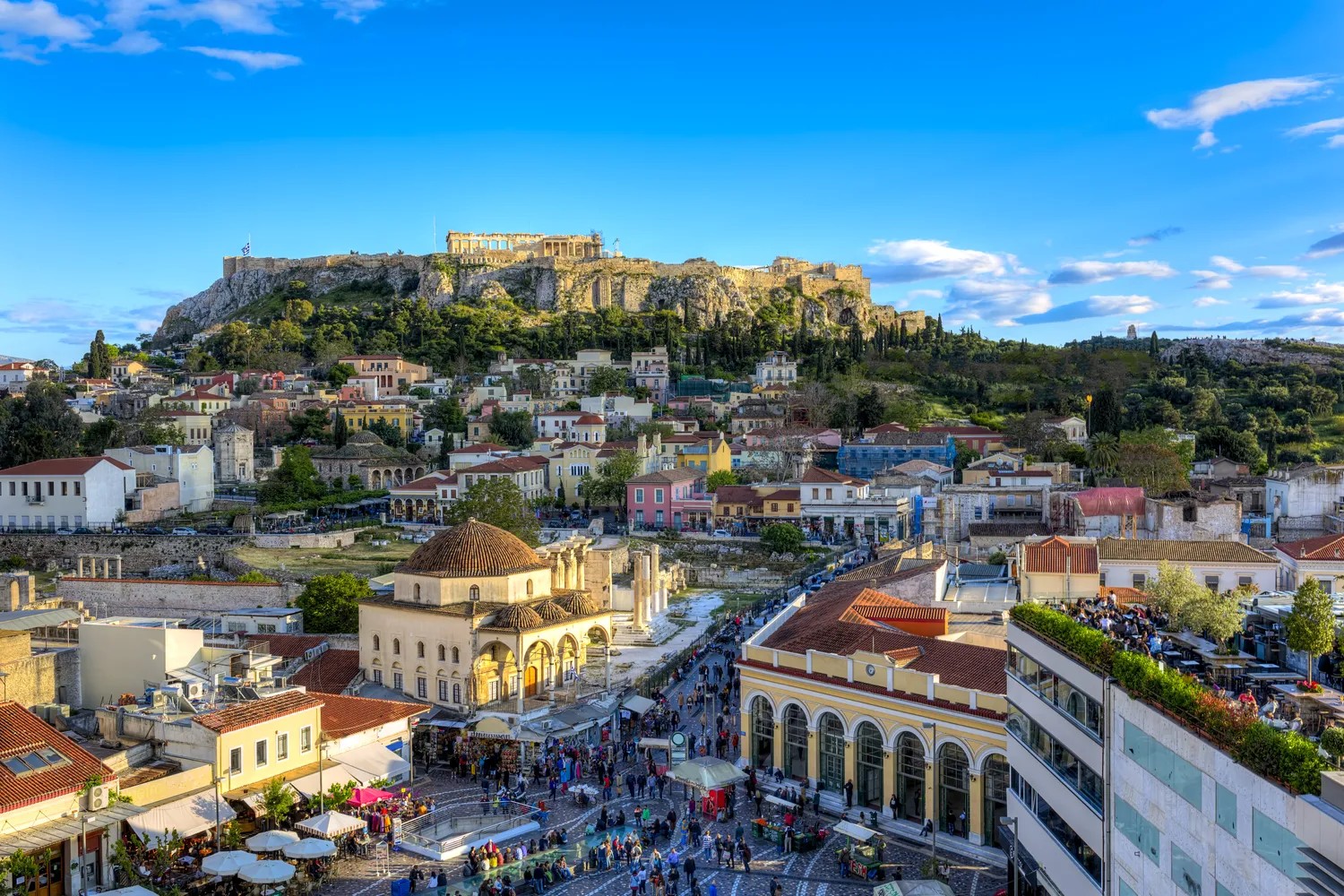
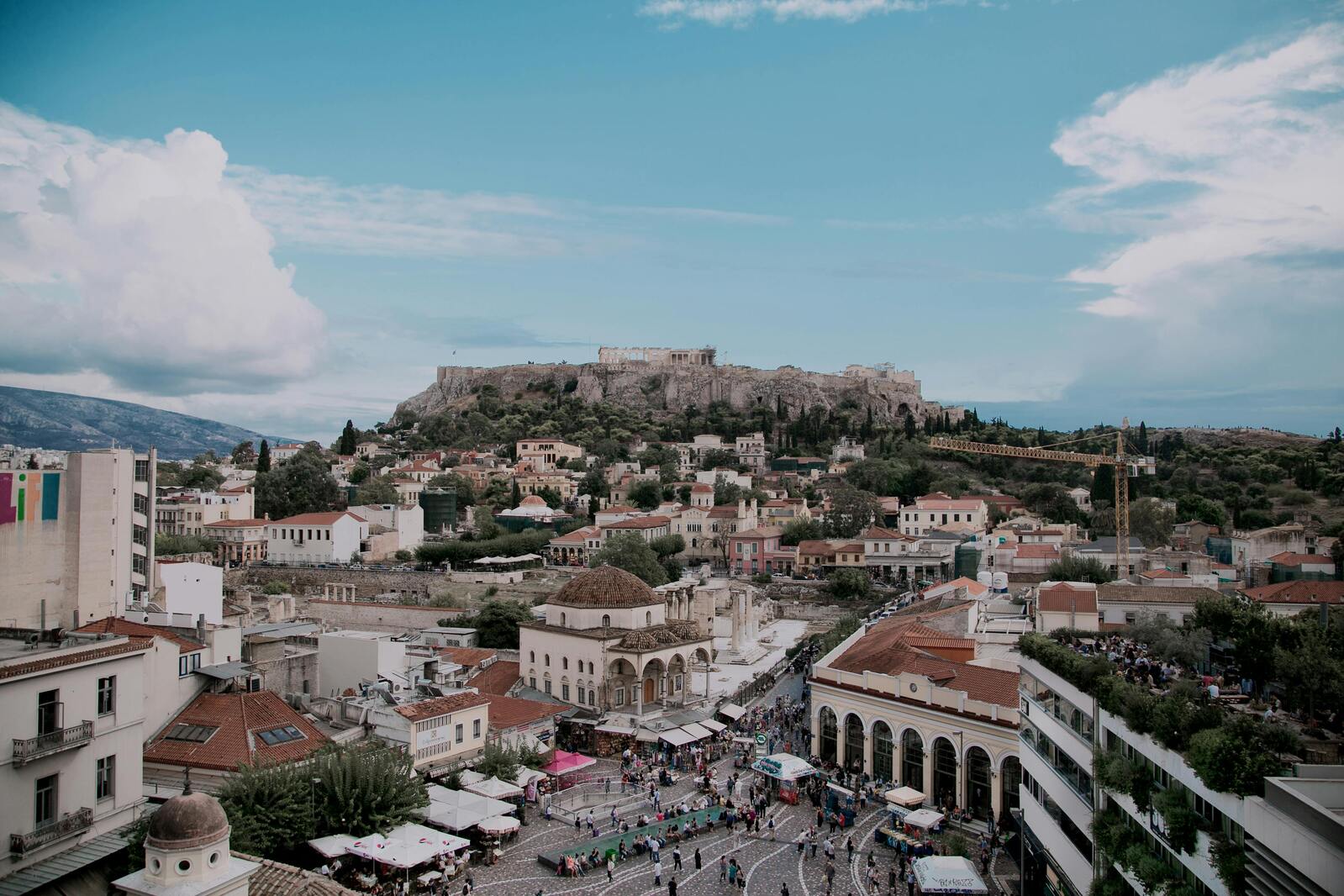
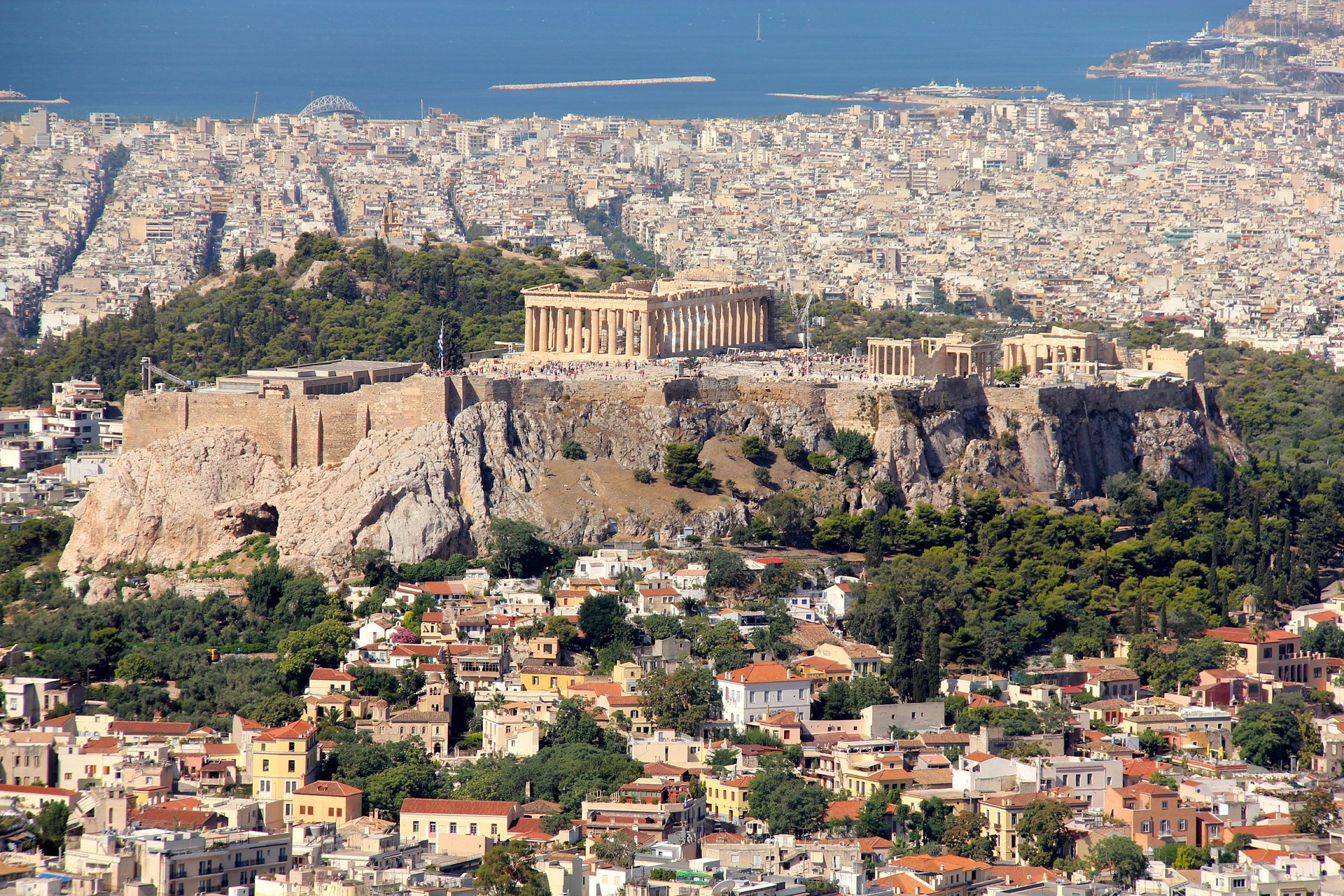
Athens, the capital of Greece, is a city rich in history and culture, often considered the cradle of Western civilization. It is home to iconic ancient landmarks, vibrant neighborhoods, and a thriving modern scene.
Top Attractions
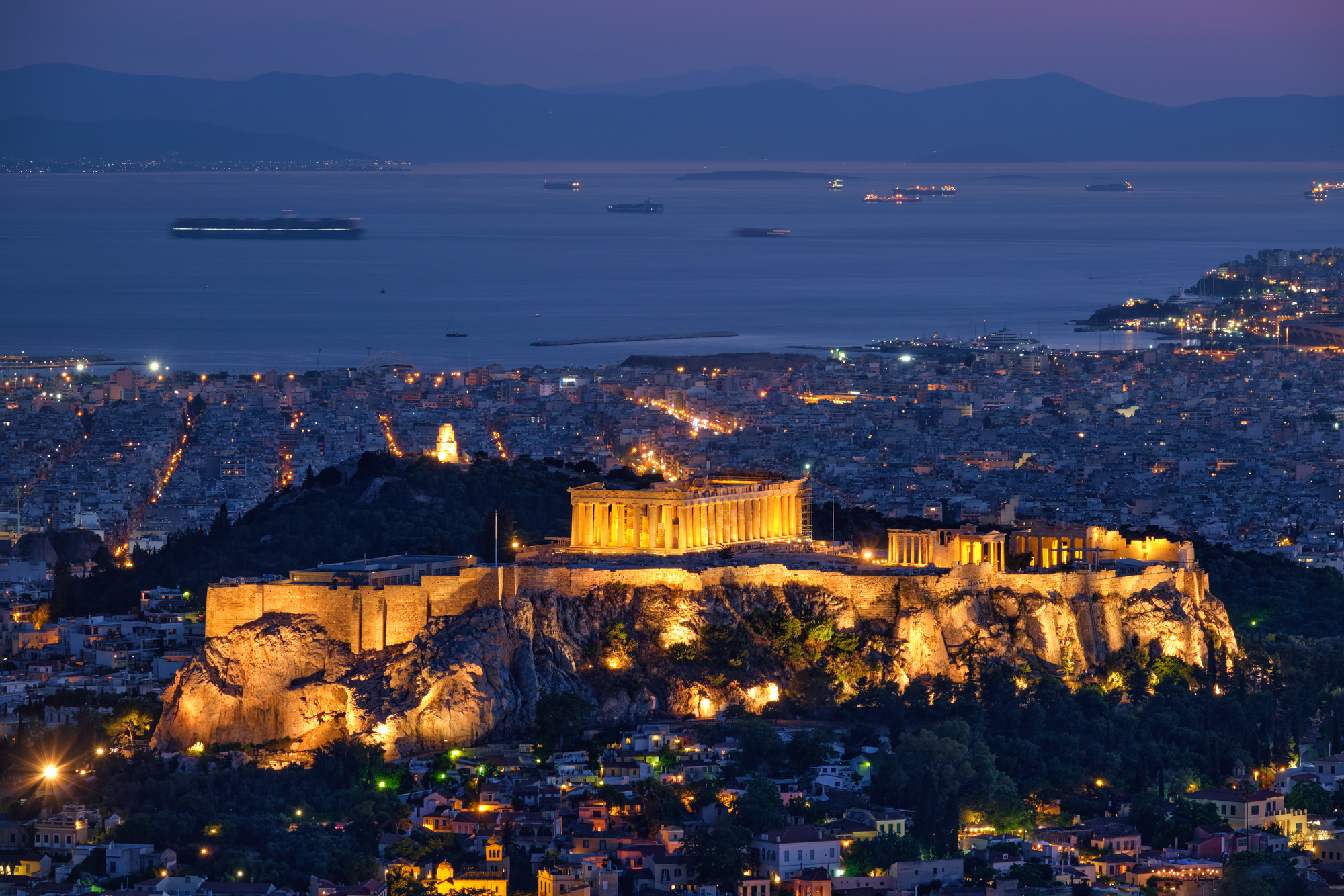
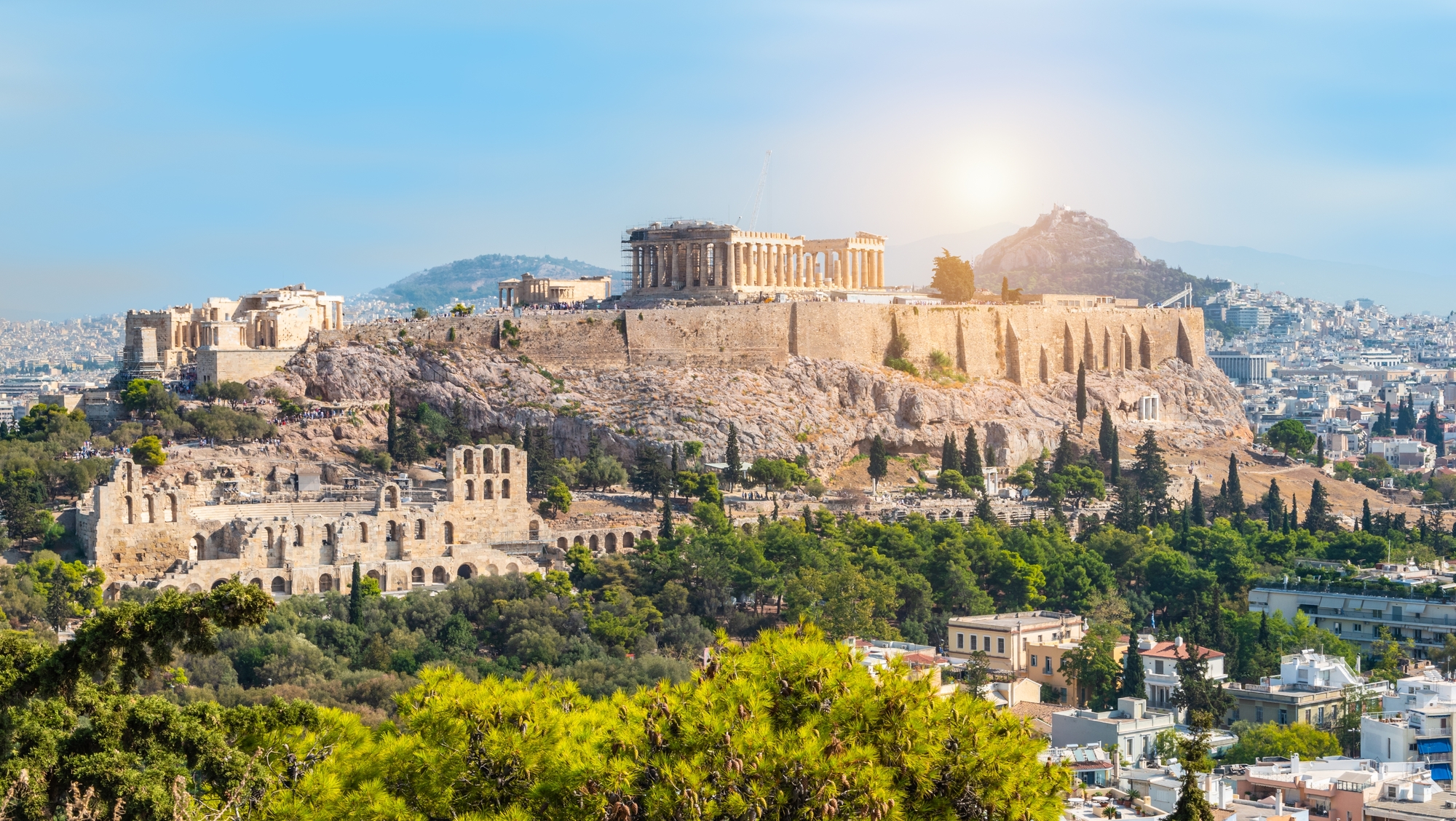
Acropolis of Athens
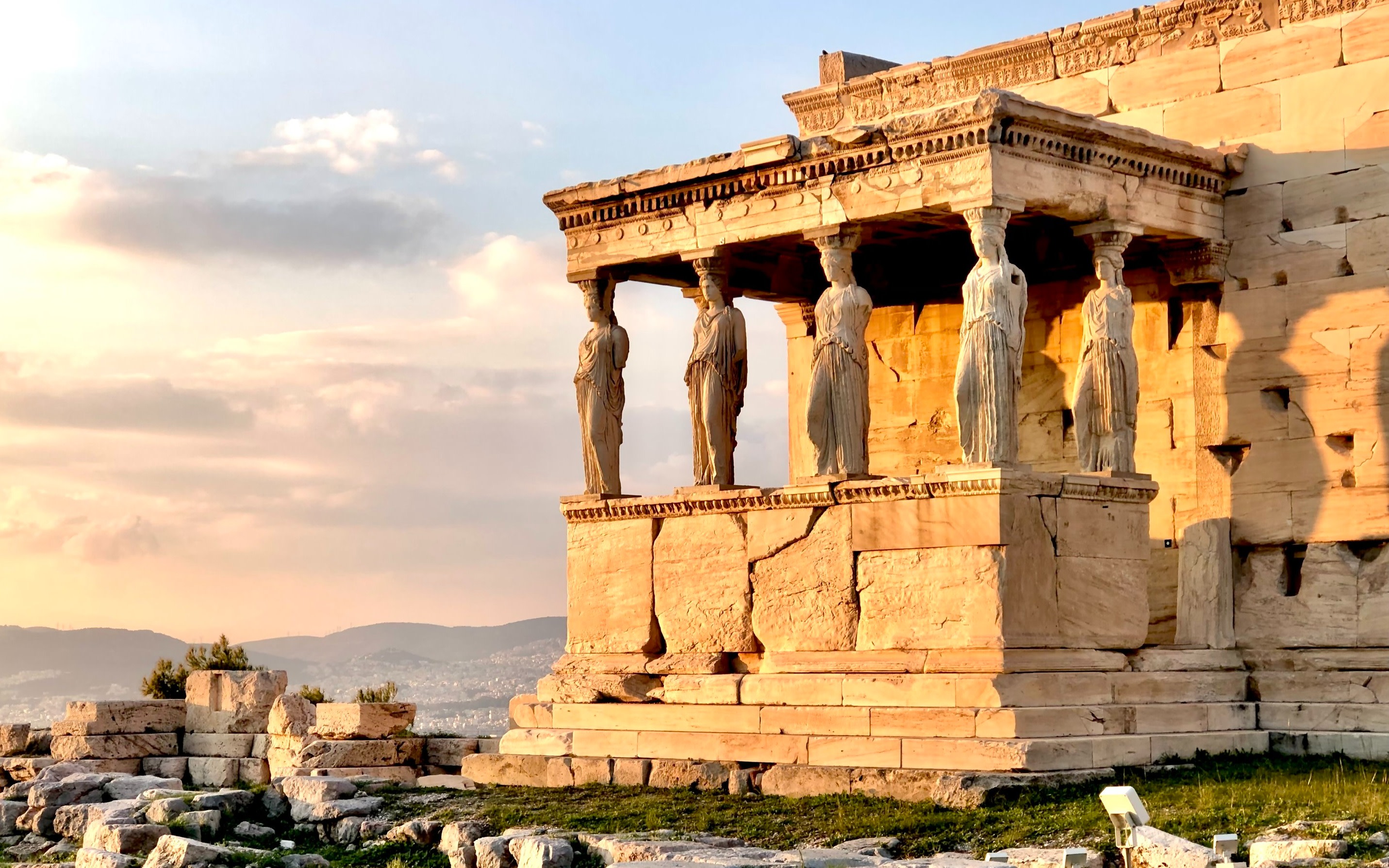
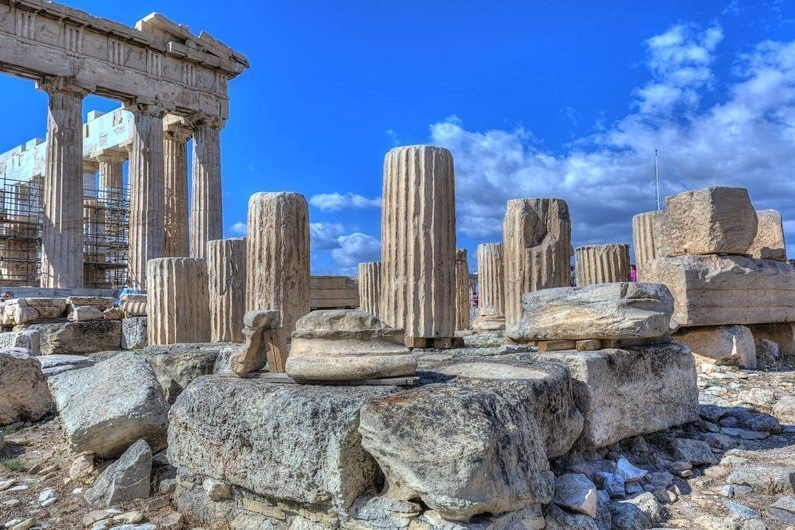
The Acropolis is the most iconic landmark in Athens, featuring ancient ruins and temples, including the Parthenon.
Historical
2-3 hours
€20 (combined ticket for multiple sites)
Ancient Agora of Athens
The heart of ancient Athens, featuring the Temple of Hephaestus and the Stoa of Attalos.
Historical
1-2 hours
€8 (included in the combined ticket)
Plaka
A charming, historic neighborhood with narrow streets, neoclassical houses, and vibrant nightlife.
Cultural
2-3 hours
Free to explore
Acropolis Museum
A modern museum showcasing artifacts from the Acropolis and its surroundings.
Museum
1-2 hours
€10
Temple of Olympian Zeus
An ancient temple dedicated to Zeus, once the largest temple in Greece.
Historical
30 minutes to 1 hour
€6 (included in the combined ticket)
Must-Try Local Dishes
Moussaka
A baked dish with layers of eggplant, minced meat, and béchamel sauce.
Dinner
Vegetarian versions available
Souvlaki
Grilled meat skewers, often served with pita bread and tzatziki.
Snack
Can be made with chicken, pork, or vegetarian options
Tzatziki
A yogurt-based dip with cucumber, garlic, and herbs.
Snack
Vegetarian and vegan options available
Baklava
A sweet pastry made with layers of filo, nuts, and honey syrup.
Dessert
Vegetarian
Popular Activities
Hiking in the mountains
Rock climbing
Scuba diving
Beach visits
Spa treatments
Café hopping
Museum visits
Theater performances
Best Time to Visit
April to June, September to October
The best time to visit Athens is during the spring and autumn months when the weather is pleasant and the tourist crowds are smaller.
18°C to 32°C
64°F to 90°F
Practical Information
Language
- Official: Greek
- Widely spoken: English, French, German
- English: Moderately spoken
Currency
Euro (EUR)
Time Zone
GMT+2 (EET)
Electricity
230VV, 50HzHz
Safety Information
Overall Safety Rating: Generally safe
Athens is generally safe for travelers, but petty crime and pickpocketing can occur in tourist areas. Be cautious with your belongings and avoid poorly lit areas at night.
Important Precautions:
- • Keep valuables secure
- • Use licensed taxis or ride-sharing apps
- • Be cautious with ATMs and credit cards
Getting there
By air
- Eleftherios Venizelos International Airport • 30 km from city center
By train
Athens Central Railway Station
By bus
KTEL Bus Station
Getting around
Public transport
Clean, efficient, and air-conditioned. Easy to navigate with clear signage in English.
Taxis
Available • Apps: Beat, Uber
Rentals
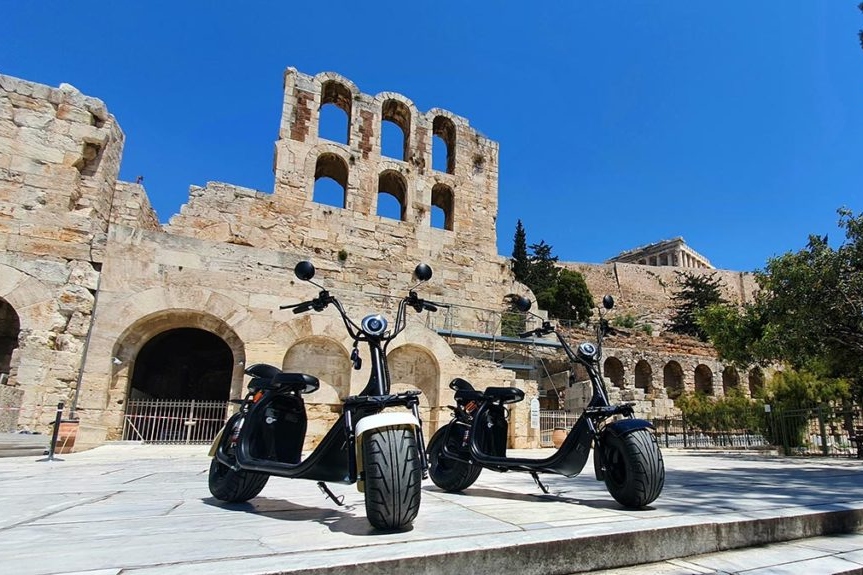
Car, Bike, Scooter
Neighborhoods
Plaka
Monastiraki
Psiri
Koukaki
Kolonaki
Day trips
Cape Sounion
65 km from Athens • Half day to full day
A scenic coastal area featuring the Temple of Poseidon with stunning views of the Aegean Sea.
Delphi
180 km from Athens • Full day
An ancient archaeological site and home to the famous Oracle of Delphi.
Meteora
350 km from Athens • Overnight
A unique landscape featuring rock formations and medieval monasteries perched atop cliffs.
Festivals
Athens Festival • May to October
Athens Epidaurus Festival • June to August
Athens International Film Festival • October
Pro tips
- Visit major attractions early in the morning or late in the afternoon to avoid crowds and heat
- Use the metro for easy and efficient travel around the city
- Explore local neighborhoods for an authentic Greek experience
- Try local street food for a quick and delicious meal
- Learn a few basic Greek phrases to enhance your experience and connect with locals
From $25
per person
Price varies by option
Secure booking
Free cancellation available