Kayak tour on the river Arno, Pisa (aperitif upon request)
Active
2h
For a full refund, cancel at least 24 hours before the scheduled departure time.
Manual confirmation
Mobile or paper ticket accepted
About this experience
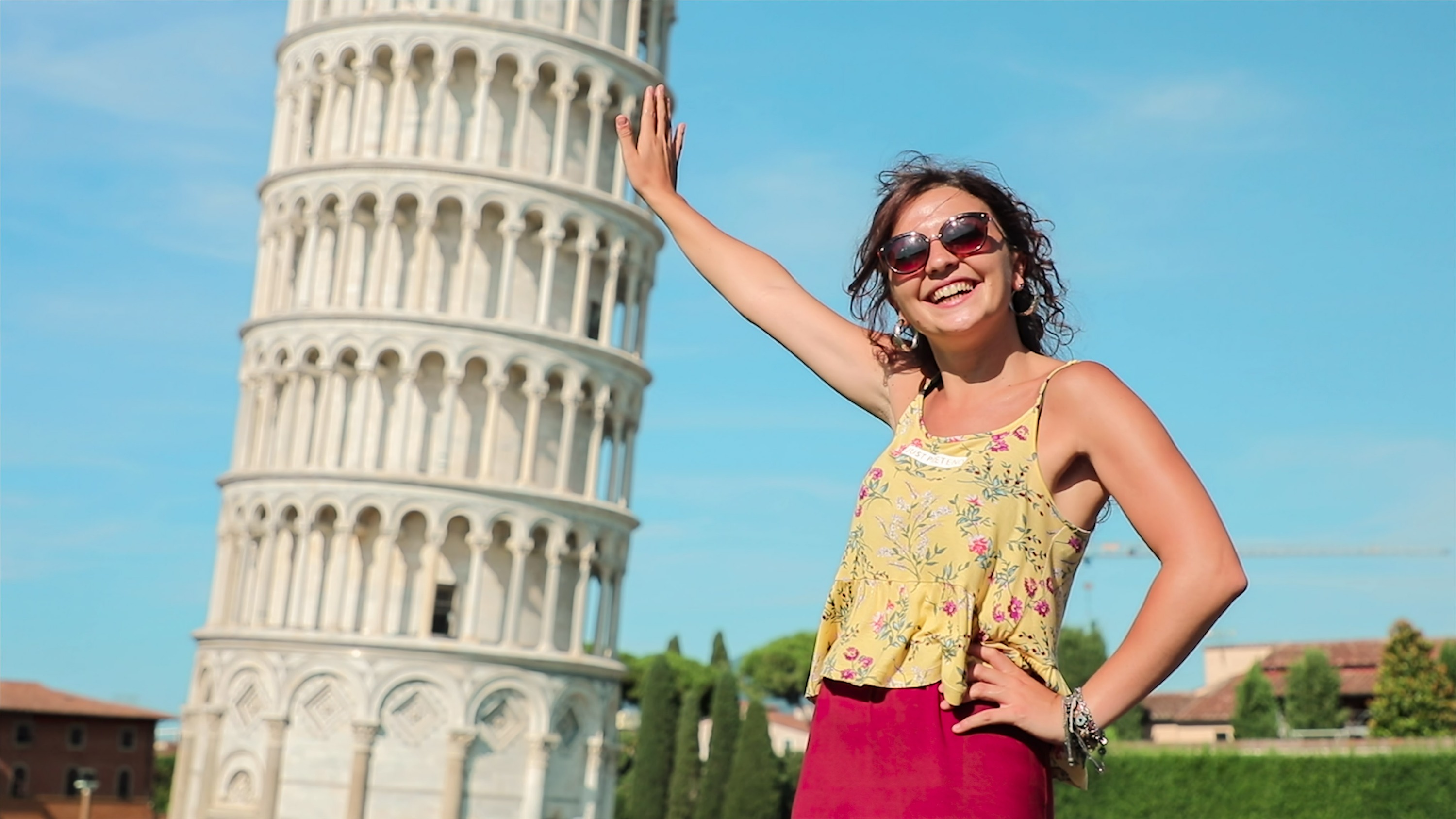
Discover the Tuscany city of Pisa from an original viewpoint and take unique selfies from the river Arno!
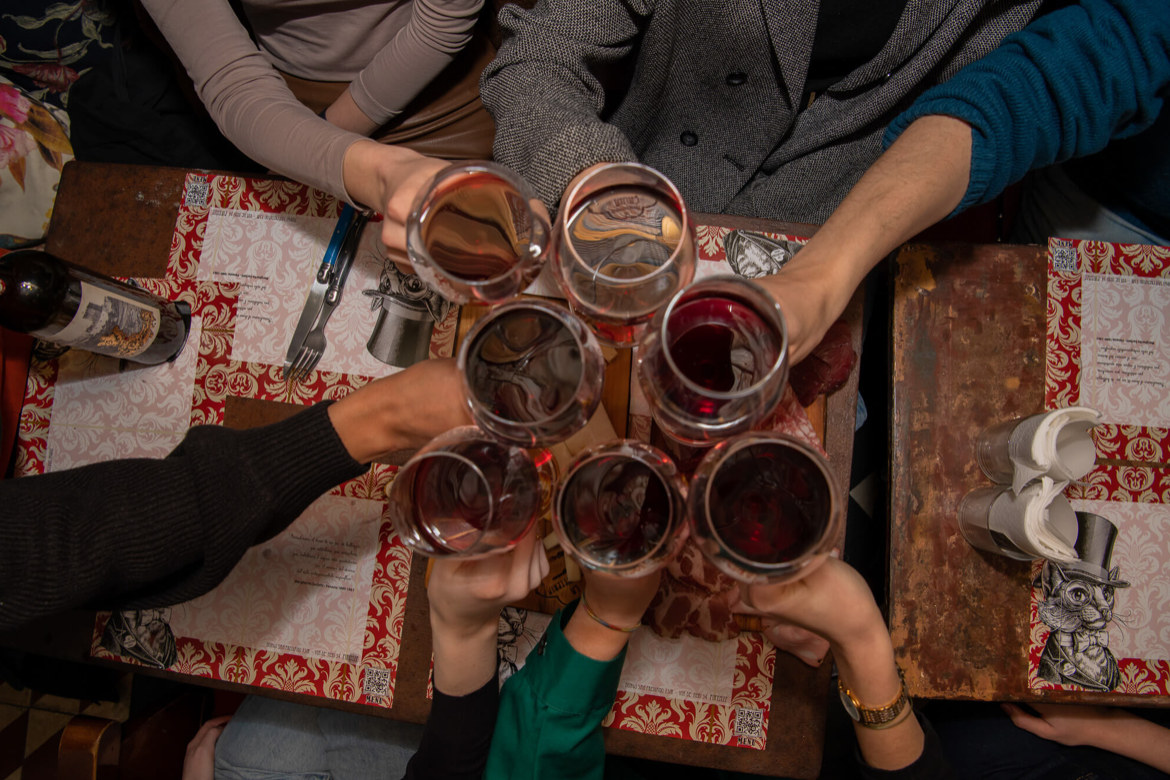
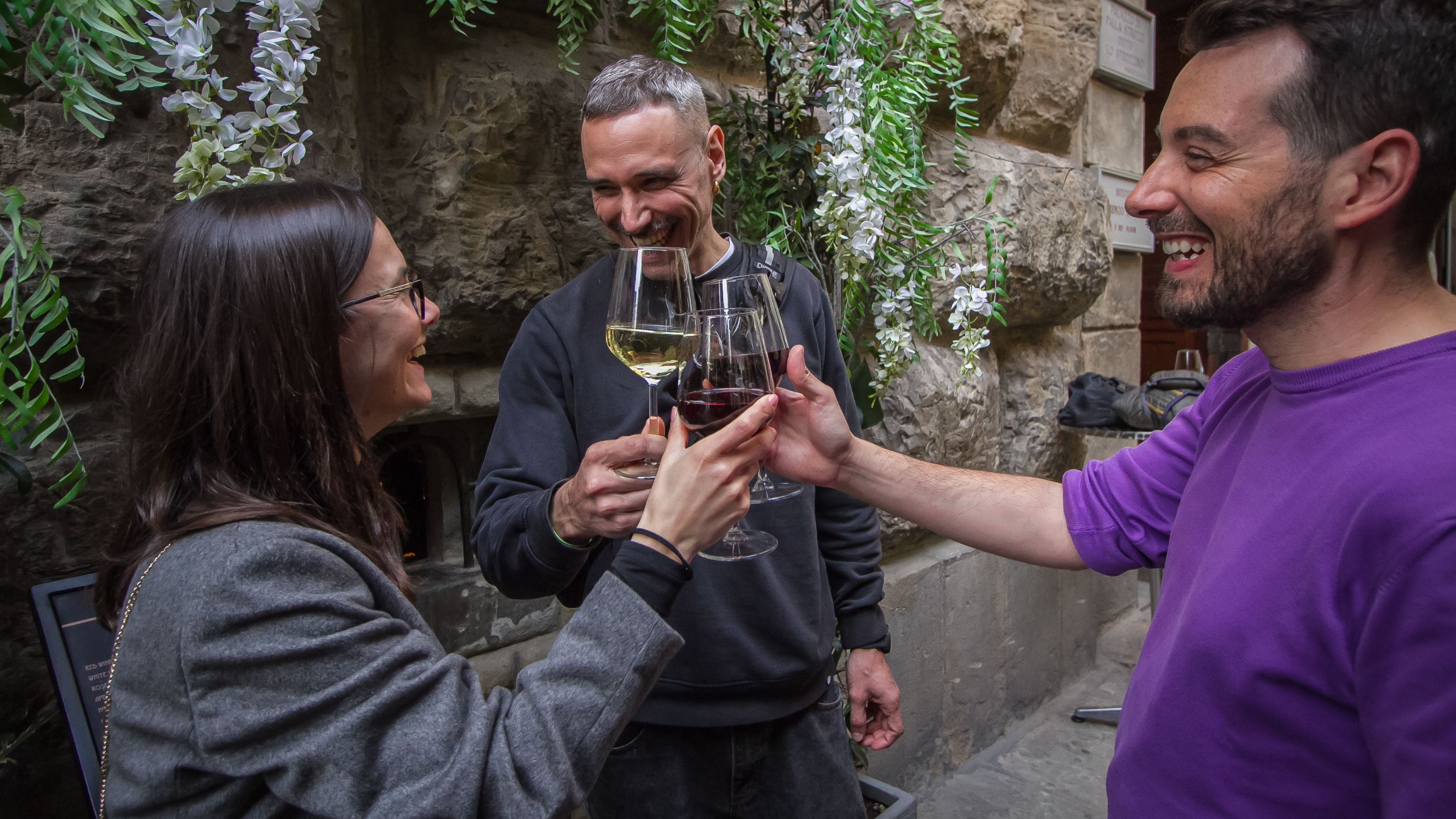
Let our guide tell the story of the river Arno and its relationship with the city of Pisa while sipping a glass of wine to live the true Italian lifestyle!
Relax your mind and get away from the crowd by paddling on the river Arno!
Difficulty level: easy, suitable for anyone including families and groups of friends.
Our expert will teach you how to be independent on the kayak and all the safety instructions.
Start the tour at the Canottieri Arno headquarters (Lungarno Bonaccorso da Padule, 2, 56122 Pisa, Tuscany, Italy).
The suggested tour lasts 2hrs.
Enjoy the view of the Benedettine Monastery, Cittadella Tower, Santa Maria della Spina Church, National Royal Palace, Lanfreducci Palace, Palazzo Blu, Agostini Palace, Praetorian Palace, Lanfranchi Palace, San Matteo Church, and Scotto Garden.
End the tour at the Canottieri Arno headquarters.
Available options
Pisa Kayak Tour (2h)
Duration: 1 hour 45 minutes<br/>Kayak: Kayaks are single or two-seat canoes, stable and easy to maneuver
What's included
Debrief on how to be independent and safe on the kayak; Kayaks and paddles; A safe place to leave your stuff; Safety equipment; Waterproof cases for smartphones
Detailed itinerary
1
Monastero delle Benedettine (Benedictine Monastery): built in 1393, it was home to the Benedictine nuns until the ‘60s. Currently, the Monastery hosts Italian and foreign students and teachers from the University of Pisa and a convention hall. The current Neo-Gothic facade dates from 1850.
2
Stop 2
Pass by
Chiesa S. Maria della Spina: the Pisan Gothic small church of S. Maria della Spina was built in 1230 on the riverbed of the Arno. Starting from 1333, the church kept as a relic a thorn of the crown of Christ, now exhibited in the church of S. Chiara. In 1871, the building was completely dismantled and rebuilt at a higher altitude; on this occasion the church was raised by about one meter.
3
Palazzo Agostini Venerosi della Seta (Agostini Palace): this palazzo was built between the late 14th century and early 15th centuries, but was only acquired by Mariano and Pietro Agostini, silk merchants, in 1496, who gave it its name. The façade, totally clad in Gothic terracotta mouldings, in the shapes of plants, human heads and heraldic designs, with double and triple mullioned windows, and the open loggia (later closed) on the top floor, make it one of the most important examples of domestic Gothic architecture in Tuscany. At street level is the Caffè dell’Ussero founded in 1775 (the palazzo is also known in Pisa as Palazzo dell’Ussero); it was the meeting place of famous scientists and erudite Italians and foreigners.
4
Ponte di Mezzo: The bridge is 89 metres long has a single arch 12.5metres high; it was constructed after being bombed by the Allied forces in WWII in reinforced concrete and faced with white Verona stone. Since the second half of the 17thcentury, the "Gioco del Ponte" has taken place on the bridge. It involves a struggle between teams from the two parts of Pisa, north and south of the river (Mezzogiorno and Tramontana), to win the bridge by pushing a heavy float into the adversary’s side of the bridge.
5
Palazzo Pretorio (Preatorian Palace): The Government building or Palazzo Pretorio, Headquarters of the Government Auditor and the Civil and Criminal Chancery, was one of the buildings involved in the process of renovation undertaken in the 18th and 19th centuries, that aimed to alter the medieval appearance of the town. It was reconstructed in 1953 by Sanpaolesi, who only partially based it on Gherardesca’s design. The ground floor loggia was extended to the whole length of the building and the clock tower was built taller.
6
Palazzo Reale (Royal Palace): Built between 1583 and 1587 by will of the Grand Duke Francis I de’ Medici, to a plan by the Florentine architect Bernardo Buontalenti, the palace is situated in a prestigious area of Pisa, where the residence of the Marquis of Tuscia stood in the 10th century. In the18th and 19th centuries the palace continued to be the residence of the Grand Dukes of Tuscany. Peter Leopold I particularly enjoyed spending the winter here because of the mild climate. After the unification of Italy, the Savoy family occasionally stayed here, giving it its present name.
What's not included
Towel, soap, and shampoo if you want to shower at the end
Aperitif on the kayak can be booked separately by contacting the tour administrator
Available languages
Guide guide
EN
IT
Reviews breakdown
Viator
4.7
3 reviews
5★
2
4★
1
3★
0
2★
0
1★
0
Tripadvisor
4.9
11 reviews
5★
10
4★
1
3★
0
2★
0
1★
0
Important information
Public transportation options are available nearby
Not recommended for travelers with spinal injuries
Not recommended for travelers with poor cardiovascular health
Suitable for all physical fitness levels
People need to have a basic understanding of swimming techniques
Meeting point
The guide will wait for you in front of the green door.
About Pisa
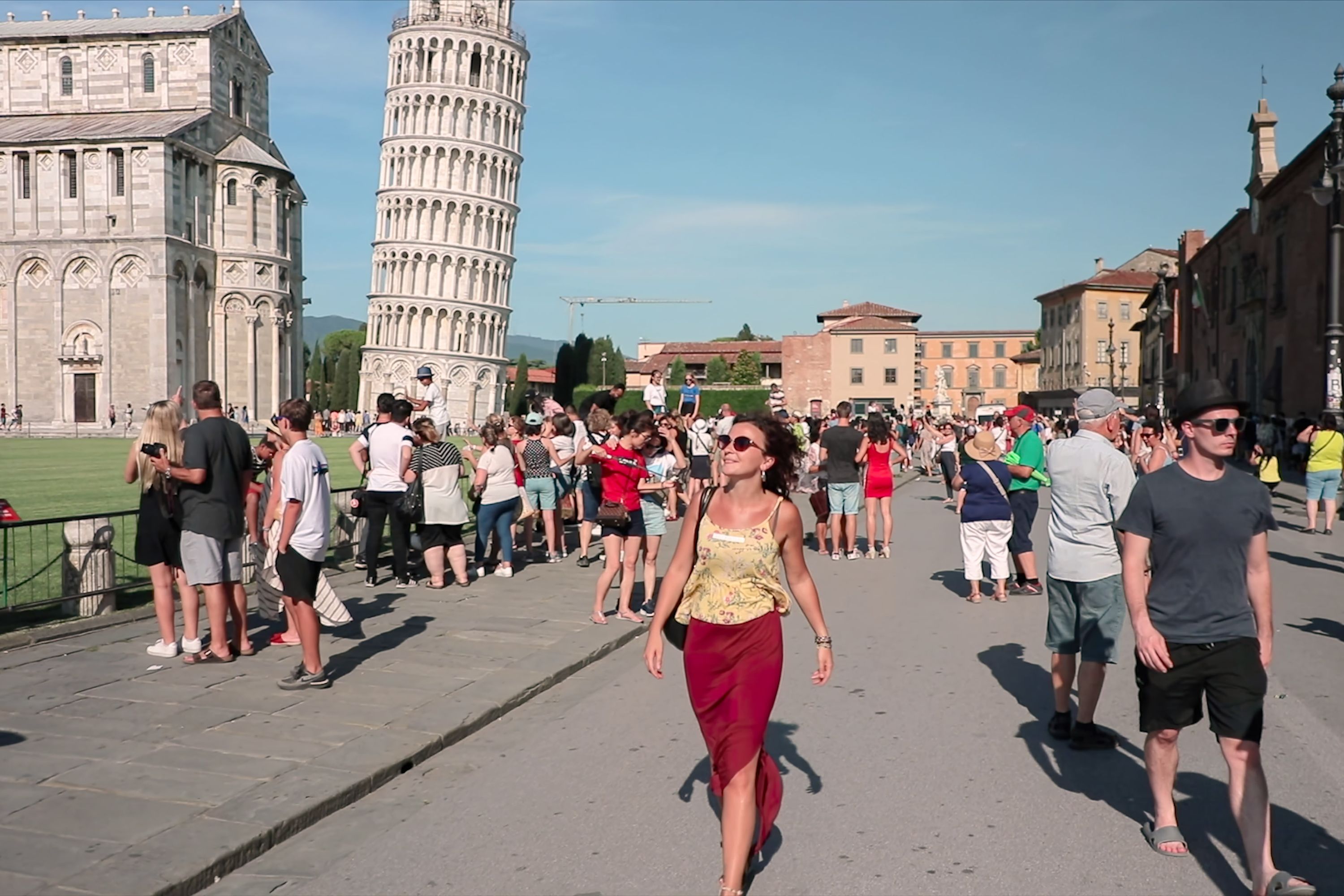
Pisa is a city in the Tuscany region of Italy, renowned for its iconic Leaning Tower. This historic city offers a blend of medieval architecture, vibrant student life, and rich cultural heritage. Pisa's compact size makes it easy to explore, with many attractions within walking distance.
Top Attractions
Leaning Tower of Pisa
The iconic Leaning Tower of Pisa is a freestanding bell tower known for its unintended tilt. It is part of the Pisa Cathedral complex and a UNESCO World Heritage Site.
Historical/Architecture
1-2 hours
€18-€20
Pisa Cathedral
The Pisa Cathedral is a masterpiece of Romanesque architecture and a key part of the Piazza dei Miracoli complex. It is known for its intricate marble facade and stunning interior.
Historical/Religious
1-2 hours
€5-€7
Baptistery of St. John
The Baptistery of St. John is the largest baptistery in Italy and is known for its stunning acoustics and beautiful architecture. It is also part of the Piazza dei Miracoli complex.
Historical/Religious
30-45 minutes
€5-€7
Pisa Botanic Garden
The Pisa Botanic Garden is a beautiful green space with a variety of plant species, including exotic and medicinal plants. It is a great place for a relaxing stroll.
Nature
1-2 hours
€5-€7
Knights Square (Piazza dei Cavalieri)
Knights Square is a historic square in Pisa, known for its medieval buildings and the iconic Palazzo della Carovana. It was once the center of the Knights of St. Stephen.
Historical
30-45 minutes
Free
Must-Try Local Dishes
Cecina
A savory chickpea flour pancake, similar to a thin pizza, often served as a street food.
Snack
Vegetarian, gluten-free option available
Ribollita
A hearty bread and vegetable soup, often made with cannellini beans and kale.
Dinner
Vegetarian, can be made vegan
Bistecca alla Fiorentina
A large, thick-cut T-bone steak, typically from the Chianina cattle breed, grilled and seasoned simply with salt and olive oil.
Dinner
Contains meat, not suitable for vegetarians or vegans
Tiramisu
A classic Italian dessert made with layers of coffee-soaked ladyfingers and mascarpone cheese.
Dessert
Contains dairy and coffee
Popular Activities
Biking on Lucca's city walls
Hiking in the nearby Tuscan countryside
Strolling through Pisa's historic neighborhoods
Enjoying gelato at a local gelateria
Visiting museums and historic sites
Attending local festivals and events
Boating on the Arno River
Visiting Christmas markets in December
Best Time to Visit
May to September
This is the best time to visit Pisa for warm weather and outdoor activities. The city is lively with tourists and events.
20°C to 32°C
68°F to 90°F
Practical Information
Language
- Official: Italian
- Widely spoken: English, French, Spanish
- English: Moderately spoken
Currency
Euro (EUR)
Time Zone
GMT+1 (CET), GMT+2 (CEST during daylight saving time)
Electricity
230VV, 50HzHz
Safety Information
Overall Safety Rating: Generally safe
Pisa is generally safe for tourists, but common precautions should be taken to avoid pickpocketing and scams.
Important Precautions:
- • Keep valuables secure and out of sight.
- • Use licensed taxis and agree on the fare before starting the journey.
- • Be cautious of strangers approaching you with offers or requests.
Getting there
By air
- Pisa International Airport • 1 km from city center
By train
Pisa Centrale
By bus
Piazza Vittorio Emanuele II
Getting around
Public transport
Buses are the primary mode of public transport in Pisa. The system is efficient and covers most of the city.
Taxis
Available • Apps:
Rentals
Car, Bike, Scooter
Neighborhoods
Piazza dei Miracoli
Santa Maria
San Martino
Day trips
Lucca
20 km • Half day
Lucca is a charming medieval city known for its well-preserved Renaissance walls, beautiful churches, and historic buildings. It offers a glimpse into Italy's rich history and culture.
Florence
80 km • Full day
Florence, the capital of Tuscany, is a city renowned for its art, architecture, and history. It is home to iconic landmarks like the Duomo, Uffizi Gallery, and Ponte Vecchio.
San Gimignano
60 km • Full day
San Gimignano is a medieval hilltop town known for its towering houses, vineyards, and stunning views of the Tuscan countryside. It is a UNESCO World Heritage Site and offers a unique glimpse into Italy's past.
Festivals
Luminara di San Ranieri • September 16
Pisa Jazz Festival • July
Pro tips
- Visit the Leaning Tower early in the morning to avoid crowds.
- Explore the city on foot to discover hidden gems and local neighborhoods.
- Try local specialties like Cecina and Ribollita at traditional osterias.
- Use the Pisa Card for discounted entry to major attractions and unlimited public transport.
- Take a day trip to Lucca or Florence for a deeper dive into Tuscany's history and culture.
From $25
per person
Price varies by option
Secure booking
Free cancellation available