Makkah Ziarats and Hira Museum Private tour
Active
4h - 5h
For a full refund, cancel at least 24 hours before the scheduled departure time.
Instant confirmation
Mobile or paper ticket accepted
About this experience
Embark on a spiritual and historical journey with our Makkah Ziarats and Hira Museum Tour. Explore the sacred sites that hold deep significance in Islamic history, including iconic landmarks such as the Kaaba, Mina, and Arafat. Our comfortable and guided tour ensures you don’t miss any of these revered spots, while offering valuable insights into their importance. Discover the newly opened Hira Museum, located near the legendary Cave of Hira, where the first revelations of the Quran were received by Prophet Muhammad (PBUH). This museum offers a deep dive into the spiritual history of Makkah and showcases rare Islamic artifacts. Let us take you on this enriching and unforgettable pilgrimage experience, where history, faith, and culture come to life. Book your journey today!
Available options
Makkah Ziarats and Hira Museum Private tour
Pickup included
What's included
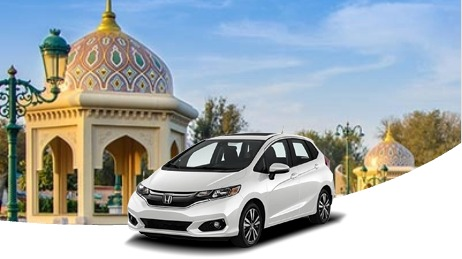
Air-conditioned vehicle
Hira Museum Admission Ticket
Tour Guide
Detailed itinerary
1
Al Rajhi Mosque, located in the Batha Quraish district of Makkah, Saudi Arabia, is a significant religious site known for its architectural grandeur and spiritual importance. Situated in the holy city of Makkah, just a few kilometers from the Masjid al-Haram, the mosque serves as a vital place of worship for both residents and visiting pilgrims. The Al Rajhi Mosque, funded by the prominent Al Rajhi family, is one of the largest and most well-maintained mosques in the area, featuring modern facilities that cater to the needs of worshippers. Its design blends traditional Islamic architectural elements with contemporary features, creating a serene and inviting atmosphere. The mosque is particularly busy during the Hajj and Umrah seasons, providing a peaceful space for prayer and reflection away from the hustle and bustle of the main pilgrimage sites. The mosque also hosts various religious and community activities, making it an essential hub for the local Muslim community.
2
Umm Al-Qura University, located in Makkah, Saudi Arabia, is one of the most prestigious educational institutions in the Islamic world. Established in 1949 as a college of Islamic law (Sharia), it has since expanded into a full-fledged university offering a wide range of academic programs across various disciplines, including medicine, engineering, social sciences, and humanities. The university holds a unique position due to its proximity to the Masjid al-Haram, the holiest site in Islam, and is deeply rooted in the religious and cultural heritage of Makkah.
Umm Al-Qura University is renowned for its focus on Islamic studies, with many students and scholars from around the world drawn to its programs in Sharia, Quranic studies, and Arabic language. Umm Al-Qura University continues to be a leading center of education and research in the Muslim world.
3
Mount Arafat, located near Mecca in Saudi Arabia, is a site of immense spiritual significance in Islam. Standing at approximately 70 meters (230 feet) high, this granite hill is also known as Jabal al-Rahmah, meaning "Mountain of Mercy." It is famously associated with the Hajj pilgrimage, as it is the place where Prophet Muhammad delivered his Farewell Sermon during his last pilgrimage in 632 AD. Every year on the 9th day of Dhu al-Hijjah, the Islamic month of pilgrimage, millions of pilgrims gather on Mount Arafat for the most crucial ritual of Hajj, known as the "Standing" (Wuquf) at Arafat. This day is considered the pinnacle of the Hajj pilgrimage, where pilgrims spend the afternoon in prayer, supplication, and reflection, seeking forgiveness and spiritual renewal.
4
Jabal-e-Rehmat, also known as the "Mountain of Mercy," is a significant hill located on the plains of Arafat, near Mecca, Saudi Arabia. This small but prominent granite hill holds immense spiritual importance in Islam as the site where Prophet Muhammad is believed to have delivered his final sermon during his Farewell Pilgrimage in 632 AD. Standing about 70 meters high, Jabal-e-Rehmat is a focal point during the Hajj pilgrimage, particularly on the 9th day of Dhu al-Hijjah, when millions of pilgrims gather in the area for the ritual of Wuquf, or "Standing" at Arafat. This ritual, which involves praying and seeking forgiveness, is considered the most crucial part of the Hajj, symbolizing the Day of Judgment and the mercy of Allah.
5
Masjid-e-Nimrah, also known as Nimrah Masjid, is a historically and spiritually significant mosque located in the plain of Arafat, near Mecca, Saudi Arabia. This mosque plays a pivotal role during the annual Hajj pilgrimage, especially on the Day of Arafat, which is considered the most important day of the pilgrimage. It is the place where Prophet Muhammad delivered part of his Farewell Sermon during his final Hajj in 632 AD, making it a site of immense religious importance for Muslims.
Masjid-e-Nimrah is a symbol of unity, faith, and the profound spiritual experience of Hajj, where Muslims come together from around the world in devotion and humility.
6
The Zubaidah Canal, located near Muzdalifah Road in Makkah, Saudi Arabia, is a historic engineering marvel that dates back to the Abbasid period. Commissioned by Queen Zubaidah, the wife of Caliph Harun al-Rashid, in the late 8th century, the canal was constructed to supply water to the pilgrims undertaking the arduous journey to Mecca for Hajj. This vast waterway system stretched hundreds of kilometers, beginning in the mountains and bringing fresh water to the holy city, including key sites like Arafat, Mina, and Muzdalifah.
7
Muzdalifah, located between Mina and Mount Arafat in Makkah, Saudi Arabia, is a sacred site central to the Islamic Hajj pilgrimage. After spending the day at Arafat on the 9th day of Dhu al-Hijjah, pilgrims make their way to Muzdalifah at sunset to perform one of the key rituals of Hajj. Here, they spend the night under the open sky, engaging in prayer and reflection. Muzdalifah is especially significant for the ritual of collecting pebbles, which will later be used in the symbolic stoning of the devil at Mina.
8
Al Mashar Al Haram Mosque, located on Pedestrian Road 4 in Muzdalifah, Makkah, is a significant religious site within the context of the Hajj pilgrimage. The mosque is situated in Muzdalifah, a key stop for pilgrims after leaving Arafat and before heading to Mina during Hajj. It is an important place for worship and reflection, as it marks the location where pilgrims traditionally spend the night in prayer after performing the ritual of standing at Arafat.
Al Mashar Al Haram Mosque holds great historical and spiritual value, as it is mentioned in the Quran (Surah Al-Baqarah, 2:198) as a sacred place where pilgrims are encouraged to remember Allah after leaving Arafat. The mosque provides a space for collective prayer, and its presence helps pilgrims maintain their focus on spiritual devotion during this critical part of the pilgrimage.
9
Mina, located just a few kilometers east of Masjid al-Haram in Makkah, Saudi Arabia, is an essential site during the Hajj pilgrimage. Known as the "City of Tents" due to the thousands of white tents that are set up annually to accommodate millions of pilgrims, Mina plays a crucial role in the rituals of Hajj. Pilgrims stay in Mina on the 8th, 11th, 12th, and sometimes the 13th of Dhul Hijjah, the final month of the Islamic calendar.
Mina is most famous for the ritual of the "Stoning of the Devil" (Ramy al-Jamarat), where pilgrims throw stones at three stone pillars, symbolizing the rejection of evil. This ritual takes place over several days and commemorates the trials of Prophet Ibrahim (Abraham) when he was tempted by the devil. Mina is also where pilgrims offer animal sacrifices during Eid al-Adha, marking the culmination of Hajj.
10
Masjid Al Khaif, located in Mina along Street 108 in Makkah, Saudi Arabia, is a prominent mosque with deep historical and spiritual significance, particularly during the Hajj pilgrimage. The mosque is situated near the base of a mountain in Mina and is a key site where pilgrims gather to perform prayers during the annual pilgrimage. According to Islamic tradition, Masjid Al Khaif holds special importance because it is believed that many prophets, including Prophet Muhammad (PBUH), prayed here.
During Hajj, Masjid Al Khaif becomes a bustling center of worship, accommodating thousands of pilgrims who seek to follow in the footsteps of the Prophet.
11
Jabal Al Nour, located in Makkah, Saudi Arabia, is a significant mountain known for its spiritual and historical importance in Islam. Rising approximately 642 meters (2,113 feet) above sea level, Jabal Al Nour is famously home to the Cave of Hira, where Prophet Muhammad (PBUH) received his first revelation from Allah through the angel Gabriel. This pivotal event marked the beginning of the Islamic faith, making Jabal Al Nour a revered site for Muslims around the world.
The mountain is situated about 4 kilometers north of the Masjid al-Haram, and its rugged terrain attracts many pilgrims and visitors who climb to the Cave of Hira to experience the spiritual connection and historical significance of the site. The ascent is a challenging journey, but it holds profound meaning for those who make the pilgrimage to this sacred place. Jabal Al Nour stands as a testament to the origins of Islam and continues to be a symbol of faith and devotion for Muslims.
12
Jannatul Mualla, located on Al Masjid Al Haram Road in Makkah, Saudi Arabia, is a historically significant cemetery and an important site for Muslims. This graveyard holds great reverence as it is the burial place of many notable figures from early Islamic history, including several members of Prophet Muhammad's (PBUH) family and companions. Among those buried here are Prophet Muhammad's (PBUH) mother, Amina bint Wahb, his grandfather, Abdul Muttalib, and his wife, Khadijah bint Khuwaylid.
Jannatul Mualla is situated near the Holy Mosque, making it accessible for pilgrims visiting Makkah. The cemetery is a place of reflection and respect, where visitors come to pay their respects to the early Muslim figures who played pivotal roles in the early days of Islam. The site is marked by simple gravestones and offers a serene atmosphere for prayer and remembrance. Its proximity to Masjid al-Haram adds to its significance, connecting visitors to the historical roots of the Islamic faith.
13
Masjid al-Jinn, located on Al Masjid Al Haram Road in Makkah, Saudi Arabia, is a notable mosque with a unique historical and spiritual significance. It is situated near the sacred Masjid al-Haram, making it accessible for both local worshippers and pilgrims. The mosque is renowned for its association with the incident of the Jinn, as described in Islamic tradition. According to tradition, a group of jinn, or supernatural beings, listened to the recitation of the Quran by Prophet Muhammad (PBUH) at this site and embraced Islam, marking an important moment in the early spread of Islam.
Masjid al-Jinn is characterized by its modest yet distinctive architecture and serves as a place of worship and reflection for Muslims visiting Makkah. Its significance extends beyond its physical presence, as it symbolizes the universal reach of the Islamic message and the acceptance of faith by all beings, both seen and unseen.
14
Masjid e Shajarah, located in Makkah, Saudi Arabia, is a mosque with a unique and historical significance tied to the life of Prophet Muhammad (PBUH). The name "Masjid e Shajarah," meaning "Mosque of the Tree," refers to an event involving a tree that played a role in the early days of Islam. According to tradition, during the time of Prophet Muhammad (PBUH), a tree in the area was said to have moved towards him, symbolizing a divine sign or blessing. This incident is commemorated by the mosque, which stands as a place of worship and reflection.
Masjid e Shajarah holds particular importance for pilgrims and visitors to Makkah, as it is closely associated with the Prophet's time and early Islamic history. The mosque serves as a reminder of the spiritual connections and miracles associated with Prophet Muhammad (PBUH), offering a space for prayer and contemplation.
15
The Al-Fatah Mosque, situated on a small cliff facing west at the historic site of the Battle of Ahzab (also known as the Battle of the Trench) in Medina, Saudi Arabia, is a prominent and frequently visited place of worship in the city. The mosque's name, "Al-Fath," meaning "The Victory," reflects the significance of the Battle of Ahzab, where the Muslims, under the leadership of Prophet Muhammad (PBUH), achieved a decisive victory. This battle was a pivotal moment in Islamic history, and the mosque commemorates the prayers and triumphs associated with it. Its location and historical importance make it a notable site for both local worshippers and visitors.
16
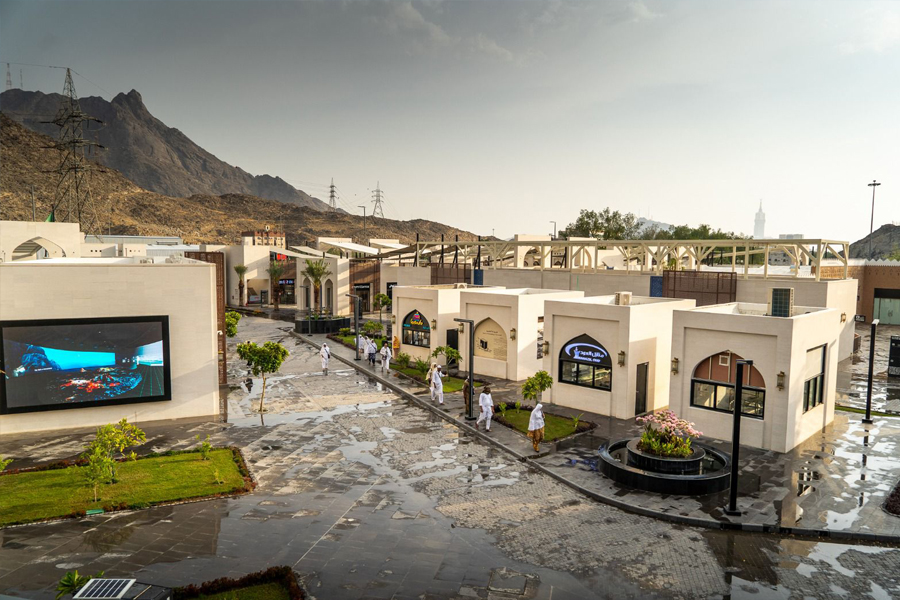
The Hira Cultural District in Mecca, Saudi Arabia, is a notable area that offers a rich tapestry of cultural and historical significance. Named after the famous Cave of Hira, where Prophet Muhammad (PBUH) received his first revelation, the district is deeply intertwined with the spiritual heritage of Islam. This area serves as a vibrant cultural hub, celebrating the history and traditions of Mecca through various landmarks, museums, and cultural institutions. Visitors to the Hira Cultural District can explore exhibits and learn about the profound impact of the Cave of Hira on the development of Islam. The district also provides insights into the broader historical context of Mecca, enhancing the understanding of its role in Islamic history and culture. With its blend of historical reverence and cultural engagement, the Hira Cultural District plays a key role in preserving and showcasing the rich legacy of Mecca.
What's not included
Personal Expenses
Available languages
Guide guide
AR
EN
UR
Important information
Wheelchair accessible
Infants and small children can ride in a pram or stroller
Public transportation options are available nearby
Infants are required to sit on an adult’s lap
Transportation options are wheelchair accessible
All areas and surfaces are wheelchair accessible
Suitable for all physical fitness levels
Please make ablution (Wudu) before travel for Nafal prayers at Masjid e Qiblatain as you will not get enough time due to extreme rush.
please be ready in your hotel lobby 10 minutes before the tour starts.
The total travel time is not included in the tour.
About Saudi Arabia
Saudi Arabia is a land of vast deserts, rich history, and profound cultural significance. Home to the two holiest sites in Islam, Mecca and Medina, it offers a unique blend of ancient traditions and modern developments, making it a destination of both spiritual and cultural exploration.
Top Attractions
Masjid al-Haram (Grand Mosque)
The holiest site in Islam, located in Mecca, this mosque surrounds the Kaaba, the most sacred structure in Islam.
Religious
Varies, typically several hours to days
Free
Al-Masjid an-Nabawi (Prophet's Mosque)
Located in Medina, this mosque is the second holiest site in Islam and contains the tomb of the Prophet Muhammad.
Religious
Varies, typically several hours to days
Free
Al-Ula
An ancient city known for its Nabatean tombs and the famous Al-Ula Old Town, offering a glimpse into the region's rich history.
Historical
Full day to several days
Moderate to expensive
Edge of the World
A stunning natural attraction featuring dramatic cliffs and desert landscapes, located just outside Riyadh.
Nature
Half day to full day
Free
Red Sea Coast
The Red Sea Coast offers stunning beaches, clear waters, and excellent opportunities for diving and snorkeling.
Beach
Full day to several days
Moderate to expensive
Must-Try Local Dishes
Kabsa
A fragrant rice dish cooked with meat (usually chicken or lamb) and spices. It is the national dish of Saudi Arabia.
Main Course
Contains meat and spices, can be made with chicken or lamb.
Mandhi
A traditional dish where meat (usually lamb or chicken) is marinated with spices and cooked in an underground oven.
Main Course
Contains meat and spices, often cooked with rice.
Sambousek
A type of fried or baked pastry filled with meat, cheese, or vegetables. It is a popular appetizer and street food.
Snack
Can be vegetarian or with meat, often contains cheese or spices.
Maamoul
A traditional sweet pastry filled with dates, nuts, or spices. It is often served during special occasions and holidays.
Dessert
Contains flour, sugar, and fillings like dates or nuts.
Popular Activities
Hiking at Edge of the World
Diving in the Red Sea
Desert camping
Beach lounging in Jeddah
Spa treatments in luxury resorts
Coffee shop hopping in Riyadh
Visiting historic sites in Al-Ula
Exploring traditional markets
Best Time to Visit
November to February
This is the best time to visit Saudi Arabia as the weather is pleasant and suitable for outdoor activities and sightseeing. It's the peak tourist season, so expect more visitors and higher prices.
15°C to 30°C
59°F to 86°F
Practical Information
Language
- Official: Arabic
- Widely spoken: English
- English: Moderately spoken in urban areas, limited in rural areas
Currency
Saudi Riyal (SAR)
Time Zone
GMT+3
Electricity
220VV, 60HzHz
Safety Information
Overall Safety Rating: Generally safe
Saudi Arabia is generally safe for travelers, with low crime rates and a strong police presence. However, it's important to be aware of local customs and laws, as well as potential safety hazards like extreme weather and road conditions.
Important Precautions:
- • Be aware of local customs and laws
- • Avoid traveling alone at night
- • Be cautious when using ATMs and handling money
Getting there
By air
- King Abdulaziz International Airport • 15 km from Jeddah city center
- King Khalid International Airport • 35 km from Riyadh city center
By train
Riyadh Station, Jeddah Station
By bus
Riyadh Central Bus Station, Jeddah Bus Terminal
Getting around
Public transport
Modern and efficient, with separate sections for men and women. Easy to use with English signage.
Taxis
Available • Apps: Uber, Careem
Rentals
Car, Bike
Neighborhoods
Al-Balad
Diplomatic Quarter
Tahlia Street
Day trips
Diriyah
35 km from Riyadh • Full day
A historic town known for its mud-brick architecture and the birthplace of the Saudi dynasty. It offers a glimpse into the country's past.
Edge of the World
80 km from Riyadh • Full day
A stunning natural attraction featuring dramatic cliffs and desert landscapes, offering breathtaking views and hiking opportunities.
Al-Ula
380 km from Medina • Full day to several days
An ancient city known for its Nabatean tombs and the famous Al-Ula Old Town, offering a rich historical experience.
Festivals
Ramadan • Depends on the Islamic lunar calendar, typically March or April
Eid al-Fitr • Immediately following Ramadan, typically April or May
Eid al-Adha • Depends on the Islamic lunar calendar, typically June or July
Pro tips
- Learn a few basic Arabic phrases to enhance your experience and show respect for local culture
- Dress modestly and respectfully, especially when visiting religious sites
- Be mindful of prayer times and avoid scheduling activities during these times
- Carry cash for small purchases and tips, as some vendors may not accept cards
- Use reputable tour operators and guides for a more enriching experience
From $25
per person
Price varies by option
Secure booking
Free cancellation available
Instant confirmation