Kyoto Arashiyama, Nara Park, and Fushimi Shrine Tour
Active
9h - 10h
All sales are final. No refund is available for cancellations.
Instant confirmation
Mobile or paper ticket accepted
About this experience
Experience the best of Kyoto and Nara in one unforgettable day! Stroll through Arashiyama’s enchanting Bamboo Forest, admire the Togetsukyō Bridge, visit Tenryū-ji Temple, and sip world-famous coffee at % ARABICA. Meet the friendly deer of Nara Park, marvel at the Great Buddha in Tōdai-ji, and explore the historic Kofuku-ji and Kasugataisha Shrine. End your journey at the iconic Fushimi Inari Taisha, walking beneath thousands of vibrant red Torii gates. With comfortable transport and a perfectly planned route, this tour lets you see Japan’s must-visit spots in just one day!
Available options
Tour from Osaka
What's included
Transport
Toll fees
Fuel fees
Chinese / English / Japanese-speaking guide
Parking fees
Detailed itinerary
1
Stop 1
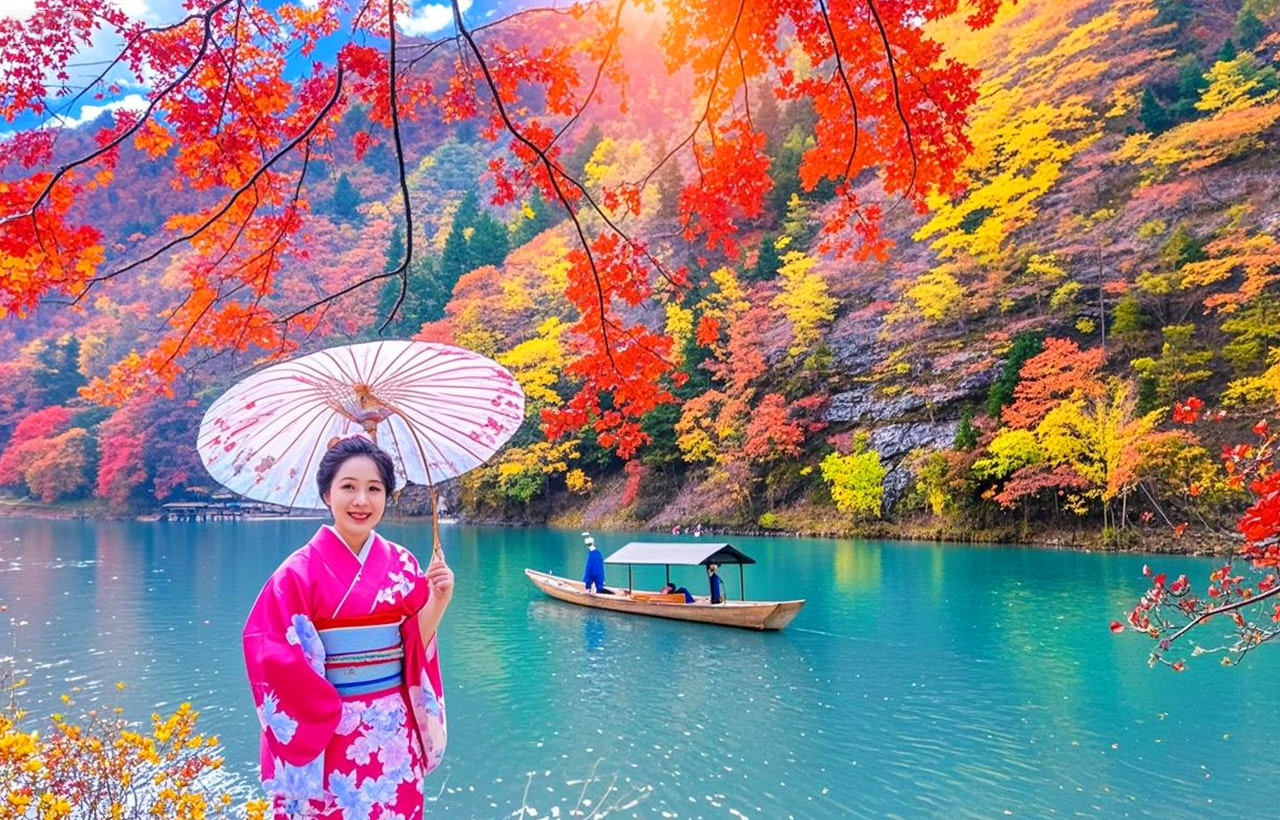
Arashiyama is one of Kyoto’s most scenic and culturally rich districts, offering a perfect blend of nature, history, and charm. Travelers can stroll across the iconic Togetsukyo Bridge, framed by lush mountains and the Katsura River, and enjoy the ever-changing beauty of each season—from cherry blossoms in spring to fiery maples in autumn. A visit often includes exploring the peaceful grounds of Tenryu-ji Temple, a UNESCO World Heritage Site, with its exquisite Zen gardens. The district is also home to the enchanting Arashiyama Bamboo Grove, where towering stalks sway gently overhead, creating a magical atmosphere. Along the way, visitors can browse charming shops, sample traditional Kyoto sweets, and, if lucky, spot monkeys at the nearby Iwatayama Monkey Park.
2
Stop 2
Tenryū-ji Temple, a UNESCO World Heritage Site, is one of Kyoto’s most important Zen temples and the crown jewel of Arashiyama. Founded in 1339, it is celebrated for its breathtaking Sogenchi Garden, designed by the legendary garden designer Musō Soseki, which has remained almost unchanged for centuries. Visitors can wander through serene temple halls, admire seasonal flowers, and enjoy the perfect harmony of landscaped gardens, reflective pond, and the Arashiyama mountains as a backdrop. In spring, cherry blossoms frame the temple in soft pink, while autumn brings a blaze of red and gold leaves, making it a must-see in any season.
3
Stop 3
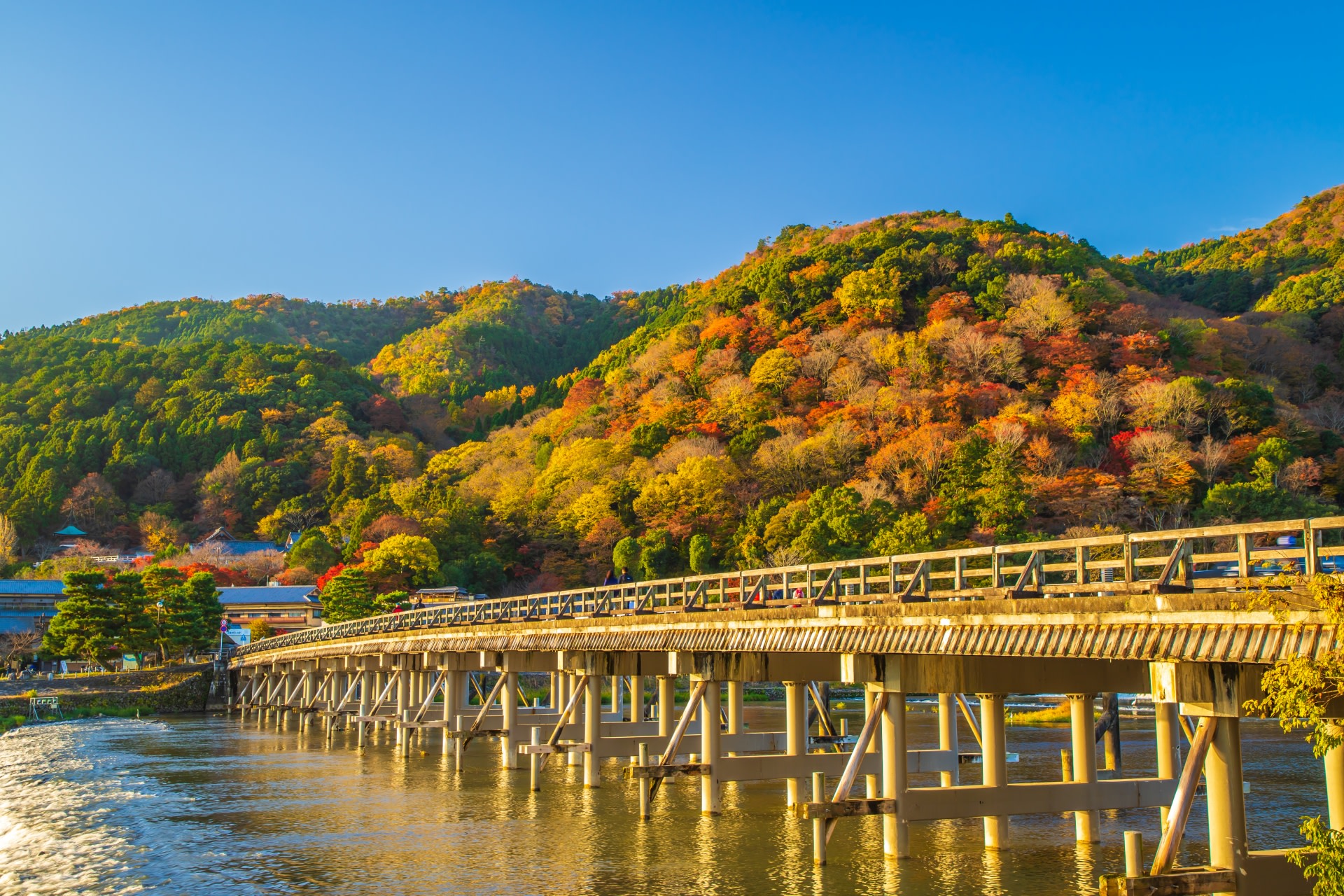
Togetsukyō Bridge, meaning “Moon Crossing Bridge,” is the iconic centerpiece of Arashiyama in Kyoto. Spanning the gentle Katsura River with a stunning mountain backdrop, this 400-year-old wooden bridge offers some of the most picturesque views in the city. Visitors can stroll across and enjoy seasonal scenery — cherry blossoms in spring, lush greenery in summer, fiery maple leaves in autumn, and a peaceful snowy landscape in winter. The area around the bridge is lined with charming shops, cafes, and rickshaw rides, making it the perfect spot to soak in Kyoto’s traditional beauty.
4
% ARABICA Kyoto Arashiyama is a must-visit café for coffee lovers, perfectly situated along the Katsura River near the iconic Togetsukyō Bridge. Famous for its sleek minimalist design, world-class baristas, and signature “%” logo cups, this café offers a premium coffee experience with beans sourced from around the globe. Enjoy a freshly brewed latte or espresso while taking in stunning views of Arashiyama’s mountains and riverside. Whether you’re starting your day of sightseeing or pausing for a peaceful break, this spot blends exceptional coffee with unforgettable scenery.
5
Kyoto Arashiyama Orgel Museum is a charming hidden gem where visitors can step into a world of nostalgia and melody. This unique museum showcases an enchanting collection of antique music boxes, mechanical instruments, and beautiful hand-crafted orgels from around the world. As you wander through, you can listen to their delicate tunes and learn about their history and craftsmanship. Some exhibits are interactive, allowing you to play the music boxes yourself. It’s a peaceful, whimsical stop in Arashiyama—perfect for families, couples, and anyone seeking a touch of old-world magic in Kyoto.
6
Stop 6
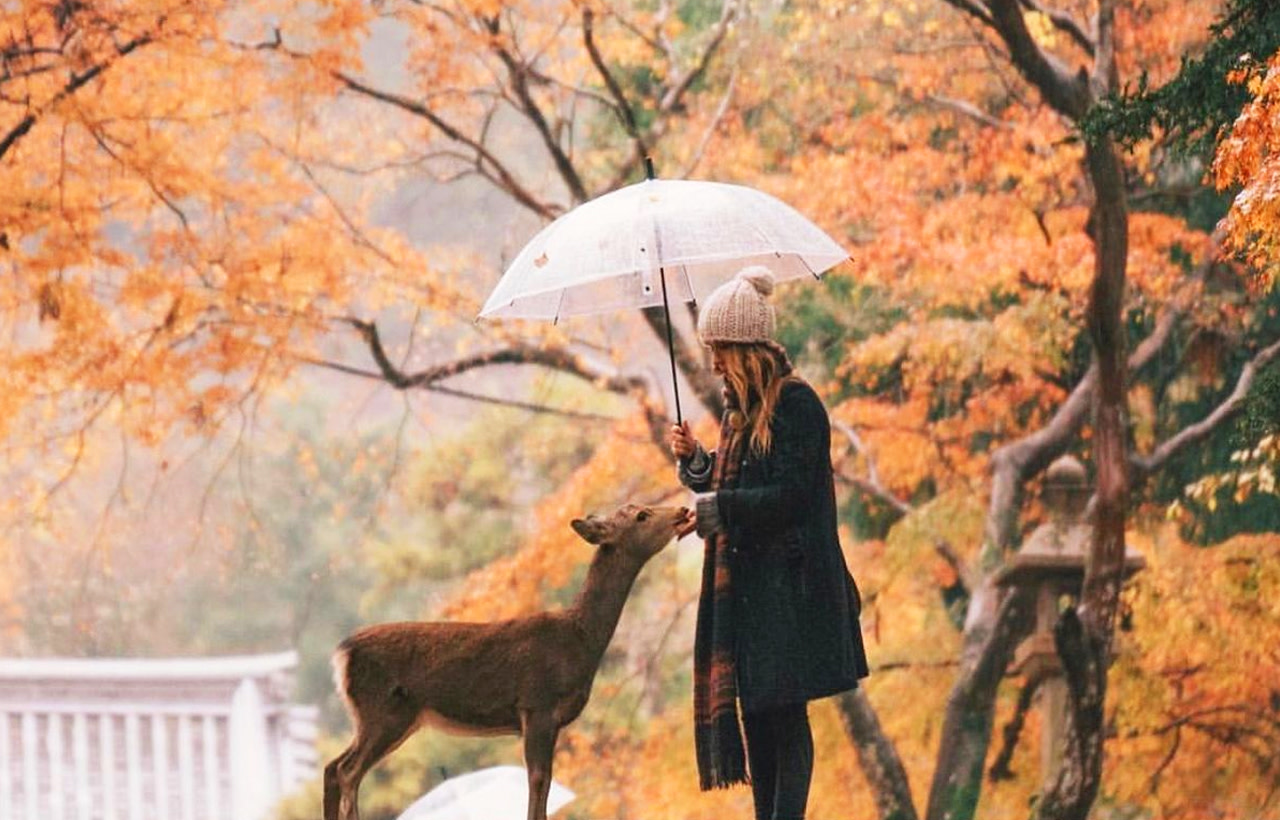
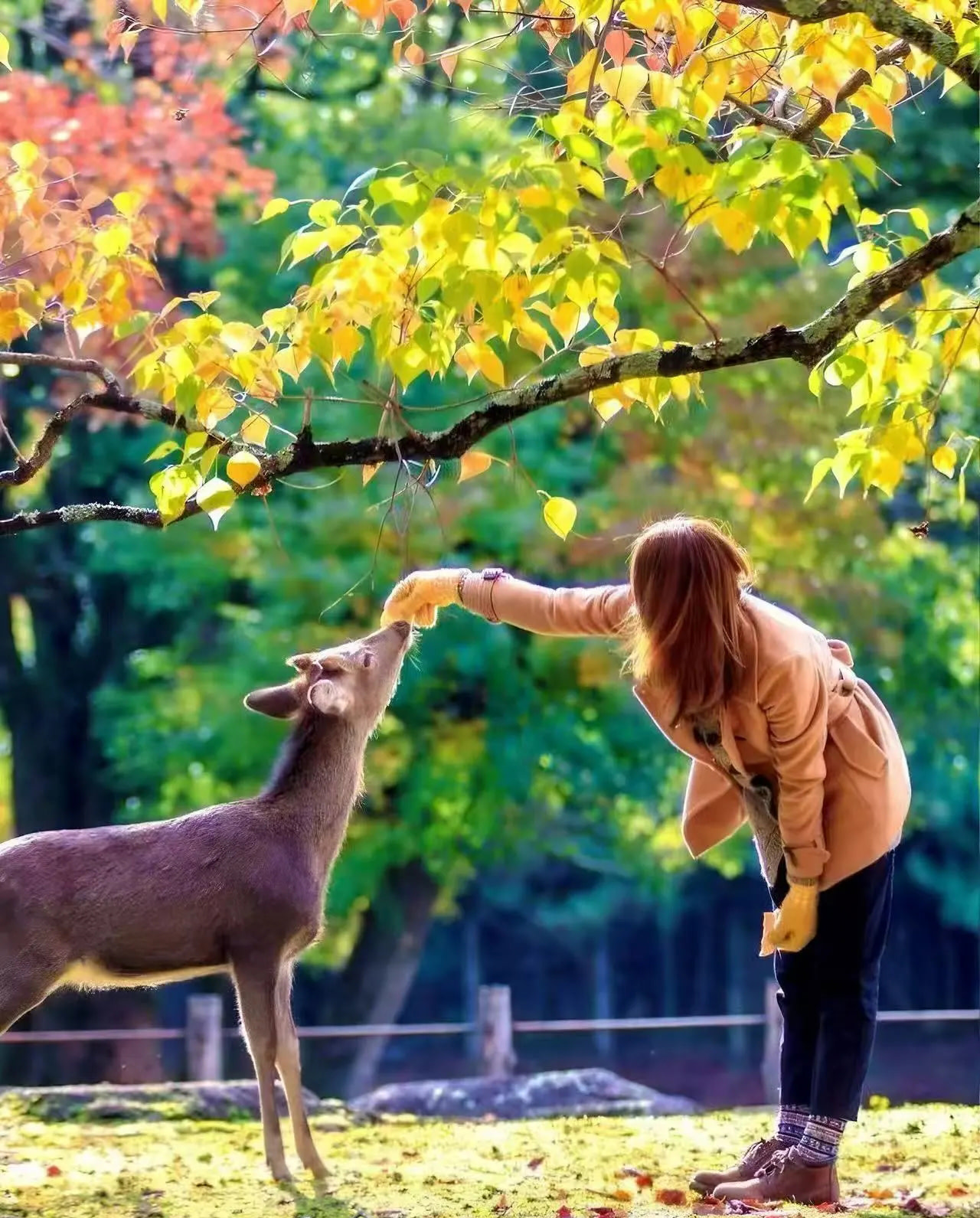
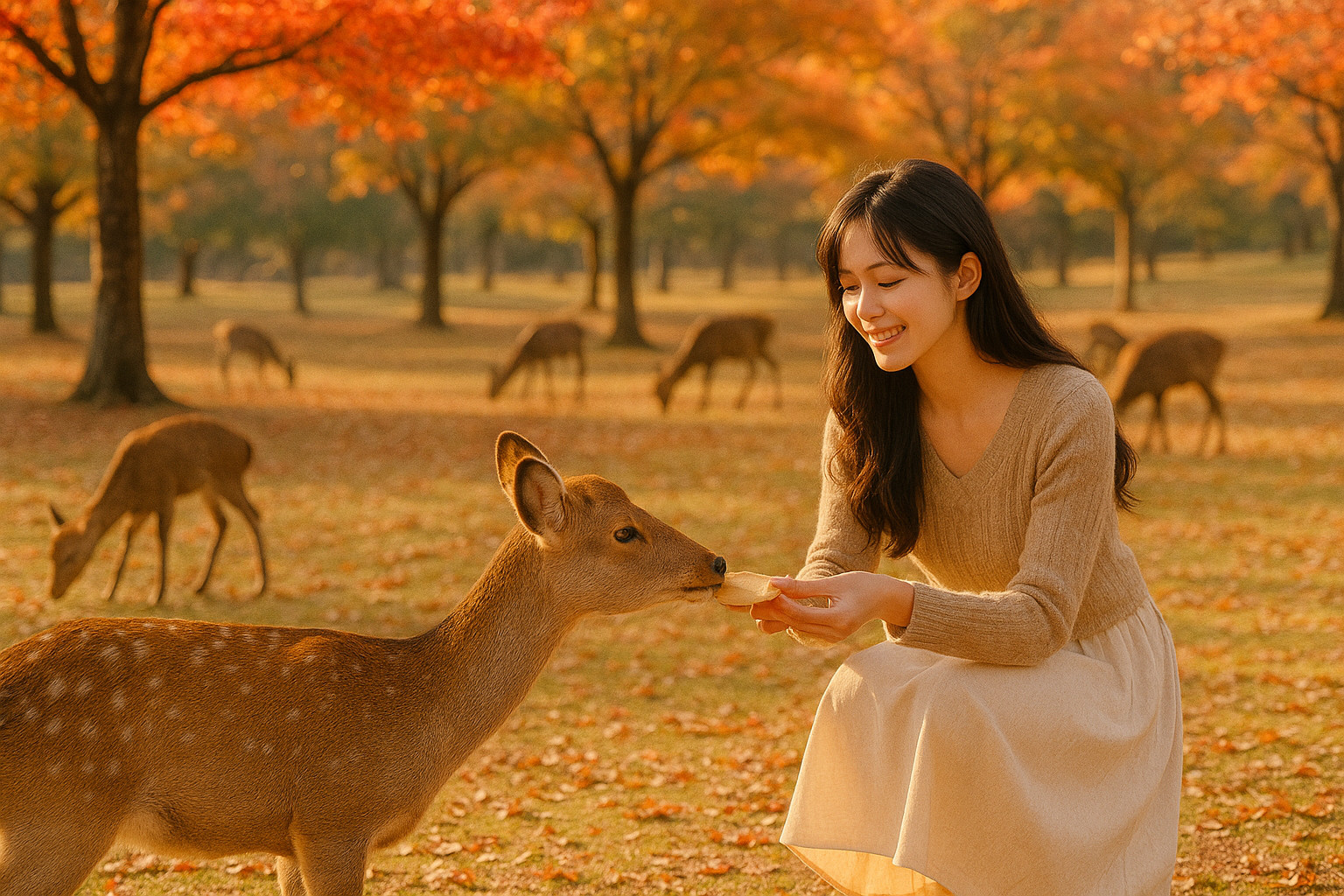
Nara Park is one of Japan’s most famous and picturesque public parks, renowned for its friendly, free-roaming deer that are considered messengers of the gods in Shinto tradition. Visitors can stroll through expansive green lawns, shaded paths, and scenic ponds while interacting with over a thousand tame deer—many of which will politely bow for special deer crackers (shika senbei). The park is also home to some of Nara’s most iconic cultural landmarks, including Todai-ji Temple with its massive Great Buddha, Kasuga Taisha Shrine, and the Nara National Museum. Whether you’re here for wildlife encounters, cherry blossom viewing, or exploring Japan’s rich history, Nara Park offers a magical blend of nature and culture.
7
Stop 7
Tōdai-ji is one of Japan’s most celebrated temples and a UNESCO World Heritage Site, located in the heart of Nara. This iconic Buddhist temple is home to the Great Buddha Hall (Daibutsuden), the world’s largest wooden structure, which houses a colossal 15-meter-tall bronze statue of the Buddha Vairocana—one of the largest of its kind in the world. Visitors can marvel at the temple’s grand architecture, intricate wooden carvings, and serene gardens, while soaking in its deep spiritual atmosphere. Tōdai-ji is not just a historical monument, but a place where Japan’s ancient artistry, religious devotion, and cultural heritage come vividly to life.
8
Kōfuku-ji is a historic Buddhist temple in Nara, originally founded in 669 and once part of the powerful Fujiwara clan’s temple network. As a UNESCO World Heritage Site, it is famed for its striking five-story pagoda—the second tallest in Japan—and its elegant three-story pagoda, both of which are iconic symbols of the city. Visitors can explore the Eastern Golden Hall and National Treasure Museum, which house exquisite Buddhist statues and artifacts dating back over a thousand years. Surrounded by Nara Park’s peaceful greenery and freely roaming deer, Kōfuku-ji offers a serene yet awe-inspiring glimpse into Japan’s ancient religious and cultural legacy.
9
Kasugataisha Shrine is Nara’s most celebrated Shinto shrine, founded in 768 and renowned for its enchanting rows of stone and bronze lanterns. These lanterns, donated over the centuries, create a magical atmosphere—especially during the Lantern Festivals in February and August, when they are all lit at once. Nestled at the foot of Mt. Mikasa and surrounded by primeval forest, the shrine is part of the UNESCO World Heritage Sites of Ancient Nara. Visitors can admire the shrine’s brilliant vermilion buildings, explore winding paths lined with deer from nearby Nara Park, and feel the deep spiritual aura that has drawn worshippers here for over 1,200 years.
10
Mount Wakakusa is a gently sloping grass-covered hill located just east of Nara Park, offering one of the best panoramic views over the city. In spring, its base comes alive with cherry blossoms, making it a popular picnic and photography spot. Visitors can hike to the summit in about 30–45 minutes, passing friendly roaming deer along the way. At the top, you’ll be rewarded with sweeping vistas of Nara’s historic temples, the surrounding mountains, and even distant Osaka on clear days. Mount Wakakusa is also famous for the annual Wakakusa Yamayaki Festival in January, when the entire hillside is spectacularly set ablaze in a tradition dating back centuries.
11
Stop 11
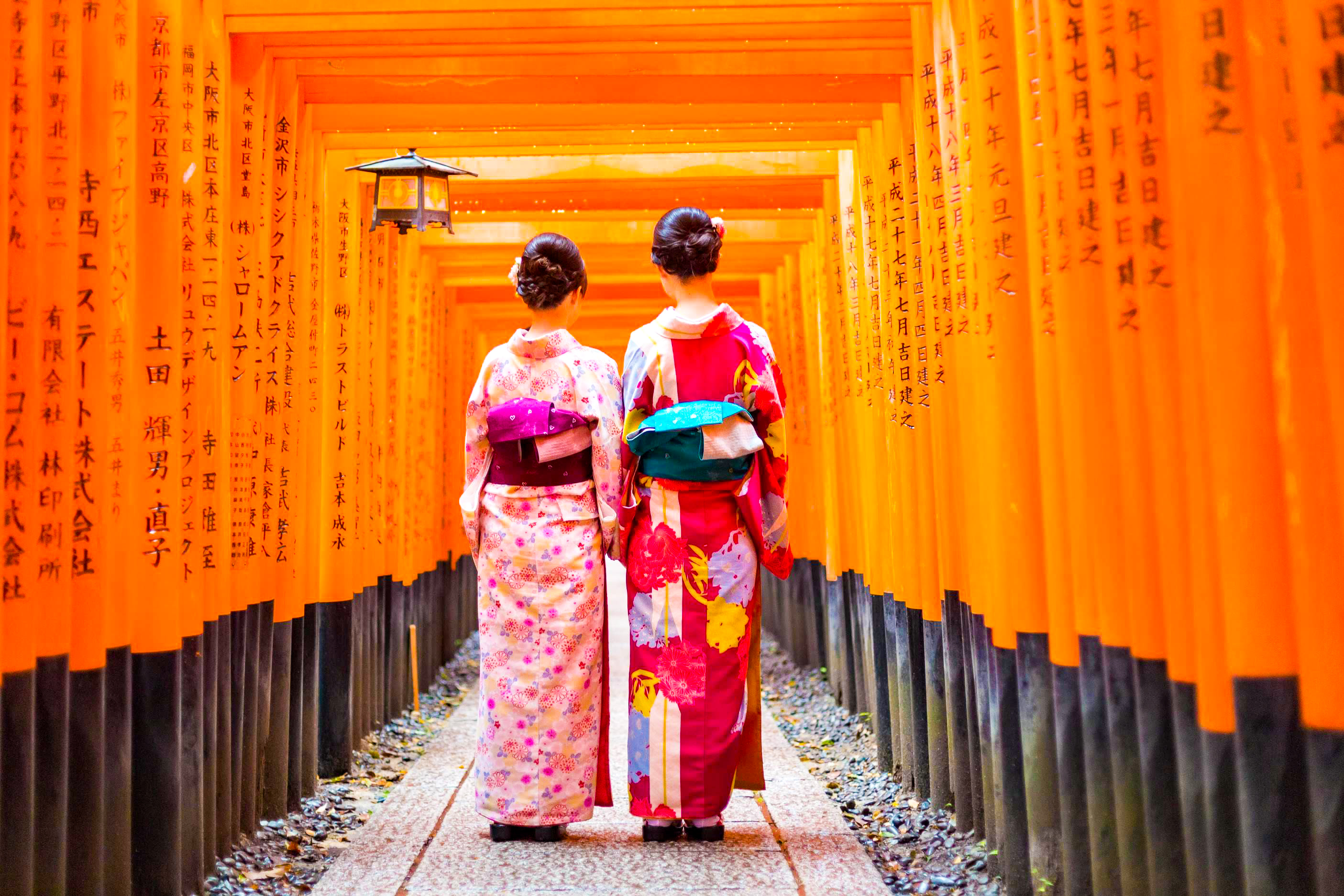
Fushimi Inari Taisha, Kyoto’s most iconic Shinto shrine, is world-famous for its thousands of vibrant vermilion torii gates that wind up the sacred Mount Inari. Dedicated to Inari, the god of rice, prosperity, and business, the shrine is guarded by elegant fox statues—believed to be messengers—holding symbolic keys in their mouths. Visitors can wander through the atmospheric pathways lined with endless gates, each donated by individuals or businesses as a gesture of gratitude. The full hike to the summit takes about 2–3 hours, offering peaceful forest trails, smaller shrines, and breathtaking views over Kyoto. Whether you visit in the early morning for solitude or at dusk for a mystical glow, Fushimi Inari Taisha promises a truly unforgettable spiritual journey. There are many Japanese teahouses and souvenir shops along the shrine road, where you can taste Japanese desserts and enjoy the Japanese style.
What's not included
Other personal expenses
Available languages
Guide guide
JA
EN
ZH-CN
Important information
Wheelchair accessible
Infants and small children can ride in a pram or stroller
Public transportation options are available nearby
Infants are required to sit on an adult’s lap
Transportation options are wheelchair accessible
All areas and surfaces are wheelchair accessible
Suitable for all physical fitness levels
Children aged 3+ will be charged the same rate as adults
One luggage (any size) per person. Inform in advance or boarding may be refused without refund.
Bus seats cannot be assigned
Free for children aged 0-2 as long as they will not occupy separate seats
The activity will be cancelled if there is not a minimum of 4 participants. If this happens, you'll get a rescheduled time or refund
It is recommended to arrive at the meeting point before departure. The bus will depart on time, please be sure to comply with the boarding time. The operator will not be responsible for any late arrival
Please note that you may arrive at the next attraction or end the tour earlier due to closures or time restrictions.
Sometimes the itinerary may be adjusted due to traffic jams or bad weather.
The tour guide will not contact the tourists in advance. On the day of the tour, tourists need to go to the meeting point on their own and report to the tour guide or staff wearing an "EASY GO vest or holding an EASY GO flag". Please follow the tour guide's instructions.
Each person can bring one piece of luggage for free, with no limit on the size of the luggage (please inform us in advance when booking. If you fail to inform us in advance and the carriage is crowded, the driver has the right to refuse you boarding and the fee will not be refunded)
In the case of a small group, the driver is mainly responsible for driving, and the explanation is supplementary. A brief introduction will be provided on the bus, and no explanation will be given when leaving the bus.
Smoking is prohibited throughout the bus, and there is no toilet.
The Travel time is included in the Itinerary
Meeting point
Address: Kani Doraku Dotonbori East Branch
please go to the meeting point and report to staff wearing an “EASY GO” vest or holding an EASY GO flag, and follow the guide’s instructions.
Meet the operator at 08:30 AM.
Arrive early—latecomers won't be waited for and no refunds.
Important notes
We will share the voucher a day before the Travel Date.
About Osaka
Osaka is a vibrant, bustling city known for its rich culinary scene, historic sites, and modern entertainment. As Japan's second-largest metropolitan area, it offers a dynamic mix of traditional culture and contemporary urban life.
Top Attractions
Osaka Castle
A iconic symbol of Osaka, this castle was originally built in the 16th century and has been beautifully restored. It offers a glimpse into Japan's feudal history and features a museum and scenic park.
Historical
2-3 hours
600 JPY
Dotonbori
A lively and colorful entertainment district known for its neon lights, street food, and vibrant nightlife. Dotonbori is a must-visit for foodies and those looking to experience Osaka's energetic atmosphere.
Entertainment
2-3 hours
Free (food and shopping vary)
Universal Studios Japan
A popular theme park featuring attractions based on famous movies and characters, including Harry Potter, Super Nintendo World, and Jurassic Park. It's a great destination for families and thrill-seekers.
Entertainment
Full day
8,400-10,600 JPY (varies by season and tickets)
Osaka Aquarium Kaiyukan
One of the largest aquariums in the world, featuring a wide variety of marine life, including whales, sharks, and penguins. The aquarium is known for its impressive exhibits and educational programs.
Nature
2-3 hours
2,600 JPY
Shinsekai
A retro district with a nostalgic atmosphere, featuring the iconic Tsutenkaku Tower and a variety of local eateries. Shinsekai is known for its unique blend of old and new, offering a glimpse into Osaka's past.
Cultural
1-2 hours
Free (food and shopping vary)
Must-Try Local Dishes
Takoyaki
Octopus-filled batter balls, cooked to perfection and topped with savory sauces and bonito flakes. A must-try street food in Osaka.
Snack
Contains seafood, can be made vegetarian upon request
Okonomiyaki
A savory pancake made with cabbage, batter, and various toppings, cooked on a griddle. Often referred to as 'Japanese pizza.'
Dinner
Can be made vegetarian or vegan upon request
Kushikatsu
Deep-fried skewers of various meats, vegetables, and seafood, served with a dipping sauce. A specialty of the Shinsekai district.
Dinner
Contains seafood and meat, can be made vegetarian upon request
Ramen
Noodle soup dish with various broths, toppings, and noodle types. Osaka is known for its rich and flavorful ramen.
Lunch/Dinner
Can be made vegetarian or vegan upon request
Popular Activities
Hiking in the nearby mountains
Cycling tours
Kayaking and water sports
Onsen (hot spring) visits
Tea ceremonies
Gardens and parks
Temple and shrine visits
Traditional workshops (e.g., calligraphy, ikebana)
Best Time to Visit
March to May, September to November
These months offer pleasant weather with mild temperatures and lower humidity, making it ideal for sightseeing and outdoor activities. Cherry blossoms in March and April add to the appeal.
15-25°C
59-77°F
Practical Information
Language
- Official: Japanese
- Widely spoken: English (limited)
- English: Limited
Currency
Japanese Yen (JPY)
Time Zone
JST (GMT+9)
Electricity
100VV, 50/60HzHz
Safety Information
Overall Safety Rating: Very safe
Osaka is generally very safe, with low crime rates and a strong emphasis on public safety. However, as with any major city, it's important to be aware of your surroundings and take precautions to protect your belongings.
Important Precautions:
- • Keep valuables secure and out of sight
- • Be cautious of pickpockets in crowded areas
- • Use licensed taxis and reputable tour operators
Getting there
By air
- Kansai International Airport • 50 km from city center
- Itami Airport • 20 km from city center
By train
Osaka Station, Shin-Osaka Station
By bus
Osaka Station Bus Terminal, Umeda Bus Terminal
Getting around
Public transport
The Osaka Metro system is efficient, clean, and easy to navigate. It consists of eight lines that connect major attractions, shopping districts, and neighborhoods.
Taxis
Available • Apps: JapanTaxi, DiDi
Rentals
Car, Bike, Scooter
Neighborhoods
Umeda
Namba
Shin-Osaka
Tennoji
Day trips
Kyoto
50 km • Full day
A historic city known for its temples, shrines, and traditional architecture. Kyoto offers a glimpse into Japan's rich cultural heritage and is a must-visit for history and culture enthusiasts.
Nara
40 km • Half day to full day
A historic city known for its ancient temples, shrines, and the famous Nara Park, home to hundreds of free-roaming deer. Nara offers a mix of history, culture, and nature.
Kobe
30 km • Full day
A port city known for its historic sites, scenic views, and delicious beef. Kobe offers a mix of culture, history, and culinary delights.
Festivals
Tenjin Matsuri • July 24-25
Kishiwada Danjiri Matsuri • September 14-15
Osaka Castle Illumination • December (specific dates vary)
Pro tips
- Use an IC card, such as ICOCA or Suica, for easy and convenient payments on public transportation, vending machines, and convenience stores
- Try local specialties, such as takoyaki, okonomiyaki, and kushikatsu, at street food stalls and local restaurants
- Visit popular attractions early in the morning or late in the afternoon to avoid crowds and long lines
- Explore the city's unique neighborhoods, such as Dotonbori, Shinsekai, and Den Den Town, to experience the diverse culture and atmosphere of Osaka
- Take advantage of the city's extensive public transportation system, including the Osaka Metro, JR trains, and buses, to easily navigate and explore the city
From $25
per person
Price varies by option
Secure booking
Free cancellation available
Instant confirmation


![[Kyoto & Nara Day Trip] Arashiyama Train & Nara Park & Fushimi Inari Shrine's Thousand Torii Gates & Togetsukyo Bridge & Bamboo Forest Path & Kimono Forest (Departure from Osaka)](https://res.klook.com/image/upload/activities/nwrlvoqxc4roubxbiywr.jpg)
![[Small Group Tour for 4-9 People] Kyoto & Nara Day Trip | Kiyomizu-dera Temple & Fushimi Inari Shrine & Nara Park | Optional Osaka Hotel Pickup/Drop-off | Round Trip from Osaka | Chinese Service](https://res.klook.com/image/upload/activities/fhj0httwd7v9dvgkciij.jpg)
![[Kyoto Arashiyama & Katsuoji Temple Popular Scenic Spots] Arashiyama Train & Fushimi Inari Shrine's Thousand Torii Gates & Popular Katsuoji Temple Little Dharma One-Day Tour | Depart from Osaka](https://res.klook.com/image/upload/activities/nwr7e1fvsttjwnvhvuxt.jpg)
![[Kyoto & Nara & Uji Day Trip] Nara Park's Adorable Deer & Fushimi Inari Shrine's Thousand Torii Gates & World Heritage Site Todai-ji Temple & Byodo-in Temple & Uji Matcha Food Street & Uji River & Uji Park & Asagiri Bridge Day Trip](https://res.klook.com/image/upload/activities/ldngpfhcjg0mts875udl.jpg)
![[Kyoto & Arashiyama & Nara] Nara Park (Deer Crackers Included) & Fushimi Inari Shrine or chiikawa Shop & Arashiyama Train & Bamboo Forest One Day Tour (From Osaka)](https://res.klook.com/image/upload/activities/q32nuioacqyxapntqdop.jpg)