3 Hours Guided Tour of the Historic Districts of Cagliari
Active
3h
For a full refund, cancel at least 24 hours before the scheduled departure time.
Instant confirmation
Mobile or paper ticket accepted
About this experience
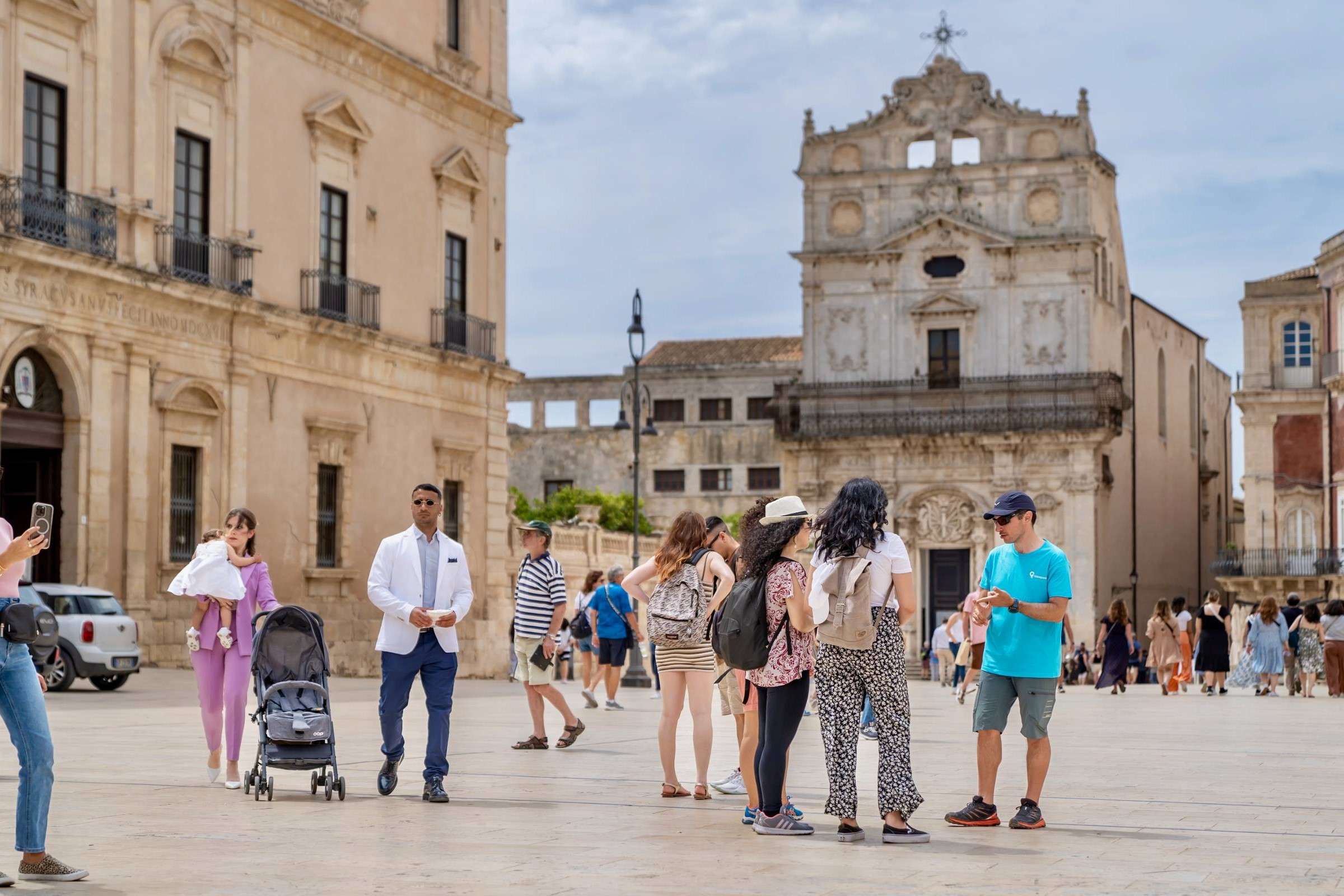
The tour leads to the discovery of the four historic districts of the city of Cagliari: Castello, Marina, Villanova and Stampace. Particular attention will be paid to the history of the city, from Roman times to the present day, reconstructed through its monuments, churches, squares, narrow streets and tree-lined avenues, but also through the traces left by the bombings of 1943 which had a considerable weight on the Cagliari we live in today. The city itself tells its own story.
Available options
3 Hours Guided Tour of the Historic Districts of Cagliari
What's included
Historical photographs to support the tour
Detailed itinerary
1
Visit of the neighborhood. In particular we will visit the Pisan and Spanish fortifications, the tower of San Pancrazio and the Elephant (early 14th century, external visit), the Cathedral of Sante Maria e Cecilia (13th-20th century), the basilica and the Bastion of Santa Croce ( 16th century). We will walk together the characteristic narrow streets of the medieval city.
2
Visit of the neighborhood. In particular we will visit the square and the church of San Giacomo (14th century) and the square and the church of San Domenico (15th century). We will walk the streets decorated with flowers, characteristic of the beautiful neighborhood full of religious traditions and rituals.
3
Visit of the neighborhood. Along the way we will see the churches of Sant'Anna (18th-20th century), San Michele (17th-18th century) and Sant'Efisio (16th-18th century), all close by and so loved by Cagliari residents. We will also see the Town Hall built between the end of the 19th and the beginning of the 20th century on via Roma, an important artery built in the same period to give the city a more "European" urban imprint.
4
Visit of the neighborhood. We will walk along the narrow streets that longitudinally cross the district, rich in history and traditions, cosmopolitan and populated, since the Roman age, by numerous people from different regions and states. We will see the remains of the church of Santa Lucia (12th-17th century) and the church of Sant'Eulalia (14th-20th century).
What's not included
Admission to any museums, the visit of which is not included in the proposed itinerary
Available languages
Guide guide
DE
EN
IT
Reviews breakdown
Viator
5.0
6 reviews
5★
6
4★
0
3★
0
2★
0
1★
0
Tripadvisor
5.0
13 reviews
5★
13
4★
0
3★
0
2★
0
1★
0
Important information
Wheelchair accessible
Infants and small children can ride in a pram or stroller
Service animals allowed
Public transportation options are available nearby
Travelers should have at least a moderate level of physical fitness
Guided tour also available in Italian Sign Language (LIS)
Meeting point
The meeting point is in the center of the square, in front of the bust of Giuseppe Verdi
About Sardinia
Sardinia is the second-largest island in the Mediterranean Sea and is renowned for its stunning beaches, crystal-clear waters, and rich cultural heritage. It offers a unique blend of Italian and Mediterranean influences, making it a distinctive and appealing destination for travelers.
Top Attractions
Costa Smeralda
Costa Smeralda is a glamorous stretch of coastline known for its turquoise waters, white sandy beaches, and luxury resorts. It's a popular destination for celebrities and tourists seeking a high-end beach experience.
Beach
Full day
Moderate to Expensive
Su Nuraxi di Barumini
Su Nuraxi di Barumini is a UNESCO World Heritage Site featuring the remains of a Nuragic settlement. It offers a fascinating glimpse into Sardinia's ancient past.
Historical
2-3 hours
€9 (includes museum entry)
La Pelosa Beach
La Pelosa Beach is one of Sardinia's most famous beaches, known for its crystal-clear waters, white sand, and the picturesque Torre del Falco. It's a must-visit for beach lovers.
Beach
Half day
Free
Must-Try Local Dishes
Porceddu
Suckling pig roasted slowly over an open fire, resulting in tender, flavorful meat.
Main Course
Not vegetarian
Culurgiones
Handmade pasta filled with potato, mint, and pecorino cheese.
Appetizer
Vegetarian
Bottarga
Dried, salted mullet or tuna roe, often served thinly sliced or grated over pasta.
Snack
Not vegetarian
Popular Activities
Hiking
Kayaking
Beach relaxation
Spa treatments
Visiting historical sites
Attending local festivals
Snorkeling
Scuba diving
Best Time to Visit
June to September
This is the peak tourist season with warm, sunny weather, perfect for beach activities and outdoor exploration. The island is lively with festivals and events.
22°C to 35°C
72°F to 95°F
Practical Information
Language
- Official: Italian
- Widely spoken: Sardinian (local dialect)
- English: Moderately spoken in tourist areas
Currency
Euro (EUR)
Time Zone
GMT+1 (CET), GMT+2 (CEST during daylight saving time)
Electricity
230VV, 50HzHz
Safety Information
Overall Safety Rating: Generally safe
Sardinia is generally a safe destination for travelers, with low crime rates. However, standard precautions should be taken to ensure a safe and enjoyable trip.
Important Precautions:
- • Keep valuables secure and be cautious in crowded areas
- • Use licensed taxis and agree on the fare before starting your journey
- • Be wary of strangers offering unsolicited help or services
Getting there
By air
- Cagliari Elmas Airport • 7 km from Cagliari city center
- Alghero-Fertilia Airport • 10 km from Alghero city center
By train
Cagliari Centrale, Sassari
By bus
Cagliari, Alghero, Olbia
Getting around
Public transport
ARST buses are the primary mode of public transport in Sardinia, offering affordable and reliable services.
Taxis
Available • Apps: FreeNow, ItTaxi
Rentals
Car, Bike, Scooter
Neighborhoods
Cagliari
Alghero
Olbia
Day trips
Isola di Caprera
5 km from La Maddalena • Full day
Isola di Caprera is a beautiful island known for its hiking trails, beaches, and historical sites. It's a great destination for nature lovers and outdoor enthusiasts.
Cala Luna
60 km from Alghero • Full day
Cala Luna is a stunning beach with turquoise waters and dramatic cliffs. It's a popular spot for kayaking, snorkeling, and relaxing.
Festivals
Sagra del Redentore • August
Autunno in Barbagia • Autumn
Pro tips
- Rent a car to explore the island's remote beaches and villages
- Visit during the shoulder season for fewer crowds and better prices
- Try local specialties like porceddu and culurgiones
- Book accommodations and popular activities well in advance, especially during peak season
- Respect local customs and traditions, especially during religious events and festivals
From $25
per person
Price varies by option
Secure booking
Free cancellation available
Instant confirmation