Private Kyoto Walking Tour Temples, Traditions and Hidden Gems
Active
3h - 7h
For a full refund, cancel at least 24 hours before the scheduled departure time.
Instant confirmation
Mobile or paper ticket accepted
About this experience
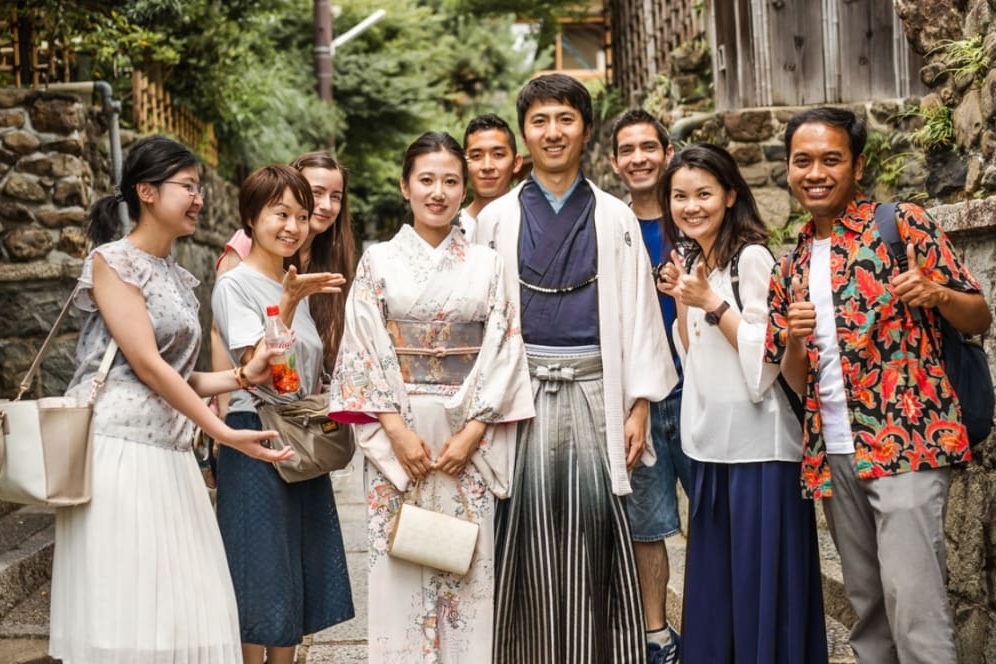
At Phoenix Tours & Photography, we create a personalized Kyoto experience that goes beyond typical sightseeing. Here’s what sets our tour apart:
Fully Customizable – Whether you’re interested in history, hidden alleyways, or street food, we tailor the tour to your interests and pace.
Expert Local Guides – Our guides bring Kyoto’s history and culture to life with fascinating insights and stories.
Hidden Gems – We take you beyond the tourist hotspots to discover Kyoto’s quieter, more authentic side.
Balanced Exploration – The tour combines history, nature, culture, and food for a well-rounded experience.
Immersive & Relaxed – With a walking tour, you can take in the details, from temple bells to charming tea houses.
Personalized Recommendations – Get insider tips on where to eat, shop, and explore after the tour.
Rather than just visiting Kyoto, experience it in a way that’s meaningful and unforgettable.
Available options
Kyoto 8 hrs Walking Tour 10ppl
Duration: 8 hours<br/>Up to 10 people: .
Kyoto 3 hr Walking Tour 6ppl
Duration: 3 hours<br/>Up to 6 people
Kyoto 8 hrs Walking Tour 6 ppl
Duration: 8 hours<br/>Up to 6 people: .
Kyoto 8 hrs Walking Tour 15ppl
Duration: 8 hours<br/>Up to 15 people: .
Kyoto 5 hr Walking Tour 6 ppl
Duration: 5 hours<br/>Up to 6 people
Kyoto 5 hr Walking Tour 10 ppl
Duration: 5 hours<br/>Up to 10 people
Kyoto 8 hrs Walking Tour 3 ppl
Duration: 8 hours
Kyoto 3 hr Walking Tour 10ppl
Duration: 3 hours<br/>Up to 10 people
Kyoto 5 hours Walking Tour
Duration: 5 hours
Kyoto 5 hr Walking Tour 3 ppl
Duration: 5 hours<br/>Up to 3 people
Kyoto 3 hours Walking Tour
Duration: 3 hours<br/>Up to 15 people
Kyoto 3 hr Walking Tour 3 ppl
Duration: 3 hours<br/>Up to 3 people
What's included
Tour Guide
Detailed itinerary
1
Stop 1
Pass by
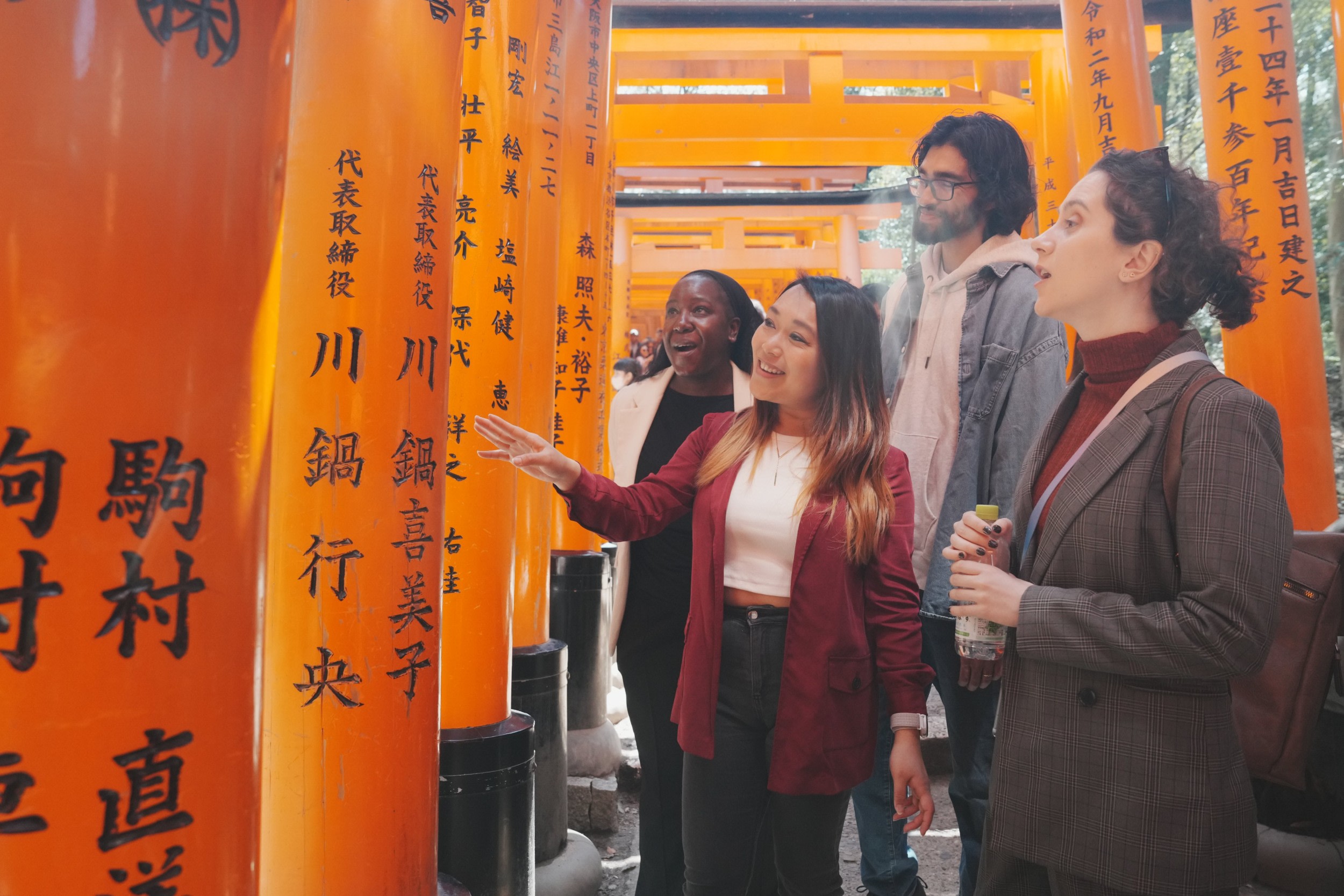
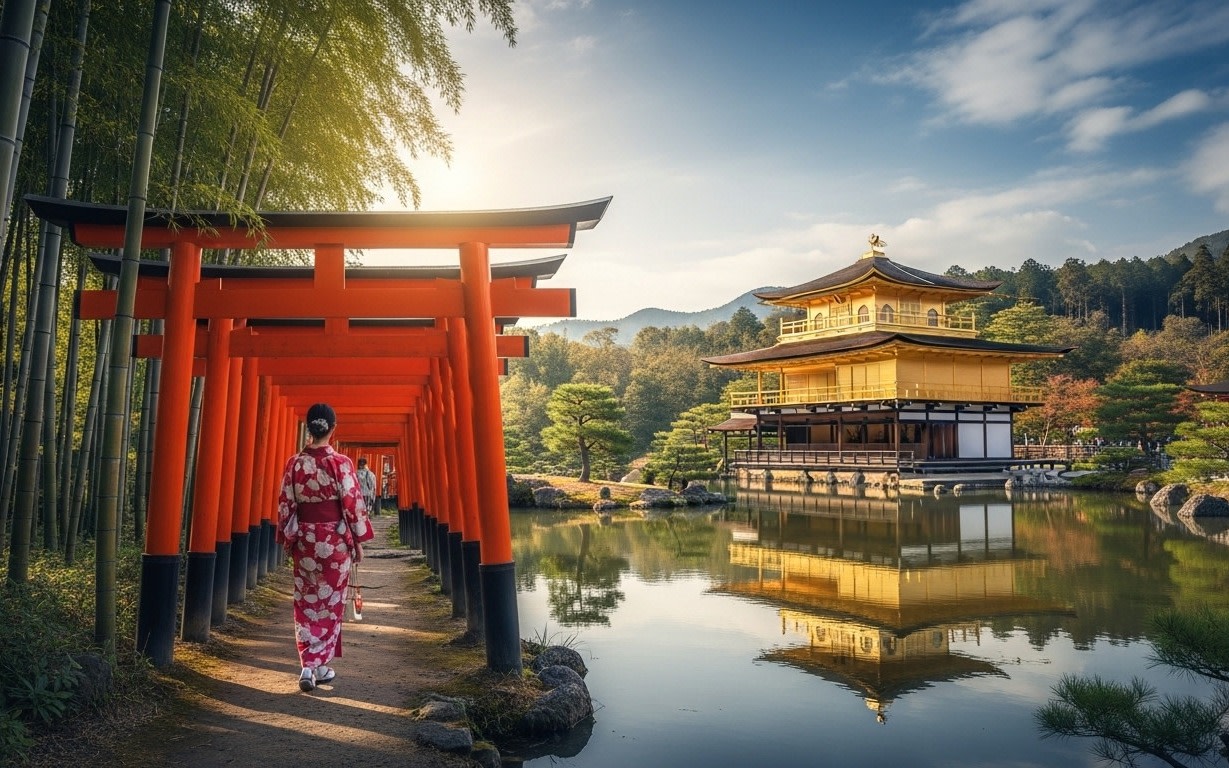
Famous for its thousands of vermilion torii gates leading up Mount Inari.
2
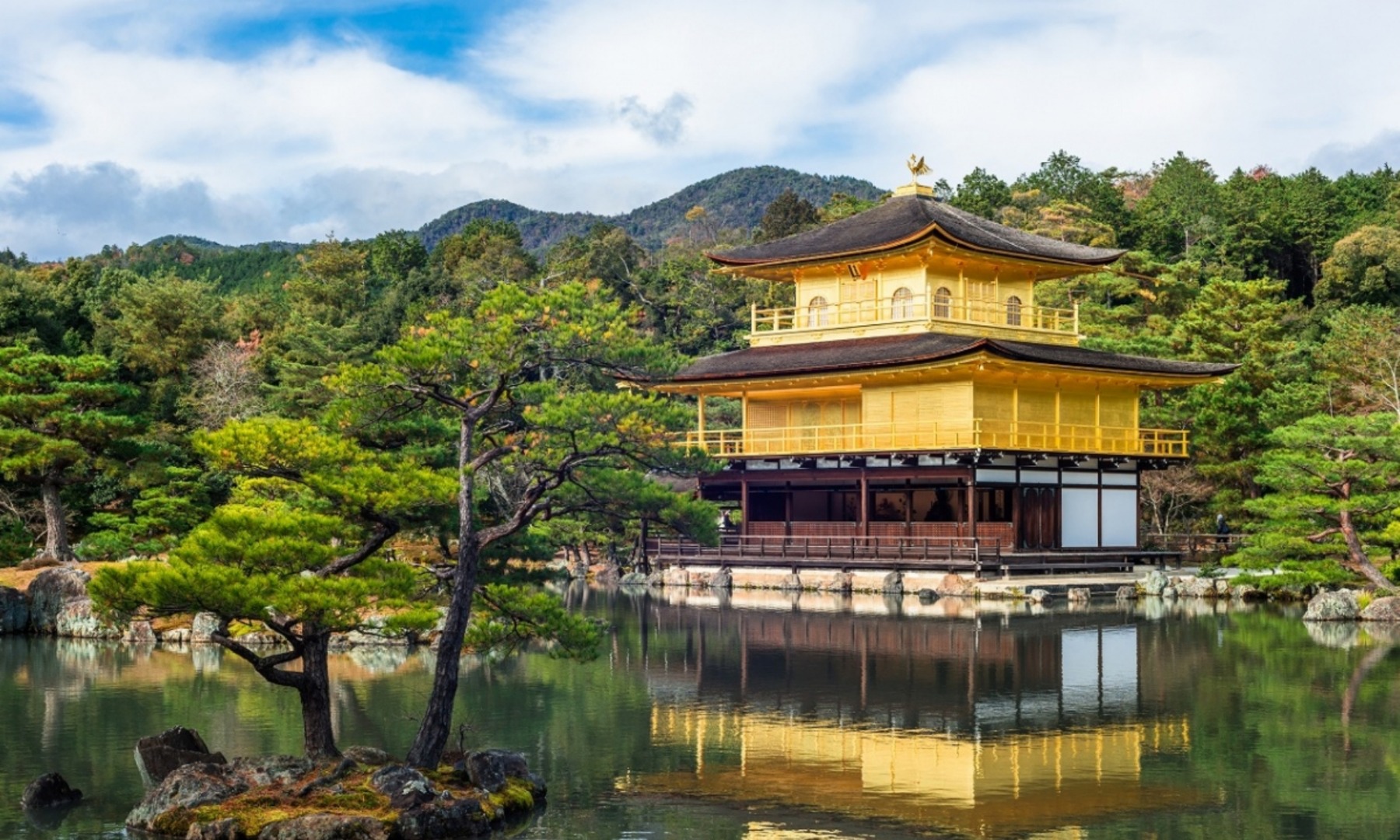
(500 yen) – A stunning gold-leaf-covered Zen temple reflected in a serene pond.
3
Stop 3
Pass by
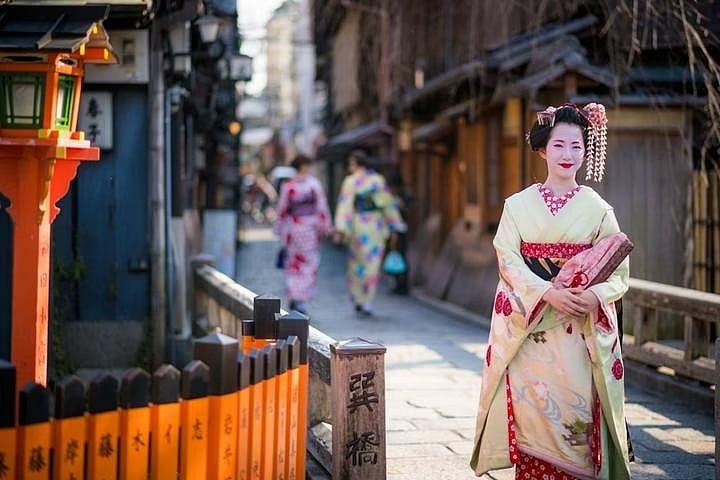
(Free) – Kyoto’s historic geisha district, known for traditional teahouses and wooden machiya townhouses.
4
Stop 4
Pass by
(400 yen) – A UNESCO temple with a large wooden stage offering breathtaking views of Kyoto.
5
Stop 5
Pass by
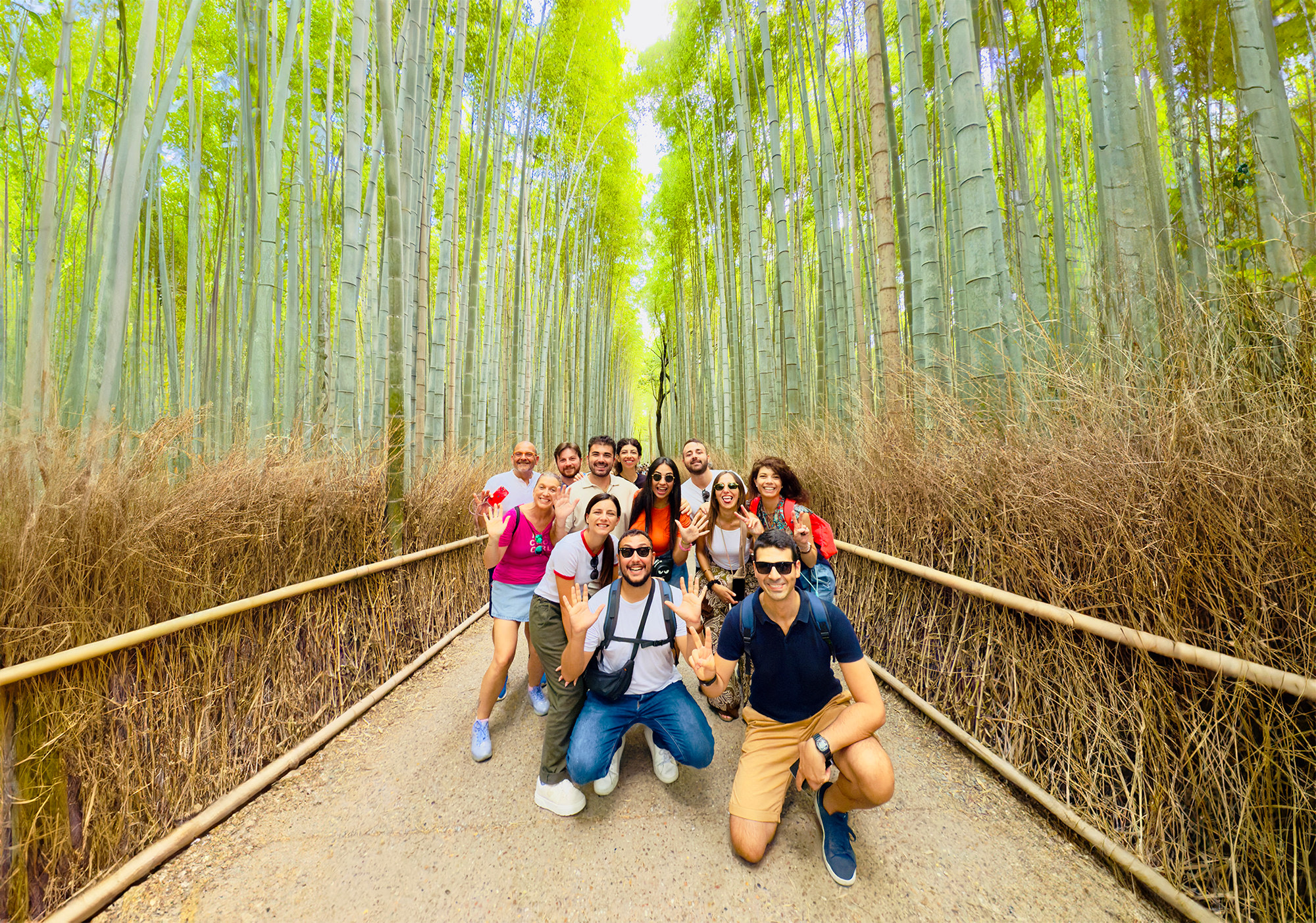
(Free) – A mesmerizing bamboo forest that feels like stepping into another world.
6
Stop 6
Pass by
(500 yen) – A major Zen temple in Arashiyama with an elegant garden designed by Muso Soseki.
7
Stop 7
Pass by
(800 yen) – A beautifully preserved shogunate-era castle with intricate interiors and famous "nightingale floors."
8
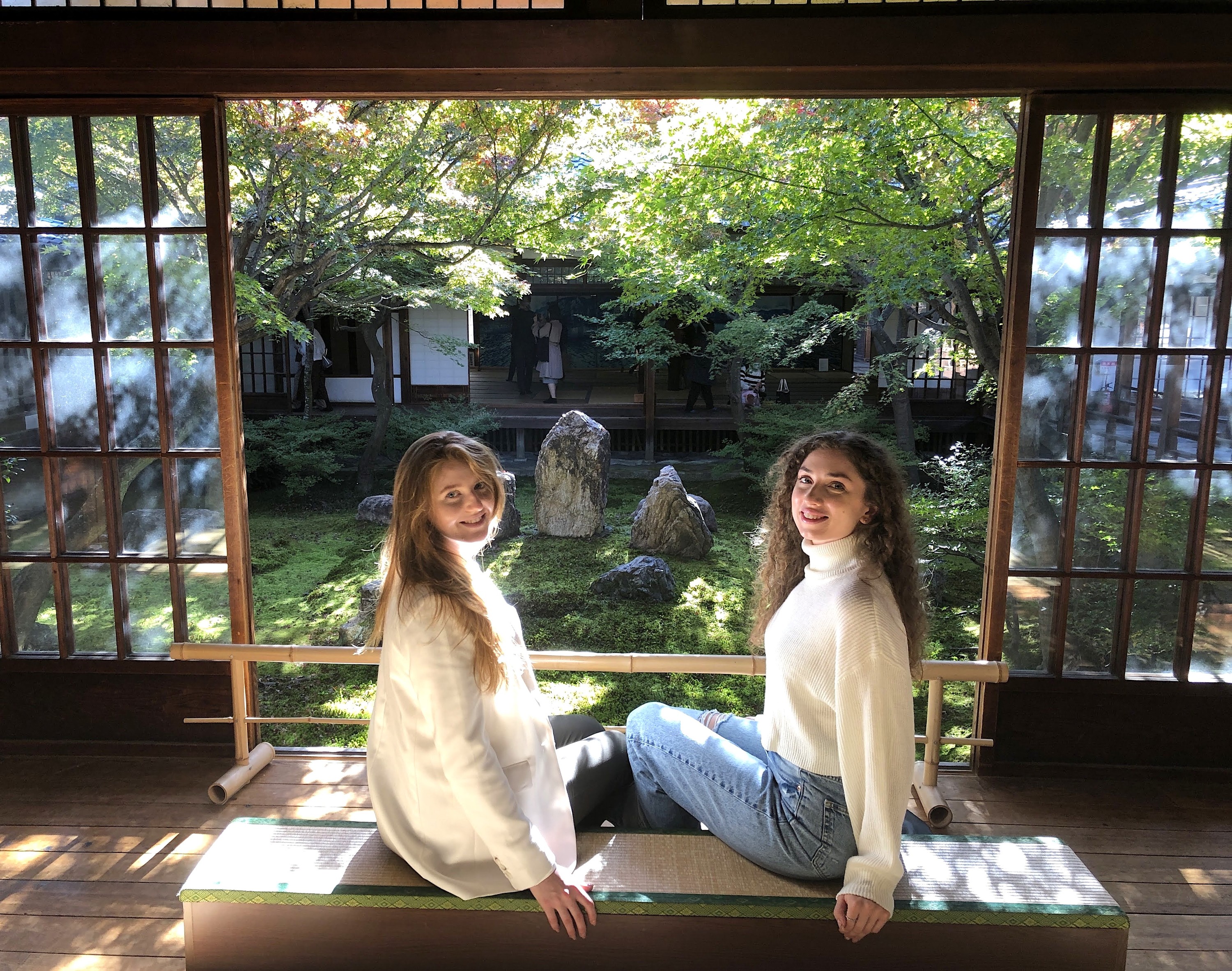
(500 yen) – A Zen temple with a beautiful moss garden and sand sculptures.
9
(600 yen) – A temple known for its world-famous rock garden and peaceful atmosphere.
10
(Free) – A scenic canal-side walkway lined with cherry trees and small temples.
11
Stop 11
Pass by
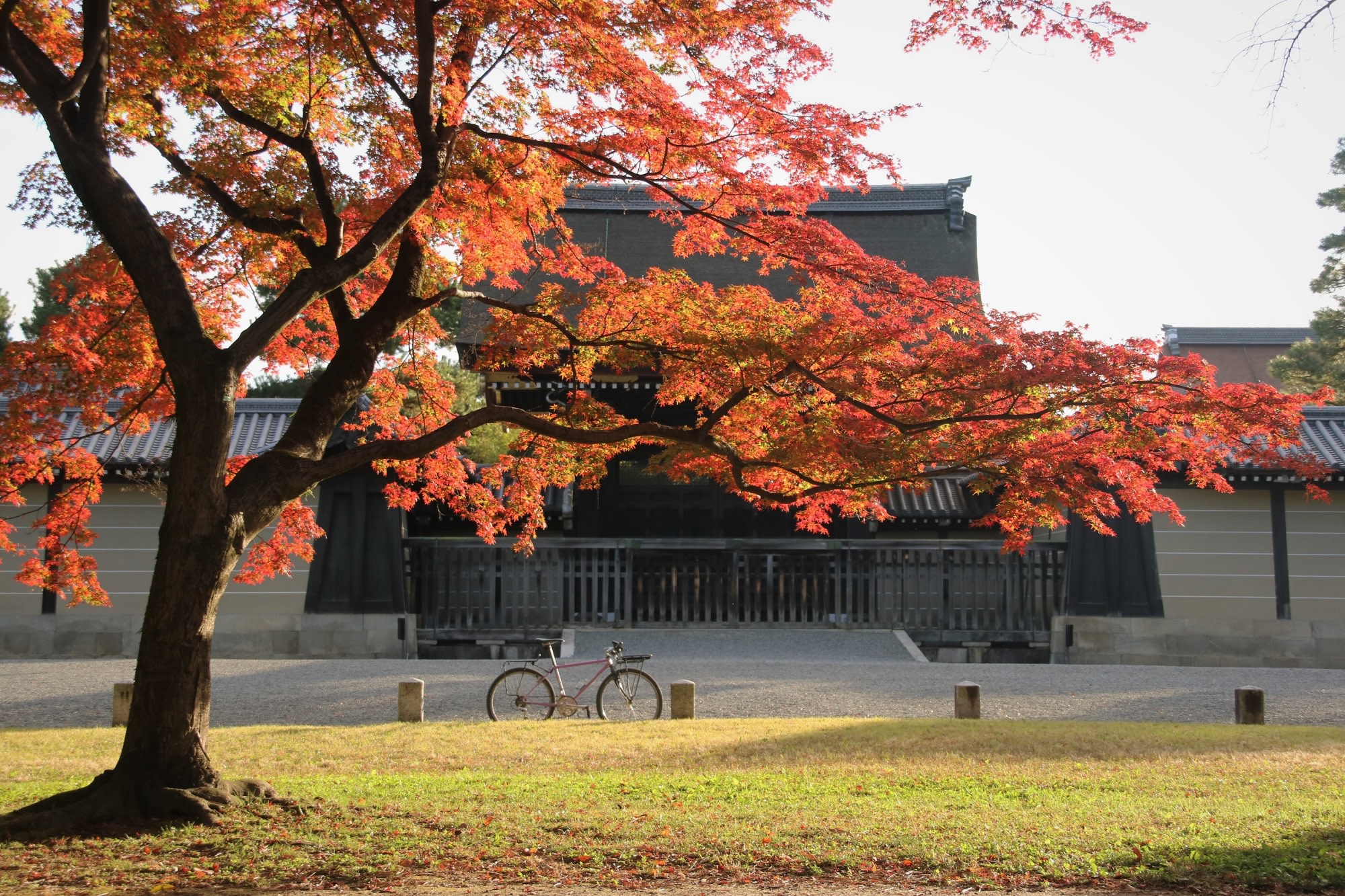
(400 yen) – A historic Zen temple with Kyoto’s most spectacular autumn foliage.
12
Stop 12
Pass by
(Free) – A vibrant Shinto shrine near Gion, especially beautiful during the Gion Festival.
13
Stop 13
Pass by
(500 yen for sub-temples) – A grand Zen temple complex with a striking Sanmon gate and an aqueduct.
14
(600 yen) – A UNESCO-listed temple featuring the Phoenix Hall, depicted on the 10-yen coin.
15
Stop 15
Pass by
(Free) – The former residence of the Imperial Family, located in Kyoto Gyoen National Garden.
16
(1,000+ yen) – A natural hot spring retreat in the mountains north of Kyoto.
17
(600 yen) – A temple famous for its stunning autumn maple leaves and scenic hillside location.
18
(Free) – One of Kyoto’s largest Buddhist temples, with an enormous wooden hall.
19
Stop 19
Pass by
(800 yen) – The city’s tallest structure, offering panoramic views of Kyoto and beyond.
20
(Varies) – A historic area with traditional sake breweries offering tastings and tours.
What's not included
No food is included
No transportation provided
Taxes included, but entrances not included
Available languages
Guide guide
AR
HI
DE
RU
PT
UK
MS
FIL
EN
IT
FR
UR
ES
Important information
Service animals allowed
Public transportation options are available nearby
Not recommended for travelers with spinal injuries
Not recommended for travelers with poor cardiovascular health
Travelers should have at least a moderate level of physical fitness
Meeting point
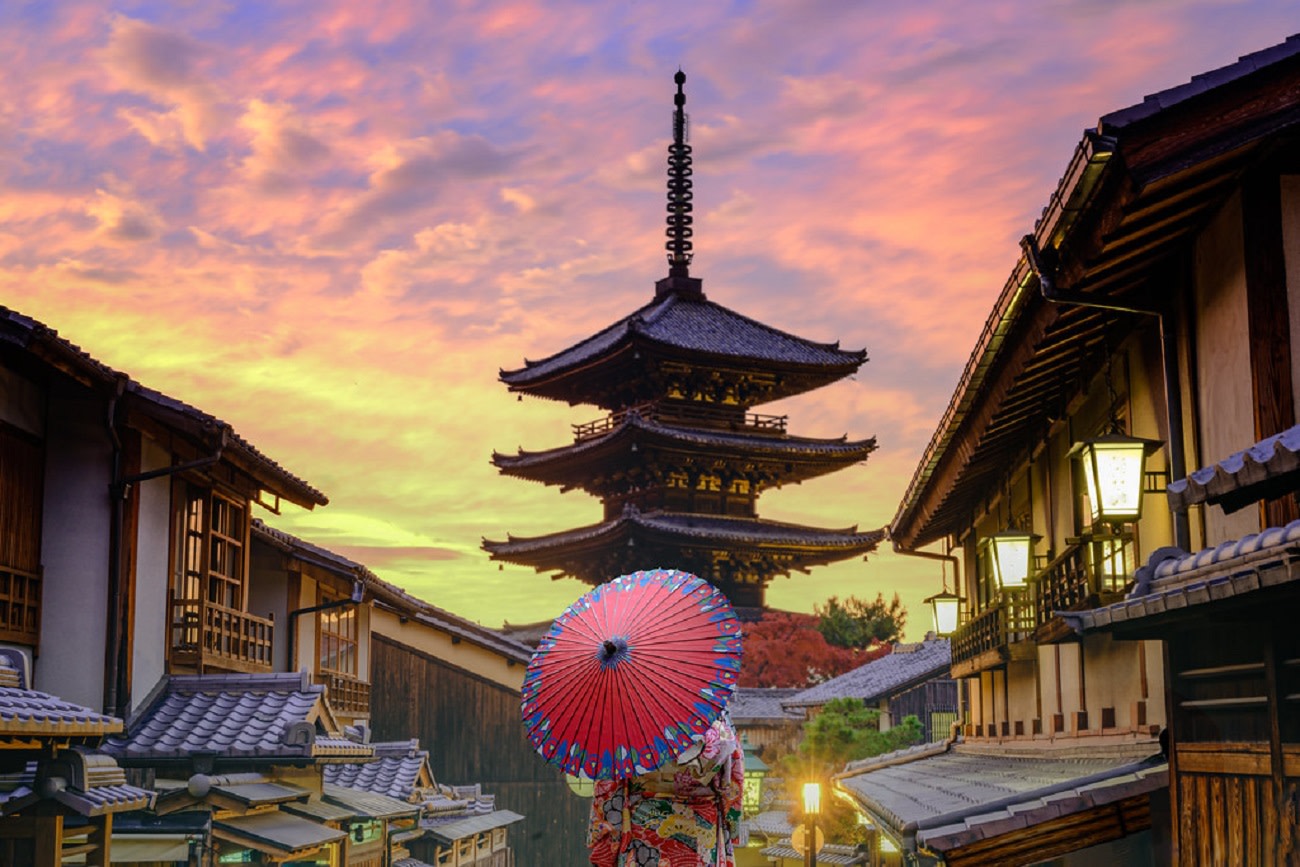
Just infront of Yasaka Pagoda
About Kyoto
Kyoto, once the imperial capital of Japan, is a city rich in history, culture, and tradition. Known for its numerous classical Buddhist temples, as well as gardens, imperial palaces, Shinto shrines, and traditional wooden houses, Kyoto offers a unique blend of ancient and modern Japan. The city is a must-visit for travelers seeking to experience the heart of Japanese heritage.
Top Attractions
Kinkaku-ji (Golden Pavilion)
A Zen Buddhist temple covered in gold leaf, Kinkaku-ji is one of Kyoto's most iconic landmarks. The temple's top two floors are completely covered in gold leaf, reflecting beautifully on the surrounding pond.
Historical/Religious
1-2 hours
¥400
Fushimi Inari Taisha
Famous for its thousands of vermilion torii gates, Fushimi Inari Taisha is a Shinto shrine dedicated to Inari, the god of rice. The trails leading up the mountain offer stunning views of Kyoto.
Religious
2-4 hours (depending on how far you hike)
Free
Kiyomizu-dera
A historic wooden temple with a large veranda supported by massive wooden pillars, Kiyomizu-dera offers panoramic views of Kyoto. The temple is particularly famous for its spring and autumn foliage.
Religious
1-2 hours
¥400
Arashiyama Bamboo Grove
A stunning grove of bamboo, Arashiyama is one of Kyoto's most famous natural attractions. The towering bamboo stalks create a surreal and peaceful atmosphere.
Nature
1-2 hours
Free (Tenryu-ji Temple costs ¥500)
Gion
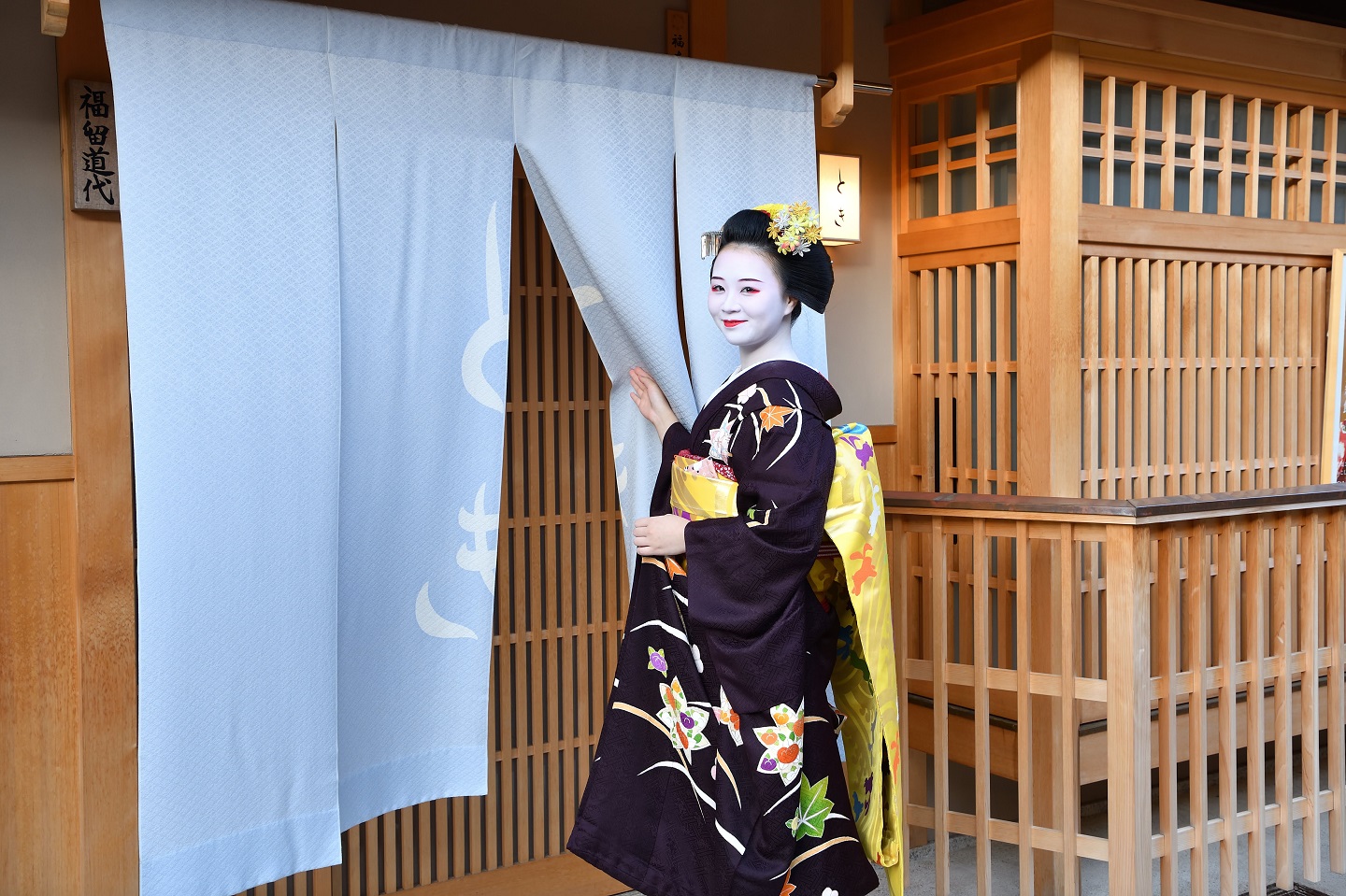
Kyoto's most famous geisha district, Gion is known for its traditional wooden machiya houses, teahouses, and the chance to spot geishas and maikos (apprentice geishas).
Cultural
1-2 hours (longer if dining or attending a cultural event)
Free to explore (dining and cultural events can be expensive)
Must-Try Local Dishes
Kaiseki Ryori
A traditional multi-course Japanese meal that emphasizes seasonality and presentation. Each dish is carefully prepared and artfully presented.
Dinner
Often includes fish, meat, and vegetables, but vegetarian options are available.
Yudofu (Tofu Hot Pot)
A Kyoto specialty featuring tofu simmered in a light kombu (kelp) broth, often served with vegetables and condiments.
Lunch/Dinner
Vegetarian-friendly, can be made vegan if broth is vegetable-based.
Matcha Desserts
Kyoto is famous for its high-quality matcha (green tea) powder, used in various desserts like ice cream, parfaits, and wagashi (traditional sweets).
Dessert
Vegetarian and vegan options available.
Obanzai
Home-style Kyoto dishes made with fresh, local ingredients, often featuring vegetables, fish, and tofu.
Lunch/Dinner
Can be adapted to various dietary preferences.
Popular Activities
Hiking in the mountains
Cycling through the countryside
Rafting on the Hozu River
Onsen (hot spring) visits
Tea ceremonies
Scenic walks in gardens and parks
Temple and shrine visits
Traditional tea ceremonies
Best Time to Visit
March to May (Spring), October to November (Autumn)
Spring and autumn offer pleasant weather and are the best times to visit for cherry blossoms and autumn foliage. These seasons also see the highest tourist volumes.
15°C to 25°C (Spring), 10°C to 20°C (Autumn)
59°F to 77°F (Spring), 50°F to 68°F (Autumn)
Practical Information
Language
- Official: Japanese
- Widely spoken: English (limited)
- English: Limited/Rare
Currency
Japanese Yen (JPY)
Time Zone
JST (UTC+9)
Electricity
100VV, 50/60HzHz
Safety Information
Overall Safety Rating: Very safe
Kyoto is a very safe city with a low crime rate. Violent crime is rare, and petty crime is uncommon. However, as with any tourist destination, it's important to take basic precautions to protect yourself and your belongings.
Important Precautions:
- • Keep valuables secure and out of sight
- • Be cautious of your surroundings, especially in crowded areas
- • Use reputable tour operators and taxis
Getting there
By air
- Kansai International Airport • 115 km from Kyoto
- Osaka International Airport (Itami) • 40 km from Kyoto
By train
Kyoto Station
By bus
Kyoto Station Bus Terminal
Getting around
Public transport
Buses are the most extensive and affordable way to get around Kyoto. They cover most areas of the city and are especially useful for reaching temples and shrines.
Taxis
Available • Apps: JapanTaxi, INDRIVER
Rentals
Car, Bike, Scooter
Neighborhoods
Gion
Higashiyama
Arashiyama
Downtown Kyoto (Shijo-Kawaramachi)
Day trips
Nara
40 km from Kyoto • Half day to full day
Nara is a historic city known for its ancient temples, shrines, and the famous Nara Park, home to hundreds of free-roaming deer.
Uji
20 km from Kyoto • Half day
Uji is a small city known for its historic temples, beautiful riverside scenery, and high-quality matcha (green tea).
Kurama and Kibune
25 km from Kyoto • Full day
Kurama and Kibune are two neighboring villages in the mountains north of Kyoto, known for their hot springs, hiking trails, and scenic beauty.
Festivals
Gion Matsuri • July (main events on July 17th and 24th)
Jidai Matsuri • October 22nd
Aoi Matsuri • May 15th
Pro tips
- Visit popular attractions like Fushimi Inari Taisha and Kinkaku-ji early in the morning or late in the afternoon to avoid crowds.
- Consider purchasing a Kyoto City Bus Pass or other transportation passes to save money on getting around the city.
- Try local specialties like yudofu (tofu hot pot), matcha desserts, and obanzai (home-style Kyoto dishes).
- Explore the city's many temples and shrines, but don't forget to take time to enjoy the natural beauty of Kyoto's gardens and parks.
- Learn a few basic Japanese phrases to enhance your experience and show respect for local customs and traditions.
From $25
per person
Price varies by option
Secure booking
Free cancellation available
Instant confirmation