Soweto Tour and Lesedi Cultural Village Tour form Pretoria and Johannesberg
Active
13h
All sales are final. No refund is available for cancellations.
Instant confirmation
Mobile or paper ticket accepted
About this experience
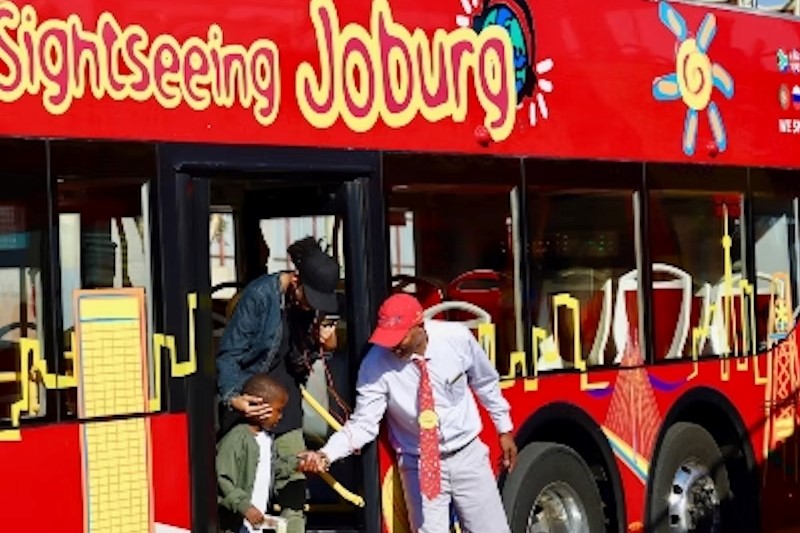
Your trip to South Africa can never be complete without visiting this two iconic places, Soweto and Lesedi Cultural Village. This tour will help you understand the history of South Africa. Take a walk at Vilakazi street which is the only street in the world where you'll find the houses of Two Nobel Peace Laureate, visit Nelson Mandela House Museum, Hector Peterson Memorial Museum and Motsoaledi one of the informal settlement in Soweto.
Lesedi African Lodge and Cultural Village is a flagship cultural tourism destination for visitors interested in learning more about South Africa's traditional people and cultures. Lesedi, which means 'light' in Sotho, features traditional homesteads of the Zulu, Nguni, Xhosa, Pedi, Basotho and Ndebele people, where guests can immerse themselves in cultural activities. For guests staying over, the village offers accommodation in each homestead, ranging from luxury suites in the Nguni village to twin rooms in the Ndebele homestead.
Available options
Soweto Tour and Lesedi Cultural Village Tour form Pretoria and Johannesberg
What's included
Hotel pickup and drop-off in and around Johannesburg and Pretoria
Local guide
Private tour
Professional guide
Live entertainment
Port pickup and drop-off f
Driver/guide
Lunch
Buffet dinner
Transport by air-conditioned minivan
Transport by private vehicle
What you'll see
The establishment of Soweto is, like Johannesburg, linked directly to the discovery of Gold in 1885. Thousands of people from around the world and South Africa flocked to the new town to seek their fortunes or to offer their labour. Within 4 years Johannesburg was the second largest city. More than half the population was black, most living in multi racial shanty towns near the gold mines in the centre of the town. As the gold mining industry developed, so did the need for labour increase. Migrant labour was started and most of these workers lived in mine compounds. However other workers had to find their own accommodation often in appalling conditions.
With a population of over 2 million, the township is the biggest black urban settlement in Africa with a rich political history. Soweto was the centre of political campaigns aimed at the overthrow of the apartheid state. The 1976 student uprising, also known as the Soweto uprising, started in Soweto and spread to the rest of the country. Many of the sights on the heritage route therefore have political significance.
Upon arrival at Lesedi, you will be welcomed to the Ndebele village before settling down to a multimedia presentation on the history of South Africa's rainbow nation. You will be then taken on a guided tour of each of the cultural villages, where you will learn the various rituals and folklore of South Africa's people, plus a few key phrases in local languages.
Traditional song and dance rounds off the day's activities, followed by a dinner buffet of African fare fit for a king, hosted in the 200-seater Nyama Choma restaurant, where you can taste impala, ostrich or crocodile meat. The newer restaurant, the Nile Room, serves delectable cuisine from North Africa. At the end of the evening, you are invited to gather around the open fire to listen to tales of African mythology, or be escorted back to their cosy hut by members of their host family.
What's not included
Alcoholic drinks (available to purchase)
Drinks
Gratuities
Available languages
Guide guide
EN
Reviews breakdown
Tripadvisor
5.0
1 reviews
5★
1
4★
0
3★
0
2★
0
1★
0
Important information
Suitable for all physical fitness levels
Wheelchair accessible
Child rate applies only when sharing with 2 paying adults
Children must be accompanied by an adult
Minimum drinking age is 18
Vegetarian option is available, please advise at time of booking if required
Important notes
Minimum drinking age is 18 years
Hotel pickups commence prior to this time, you must contact the local service provider to verify your exact pickup time.
About Johannesburg
Johannesburg, the largest city in South Africa, is a vibrant metropolis known for its rich history, cultural diversity, and bustling urban energy. The city's nickname, 'City of Gold,' originates from its roots in the gold-mining industry, and it offers a unique blend of modern attractions and historical landmarks.
Top Attractions
Apartheid Museum
The Apartheid Museum is a powerful and moving experience that chronicles the history of apartheid in South Africa. It's a must-visit for understanding the country's past.
Historical
2-3 hours
R95 (Adults), R75 (Children)
Gold Reef City
Gold Reef City is a theme park built on the site of a former gold mine. It offers a mix of thrilling rides, historical exhibits, and entertainment.
Entertainment
Full day
R350-R500 (Adults), R250-R350 (Children)
Cradle of Humankind
The Cradle of Humankind is a UNESCO World Heritage Site known for its significant paleontological and archaeological discoveries, including some of the oldest hominid fossils.
Historical
Half day to full day
R200-R300 (Adults), R150-R200 (Children)
Must-Try Local Dishes
Bunny Chow
A hollowed-out loaf of bread filled with curry, originally created by Indian immigrants. It's a popular street food in Johannesburg.
Lunch/Dinner
Vegetarian and non-vegetarian options available
Braai (BBQ)
A traditional South African BBQ, featuring grilled meats like boerewors (sausage), lamb chops, and chicken.
Dinner
Meat-based, vegetarian options limited
Bobotie
A Cape Malay dish made with spiced minced meat and topped with an egg custard. It's a unique and flavorful South African specialty.
Dinner
Meat-based, vegetarian options available
Popular Activities
Hiking in the Cradle of Humankind
Game drives in Pilanesberg National Park
Hot air ballooning over the Magaliesberg
Spa treatments in Sandton
Picnicking at Zoo Lake
Wine tasting in the nearby wine regions
Visiting the Apartheid Museum
Exploring Soweto
Best Time to Visit
September to November and March to May
These months offer the most pleasant weather, with mild temperatures and lower rainfall. It's an ideal time for outdoor activities and exploring the city.
15°C to 28°C
59°F to 82°F
Practical Information
Language
- Official: English, Zulu, Afrikaans, Sotho, Tsonga, Tswana, Venda, Xhosa, Ndebele, Southern Sotho
- Widely spoken: English, Zulu, Afrikaans
- English: Widely spoken
Currency
South African Rand (ZAR)
Time Zone
GMT+2
Electricity
220-240VV, 50HzHz
Safety Information
Overall Safety Rating: Exercise caution
Johannesburg has a reputation for high crime rates, but many visitors enjoy safe and rewarding experiences by taking necessary precautions. Stick to well-populated areas, avoid walking alone at night, and be cautious with valuables.
Important Precautions:
- • Avoid walking alone at night
- • Use licensed taxis or ride-hailing services
- • Keep valuables secure and out of sight
Getting there
By air
- OR Tambo International Airport • 22 km from city center
- Lanseria International Airport • 35 km from city center
By train
Park Station, Johannesburg Station
By bus
Park Station, Ellis Park
Getting around
Public transport
Rea Vaya is the city's public bus system, offering affordable and efficient transport. It has dedicated bus lanes to avoid traffic.
Taxis
Available • Apps: Uber, Bolt
Rentals
Car, Bike
Neighborhoods
Sandbox
Rosebank
Braamfontein
Day trips
Pilanesberg National Park
250 km from Johannesburg • Full day
Pilanesberg National Park is a malaria-free game reserve offering excellent wildlife viewing opportunities, including the Big Five (lion, leopard, rhino, elephant, and buffalo).
Soweto
20 km from Johannesburg • Half day
Soweto is a historic township known for its role in the anti-apartheid movement. It offers a unique glimpse into South Africa's past and present.
Cradle of Humankind
50 km from Johannesburg • Half day to full day
The Cradle of Humankind is a UNESCO World Heritage Site known for its significant paleontological and archaeological discoveries, including some of the oldest hominid fossils.
Festivals
Johannesburg International Film Festival • Late October to early November
Johannesburg International Motor Show • Even years, typically in October
Africa Day Celebrations • May 25
Pro tips
- Explore the city's vibrant markets for unique souvenirs and local flavors
- Visit the Apartheid Museum for a powerful and moving experience
- Take a guided tour of Soweto for a deeper understanding of the city's history
- Discover the Cradle of Humankind for a fascinating journey into human evolution
- Enjoy the city's diverse culinary scene, from street food to fine dining
From $25
per person
Price varies by option
Secure booking
Free cancellation available
Instant confirmation