Private Tour Historic Center of Lucena - Sephardic Pearl
Active
2h - 2h
For a full refund, cancel at least 24 hours before the scheduled departure time.
Instant confirmation
Mobile or paper ticket accepted
About this experience
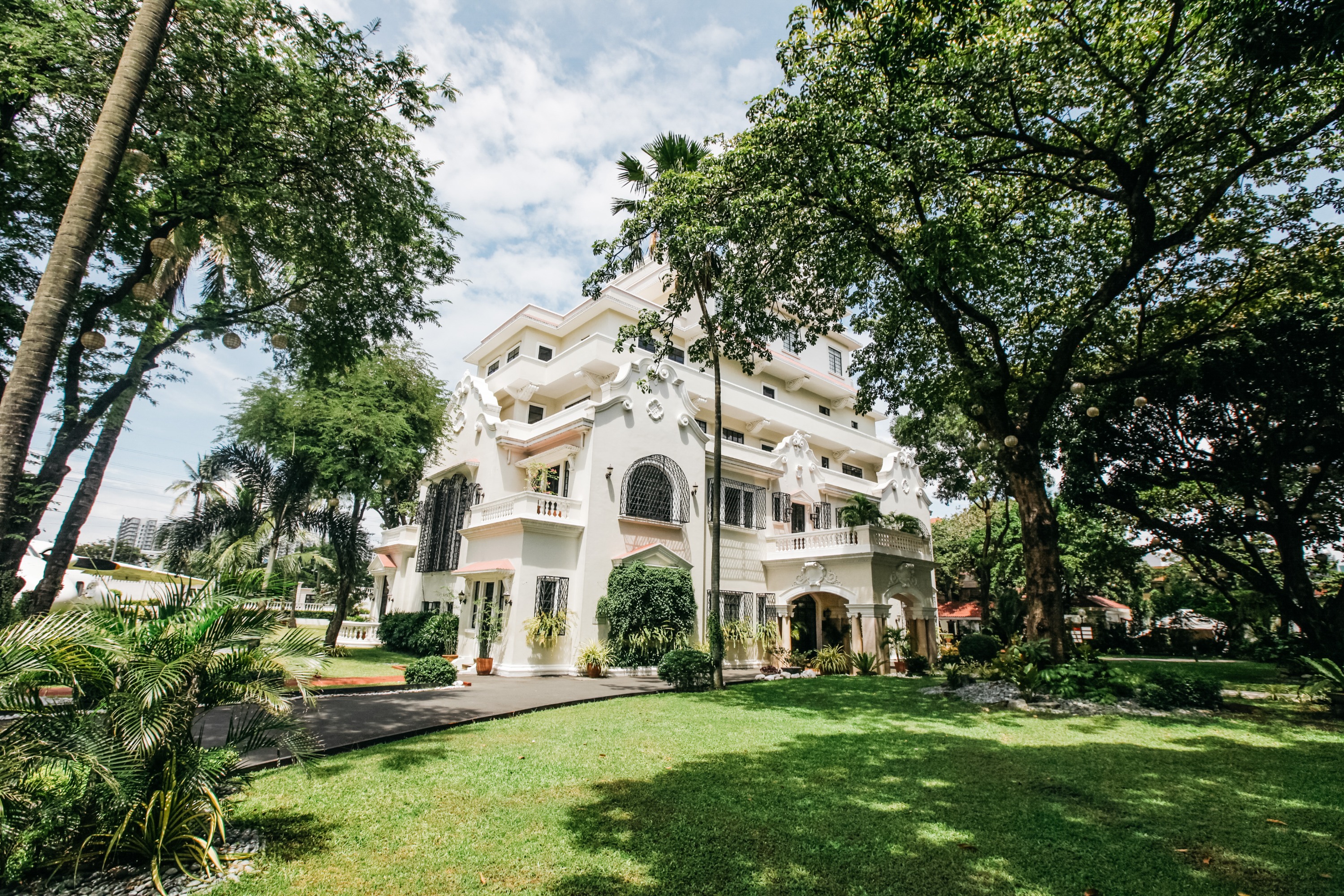
On this private visit to the historic center of Lucena, we will tour some of the most emblematic places of what was known as the Pearl of Sephard. The itinerary begins at the castle of Moral, where we will discover its Arab origins and its later Christian conquest. Nearby, the Spanish Steps and the Church of St. Matthew will reveal the Hebrew footprint of the city, as this temple was built on an ancient synagogue.
The walk continues through the palace of the Counts of Santa Ana, a magnificent example of 18th century civil architecture, and through the exteriors of the Casa de los Moras. Throughout the tour, we will also learn about the cultural traditions of Lucena, such as its Holy Week, as well as the importance of flamenco and fandango in local identity.
Available options
Private Tour Historic Center of Lucena - Sephardic Pearl
What's included
Official accredited guide
Detailed itinerary
1
Find your guide at the Castle of Morality, a fortress of Arab origin converted after the Christian conquest. It houses stories of defense and conquest, and is one of the most outstanding heritage symbols of Lucena (OUTDOOR).
2
Central space of the city, historical and current meeting point. From here you can see some of the most significant buildings in the old town.
3
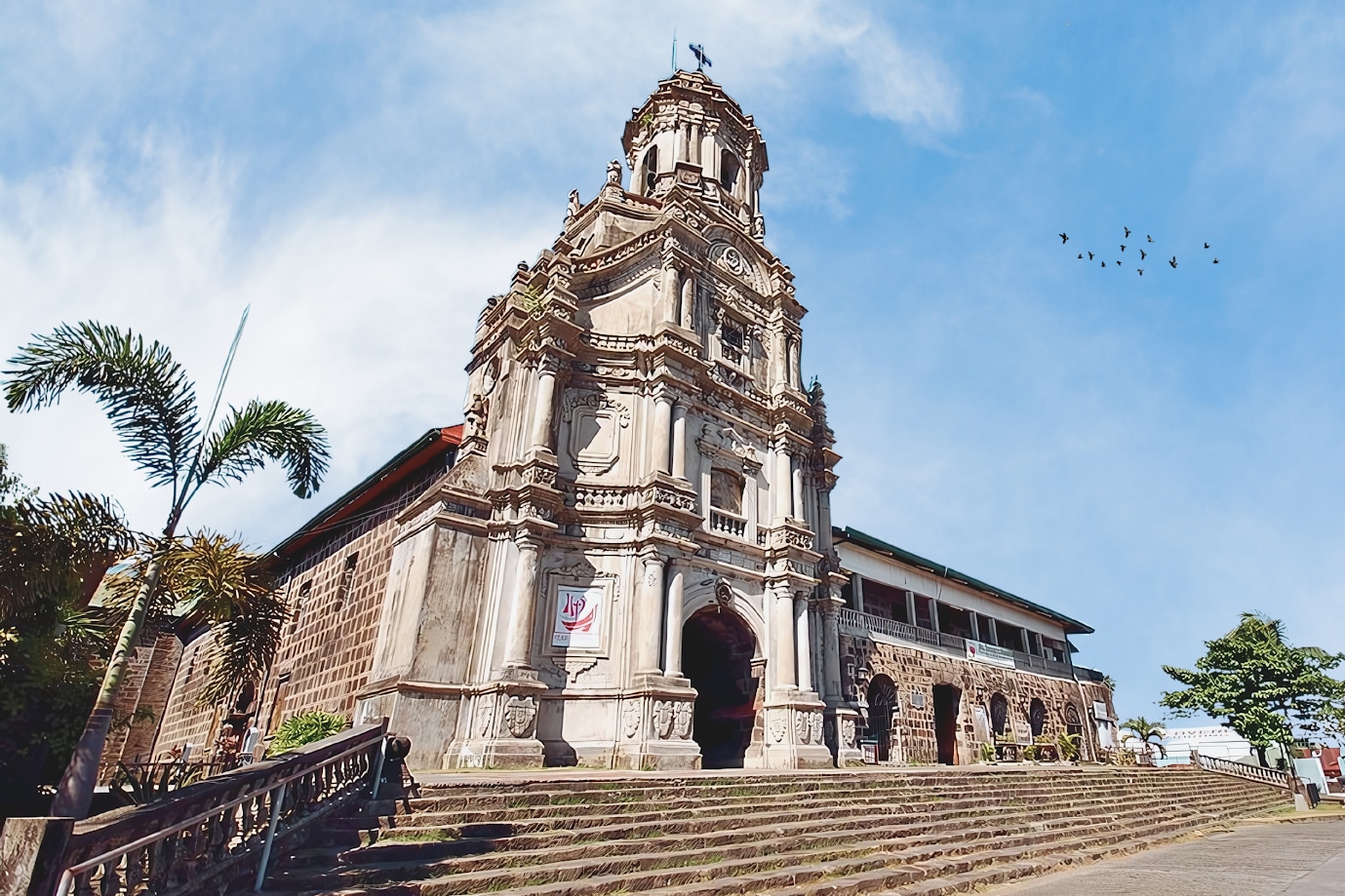
Raised on the remains of an ancient synagogue, it reflects the religious and cultural transformation of Lucena. Its monumental style preserves the memory of the local Hebrew community (OUTDOORS).
4
Signature example of 18th century civil architecture. With its elegant façade and interior courtyards, it shows the splendor of Lucentine (OUTDOOR) nobility.
5
Historic building that testifies to the stately and urban life of the city. Although visited from the outside, its presence recalls the local architectural tradition (OUTDOORS).
What's not included
Gratuities
Meals
Available languages
Guide guide
EN
ES
Important information
Infants and small children can ride in a pram or stroller
Service animals allowed
Public transportation options are available nearby
Suitable for all physical fitness levels
Meeting point
Find your guide in the Plaza de Archidona, between the Municipal Abastos Market and the castle. Your guide will wear an identifying pendant with your name on it.
About Andalusia
Andalusia is a vibrant region in southern Spain known for its rich history, stunning architecture, and diverse landscapes. From the whitewashed villages of the countryside to the bustling streets of Seville and Granada, Andalusia offers a unique blend of cultural heritage and natural beauty.
Top Attractions
Alhambra
A stunning palace and fortress complex in Granada, the Alhambra is a masterpiece of Islamic architecture and a UNESCO World Heritage Site.
Historical/Architecture
3-4 hours
€14-22 (varies by season and ticket type)
Seville Cathedral and Giralda Tower
The largest Gothic cathedral in the world, Seville Cathedral is a must-visit for its stunning architecture and the famous Giralda Tower.
Historical/Religious/Architecture
1-2 hours
€11 (includes tower access)
Ronda
A picturesque town perched on a cliff, Ronda is famous for its dramatic views, historic bullring, and ancient bridge.
Historical/Nature/Architecture
Half-day to full day
Free to explore, €7 for bullring entry
Must-Try Local Dishes
Gazpacho
A cold soup made from tomatoes, cucumbers, bell peppers, garlic, and olive oil, perfect for hot summer days.
Dish
Vegetarian, Vegan
Tortilla Española
A thick omelette made with eggs and potatoes, often served as a tapa or main dish.
Dish
Vegetarian (if no ham is included)
Pescaíto Frito
Fried small fish, a popular tapa in coastal areas.
Dish
Contains fish, not suitable for vegetarians or vegans
Popular Activities
Hiking in Sierra Nevada
White-water rafting in the Guadalquivir River
Horseback riding in the countryside
Beach relaxation in Costa del Sol
Spa treatments in Seville's historic baths
Wine tasting in Jerez
Flamenco shows in Triana
Visiting museums and galleries in Málaga
Best Time to Visit
March to May, September to November
Spring and autumn offer pleasant temperatures and fewer crowds, making it ideal for sightseeing and outdoor activities.
15-28°C
59-82°F
Practical Information
Language
- Official: Spanish
- Widely spoken: English (in tourist areas)
- English: Moderately spoken in tourist areas, limited elsewhere
Currency
Euro (EUR)
Time Zone
GMT+1 (CET), GMT+2 (CEST) during daylight saving time
Electricity
230VV, 50HzHz
Safety Information
Overall Safety Rating: Generally safe
Andalusia is generally safe for travelers, with low violent crime rates. However, petty crime such as pickpocketing can occur in tourist areas.
Important Precautions:
- • Keep valuables secure and out of sight
- • Be cautious of your surroundings, especially in crowded areas
- • Use official taxis or ride-sharing apps
Getting there
By air
- Seville Airport • 10 km from city center
- Málaga-Costa del Sol Airport • 8 km from city center
By train
Santa Justa Station, San Bernardo Station
By bus
Seville Bus Station, Málaga Bus Station
Getting around
Public transport
The metro system is efficient and covers most of the city. It's a convenient way to get around.
Taxis
Available • Apps: Cabify, Uber (in some cities)
Rentals
Car, Bike, Scooter
Neighborhoods
Santa Cruz
Triana
Day trips
Cádiz
120 km from Seville • Half-day to full day
One of the oldest cities in Western Europe, Cádiz offers a mix of history, beautiful beaches, and a vibrant atmosphere.
Córdoba
140 km from Seville • Full day
Córdoba is famous for its stunning Mezquita-Catedral, a UNESCO World Heritage Site that showcases the city's rich history.
Festivals
Feria de Abril (April Fair) • Two weeks after Easter (April)
Semana Santa (Holy Week) • March or April (dates vary)
Pro tips
- Visit the Alhambra early in the morning or late in the afternoon to avoid crowds and heat
- Explore the historic centers of Seville, Granada, and Córdoba on foot for the best experience
- Try local tapas and wines at traditional taverns and bodegas for an authentic Andalusian experience
- Attend a flamenco show in Triana or Sacromonte for a taste of Andalusia's unique music and dance
- Visit the whitewashed villages of the countryside, such as Ronda and Zahara de la Sierra, for a glimpse of traditional Andalusian life
From $25
per person
Price varies by option
Secure booking
Free cancellation available
Instant confirmation