Private Tour Ronda Historic Center with tickets included
Active
3h
For a full refund, cancel at least 24 hours before the scheduled departure time.
Instant confirmation
Mobile or paper ticket accepted
About this experience
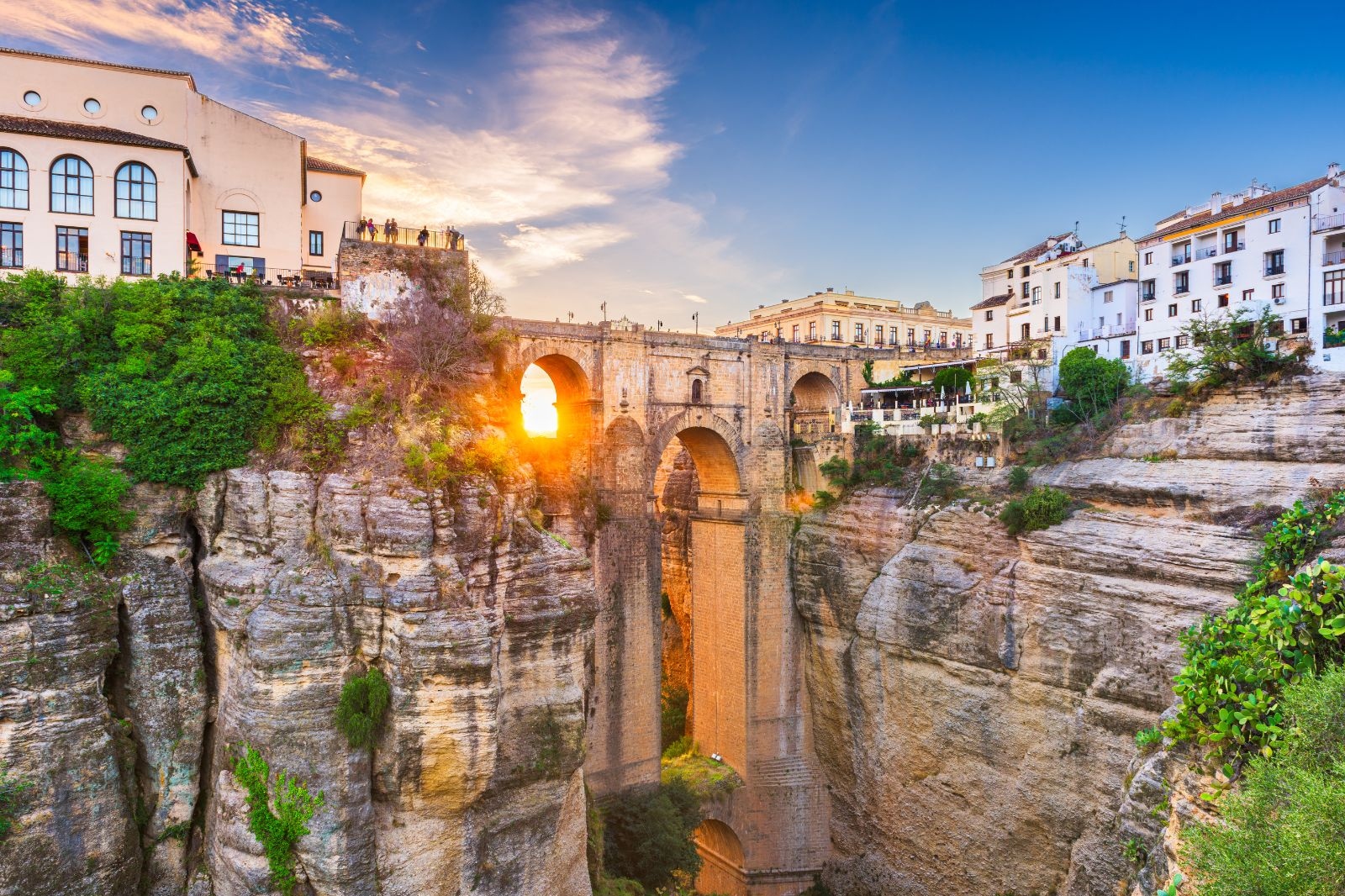
Ronda, in Andalusia, is famous for its stunning mountain landscape, historic heritage and iconic New Bridge, which crosses the Tagus de Ronda Canyon offering spectacular views. It is considered the birthplace of bullfighting and houses the Real Maestranza, one of the oldest bullrings in Spain. Other highlights include the Alameda del Tagus, the Palace of Mondragon, the church of Santa Maria Maggiore and the Casa del Rey Moro. Ronda is also known for its wine tradition, especially its red and sweet wines. Explore this dream city with an expert guide that will enrich your experience.
Available options
Private Tour Ronda Historic Center with tickets included
What's included
Guide service in Ronda for 3 hours
Tickets to the Bullring of Ronda
All Fees and Taxes
Tickets to the Church of Santa Maria Maggiore
Detailed itinerary
1
Stop 1
The Bullring of Ronda is one of the oldest and most famous in Spain. It is located in the city of Ronda, in the province of Málaga, and was inaugurated in 1785. Its architecture is neoclassical in style, with a two-storey structure of Doric columns surrounding the ring. It is known for its beauty and historical importance in bullfighting, as it has been the scene of numerous bullfights and cultural events. In addition, Ronda is famous for being the birthplace of the modern bullfighting technique, developed by figures such as Francisco Romero. Today, the square houses a bullfighting museum and remains an important cultural symbol of the city.
2
Stop 2
The Casa del Rey Moro de Ronda is an emblematic historic building dating back to the 18th century, although its origin dates back to Muslim times. It is located on a cliff above the Guadalevín River and is famous for its spectacular location and architecture. The house is known for its water mine, an ancient water access system that descends to the river, and which can be visited by going down a series of steep stairs. This system was key to the survival of the city during the Middle Ages. The building also has a beautiful garden and a series of rooms decorated in the Andalusian style, making it one of Ronda's main tourist attractions.
3
Stop 3
The Mondragon Palace of Ronda is one of the most representative buildings in the city, with a rich history that spans from Muslim to modern times. Originally built in the 14th century as a residence of the Nasrid Kings, the palace combines elements of Islamic and Renaissance architecture. For centuries, it was the residence of nobles and, in the 18th century, became a building of civil character. It stands out for its beautiful interior courtyards, with gardens and fountains, as well as its Islamic-style cisterns and vaults. Currently, it houses the Ronda Museum, where archaeological objects that narrate the history of the city from prehistory to the Modern Age are displayed. Mondragon Palace is a clear example of Ronda’s architectural evolution and an important tourist attraction.
4
Stop 4
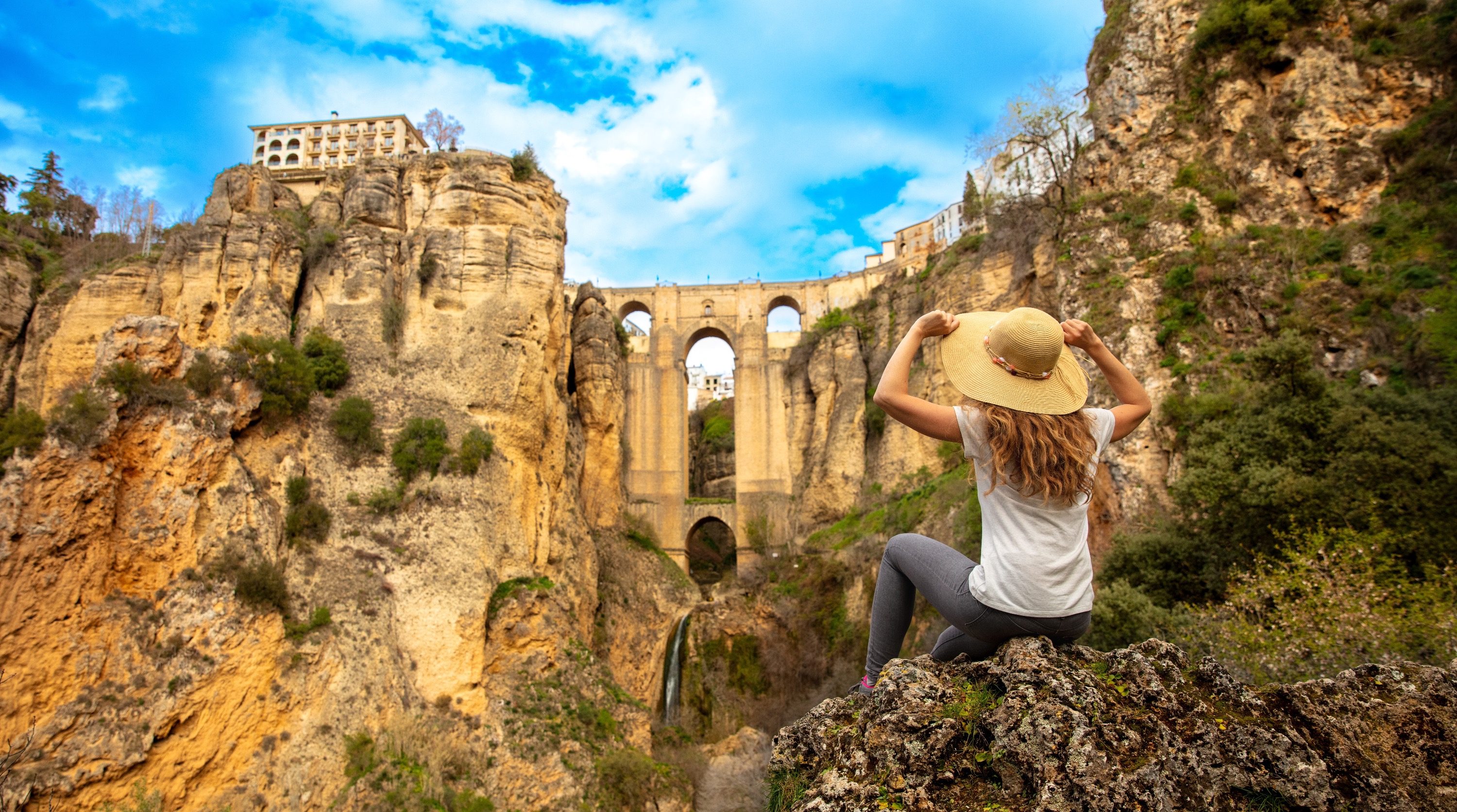
The Tagus of Ronda is an impressive natural gorge that divides the city of Ronda into two parts, and is one of the main tourist attractions of the town. This cliff about 100 meters high offers spectacular views of the city, the Guadalevín River and the surrounding landscapes. The Tagus has been a key geological formation in Ronda's history, serving as a natural defense during Muslim times. On the edge of the Tagus is the famous New Bridge, which connects the two parts of the city and allows you to admire the canyon from its top. In addition, the area offers several viewpoints and paths that allow you to explore the beauty of this unique place.
5
Stop 5
The Church of Santa Maria Maggiore in Ronda is one of the main religious monuments of the city. It is located in the historic center, in what was originally a major mosque after the conquest of Ronda by the Catholic Monarchs in 1485. Its construction began in the 16th century and combines Gothic-Mudejar, Renaissance and Baroque styles. It stands out for its imposing facade, its impressive interior with a central nave and a series of chapels, and its Baroque-style main altar. The church also houses several works of art, including altarpieces and sculptures, and is a symbol of Ronda's religious and historical heritage.
6
The Old Bridge of Ronda, also known as San Miguel Bridge, is one of the oldest and most emblematic bridges in the city. It was built in the 16th century, on the Guadalevín River, and connects the ancient city with the San Miguel neighborhood. Unlike the famous New Bridge, the Old Bridge has a more modest but equally impressive design, with a half-point arch structure that fits the mountainous landscape of the area. It is a point of great historical and visual value, offering beautiful views of both the river and the cliffs surrounding the city. Over the centuries, the bridge has witnessed important moments in Ronda’s history and remains an essential tourist attraction.
7
Stop 7
The New Bridge of Ronda is one of the most iconic monuments in the city and one of the most impressive bridges in Spain. Opened in 1793, it connects the old part of Ronda with the new, crossing the deep Tagus Gorge. With a height of 98 meters above the Guadalevín River, it is famous for its structure of three large arches and its robustness. The bridge was designed by architect José Martín de Aldehuela and took nearly 40 years to build. In addition to its architectural value, the New Bridge offers spectacular views of the Tagus Canyon and has become a symbol of Ronda, being one of the most visited tourist destinations in the city.
8
The Puerta de Almocábar is one of the main gateways to Ronda’s old town and an important vestige of medieval times. Built in the 11th century during Muslim rule, this gate was part of the city walls, designed to protect it from possible invasion. Its name comes from the Arabic word "almocábar", meaning cemetery or resting place, as it was located near an ancient Muslim cemetery. The door features an Islamic style with defensive elements, such as an architrave and a crenellated tower. Today, the Almocábar Gate is one of the most representative points of medieval Ronda history, and your visit offers a fascinating tour of the wall that surrounded the city in Islamic times.
What's not included
Lunch
Dinner
Tips
Private transportation
Available languages
Guide guide
EN
FR
ES
Important information
Wheelchair accessible
Infants and small children can ride in a pram or stroller
Service animals allowed
Public transportation options are available nearby
Suitable for all physical fitness levels
Meeting point
At the front door of the hotel
About Malaga
Malaga is a vibrant coastal city in southern Spain, known for its rich history, beautiful beaches, and as the birthplace of Pablo Picasso. The city blends modern attractions with historic sites, offering a unique mix of culture, gastronomy, and Mediterranean charm.
Top Attractions
Alcazaba of Malaga
A stunning Moorish fortress with beautiful gardens and panoramic views of the city.
Historical
1-2 hours
€3.50
Picasso Museum
Dedicated to the works of Pablo Picasso, who was born in Malaga.
Museum
1-2 hours
€8
Malaga Cathedral
A beautiful Renaissance cathedral known as 'La Manquita' due to its incomplete second tower.
Historical
30-60 minutes
€5.50
Malagueta Beach
A popular urban beach with a lively atmosphere and clear waters.
Beach
Half day or more
Free
Roman Theatre
Ancient Roman theatre dating back to the 1st century AD, located near the Alcazaba.
Historical
30-60 minutes
€2 (combined ticket with Alcazaba)
Must-Try Local Dishes
Espeto de Sardinas
Grilled sardines skewered on bamboo sticks and cooked over an open fire.
Dinner
Contains fish
Porra Antequerana
A thick, cold tomato soup similar to gazpacho, topped with fried egg and ham.
Lunch
Can be made vegetarian
Ajoblanco
A cold almond and garlic soup, often served with grapes or melon.
Lunch
Vegan
Tortillita de Camarones
A crispy fritter made with shrimp, flour, and water.
Snack
Contains seafood
Popular Activities
Hiking in the nearby mountains
Scuba diving in the Mediterranean
Sunbathing at Malagueta Beach
Spa treatments at luxury hotels
Visiting museums and historic sites
Attending local festivals
Boat tours along the coast
Jet skiing and water sports
Best Time to Visit
March to May, September to October
These months offer pleasant weather and fewer crowds, ideal for sightseeing and beach activities.
18°C to 28°C
64°F to 82°F
Practical Information
Language
- Official: Spanish
- Widely spoken: English, French
- English: Moderately spoken
Currency
Euro (EUR)
Time Zone
GMT+1 (CET), GMT+2 (CEST) during daylight saving time
Electricity
230VV, 50HzHz
Safety Information
Overall Safety Rating: Generally safe
Malaga is generally safe for tourists, with low violent crime rates. However, petty crime like pickpocketing can occur in crowded areas.
Important Precautions:
- • Keep valuables secure in crowded areas
- • Use licensed taxis or ride-sharing apps
- • Be cautious of distractions and scams
Getting there
By air
- Malaga-Costa del Sol Airport • 8 km from city center
By train
María Zambrano Station
By bus
Estación de Autobuses de Málaga
Getting around
Public transport
EMT buses are efficient and affordable, covering most of the city and nearby areas.
Taxis
Available • Apps: Free Now, Cabify
Rentals
Car, Bike, Scooter
Neighborhoods
Centro
Soho
La Malagueta
El Palo
Day trips
Ronda
100 km • Full day
A stunning mountain town known for its dramatic cliffs and historic bullring.
Nerja
50 km • Half day or full day
A charming coastal town with beautiful beaches and the famous Caves of Nerja.
Gibraltar
120 km • Full day
A British Overseas Territory known for the Rock of Gibraltar and its unique wildlife.
Festivals
Feria de Málaga • Mid-August
Semana Santa • March or April (Holy Week)
Noche en Blanco • June
Pro tips
- Visit the Alcazaba early in the morning to avoid crowds and heat
- Try local street food like espeto de sardinas for an authentic experience
- Explore the Soho district for its vibrant street art and creative scene
- Take a day trip to nearby towns like Ronda or Nerja for a change of pace
- Use the Malaga Tourist Card for discounts on attractions and transport
From $25
per person
Price varies by option
Secure booking
Free cancellation available
Instant confirmation