Walking Tour and Enchanting Gondola Journey in Venice
Active
2h
For a full refund, cancel at least 24 hours before the scheduled departure time.
Instant confirmation
Mobile or paper ticket accepted
About this experience
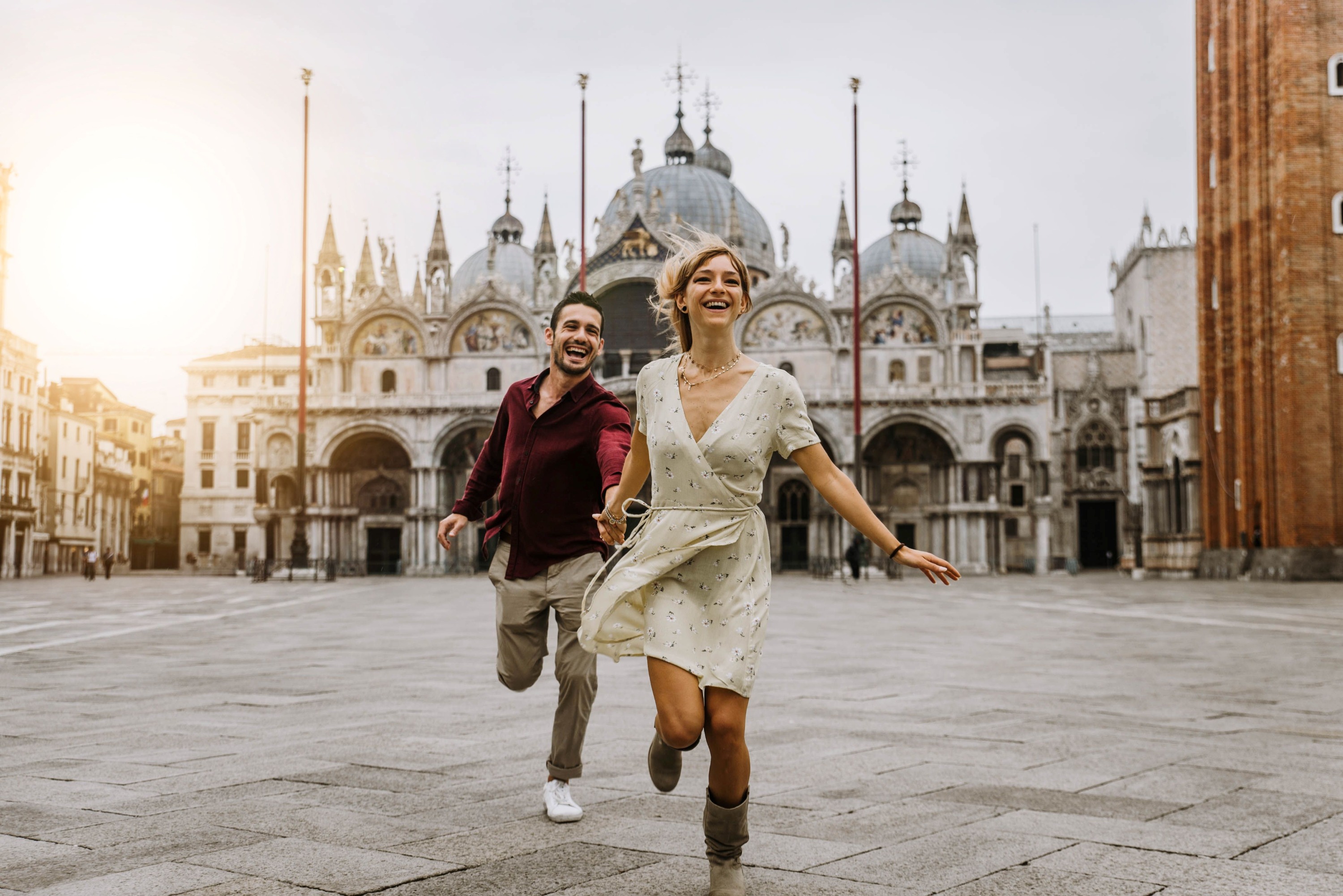
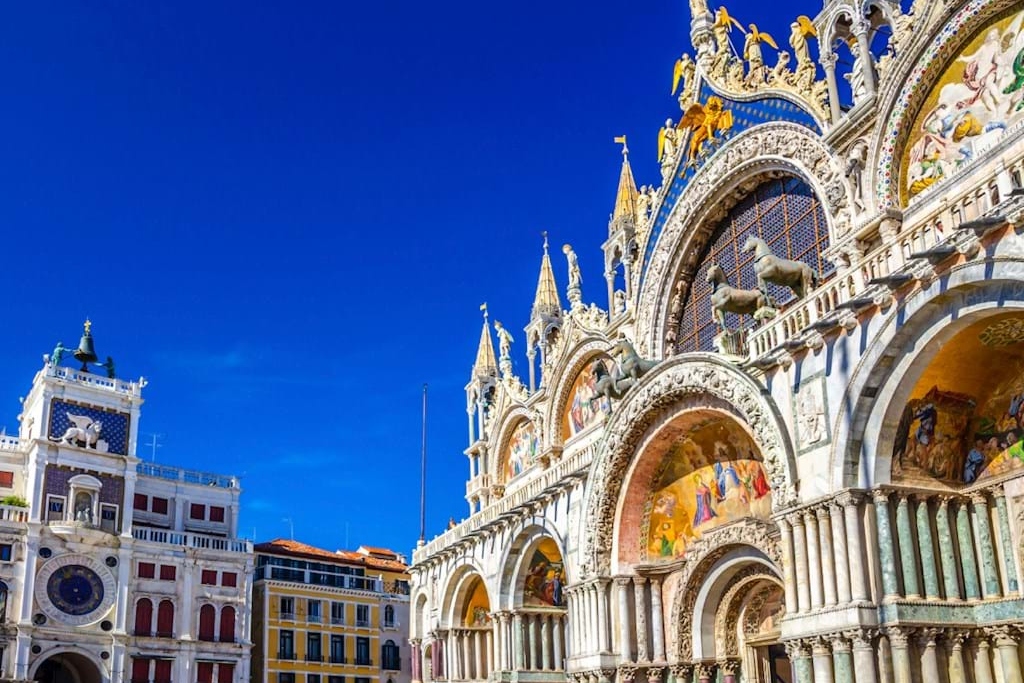
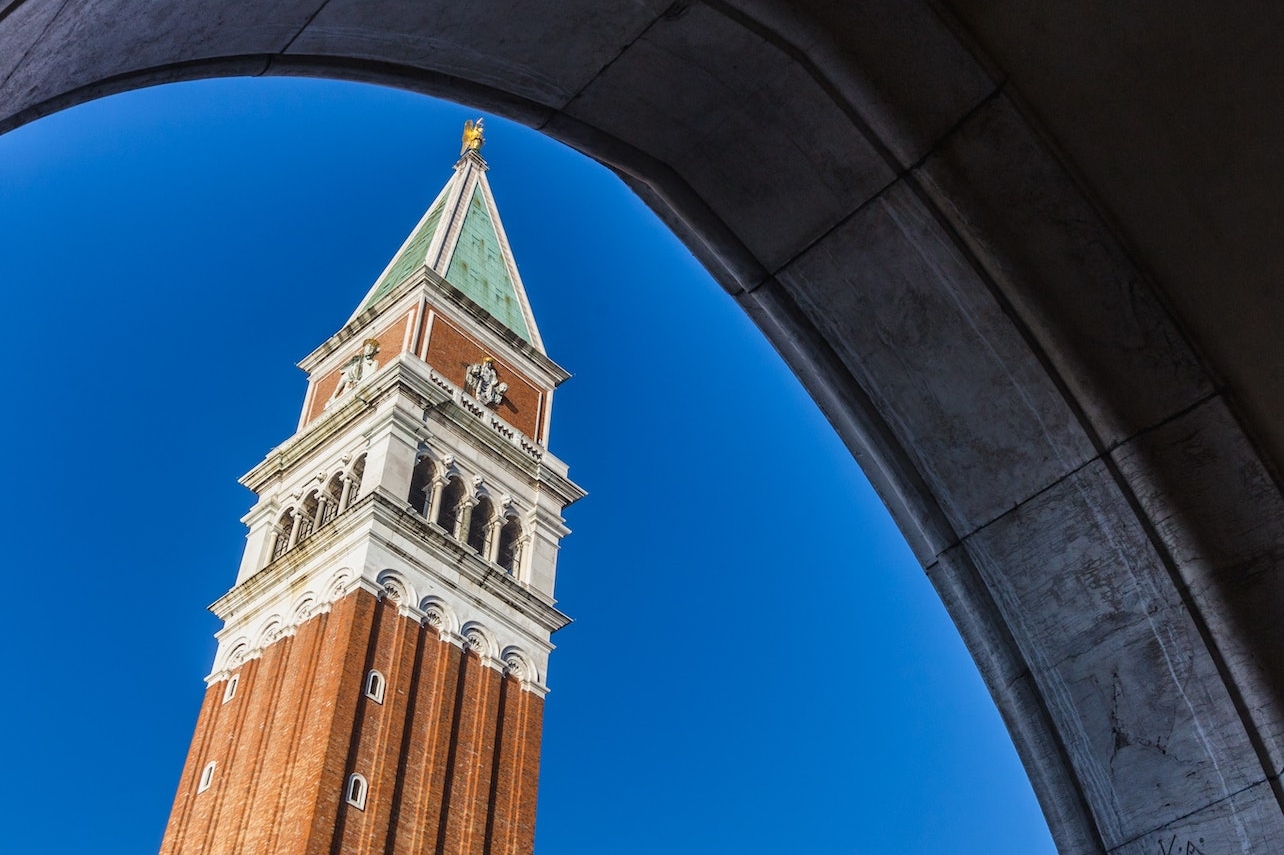
Embark on a captivating journey through St. Mark's Square, where architectural wonders like the illustrious St. Mark's Basilica, the opulent Doge's Palace, and the time-defying renaissance clock tower await your exploration. Venture into the exquisite residential realm of Castello, a labyrinth of beguiling bridges, enchanting alleyways, and idyllic squares that beckon your discovery.
Unveil the treasures of campo Santa Maria Formosa and the storied campo San Giovanni & Paolo, where the majestic Basilica and the hallowed resting grounds of Venetian doges reside. Our erudite guide will regale you with historical chronicles, architectural spectacles, and enthralling tales from both Venice's storied past and its vibrant contemporary pulse.
The culmination of our walking odyssey graces St. Mark's Square once again, leading you through the bustling thoroughfare of Mercerie—a nexus of commerce connecting the iconic Rialto and San Marco.
Available options
Walking Tour and Enchanting Gondola Journey in Venice
What's included
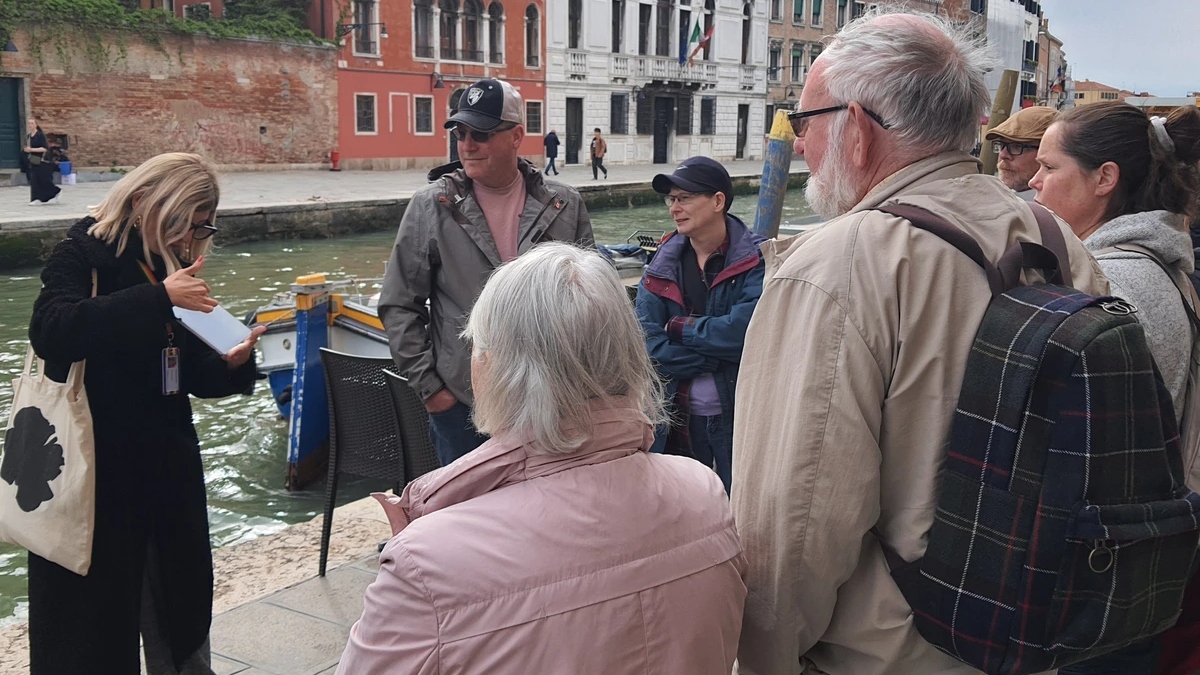
Set forth on a guided stroll through Saint Mark's Square and the Castello areas.
Leverage a private audio setup and headset for insightful tour narration.
Tours available in English
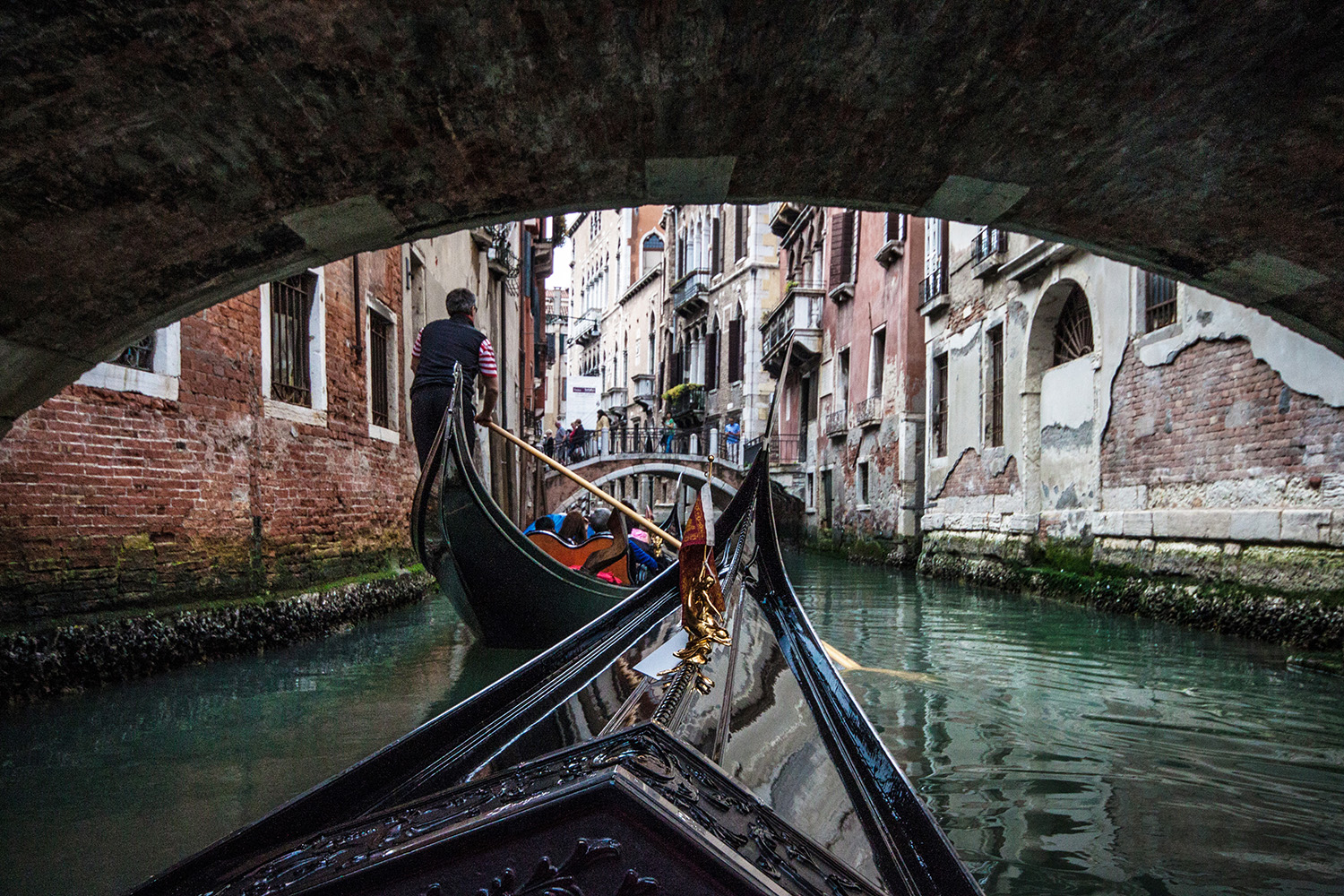
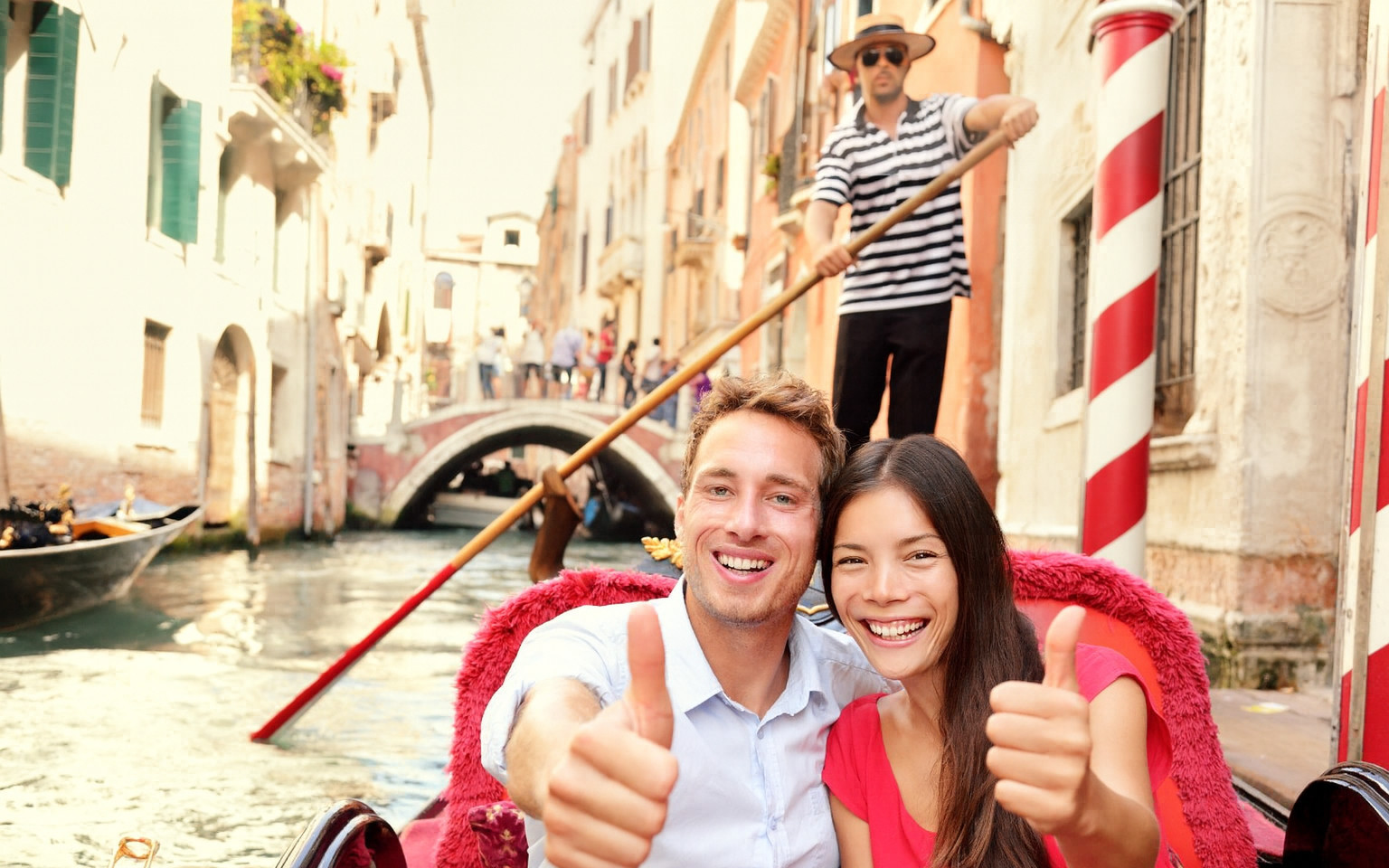
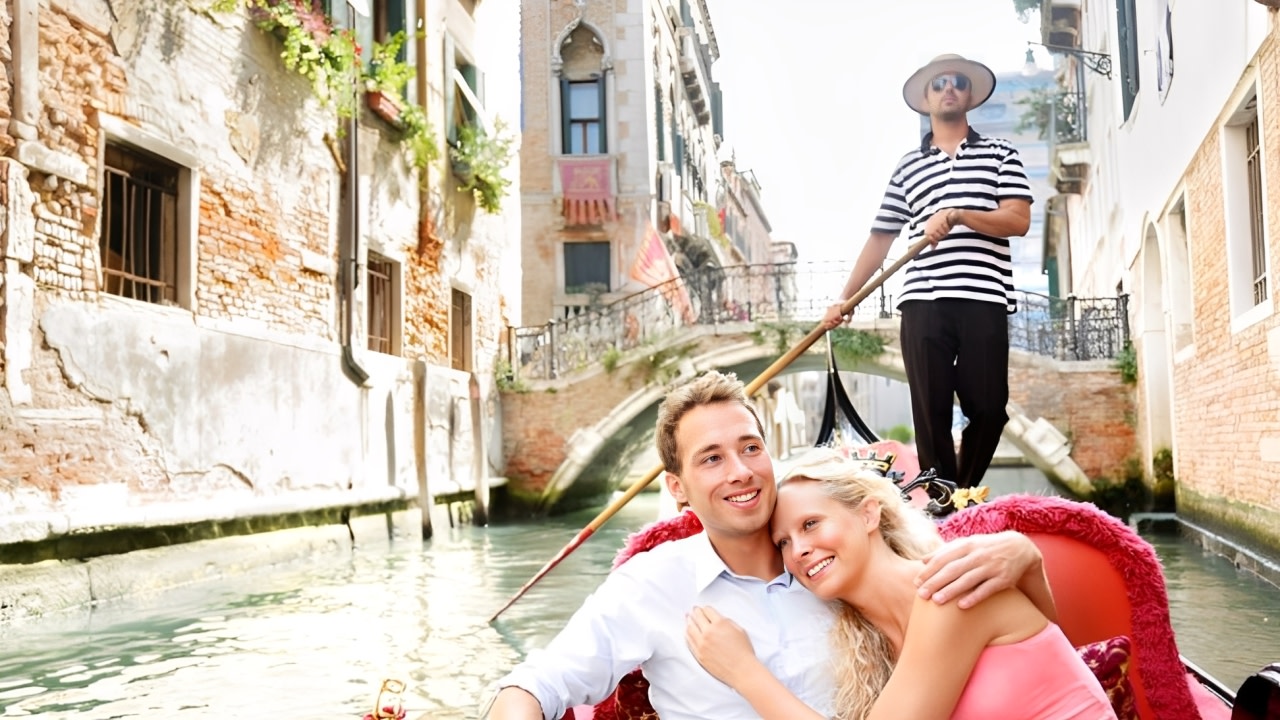
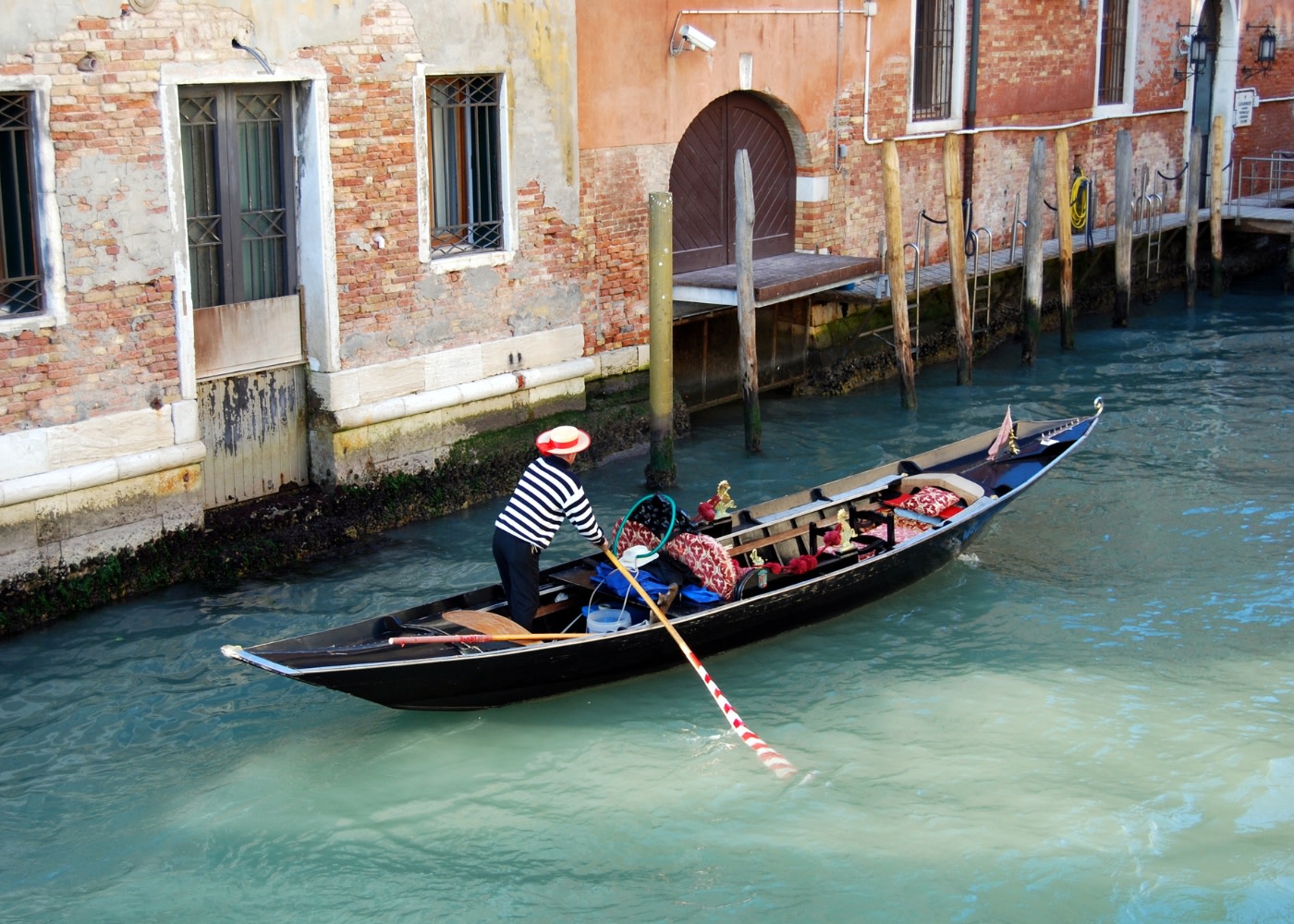
Savor a 30-minute shared Gondola experience, skillfully guided by a Gondolier.
Detailed itinerary
1
Stop 1
Embark on a journey of exploration as you navigate the hidden alleys and charming squares nestled between St. Mark's Square and the iconic Rialto Bridge. Your adventure sets off from Campo San Moisè, an enchanting starting point adjacent to St. Mark's Square, immersing you in the rich tapestry of the city's history. Accompanied by your knowledgeable guide, wind your way through a labyrinth of narrow passages and picturesque campi, all while gaining insights into Venice's past, captivating anecdotes, and the unique local Venetian dialect.
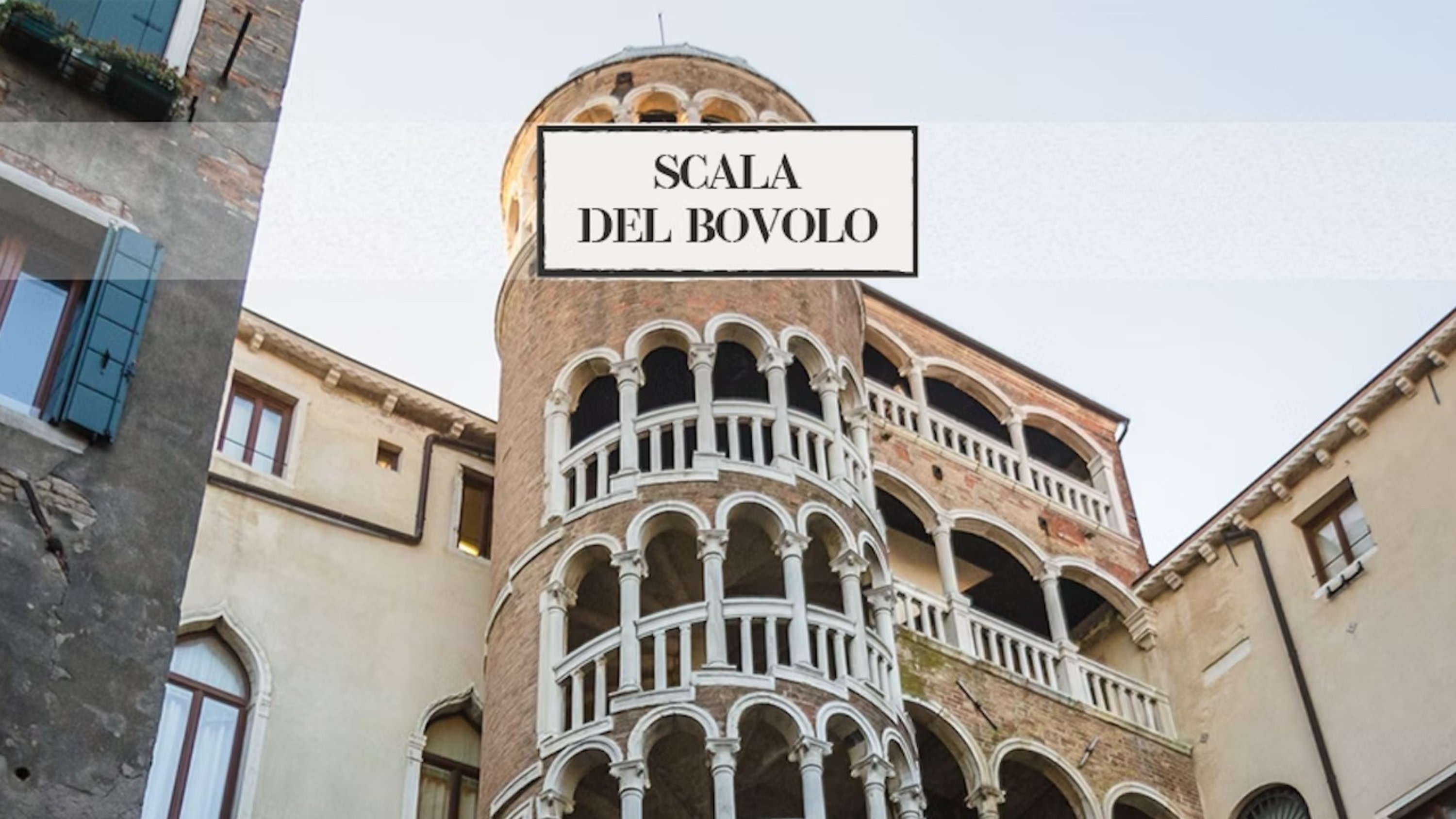
Take a moment to pause before the magnificent La Fenice opera house, and peel back the layers of its captivating yet tumultuous history. Marvel at the Bovolo Staircase, an exquisite masterpiece of the Renaissance era and one of Venice's crowning architectural jewels.
2
Stop 2
Nestled in the heart of Venice, Italy, lies the picturesque square of Santa Maria Formosa, an enchanting destination celebrated for its historical resonance and captivating ambiance. Commanding the square's center is the awe-inspiring Santa Maria Formosa Church, a masterpiece of architecture that traces its origins to the 15th century. The church's façade harmoniously blends elements of Byzantine and Renaissance styles, offering a mesmerizing visual feast for those who venture close.
Bounded by graceful edifices and labyrinthine alleyways, Santa Maria Formosa emanates the quintessential allure of Venetian charisma, providing a serene sanctuary from the city's animated tempo. It beckons travelers to indulge in leisurely explorations, immersing themselves in the local spirit while savoring the distinctive allure of Venice.
3
Stop 3
The Grand Canal in Venice finds its emblematic crossing in the form of the Rialto Bridge—a timeless structure that unites the districts of San Marco and San Polo. Characterized by its graceful arches and flanked by quaint shops, the bridge stands as a testament to Venetian aesthetics and a repository of historical narratives. This architectural marvel, harking back to the 16th century, claims its place as one of Venice's eldest and most renowned bridges, magnetizing globetrotters from every corner of the map.
From the vantage point of the Rialto Bridge, beholders are treated to panoramic vistas of the canal's sinuous course and the vivacious theater of gondolas and vessels plying its waters. As it has through the ages, the bridge persists as an emblem of Venice's storied legacy, extending an irresistible invitation to those journeying through the city's enchanting maze—a visit rendered indispensable for any who wish to immerse themselves in the city's allure.
4
Stop 4
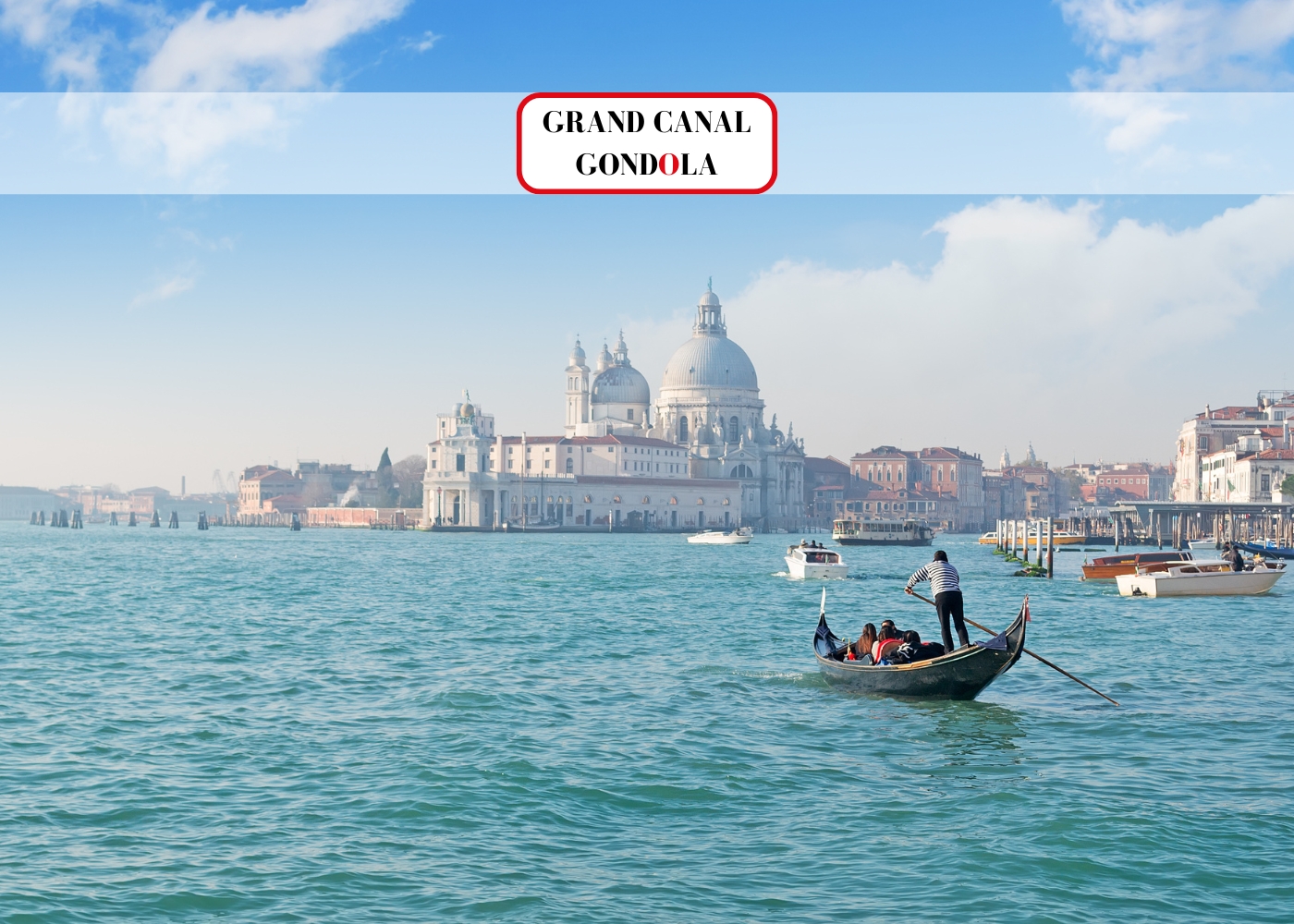
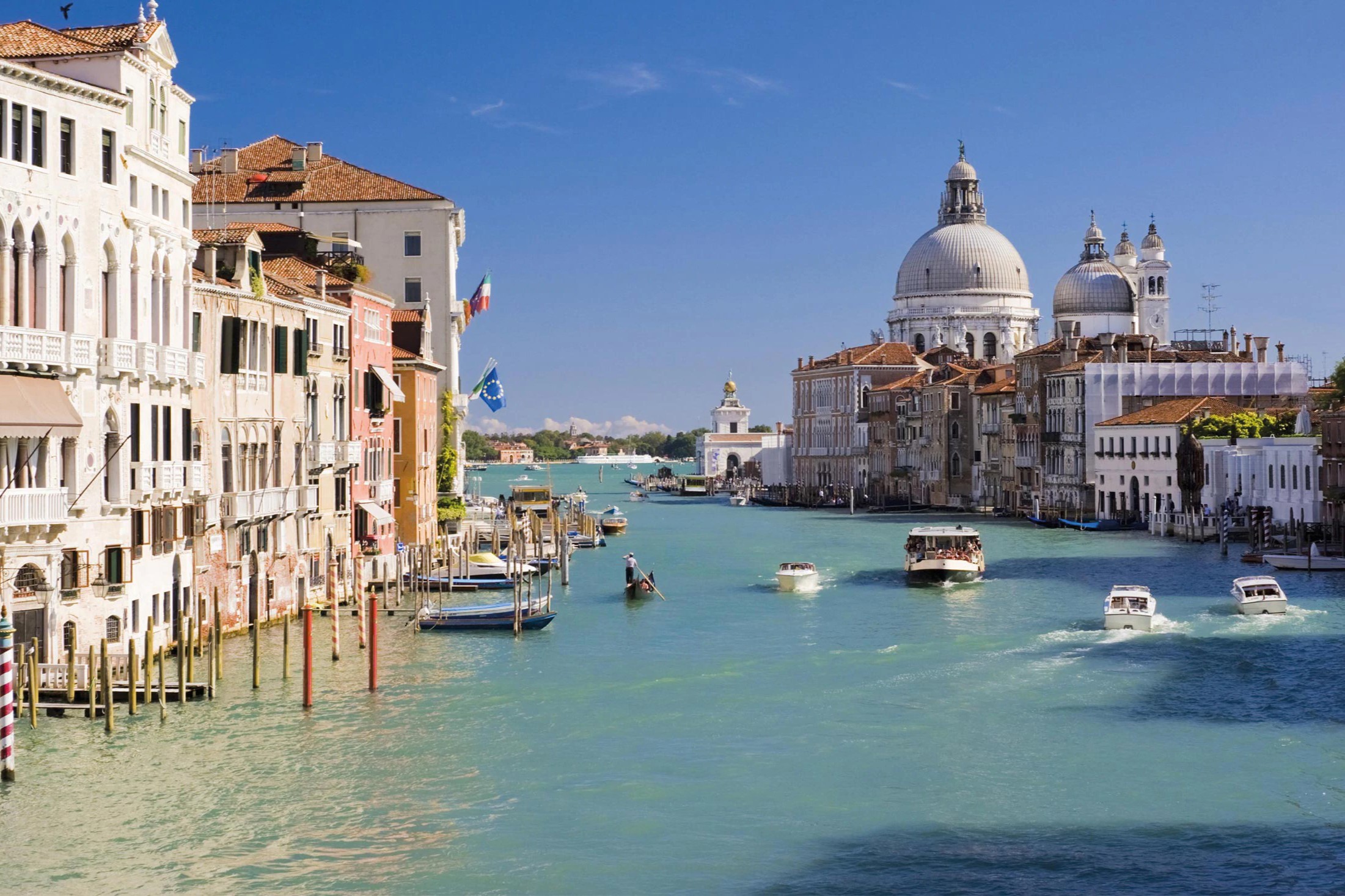
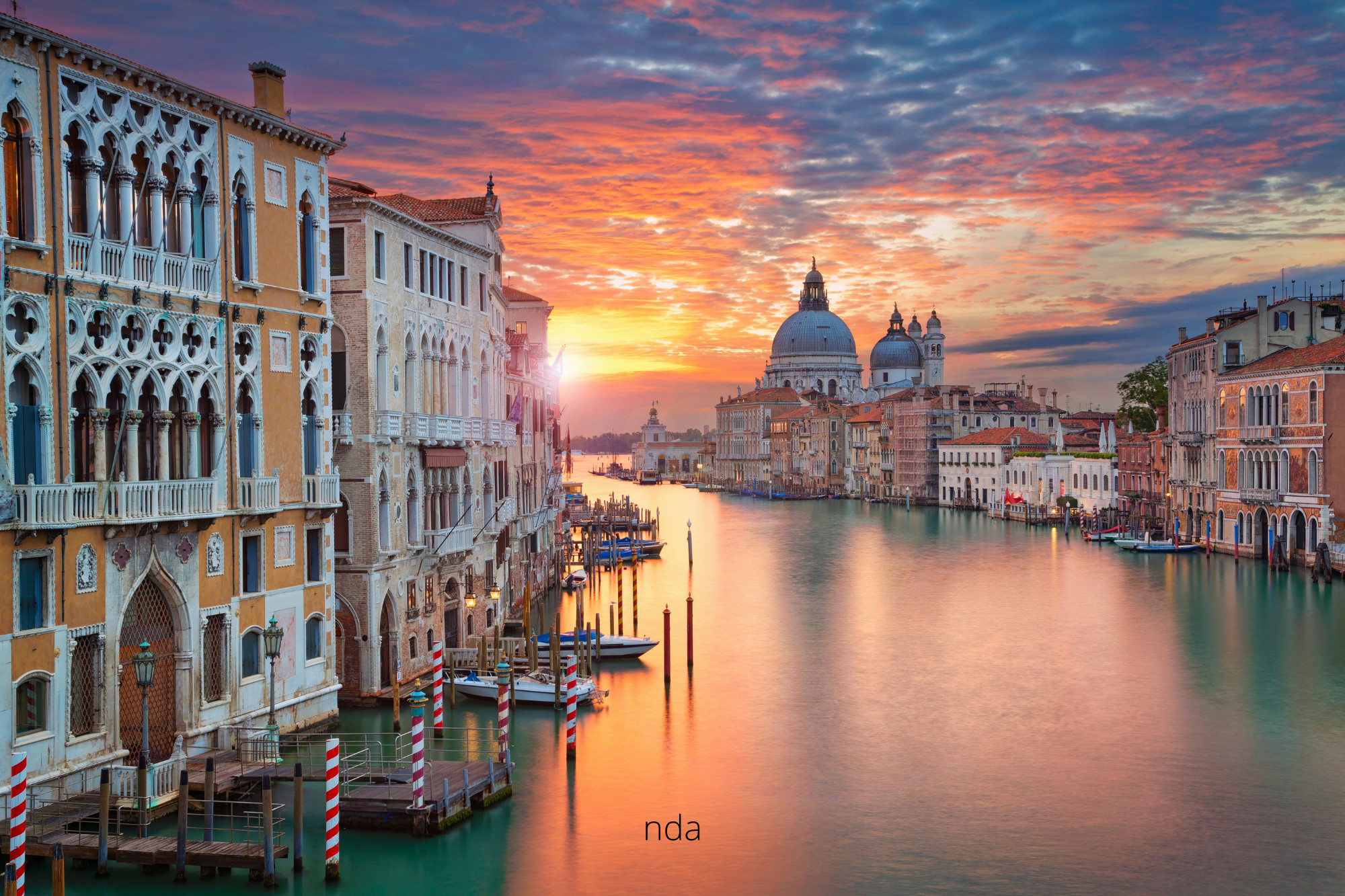
Meandering at the heart of Venice, the Grand Canal presents an awe-inspiring spectacle. Stretching across more than 2 miles, its sinuous form resembles a mirrored "S," a waterborne thread that stitches the city together, introducing mesmerizing neighborhoods and showcasing Venice's architectural splendors.
Set forth on an odyssey along the Grand Canal and bear witness to the opulence of palaces, churches, and edifices that grace its shores. Allow their intricate forms to capture your gaze, their façades adorned with a palette of hues and intricate flourishes, each an embodiment of Venetian heritage and cultural opulence spanning ages.
While you glide upon the canal's glistening surface, soak in the vibrant cadence of Venetian existence. Appreciate the poetic ballet of gondolas and vaporettos, gracefully navigating the waterway, their journeys serving as a conduit for both residents and wanderers, immersing you in the rhythm of daily life on Venice's liquid streets.
5
Stop 5
Pass by
During the latter part of the 18th century, Venice showcased a constellation of seven age-old theaters, two dedicated to theatrical performances and the remainder exclusively to musical showcases. Among these illustrious establishments, the Teatro San Benedetto emerged as the pinnacle of opulence, nestled near the expanse of Campo San Luca. Its inception in 1755 was attributed to the visionary Grimani family, although subsequently, ownership transitioned to the Noble Society of Boxholders. A twist of fate, as embodied in a judicial accord of 1787, led to the society's eviction, compelling them to relinquish the theater to the Venier nobles, who claimed the very ground on which the edifice stood. Faced with this juncture, the society embarked on an ambitious endeavor—to construct a novel, more splendid theater, christened the Gran Teatro La Fenice, reminiscent of the mythical, ever-regenerating bird recounted in Herodotus' Histories.
6
Evidences of bygone horticultural activities or expanses of lush vegetation are etched into the toponymic fabric of the cityscape, manifesting across various corners of the urban expanse. Among these vestiges, we can cite the campi, campazzi, and grass-covered courtyards, as well as the calluses of the fig trees.
The earliest documented record of the Rio dell'Alboro traces back to the year 1696, while the Rio de le Ostreghe emerges in the subsequent century. It is plausible that a vendor of these delectable marine treasures once plied their trade nearby. The cultivation of such seafood enjoyed a significant surge, particularly in the initial decades of the 19th century, leaving an enduring mark, as exemplified by the ostregheri canal, now known as the Canale dei Lavraneri, in the Sacca Fisola district.
What's not included
Transport
Food
Drinks
Available languages
Guide guide
EN
Reviews breakdown
Viator
3.0
4 reviews
5★
1
4★
0
3★
1
2★
2
1★
0
Tripadvisor
4.8
12 reviews
5★
10
4★
2
3★
0
2★
0
1★
0
Important information
Public transportation options are available nearby
Infants are required to sit on an adult’s lap
Suitable for all physical fitness levels
IMPORTANT: The tour is not private, it is a shared tour
Each gondola can accommodate a maximum of 5 individuals.
The gondola ride is not private but is shared with other participants.
The seat on the gondola cannot be chosen but will be assigned by our gondolier
Children up to 3 years old do not pay, only if they do not occupy a seat on the gondola
The itinerary is subject to change in case of inclement weather.
When you book, pass us your whatsapp number, we will send you a voucher, via whatsapp, which you must present on the day of the tour.
Once you arrive at the meeting point, you must enter the Aliguna Ticket Office, show the voucher, which we will send you via whatsapp, and receive the tickets. If you have any doubts, you can ask our desk colleagues.
Important, we ask you to arrive 20 minutes before the departure of the tour, rightly so because you have to show your voucher at the ticket office, and receive the tickets from our colleagues
If the gondola tour is canceled due to bad weather, the customer will receive a refund of 30 euro per person.
The gondola tour has a maximum capacity of 5 people, the walking tour up to 15 people
On certain dates, most travelers staying outside of Venice who are planning to visit for the day will be required to pay a €5 access fee. For further details (including exemptions) and to learn what days this fee is applicable, please visit: https://cda.ve.it
Meeting point
The meeting point is in SAN MARCO GIARDINETTI c/o ALILAGUNA TICKET COUNTER IN FRONT ILLY CAFFE 5 minutes before the departure of the tour.
Once you arrive at the meeting point, you must enter the Aliguna Ticket Office, show the voucher, which we will send you via whatsapp, and receive the tickets.
Important notes
When you book, pass us your whatsapp number, we will send you a voucher, via whatsapp, which you must present on the day of the tour.
About Venice
Venice is a unique and enchanting city built on more than 100 small islands in a lagoon in the Adriatic Sea. Known for its canals, gondolas, and stunning architecture, Venice is a UNESCO World Heritage site and a must-visit destination for its rich history, art, and culture. The city offers a romantic and timeless atmosphere that captivates visitors from around the world.
Top Attractions
St. Mark's Basilica
A stunning Byzantine cathedral known for its opulent design, golden mosaics, and historical significance. It is one of the most iconic landmarks in Venice.
Historical/Religious
1-2 hours
Free entry, €3 for museum and treasury
Doge's Palace
A masterpiece of Gothic architecture, the Doge's Palace was the residence of the Doge of Venice and the seat of Venetian government. It offers a glimpse into the city's political and cultural history.
Historical/Architecture
1-2 hours
€25 for standard ticket, €30 for Secret Itineraries Tour
Rialto Bridge
The oldest and most famous of Venice's four bridges spanning the Grand Canal, the Rialto Bridge is an iconic symbol of the city.
Architecture
30 minutes
Free
Grand Canal
The main waterway of Venice, the Grand Canal is lined with beautiful palaces, churches, and historic buildings. A vaporetto ride along the canal offers stunning views.
Nature/Scenic
30-60 minutes
€7.50 for a vaporetto ticket
Murano
An island famous for its glass-making tradition. Visitors can watch artisans at work and purchase unique glass souvenirs.
Cultural/Historical
Half-day
Free to explore, €10 for museum
Burano
A colorful island known for its lace-making tradition and picturesque houses. Burano is a charming and photogenic destination.
Cultural/Scenic
Half-day
Free to explore, €5 for lace museum
Must-Try Local Dishes
Risotto al Nero di Seppia
A risotto made with cuttlefish ink, giving it a distinctive black color and rich, briny flavor.
Main Course
Contains seafood, not suitable for vegetarians or those with seafood allergies.
Sarde in Saor
Sweet and sour sardines marinated with onions, raisins, pine nuts, and vinegar.
Appetizer
Contains fish, not suitable for vegetarians.
Bigoli in Salsa
Pasta with a sauce made from anchovies, onions, and breadcrumbs.
Main Course
Contains fish, not suitable for vegetarians.
Frito Misto
A mix of fried seafood and vegetables, including shrimp, squid, and zucchini.
Appetizer
Contains seafood, not suitable for vegetarians.
Popular Activities
Kayaking in the canals
Cycling on Lido di Venezia
Hiking in the Venetian Lagoon
Sunbathing on Lido di Venezia
Enjoying a gondola ride
Visiting a spa or wellness center
Attending a concert or opera
Visiting museums and galleries
Best Time to Visit
April to June, September to October
These months offer pleasant weather and fewer crowds compared to the summer peak. The city is vibrant with events and festivals, and the temperatures are comfortable for exploring.
15°C to 28°C
59°F to 82°F
Practical Information
Language
- Official: Italian
- Widely spoken: English, French, German
- English: Widely spoken in tourist areas, moderately spoken in local areas
Currency
Euro (EUR)
Time Zone
GMT+1 (Central European Time, CET), GMT+2 (Central European Summer Time, CEST) during daylight saving time
Electricity
230VV, 50HzHz
Safety Information
Overall Safety Rating: Generally safe
Venice is generally safe for tourists, with low crime rates. However, pickpocketing and petty theft can occur in crowded areas, and acqua alta (high water) events can disrupt travel plans.
Important Precautions:
- • Keep valuables secure and be aware of your surroundings
- • Use official taxis and ticket vendors
- • Be cautious of strangers approaching you with offers or requests
Getting there
By air
- Venice Marco Polo Airport • 12 km from city center
By train
Santa Lucia Railway Station
By bus
Piazzale Roma
Getting around
Public transport
The vaporetto is the main public transport system in Venice. It operates on fixed routes and is the most convenient way to get around.
Taxis
Available • Apps: Uber (limited availability), Local taxi apps
Rentals
Neighborhoods
San Marco
Dorsoduro
Cannaregio
Castello
Day trips
Burano and Murano
10-45 minutes by vaporetto • Half-day to full day
Visit the colorful island of Burano and the glass-making island of Murano for a unique and picturesque day trip.
Lido di Venezia
20 minutes by vaporetto • Half-day to full day
A long, narrow island between the Venetian Lagoon and the Adriatic Sea, known for its beaches, the Venice Film Festival, and a more relaxed atmosphere.
Padua (Padova)
40 km (25 miles) • Half-day to full day
A charming city known for its beautiful architecture, historic sites, and the famous Scrovegni Chapel with its stunning frescoes by Giotto.
Festivals
Venice Carnival • February or March (dates vary)
Venice Film Festival • Late August to early September
Festa del Redentore • Third weekend of July
Pro tips
- Visit major attractions early in the morning or late in the afternoon to avoid crowds
- Explore the city's lesser-known neighborhoods and hidden gems for a more authentic experience
- Try local specialties and dishes, and ask locals for recommendations
- Use a map or GPS to navigate the intricate streets and canals, as Venice can be easy to get lost in
- Be prepared for acqua alta (high water) events, especially from October to January, and check forecasts and plan accordingly
From $25
per person
Price varies by option
Secure booking
Free cancellation available
Instant confirmation