Secrets of Jewish Majorca - Half Day Experience
Active
4h
For a full refund, cancel at least 24 hours before the scheduled departure time.
Manual confirmation
Mobile or paper ticket accepted
About this experience
Hear the stones whisper hundred of years of history.
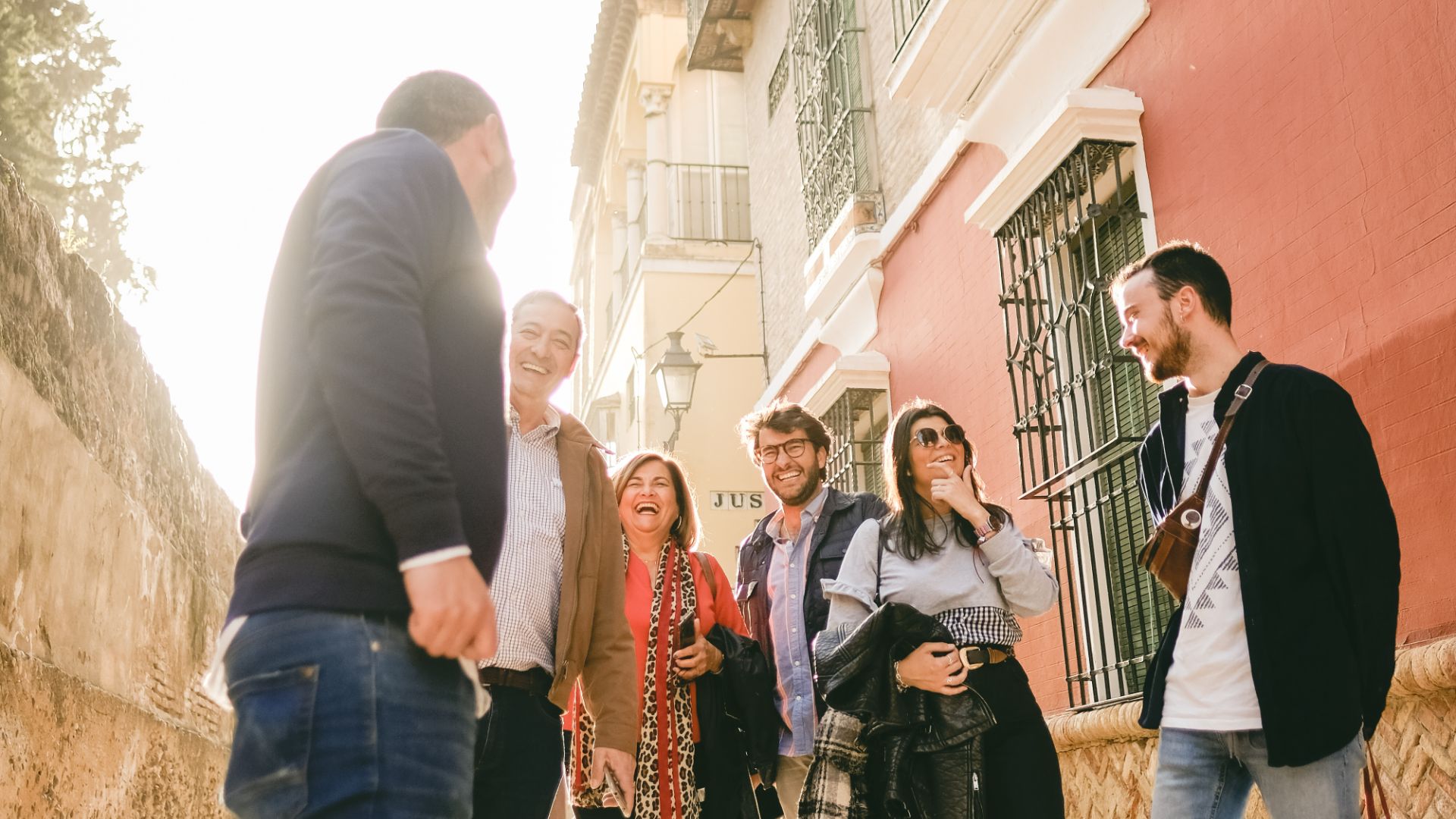
Learn about the Inquisition, forced conversions, and the emergence of the ‘Crypto-Jews. This visit includes all of the sites of the highlights tour as well as additional locations connected to Jewish heritage in Palma. You will learn about the Inquisition, forced conversions, and the emergence of the ‘Crypto-Jews’ who publicly professed Catholicism while privately adhering to Judaism. We will also visit the specific streets where the Xueta families have lived for centuries until as recently as the 1960s. Signs of this at-one-point marginalized community can still be found today with many of the current jewelry shops having been kept within their families for generations beforehand. Even the famous Mallorquin pastry, the “ensaimada” is specifically cooked with pork fat as a reaction to the centuries-old prejudice and discrimination.
Available options
Secrets of Jewish Majorca - Half Day Experience
What's included
All Fees and Taxes
Detailed itinerary
1
Stop 1
Start in the Jewish Quarter Interpretation Center, which is next to the entry point to the old Jewish Quarter. Whenever you visit Jewish Quarters in and around Catalan-speaking regions of Spain such as the Balearics, Valencia, and Barcelona you may see the signs “Carrer de Call” or “Street of the Jewish Quarter.” We enter a secret tunnel in a Ceramics Workshop then view memorial plaques or Stopelsteins from the Spanish Civil War.
You will learn about the Inquisition, forced conversions, and the emergence of the ‘Crypto-Jews’ who publicly professed Catholicism while privately adhering to Judaism. Visit the specific streets where the Xueta families have lived for centuries until as recently as the 1960s.
You will also learn about the tragic events of 1691, when a group of Crypto-Jews tried to escape on the ship of an English captain but a storm prevented their departure. We end visiting the plaza where 18 orange trees were donated by the local Jewish community.
2
Museum
3
Take a visit to a unique modern bakery with a medieval oven built in 1652
What's not included
Coffee and/or Tea
Breakfast
Lunch
Snacks
Available languages
Guide guide
EN
ES
Reviews breakdown
Viator
3.0
2 reviews
5★
1
4★
0
3★
0
2★
0
1★
1
Tripadvisor
5.0
11 reviews
5★
11
4★
0
3★
0
2★
0
1★
0
Important information
Suitable for all physical fitness levels
Meeting point
We will meet in front of the Starbucks coffee shop in Plaça de Cort in the city center.
About Mallorca
Mallorca, the largest of Spain's Balearic Islands, is a Mediterranean gem renowned for its stunning beaches, dramatic landscapes, and rich cultural heritage. From the vibrant capital of Palma to the tranquil countryside and rugged mountains, Mallorca offers a diverse and enchanting travel experience.
Top Attractions
La Seu Cathedral
La Seu Cathedral, also known as the Cathedral of Santa Maria of Palma, is a stunning Gothic masterpiece and one of Mallorca's most iconic landmarks.
Historical/Architectural
1-2 hours
€9
Serra de Tramuntana
A UNESCO World Heritage site, this mountain range offers breathtaking landscapes, hiking trails, and traditional villages.
Nature
Full day
Free (parking fees may apply)
Coves del Drach
This stunning cave system features underground lakes, waterfalls, and a classical music concert experience.
Nature/Adventure
2-3 hours
€22
Must-Try Local Dishes
Sobrassada
A traditional Mallorcan cured sausage made from pork, paprika, and spices
Dish
Contains pork, not suitable for vegetarians or vegans
Ensaimada
A sweet, spiral-shaped pastry made with lard and sugar
Dessert
Contains lard, not suitable for vegetarians or vegans
Tumbet
A traditional Mallorcan dish made with layers of potatoes, eggplant, and peppers
Dish
Vegetarian-friendly, can be made vegan
Popular Activities
Hiking in Serra de Tramuntana
Cycling tours
Scuba diving
Beach lounging
Spa treatments
Yoga retreats
Visiting museums and galleries
Attending local festivals
Best Time to Visit
June to September
This is the peak tourist season with warm, sunny weather and lively beach activities. The island is bustling with events and festivals.
25°C to 32°C
77°F to 90°F
Practical Information
Language
- Official: Catalan, Spanish
- Widely spoken: English, German
- English: Widely spoken in tourist areas
Currency
Euro (EUR)
Time Zone
GMT+1 (Central European Time)
Electricity
230VV, 50HzHz
Safety Information
Overall Safety Rating: Generally safe
Mallorca is generally safe for tourists, with low crime rates and a welcoming atmosphere. However, it's always important to take basic precautions to ensure a safe and enjoyable trip.
Important Precautions:
- • Keep valuables secure and out of sight
- • Be cautious of pickpockets in crowded areas
- • Use licensed taxis or ride-sharing apps
Getting there
By air
- Palma de Mallorca Airport • 8 km from Palma city center
By bus
Palma Bus Station, Intercity Bus Stops
Getting around
Public transport
The bus network is efficient and affordable, connecting all major towns and tourist areas.
Taxis
Available • Apps: MyTaxi, Cabify
Rentals
Car, Bike, Scooter
Neighborhoods
Palma Old Town
Paseo Marítimo
Santa Catalina
Day trips
Valldemossa
17 km from Palma • Half day
A charming mountain village known for its historic charterhouse and picturesque streets.
Cap de Formentor
70 km from Palma • Full day
A stunning coastal area with dramatic cliffs, turquoise waters, and breathtaking views.
Alcudia Old Town
50 km from Palma • Full day
A well-preserved medieval town with historic walls, charming streets, and a rich cultural heritage.
Festivals
Sant Sebastià Festival • January 20
Palma International Film Festival • October
Nit de l'Art • June
Pro tips
- Visit the island's lesser-known beaches and coves for a more secluded experience
- Explore the Serra de Tramuntana mountain range for stunning hiking trails and scenic drives
- Sample local wines and cuisine at traditional bodegas and restaurants
- Attend local festivals and events for a unique cultural experience
- Rent a car to explore the island's diverse landscapes and hidden gems
From $25
per person
Price varies by option
Secure booking
Free cancellation available