Tokyo Private Tour: English Guide Driver, Minibus with Aircon
Active
10h - 12h
For a full refund, cancel at least 24 hours before the scheduled departure time.
Instant_then_manual confirmation
Mobile or paper ticket accepted
About this experience
A private tour with our friendly English driver aboard JOMON's air-conditioned mini bus is the perfect way for 2-8 people to enjoy Tokyo together, whilst avoiding the hassles of navigating Tokyo's unfamiliar regions, train systems & language barriers.
Sit around the table in the main cabin with your friends or family, whilst enjoying snacks & drinks of your choice (either bring aboard, or we can stop so you can purchase along the way) as our driver smoothly takes you to your next stop.
We've spent 25 years in Japan & know Tokyo well. We can share information about many unique places to visit, whether it be shopping, food, historic sites, or entertainment that you may wish to enjoy.
The itinerary is a list to choose from. We will ask you to choose 6 - 8 of the sites listed to visit during our excursion. If you'd like to include an unlisted stop, where possible we may also accommodate this. We are flexible, should you wish to spend more time at a given location.
Available options
Tokyo Private Tour: English Guide & Driver. Minibus incl. A/C
Pickup included
What's included
Free internet access aboard JOMON mini bus.
Round-trip private transportation, air-conditioned JOMON mini bus
Private Tour - Only you & your group will be on board as passengers.
Mobile phone, tablet & computer charging points aboard JOMON mini bus.
Flexibility - If you want to visit a site for longer than would be usual.
Fridge / Freezer aboard JOMON mini bus.
Hotel / AirBnB pickup & drop off
Detailed itinerary
1
Stop 1
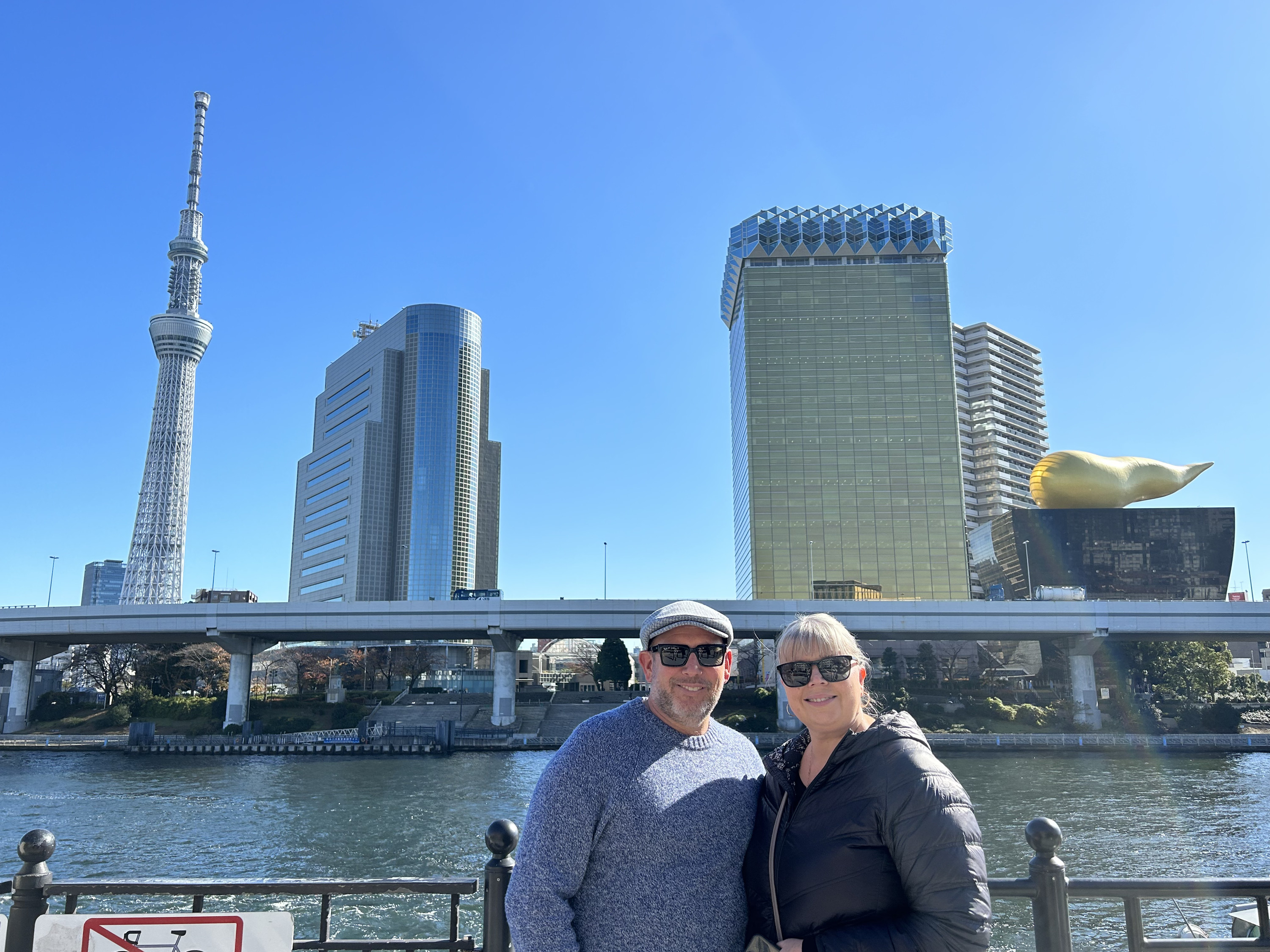
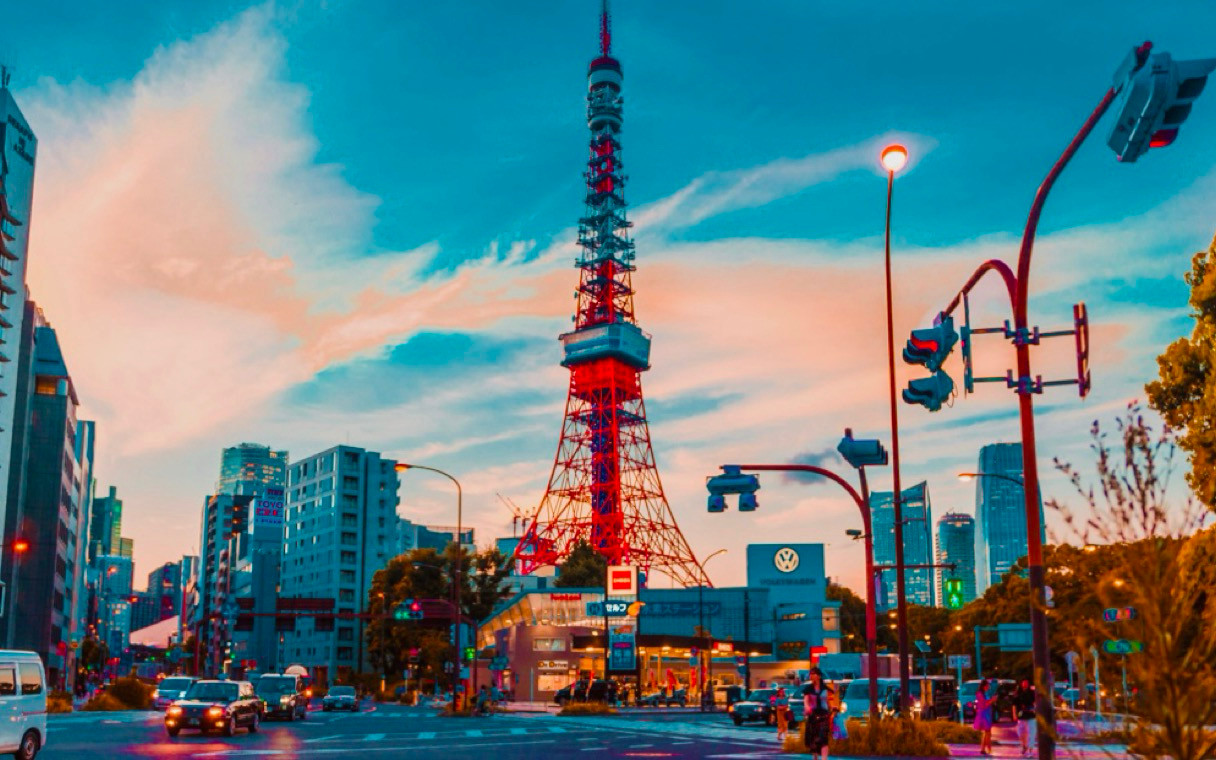
Visit the area to take pictures, or take the elevator to up to the observation deck.
2
Stop 2
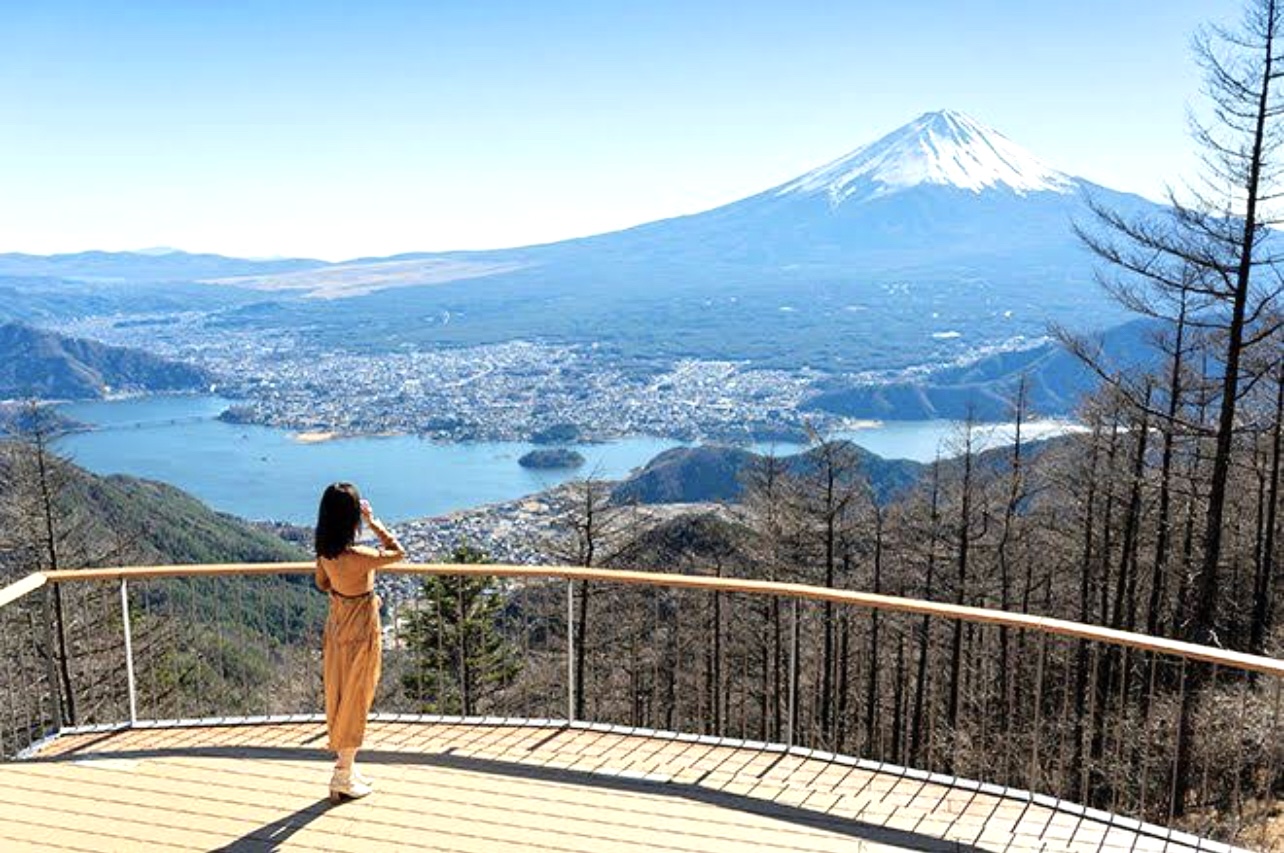
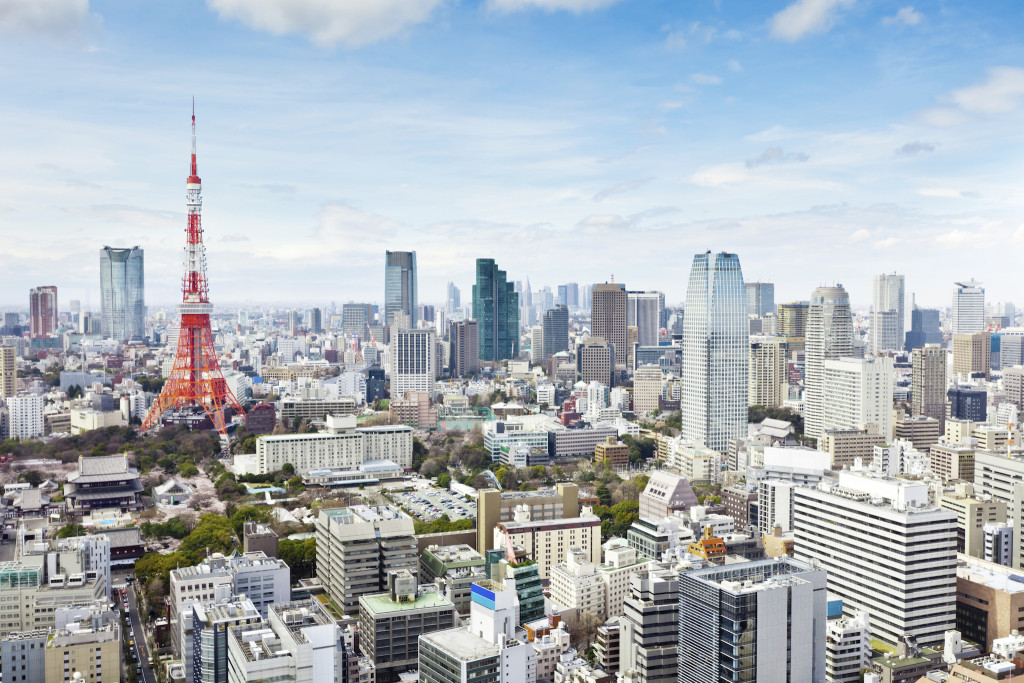
Take the elevator to 52nd floor, for a panoramic view of the city. On a clear day you can see mount Fuji. We recommend this location at sunset, when you can see the lights of Tokyo be illuminated. This is a preferable high-view location than Skytree, which is very congested and can take hours to see, but we will be happy to take you there instead if preferred.
3
Stop 3
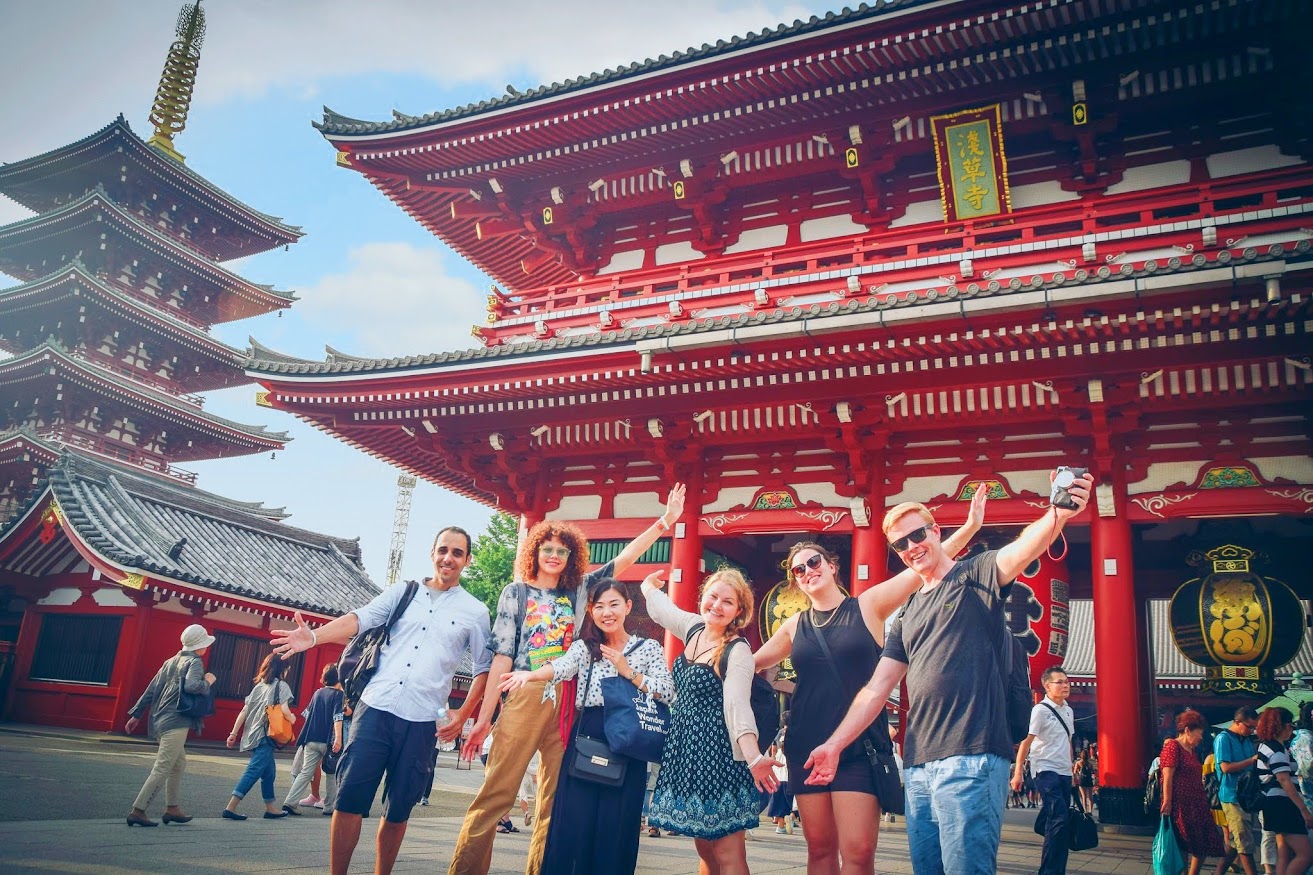
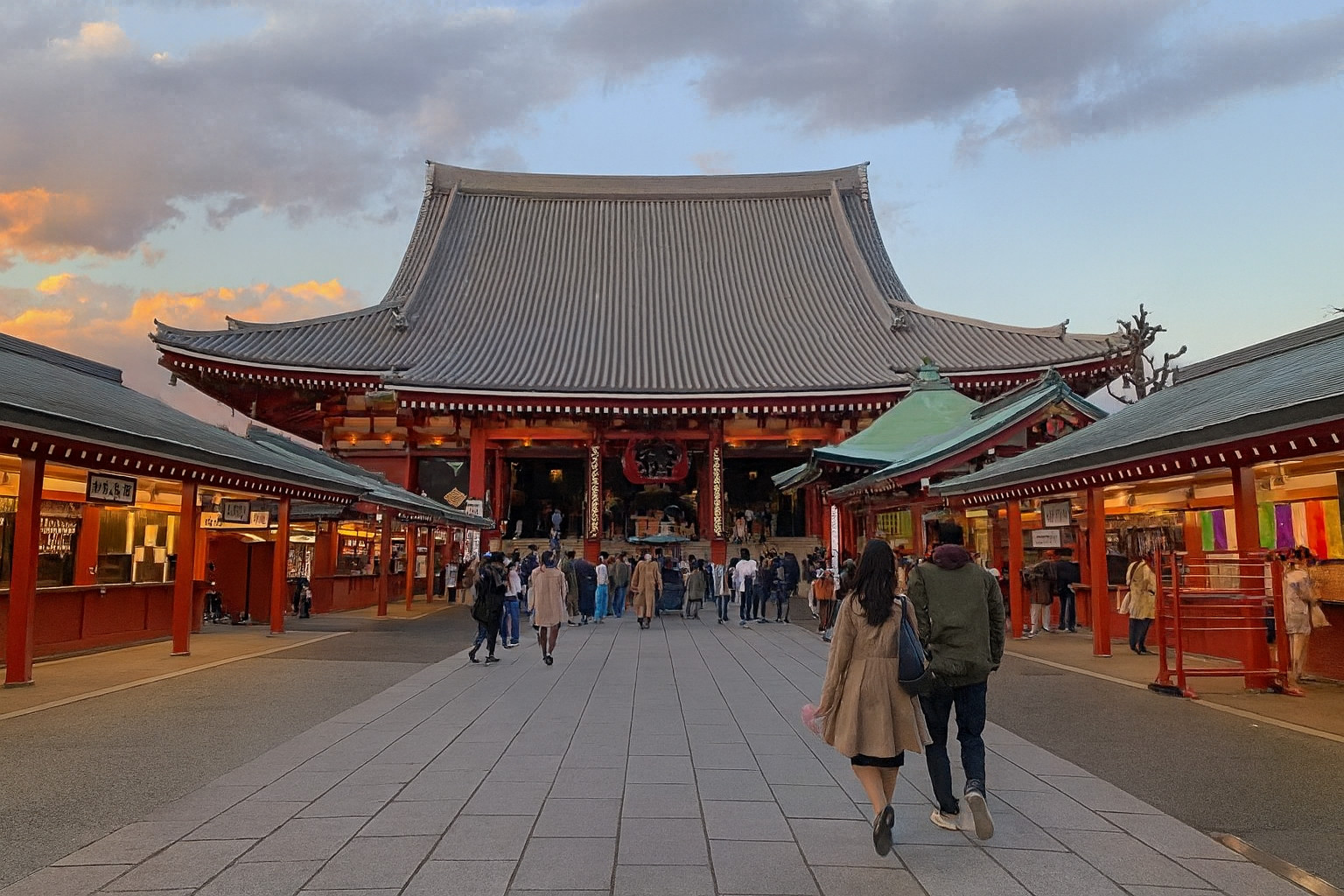
This is Tokyo's oldest, and possibly most famous temple, with a strikingly tall gate, beautiful buildings and in addition, a 5-storey pagoda, with a beautiful central garden.
4
Stop 4
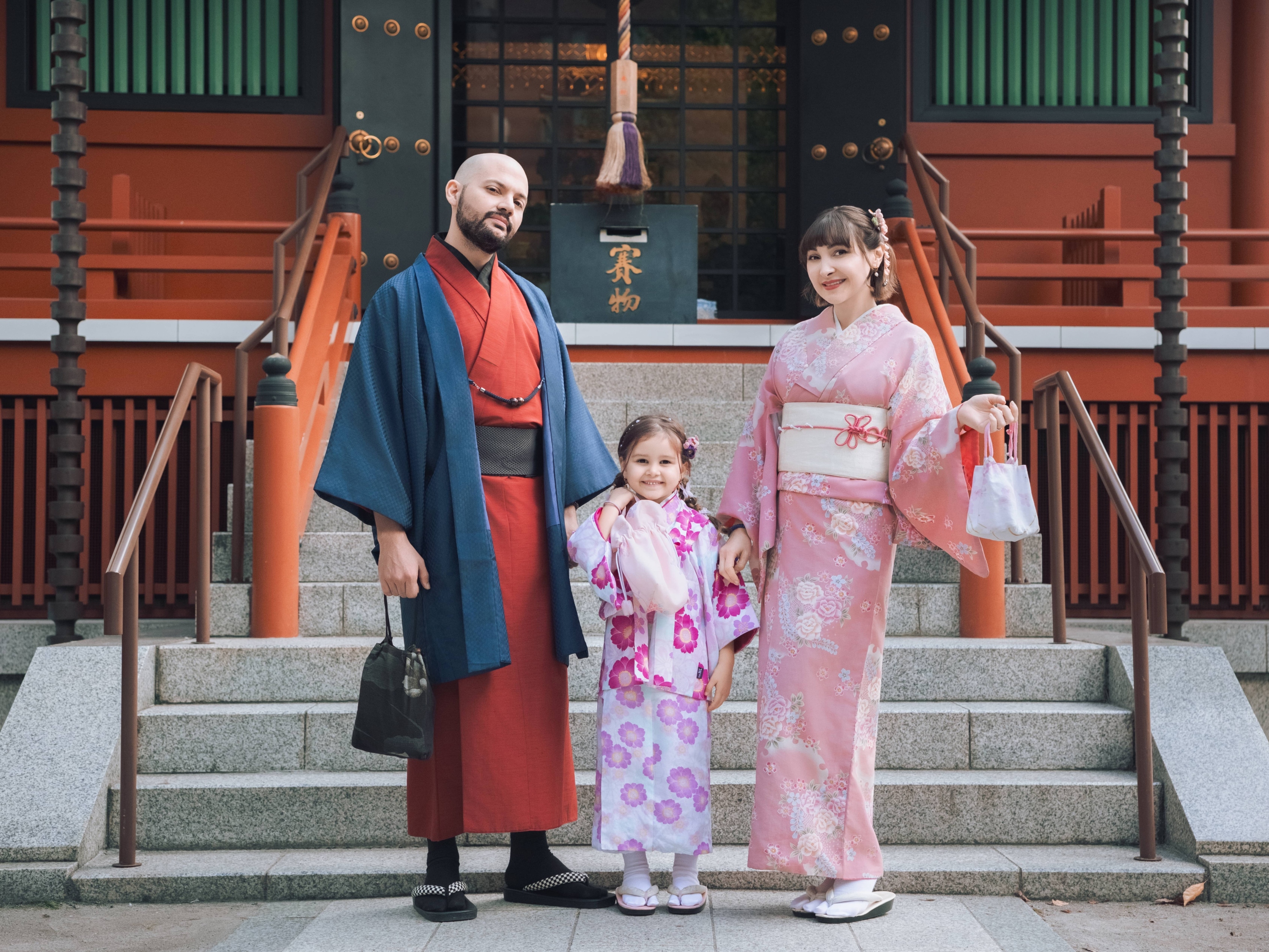
Beside Senso-ji temple is Nakamise street, where you can enjoy a pleasant stroll. If you want to, you can also rent traditional kimonos by the hour, to take pictures with.
5
Stop 5
Meiji Jingu is one of the Shinto shrines in Japan, with the vast land of the forest (70 ha.), located in the middle of the megacity, Tokyo.
Once you step into this precinct, you will forget that you are in the hustle bustle city, and will find Japanese traditional scene amidst greenery nature.
It was established in 1920, to commemorate the virtue of Emperor Meiji and Empress Shoken who took the initiative to make a foundation of modernized Japan.
Meiji Jingu is open everyday, but opening hours vary depending on the season.
6
Stop 6
Tokyo Imperial Palace is located on the former site of Edo Castle, a large park area surrounded by moats and massive stone walls in the center of Tokyo.
It is the place of residence of Japan's Emperor & his family.
From Kokyo Gaien, the large plaza in front of the Imperial Palace, visitors can view the Nijubashi, two bridges that form an entrance to the inner palace grounds. The stone bridge in front is called Meganebashi (Eyeglass Bridge) for its looks. The bridge in the back was formerly a wooden bridge with two levels, from which the name Nijubashi (Double Bridge) is derived.
The inner grounds of the palace are generally not open to the public.
Guided tours of the palace grounds are available and take about 75 minutes. These tours are led in English and Japanese daily at 10:00 and 13:30 except on Mondays, Sundays and national holidays.
Registrations before the start of the tours can be booked at the Kikyomon Gate.
7
Stop 7
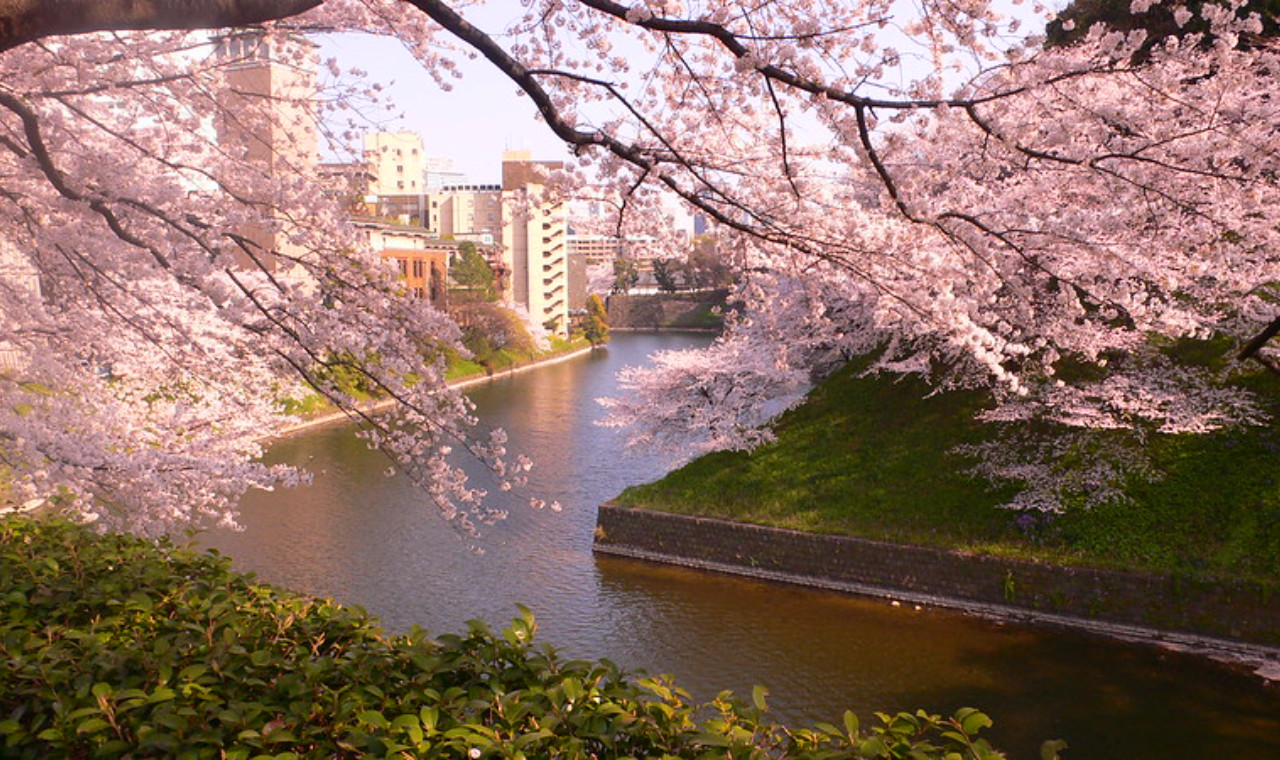
The Imperial Palace East Gardens (皇居東御苑, Kōkyo Higashi Gyoen) are a part of the inner palace area and are open to the public. They are the former site of Edo Castle's innermost circles of defense, the honmaru ("main circle") and ninomaru ("secondary circle"). None of the main buildings remain today, but the moats, walls, entrance gates and several guardhouses still exist. The gardens are beautifully kept and particularly stunning in spring, during cherry blossom season, and in autumn with all the reds, yellows, browns, greens & yellows of the season.
8
Stop 8
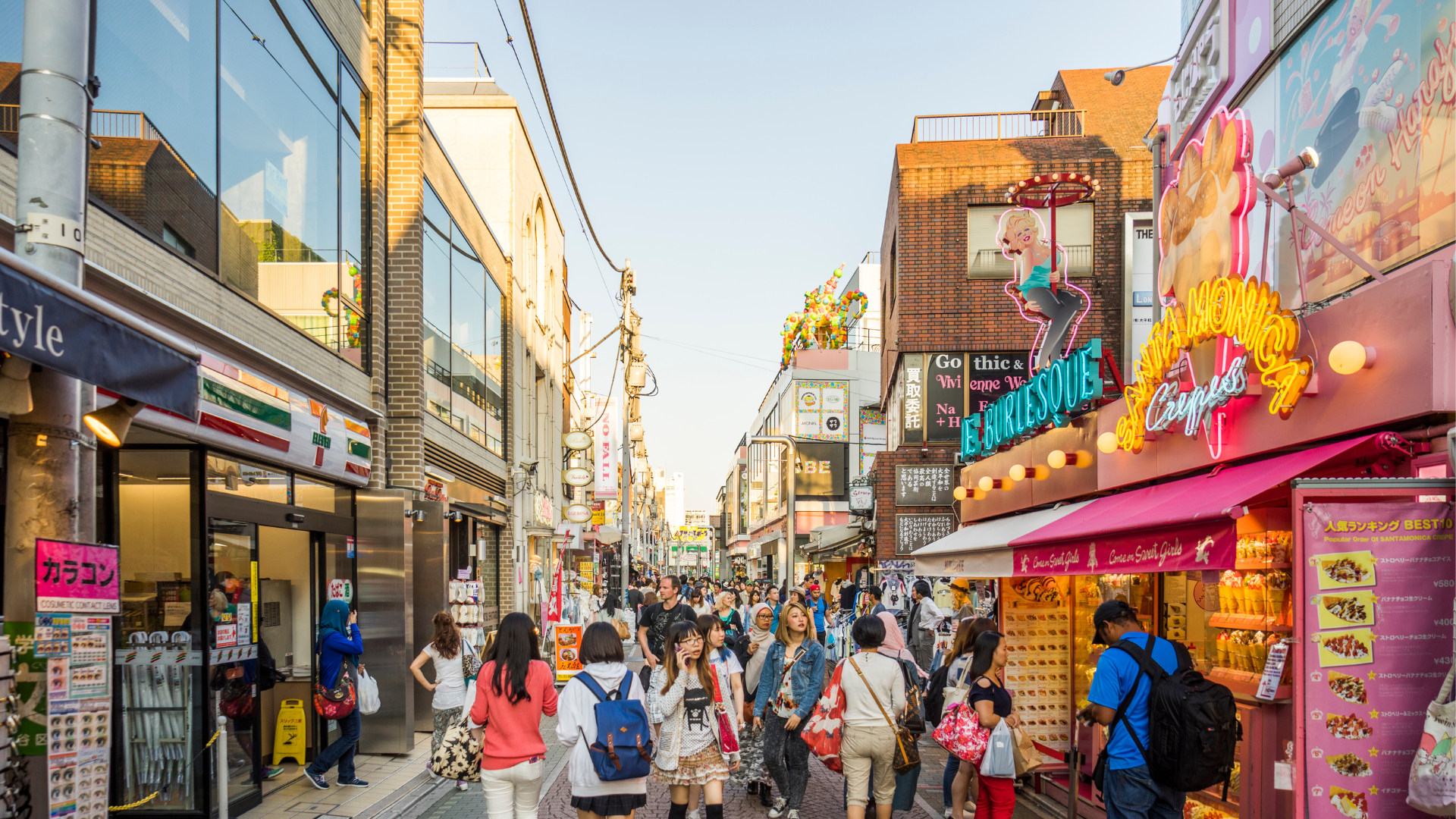
Omotesando is often described as the Champs Elysees of Tokyo. Here, you will find the most fashionable stores, interesting side streets to explore, dotted with interesting cafes and restaurants to stop and relax at too. If you want to see the most fashionable Tokyoites, this is the place!
9
Stop 9
It is said that Tokyo doesn't have one city center, but many.
This is another high-end shopping area, with the main street lined with fashion goods. Side streets are also fun to explore and there are plenty of restaurants and cafes to stop at & relax too.
10
Stop 10
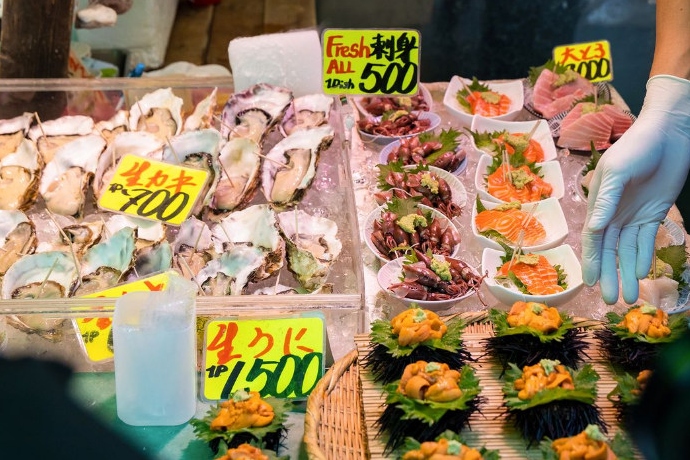
Although the original huge Tokyo fish market has moved (& is no longer open to the general public), the outer fish market still very much exists. If you enjoy eating Sushi, then we would strongly recommend planning to enjoy your lunch or dinner here, at one of the Sushi Zanmai restaurants (there are several), which are especially well-known for the tuna they serve.
11
Stop 11
Rikugien is considered Tokyo's most beautiful Japanese landscape garden, alongside Koishikawa Korakuen. Built around 1700 for the 5th Tokugawa Shogun, "Rikugien" means "six poems garden" and reproduces in miniature 88 scenes from famous poems. The garden is a good example of an Edo Period strolling garden and features a large central pond surrounded by man-made hills and forested areas, all connected by a network of trails.
12
Stop 12
Odaiba is a popular shopping and entertainment district on a man-made island in Tokyo Bay. There is a beach, known as a dating destination for young Japanese, and at night there are beautiful views of Tokyo bay. The statue of liberty was permanently installed in Odaiba, year 2000 as a symbol of friendship between Japan and France.
13
Stop 13
One of the most identifiable landmarks of Tokyo will always be Shibuya Crossing. The sprawling scramble intersection just outside Shibuya Station is an embodiment of Tokyo itself: action in all directions. Three huge television screens mounted on the buildings facing the intersection flash all day, while the rest of the area is covered with lights, advertisements, and more lights. This sight is best experienced after sunset.
Less than 50m away, at the Hachiko exit of Shibuya train station is a bronze statue of Hachi.
In the 1920s, this Akita dog would journey to Shibuya Station to wait for his owner to arrive back from his daily commute. One day his owner did not return from work, having suffered a fatal cerebral haemorrhage. This did not deter Hachi, who returned to the same spot to wait for his owner every day for the next nine years.
14
Stop 14
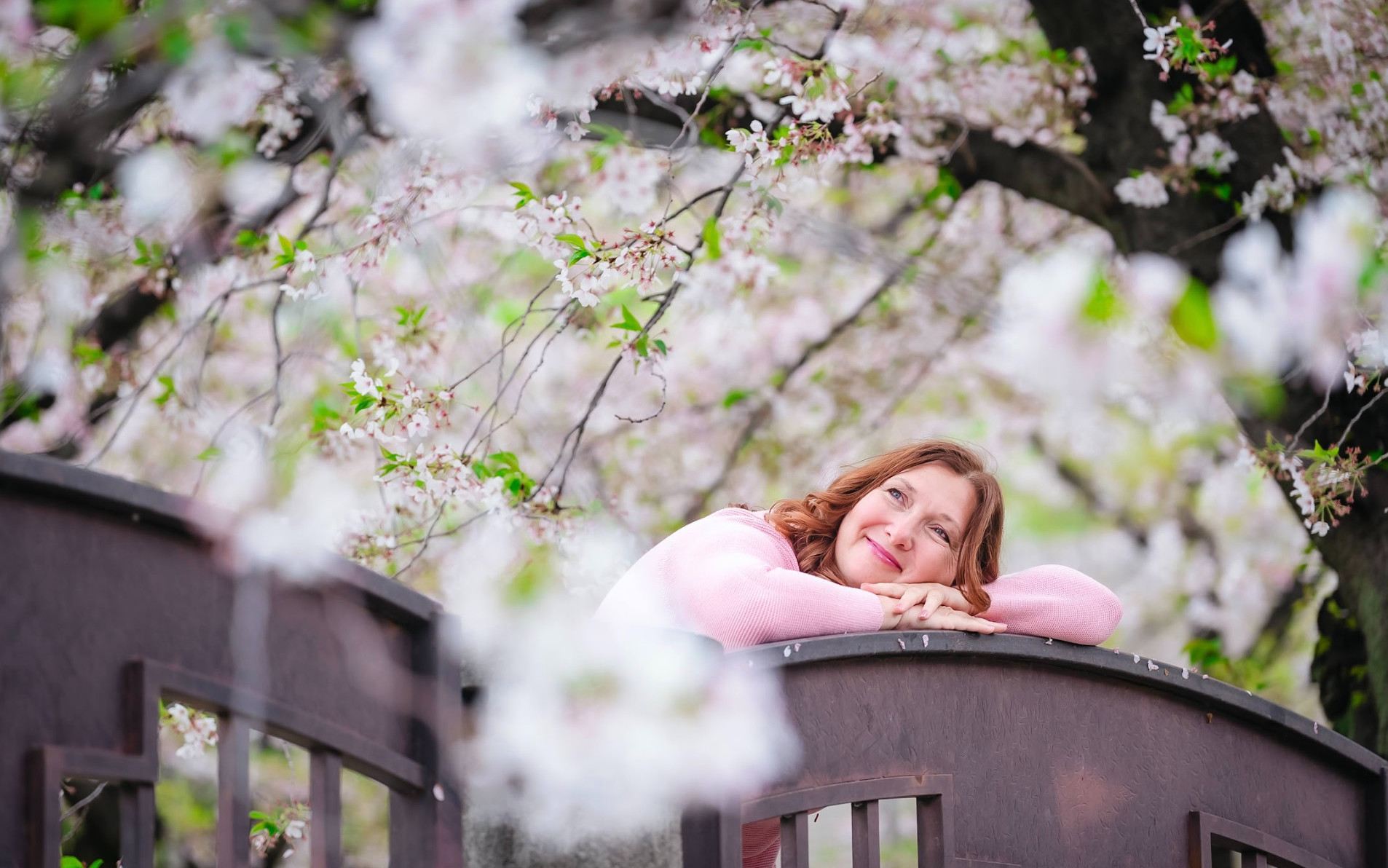
A beautiful park, especially during spring's cherry blossom season. Many Tokyoites spend weekends here, enjoying picnics, or just relaxing on the grass. Nearby is Harajuku; one of Tokyo's fashion districts for young people, with fun stores to explore.
15
Stop 15
Meiji Shrine (Meiji Jingū) is a shrine dedicated to the deified spirits of Emperor Meiji and his consort, Empress Shoken. Located just beside the JR Yamanote Line's busy Harajuku Station, Meiji Shrine and the adjacent Yoyogi Park make up a large forested area within the densely built-up city. The spacious shrine grounds offer walking paths that are great for a relaxing stroll.
16
Stop 16
Akihabara is a district in central Tokyo that is famous for its many electronics shops and has also gained recognition as the center of Japan's otaku (diehard fan) culture. Many shops and establishments devoted to anime and manga are dispersed among the electronic stores in the district. On Sundays, Chuo Dori, the main street through the district, is closed to car traffic from 13:00 to 18:00 (until 17:00 from October through March).
17
Stop 17
The Tokyo National Museum (Tōkyō Kokuritsu Hakubutsukan) is the oldest and largest of Japan's top-level national museums. The Tokyo National Museum features one of the largest and best collections of art and archeological artifacts in Japan, made up of over 100,000 individual items including nearly a hundred national treasures. At any one time, about 4000 different items from the permanent museum collection are on display. In addition, visiting temporary exhibitions are also held regularly. Good English information and audio guides are available.
What's not included
Food & Drinks. You are welcome to bring your own, or purchase during the day to store / consume.
Admission to facilities. Guests are expected to pay for entry themselves.
Entry/Admission - Tokyo Tower (¥3,300 per adult)
Entry/Admission - Rikugien Garden (¥300 per adult)
Entry/Admission - Tokyo City View Observation Deck (¥1,800 per adult)
Entry/Admission - Imperial Palace (¥0 per adult)
Entry/Admission - Tokyo National Museum (¥1,000 per adult)
Entry/Admission - Tokyo Disneyland (¥11,000 per adult)
Entry/Admission - Tokyo Disney Sea (¥10,900 per adult)
Available languages
Guide guide
PT
JA
EN
ES
Important information
Infants and small children can ride in a pram or stroller
Public transportation options are available nearby
Specialized infant seats are available
Not recommended for travelers with spinal injuries
Not recommended for travelers with poor cardiovascular health
Suitable for all physical fitness levels
Meeting point
For Haneda Airport Terminal 3, we meet outside Terminal 3, before where other minibuses park.
Go to the point pinned on the map for location.
Find our white Toyota Hiace minibus, with "Jomon" logo on the sides, front & back.
If you are delayed, please be sure to let us know in advance!
About Tokyo
Tokyo, the capital of Japan, is a bustling metropolis that beautifully blends traditional culture with cutting-edge technology. Known for its neon-lit streets, historic temples, and world-class cuisine, Tokyo offers a unique experience that caters to every type of traveler.
Top Attractions
Senso-ji Temple
Senso-ji is Tokyo's oldest temple and one of its most significant. The temple's massive lantern and five-story pagoda are iconic landmarks.
Historical/Religious
1-2 hours
Free (small fee for some areas)
Meiji Shrine
Meiji Shrine is a Shinto shrine dedicated to the deified spirits of Emperor Meiji and his wife, Empress Shoken. It is surrounded by a beautiful forest.
Historical/Religious
1-2 hours
Free
Shibuya Crossing
Shibuya Crossing is the world's busiest pedestrian crossing and a symbol of Tokyo's bustling urban life. It's a must-see for its chaotic yet orderly nature.
Cultural
30 minutes to 1 hour
Free (¥2,200 for Shibuya Sky)
Tokyo Skytree
Tokyo Skytree is the tallest tower in Japan and the second tallest freestanding structure in the world. It offers breathtaking views of the city.
Architecture
2-3 hours
¥2,100 to ¥3,100 (USD $15 to $22)
Odaiba
Odaiba is a man-made island in Tokyo Bay known for its shopping, dining, and entertainment options. It's a great place for families and tech enthusiasts.
Entertainment
Half day to full day
Varies by attraction
Must-Try Local Dishes
Sushi
Fresh raw fish served on vinegared rice, a staple of Japanese cuisine.
Dinner
Contains fish, can be vegetarian with substitutes.
Ramen
Noodle soup with various broths and toppings, a popular comfort food.
Lunch/Dinner
Vegan and vegetarian options available.
Tempura
Deep-fried seafood and vegetables, known for its crispy texture.
Lunch/Dinner
Contains seafood and deep-fried ingredients.
Okonomiyaki
Savory pancake with various ingredients, often topped with sauce and bonito flakes.
Lunch/Dinner
Contains seafood and can be made vegetarian.
Popular Activities
Hiking in the nearby mountains
Parasailing at Odaiba
Onsen (hot spring) visits
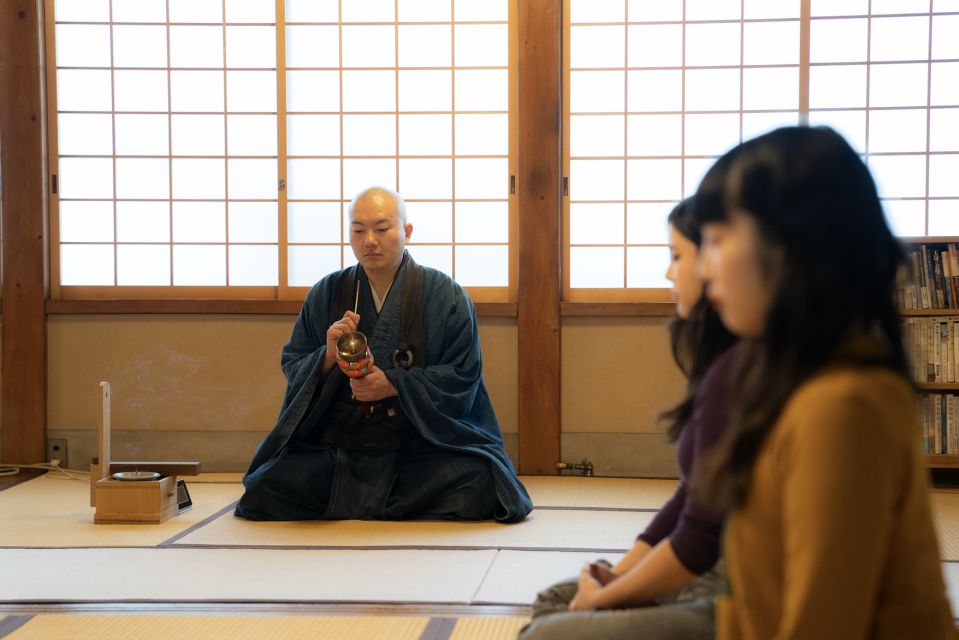
Tea ceremonies
Traditional tea ceremonies
Kimono rentals and photo shoots
Boat tours on the Sumida River
Beach activities at Odaiba
Best Time to Visit
March to May (Spring) and September to November (Autumn)
These seasons offer comfortable temperatures and beautiful scenery, with cherry blossoms in spring and vibrant foliage in autumn. However, these are also the busiest times for tourism.
10°C to 25°C (50°F to 77°F)
50°F to 77°F
Practical Information
Language
- Official: Japanese
- Widely spoken: English, Chinese, Korean
- English: Moderately spoken in tourist areas, limited elsewhere
Currency
Japanese Yen (JPY)
Time Zone
GMT+9
Electricity
100VV, 50/60HzHz
Safety Information
Overall Safety Rating: Very safe
Tokyo is generally very safe, with low crime rates and a strong emphasis on public order. However, petty crimes like pickpocketing can occur in crowded areas.
Important Precautions:
- • Be cautious of your belongings in crowded areas.
- • Use licensed taxis and check fares before getting in.
- • Be aware of your surroundings, especially at night.
Getting there
By air
- Narita International Airport • 60 km (37 miles) from city center
- Haneda Airport • 15 km (9 miles) from city center
By train
Tokyo Station, Shinjuku Station
By bus
Tokyo Station Bus Terminal, Shinjuku Expressway Bus Terminal
Getting around
Public transport
Tokyo's subway system is efficient, clean, and punctual. It consists of multiple lines operated by Tokyo Metro and Toei Subway.
Taxis
Available • Apps: JapanTaxi, DiDi
Rentals
Car, Bike, Scooter
Neighborhoods
Shibuya
Shinjuku
Asakusa
Ginza
Akihabara
Day trips
Nikko
120 km (75 miles) from Tokyo • Full day
Nikko is a city known for its beautiful shrines, temples, and natural scenery. It's a UNESCO World Heritage site and offers a peaceful retreat from the bustling city.
Kamakura
50 km (31 miles) from Tokyo • Half day to full day
Kamakura is a coastal town known for its historic temples, shrines, and the Great Buddha statue. It's a great place to experience traditional Japanese culture.
Hakone
90 km (56 miles) from Tokyo • Full day or overnight
Hakone is a hot spring resort town known for its onsen (hot springs), scenic views of Mount Fuji, and the Open-Air Museum. It's a popular destination for relaxation and nature.
Festivals
Sannō Matsuri • Mid-June (every 2 years)
Kanda Matsuri • Mid-May (every 2 years)
Sumida River Fireworks Festival • Last Saturday of July
Pro tips
- Use IC cards like Suica or Pasmo for convenient and discounted public transport.
- Download useful apps like Google Maps, Japan Transit Planner, and Japan Travel by Navitime.
- Learn a few basic Japanese phrases to enhance your experience and show respect for the local culture.
- Carry cash, as some smaller shops and restaurants may not accept credit cards.
- Visit popular attractions early in the morning or late in the afternoon to avoid crowds.
From $25
per person
Price varies by option
Secure booking
Free cancellation available