Kawashiri Craftsmens Tour Discover Sake Blades and Sweets
Active
3h
For a full refund, cancel at least 24 hours before the scheduled departure time.
Instant confirmation
Mobile or paper ticket accepted
About this experience
Kawashiri, a town of artisans with a history dating back to the Edo period, offers a unique experience that immerses visitors in traditional craftsmanship and local culture. Once an important hub for the Kumamoto Domain, Kawashiri was renowned for its high-quality knives, woodworking, lacquerware, and pottery. The town’s artisans continue to pass down these skills through generations.
The tour also provides the opportunity to taste Kumamoto’s renowned sake, including "Akazake," a sake unique to the region, along with other local varieties. Enjoy the rich flavors while learning about the brewing process, making it a perfect introduction to Kumamoto’s local culture.
This tour offers a comprehensive look at Kawashiri’s rich history, culture, and craftsmanship. Although still a hidden gem for many international travelers, Kawashiri holds a wealth of cultural significance waiting to be discovered. Join us and create lasting memories of Kumamoto’s fascinating and lesser-known attractions.
Available options
Kawashiri Craftsmens Tour Discover Sake Blades and Sweets
What's included
Admission Fee for the Kawashiri Rice Warehouse of the Kumamoto Domain
Guide Fee
Detailed itinerary
1
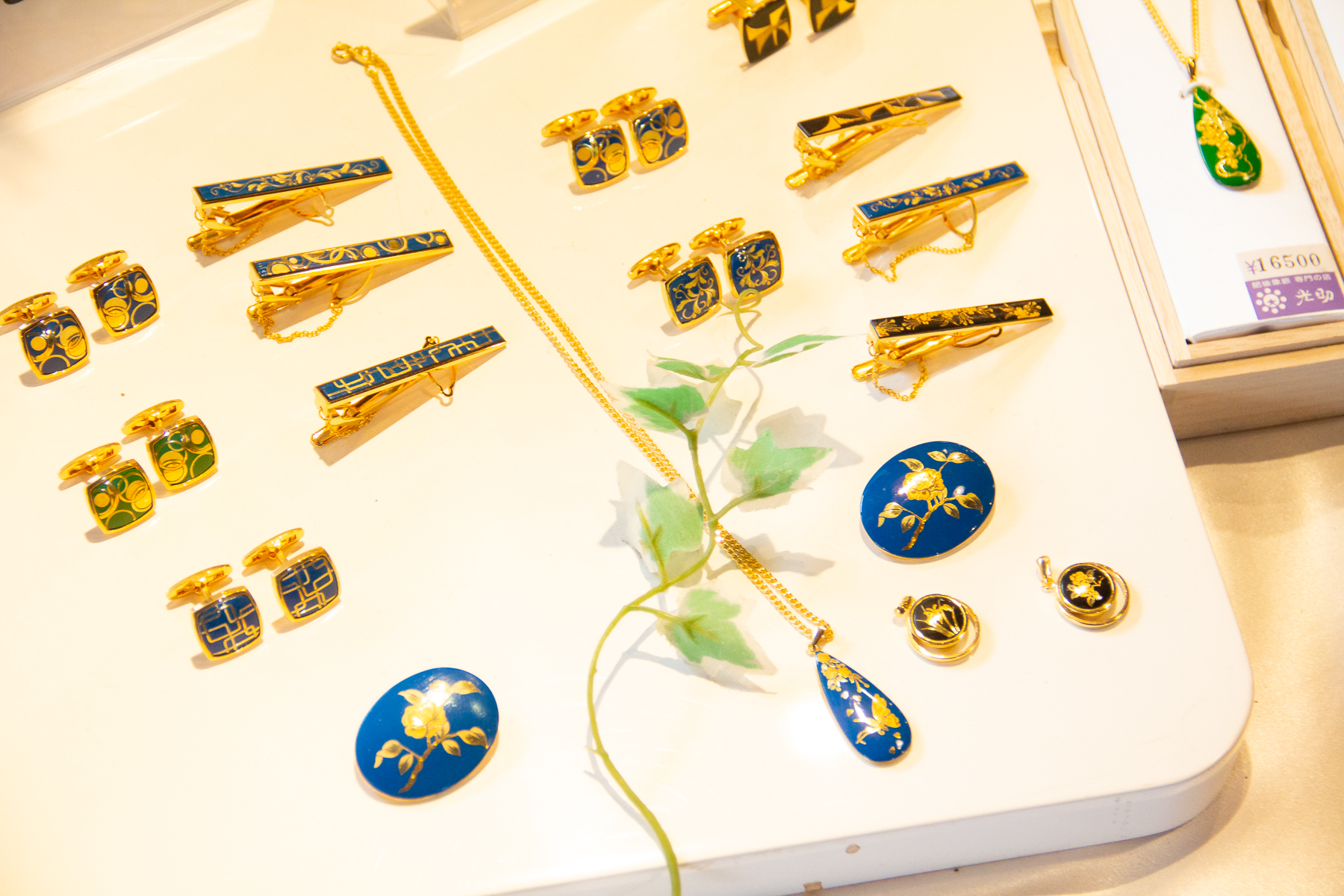
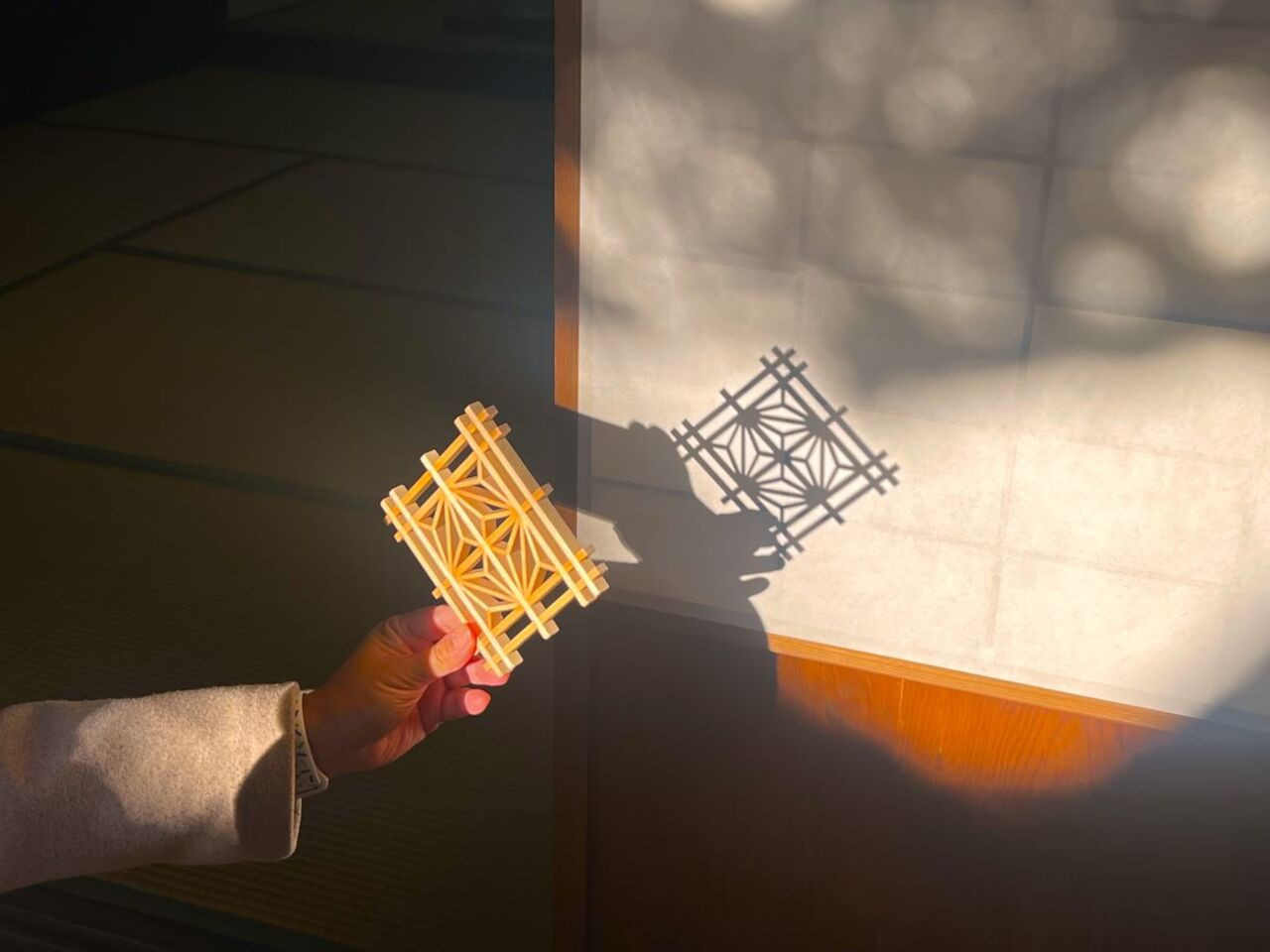
Kawashiri has flourished as a “town of artisans” since the Edo period, attracting many workshops and craftsmen. The area was particularly known for blade manufacturing, with over 40 knife shops at its peak, producing high-quality knives and farming tools. Additionally, traditional crafts such as woodworking, lacquerware, confectionery, and sake brewing thrived, making Kawashiri an important commercial hub for the Kumamoto domain. Even today, the craftsmanship is preserved, and the legacy of Kawashiri blades and Kumamoto crafts continues to live on.
Here, you can learn about Kawashiri’s history as a town of artisans, admire the profound works of Kumamoto’s craftsmen, and observe the skilled techniques of Kawashiri blade artisans. You can also purchase these exquisite crafts, so don’t miss the chance to take home a masterpiece.
2
Kawashiri Public Hall is a historic wooden building located in Kawashiri, Kumamoto. Built in the early 20th century, it is still used today as a venue for community gatherings and cultural events. Inside, it features a spacious 80-tatami hall and two Japanese-style rooms, preserving the characteristics of traditional Japanese architecture. It is also a symbol of Kawashiri’s rich history and craftsmanship, allowing visitors to experience the nostalgic atmosphere of the past.
3
The Kawashiri Rice Warehouse of the Kumamoto Domain was built during the Edo period to store rice collected as tax. Kawashiri was an important economic hub for the Kumamoto Domain, where rice was gathered and managed. This historic warehouse still stands today and has been designated as a national historic site. In 2023, it was opened to the public as a museum, showcasing the history of Kawashiri and the rice trade. Visiting this site offers a glimpse into how rice played a key role in Japan’s economy and daily life during the Edo period. Additionally, the museum has interactive exhibits that allow visitors to experience the atmosphere of that time, making it a fascinating place to explore.
4
Tōhi Taishō-gura is a facility of Zuiyo Co., one of Kumamoto’s leading sake manufacturers, offering local specialties such as Akazake and authentic shochu. Here, you can taste and purchase exclusive sake, as well as explore exhibits on Akazake, a unique Kumamoto specialty, allowing you to immerse yourself in the region’s rich sake culture.
While enjoying tastings, you can also learn about the history and appreciation of Japanese sake through detailed explanations of various types. Small bottles are available, making it a great place for souvenir shopping.
5
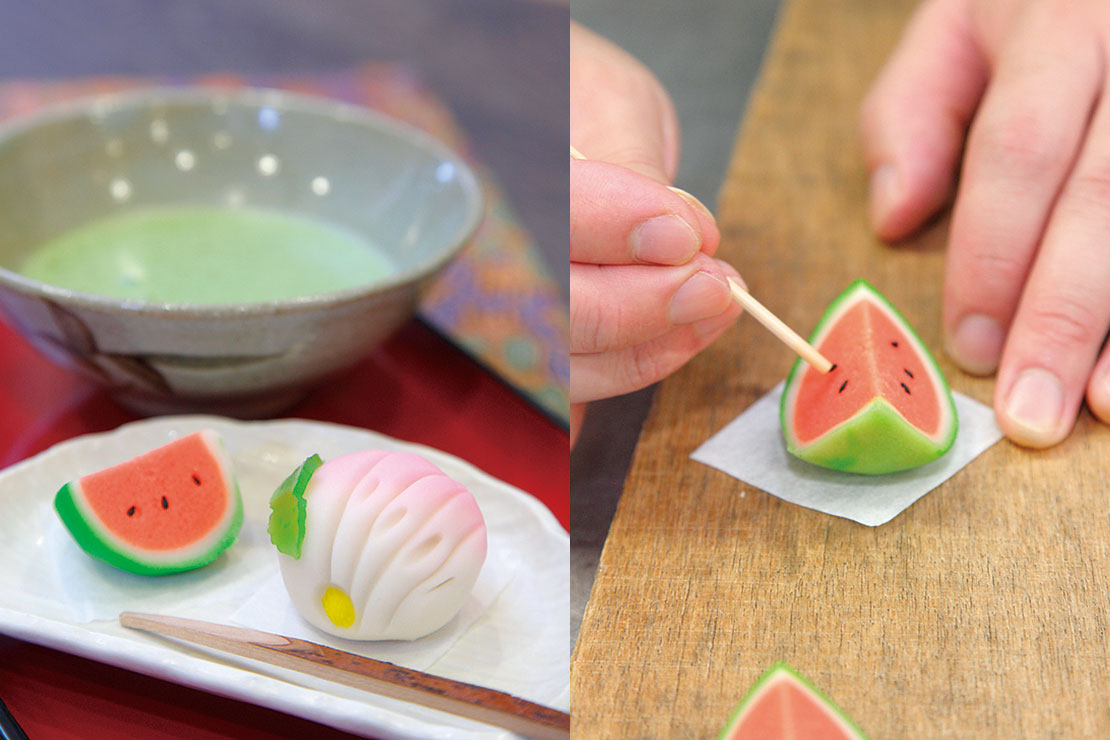
Tenmeido is a long-established confectionery shop with a proud 240-year history, founded during the Edo period. Originally starting as a candy-making business, it now produces and sells both traditional Japanese sweets and Western-style confections. While preserving traditional techniques, the shop also offers treats suited to modern tastes, making it a beloved spot for locals. Inside, visitors can enjoy fresh and baked sweets paired with matcha, as well as take a relaxing break in a nostalgic atmosphere. Be sure to savor the unique flavors that only a long-standing shop like Tenmeido can offer.※Drinks and sweets are not included in the plan, so they must be paid separately.
What's not included
Food and drink costs at Tenmeido are separate.
Available languages
Guide guide
EN
Written guide
EN
Important information
Public transportation options are available nearby
Not recommended for travelers with spinal injuries
Not recommended for pregnant travelers
Not recommended for travelers with poor cardiovascular health
Suitable for all physical fitness levels
Meeting point
Meet in front of the local line ticket gate at Kumamoto Station. Your guide will be waiting with a tour sign.
About Kumamoto
Kumamoto is a vibrant city in Kyushu, Japan, known for its rich history, stunning natural beauty, and the iconic Kumamoto Castle. The city offers a unique blend of traditional Japanese culture and modern urban living, with lush gardens, hot springs, and a thriving food scene. Its warm hospitality and diverse attractions make it a must-visit destination in Japan.
Top Attractions
Kumamoto Castle
Kumamoto Castle is one of Japan's most famous castles, known for its impressive stone walls and historical significance. The castle played a crucial role in Japan's feudal history and is a symbol of the city.
Historical/Architecture
2-3 hours
Moderate (500-1,000 JPY)
Suizenji Jojuen Garden
Suizenji Jojuen Garden is a beautiful Japanese landscape garden that features a miniature representation of Mount Fuji and other famous landmarks. The garden is known for its serene atmosphere and traditional design.
Nature
1-2 hours
Budget (400 JPY)
Kumamoto Prefectural Museum of Art
The Kumamoto Prefectural Museum of Art showcases a diverse collection of artworks, including traditional Japanese art and contemporary pieces. The museum also hosts temporary exhibitions and cultural events.
Museum
1-2 hours
Moderate (500-1,000 JPY)
Mount Aso
Mount Aso is one of Japan's most famous active volcanoes and offers stunning views of the surrounding landscape. Visitors can take a cable car to the crater's edge and explore the volcanic area.
Nature/Adventure
Full day
Moderate (1,000-2,000 JPY)
Kurokawa Onsen
Kurokawa Onsen is a traditional hot spring resort nestled in the mountains of Kumamoto Prefecture. The village offers a variety of public baths, private baths, and ryokan (traditional inns) for visitors to relax and unwind.
Relaxation
Half day to overnight
Moderate to Expensive (2,000-5,000 JPY for baths, higher for ryokan stays)
Must-Try Local Dishes
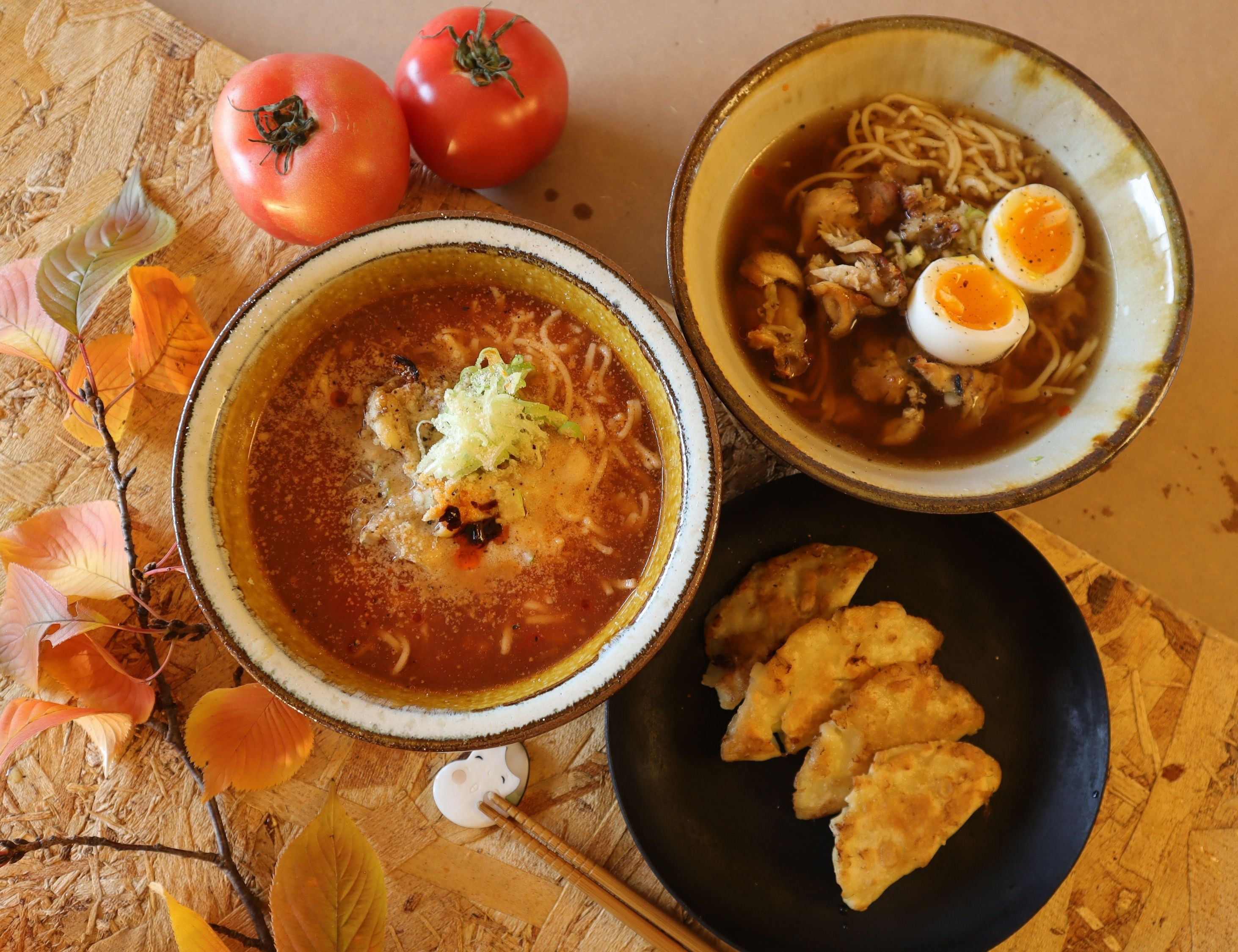
Kumamoto Ramen
A local specialty, Kumamoto Ramen features a rich, pork-based broth with thin noodles, topped with chashu (braised pork), egg, and green onions. The broth is known for its creamy texture and savory flavor.
Dinner
Contains pork and eggs, vegetarian and vegan options available in some restaurants
Basashi (Horse Sashimi)
A delicacy in Kumamoto, Basashi is thinly sliced raw horse meat, often served with soy sauce and grated ginger. It is known for its tender texture and slightly sweet flavor.
Lunch/Dinner
Contains raw horse meat, not suitable for vegetarians or vegans
Kumamoto Karashi Renkon (Spicy Lotus Root)
A popular side dish, Kumamoto Karashi Renkon is lotus root slices stuffed with a spicy mustard mixture. The dish is known for its unique texture and bold flavor.
Side Dish
Vegetarian and vegan-friendly
Kumamoto Onigiri
A local variation of the classic Japanese rice ball, Kumamoto Onigiri is often filled with savory ingredients like pickled plum, salmon, or tuna mayo. It is a convenient and tasty snack.
Snack
Vegetarian and vegan options available
Popular Activities
Hiking in Mount Aso
Exploring Takachiho Gorge
Canyoning in Kurokawa Onsen
Soaking in hot springs
Visiting Suizenji Jojuen Garden
Exploring Kumamoto Castle
Visiting Shinto shrines and temples
Experiencing traditional tea ceremonies
Best Time to Visit
Spring (March to May) and Autumn (September to November)
Spring offers pleasant weather with cherry blossoms in full bloom, while autumn provides comfortable temperatures and beautiful fall foliage. These seasons are ideal for outdoor activities and sightseeing.
15-25°C
59-77°F
Practical Information
Language
- Official: Japanese
- Widely spoken: English (limited), Korean (limited), Chinese (limited)
- English: Limited
Currency
Japanese Yen (JPY)
Time Zone
GMT+9
Electricity
100VV, 50/60HzHz
Safety Information
Overall Safety Rating: Very safe
Kumamoto is a very safe city with a low crime rate. Violent crime is rare, and petty crime is uncommon. However, travelers should still take basic precautions to ensure a safe and enjoyable trip.
Important Precautions:
- • Be aware of your surroundings, especially in crowded areas
- • Keep valuables secure and out of sight
- • Use reputable taxi companies and agree on fares before starting the journey
Getting there
By air
- Kumamoto Airport • 12 km from city center
By train
Kumamoto Station
By bus
Kumamoto Station Bus Terminal, Kumamoto City Bus Terminal
Getting around
Public transport
The tram system is convenient and easy to use, with frequent services. It's a great way to get around the city.
Taxis
Available • Apps: JapanTaxi, DiDi
Rentals
Car, Bike, Scooter
Neighborhoods
Chuo Ward
Nishi Ward
Higashi Ward
Minami Ward
Day trips
Mount Aso
100 km from Kumamoto • Full day
Mount Aso is one of Japan's most famous active volcanoes, offering stunning views and unique geological features. Visitors can take a cable car to the crater's edge and explore the volcanic area.
Kurokawa Onsen
80 km from Kumamoto • Half day to overnight
Kurokawa Onsen is a traditional hot spring resort nestled in the mountains of Kumamoto Prefecture. The village offers a variety of public baths, private baths, and ryokan (traditional inns) for visitors to relax and unwind.
Takachiho Gorge
120 km from Kumamoto • Full day
Takachiho Gorge is a stunning natural landmark known for its lush forests, clear streams, and traditional boat tours. The gorge is also home to several Shinto shrines and is an important cultural site.
Festivals
Kumamoto Castle Festival • April
Yatai (Food Stall) Festival • November
Kumamoto Fireworks Festival • August
Pro tips
- Visit Kumamoto Castle early in the morning to avoid crowds and enjoy the castle in the morning light
- Try local specialties like Kumamoto Ramen and Basashi (horse sashimi) at local restaurants and food stalls
- Explore the city's parks and gardens, such as Suizenji Jojuen Garden, for a peaceful and scenic experience
- Take a day trip to nearby attractions like Mount Aso, Kurokawa Onsen, and Takachiho Gorge for a diverse and memorable experience
- Experience traditional Japanese culture by participating in a tea ceremony, visiting a temple, or staying in a ryokan (traditional inn)
From $25
per person
Price varies by option
Secure booking
Free cancellation available
Instant confirmation


![[Limited Time Only] Kumamoto Strawberry Picking Experience and Jozaien Buffet (Including Transportation)](https://res.klook.com/image/upload/activities/witor624n1swcor5xq3v.jpg)