Private Tour: Full-Day Easter Island Birdman Cult
Active
6h
For a full refund, cancel at least 24 hours before the scheduled departure time.
Instant confirmation
Mobile or paper ticket accepted
About this experience
Learn about the last stage of Easter Island before evangelization. The Ceremonial village of O'rongo was the scene where the bird man or Tangata Manu was rammed every year. Visit the crater of the Rano Kau volcano and other archaeological sites left behind such as Tahai and Ahu ‘A kivi .
Available options
Without lunch
Pickup included
Lunch Included
Lunch option: Cooked lunch – choice of fish, beef, or chicken with rice and vegetables, juice, or water.<br/>Pickup included
What's included
Private transportation
Bottled water
Detailed itinerary
1
Stop 1
Orongo village is located on one side of the Rano Kau volcano crater. It's one of the two main sites on the island as in this place was celebrated the Birdman ceremony.
2
Located in the southwest side of the island the crater of this volcano is one of the most beautiful natural landscapes of Rapa Nui. With 1.5 Km large this crater is the biggest reserve of endemic flora of Rapa Nui and it lake served as an important source of drinking water in ancient times.
3
Highlighted archaeological site characterized by the fine work of the ancient builders of Rapa Nui. There are some theories about the construction of this first platform establishing a hypothetical relationship with the Inca construction style.
4
Stop 4
Ceremonial Complex restored in 1974 by the American archaeologist Dr. William Mulloy. Tahai embraces three principal ahu from north to south: Ko Te Riku (restored eyes one), Tahai, and Vai Ure. For its proximity to town it's a popular place for sunset photos.
5
Stop 5
Quarry from where the red volcanic stone was extracted and used for the carving of the Pu Kao or the moai's hair. In this place we find 23 cylindrical prototypes of Pu Kao at an early stage of carving facilitating the transportation to the ahu. Here you also have a privileged view of Hanga Roa village.
6
Stop 6
One of the very few ceremonial platforms not located by the sea. Its seven moais have been restored to their standing position by the archaeologists William Mulloy and Gonzalo Figueroa along with the Rapa Nui community. These moai have the particularity of having astronomical positioning guidance and look towards the setting sun.
What's not included
National Park ticket mandatory - Valid for 10 days from first entry and for all park sites.
Available languages
Guide guide
EN
ES
Reviews breakdown
Tripadvisor
5.0
3 reviews
5★
3
4★
0
3★
0
2★
0
1★
0
Important information
Specialized infant seats are available
Suitable for all physical fitness levels
About Easter Island
Easter Island, known as Rapa Nui to its native inhabitants, is a remote volcanic island in the Pacific Ocean. It is famous for its nearly 1,000 extant monumental statues called moai, created by the early Rapa Nui people. This UNESCO World Heritage site offers a unique blend of Polynesian culture, archaeological wonders, and breathtaking natural landscapes.
Top Attractions
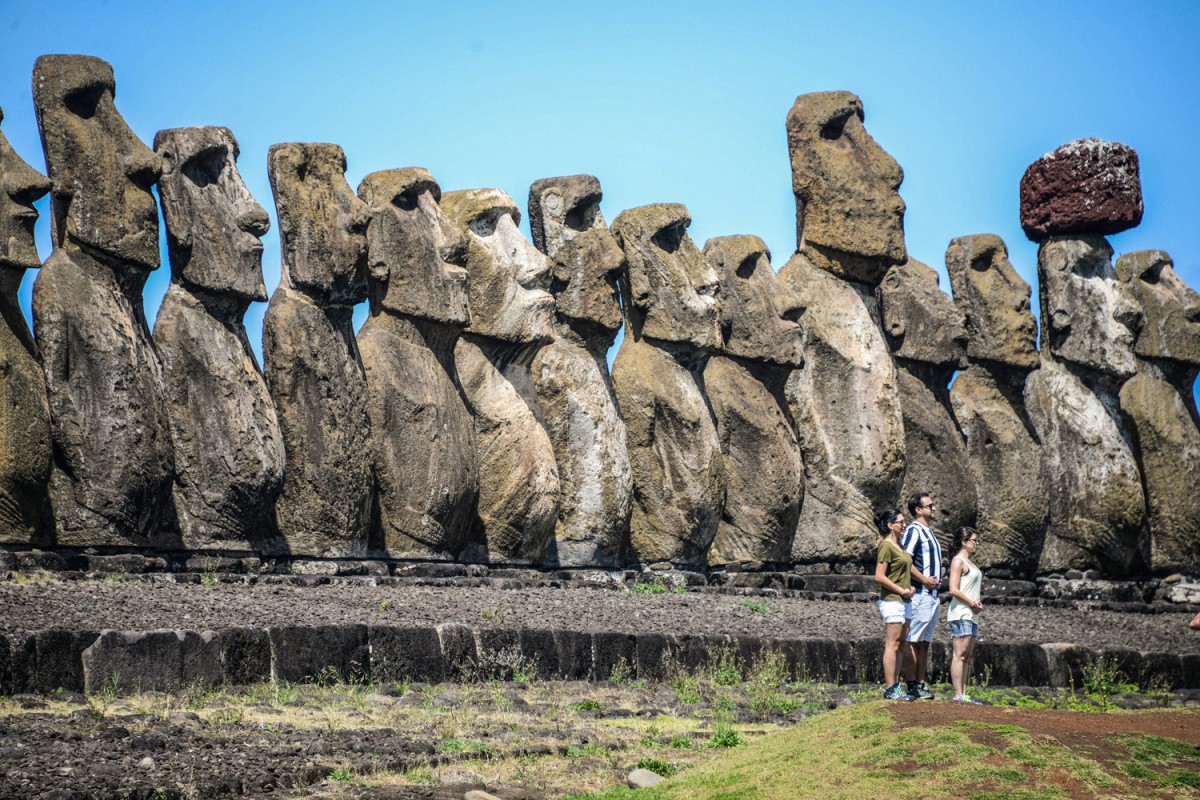
Ahu Tongariki
This is the largest ahu (ceremonial platform) on Easter Island, featuring 15 restored moai statues. It's a must-visit for its impressive size and historical significance.
Historical
1-2 hours
Free (included in national park entry fee)
Rano Raraku
Rano Raraku is the quarry where most of the moai statues were carved. It's an archaeological site with numerous moai in various stages of completion.
Historical
1-2 hours
Free (included in national park entry fee)
Ahu Akivi
This ahu is unique because it faces the ocean, unlike most others that face inland. It features seven moai statues and is one of the few ahus not restored by archaeologists.
Historical
1 hour
Free (included in national park entry fee)
Orongo
Orongo is a ceremonial village with stone houses and petroglyphs. It was used for the annual Tangata Manu (Bird Man) cult ceremony.
Historical
1-2 hours
Free (included in national park entry fee)
Ana Kai Tangata
This sea cave is known for its ancient petroglyphs and was used by the Rapa Nui people for shelter and ceremonial purposes.
Historical
1 hour
Free (included in national park entry fee)
Must-Try Local Dishes
Umu Rapa Nui
A traditional Rapa Nui feast cooked in an underground oven, featuring a variety of meats, fish, and vegetables.
Dinner
Contains meat and seafood, may not be suitable for vegetarians or vegans.
Po'e
A sweet pudding made from banana, pumpkin, or breadfruit, cooked with sugar and coconut milk.
Dessert
Vegetarian, may contain dairy.
Ika Mata
A raw fish salad marinated in lime juice, coconut milk, and spices, similar to ceviche.
Appetizer
Contains seafood, may not be suitable for those with seafood allergies.
Popular Activities
Hiking
Snorkeling
Scuba diving
ATV tours
Beach relaxation
Sunset watching
Yoga
Traditional umu feasts
Best Time to Visit
December to March
This is the summer season, with warm temperatures and the highest rainfall. It's the best time for beach activities and outdoor exploration.
20°C to 28°C
68°F to 82°F
Practical Information
Language
- Official: Spanish
- Widely spoken: Rapa Nui (local language)
- English: Limited
Currency
Chilean Peso (CLP)
Time Zone
CLT (Chile Standard Time, GMT-4)
Electricity
220VV, 50HzHz
Safety Information
Overall Safety Rating: Generally safe
Easter Island is generally safe with low crime rates. However, petty theft can occur, so it's important to take precautions.
Important Precautions:
- • Keep valuables secure and out of sight.
- • Use reputable tour operators and taxis.
- • Be cautious when walking alone at night.
Getting there
By air
- Matairi International Airport • 1.5 km from Hanga Roa
Getting around
Public transport
Buses are available but not extensive. They are a budget-friendly option for getting around the island.
Taxis
Available • Apps: None
Rentals
Car, Bike, Scooter
Neighborhoods
Hanga Roa
Day trips
Motu Nui
30 km from Hanga Roa • Full day
A small island known for its birdlife and historical significance. It was a key location in the Bird Man cult ceremonies.
Motu Iti
25 km from Hanga Roa • Full day
A small island known for its beautiful beaches and snorkeling opportunities.
Rano Kau
15 km from Hanga Roa • Half day
A volcanic crater offering stunning views of the island and the Pacific Ocean. It's also home to the ceremonial village of Orongo.
Festivals
Tapati Festival • January or February (dates vary)
Pro tips
- Book your accommodations and tours well in advance, especially during peak season.
- Rent a car or bike to explore the island at your own pace.
- Try the local cuisine, including traditional umu feasts.
- Respect the moai statues and other cultural sites by not touching or climbing on them.
- Bring enough cash for small purchases and remote areas, as ATMs may not be readily available.
From $25
per person
Price varies by option
Secure booking
Free cancellation available
Instant confirmation