Nazca: Pampas National Reserve - Vicuna & Lama Sanctuary
Active
6h
For a full refund, cancel at least 24 hours before the scheduled departure time.
Instant confirmation
Mobile or paper ticket accepted
About this experience
Step into the pristine wilderness of the Pampas National Reserve, a llama’s sanctuary nestled in the heart of Nazca. .
This remarkable conservation center is home to Peru’s vicuña, alpaca, llama, guanaco, and other camelids specially adapted to the Andes’ extreme cold.
As you traverse this untouched landscape, prepare to be captivated by the enchanting presence of vizcachas, elusive wild rodents, majestic eagles, and graceful ducks, all part of the reserve’s thriving ecosystem. Keep your eyes to the skies for the awe-inspiring flight of condors, a breathtaking spectacle that connects you with the Andean heavens.
Here, in the lap of nature’s splendor, you’ll encounter a tapestry of unique flora and fauna, making every moment an unforgettable journey into the heart of Nazca’s wilderness.
Available options
Nazca: Pampas National Reserve - Vicuna & Lama Sanctuary
Pickup included
What's included
Private transportation
Bilingual guide
Transfer (Pick up and return)
Detailed itinerary
1
The tour starts early, the guide will pick you at your hotel and go towards the national reserve.
Along the way you will enjoy a wonderful natural setting that combines different ecological zones ranging from the coastal hills with little vegetation, covered Andean heights vegetation of the place itself.
Our guide will provide information on how it was recovered an ancient practice called Chaccu where cornered and vicuña shearing without sacrifice in ancient times where the man with great respect for nature Apus and offerings to their gods to seek their protection, highlighting the vicuña animal native and producer of the finest fiber in the world.
2
Arriving at a site museum visit, where we will observe the wildlife itself to place it there, then walk to meet and learn more about the unique flora and fauna of the park. The vicuña national park is located 90 km away. from Nazca, following a zigzag/steep road that leads us to the Peruvian Andes. This area is home to the four species of South American camels (vicuña, alpaca, llama and guanaco), which can be seen grazing freely across the high plateau.
The characteristic vegetation of the reserve is grassland (ichu). In the stony valleys it is possible to find relict forests of quinoa and quishuar and stands of the candelabra cactus.
The most representative and abundant species of this reserve is the vicuña, whose protection and conservation motivated the creation of this unit. Another important species is the guanaco, which, like the vicuña, is one of the South American camelids found in the wild.
Return to Nazca
What's not included
Food
Available languages
Guide guide
EN
ES
Important information
Infants are required to sit on an adult’s lap
Suitable for all physical fitness levels
About Nazca
Nazca is a small town in southern Peru, renowned for the famous Nazca Lines, a series of ancient geoglyphs etched into the desert landscape. This arid region offers a unique blend of archaeological wonders, desert landscapes, and a rich cultural heritage.
Top Attractions
Nazca Lines
Ancient geoglyphs etched into the desert floor, best viewed from the air. These mysterious designs are a UNESCO World Heritage Site.
Historical
Half-day to full-day
Moderate to Expensive (air tours range from 80-150 USD)
Cantalloc Aqueducts
Ancient underground aqueducts built by the Nazca civilization to transport water across the desert.
Historical
1-2 hours
Free to 5 PEN
Nazca Museum
A small museum showcasing artifacts and information about the Nazca culture and the famous Nazca Lines.
Museum
1 hour
5-10 PEN
Must-Try Local Dishes
Cuy al Horno
Roasted guinea pig, a traditional Andean dish.
Main Course
Meat dish, not suitable for vegetarians.
Pachamanca
A traditional earth oven dish with meat, potatoes, and corn.
Main Course
Can be made with meat or vegetarian options.
Chicha Morada
A sweet, non-alcoholic drink made from purple corn.
Drink
Vegan and gluten-free.
Popular Activities
Sandboarding
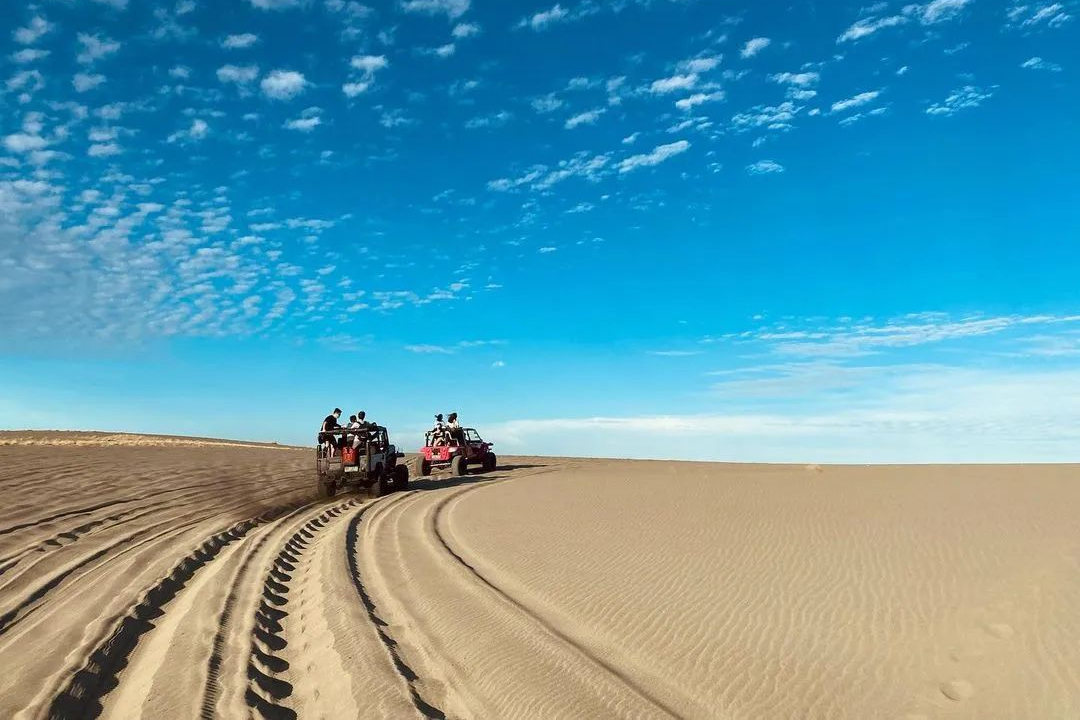
Dune buggy rides
Hiking in the desert
Visiting the oasis in Huacachina
Exploring local markets
Visiting the Nazca Museum
Exploring the Cantalloc Aqueducts
Swimming in the oasis
Best Time to Visit
April to October
This is the dry season with clear skies and cooler temperatures, making it ideal for outdoor activities and viewing the Nazca Lines.
15-28°C
59-82°F
Practical Information
Language
- Official: Spanish
- Widely spoken: Quechua
- English: Limited
Currency
Peruvian Sol (PEN)
Time Zone
GMT-5
Electricity
220VV, 60HzHz
Safety Information
Overall Safety Rating: Generally safe
Nazca is generally safe, but standard precautions should be taken to avoid petty theft and scams.
Important Precautions:
- • Avoid walking alone at night
- • Use reputable tour operators
- • Keep valuables secure
Getting there
By air
- María Reiche Neuman Airport • 5 km from city center
By bus
Nazca Bus Terminal
Getting around
Public transport
Buses are the primary mode of public transport in Nazca. They are affordable but can be crowded.
Taxis
Available • Apps: None available
Rentals
Car
Neighborhoods
Town Center
Desert Outskirts
Day trips
Palpa
30 km • Half-day
A nearby town with its own set of ancient geoglyphs and archaeological sites.
Huacachina
120 km • Full-day
A desert oasis known for sandboarding and dune buggy rides.
Festivals
Fiesta de San Juan • June 24
Fiesta de la Virgen del Carmen • July 16
Pro tips
- Book your Nazca Lines tour in advance to secure the best times and availability.
- Bring plenty of water and sunscreen for desert excursions.
- Try local dishes like cuy al horno and pachamanca for an authentic culinary experience.
- Visit the Nazca Museum before heading out to the desert to learn more about the lines and local culture.
- Carry small denominations of Peruvian Soles for small purchases and tips.
From $25
per person
Price varies by option
Secure booking
Free cancellation available
Instant confirmation