Private Tour Concentration Camp Mauthausen, with Melk & Dürnstein
Active
8h
For a full refund, cancel at least 24 hours before the scheduled departure time.
Instant confirmation
Mobile or paper ticket accepted
About this experience
On this privately guided tour, your guide will accompany you through the sacred, medieval and national socialistic history of Austria. We stop for to take pictures wherever and whenever you like.
Melk Abbey, our first stop after a 80 km ride, is the largest baroque monastery in Austria and one of the largest in all of Europe.
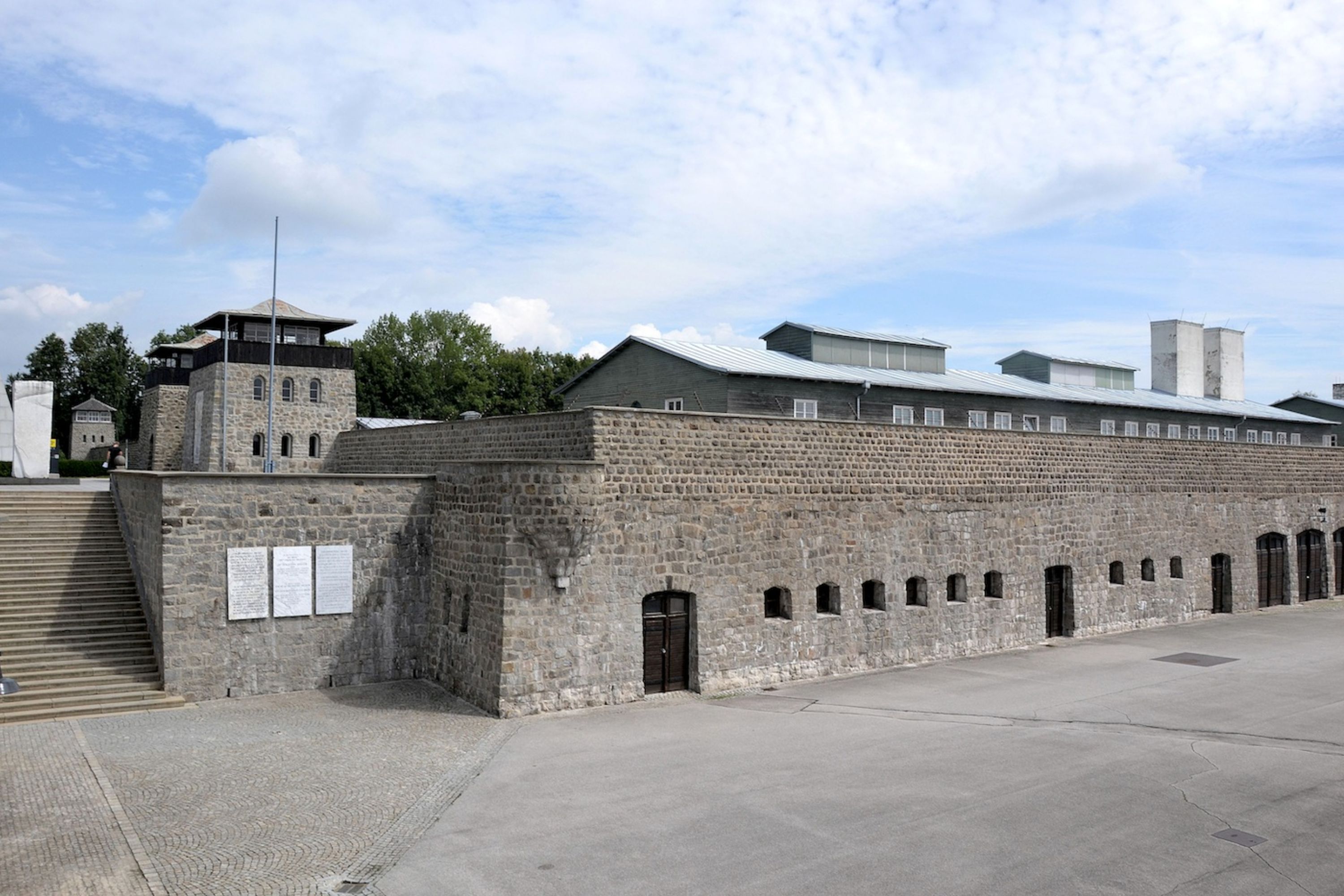
This Benedictine abbey is also home to Austria's oldest existing school, the Stiftsgymnasium. Then we drive 1 hour further to the concentration camp in Mauthausen and let ourselves be guided through the entire facility with its many barracks, fortifications and watchtowers. We also visit the museum inside and learn all the essentials about everyday life in the camp.
Our way back to Vienna takes us to the medieval town Dürnstein, situated in the most beautiful section of the Danube for our last stop. It is also a UNESCO World Heritage area. Way back from the Crusades, King Richard 1st Lionheart was captured here. We follow his footsteps on the Lionheart's path
Available options
Tour in panorama roof car
THAI LANGUAGE Translator possi: The tour can be ordered for Thai people with translator for up to max. 6 passengers.<br/>Pickup included
Private Tour from Vienna to Mauthausen, Melk and Dürnstein
Pickup included
What's included
Private transportation
Soda/Pop
Bottled water
Air-conditioned vehicle
Entrance fee to Mauthausen concentration camp and the town Dürnstein with the ruins of the castle
Detailed itinerary
1
Stop 1
Arriving at Melk Abbey, our first stop, you can visit the abbey complex with free admission. If you are interested in a guided tour, this is optionally possible.
guided tour per person. Today's baroque building was erected between 1702 and 1746 by Jakob Prandtauer. It is described as "the most iconic and dominant baroque building", one of the biggest in Europe. It also houses the Abbey high school Melk, the oldest existing school in Austria. Manuscripts in the Abbey Library of Melk indicate that a community of priests maintained a kind of collegiate monastery under the Babenberg Margrave Leopold I. between 976 and 994 AD. As a symbol of the Wachau, it is part of the UNESCO World Heritage.
2
Stop 2
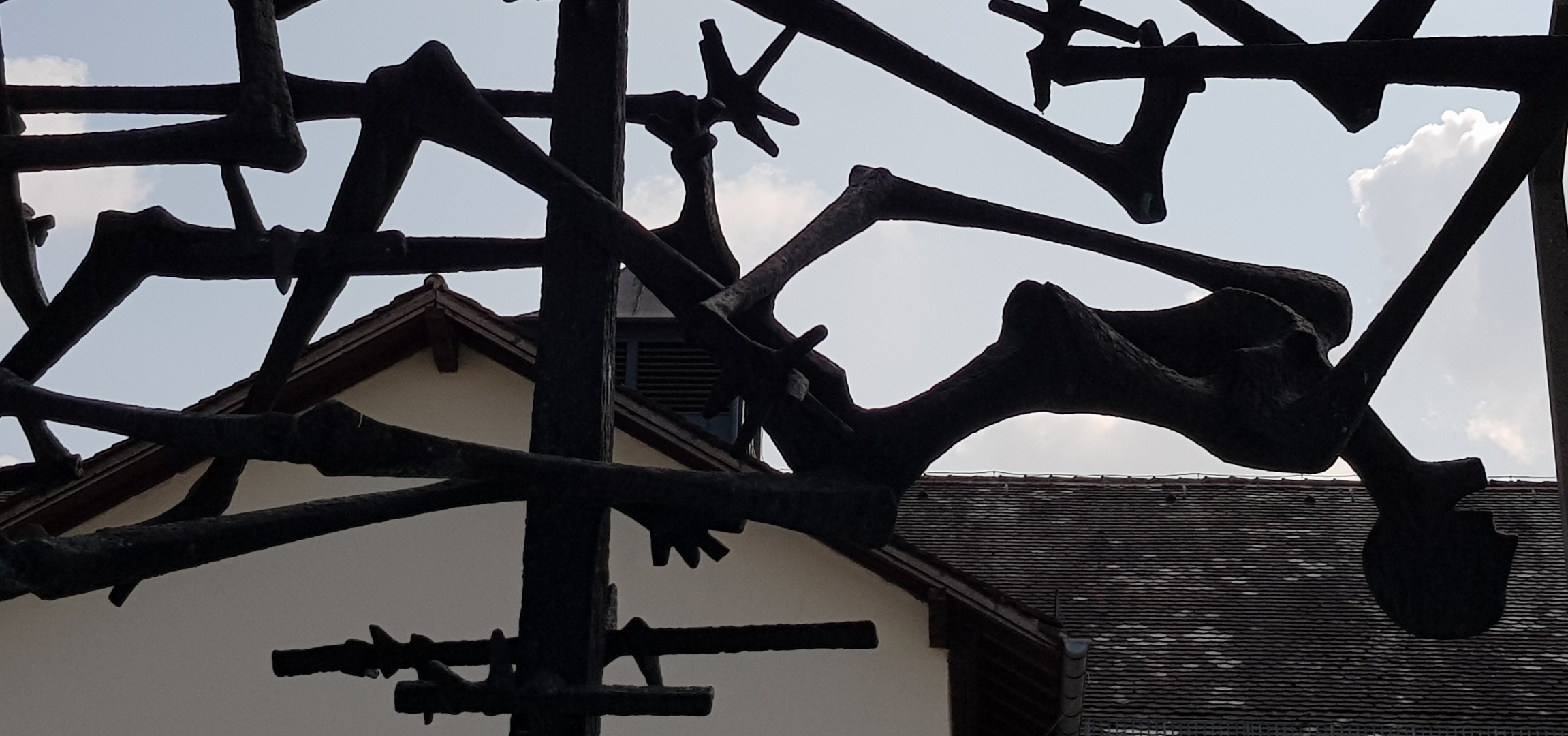
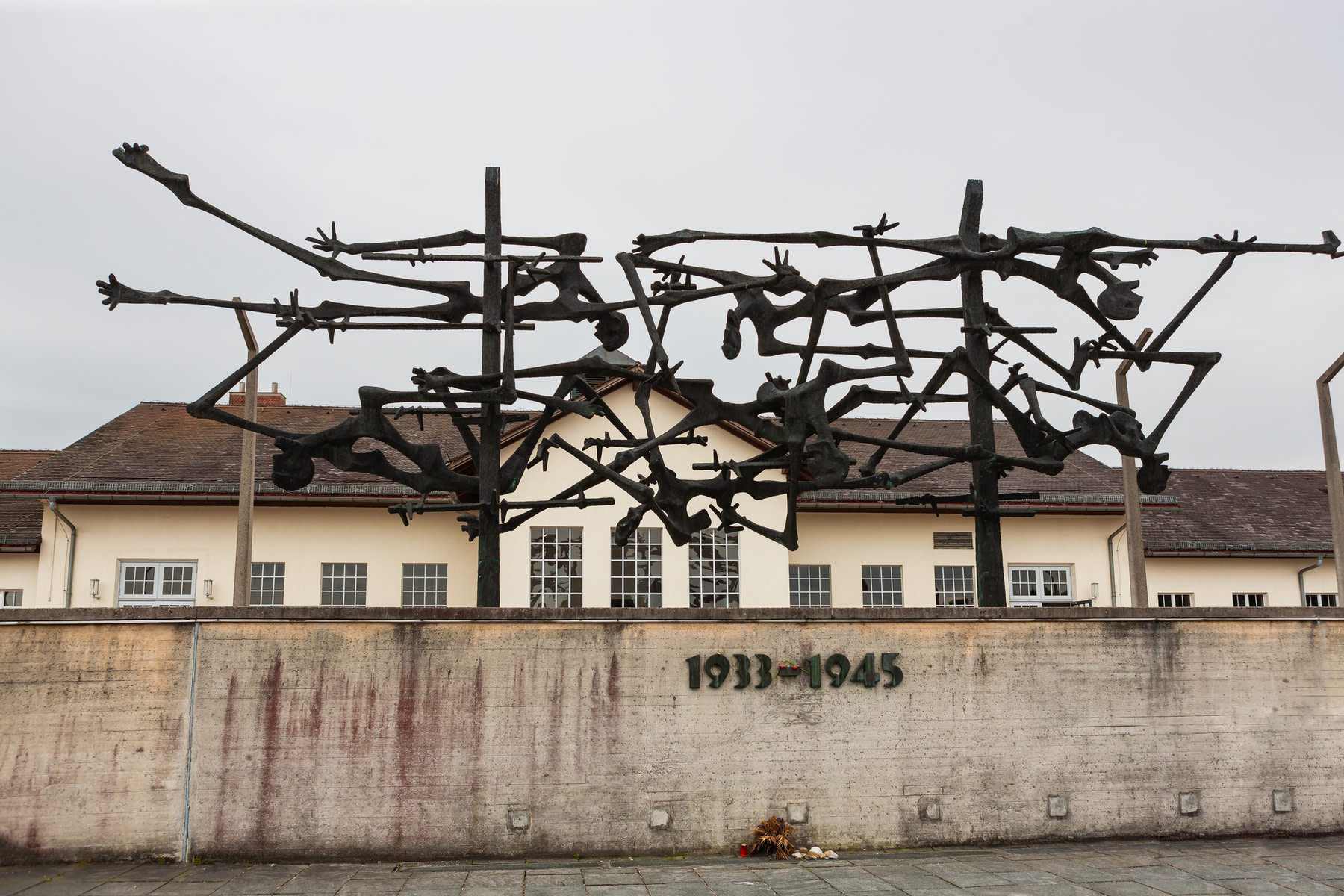
Our 2nd stop is Mauthausen, where we visit the concentration camp and dive into the sad past of the Nazi regime.
An Audio-guided tour in many different languages of the facility gives you an insight into the sad camp life of the prisoners. The Mauthausen concentration camp was the largest National Socialist concentration camp in Austria from August 8, 1938 until its dissolution, after the liberation of its inmates by US troops, on May 5, 1945. Around 200,000 people were imprisoned in Mauthausen and its satellite camps, of which more than 100,000 people lost their lives. Since 1947 there has been a memorial of the Republic of Austria on the site of the former concentration camp.
3
Stop 3
To banish the gloomy thoughts, we want to put some joy in your face with the last stop in the medieval town of Dürnstein, located in the most beautiful section of the Danube valley, the Wachau, a UNESCO World Heritage Site and also Austria's most famous wine-growing region.
We enter the village through the archway of the city walls and take time to see the old buildings and shops, take photos and taste local delicacies such as wines, liqueurs and sweets. Beautiful photo motifs are the old town hall, which is often booked for weddings from all over Austria, the Dürnstein Abbey, whose history begins with the consecration of Mary's chapel in 1372 and the view from the fortress to the city and the river Danube.
We can also hike the Lionheart Trail to the fortress ruins and learn about the history of England's most famous King, Richard 1st, the Lionheart, who was held here as a prisoner on his way back from the Crusades.
We then return along the Danube to Vienna, to your desired end point
What's not included
Gratuities
guided Tour in Melk Abbey is not included Adults EUR 16.00 and Pupils/children EUR 9.50
Durnstein Local delicacies, wines, liqueurs and sweets(pay your own)
Available languages
Audio guide
DE
EN
IT
FR
ES
Guide guide
DE
EN
Reviews breakdown
Viator
5.0
1 reviews
5★
1
4★
0
3★
0
2★
0
1★
0
Important information
Wheelchair accessible
Infants and small children can ride in a pram or stroller
Service animals allowed
Specialized infant seats are available
Transportation options are wheelchair accessible
All areas and surfaces are wheelchair accessible
Suitable for all physical fitness levels
Tour Duration includes travel time
Meeting point
This optional meeting point is located at the backside of the opera house, beside the hotel Sacher
About Vienna
Vienna, the capital of Austria, is renowned for its rich imperial history, vibrant arts scene, and stunning architecture. Known as the 'City of Music', it has been home to legendary composers like Mozart, Beethoven, and Strauss. The city's elegant cafes, grand palaces, and world-class museums make it a cultural treasure trove.
Top Attractions
Schönbrunn Palace
A former imperial summer residence, Schönbrunn Palace is a stunning example of Baroque architecture. The palace and its gardens are a UNESCO World Heritage site.
Historical/Architecture
2-3 hours
€18 for Imperial Tour, €24 for Grand Tour
St. Stephen's Cathedral
A masterpiece of Gothic architecture, St. Stephen's Cathedral is a symbol of Vienna. The cathedral's multi-colored tile roof is iconic.
Religious/Architecture
1-2 hours
Free entry, €6 for tower climb, €7 for treasury
Belvedere Palace
A historic building complex with two Baroque palaces, the Belvedere houses the largest collection of Gustav Klimt paintings, including 'The Kiss'.
Historical/Art/Museum
2-3 hours
€16 for Upper Belvedere, €14 for Lower Belvedere
Vienna State Opera
One of the world's leading opera houses, the Vienna State Opera offers performances of opera, ballet, and concerts.
Cultural/Entertainment
2-4 hours (performance length)
€10-200 depending on performance and seat
Hofburg Palace
The former imperial palace, Hofburg Palace is now home to several museums, the Austrian National Library, and the Spanish Riding School.
Historical/Museum
2-3 hours
€14 for Sisi Museum and Imperial Apartments, €20 for Silver Collection
Must-Try Local Dishes
Wiener Schnitzel
A thin, breaded, and fried veal cutlet, traditionally served with lemon and potato salad or dumplings.
Dinner
Contains gluten and dairy
Tafelspitz
Boiled beef, usually served with root vegetables, apple sauce, and horseradish.
Dinner
Gluten-free, dairy-free
Sachertorte
A famous chocolate cake with a thin layer of apricot jam, covered in dark chocolate glaze.
Dessert
Contains gluten and dairy
Apfelstrudel
A thin pastry filled with spiced apples, raisins, and sugar, often served with vanilla sauce or ice cream.
Dessert
Contains gluten
Popular Activities
Hiking in the Vienna Woods
Cycling along the Danube
Kayaking on the Danube
Coffee house hopping
Spa day at a luxury hotel
Strolling through Schönbrunn Palace Gardens
Visiting museums and galleries
Attending opera or concert performances
Best Time to Visit
May to September
This is the best time to visit Vienna for pleasant weather and outdoor activities. The city hosts numerous festivals and cultural events during these months.
15°C to 30°C
59°F to 86°F
Practical Information
Language
- Official: German
- Widely spoken: English, Austro-Bavarian dialect
- English: Widely spoken in tourist areas, moderately spoken elsewhere
Currency
Euro (EUR)
Time Zone
GMT+1 (CET), GMT+2 (CEST during daylight saving time)
Electricity
230VV, 50HzHz
Safety Information
Overall Safety Rating: Generally safe
Vienna is a safe city with low crime rates. However, as with any major city, petty crime and pickpocketing can occur in tourist areas.
Important Precautions:
- • Keep valuables secure and out of sight
- • Use licensed taxis or ride-sharing apps
- • Be cautious of strangers offering help or services
Getting there
By air
- Vienna International Airport • 18 km from city center
By train
Vienna Hauptbahnhof (Main Station), Vienna Westbahnhof
By bus
Vienna International Bus Terminal, Erdberg Bus Station
Getting around
Public transport
Vienna's metro system is efficient and user-friendly, with four lines (U1, U2, U3, U4).
Taxis
Available • Apps: Bolt, FreeNow
Rentals
Car, Bike, Scooter
Neighborhoods
Innere Stadt
Leopoldstadt
Wieden
Hietzing
Day trips
Bratislava
80 km (50 miles) • Full day
The capital of Slovakia, Bratislava is a charming city with a rich history, beautiful architecture, and a vibrant cultural scene.
Salzburg
300 km (186 miles) • Full day or overnight
The birthplace of Mozart, Salzburg is a beautiful city with a rich musical heritage, stunning architecture, and scenic surroundings.
Hallstatt
200 km (124 miles) • Full day or overnight
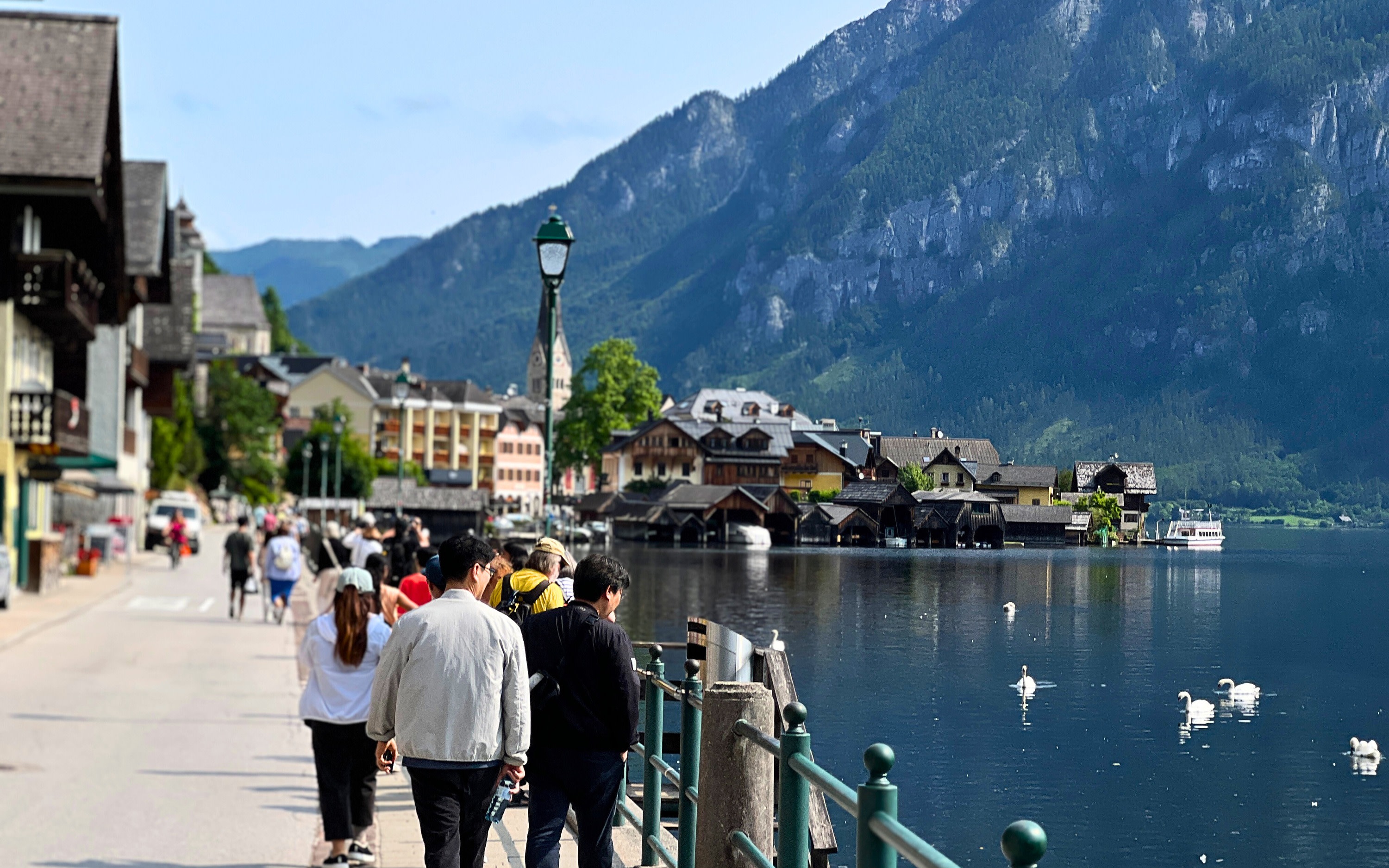
A picturesque lakeside village in the Austrian Alps, Hallstatt is known for its stunning natural beauty and historic salt mines.
Festivals
Vienna Festival (Wiener Festwochen) • May to June
Vienna Opera Ball (Wiener Opernball) • Late February or early March
Vienna Christmas Markets (Wiener Christkindlmarkt) • Late November to December 26
Pro tips
- Visit major attractions early in the morning or late in the afternoon to avoid crowds
- Purchase a Vienna Pass for unlimited transport and attractions, saving time and money
- Explore the city's coffee house culture and try traditional pastries like Sachertorte and Apfelstrudel
- Take a day trip to nearby cities like Bratislava or Salzburg for a change of pace
- Use public transport or walk to explore the city, as driving can be challenging and expensive
From $25
per person
Price varies by option
Secure booking
Free cancellation available
Instant confirmation