4 Day Omo Valley Tours
Active
4d
For a full refund, cancel at least 24 hours before the scheduled departure time.
Instant confirmation
Mobile or paper ticket accepted
About this experience
Explore the nature, culture, and history of omo Valley on this 4-day excursion. After a convenient hotel pickup, enjoy experiences that include visiting the archaeological site of admiring the wild life of Mago National Park to see Mursi (ear loop and lip loop), Ari,Hamer( bull jumbing),Dasanech,Kara(known for body painting),Banna and Yangatom and access to an informative local guide. Experience the diversity of Ethiopia’s Omo Valley, watch for amazing wildlife, and visit tribal villages Learn about the Omo Valley’s history and culture from an informative guide Make the most of limited time with convenient hotel.
Available options
4 Day Omo Valley Tours
Pickup included
What's included
All entrance fee
Government tax
Lunch
Dinner
Air-conditioned vehicle
Breakfast
Airport/Departure Tax
Mago National Park fee
Guide
3 nights Accommodation
What's not included
Drinks
Photos or video fees
Domestic Flight
Available languages
Guide guide
EN
Reviews breakdown
Tripadvisor
4.9
40 reviews
5★
38
4★
1
3★
0
2★
0
1★
1
Important information
Suitable for all physical fitness levels
This tour/activity will have minimum of 2 travelers
Meeting point
any other places that are requested by our clients Hotel pickup offered During checkout you will be able to select from the list of included hotels. Airport pickup offered During checkout you will be able to select from the list of included airports.
we will write your name and show you at the
About Jinka
Jinka is a gateway to the Lower Omo Valley, one of Ethiopia's most culturally diverse and ethnically rich regions. Known for its vibrant tribal communities, ancient traditions, and stunning landscapes, Jinka offers a unique and immersive cultural experience for travelers.
Top Attractions
Mursi Museum
The Mursi Museum offers a fascinating glimpse into the lives and cultures of the Mursi people, one of the most well-known ethnic groups in the Lower Omo Valley. The museum houses a collection of artifacts, photographs, and exhibits showcasing the rich heritage of the region.
Cultural
1-2 hours
50-100 ETB
Karo Village
The Karo Village is home to the Karo people, known for their intricate body paintings and unique cultural practices. Visiting the village offers a rare opportunity to witness traditional Karo life and interact with the community.
Cultural
Half day to full day
Varies depending on the tour
Omo National Park
Omo National Park is a vast and remote wilderness area known for its diverse wildlife and stunning landscapes. The park is home to a variety of species, including elephants, lions, and crocodiles, as well as numerous bird species.
Nature
Full day or overnight
Varies depending on the tour
Dorze Village
The Dorze people are known for their unique architecture and weaving skills. Visiting Dorze Village offers a glimpse into their traditional way of life, including their distinctive beehive-shaped houses and intricate weaving techniques.
Cultural
Half day to full day
Varies depending on the tour
Must-Try Local Dishes
Injera
A sourdough flatbread made from teff flour, injera is a staple food in Ethiopia. It is used as both a plate and utensil, and is typically served with various stews and sauces.
Main Dish
Vegetarian, Gluten-free (if made from teff flour)
Doro Wat
A spicy chicken stew made with berbere spice, onions, and garlic, doro wat is one of Ethiopia's most famous dishes. It is typically served with injera.
Main Dish
Contains meat, Spicy
Shiro Wat
A spicy stew made from chickpeas or broad beans, shiro wat is a popular vegetarian dish in Ethiopia. It is typically served with injera.
Main Dish
Vegetarian, Vegan, Spicy
Kolo
Roasted barley or chickpeas, kolo is a popular snack in Ethiopia. It is often served with coffee or tea.
Snack
Vegetarian, Vegan, Gluten-free (if made from chickpeas)
Popular Activities
Guided tours of tribal villages
Wildlife viewing in Omo National Park
Boat tours of the Omo River
Cultural performances
Guided walks
Photography
Visiting tribal villages
Attending cultural ceremonies
Best Time to Visit
October to March
This is the best time to visit Jinka as the weather is dry and pleasant, making it ideal for exploring the region's cultural attractions and natural beauty. The dry season also ensures better road conditions for travel.
18-28°C
64-82°F
Practical Information
Language
- Official: Amharic
- Widely spoken: Oromo, Tigrinya, English
- English: Moderately spoken in tourist areas
Currency
Ethiopian Birr (ETB)
Time Zone
GMT+3
Electricity
220VV, 50HzHz
Safety Information
Overall Safety Rating: Generally safe
Jinka is generally safe for travelers, but it is important to be aware of your surroundings and take precautions to protect yourself and your belongings. Petty crime, such as pickpocketing and bag snatching, can occur, especially in crowded areas.
Important Precautions:
- • Be cautious of strangers offering help or services
- • Avoid carrying large amounts of cash or wearing expensive jewelry
- • Use reputable tour operators and guides
Getting there
By air
- Jinka Airport • 5 km from city center
By bus
Jinka Bus Station
Getting around
Public transport
Minibuses are the primary mode of public transport in Jinka, connecting the town to nearby villages and attractions. They are inexpensive but can be crowded and uncomfortable.
Taxis
Available • Apps:
Rentals
Car
Neighborhoods
Town Center
Lower Omo Valley
Day trips
Mursi Village
Approximately 50 km from Jinka • Full day
The Mursi Village is home to the Mursi people, known for their unique cultural practices and traditional way of life. Visiting the village offers a rare opportunity to witness Mursi life and interact with the community.
Omo River
Approximately 30 km from Jinka • Half day to full day
The Omo River is a vital lifeline for the communities in the Lower Omo Valley. Visiting the river offers a chance to witness the stunning landscapes and experience the local way of life.
Festivals
Omo Valley Festival • Annually in November
Pro tips
- Hire a professional guide for a safe and informative visit to the Lower Omo Valley, as the region is remote and challenging to navigate on your own
- Support local businesses and artisans by purchasing handmade crafts and souvenirs, and avoid purchasing items made from endangered species or illegal materials
- Respect local customs and traditions, and follow the lead of the local community, especially when visiting tribal villages or religious sites
- Carry a variety of payment methods, including cash and credit cards, as some businesses may not accept cards or may have limited change
- Be mindful of your water and energy usage, and conserve resources whenever possible, as the region is remote and resources may be limited
From $25
per person
Price varies by option
Secure booking
Free cancellation available
Instant confirmation



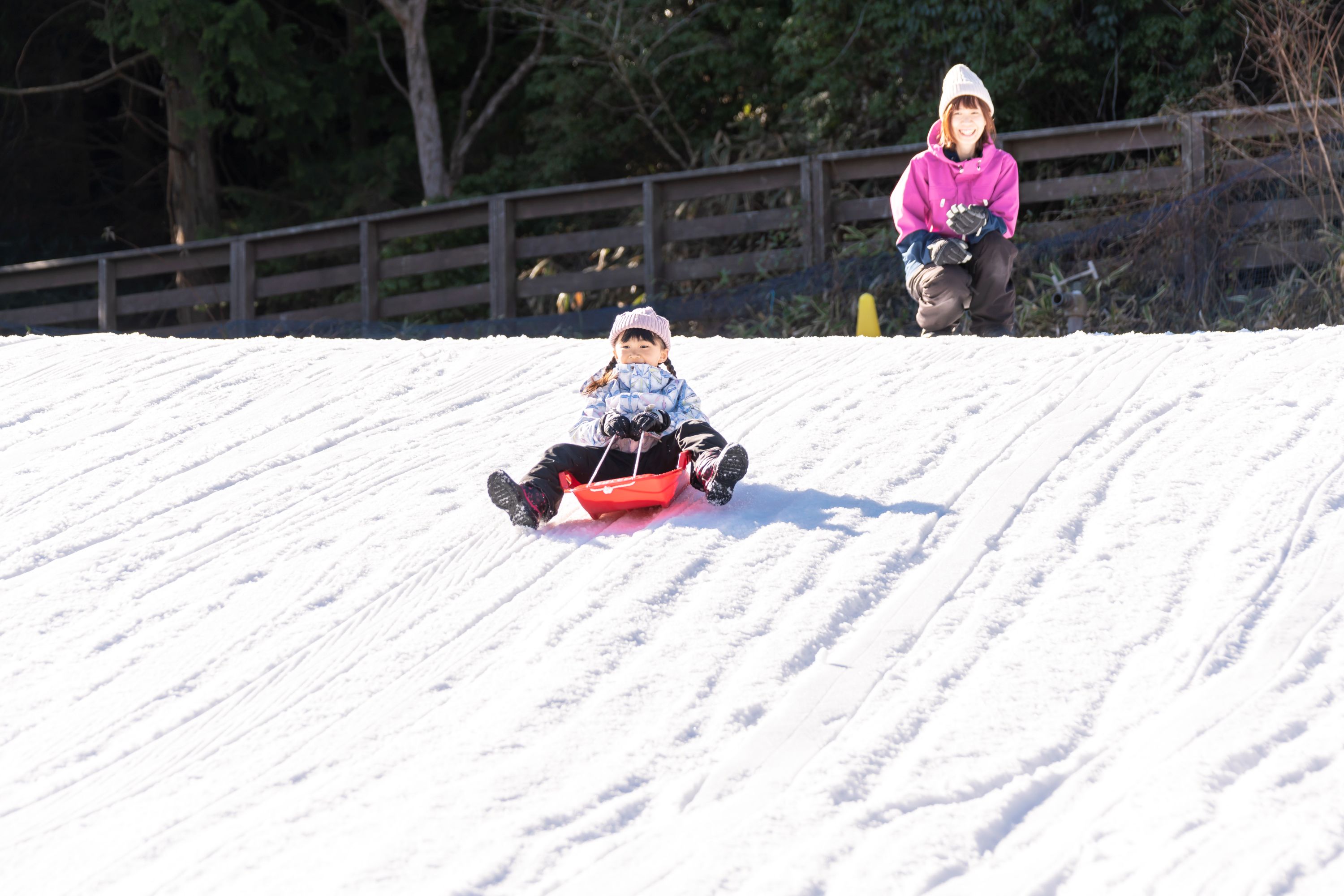

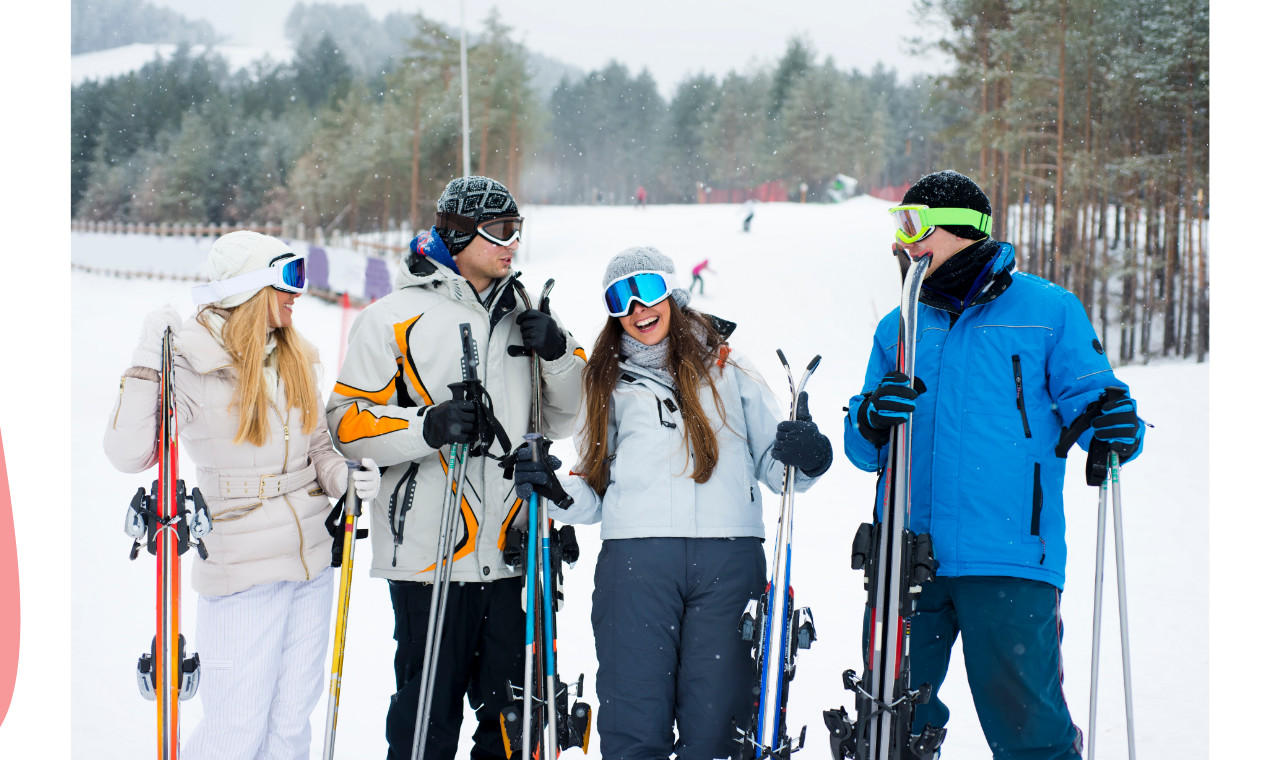

![[Winter Only] Kobe Rokkosan Snow Park Skiing/Snow Playing Day Tour (Departing from Osaka)](https://res.klook.com/image/upload/activities/op2qkbj9e9psyt5i1em5.jpg)

![[Winter Limited] Shiga Hakodateyama Skiing/Snow Fun & Autumn Leaves Avenue & Makino Plateau Hot Spring Day Trip|Departure from Osaka & Kyoto](https://res.klook.com/image/upload/activities/g5eouamugfctjzqlydaz.jpg)