Dolomites from Above 1H Exclusive Heli Experience from Venice
Active
10h - 11h
For a full refund, cancel at least 24 hours before the scheduled departure time.
Instant confirmation
Mobile or paper ticket accepted
About this experience
Have you ever dreamed of soaring above the Dolomites, taking in their majestic peaks, glacial lakes, and rugged cliffs from a perspective few ever experience? What if you could then land and explore these wonders up close, walking along their shores and uncovering the geological and ecological secrets hidden in their landscapes?
Did you know that many of these lakes were formed by ancient landslides or carved by glaciers over millennia, their vibrant colors created by suspended minerals and glacial silt? How often do you have the chance to combine the thrill of flight with the immersive experience of standing amidst some of the most scientifically fascinating landscapes on Earth?
This tour offers the best of both worlds: breathtaking aerial views to see the grandeur of the Dolomites and a hands-on exploration to connect with their beauty and significance.
Are you ready to see and experience the Dolomites like never before? Book your tour now and make it a journey to remember!
Available options
60-Min. Flight & Visit 4 Lakes
30-Min. Flight & Visit 4 Lakes
30Min. Flight & Visit 4 Lakes : Fly over Lk. Auronzo, Tre Cime, Lk. Misurina, Lk. Sorapiss, and Mt. Pelmo; visit Lks. Auronzo, Misurina, Dobbiaco, and Braies
15-Min. Flight & Visit 4 Lakes
15-Min. Flight & Visit 4 Lakes: 15-min flight over Mt. Spalti di Toro; visit Lks. Auronzo, Misurina, Dobbiaco, and Braies on the ground.
What's included
Private transportation
Bottled water
Detailed itinerary
1
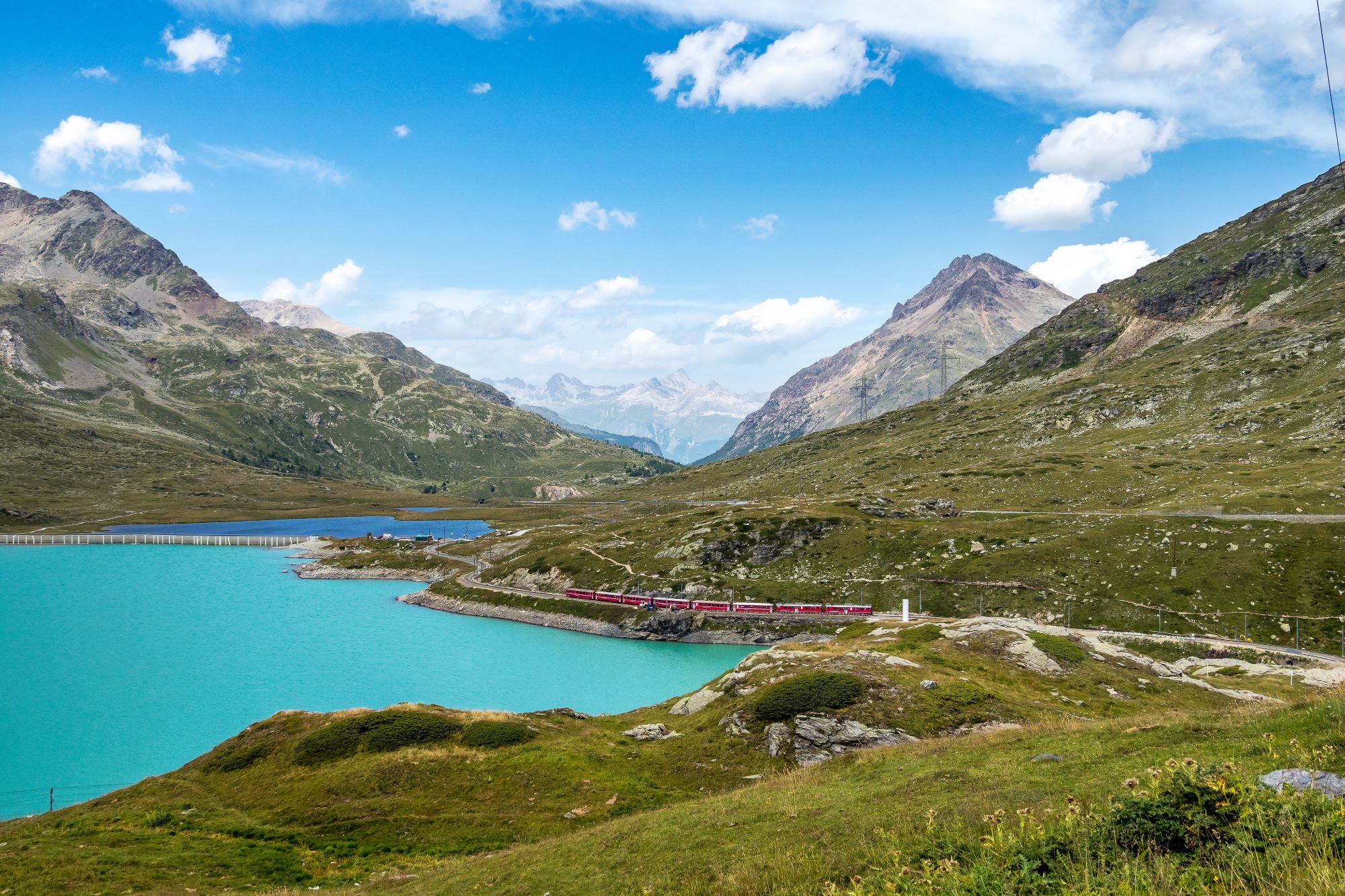
Fly in a high-performance helicopter designed for safety, comfort, and panoramic views, offering the perfect way to explore the stunning landscapes of the Dolomites. Have you ever seen a lake so vibrant it seems to glow? As you soar over Lake Auronzo, you’ll marvel at its turquoise waters, fed by glacial streams and surrounded by dramatic peaks—a breathtaking start to your journey.
2
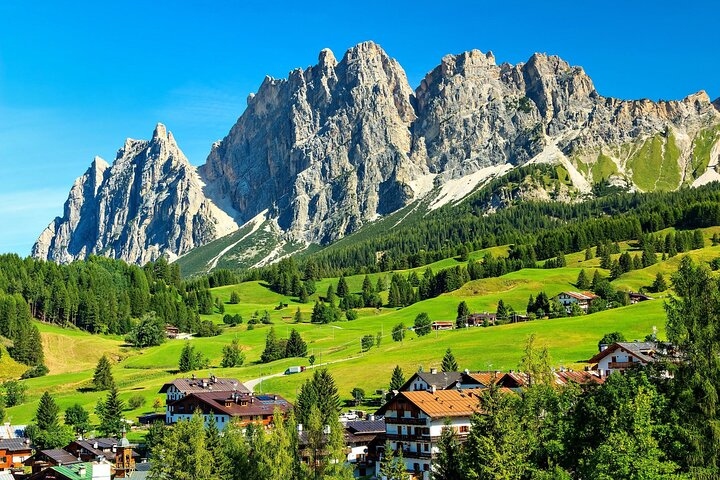
What makes the Tre Cime di Lavaredo so iconic? These towering spires, formed over 200 million years ago, are a symbol of the Dolomites' geological and natural heritage. From the sky, their sharp, rugged beauty is even more striking, offering a view that land-bound explorers can only dream of.
3
Stop 3
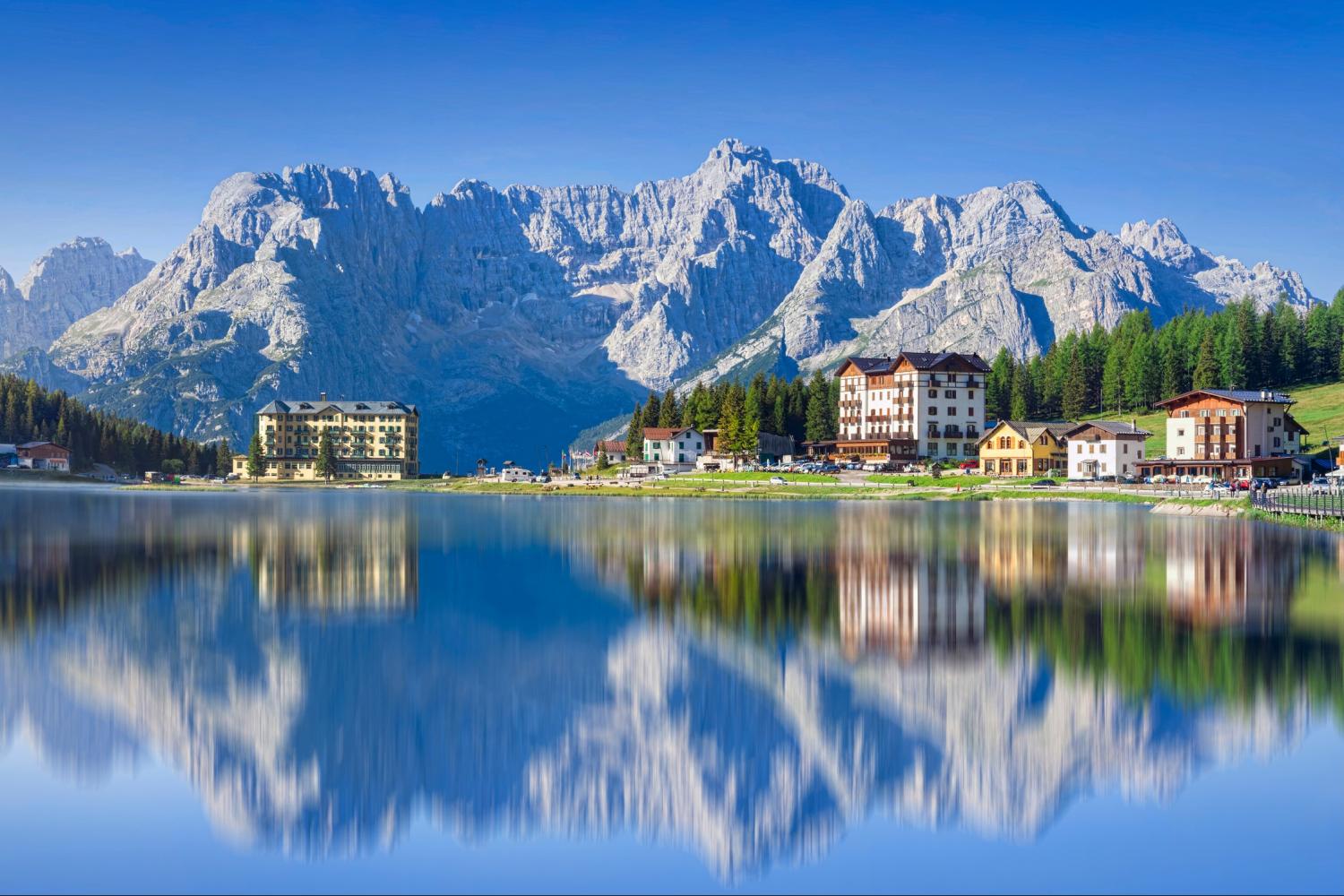
Why is Lago di Misurina called the “Pearl of the Dolomites”? This stunning lake reflects the surrounding peaks in its crystal-clear waters, creating a scene of unparalleled tranquility. It's microclimate, known for its therapeutic properties, adds a layer of scientific significance to its beauty.
4
What makes Mt. Cristallo a must-see? With its dramatic cliffs and rugged terrains, this peak is not only visually breathtaking but also a haven for diverse alpine flora and fauna. From the air, you’ll see the intricate details of its landscapes, a result of millions of years of geological activity.
5
Can a lake really be as turquoise as Lago di Sorapiss? This glacial wonder gets its surreal color from suspended rock particles, making it one of the most unique natural sights in the Dolomites. Flying above, you’ll have the perfect angle to capture its beauty in full.
6
Did you know Cortina d’Ampezzo is both a cultural hub and a natural gem? Surrounded by majestic peaks, this world-renowned winter sports destination blends history, charm, and stunning alpine scenery. From above, its beauty is magnified, revealing its place as the crown jewel of the region.
7
Have you ever flown over a museum in the mountains? The Open-Air Museum of the 5 Torri preserves WWI trenches and fortifications in a dramatic alpine setting. From the sky, you’ll appreciate how history and nature intertwine in this unforgettable landscape.
8
What makes the Torri del Sella so breathtaking? These majestic rock formations were sculpted over millions of years by wind and water, creating towering pinnacles that dominate the rugged landscape. From above, you’ll marvel at their intricate details and the way they define the raw beauty of the Dolomites.
9
Why are the Torri del Vajolet so captivating? These slender, sharp spires rise dramatically against the surrounding alpine scenery, a testament to nature’s ability to carve art from stone. Flying overhead, you’ll see how these towers stand as bold icons of the Dolomites’ unique geology.
10
Did you know Marmolada is the highest peak in the Dolomites? Home to Italy’s largest glacier, this colossal mountain is both a natural wonder and a stark reminder of the effects of climate change. Flying over Marmolada, you’ll see its immense scale and the critical role it plays in the region’s ecosystem.
11
Why is Monte Civetta known as the “Wall of the Dolomites”? Its towering cliffs create a dramatic landscape that has captivated climbers and geologists for centuries. From the air, its sheer scale and beauty are even more awe-inspiring.
12
What makes Monte Pelmo unique? Known as the “Throne of the Gods,” its distinctive silhouette sets it apart from other peaks. Flying above, you’ll see why it’s considered one of the most majestic landmarks in the Dolomites. This is our final stop by helicopter, and from here, we’ll begin exploring the stunning lakes from the ground.
13
From above, you admired the striking turquoise waters of Lago di Auronzo. On the ground, you’ll discover that this is an artificial lake, created in the 1930s to harness glacial meltwater for hydroelectric power generation, a project vital to the region’s energy needs. Its brilliant turquoise color is due to finely suspended glacial silt, or "rock flour," carried into the lake by meltwater from the surrounding Dolomites. These microscopic particles scatter sunlight, giving the lake its vibrant hue. How incredible is it to see a place where human engineering and natural processes combine to create such beauty?
14
Stop 14
From the air, you’ve seen Lago di Misurina reflecting the surrounding peaks like a mirror. Walking its shores, you’ll discover its unique microclimate, celebrated for its therapeutic properties and high oxygen concentration. As part of a UNESCO World Heritage Site, the lake is also studied for its limnological characteristics, including its water temperature and alpine ecosystem. How does it feel to walk through a place where science and health meet?
15
Viewed from above, Lago di Dobbiaco’s crescent shape reveals its ancient landslide origins. On the ground, it becomes a window into alpine biodiversity. This glacial lake is a vital stop for migratory birds and home to the Salmerino Alpino (Arctic char), a rare fish that thrives in its cold, oxygen-rich waters. Observation points allow you to see native species thriving, while its water chemistry provides key data for environmental studies. Can you imagine walking the shores of a lake shaped by geology and alive with unique wildlife?
16
From the sky, Lago di Braies stunned you with its emerald waters surrounded by towering limestone cliffs. On land, you’ll uncover its fascinating history: the lake was formed by an ancient landslide, creating a natural dam. During WWII, this site became a stage for a remarkable negotiation when SS officers held prisoners as leverage but ultimately released them in a rare act of humanity. Its unique karstic geology and deep waters also make it a hotspot for scientific study. How will it feel to stand where natural beauty and history collide?
What's not included
Lunch
Available languages
Written guide
DE
EN
IT
FR
ES
Important information
Public transportation options are available nearby
Not recommended for travelers with poor cardiovascular health
Suitable for all physical fitness levels
Meeting point
Meet us at Piazzale Roma, Venice. We will contact you to assist with your meeting point details.
About Venice
Venice is a unique and enchanting city built on more than 100 small islands in a lagoon in the Adriatic Sea. Known for its canals, gondolas, and stunning architecture, Venice is a UNESCO World Heritage site and a must-visit destination for its rich history, art, and culture. The city offers a romantic and timeless atmosphere that captivates visitors from around the world.
Top Attractions
St. Mark's Basilica
A stunning Byzantine cathedral known for its opulent design, golden mosaics, and historical significance. It is one of the most iconic landmarks in Venice.
Historical/Religious
1-2 hours
Free entry, €3 for museum and treasury
Doge's Palace
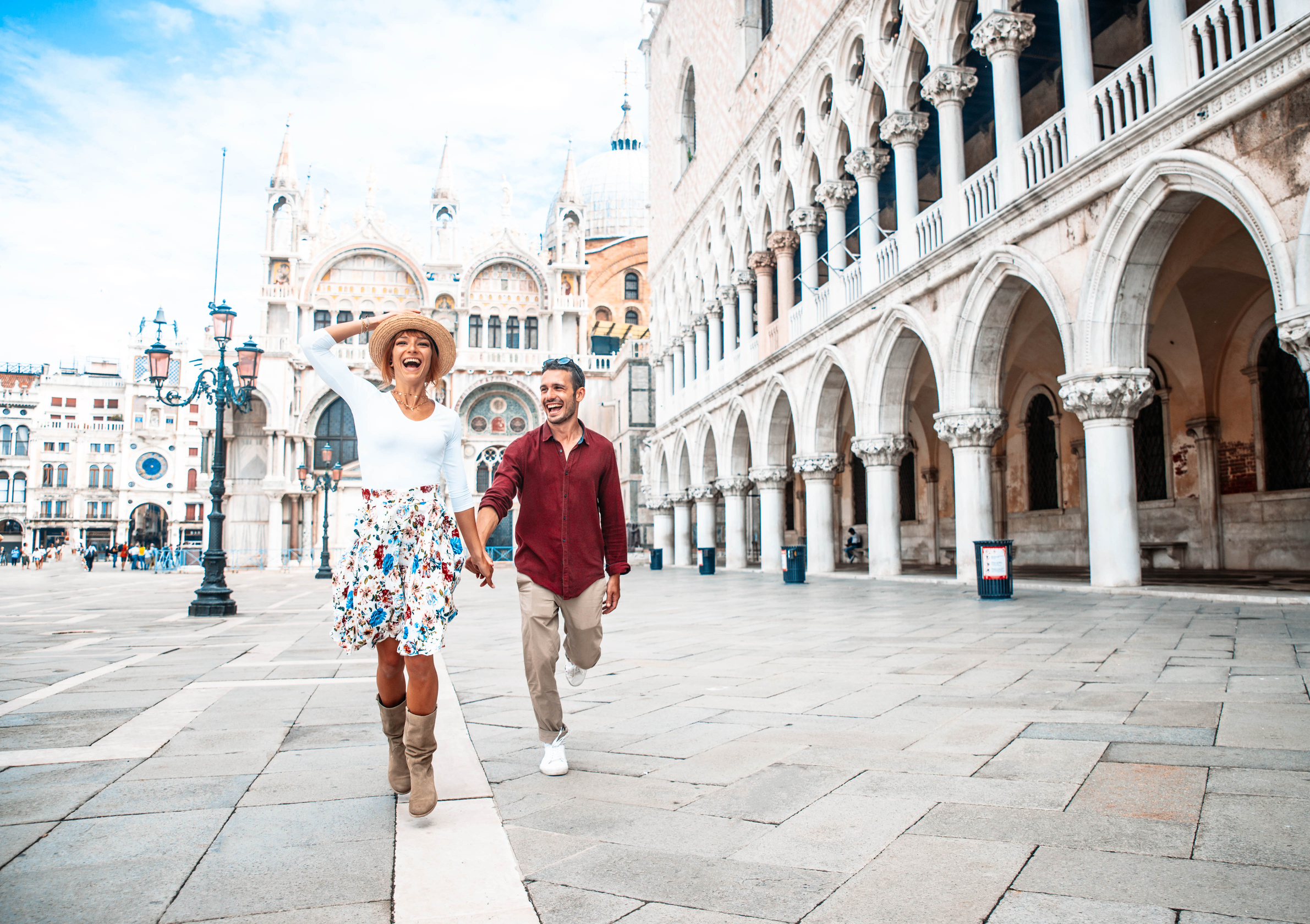
A masterpiece of Gothic architecture, the Doge's Palace was the residence of the Doge of Venice and the seat of Venetian government. It offers a glimpse into the city's political and cultural history.
Historical/Architecture
1-2 hours
€25 for standard ticket, €30 for Secret Itineraries Tour
Rialto Bridge
The oldest and most famous of Venice's four bridges spanning the Grand Canal, the Rialto Bridge is an iconic symbol of the city.
Architecture
30 minutes
Free
Grand Canal
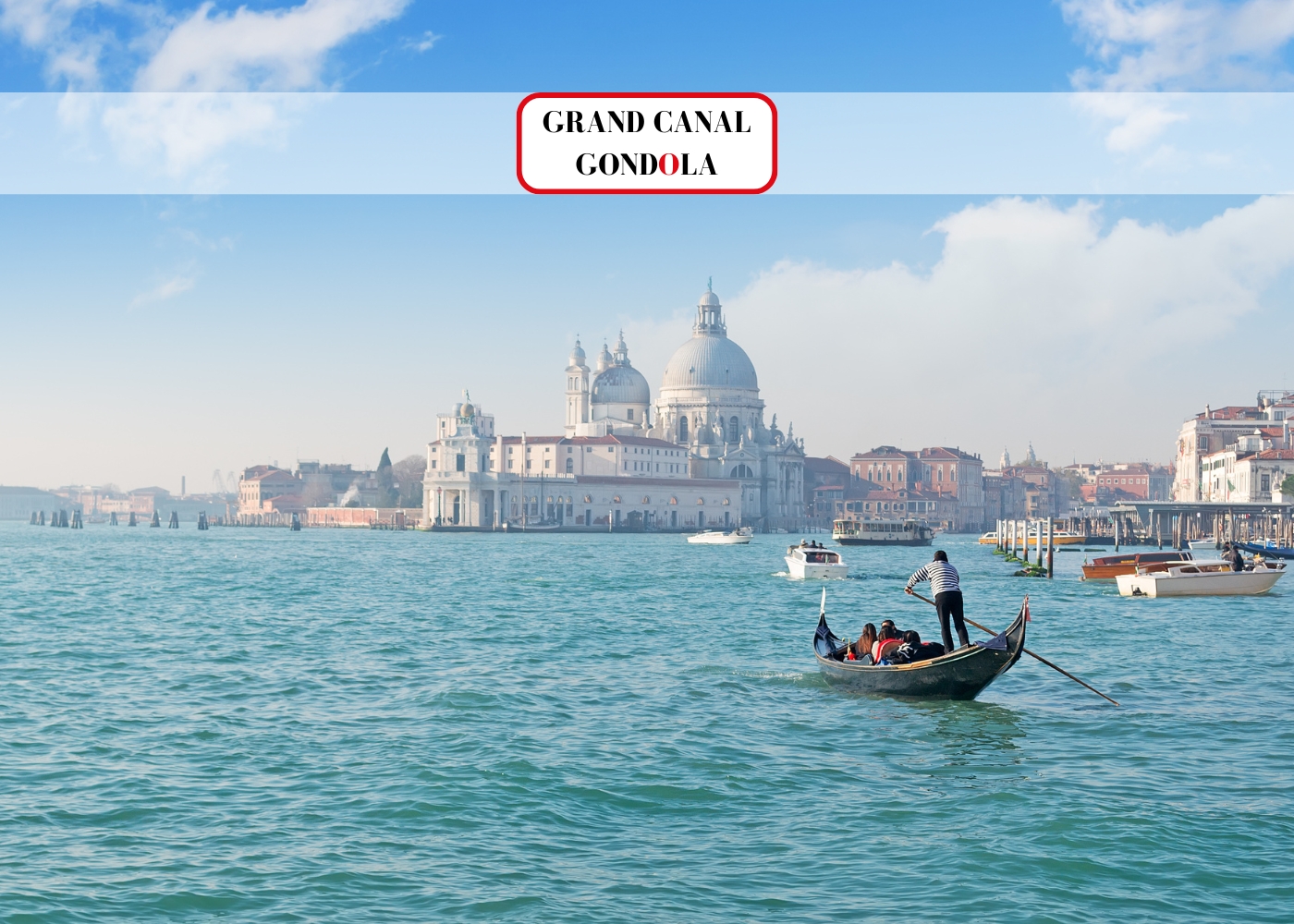
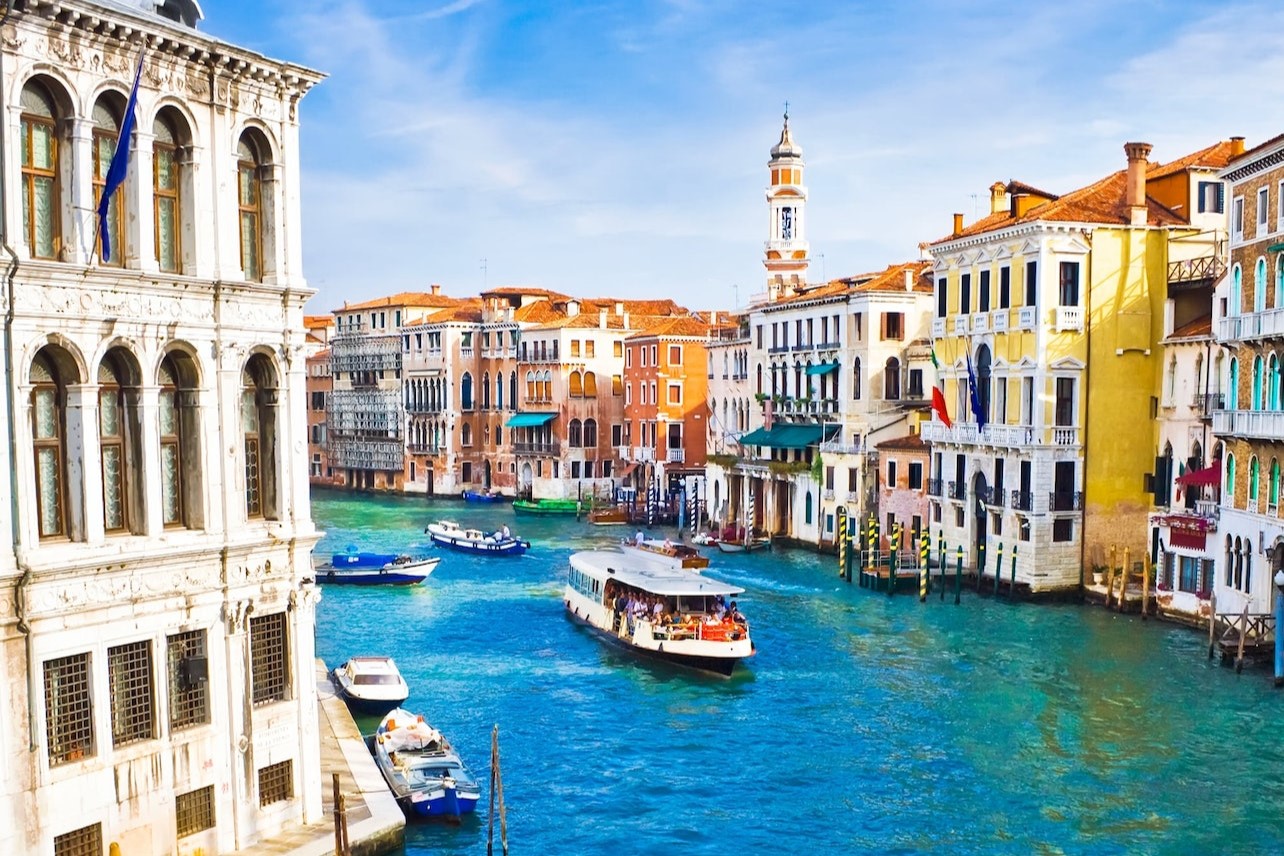
The main waterway of Venice, the Grand Canal is lined with beautiful palaces, churches, and historic buildings. A vaporetto ride along the canal offers stunning views.
Nature/Scenic
30-60 minutes
€7.50 for a vaporetto ticket
Murano
An island famous for its glass-making tradition. Visitors can watch artisans at work and purchase unique glass souvenirs.
Cultural/Historical
Half-day
Free to explore, €10 for museum
Burano
A colorful island known for its lace-making tradition and picturesque houses. Burano is a charming and photogenic destination.
Cultural/Scenic
Half-day
Free to explore, €5 for lace museum
Must-Try Local Dishes
Risotto al Nero di Seppia
A risotto made with cuttlefish ink, giving it a distinctive black color and rich, briny flavor.
Main Course
Contains seafood, not suitable for vegetarians or those with seafood allergies.
Sarde in Saor
Sweet and sour sardines marinated with onions, raisins, pine nuts, and vinegar.
Appetizer
Contains fish, not suitable for vegetarians.
Bigoli in Salsa
Pasta with a sauce made from anchovies, onions, and breadcrumbs.
Main Course
Contains fish, not suitable for vegetarians.
Frito Misto
A mix of fried seafood and vegetables, including shrimp, squid, and zucchini.
Appetizer
Contains seafood, not suitable for vegetarians.
Popular Activities
Kayaking in the canals
Cycling on Lido di Venezia
Hiking in the Venetian Lagoon
Sunbathing on Lido di Venezia
Enjoying a gondola ride
Visiting a spa or wellness center
Attending a concert or opera
Visiting museums and galleries
Best Time to Visit
April to June, September to October
These months offer pleasant weather and fewer crowds compared to the summer peak. The city is vibrant with events and festivals, and the temperatures are comfortable for exploring.
15°C to 28°C
59°F to 82°F
Practical Information
Language
- Official: Italian
- Widely spoken: English, French, German
- English: Widely spoken in tourist areas, moderately spoken in local areas
Currency
Euro (EUR)
Time Zone
GMT+1 (Central European Time, CET), GMT+2 (Central European Summer Time, CEST) during daylight saving time
Electricity
230VV, 50HzHz
Safety Information
Overall Safety Rating: Generally safe
Venice is generally safe for tourists, with low crime rates. However, pickpocketing and petty theft can occur in crowded areas, and acqua alta (high water) events can disrupt travel plans.
Important Precautions:
- • Keep valuables secure and be aware of your surroundings
- • Use official taxis and ticket vendors
- • Be cautious of strangers approaching you with offers or requests
Getting there
By air
- Venice Marco Polo Airport • 12 km from city center
By train
Santa Lucia Railway Station
By bus
Piazzale Roma
Getting around
Public transport
The vaporetto is the main public transport system in Venice. It operates on fixed routes and is the most convenient way to get around.
Taxis
Available • Apps: Uber (limited availability), Local taxi apps
Rentals
Neighborhoods
San Marco
Dorsoduro
Cannaregio
Castello
Day trips
Burano and Murano
10-45 minutes by vaporetto • Half-day to full day
Visit the colorful island of Burano and the glass-making island of Murano for a unique and picturesque day trip.
Lido di Venezia
20 minutes by vaporetto • Half-day to full day
A long, narrow island between the Venetian Lagoon and the Adriatic Sea, known for its beaches, the Venice Film Festival, and a more relaxed atmosphere.
Padua (Padova)
40 km (25 miles) • Half-day to full day
A charming city known for its beautiful architecture, historic sites, and the famous Scrovegni Chapel with its stunning frescoes by Giotto.
Festivals
Venice Carnival • February or March (dates vary)
Venice Film Festival • Late August to early September
Festa del Redentore • Third weekend of July
Pro tips
- Visit major attractions early in the morning or late in the afternoon to avoid crowds
- Explore the city's lesser-known neighborhoods and hidden gems for a more authentic experience
- Try local specialties and dishes, and ask locals for recommendations
- Use a map or GPS to navigate the intricate streets and canals, as Venice can be easy to get lost in
- Be prepared for acqua alta (high water) events, especially from October to January, and check forecasts and plan accordingly
From $25
per person
Price varies by option
Secure booking
Free cancellation available
Instant confirmation