Bike Tour: Urban Art in Buenos Aires
Active
3h
For a full refund, cancel at least 24 hours before the scheduled departure time.
Manual confirmation
Mobile or paper ticket accepted
About this experience
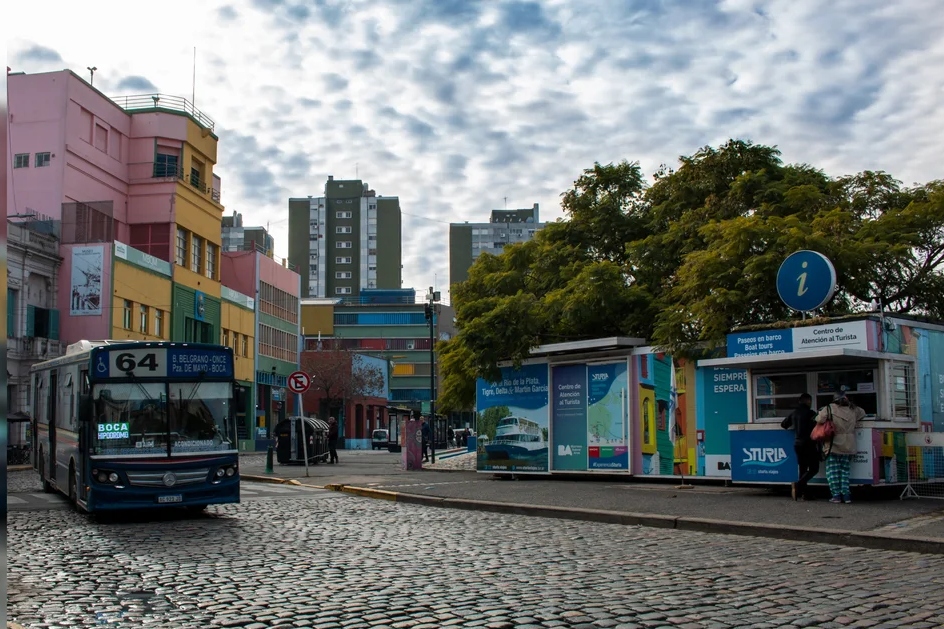
On this tour, we will explore the art expressed on the streets of these two districts in the Buenos Aires suburbs. Colorful murals and interventions convey the essence and identity of these Buenos Aires neighborhoods. Our soccer legends, the promise of glories to come, tango, and tributes to the great painter Benito Quinquela Martín are some of the inspirations behind our artists' creations that beautify these streets. Utilizing various techniques, including stencils, freehand spray, and brushwork, they achieve a unique realism that captivates all who pass by. These artists emerge within a city in constant movement and transformation, positioning Buenos Aires as the epicenter of urban art in Argentina.
Available options
Bike Tour: Urban Art BA
E-Bike Tour: Urban Art BA
E-bike
What's included
Professional guide
Bottled water
Use of bicycle
Use of helmet
Detailed itinerary
1
Created by the Catalinas Sur Group, this mural welcomes you to one of Buenos Aires’ most iconic neighborhoods. It features everyday scenes and local characters, celebrating La Boca’s history, popular culture, and strong community spirit. A perfect starting point to explore its art and unique identity.
2
The murals by Martín Ron bring vibrant, detailed art to the walls of La Boca. Known for his large-scale works, this street artist blends realism with fantasy. Each mural tells a unique story, turning the neighborhood streets into an open-air gallery. A must-see stop for street art enthusiasts.
3
This mural by artist Alfredo Segatori pays tribute to Diego Maradona, affectionately known as “San Diego” by Boca Juniors fans. The artwork blends religious symbols with popular culture, capturing the passion and devotion of football followers. It’s a vibrant representation of Maradona, who left an indelible mark on the neighborhood and Argentine football. A mural that connects visitors to the deep bond between La Boca and its eternal idol.
4
The Sand Silos are one of La Boca’s most distinctive landmarks, reflecting the neighborhood’s industrial history. These massive silos were originally used to store sand, a key material for the construction of Buenos Aires. Today, they stand as a symbol of the neighborhood’s transformation from a bustling port and industrial area to a vibrant cultural hub. With their imposing shapes, the silos have become an iconic site, ideal for architecture and history enthusiasts.
5
Stop 5
Caminito is the vibrant soul of La Boca, a pedestrian street full of color, art, and tango. Originally an alleyway, it has become an iconic tourist spot, famous for its brightly painted metal houses and street performers. Everywhere you turn, musicians, tango dancers, and artisans create a unique atmosphere that embodies the spirit of Buenos Aires. A stroll down Caminito is a dive into the tradition, music, and art that define La Boca.
6
Lanín Passage is one of the most picturesque and hidden corners of La Boca. This pedestrian street, with its bohemian charm, is adorned with murals and street art that tell the neighborhood's stories. Unlike the more touristy areas, the passage offers a quieter, more authentic atmosphere, perfect for those looking to explore local art and experience the creativity of the community. A walk through here is to dive into the essence of La Boca, where every wall has a story to tell.
7
At the intersection of Belgrano and Bernardo de Irigoyen streets, a mural pays tribute to Lionel Messi, considered by many the greatest footballer of all time. This piece, created by local artists, captures Messi’s essence as an icon of Argentine and global football. The mural celebrates his career, achievements, and deep connection with the Argentine people, especially Boca fans. A perfect stop for sports enthusiasts and those who want to honor Messi’s greatness in his hometown.
Available languages
Guide guide
EN
ES
Reviews breakdown
Viator
5.0
1 reviews
5★
1
4★
0
3★
0
2★
0
1★
0
Tripadvisor
5.0
5 reviews
5★
5
4★
0
3★
0
2★
0
1★
0
Important information
Public transportation options are available nearby
Specialized infant seats are available
Suitable for all physical fitness levels
Meeting point
Local on the street, orange with the name "La Bicicleta Naranja". It is located on Pasaje Giuffra, almost on the corner of Balcarce.
About Buenos Aires and The Pampas
Buenos Aires, the vibrant capital of Argentina, is known for its European-influenced architecture, rich cultural scene, and passionate tango. The Pampas, a vast fertile plain, offers a glimpse into Argentina's gaucho (cowboy) culture and stunning landscapes. Together, they provide a unique blend of urban sophistication and rural charm.
Top Attractions
Recoleta Cemetery
A famous cemetery where Eva Perón is buried, featuring ornate mausoleums and a rich history.
Historical
1-2 hours
Free
La Boca
A colorful neighborhood known for its vibrant street art, tango performances, and the famous Caminito street.
Cultural
2-3 hours
Free to explore, paid shows
The Pampas
A vast fertile plain offering a glimpse into Argentina's gaucho culture, with estancias (ranches) and beautiful landscapes.
Nature
Full day or overnight
Varies by estancia (ARS 1,000-5,000 approx. USD 13-65)
Teatro Colón
One of the world's most famous opera houses, known for its stunning architecture and acoustics.
Cultural
1-2 hours (tour), longer for performances
Tour: ARS 1,200 (approx. USD 16), Performances: ARS 500-5,000 (approx. USD 6.50-65)
San Telmo Market
A historic market offering antiques, collectibles, and local crafts, with a lively Sunday market atmosphere.
Market
1-3 hours
Free to explore, varies for purchases
Must-Try Local Dishes
Asado
Argentine barbecue featuring various cuts of beef, sausages, and other meats, cooked over an open fire.
Dinner
Not vegetarian or vegan
Empanadas
Savory pastries filled with various ingredients like beef, chicken, or cheese.
Snack or Lunch
Can be vegetarian or vegan
Milanesa
Breaded and fried meat cutlet, similar to schnitzel, often served with mashed potatoes or salad.
Lunch or Dinner
Not vegetarian or vegan
Dulce de Leche
A sweet, caramel-like spread made from milk and sugar, used in various desserts.
Dessert
Vegetarian
Popular Activities
Horseback riding in The Pampas
Kayaking in Tigre Delta
Hiking in Sierra de la Ventana
Wine tasting in Palermo
Spa day in Recoleta
Strolling through Bosques de Palermo
Tango shows in La Boca
Visiting museums in Recoleta
Best Time to Visit
Spring (September to November) and Fall (March to May)
Pleasant weather, fewer crowds, and vibrant city life. Ideal for outdoor activities and exploring both the city and the Pampas.
15-25°C
59-77°F
Practical Information
Language
- Official: Spanish
- Widely spoken: English, Italian, French
- English: Moderately spoken in tourist areas, limited elsewhere
Currency
Argentine Peso (ARS)
Time Zone
GMT-3
Electricity
220VV, 50HzHz
Safety Information
Overall Safety Rating: Exercise caution
Buenos Aires is generally safe for tourists, but petty crime like pickpocketing and scams can occur, especially in crowded areas. Be aware of your surroundings and take precautions.
Important Precautions:
- • Keep valuables secure
- • Avoid flashing expensive items
- • Use reputable taxi services or app-based taxis
Getting there
By air
- Ministro Pistarini International Airport • 35 km from city center
- Aeroparque Jorge Newbery • 4 km from city center
By train
Retiro Station
By bus
Retiro Bus Terminal, Constitución Bus Terminal
Getting around
Public transport
Efficient and affordable, with six lines connecting major neighborhoods.
Taxis
Available • Apps: Uber, Cabify
Rentals
Car, Bike, Scooter
Neighborhoods
Palermo
Recoleta
La Boca
San Telmo
Day trips
Estancia Santa Susana
100 km from Buenos Aires • Full day
A traditional estancia offering horseback riding, gaucho shows, and authentic Argentine asado.
Colonia del Sacramento
100 km from Buenos Aires (by ferry) • Full day
A charming colonial town in Uruguay with cobblestone streets, historic buildings, and a relaxed atmosphere.
Tigre Delta
35 km from Buenos Aires • Half day to full day
A network of islands and waterways offering boat tours, kayaking, and nature walks.
Festivals
Carnaval de Buenos Aires • February or March (dates vary)
Festival Internacional de Cine Independiente de Buenos Aires (BAFICI) • April (dates vary)
La Noche de los Museos • November (dates vary)
Pro tips
- Use the SUBE card for convenient and discounted public transport
- Learn a few basic Spanish phrases to enhance your experience and connect with locals
- Explore beyond the tourist hotspots to discover the city's hidden gems
- Try local specialties like empanadas, milanesa, and dulce de leche
- Visit during the shoulder seasons (spring and fall) for pleasant weather and fewer crowds
From $25
per person
Price varies by option
Secure booking
Free cancellation available