Private Tour of Apostle Paul's Footsteps in Ancient Corinth
Active
5h - 6h
For a full refund, cancel at least 24 hours before the scheduled departure time.
Instant confirmation
Mobile or paper ticket accepted
About this experience
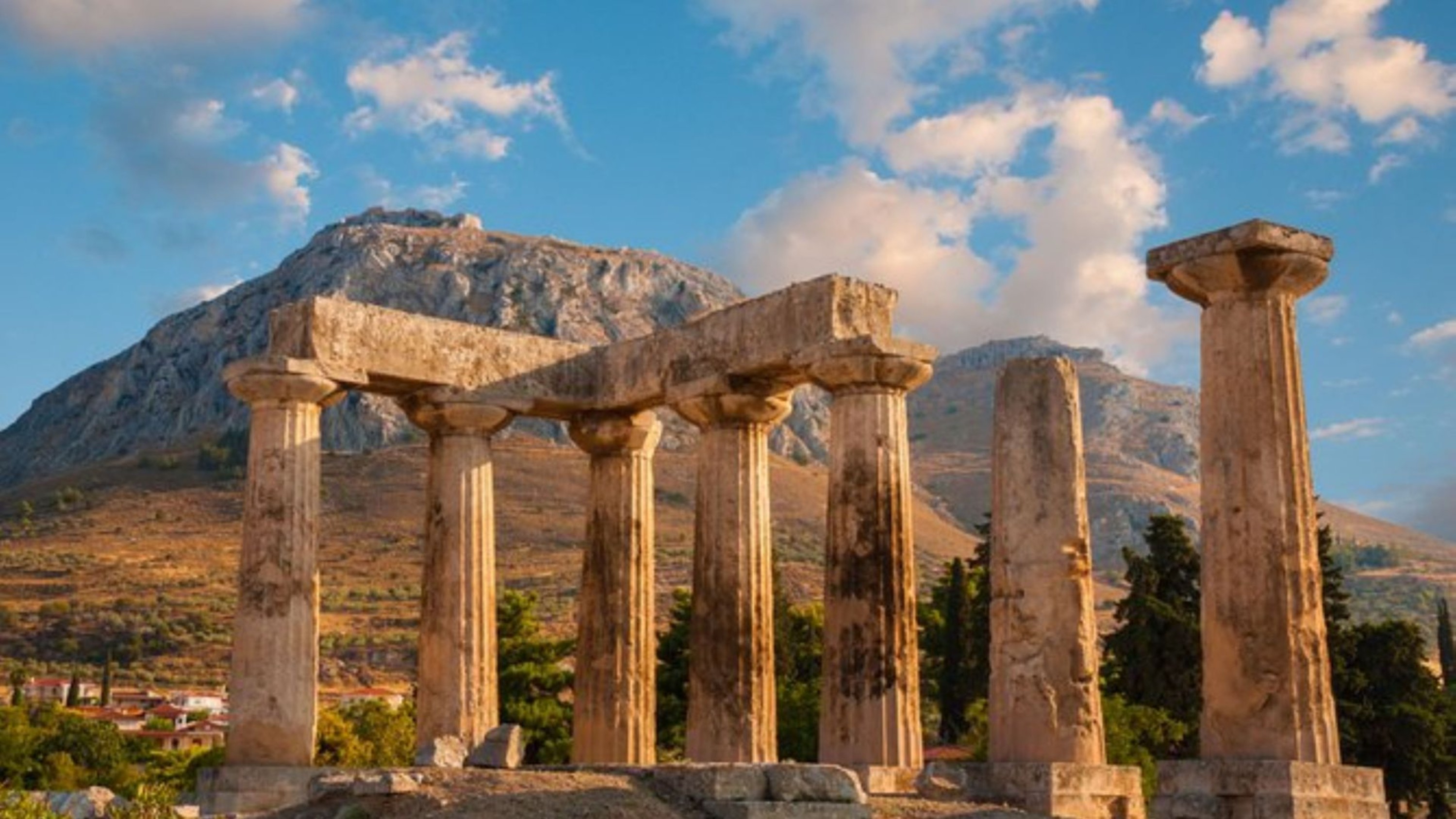
Discover the ancient city of Corinth, where history and faith come together in a powerful way. Walk through the ruins of the agora, where the Apostle Paul once spoke to the people, and stand at the Bema—the very platform from which he addressed the Corinthians. Visit the Temple of Apollo, a striking reminder of the city’s pre-Christian heritage, and reflect on the contrast between ancient beliefs and Paul’s message. This tour offers a compelling insight into one of the most pivotal moments in the early spread of Christianity.
Available options
Private Tour of Apostle Paul's Footsteps in Ancient Corinth
Pickup included
What's included
For groups of 1-4 people, our tours utilize sedan vehicles.
Bottled water
WiFi on board
Air-conditioned vehicle
Professional English speaking Tour Drivers with in-depth knowledge of History
Hotel and Port Pickup/Drop off
Detailed itinerary
1
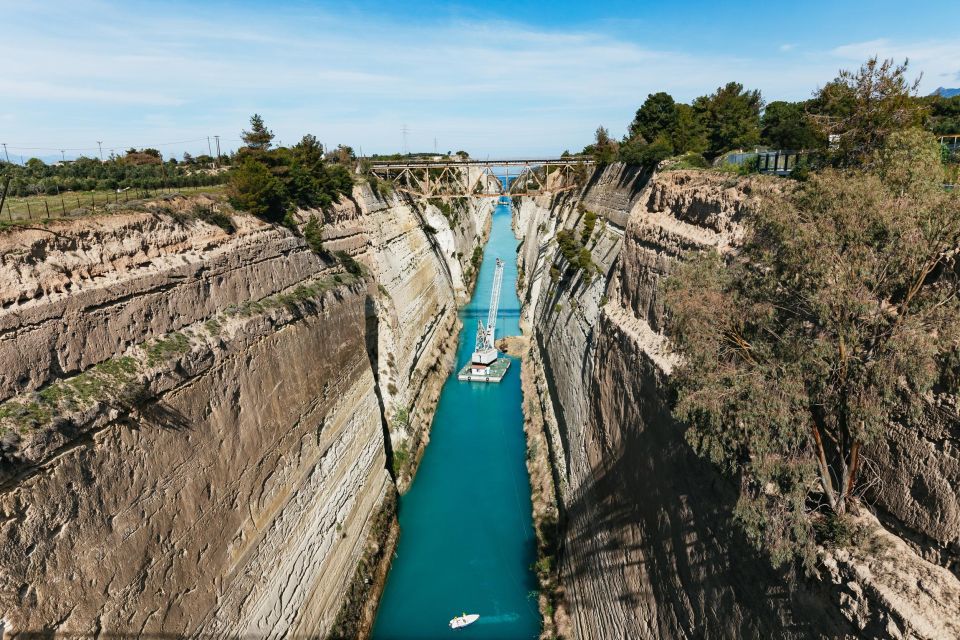
Start the day at the Isthmus of Corinth, the narrow land bridge that links mainland Greece to the Peloponnese. In antiquity, it marked the natural boundary between the two regions and held great strategic and symbolic significance. Since 1893, the impressive Corinth Canal has cut through the 6.3-kilometer-wide isthmus, transforming the Peloponnese into an island and offering a striking sight of steep limestone walls and clear blue waters. It's a perfect introduction to the engineering feats and layered history of the region.
2
Just a short distance from the canal lies the ancient Diolkos, a remarkable feat of engineering that predates the canal by over two millennia. This stone-paved trackway allowed ancient ships to be hauled overland across the Isthmus of Corinth, saving them from the perilous journey around the Peloponnese. Walking along its remains offers a glimpse into the practical ingenuity of the ancient Greeks and how vital this shortcut was for trade and naval movement.
3
Arrive at Kechrees, the eastern port of Corinth, where the Apostle Paul disembarked during his first visit to the city around 51 A.D. It was also from here that he later set sail for Ephesus, entrusting his letter to the Romans to a prominent Christian woman named Phoebe, a deaconess of the local church. Though only modest traces of the ancient port remain, the site carries deep spiritual and historical significance as a place tied to Paul’s ministry and the early Christian community.
4
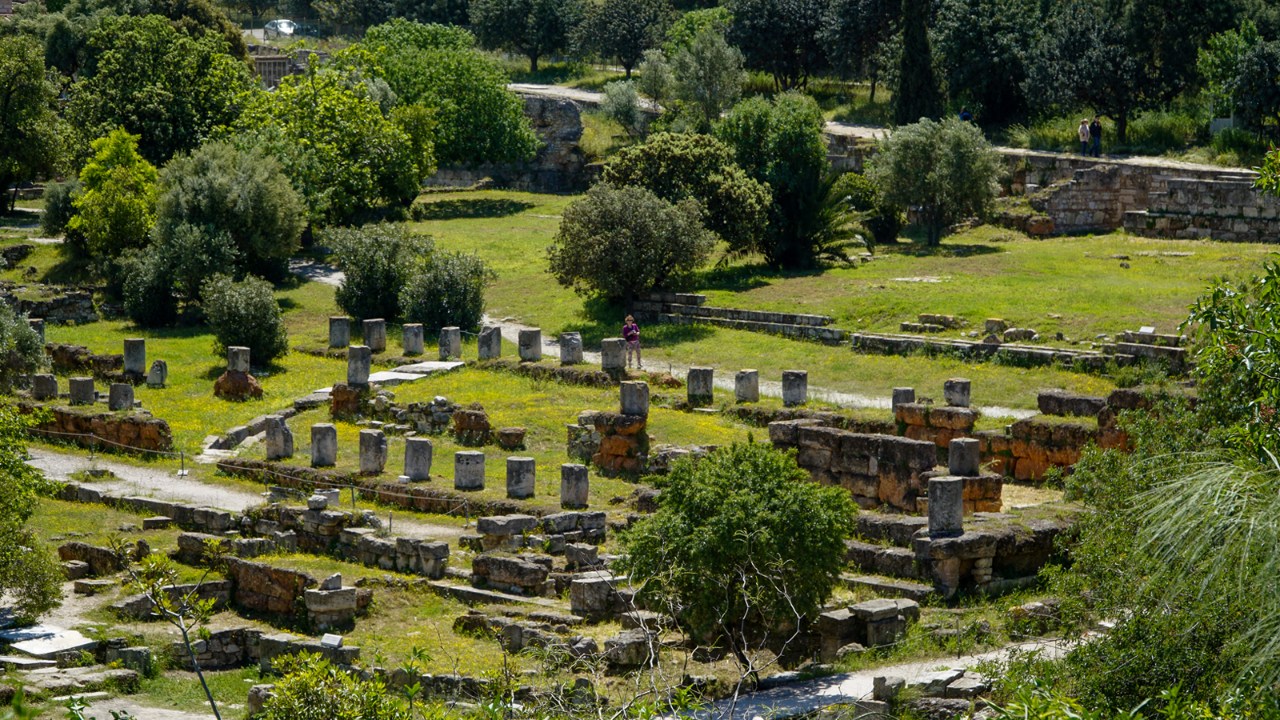
Step into the heart of Ancient Corinth, one of the most powerful and prosperous cities of the classical world. For Christian visitors, this site holds special meaning: at the Bema, a raised platform in the center of the city, Paul is believed to have addressed the local community and stood trial before the Roman proconsul. Nearby, the Agora—the bustling marketplace—evokes the everyday life of the Corinthians Paul wrote to. Amid the ruins, the impressive Temple of Apollo stands as a reminder of the city’s long and complex religious history.
5
Conclude your visit to the site with the Museum of Ancient Corinth, built in 1932 to preserve the wealth of artifacts uncovered during excavations. The museum offers a deeper understanding of Corinth’s long history, with highlights including prehistoric finds and items from the Sanctuary of Asklepios. Carefully curated galleries bring to life the daily, religious, and artistic aspects of the city across the centuries, complementing what you've seen at the archaeological site.
6
Explore Acrocorinth, the fortified acropolis that protected ancient and medieval Corinth. Beyond its impressive walls, towers, and bastions—built and reinforced through Greek, Byzantine, Frankish, Venetian, and Ottoman periods—Acrocorinth was also home to the famous Temple of Aphrodite. This sanctuary was renowned for its community of up to 1,000 priestesses, highlighting the site’s religious as well as strategic significance. As you walk through the ruins and take in sweeping views, you’ll witness the layers of history that shaped this commanding fortress.
7
End your tour at the modern Church of Saint Paul, located in the heart of ancient Corinth. Inside, a striking mosaic by artists Pastorutti and Tsotsonis vividly depicts the apostle’s journey and mission in the city. This contemporary tribute creates a meaningful connection between Corinth’s rich early Christian history and the present day, offering a reflective space to honor Paul’s lasting legacy.
What's not included
Licensed Guide to accompany you into archeological sites
Entrance Fees to archeological sites and museum
Airport pick-up is optional and comes with additional cost
Available languages
Guide guide
EN
Reviews breakdown
Viator
4.9
76 reviews
5★
73
4★
2
3★
1
2★
0
1★
0
Tripadvisor
4.9
197 reviews
5★
189
4★
6
3★
1
2★
1
1★
0
Important information
Suitable for all physical fitness levels
Child seats available upon request
Travel time is included in tour duration
Wear comfortable shoes for walking and exploring the various sites
Bring a hat and sunscreen, as the weather in Greece can be hot and sunny.
About Athens
Athens, the capital of Greece, is a city rich in history and culture, often considered the cradle of Western civilization. It is home to iconic ancient landmarks, vibrant neighborhoods, and a thriving modern scene.
Top Attractions
Acropolis of Athens
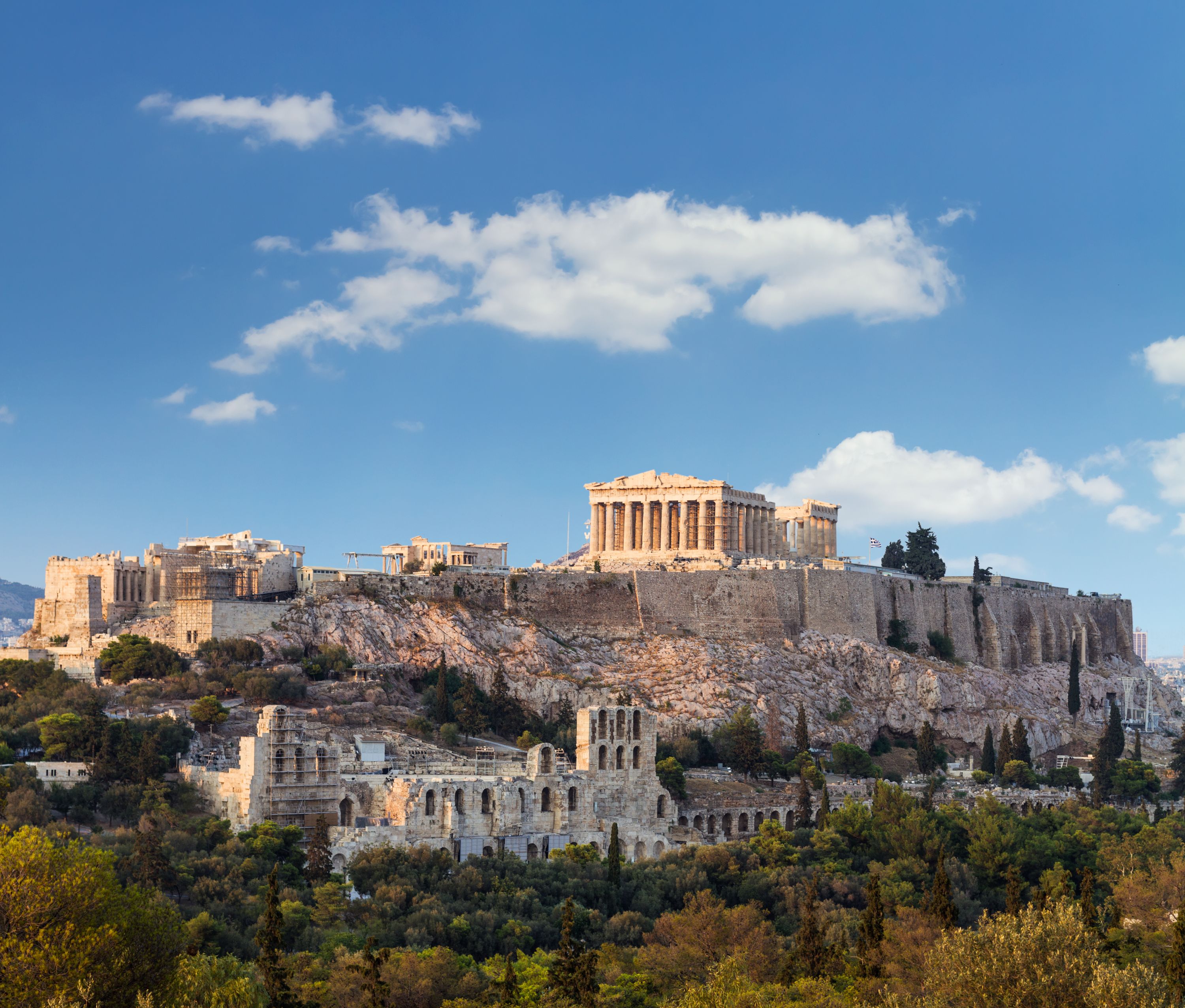
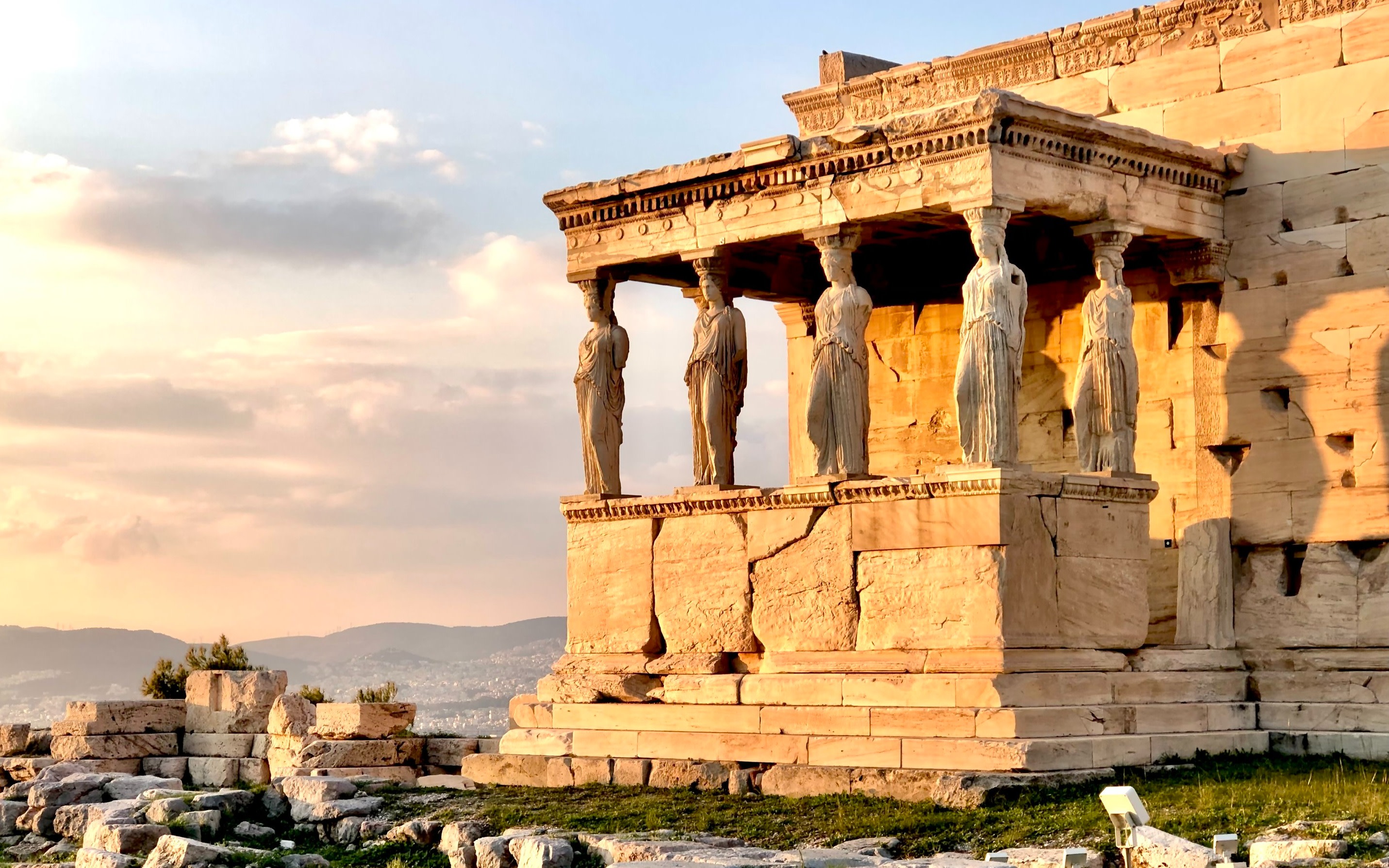
The Acropolis is the most iconic landmark in Athens, featuring ancient ruins and temples, including the Parthenon.
Historical
2-3 hours
€20 (combined ticket for multiple sites)
Ancient Agora of Athens
The heart of ancient Athens, featuring the Temple of Hephaestus and the Stoa of Attalos.
Historical
1-2 hours
€8 (included in the combined ticket)
Plaka
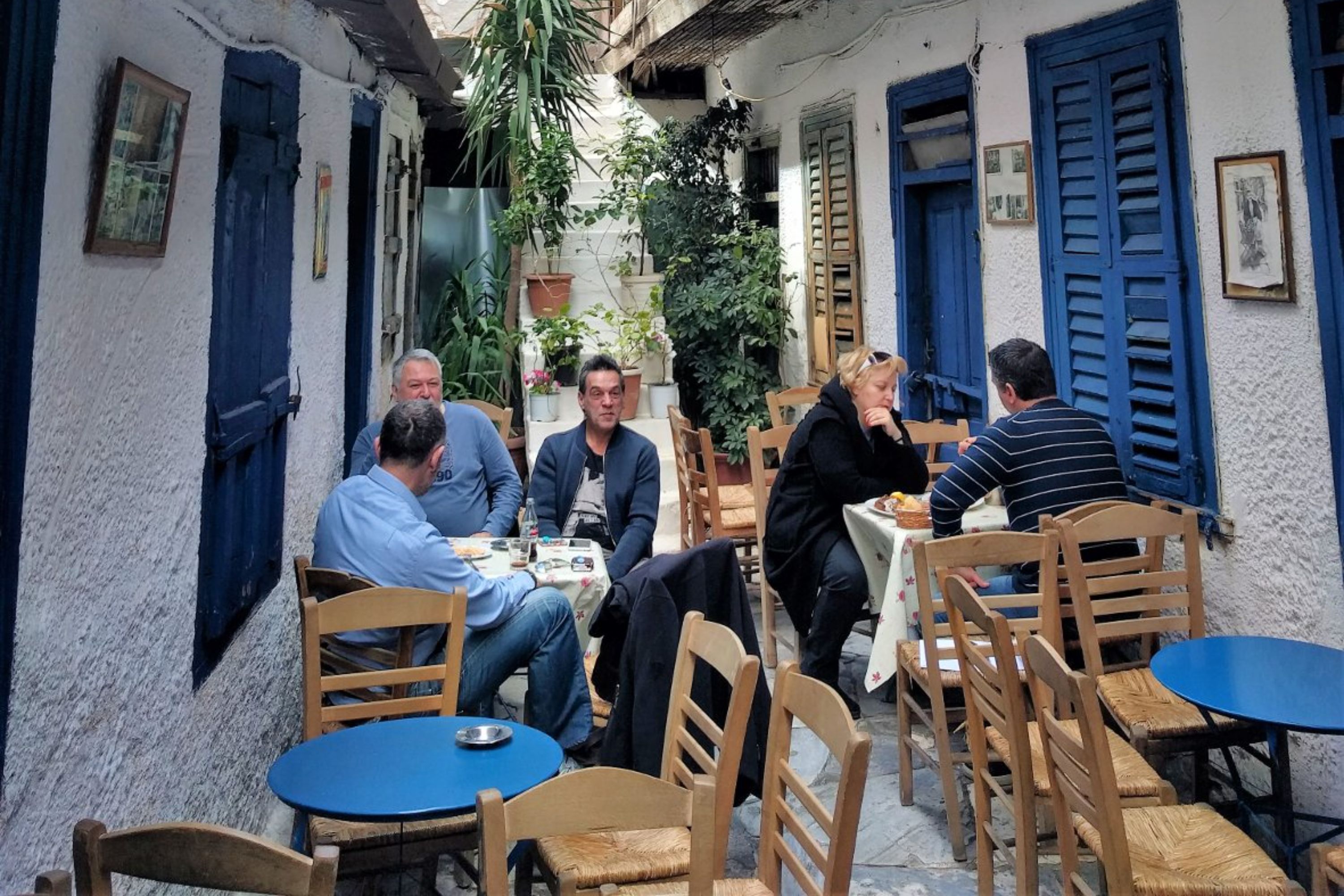
A charming, historic neighborhood with narrow streets, neoclassical houses, and vibrant nightlife.
Cultural
2-3 hours
Free to explore
Acropolis Museum
A modern museum showcasing artifacts from the Acropolis and its surroundings.
Museum
1-2 hours
€10
Temple of Olympian Zeus
An ancient temple dedicated to Zeus, once the largest temple in Greece.
Historical
30 minutes to 1 hour
€6 (included in the combined ticket)
Must-Try Local Dishes
Moussaka
A baked dish with layers of eggplant, minced meat, and béchamel sauce.
Dinner
Vegetarian versions available
Souvlaki
Grilled meat skewers, often served with pita bread and tzatziki.
Snack
Can be made with chicken, pork, or vegetarian options
Tzatziki
A yogurt-based dip with cucumber, garlic, and herbs.
Snack
Vegetarian and vegan options available
Baklava
A sweet pastry made with layers of filo, nuts, and honey syrup.
Dessert
Vegetarian
Popular Activities
Hiking in the mountains
Rock climbing
Scuba diving
Beach visits
Spa treatments
Café hopping
Museum visits
Theater performances
Best Time to Visit
April to June, September to October
The best time to visit Athens is during the spring and autumn months when the weather is pleasant and the tourist crowds are smaller.
18°C to 32°C
64°F to 90°F
Practical Information
Language
- Official: Greek
- Widely spoken: English, French, German
- English: Moderately spoken
Currency
Euro (EUR)
Time Zone
GMT+2 (EET)
Electricity
230VV, 50HzHz
Safety Information
Overall Safety Rating: Generally safe
Athens is generally safe for travelers, but petty crime and pickpocketing can occur in tourist areas. Be cautious with your belongings and avoid poorly lit areas at night.
Important Precautions:
- • Keep valuables secure
- • Use licensed taxis or ride-sharing apps
- • Be cautious with ATMs and credit cards
Getting there
By air
- Eleftherios Venizelos International Airport • 30 km from city center
By train
Athens Central Railway Station
By bus
KTEL Bus Station
Getting around
Public transport
Clean, efficient, and air-conditioned. Easy to navigate with clear signage in English.
Taxis
Available • Apps: Beat, Uber
Rentals
Car, Bike, Scooter
Neighborhoods
Plaka
Monastiraki
Psiri
Koukaki
Kolonaki
Day trips
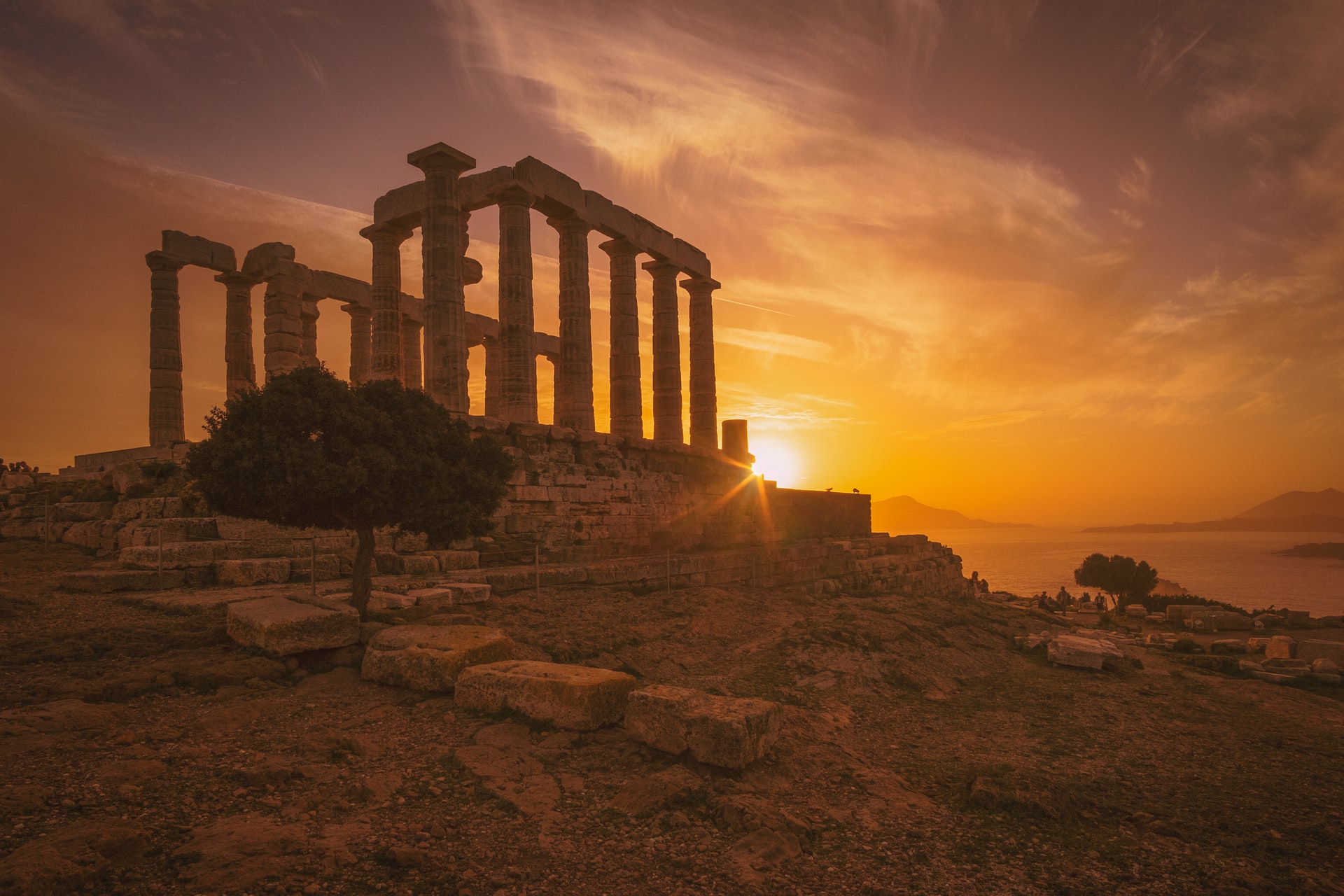
Cape Sounion
65 km from Athens • Half day to full day
A scenic coastal area featuring the Temple of Poseidon with stunning views of the Aegean Sea.
Delphi
180 km from Athens • Full day
An ancient archaeological site and home to the famous Oracle of Delphi.
Meteora
350 km from Athens • Overnight
A unique landscape featuring rock formations and medieval monasteries perched atop cliffs.
Festivals
Athens Festival • May to October
Athens Epidaurus Festival • June to August
Athens International Film Festival • October
Pro tips
- Visit major attractions early in the morning or late in the afternoon to avoid crowds and heat
- Use the metro for easy and efficient travel around the city
- Explore local neighborhoods for an authentic Greek experience
- Try local street food for a quick and delicious meal
- Learn a few basic Greek phrases to enhance your experience and connect with locals
From $25
per person
Price varies by option
Secure booking
Free cancellation available
Instant confirmation