Private Tour to Epidaurus Mycenae and Nafplio
Active
8h - 9h
For a full refund, cancel at least 24 hours before the scheduled departure time.
Instant confirmation
Mobile or paper ticket accepted
About this experience
Experience a full day of Greek history, culture, and scenic beauty with a private tour to some of the Peloponnese’s most iconic sites.
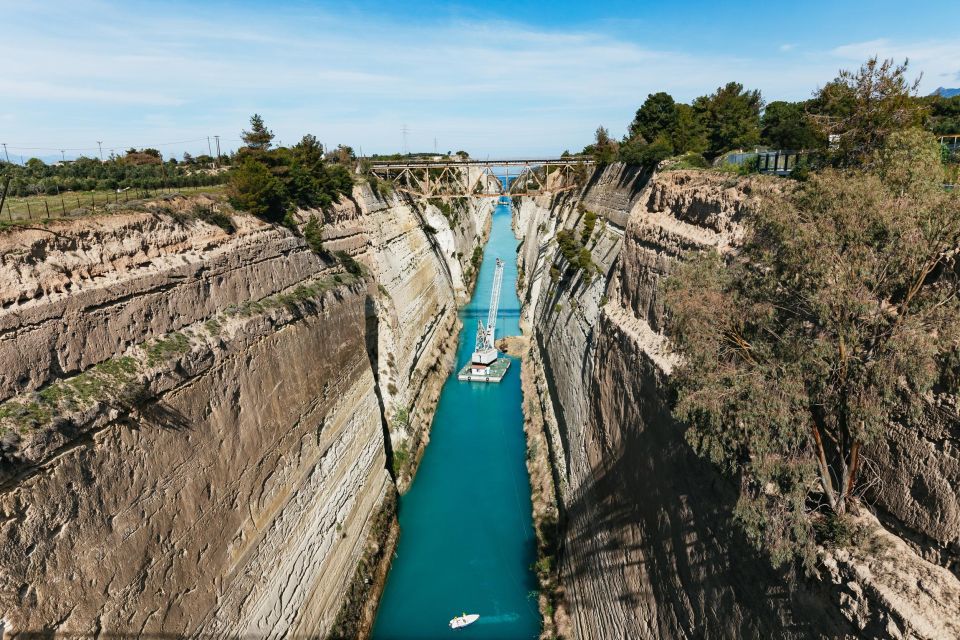
Start with a photo stop at the impressive Corinth Canal, a 19th-century engineering feat that connects the Aegean and Ionian Seas. Continue to Mycenae, one of the major centers of ancient Greek civilization, where you’ll walk through the famous Lion’s Gate and explore the archaeological site tied to King Agamemnon.
Next, visit the ancient sanctuary of Epidaurus, home to one of the best-preserved theaters of classical antiquity, still admired for its remarkable acoustics and elegant design.
End the day in Nafplio, a charming seaside town once the capital of modern Greece. Stroll through its picturesque streets, admire neoclassical buildings, and enjoy free time for lunch or shopping before returning to Athens.
Available options
Private tour Epidaurus, Mycenae and Nafplio
Pickup included
What's included
Private transportation
Professional English speaking tour driver with in-deep knowledge of history
Bottled water
WiFi on board
Air-conditioned vehicle
Hotel Pick-up/Drop off
Detailed itinerary
1
Stop 1
The day starts at the impressive Corinth Canal, a project that took over 2,300 years to complete. Ancient leaders like Julius Caesar and Nero studied its construction, with Nero beginning digging in 67 AD. Finished in 1893, the canal stretches 6,343 meters long, 24.6 meters wide, and 21.3 meters deep, built by 2,500 workers who moved 12 million cubic meters of earth. Today, it remains a vital marine passage, used by around 12,000 ships each year from around the world.
2
Stop 2
Next, visit the legendary ancient city of Mycenae, a major center of Greek civilization and home to King Agamemnon. Explore the iconic Lion Gate, massive Cyclopean Walls, and royal tholos tombs like the Treasury of Atreus. Perched on a hill with sweeping views, Mycenae offers a fascinating glimpse into Bronze Age Greece and its rich mythology.
3
Following your exploration of the ancient ruins, continue to the nearby Archaeological Museum of Mycenae. The museum showcases remarkable Bronze Age treasures, including gold masks, pottery, and weapons, providing a fascinating look into the art, culture, and legends of the Mycenaean world.
4
Afterward, explore the Treasury of Atreus, a magnificent tholos or beehive tomb dating back to 1300–1250 BCE. Believed to be the burial site for Mycenaean nobility, it is famously associated with the legendary kings Atreus and Agamemnon.
5
Begin your visit at the Archaeological Site of Epidaurus, famous for its exceptionally well-preserved ancient theater known for outstanding acoustics. This sacred sanctuary was dedicated to Asclepius, the god of healing, and served as a major center for religious rituals and theatrical performances in ancient Greece. The site offers a unique glimpse into classical Greek architecture and spirituality.
6
Following your visit to the Archaeological Museum of Epidaurus, explore its extensive collection of artifacts uncovered from the Sanctuary of Asklepios. Dating from the Archaic to Roman periods, these finds reveal the rich history of this ancient healing center, uncovered through decades of excavation led by archaeologist Panagis Kavvadias and the Archaeological Society of Athens.
7
Only 30 minutes away, Palamidi Fortress stands proudly above the town of Nafplio. This impressive Venetian fortress, built in the early 18th century, offers breathtaking panoramic views of the Argolic Gulf and surrounding hills. Its well-preserved walls and bastions provide a captivating glimpse into the military history of the region.
8
Finish your tour in Nafplio, one of the most beautiful and romantic towns in the Argolis region. Once the first capital of modern Greece, Nafplio’s history spans from ancient mythology to Byzantine, Venetian, and Ottoman influences. Its charming streets are filled with medieval castles, neoclassical buildings, and historic monuments, offering a rich blend of culture and beauty.
What's not included
Licensed Guide to accompany you into archeological sites
Airport pick-up is optional and comes with additional cost
Entrance Fees to archeological sites and museums
Available languages
Guide guide
EL
EN
Reviews breakdown
Viator
5.0
1 reviews
5★
1
4★
0
3★
0
2★
0
1★
0
Important information
Suitable for all physical fitness levels
Child seat available upon request
Wear comfortable shoes for walking and exploring the various sites
Bring a hat and sunscreen, as the weather in Greece can be hot and sunny
Total tour duration already includes travel time
About Athens
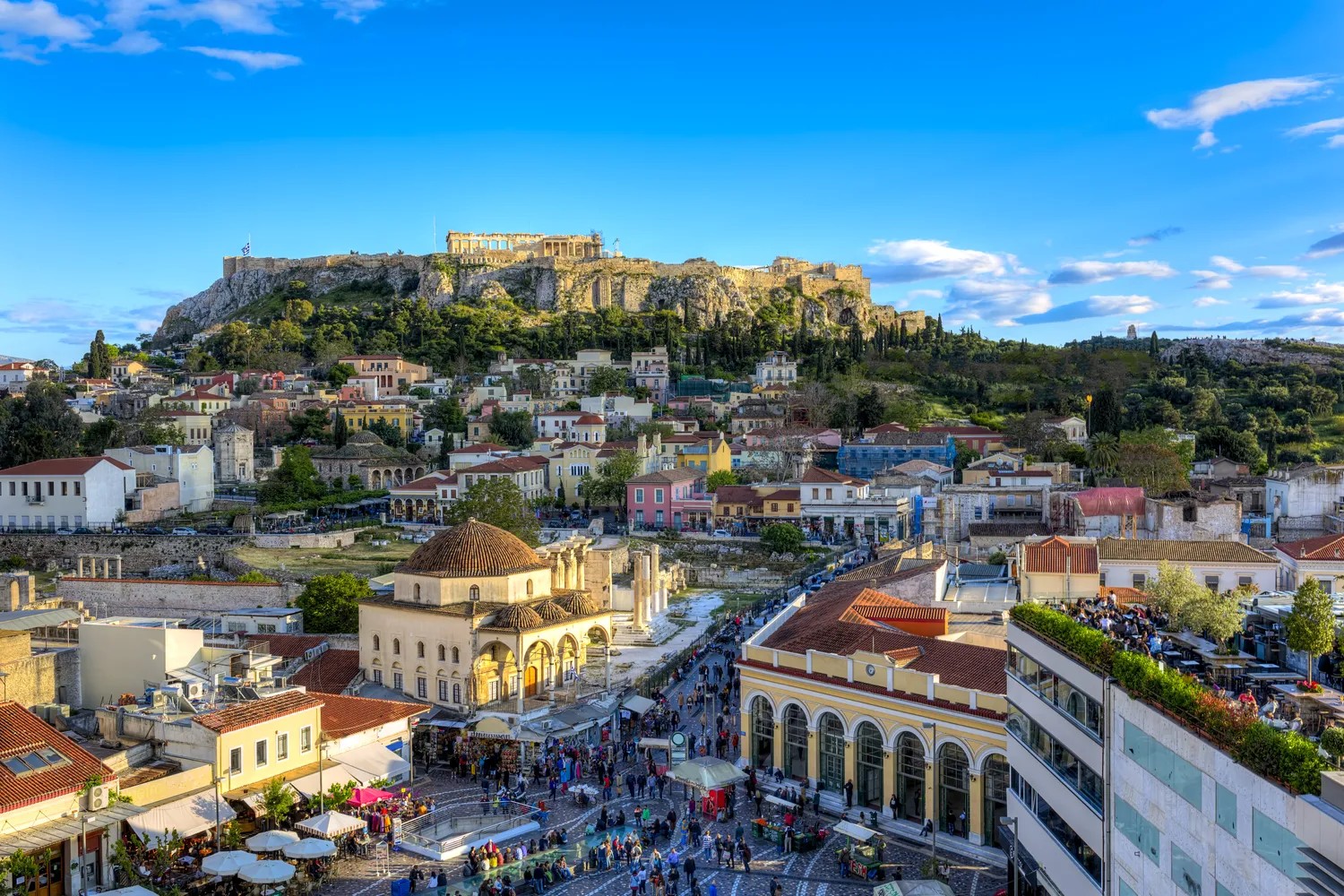
Athens, the capital of Greece, is a city rich in history and culture, often considered the cradle of Western civilization. It is home to iconic ancient landmarks, vibrant neighborhoods, and a thriving modern scene.
Top Attractions
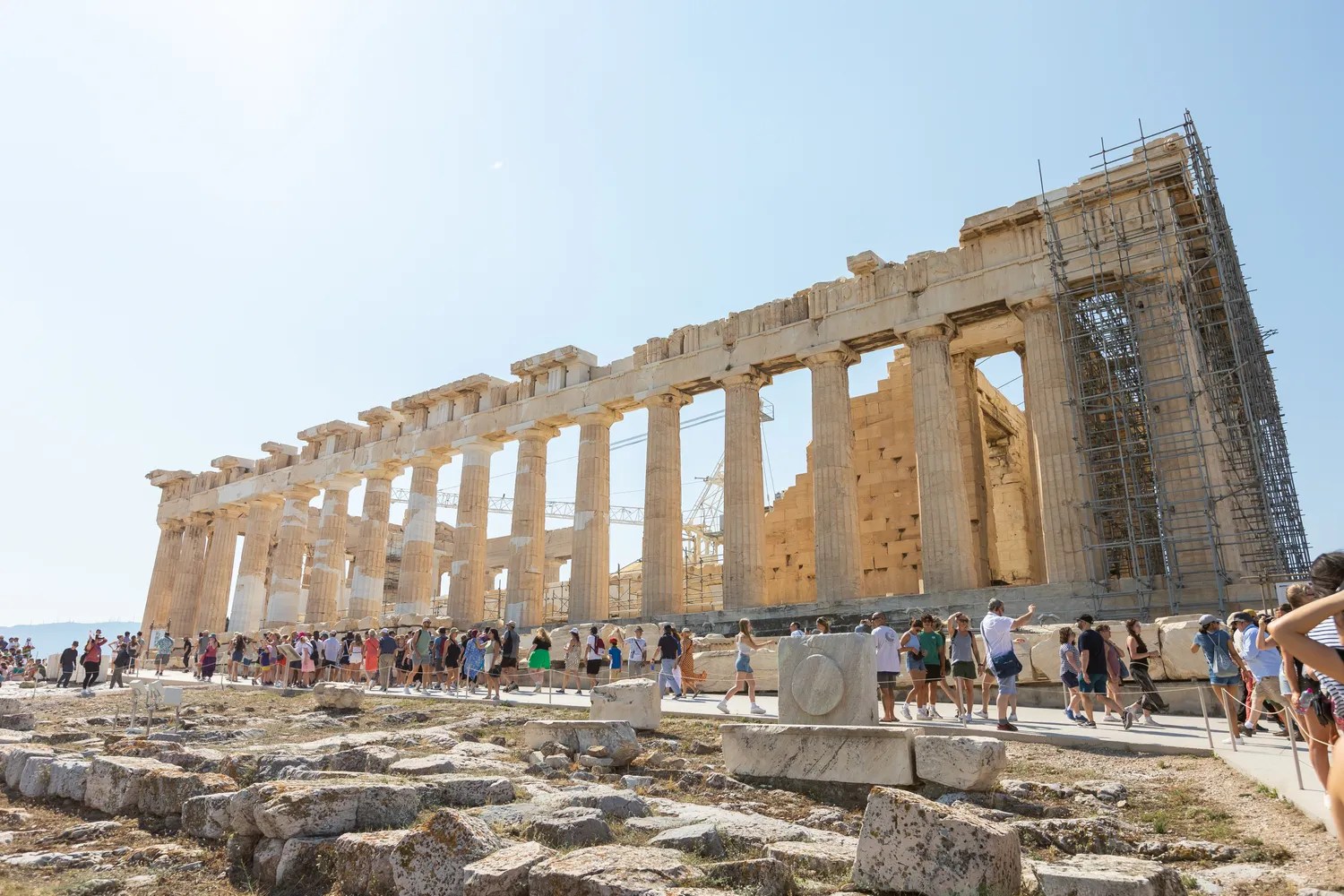
Acropolis of Athens
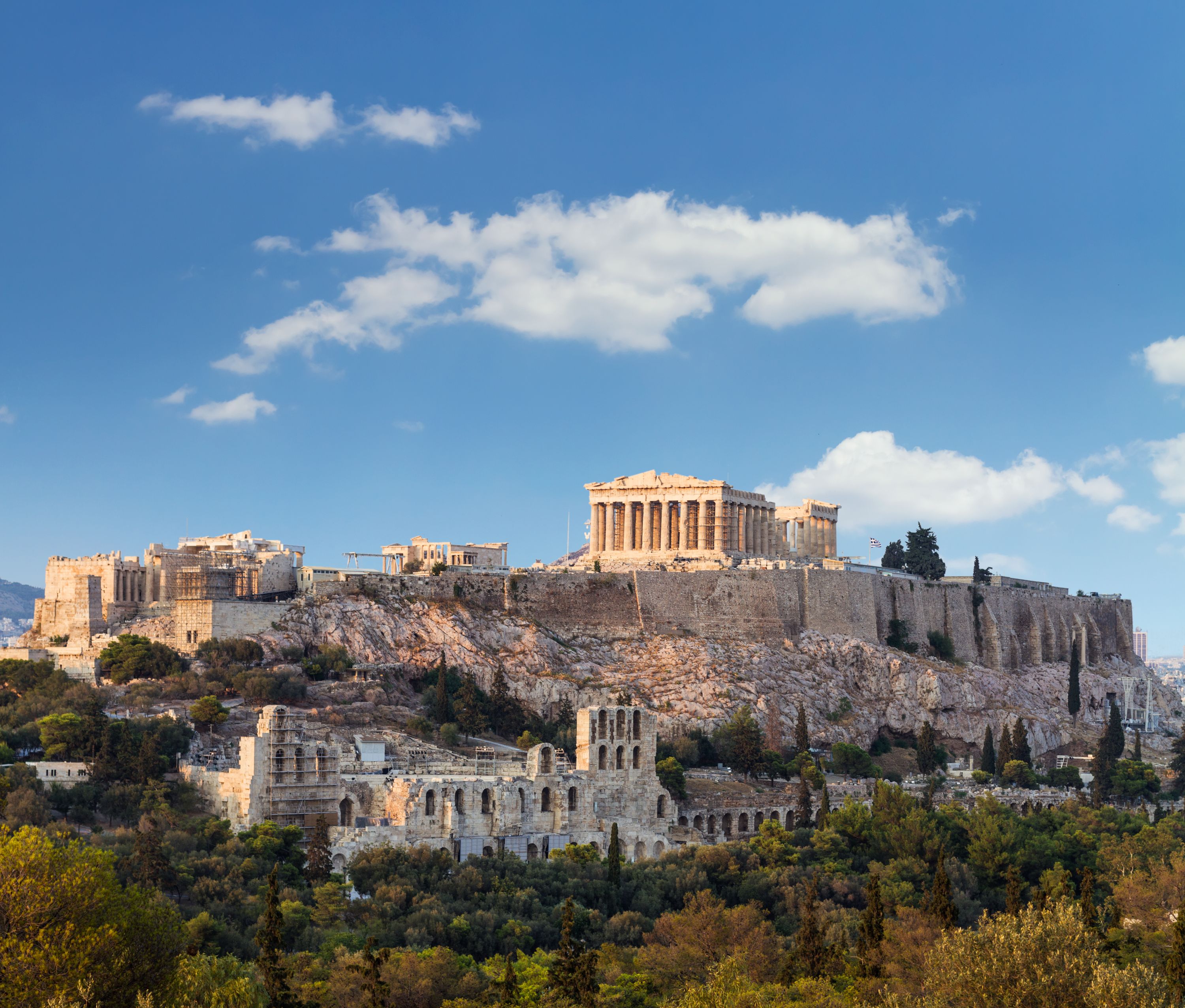
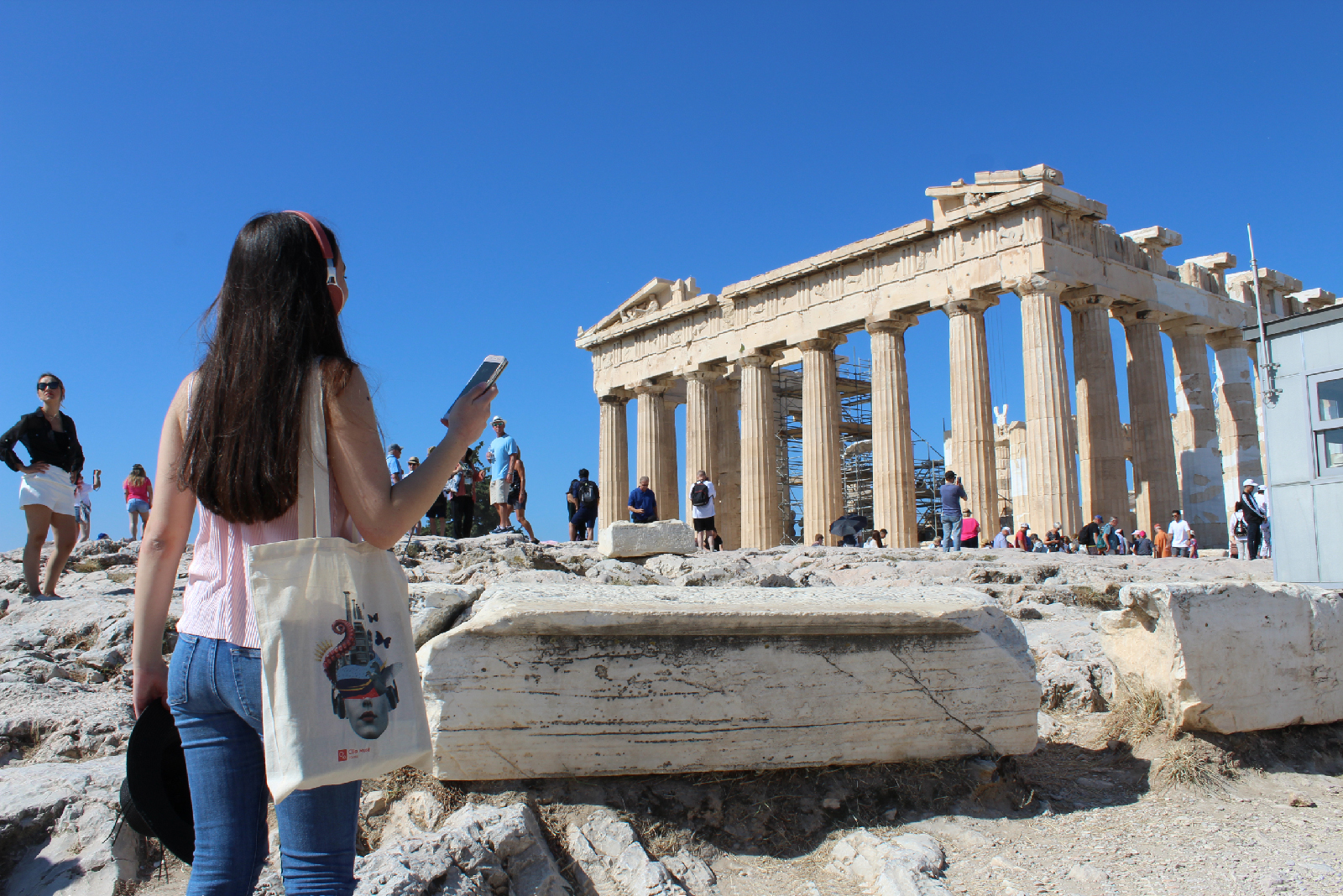
The Acropolis is the most iconic landmark in Athens, featuring ancient ruins and temples, including the Parthenon.
Historical
2-3 hours
€20 (combined ticket for multiple sites)
Ancient Agora of Athens
The heart of ancient Athens, featuring the Temple of Hephaestus and the Stoa of Attalos.
Historical
1-2 hours
€8 (included in the combined ticket)
Plaka
A charming, historic neighborhood with narrow streets, neoclassical houses, and vibrant nightlife.
Cultural
2-3 hours
Free to explore
Acropolis Museum
A modern museum showcasing artifacts from the Acropolis and its surroundings.
Museum
1-2 hours
€10
Temple of Olympian Zeus
An ancient temple dedicated to Zeus, once the largest temple in Greece.
Historical
30 minutes to 1 hour
€6 (included in the combined ticket)
Must-Try Local Dishes
Moussaka
A baked dish with layers of eggplant, minced meat, and béchamel sauce.
Dinner
Vegetarian versions available
Souvlaki
Grilled meat skewers, often served with pita bread and tzatziki.
Snack
Can be made with chicken, pork, or vegetarian options
Tzatziki
A yogurt-based dip with cucumber, garlic, and herbs.
Snack
Vegetarian and vegan options available
Baklava
A sweet pastry made with layers of filo, nuts, and honey syrup.
Dessert
Vegetarian
Popular Activities
Hiking in the mountains
Rock climbing
Scuba diving
Beach visits
Spa treatments
Café hopping
Museum visits
Theater performances
Best Time to Visit
April to June, September to October
The best time to visit Athens is during the spring and autumn months when the weather is pleasant and the tourist crowds are smaller.
18°C to 32°C
64°F to 90°F
Practical Information
Language
- Official: Greek
- Widely spoken: English, French, German
- English: Moderately spoken
Currency
Euro (EUR)
Time Zone
GMT+2 (EET)
Electricity
230VV, 50HzHz
Safety Information
Overall Safety Rating: Generally safe
Athens is generally safe for travelers, but petty crime and pickpocketing can occur in tourist areas. Be cautious with your belongings and avoid poorly lit areas at night.
Important Precautions:
- • Keep valuables secure
- • Use licensed taxis or ride-sharing apps
- • Be cautious with ATMs and credit cards
Getting there
By air
- Eleftherios Venizelos International Airport • 30 km from city center
By train
Athens Central Railway Station
By bus
KTEL Bus Station
Getting around
Public transport
Clean, efficient, and air-conditioned. Easy to navigate with clear signage in English.
Taxis
Available • Apps: Beat, Uber
Rentals
Car, Bike, Scooter
Neighborhoods
Plaka
Monastiraki
Psiri
Koukaki
Kolonaki
Day trips
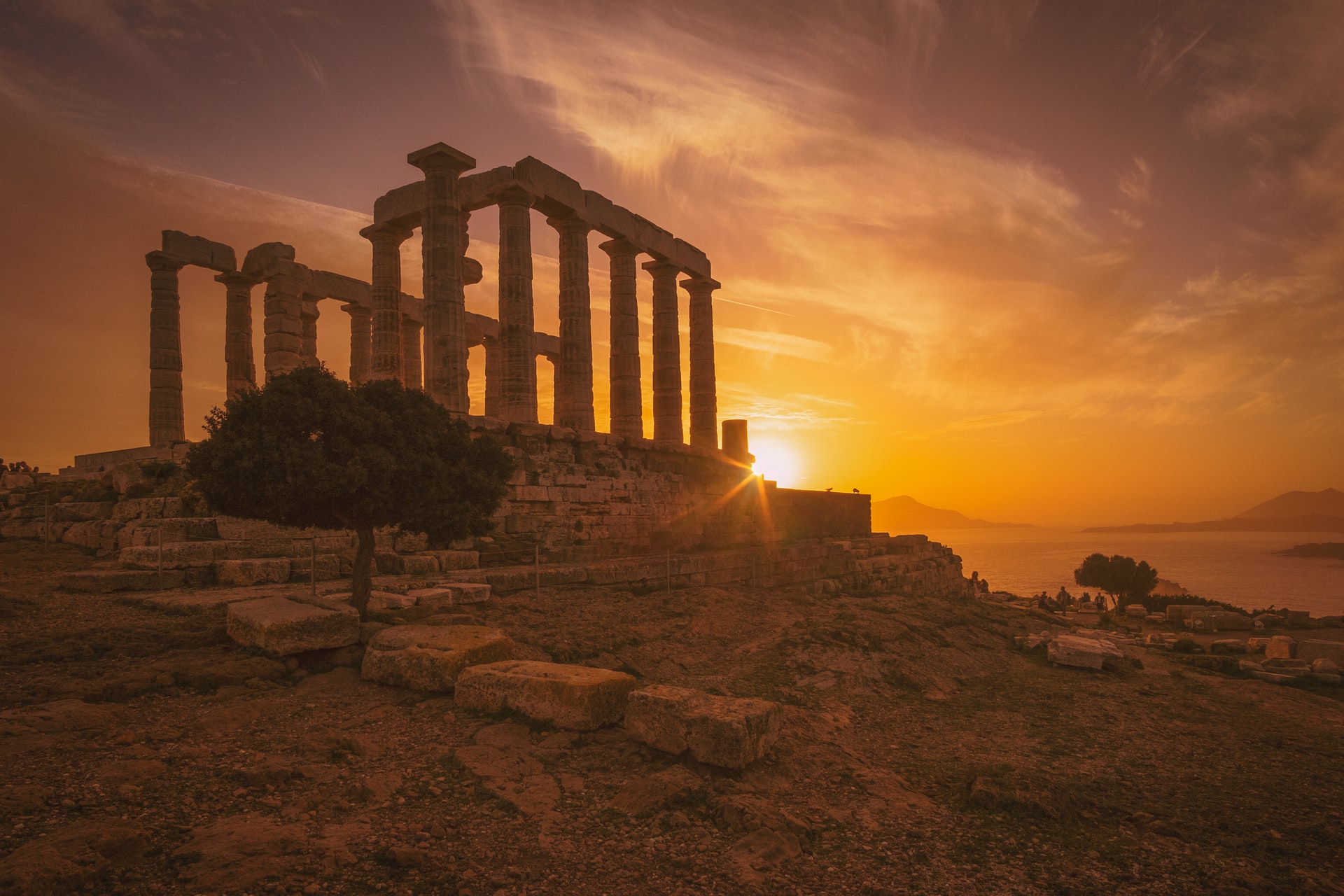
Cape Sounion
65 km from Athens • Half day to full day
A scenic coastal area featuring the Temple of Poseidon with stunning views of the Aegean Sea.
Delphi
180 km from Athens • Full day
An ancient archaeological site and home to the famous Oracle of Delphi.
Meteora
350 km from Athens • Overnight
A unique landscape featuring rock formations and medieval monasteries perched atop cliffs.
Festivals
Athens Festival • May to October
Athens Epidaurus Festival • June to August
Athens International Film Festival • October
Pro tips
- Visit major attractions early in the morning or late in the afternoon to avoid crowds and heat
- Use the metro for easy and efficient travel around the city
- Explore local neighborhoods for an authentic Greek experience
- Try local street food for a quick and delicious meal
- Learn a few basic Greek phrases to enhance your experience and connect with locals
From $25
per person
Price varies by option
Secure booking
Free cancellation available
Instant confirmation