Buenos Aires City Private Night Tour with Local Guide
Active
3h
For a full refund, cancel at least 24 hours before the scheduled departure time.
Manual confirmation
Mobile or paper ticket accepted
About this experience
Imagine a city that wakes up under the stars, where every step envelops you in its night energy. On our City Night Tour,
Not only will you see the most iconic places, but you will feel how the night gives them a new life. From the imposing Obelisk to the modern elegance of Puerto Madero, through the ever vibrant Corrientes Street, every corner will surprise you.
You will walk through the illuminated streets of the Teatro Colón and be amazed by the majesty of its lights. This tour is more than a tour: it is an invitation to connect with the nightlife essence of the city. An experience that will make you see the city from a whole new perspective!
Available options
Buenos Aires City Private Night Tour with Local Guide
Pickup included
What's included
Private transportation
Bilingual guide throughout the tour providing information
Bottled water
Photos for all tourists
Air-conditioned vehicle
Detailed itinerary
1
Stop 1
The Obelisk, the undisputed symbol of Buenos Aires, rises at the junction of 9 de Julio and Corrientes avenues, marking the heart of the city. Opened in 1936, its simple and monumental design has witnessed celebrations, protests and historic moments.
At night, its lighting transforms it into a visual spectacle, further highlighting its imposingness amid the city lights. Surrounded by theaters, restaurants and a vibrant nightlife, it is a meeting point that beats with the porteño rhythm. A show worth admiring both day and night!
2
Corrientes Avenue, known as "the street that never sleeps", is the cultural and nocturnal soul of Buenos Aires. On its pedestrian section, a vibrant stage of theaters, bookstores and cafes that keep the bohemian essence of the city alive unfolds.
At night, the lights on the posters of theaters and venues illuminate the avenue, inviting you to enjoy the art, music and gastronomy of Puerto Rico. It is the perfect place to walk, discover the local culture and feel the pulse of a city that never stops.
3
Stop 3
Plaza de Mayo, the historical and political heart of the city, is the setting where the most important chapters of Argentina were written. Surrounded by the imposing Casa Rosada, the Cabildo and the Metropolitan Cathedral, it is a place full of symbolism and culture.
Day or night, its atmosphere changes, but it always retains its unique character. A space to relive key moments such as the May Revolution and historic marches, while admiring its monuments and details that tell centuries of history.
4
At the intersection of Diagonal Norte and Florida, is one of the most vibrant points in Buenos Aires. The elegant Diagonal Norte, with its European-style buildings, connects the Obelisk to Plaza de Mayo, offering breathtaking views of the city.
Meanwhile, pedestrian Florida, always full of life, is the epicenter of shopping with shops, galleries and street artists that give it a unique air. This crossing is a perfect blend of history, architecture and the constant movement of Porteño life.
5
The Palacio de Tribunals, located in the San Nicolás neighborhood, is an icon of neoclassical architecture and the epicenter of the judiciary in Argentina. Its imposing facade and sculptural details reflect the historical and symbolic importance of this building.
Surrounded by squares and theaters, such as the famous Teatro Colón, the area combines culture and solemnity in an environment that breathes elegance. A walk through Tribunals is an opportunity to admire one of the most outstanding architectural complexes of Buenos Aires.
6
Stop 6
The Teatro Colón, located in the heart of the city, is recognized as one of the most important opera houses in the world. Its majestic architecture, both exterior and interior, reflects the splendor of the art and culture of Puerto Rico since its inauguration in 1908.
Admiring its facade on the corner of Cerrito and Tucumán streets, and walking around Plaza Lavalle, is a unique experience that combines elegance and tradition. At night, its lighting enhances its beauty and makes it a highlight of the cityscape.
7
Stop 7
Puerto Madero, Buenos Aires’ most modern neighborhood, combines skyscrapers, wide avenues and green spaces with river views. This old port, renovated in the 90s, is now a symbol of urban development, full of restaurants, hotels and contemporary architecture.
Strolling along its levees, iconic landmarks such as the Puente de la Mujer, a Santiago Calatrava design, and its atmosphere that mixes history with modernity stand out. Ideal for walking and enjoying gastronomy in a unique environment.
8
Stop 8
Located in the San Nicolas district, this imposing building, opened in 1928, combines the style of French academicism with a rich history as a former Central Mail.
Today, transformed into the Kirchner Cultural Center, it is one of the largest cultural spaces in Latin America, offering a unique view of the history and architecture of Buenos Aires. A place worth admiring, especially for its majesty and historical value.
What's not included
Dinner
Available languages
Guide guide
PT
EN
ES
Reviews breakdown
Viator
5.0
1 reviews
5★
1
4★
0
3★
0
2★
0
1★
0
Important information
Specialized infant seats are available
Public transportation options are available nearby
Infants and small children can ride in a pram or stroller
Suitable for all physical fitness levels
Meeting point
We meet at the entrance of the bar. The guide has a sign with the name of our company.
Important notes
The guide will guide you with the tickets and everything you need.
About Buenos Aires and The Pampas
Buenos Aires, the vibrant capital of Argentina, is known for its European-influenced architecture, rich cultural scene, and passionate tango. The Pampas, a vast fertile plain, offers a glimpse into Argentina's gaucho (cowboy) culture and stunning landscapes. Together, they provide a unique blend of urban sophistication and rural charm.
Top Attractions
Recoleta Cemetery
A famous cemetery where Eva Perón is buried, featuring ornate mausoleums and a rich history.
Historical
1-2 hours
Free
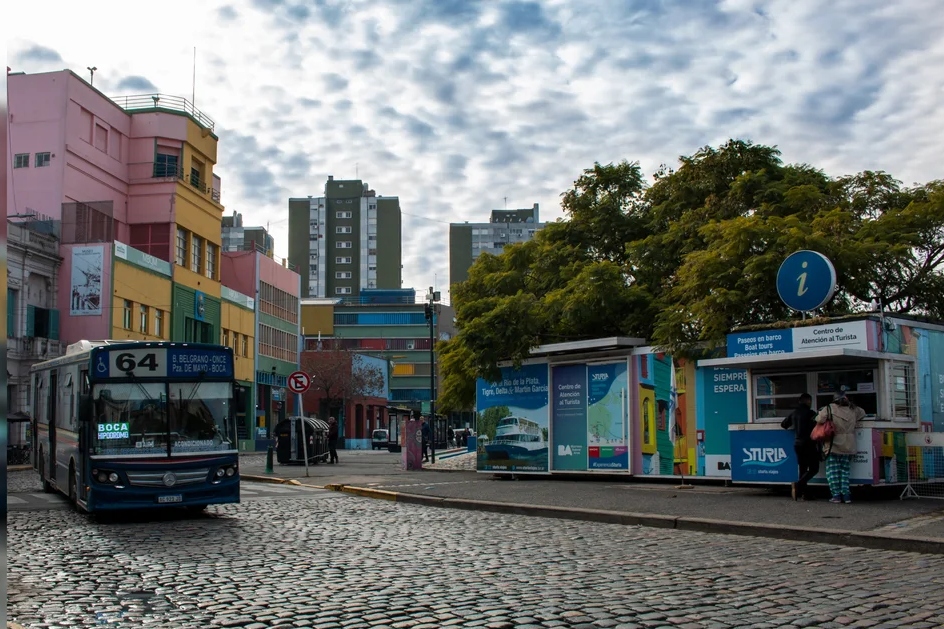
La Boca
A colorful neighborhood known for its vibrant street art, tango performances, and the famous Caminito street.
Cultural
2-3 hours
Free to explore, paid shows
The Pampas
A vast fertile plain offering a glimpse into Argentina's gaucho culture, with estancias (ranches) and beautiful landscapes.
Nature
Full day or overnight
Varies by estancia (ARS 1,000-5,000 approx. USD 13-65)
Teatro Colón
One of the world's most famous opera houses, known for its stunning architecture and acoustics.
Cultural
1-2 hours (tour), longer for performances
Tour: ARS 1,200 (approx. USD 16), Performances: ARS 500-5,000 (approx. USD 6.50-65)
San Telmo Market
A historic market offering antiques, collectibles, and local crafts, with a lively Sunday market atmosphere.
Market
1-3 hours
Free to explore, varies for purchases
Must-Try Local Dishes
Asado
Argentine barbecue featuring various cuts of beef, sausages, and other meats, cooked over an open fire.
Dinner
Not vegetarian or vegan
Empanadas
Savory pastries filled with various ingredients like beef, chicken, or cheese.
Snack or Lunch
Can be vegetarian or vegan
Milanesa
Breaded and fried meat cutlet, similar to schnitzel, often served with mashed potatoes or salad.
Lunch or Dinner
Not vegetarian or vegan
Dulce de Leche
A sweet, caramel-like spread made from milk and sugar, used in various desserts.
Dessert
Vegetarian
Popular Activities
Horseback riding in The Pampas
Kayaking in Tigre Delta
Hiking in Sierra de la Ventana
Wine tasting in Palermo
Spa day in Recoleta
Strolling through Bosques de Palermo
Tango shows in La Boca
Visiting museums in Recoleta
Best Time to Visit
Spring (September to November) and Fall (March to May)
Pleasant weather, fewer crowds, and vibrant city life. Ideal for outdoor activities and exploring both the city and the Pampas.
15-25°C
59-77°F
Practical Information
Language
- Official: Spanish
- Widely spoken: English, Italian, French
- English: Moderately spoken in tourist areas, limited elsewhere
Currency
Argentine Peso (ARS)
Time Zone
GMT-3
Electricity
220VV, 50HzHz
Safety Information
Overall Safety Rating: Exercise caution
Buenos Aires is generally safe for tourists, but petty crime like pickpocketing and scams can occur, especially in crowded areas. Be aware of your surroundings and take precautions.
Important Precautions:
- • Keep valuables secure
- • Avoid flashing expensive items
- • Use reputable taxi services or app-based taxis
Getting there
By air
- Ministro Pistarini International Airport • 35 km from city center
- Aeroparque Jorge Newbery • 4 km from city center
By train
Retiro Station
By bus
Retiro Bus Terminal, Constitución Bus Terminal
Getting around
Public transport
Efficient and affordable, with six lines connecting major neighborhoods.
Taxis
Available • Apps: Uber, Cabify
Rentals
Car, Bike, Scooter
Neighborhoods
Palermo
Recoleta
La Boca
San Telmo
Day trips
Estancia Santa Susana
100 km from Buenos Aires • Full day
A traditional estancia offering horseback riding, gaucho shows, and authentic Argentine asado.
Colonia del Sacramento
100 km from Buenos Aires (by ferry) • Full day
A charming colonial town in Uruguay with cobblestone streets, historic buildings, and a relaxed atmosphere.
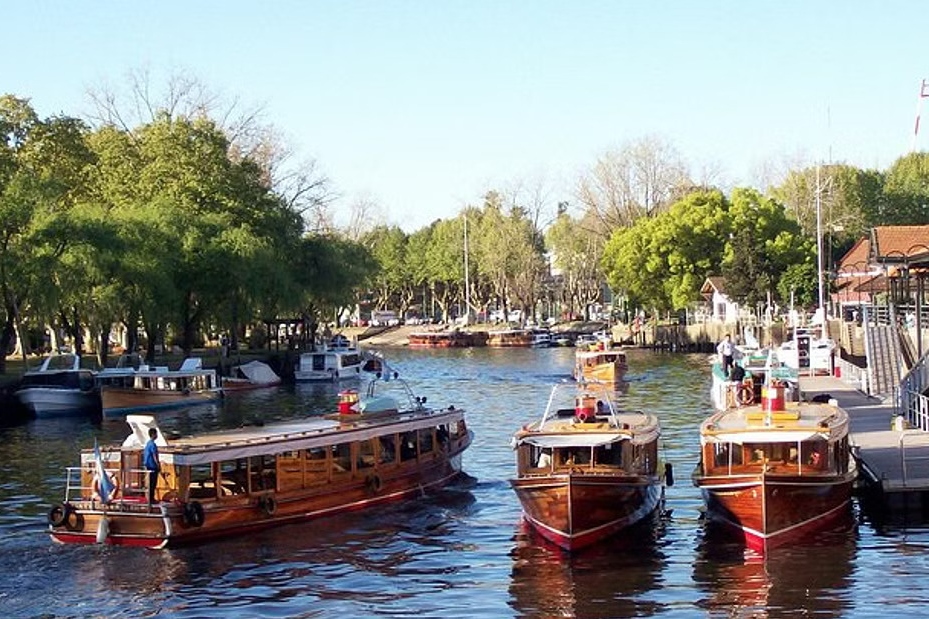
Tigre Delta
35 km from Buenos Aires • Half day to full day
A network of islands and waterways offering boat tours, kayaking, and nature walks.
Festivals
Carnaval de Buenos Aires • February or March (dates vary)
Festival Internacional de Cine Independiente de Buenos Aires (BAFICI) • April (dates vary)
La Noche de los Museos • November (dates vary)
Pro tips
- Use the SUBE card for convenient and discounted public transport
- Learn a few basic Spanish phrases to enhance your experience and connect with locals
- Explore beyond the tourist hotspots to discover the city's hidden gems
- Try local specialties like empanadas, milanesa, and dulce de leche
- Visit during the shoulder seasons (spring and fall) for pleasant weather and fewer crowds
From $25
per person
Price varies by option
Secure booking
Free cancellation available