Tirana Extended Walking Tour - Essential of the Albanian Capital
Active
4h - 5h
For a full refund, cancel at least 24 hours before the scheduled departure time.
Instant confirmation
Mobile or paper ticket accepted
About this experience
Experience vibrant Tirana, Albania's heart, on this tour. Discover its political, economic, and cultural core. Amidst mixed aromas and East-West heritage, explore Scanderbeg Square, Peoples’ Martyr’s Boulevard, and New bazaar of Tirana. Visit landmarks like BunkArt 2 Museum, Haxhi Et’hem Bey Mosque, Clock Tower, New Bazaar, Pyramid, Tirana University, City Hall, Government Buildings, and Opera House. Embrace the dynamic fusion of history and modernity in this fast-growing hub.
Coffee/Refreshmets or Albanian spirit ''Rakia'' at Komiteti Bar Caffe situated in a communist era apartment , will add to the flavor of this tour.
Available options
Tour in English
English Language
What's included
All Fees and Taxes
A Local Professional Guide
Access to Bunk Art 2 Museum
Komiteti Museum Café Tirana
Access to Clock tower
Detailed itinerary
1
Stop 1
This is where the tour starts. Here the travelers will hear about the history of Tirana, and the history of the buildings around the square like the Opera House, National History Museum, National Bank, City Hall, etc.
After the square we will walk to the New Bazaar area for some shopping and local experience.
2
Stop 2
This is the only remaining mosque from the 19 century in Tirana. Beautifully decorated it is a gem of architecture and art in the heart of Tirana.
3
Stop 3
The Clock Tower is a cultural monument that has shown the time in Tirana since 1822. It stands beside Et’hem Bey mosque, built by the same person. You can climb its 90 stairs and on reaching the top have a magnificent view of the main square in Tirana and beyond.
The Clock Tower comprises a major part of the emblem of Tirana Municipality and together with the mosque forms a unique architectural ensemble.
4
The atomic bomb shelter of the Ministry of Internal Affairs was built between 1981 and 1986 and it can be considered as one of the latest “great works” carried out by the communist regime within the project of bunkerization which started in the early 70s and led to the building of 175.000 bunkers of various sizes across the country. This bunker, in code named “Objekti Shtylla”, consists of 24 rooms, an apartment reserved for the Minister of Internal Affairs and a large hall dedicated to intercommunications. Like many other bunkers of this size, this too was built to withstand a potential chemical and nuclear attack. Actually the bunker was never even used for trainings. The entrance and the exit of the bunker were built only recently, because on the initial project the entrance into the tunnel was possible only from within the Ministry.
5
Built near the old Justinian fortress, one of the few archaeological remains still present in the heart of the Albanian capital, the Castle is owned by the Toptani family.
Toptani is one of the richest families in Albania and the Balkan area, originating from the beautiful city of Kruja.
This family moved to Tirana in the seventeenth century. Some members of the prestigious family, during the years of Ottoman rule, were ordered by the Empire to govern the then Ottoman territories in the Albanian land.
6
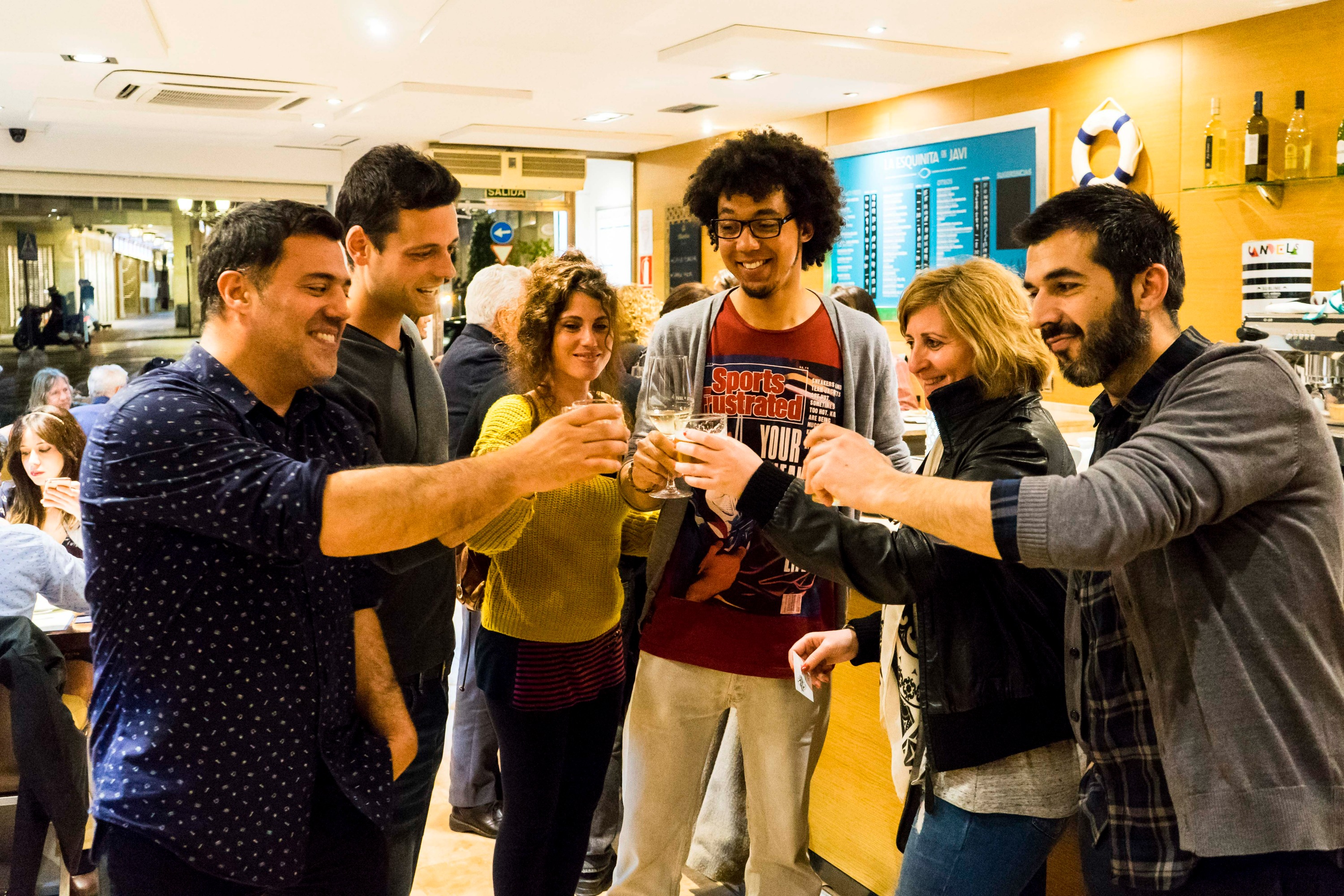
Café-Museum located inside one of the communist era apartments. Communist era artefacts like old radios, furniture, tools, kitchenware, silverware, cups and glasses are only some of the objects that can be seen. Here the travelers will have coffee, refreshments, or rakia the Albanian famous spirit.
7
Stop 7
This iconic building was a museum dedicated to the Albanian communist leader (dictator). After the fall of the communist regime in Albania, the building was used as a discotheque, cultural center, radio station, and fair exhibition area.
Now, the pyramid has been reconstructed with a modern architecture and will be the largest technological center in the Balkans focusing on Information and digital technology.
8
This is the main boulevard in Tirana, build in 1930s. Along this boulevard the travelers will see the main government buildings and will learn about the modern history of Tirana and Albania.
At the end of the boulevard we find the Mother Theresa Square: This is the second largest square in the center of Tirana. Here the travelers will get to see the Tirana University Building, Art University, Air Albania Arena, and other iconic and historical buildings.
9
Leafy, residential Blloku is an upscale nightlife and shopping hotspot, with hip bars and cafes, and trendy global restaurants alongside luxury boutiques. During the era of Communist rule, it was a closed-off precinct for the party elite, and the villa of long-ruling dictator Enver Hoxha still stands.
10
The Resurrection of Christ Orthodox Cathedral in Tirana was inaugurated in 2012 and is one of the largest cathedrals in the Balkans. It is beautifully decorated with mosaics and paintings and has become one of the most visited attractions in Tirana.
What's not included
Anything not mentioned in the included section
Tips
Available languages
Guide guide
EN
Reviews breakdown
Viator
5.0
3 reviews
5★
3
4★
0
3★
0
2★
0
1★
0
Tripadvisor
5.0
1 reviews
5★
1
4★
0
3★
0
2★
0
1★
0
Important information
Infants and small children can ride in a pram or stroller
Service animals allowed
Public transportation options are available nearby
Infants are required to sit on an adult’s lap
Not recommended for travelers with poor cardiovascular health
Suitable for all physical fitness levels
We can accommodate dietary needs such as vegetarian, vegan, gluten-free, etc. If you have dietary requirements. Please kindly indicate it to the special requirements at the time of booking.
Under 18 years old must have a photo ID (Digital Copy Accepted)
Meeting point
We will gather at the iconic Scanderbeg Square in the heart of Tirana to begin our unforgettable journey. Near the prominent statue of Skanderbeg, the national hero. Look for a staff member holding an "ALBANIAN ODYSSEY" white clipboard/flag. Please ensure you arrive 15 minutes before departure.
Important notes
We will gather at the iconic Scanderbeg Square in the heart of Tirana to begin our unforgettable journey. Near the prominent statue of Skanderbeg, the national hero. Look for a staff member holding an "ALBANIAN ODYSSEY" white clipboard/flag. Please ensure you arrive 15 minutes before departure.
About Tirana
Tirana, Albania's vibrant capital, is a city where Ottoman, Italian, and communist influences blend to create a unique urban tapestry. Known for its colorful buildings, lively cafes, and rich history, Tirana offers a dynamic mix of old and new that captivates visitors.
Top Attractions
Bunk'Art 2
A Cold War-era bunker turned museum, Bunk'Art 2 offers a fascinating look into Albania's communist past. The museum features exhibits on the history of communism, the secret police, and the Cold War.
Historical
1-2 hours
€5
Blloku
Blloku is Tirana's most vibrant district, known for its lively nightlife, restaurants, and cafes. Once the exclusive residential area of communist leaders, it has transformed into the city's entertainment hub.
Entertainment
Evening or full day
Free to explore, varies by venue
Dajti National Park
Dajti National Park offers stunning views of Tirana and the surrounding mountains. Visitors can hike, enjoy nature, or take the cable car for panoramic views.
Nature
Half day or full day
€5 for cable car, free for hiking
Must-Try Local Dishes
Tavë Kosi
A traditional Albanian dish made with baked lamb and rice, topped with a yogurt and egg sauce.
Main Dish
Contains dairy and meat
Byrek
A savory pastry filled with cheese, spinach, or meat, baked until golden and flaky.
Snack
Vegetarian options available
Fërgesë
A hearty dish made with peppers, tomatoes, onions, and cheese, often served with bread.
Main Dish
Vegetarian
Popular Activities
Hiking in Dajti National Park
Mountain biking in the surrounding hills
Paragliding near Tirana
Visiting Blloku for cafes and people-watching
Enjoying a spa day at a local wellness center
Relaxing at a traditional hammam (Turkish bath)
Exploring Bunk'Art 2 and other museums
Attending a performance at the National Opera and Ballet Theatre
Best Time to Visit
April to June, September to October
Spring and fall offer the best weather for exploring Tirana, with comfortable temperatures and fewer tourists. The city is in full bloom during spring, while autumn provides a warm, pleasant climate.
15°C to 30°C
59°F to 86°F
Practical Information
Language
- Official: Albanian
- Widely spoken: English, Italian
- English: Moderately spoken in tourist areas, limited elsewhere
Currency
Albanian Lek (ALL)
Time Zone
CET (GMT+1), CST (GMT+2) during daylight saving time
Electricity
220VV, 50HzHz
Safety Information
Overall Safety Rating: Generally safe
Tirana is generally safe for travelers, with low crime rates and a welcoming atmosphere. However, petty crime and pickpocketing can occur in crowded areas and tourist spots.
Important Precautions:
- • Be cautious with valuables, especially in crowded areas and on public transport.
- • Use reputable taxi services or ride-sharing apps to avoid overcharging.
- • Be aware of your surroundings, especially at night, and stick to well-lit and populated areas.
Getting there
By air
- Tirana International Airport Nënë Tereza • 20 km from city center
By bus
Tirana Bus Station
Getting around
Public transport
Buses are the primary mode of public transport in Tirana. The system is affordable and covers most major areas, though it can be crowded during peak hours.
Taxis
Available • Apps: TaksiTirana, Uber
Rentals
Car, Bike, Scooter
Neighborhoods
Blloku
Pazari i Ri
Kamza
Day trips
Berat
120 km from Tirana • Full day
Berat, known as the 'Town of a Thousand Windows,' is a UNESCO World Heritage site with a rich history and stunning architecture. Visitors can explore Ottoman-era houses, churches, and the Berat Castle.
Durrës
35 km from Tirana • Half day or full day
Durrës is Albania's largest beach resort, offering a mix of relaxation and history. Visitors can enjoy the beach, explore the Roman amphitheater, and visit the Archaeological Museum.
Krujë
30 km from Tirana • Half day or full day
Krujë is a historic town known for its medieval castle, bazaar, and the Ethnographic Museum. It's a popular day trip from Tirana, offering a glimpse into Albania's medieval past.
Festivals
Tirana International Film Festival • November
Tirana Jazz Festival • November
Tirana Summer Festival • July to August
Pro tips
- Visit Bunk'Art 2 for a fascinating look into Albania's communist past.
- Explore the vibrant Blloku district for nightlife, dining, and shopping.
- Take a day trip to Berat or Durrës for a mix of history, culture, and beach relaxation.
- Try local dishes like Tavë Kosi and Byrek at traditional restaurants and cafes.
- Use public transport or rent a bike to get around the city and reduce your carbon footprint.
From $25
per person
Price varies by option
Secure booking
Free cancellation available
Instant confirmation