Tokyo Private Car Tour: Kamakura, Enoshima & Yokohama Highlights
Active
10h
For a full refund, cancel at least 24 hours before the scheduled departure time.
Instant confirmation
Mobile or paper ticket accepted
About this experience
Step into a world where samurai once walked and temples whisper stories of centuries past. Our tour immerses you in the heart of Japan—where history, spirituality, and nature exist in perfect harmony.
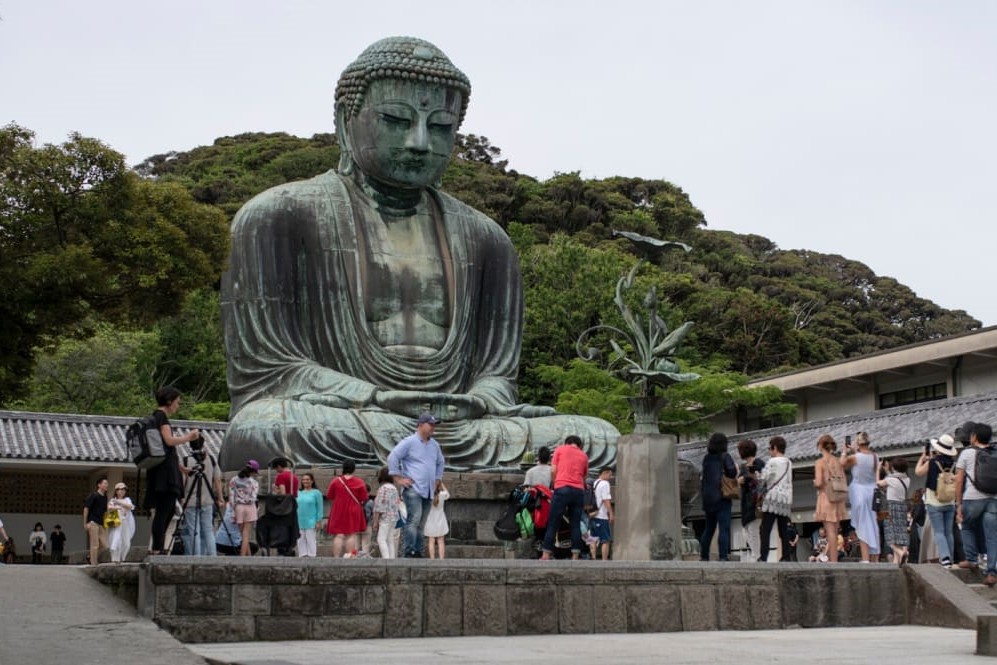
Visit the Great Buddha of Kamakura, and stroll through the serene garden of Hasedera Temple, where seasonal flowers bloom and captivate visitors throughout the year.
In the afternoon you may like to feel the sea breeze at Enosima island, steeped in legends and dotted with hidden shrines. Wander along Komachi Street to discover unique souvenirs, traditional crafts, and delicious local street food.
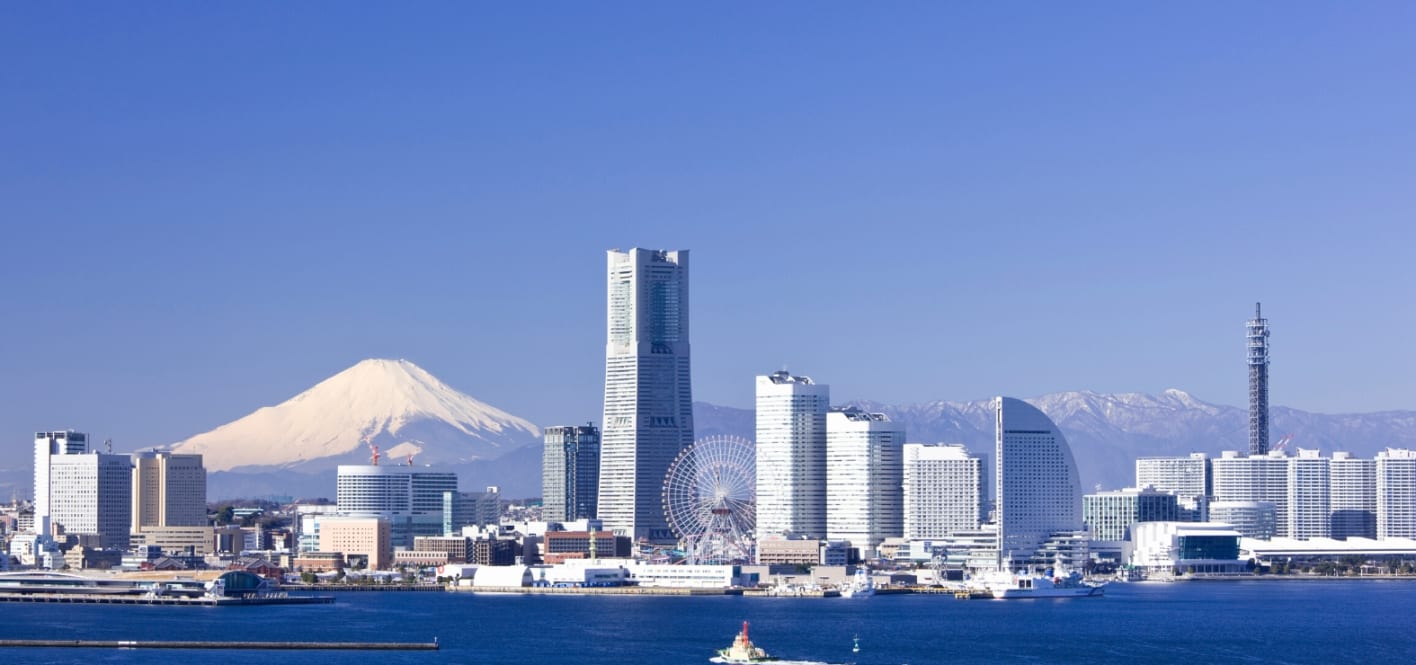
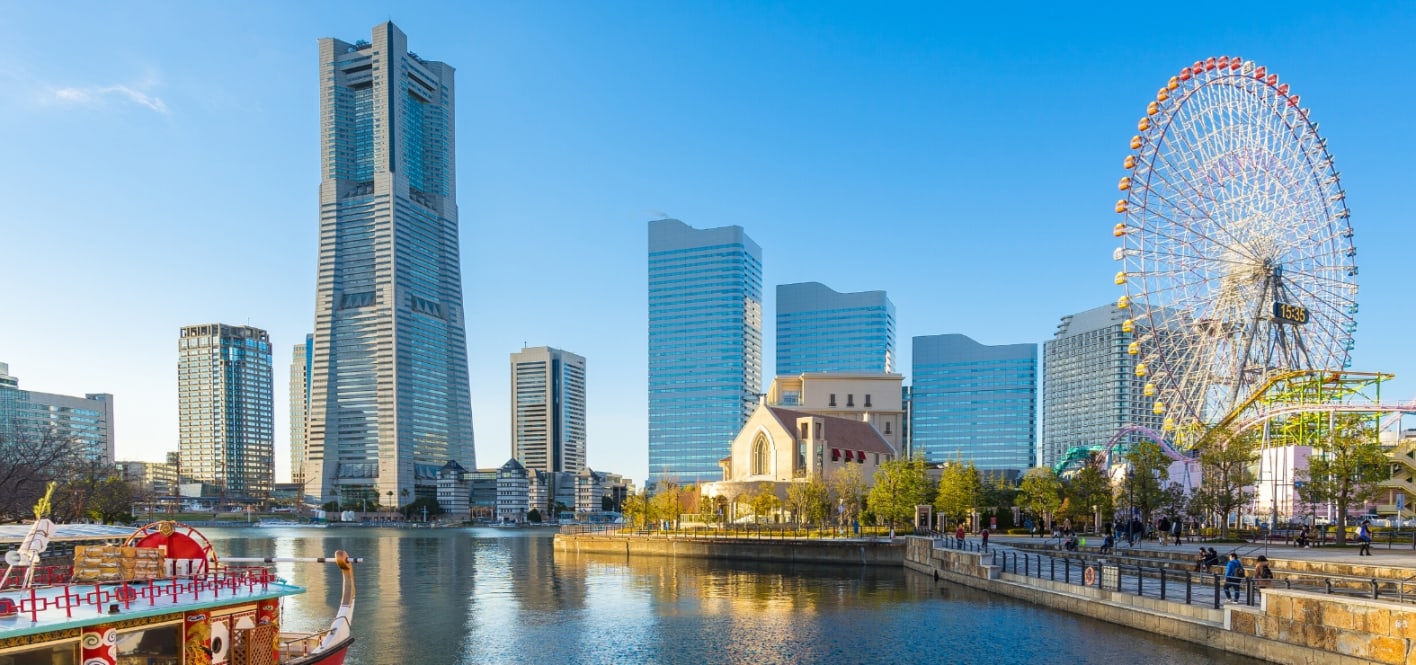
Yokohama, with its fascinating fusion of oriental and occidental cultures, provides a captivating contrast to Kamakura. Explore its highlights, including the panoramic Landmark Tower, Redbrick Warehouse, and Cup Noodle Museum, etc.
Your private tour will be carefully tailored by a qualified guide and accompanied by a skilled driver, ensuring a hassle-free and truly memorable day.
Available options
Private Car Tour to see Highlights of Kamakura, Enoshima, Yokohama from Tokyo
Pickup included
What's included
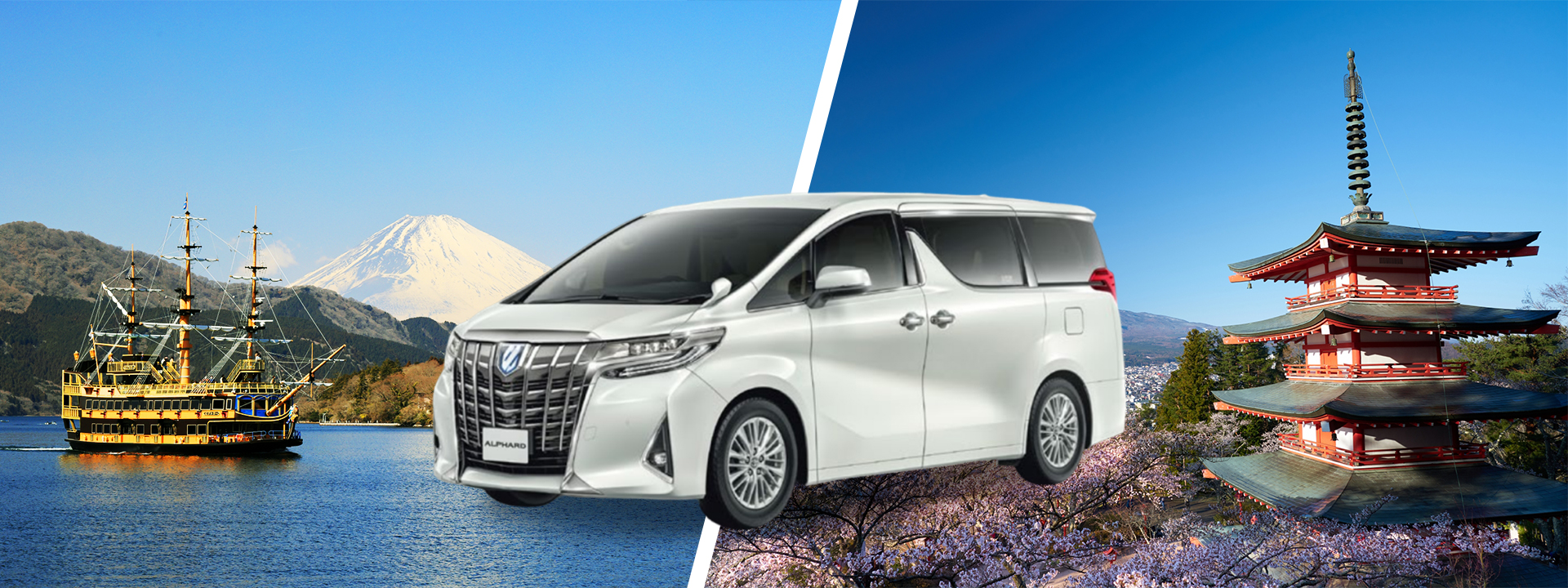
Air-conditioned private vehicle (van) and bottled water
Fuel, Highway tolls and Parking Fees
Detailed itinerary
1
Stop 1
It is a gigantic bronze statue of Amida Buddha (13.5m, 44 ft.) in an open air. It is the only national treasure in Kamakura. You can enter inside the body for only 20 yen. (admission fee 200 yen per pers.)
2
Rated 3 stars in the Michelin travel guide. The temple is famous for having the most beautiful bamboo grove in Kamakura. You can enjoy matcha green tea and Japanese sweet in a teahouse overlooking the bamboo grove. (admission fee 600 yen per pers. including matcha and sweet) (20 to 60mn)
3
It’s known as a temple of flowers. You can enjoy cherry blossoms in spring, hydrangeas around late May to late June, and maple leaves in autumn. It’s also famous for 9.18 meter-tall gilded wooden eleven-headed statue of Kannon, the goddess of mercy. (admission fee 400 yen per pers.)
(30 to 60mn)
4
Stop 4
This Shinto shrine is dedicated to the god of war and the god of the samurai in general. It is a popular site for weddings and is particularly beautiful during cherry blossom or azalea season. (30 to 60mn)
5
It is a long shopping street near Tsurugaoka Hahchimangu Shrine. The street is lined up with numbers of restaurants, cafes and shops. Some popular souvenirs are carved lacquerware (Kamakura-bori), pigeon-shaped cookies (Toshimaya Hato sable), and bean snacks (Kamakura mameya).
(20 to 80mn)
6
It’s the oldest and the highest ranking zen temple in Kamakura. It offers meditation practice on certain dates. Zen t-shirts are sold here. (admission fee 500 yen per pers.)
7
Stop 7
It is the second important zen temple in Kamakura, famous for its large temple gate and bell.
You can find the grave of famous film director Yasujiro Ozu here. There is a café within the temple compound where you can enjoy lunch, Japanese sweets, and matcha green tea and other drinks on certain dates. (admission fee 300 yen per pers.)
8
It is famous for blue hydrangeas from late May to late June. Many people queue up to take a picture of the circular window in the main hall which frames the scenery of the garden behind it. (admission fee 500 yen per pers.)
9
Shinto Shrine where is believed an increase of income by washing cahs with its holy water.
10
This quiet little temple served as a shelter for women who suffered abuse by their husbands and sought a divorce at a time when only men were allowed to ask for a divorce. Visitors can enjoy flowers all year round, such as plums in early spring, iris and climbing hydrangea in June, in gardens stretching back to the wooded hills.(admission fee 200 yen per pers.)
11
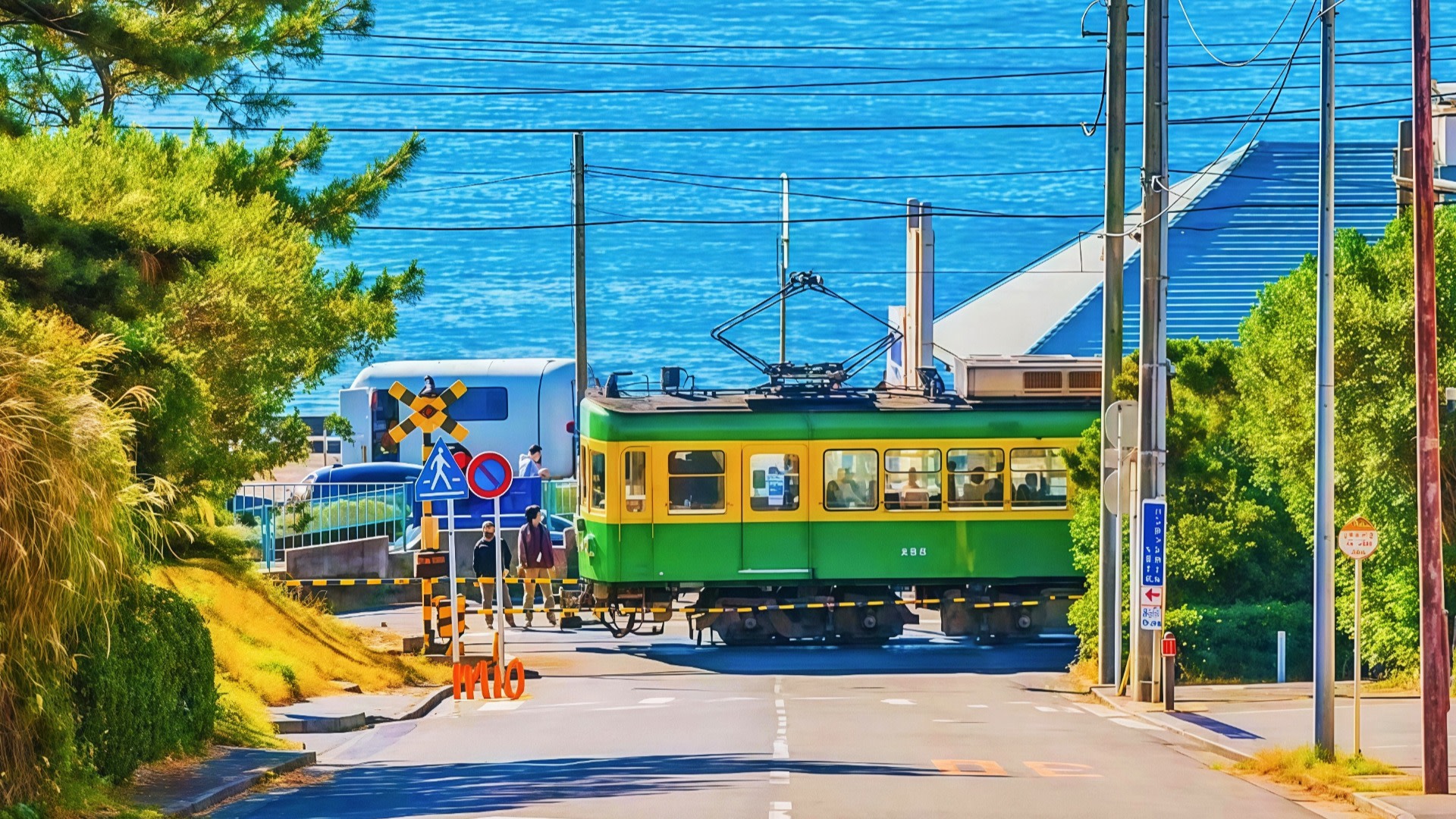
This photogenic railroad crossing having the beautiful blue sea in the background was used in the opening sequence of a famous Japanese anime “Slam Dunk”. A short photo stop is possible.
12
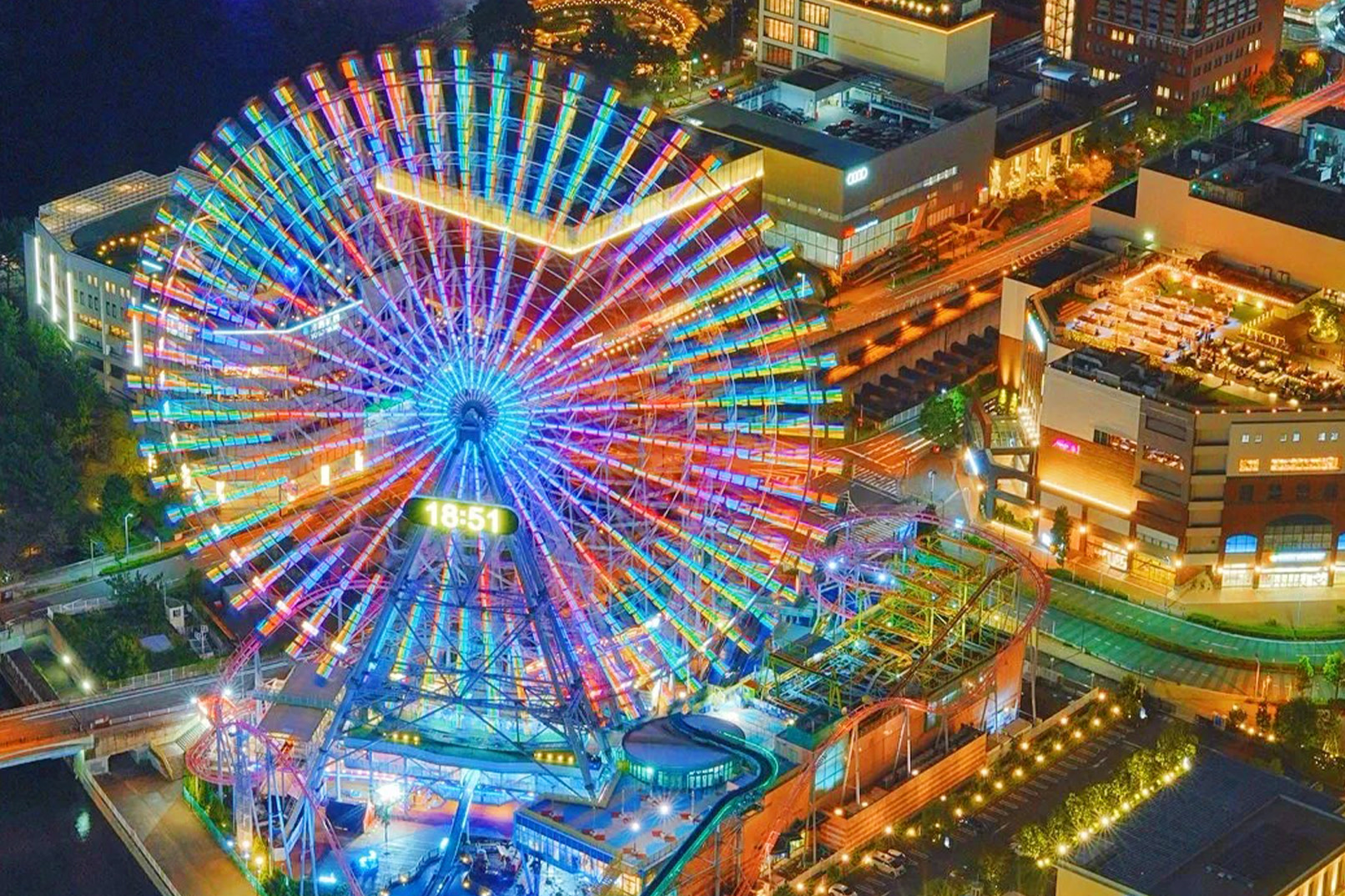
Minato Mirai 21 is a seaside urban area in central Yokohama. Some major attractions are the Landmark Tower (the second tallest building in Japan), Cosmo World amusement park, and the Red Brick Warehouses shopping center.
(30 to 60mn)
13
It is a traditional and typical Japanese-style garden designed by a wealthy businessman. 17 precious buildings transferred from Kyoto and other places are skillfully arranged to match the beauty of the garden. (admission fee 700 yen per pers.) (30 to 90mn)
14
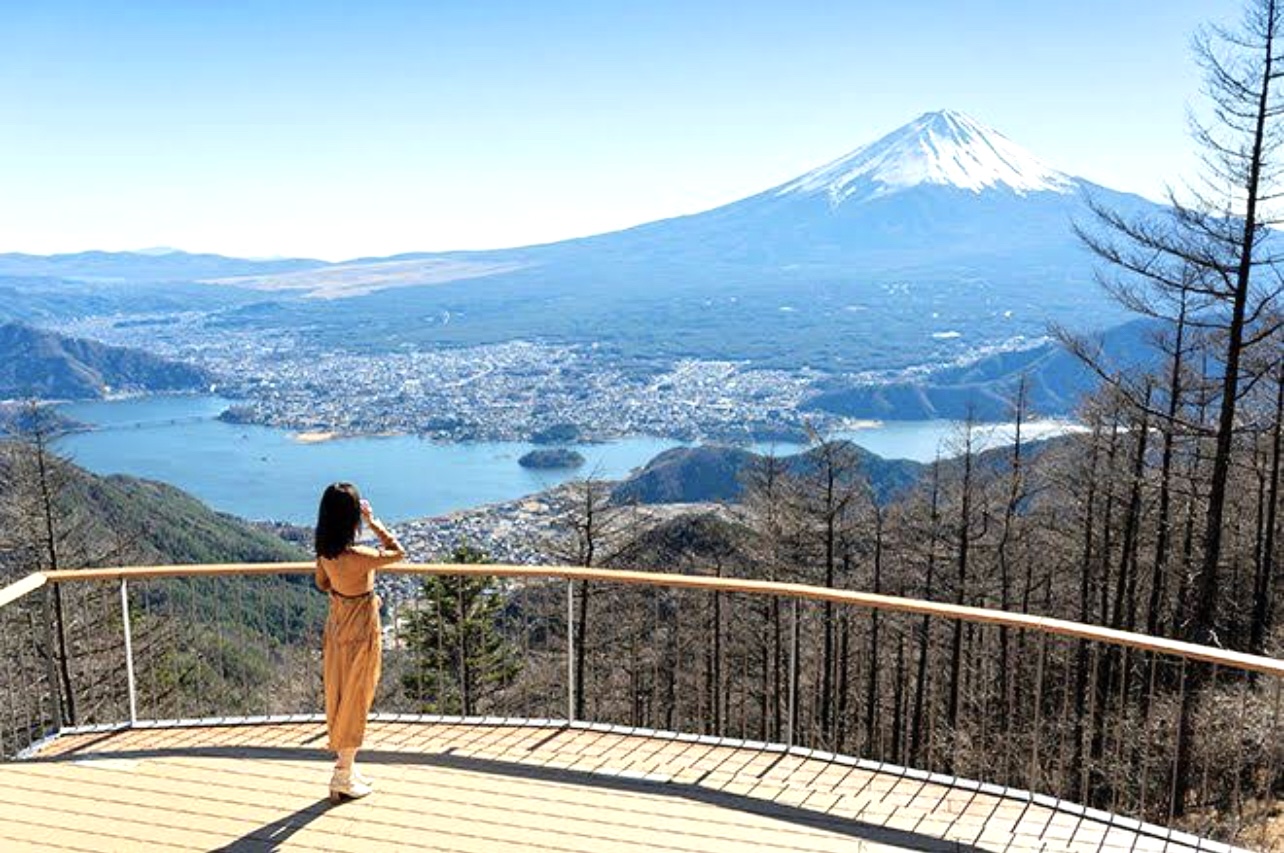
There are various attractions such as a shrine, aquarium, botanical garden, observation tower and caves. Mount Fuji can be viewed from various places if the weather permits.
(30 to 150 mn)
15
Enjoy the panoramic scenic view of the Yokohama Bay area and bay of Tokyo from 273m (900f) high. You can also get a good view of Mt. Fuji on a clear day. (admission fee 1000 yen per pers.)
16
If you feel like strolling in a park with a coffee in hand, Yamashita Park would be ideal as it is beloved by the locals to come and relax. Street performers are here to entertain on the weekend. A photo stop is possible upon request
17
You can get a very beautiful view of the Yokohama Minato Mirai area
18
Another scenic viewing point and landmark of Yokohama bay area with it's The English garden. It is located next to the residential districts of the western people when Yokohama opened as one of the important international ports at the end of the Tokugawa Shogunate.
19
If you want to try Chinese food while you are in Japan or to have a different feeling, the biggest Chinatown in Japan is in Yokohama.
Possible to make a stop or have lunch upon request.
20
Run by Nisshin, the very first company that invented Cup noodles. You can learn about the story of the instant noodle, topping and making your original noodle, try different tastes from worldwide noodles, and get some original souvenirs only found in this unique place.(admission fee 500 yen per pers.) (45 to 90mn)
21
Stop 21
If you are a ramen lover, Shinyokohama ramen museum is a must go place.You can enjoy 8 different type of ramen all in one place (admission fee 310 yen per pers.)
What's not included
Lunch
Gratuity *5-20%
Hase-dera Temple
Cup Noodles Museum Yokohama
Engaku-ji Temple
Hokokuji Temple (Takedera Temple)
Meigetsuin (Hydrangea Temple)
Yokohama Landmark Tower Sky Garden
Kotoku-in (Great Buddha of Kamakura)
Kencho-ji Temple
Tokeiji Temple
Sankeien Gardens
Shinyokohama Ramen Museum
Available languages
Guide guide
RU
ZH-TW
KO
JA
EN
ZH-CN
FR
ES
Reviews breakdown
Viator
4.9
18 reviews
5★
17
4★
0
3★
1
2★
0
1★
0
Tripadvisor
5.0
38 reviews
5★
37
4★
1
3★
0
2★
0
1★
0
Important information
Wheelchair accessible
Infants and small children can ride in a pram or stroller
Service animals allowed
Public transportation options are available nearby
Infants are required to sit on an adult’s lap
Specialized infant seats are available
Transportation options are wheelchair accessible
Suitable for all physical fitness levels
The itinerary on the What to Expect is a list, please select around 4 to 6 sites.
You can ask our guide for advice and suggestions after booking.
Please advise for any specific dietary requirements at the time of booking, vegetarian option is available.
The tour will not be cancelled or refunded even if some spots are not fully visible due to weather conditions. The activity schedule is subject to change/cancellation due to weather or traffic conditions.
The price remains the same with or without the vehicle.
About Kamakura
Kamakura is a historic city known as the ancient capital of Japan, rich in Buddhist temples, Shinto shrines, and traditional architecture. Its coastal location and scenic beauty make it a popular destination for both cultural and nature lovers.
Top Attractions
Tsuruoka Hachimangu Shrine
A significant Shinto shrine dedicated to the deity Hachiman, known for its beautiful architecture and cultural significance.
Religious
1-2 hours
Free (donations appreciated)
Kotoku-in (Great Buddha of Kamakura)
Home to a massive bronze statue of Amida Buddha, one of Kamakura's most iconic landmarks.
Historical
1-2 hours
Free (donations appreciated)
Komachi-dori
A bustling street filled with traditional shops, restaurants, and souvenir stalls.
Cultural
1-2 hours
Free to explore
Hasedera Temple
A beautiful temple complex with stunning ocean views and a history dating back to the 8th century.
Religious
1-2 hours
Free (donations appreciated)
Zeniarai Benten Shrine
A unique shrine where visitors can wash money for good fortune, located in a serene forested area.
Religious
30-60 minutes
Free (donations appreciated)
Kamakura Beach
A popular beach for swimming, sunbathing, and water sports, offering beautiful ocean views.
Nature
2-3 hours
Free (rentals available)
Must-Try Local Dishes
Shirasu Don
A bowl of rice topped with fresh whitebait, a local delicacy.
Lunch/Dinner
Contains fish
Kamaboko
Fish cakes with various shapes and flavors, often served as a snack or part of a larger meal.
Snack
Contains fish
Houtou
A hearty vegetable and noodle soup, often made with local produce.
Dinner
Vegetarian options available
Matcha Sweets
Traditional sweets made with matcha (green tea), a specialty of the region.
Dessert
Vegetarian
Popular Activities
Hiking in the surrounding hills
Beach activities
Onsen (hot spring) visits
Scenic walks
Temple and shrine visits
Traditional crafts workshops
Swimming
Surfing
Best Time to Visit
April (cherry blossom season), November (autumn foliage)
These periods offer the most pleasant weather and stunning natural scenery, attracting large crowds of tourists.
15-25°C (April), 10-20°C (November)
59-77°F (April), 50-68°F (November)
Practical Information
Language
- Official: Japanese
- Widely spoken: English (limited)
- English: Limited
Currency
Japanese Yen (JPY)
Time Zone
JST (GMT+9)
Electricity
100VV, 50/60HzHz
Safety Information
Overall Safety Rating: Very safe
Kamakura is a very safe destination with low crime rates. However, standard precautions should be taken to ensure a safe and enjoyable trip.
Important Precautions:
- • Keep valuables secure in crowded areas.
- • Use licensed taxis or ride-sharing services.
- • Be cautious of your surroundings at night, especially in less touristy areas.
Getting there
By air
- Haneda Airport • 50 km from Kamakura
- Narita Airport • 100 km from Kamakura
By train
Kamakura Station
By bus
Kamakura Station Bus Terminal
Getting around
Public transport
The JR Yokosuka Line connects Kamakura to Tokyo and Yokohama, while the Enoden Line offers a scenic route along the coast.
Taxis
Available • Apps: JapanTaxi, Uber
Rentals
Car, Bike, Scooter
Neighborhoods
Komachi-dori
Hase
Yuigahama
Zaimokuza
Day trips
Enoshima Island
10 km from Kamakura • Half day
A small island known for its scenic views, shrines, and caves, offering a mix of nature and culture.
Yokohama
30 km from Kamakura • Full day
A major city with a rich history, known for its Chinatown, museums, and waterfront attractions.
Hakone
50 km from Kamakura • Full day or overnight
A scenic onsen (hot spring) town known for its views of Mount Fuji, traditional ryokan (inns), and hot springs.
Festivals
Kamakura Festival • April (specific dates vary)
Tsurugaoka Hachimangu Reitaisai • September 14-15
Great Buddha Festival • December (specific dates vary)
Pro tips
- Visit the Great Buddha early in the morning to avoid crowds.
- Explore the Enoden Line for a scenic and historic tram ride along the coast.
- Try local specialties like shirasu (whitebait) and kamaboko (fish cakes).
- Combine a visit to Kamakura with a day trip to nearby Enoshima or Hakone.
- Carry cash for small purchases and local markets, as not all places accept cards.
From $25
per person
Price varies by option
Secure booking
Free cancellation available
Instant confirmation


![[Kamakura & Yokohama | Includes Train Experience] Enoshima & Kamakura High School & Tsurugaoka Hachimangu Shrine & Yokohama Night View Day Trip (From Tokyo)](https://res.klook.com/image/upload/activities/idam2nxflai8avgtrrcz.jpg)