Hill of Tara and Trim Castle Private Tour
Active
6h
For a full refund, cancel at least 24 hours before the scheduled departure time.
Instant confirmation
Mobile or paper ticket accepted
About this experience
Explore Ireland’s rich history on a private tour of the Hill of Tara and Trim Castle. Travel in a luxury vehicle with a personal driver-guide, discovering sites like the ancient Hill of Tara, a sacred landscape steeped in myth. Visit the atmospheric ruins of Bective Abbey and the impressive Trim Castle, the largest Anglo-Norman castle in Ireland. Stand atop the Hill of Slane, where Saint Patrick lit the Paschal Fire, marking the dawn of Christianity in Ireland. Along the way, enjoy expert commentary that brings each site’s history to life, perfect for history lovers and curious travellers alike. With a flexible schedule, breaks for lunch, and a comfortable group size of 1-3, this tour is designed for an intimate and memorable day in the Boyne Valley.
Available options
Hill of Tara and Trim Castle Private Tour
Pickup included
What's included
Private transportation
Air-conditioned vehicle
Detailed itinerary
1
Stop 1
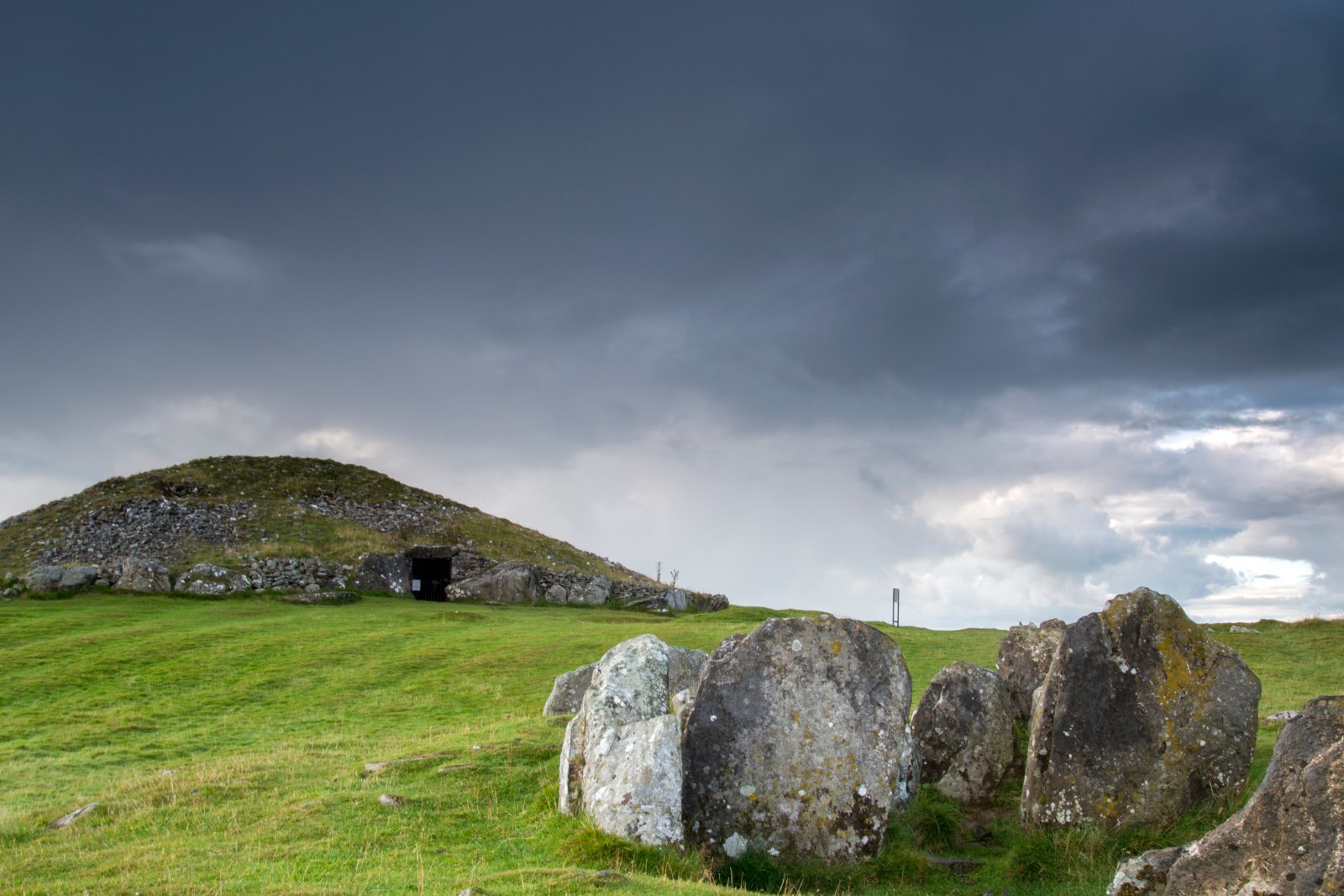
The Hill of Tara, located in County Meath, is an ancient ceremonial and burial site steeped in myth and history. Once the seat of the High Kings of Ireland, it served as a political and spiritual centre for centuries. The hill features archaeological remains such as the Lia Fáil (Stone of Destiny), believed to roar when touched by a true king. Other monuments include burial mounds and ring forts dating back to the Neolithic period. Tara holds deep cultural significance, symbolizing Irish sovereignty and identity, and continues to draw visitors interested in its rich heritage and mystical past.
Note: travel time from your hotel is included in the time spent on this attraction.
2
Located near the River Boyne in County Meath, this is a striking example of medieval monastic architecture. Founded in 1147 by the Cistercian order, it was the second Cistercian abbey established in Ireland. The site features a combination of Romanesque and Gothic styles, with well-preserved cloisters, stone carvings, and fortified walls. Once a powerful religious and economic centre, Bective Abbey was dissolved during the 16th-century Dissolution of the Monasteries. Today, its atmospheric ruins offer a glimpse into monastic life and Irish history. The abbey’s haunting beauty also made it a filming location for the movie Braveheart.
3
Stop 3
This is the largest Anglo-Norman castle in the country. Built in the late 12th century by Hugh de Lacy and his son Walter, it served as a strategic military and administrative centre. The massive three-story keep, with its unique cruciform shape, dominates the landscape and reflects the power of the Norman invaders. Surrounded by extensive curtain walls and defensive towers, the castle was a symbol of control over the region. Today, Trim Castle is a popular heritage site, offering guided tours and scenic views. It also featured prominently in the film Braveheart.
4
This is a site of great historical and spiritual significance. According to tradition, it was here that Saint Patrick lit the Paschal Fire in 433 AD in defiance of the pagan High King at nearby Tara, symbolising the arrival of Christianity in Ireland. The hill offers stunning views of the surrounding countryside and contains the ruins of a 16th-century Franciscan friary and an earlier church. Its ancient history, tied to both pagan and Christian traditions, makes it a powerful symbol of Ireland’s cultural transformation and a peaceful place for reflection and exploration.
Note: travel time back to your hotel is included in the time spent on this attraction.
What's not included
Meals
Admission Tickets to Trim Castle
Available languages
Guide guide
EN
Important information
Service animals allowed
Public transportation options are available nearby
Infants are required to sit on an adult’s lap
Suitable for all physical fitness levels
About Dublin
Dublin, the capital of Ireland, is a vibrant city rich in history, culture, and charm. Known for its welcoming atmosphere, literary heritage, and lively pub scene, Dublin offers a unique blend of medieval architecture, modern amenities, and stunning coastal landscapes.
Top Attractions
Trinity College and the Book of Kells
Trinity College is Ireland's oldest university and home to the famous Book of Kells, a beautifully illustrated manuscript from the 9th century.
Historical
1-2 hours
€16 (Book of Kells exhibition)
Guinness Storehouse
The Guinness Storehouse is a seven-story interactive experience dedicated to the history and brewing process of Ireland's most famous beer.
Cultural
2-3 hours
€25-€30
Kilmainham Gaol
Kilmainham Gaol is a former prison that played a significant role in Irish history, particularly during the struggle for independence.
Historical
1-2 hours
€8
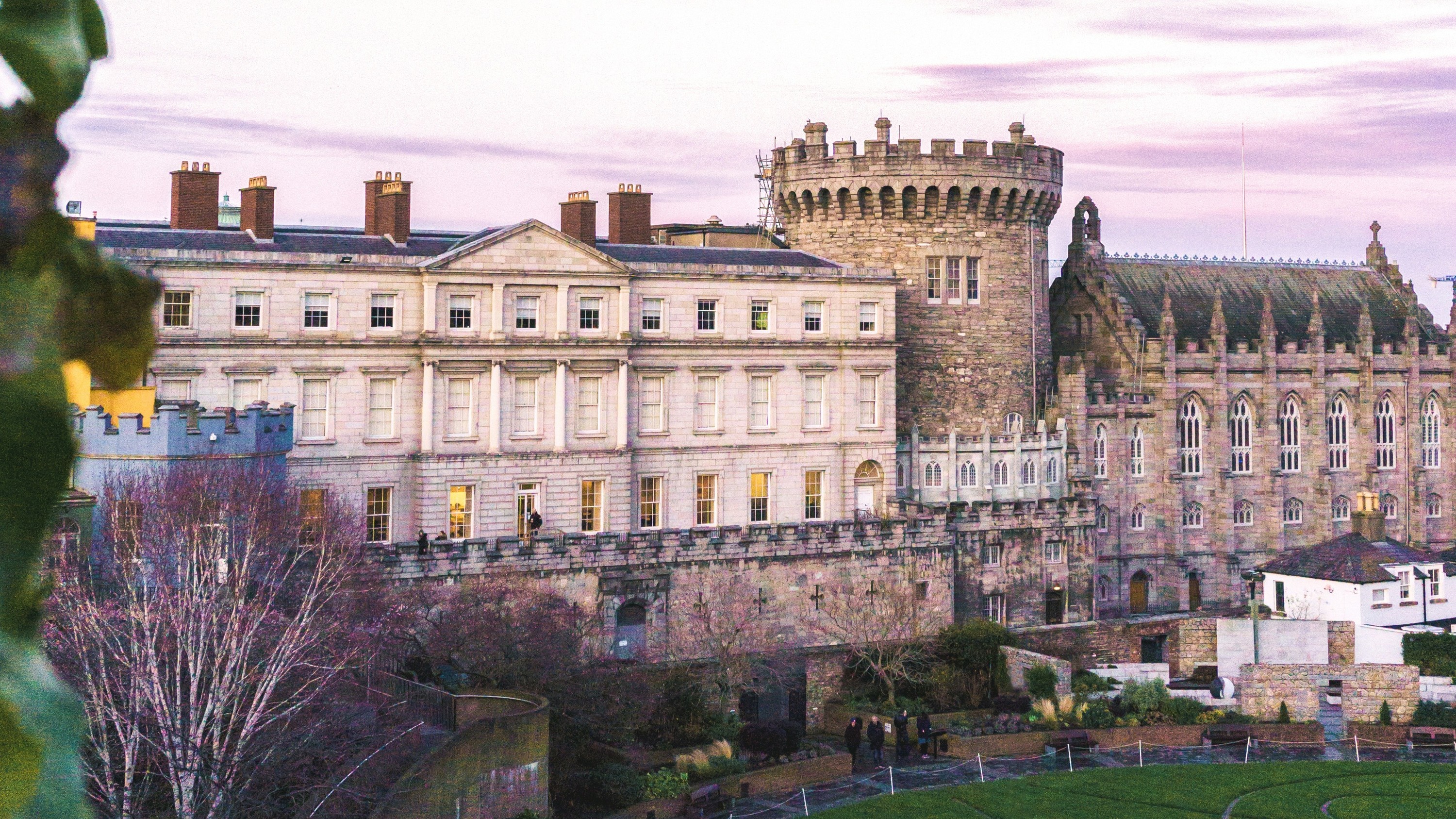
Dublin Castle
Dublin Castle has been a symbol of British rule in Ireland for centuries and is now a major government complex and tourist attraction.
Historical
1-2 hours
€10-€12
St. Patrick's Cathedral
St. Patrick's Cathedral is one of Dublin's most impressive churches, known for its stunning architecture and historical significance.
Religious
1 hour
€7.50
Phoenix Park
Phoenix Park is one of the largest urban parks in Europe, offering a peaceful escape from the city with its lush greenery and wildlife.
Nature
2-3 hours
Free
Must-Try Local Dishes
Irish Stew
A hearty dish made with lamb or beef, potatoes, carrots, and onions, slow-cooked to perfection.
Main Course
Contains meat, can be made vegetarian
Boxty
A traditional Irish potato pancake made with grated and mashed potatoes, flour, and buttermilk.
Side Dish
Vegetarian
Coddle
A comforting dish made with sausages, bacon, potatoes, and onions, slow-cooked in a rich broth.
Main Course
Contains meat
Soda Bread
A traditional Irish bread made with flour, baking soda, and buttermilk, known for its dense texture and slightly tangy flavor.
Bread
Vegetarian
Popular Activities
Hiking in the Wicklow Mountains
Kayaking on the River Liffey
Rock climbing at Dublin Rock Climbing Centre
Spa day at a luxury hotel
Strolling through St. Stephen's Green
Enjoying a pint in a cozy pub
Visiting museums and galleries
Attending a traditional music session
Best Time to Visit
June to August
Summer is the peak tourist season with the warmest weather and longest daylight hours. This is the best time for outdoor activities and festivals.
15°C to 20°C
59°F to 68°F
Practical Information
Language
- Official: Irish, English
- Widely spoken: English
- English: Widely spoken
Currency
Euro (EUR)
Time Zone
GMT (UTC+0) or GMT+1 during daylight saving time
Electricity
230VV, 50HzHz
Safety Information
Overall Safety Rating: Generally safe
Dublin is generally safe, with low levels of violent crime. However, petty crime such as pickpocketing and bag snatching can occur, especially in tourist areas and on public transport.
Getting there
By air
- Dublin Airport • 10 km (6 miles) north of the city center
By train
Heuston Station, Connolly Station
By bus
Busáras Central Bus Station
Getting around
Public transport
Dublin Bus offers a comprehensive network covering the entire city and surrounding areas.
Taxis
Available • Apps: Free Now, Uber
Rentals
Car, Bike, Scooter
Neighborhoods
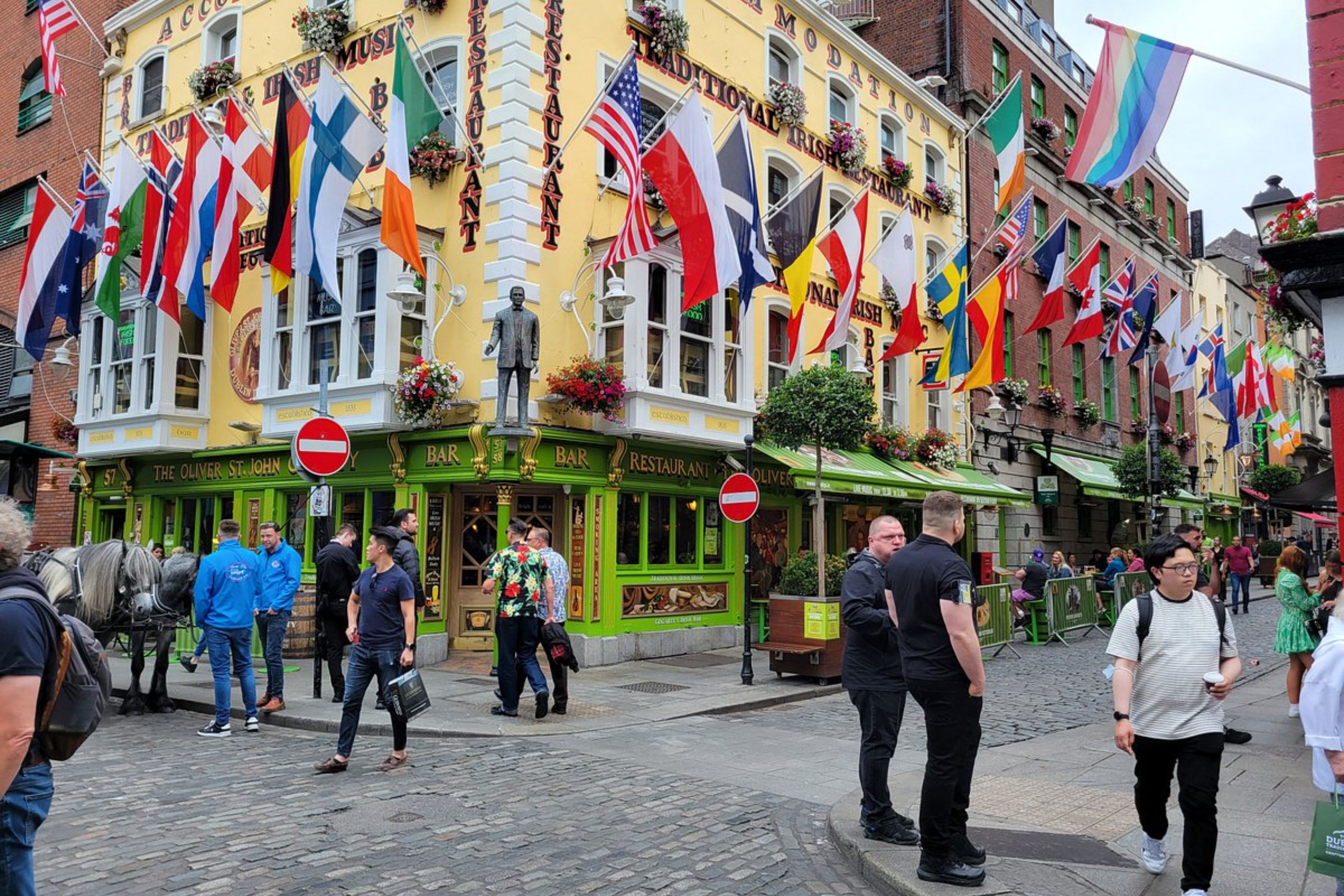
Temple Bar
Dublin 2 (City Center)
Dublin 4 (Ballsbridge and Sandymount)
Dublin 7 (Smithfield and Stoneybatter)
Dublin 8 (The Liberties)
Day trips
Howth
13 km (8 miles) from Dublin • Half day to full day
A charming coastal village known for its scenic cliffs, fishing harbor, and fresh seafood.
Malahide Castle and Gardens
14 km (9 miles) from Dublin • Half day
A historic castle and beautiful gardens offering a glimpse into Ireland's medieval past.
Glendalough
50 km (31 miles) from Dublin • Full day
A scenic monastic site and glacial valley in the Wicklow Mountains, known for its ancient ruins and hiking trails.
Festivals
St. Patrick's Festival • March 17
Dublin Theatre Festival • September-October
Temple Bar Traditional Music Festival • March
Pro tips
- Visit the Guinness Storehouse for a complimentary pint and stunning views of the city
- Explore the historic Trinity College and the Book of Kells, but book tickets in advance to avoid long queues
- Take a stroll through St. Stephen's Green, a beautiful urban park in the heart of the city
- Experience traditional Irish music in a cozy pub, such as The Brazen Head or The Cobblestone
- Try Irish stew, a hearty and comforting dish made with lamb or beef, potatoes, and onions
From $25
per person
Price varies by option
Secure booking
Free cancellation available
Instant confirmation