Private Luxor West Bank Tour with Lunch and Camel Ride
Active
7h - 9h
For a full refund, cancel at least 24 hours before the scheduled departure time.
Instant confirmation
Mobile or paper ticket accepted
About this experience
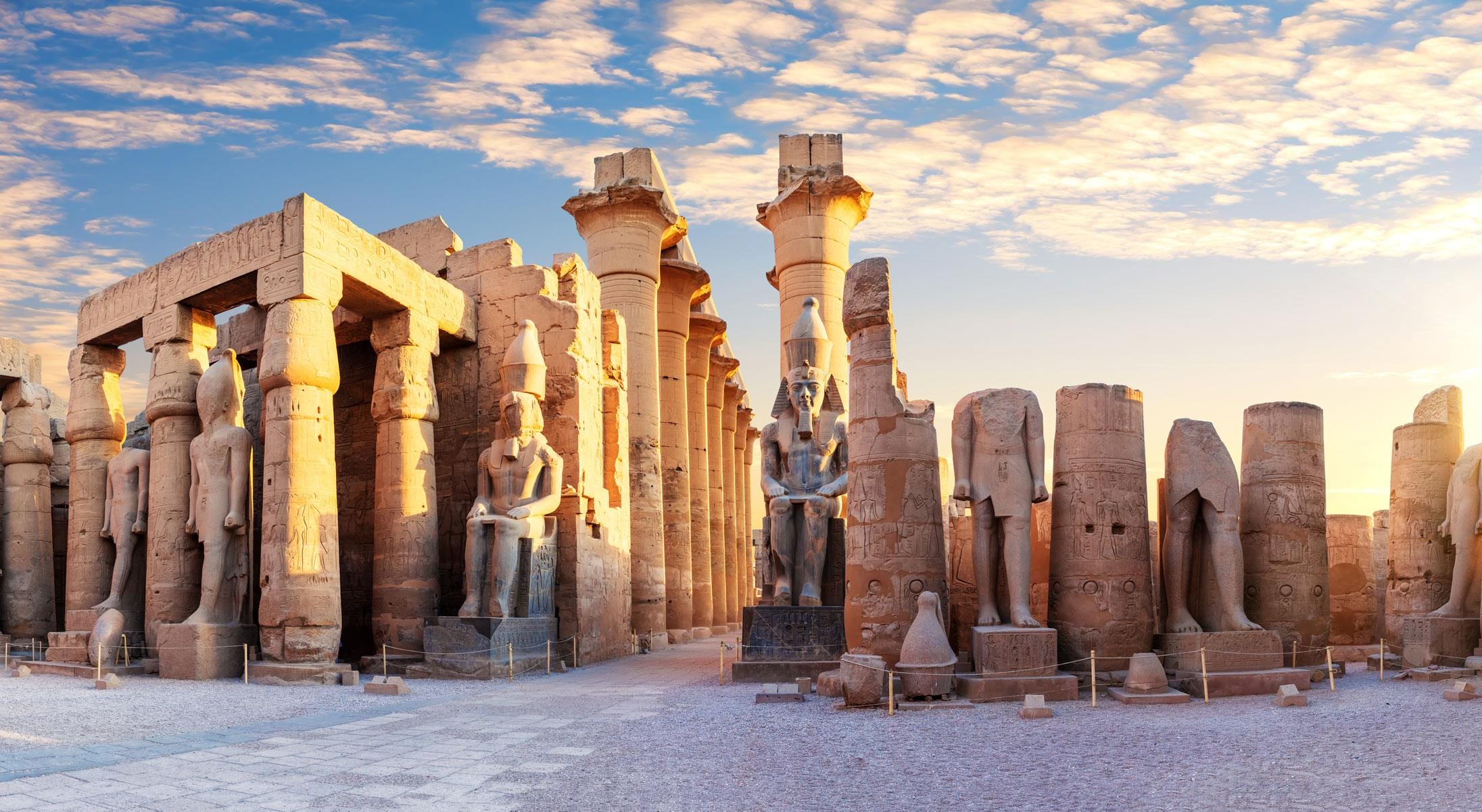
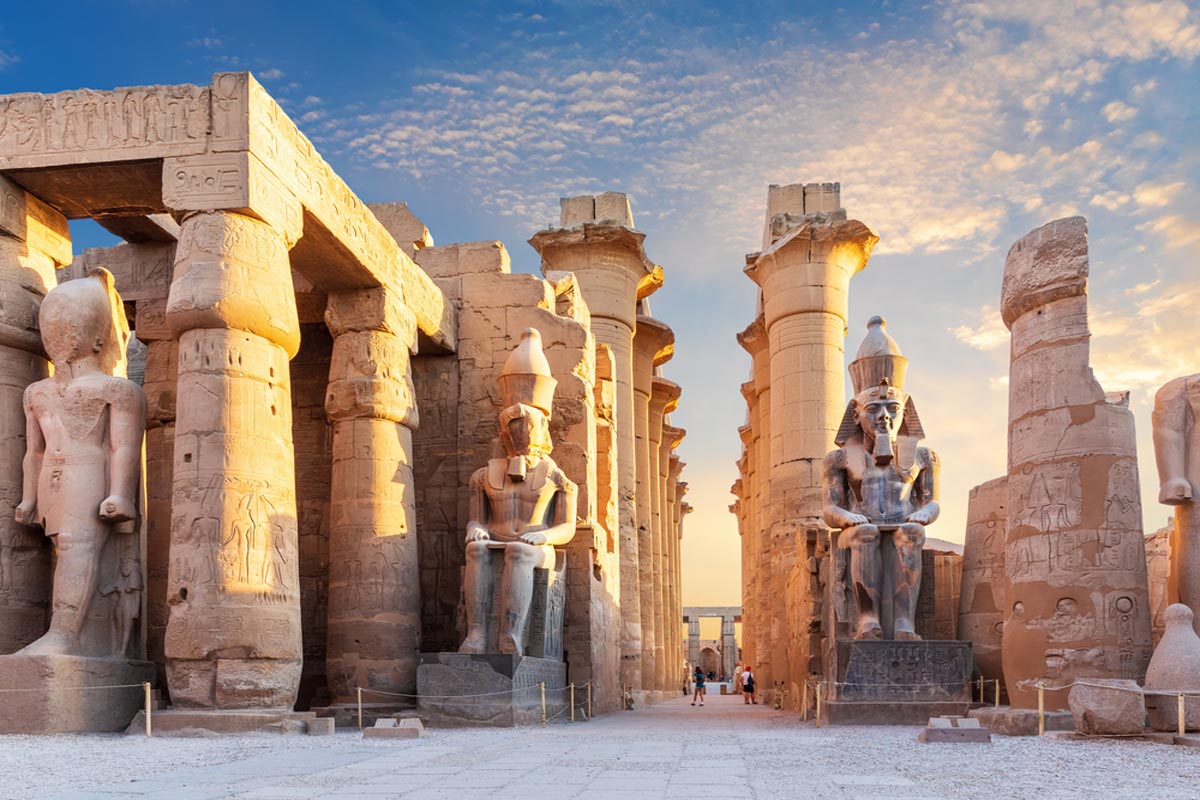
Discover the beauty of the West Bank of Luxor, the favored site for royal burials since 2100 BC. The pharaohs chose a remote and isolated site to protect their treasures and build their tombs, carving them into the mountain.
During the first part of the day, you will see the most important archaeological sites: the Valley of the Kings, the Valley of the Queens, and the Funerary Temple of Hatshepsut.
At the end of the visit, your guide will take you to eat at a delicious typical restaurant, where you can enjoy local dishes, perhaps accompanied by fresh tropical juice. After a delicious lunch, you will have the opportunity to take a ride on our beautiful camels.
The fourth stop is the Medinet Habu Temple. On the return journey to Luxor you will stop at the Village of the Artists, where you will learn how the wonderful Egyptian papyri are created, admire ancient alabaster processing techniques, and observe the expert hands of Egyptian seamstresses. You can combine West and East Banks.
Available options
East Bank + West Bank
East Nile River: Luxor Temple, Karnak Temple, Luxor Museum and Nile boat trip at sunset with visit to Banana Island<br/>Duration: 10 hours: Morning departure and full day tour<br/>Discount of 17€ per person!<br/>Pickup included
WEST BANK TOUR (Valley of the kings, Temples) lunch & camel ride
Pickup included
What's included
pick up and pick off to the Hotel
Private car with driver
Expert Egyptologist guide
ride on our beautiful camels
Lunch in a delicious typical restaurant
Village of the Artists
Detailed itinerary
1
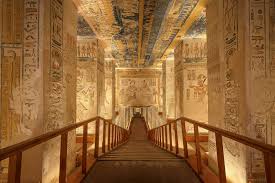
The first stop is Luxor's most important archaeological site, the Valley of the Kings, the burial site of the rulers of Egypt's New Kingdom.
You will have the opportunity to go inside the tombs, among the most famous being those of Tutankhamun, Ramses II, Tuthmosis III and Seti I, and admire what remains of the marvelous paintings, some of which still preserve the intense original colors.
Full ticket price: 10€
Consider 50% discount for students, 60% for Arabs, for children and over 60 it's free
2
Stop 2
The second stop is the less famous but equally important Valley of the Queens, a sun-beaten rocky gorge dotted with stone entrances leading inside the tombs.
The intent was to hide the entrance to the tombs so as to preserve them from looters. Princes, princesses and other members of the royal family were also buried here.
Full ticket price: 4€
Consider 50% discount for students, 60% for Arabs, for children and over 60 it's free
3
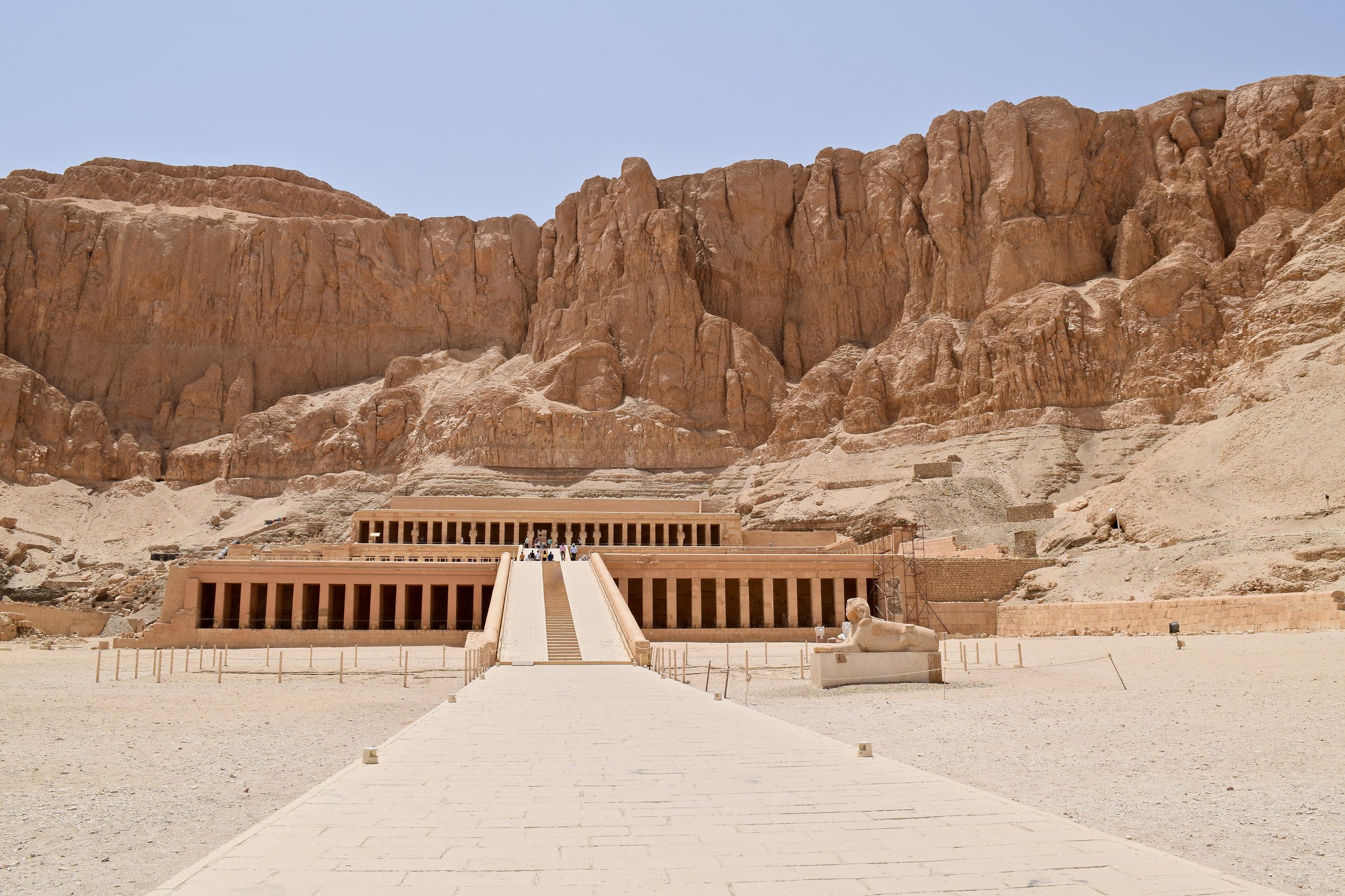
The next destination is the Funerary Temple of Hatshepsut, dedicated to the Sun god Amun Ra and built by one of the very few women in ancient Egyptian history to hold the office of the Pharaoh.
You will be immediately amazed by the beauty of the landscape in the background of the Temple, the rocky walls reflecting the strength of the queen to whom it is dedicated, a ruler who remained in power thanks to her cunning and her righteous governance.
Full ticket price: 6€
Consider 50% discount for students, 60% for Arabs, for children and over 60 it's free
4
Stop 4
Pass by
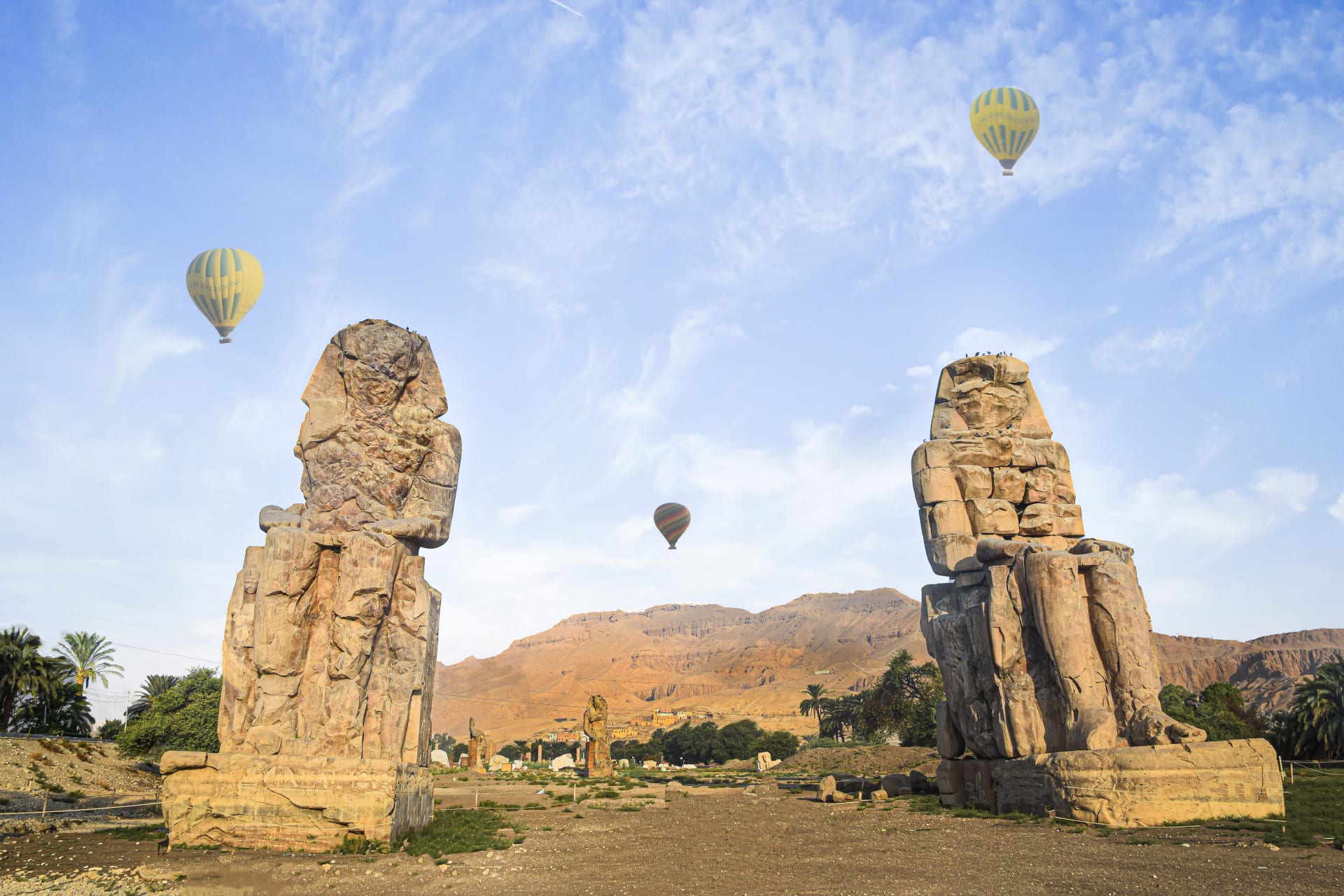
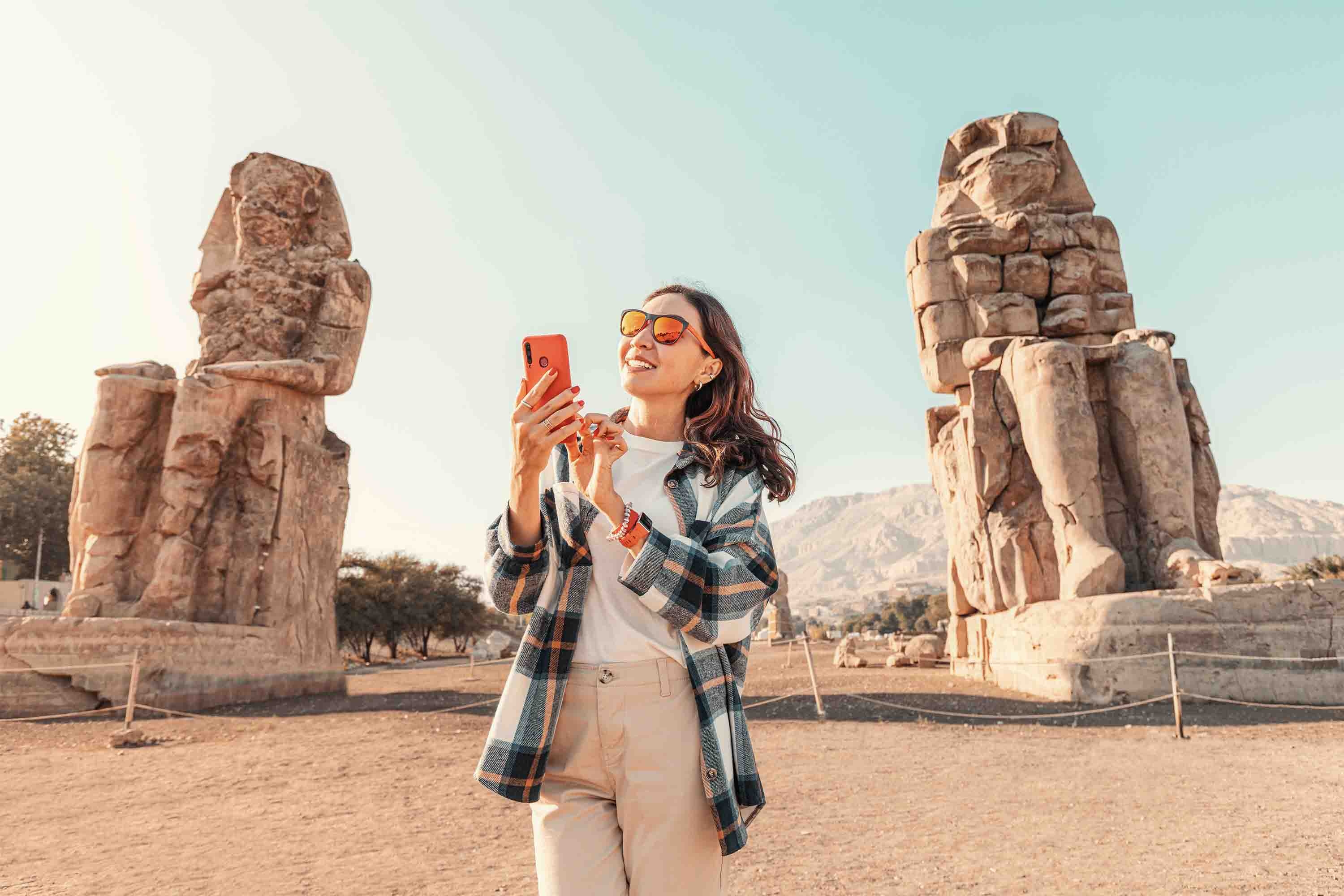
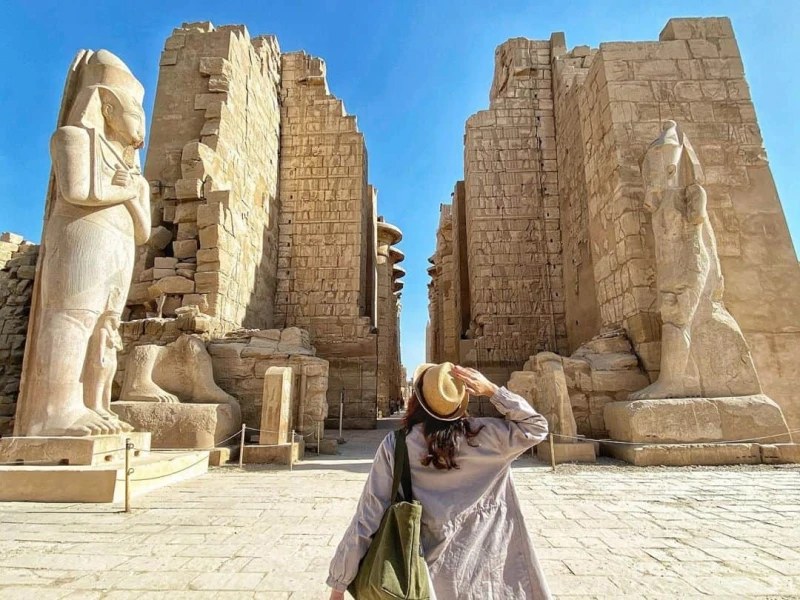
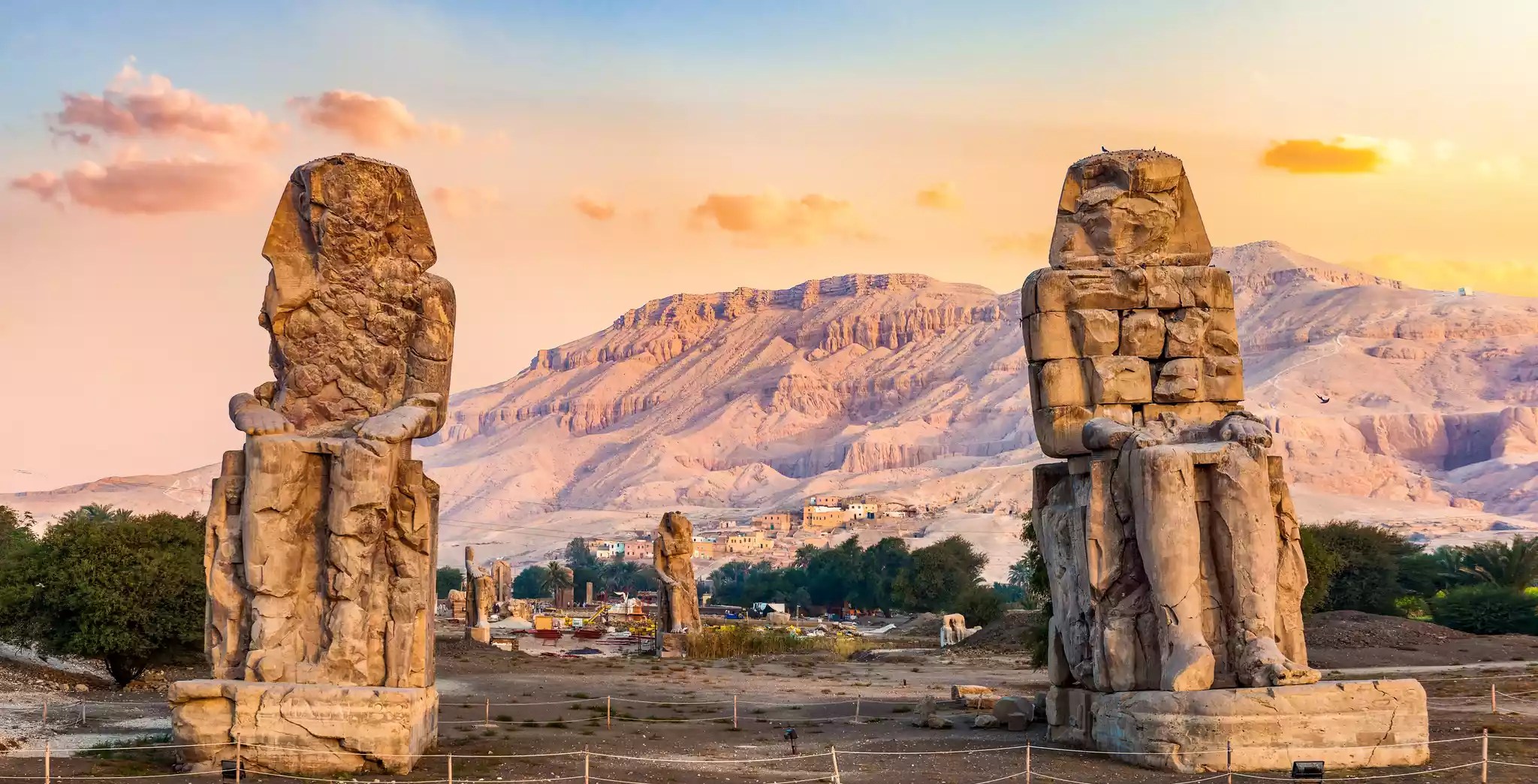
Giant statues, oriented toward the Nile and the rising sun, were placed to guard the Temple of Millions of Years, a sacred edifice that each New Kingdom pharaoh dedicated to himself to affirm his divine nature.
In this case pharaoh Amenhotep III.
5
Stop 5
The fourth stop is the Medinet Habu Temple, dedicated to Pharaoh Ramses III.
Famous not only for its architecture, size and the works of art inside, it also preserves important inscriptions about the military campaigns waged against the Sea People.
Full ticket price: 3€
Consider 50% discount for students, 60% for Arabs, for children and over 60 it's free
What's not included
Archaeological site tickets, individual prices are specified in the itinerary
Available languages
Guide guide
AR
DE
EN
IT
FR
ES
Important information
Infants and small children can ride in a pram or stroller
Service animals allowed
Public transportation options are available nearby
Infants are required to sit on an adult’s lap
Suitable for all physical fitness levels
Tour duration is with free time in archeological sites
About Luxor
Luxor, once the ancient city of Thebes, is a treasure trove of ancient Egyptian history and architecture. Known for its magnificent temples, tombs, and monuments, it offers an unparalleled glimpse into the past. The city is often referred to as the world's greatest open-air museum, with landmarks like the Valley of the Kings and Karnak Temple attracting visitors from around the globe.
Top Attractions
Karnak Temple Complex
The Karnak Temple Complex is a massive temple complex dedicated to the god Amun-Ra. It is one of the largest religious buildings ever constructed and a must-visit for its grandeur and historical significance.
Historical/Architecture
2-3 hours
Egyptian Pounds 160
Valley of the Kings
The Valley of the Kings is a burial site for pharaohs and nobles from the New Kingdom period. It contains over 60 tombs, including the famous tomb of Tutankhamun.
Historical/Architecture
3-4 hours
Egyptian Pounds 240 (includes entry to 3 tombs)
Luxor Temple
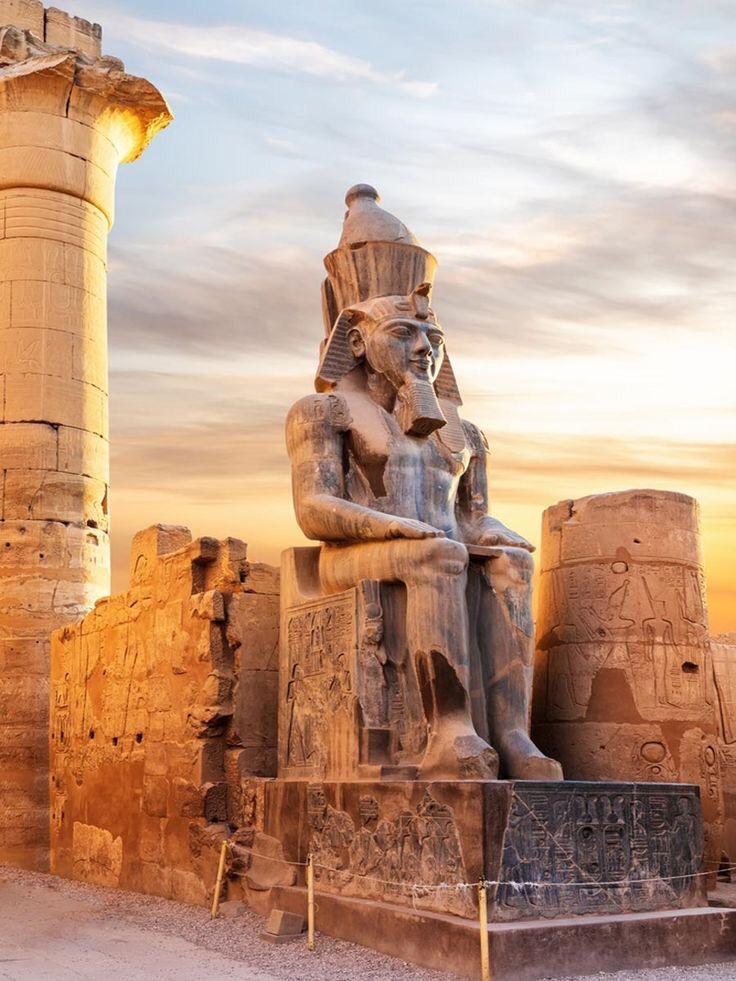
Luxor Temple is a large ancient Egyptian temple complex located on the east bank of the Nile. It was constructed around 1400 BCE and dedicated to the god Amun-Ra.
Historical/Architecture
1-2 hours
Egyptian Pounds 160
Hatshepsut Temple
The Mortuary Temple of Hatshepsut is a stunning temple dedicated to the female pharaoh Hatshepsut. It is uniquely designed and set against the cliffs of Deir el-Bahari.
Historical/Architecture
1-2 hours
Egyptian Pounds 120
Luxor Museum
The Luxor Museum is a small but impressive museum showcasing artifacts from the Theban Necropolis and the surrounding area. It provides a great overview of Luxor's rich history.
Museum
1 hour
Egyptian Pounds 100
Must-Try Local Dishes
Kushari
A popular Egyptian dish made with rice, lentils, pasta, and fried onions, topped with tomato sauce and garlic vinegar.
Main Dish
Vegetarian
Ful Medames
A traditional Egyptian breakfast dish made from slow-cooked fava beans, often served with eggs, falafel, and tahini.
Breakfast
Vegan
Grilled Kebab
Marinated and grilled skewers of lamb or chicken, often served with rice and salad.
Main Dish
Contains meat
Baklava
A sweet pastry made with layers of filo dough, nuts, and honey syrup.
Dessert
Vegetarian, contains nuts
Popular Activities
Hot air balloon ride
Felucca sailing
Horseback riding
Nile River cruise
Spa treatments
Café hopping
Temple visits
Museum tours
Best Time to Visit
October to April
This period offers the most comfortable weather for sightseeing and exploring the ancient sites. The cooler temperatures make it ideal for outdoor activities.
15°C to 30°C
59°F to 86°F
Practical Information
Language
- Official: Arabic
- Widely spoken: English, French
- English: Moderately spoken in tourist areas
Currency
Egyptian Pound (EGP)
Time Zone
GMT+2
Electricity
220VV, 50HzHz
Safety Information
Overall Safety Rating: Generally safe
Luxor is generally safe for tourists, but petty crime and scams can occur. Be cautious of your surroundings, especially in crowded areas and tourist sites.
Important Precautions:
- • Be cautious of your belongings in crowded areas
- • Use reputable tour companies and guides
- • Negotiate prices in advance for taxis and services
Getting there
By air
- Luxor International Airport • 6 km from city center
By train
Luxor Train Station
By bus
Luxor Bus Station
Getting around
Public transport
Local buses are a cheap and common way to get around Luxor. They can be crowded and may not be the most comfortable option for tourists.
Taxis
Available • Apps: Uber, Careem
Rentals
Car, Bike, Scooter
Neighborhoods
East Bank
West Bank
Day trips
Valley of the Queens
3 km from Luxor • Half day
The Valley of the Queens is a burial site for the wives and children of pharaohs. It contains over 70 tombs, including the famous tomb of Nefertari.
Dendera Temple Complex
60 km from Luxor • Full day
The Dendera Temple Complex is a well-preserved temple dedicated to the goddess Hathor. It is known for its beautiful reliefs and the famous Dendera zodiac.
Abydos Temple
140 km from Luxor • Full day
The Abydos Temple is a significant archaeological site dedicated to the god Osiris. It is known for its well-preserved reliefs and the famous Abydos King List.
Festivals
Luxor African Film Festival • Late March to early April
Luxor International Folk Festival • Late October to early November
Eid al-Fitr • Varies (end of Ramadan)
Pro tips
- Visit major attractions early in the morning to avoid crowds and the heat.
- Hire a knowledgeable local guide to fully appreciate the history and significance of the ancient sites.
- Stay hydrated and wear sun protection, as the sun can be intense, especially during the summer months.
- Bargain politely in markets and with street vendors, as prices are often inflated for tourists.
- Try local dishes like Kushari and Ful Medames for an authentic culinary experience.
From $25
per person
Price varies by option
Secure booking
Free cancellation available
Instant confirmation