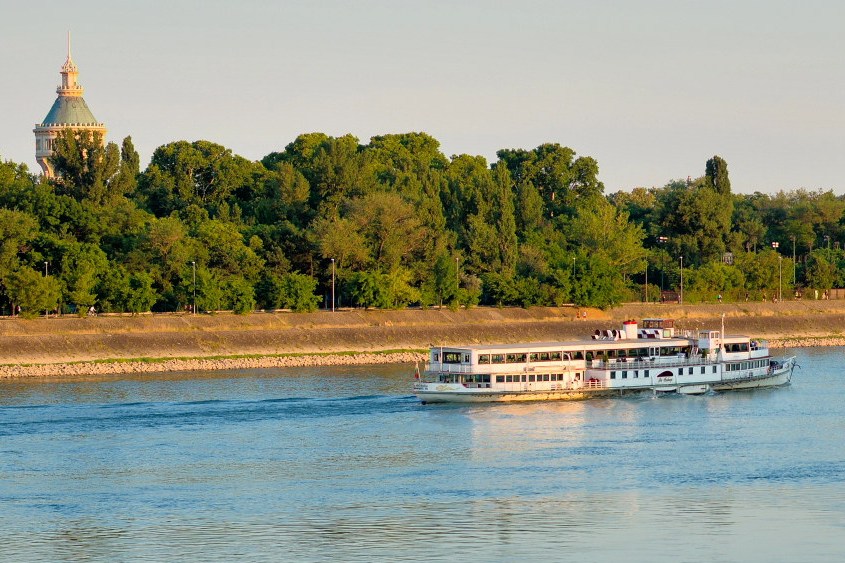
Unlimited Wine & Champagne Cruise
Active
1h
For a full refund, cancel at least 24 hours before the scheduled departure time.
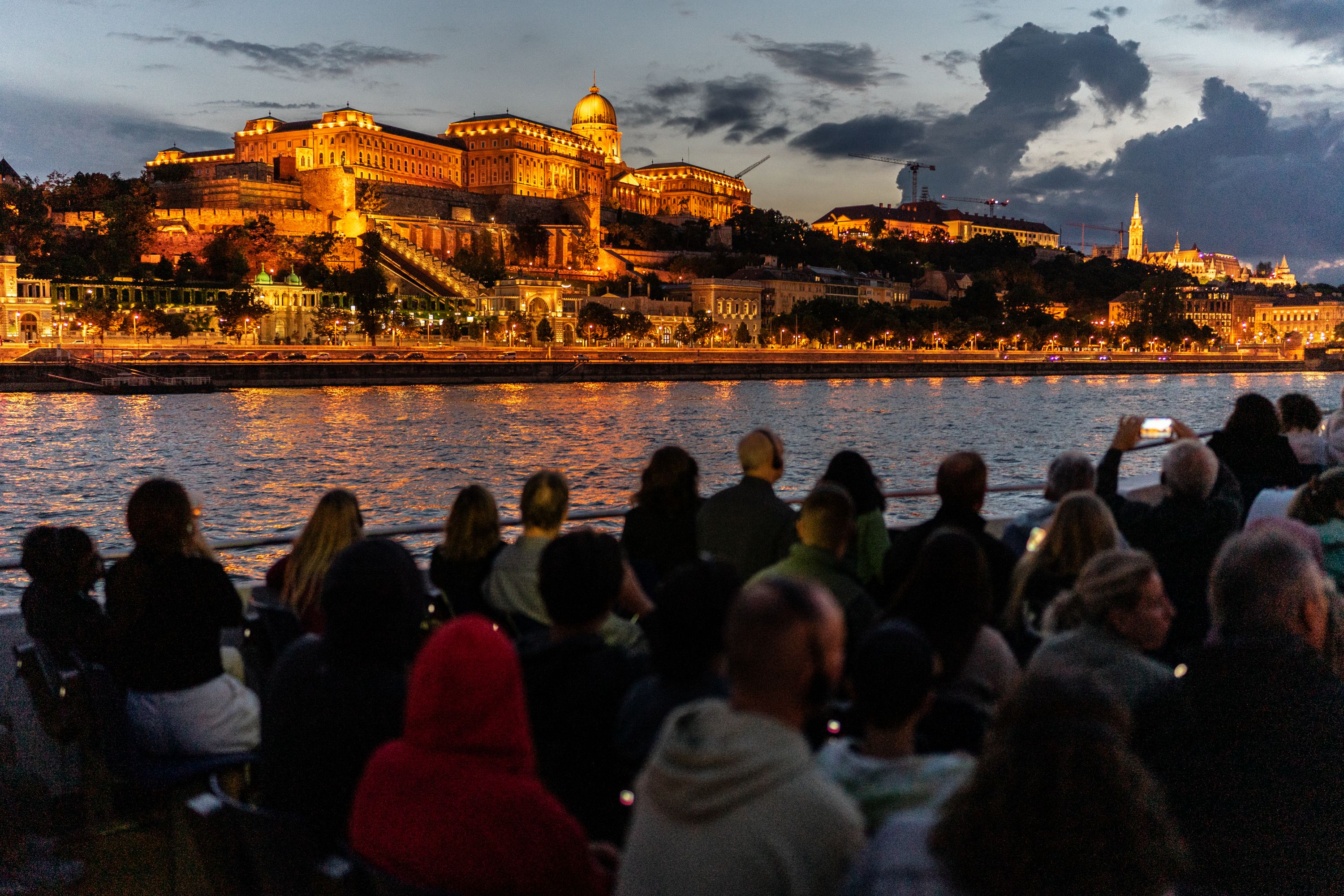
Instant confirmation
Mobile or paper ticket accepted
About this experience
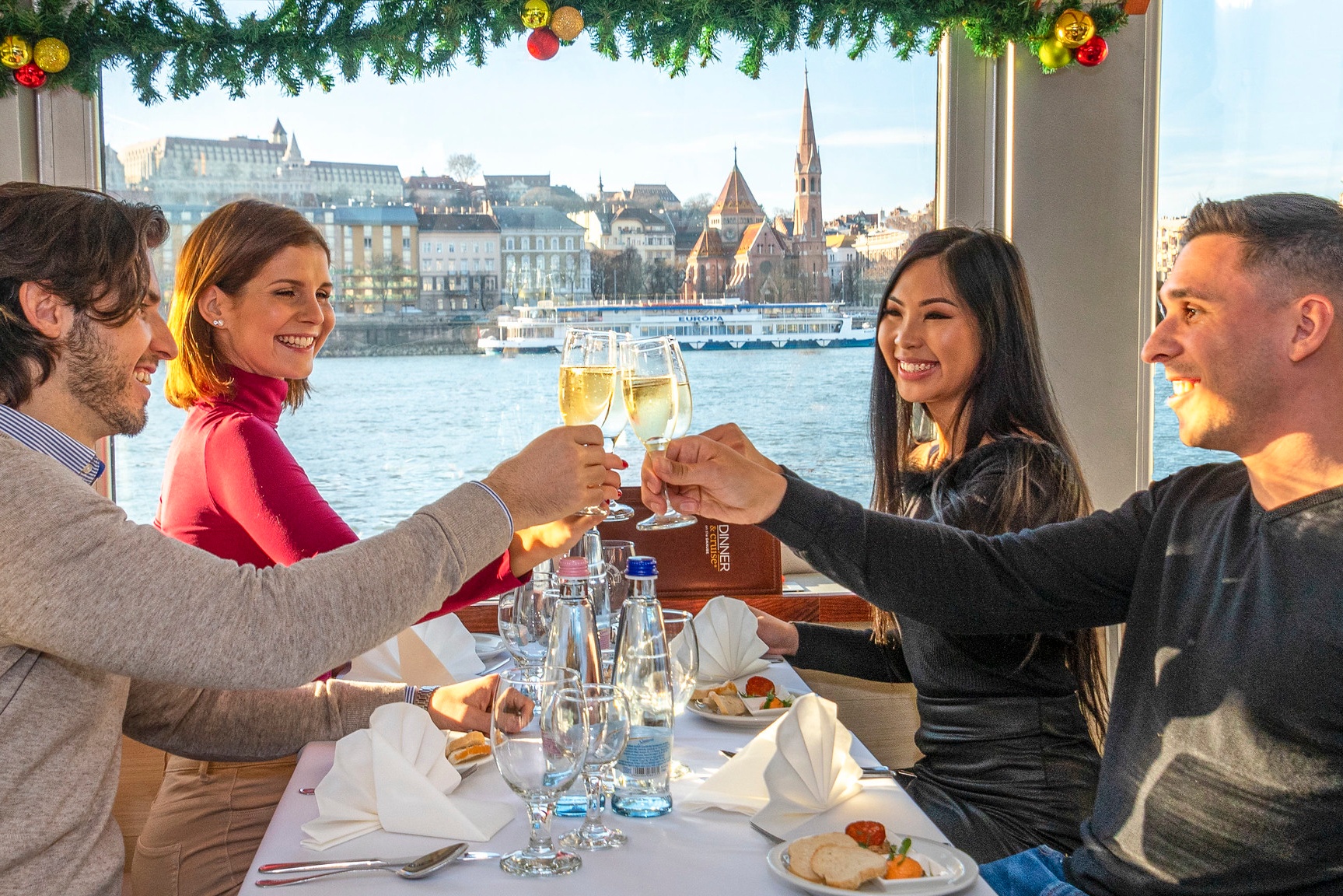
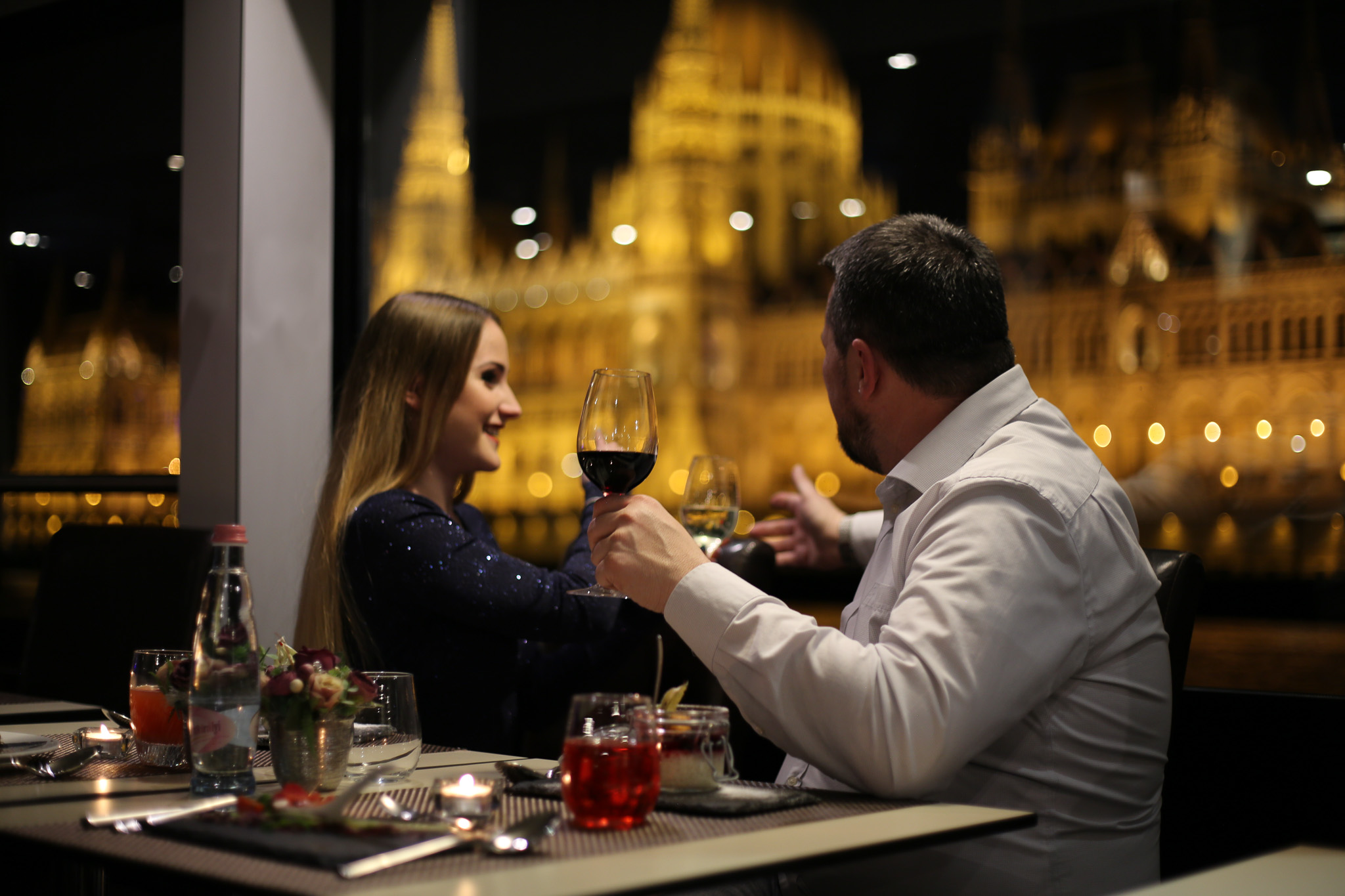
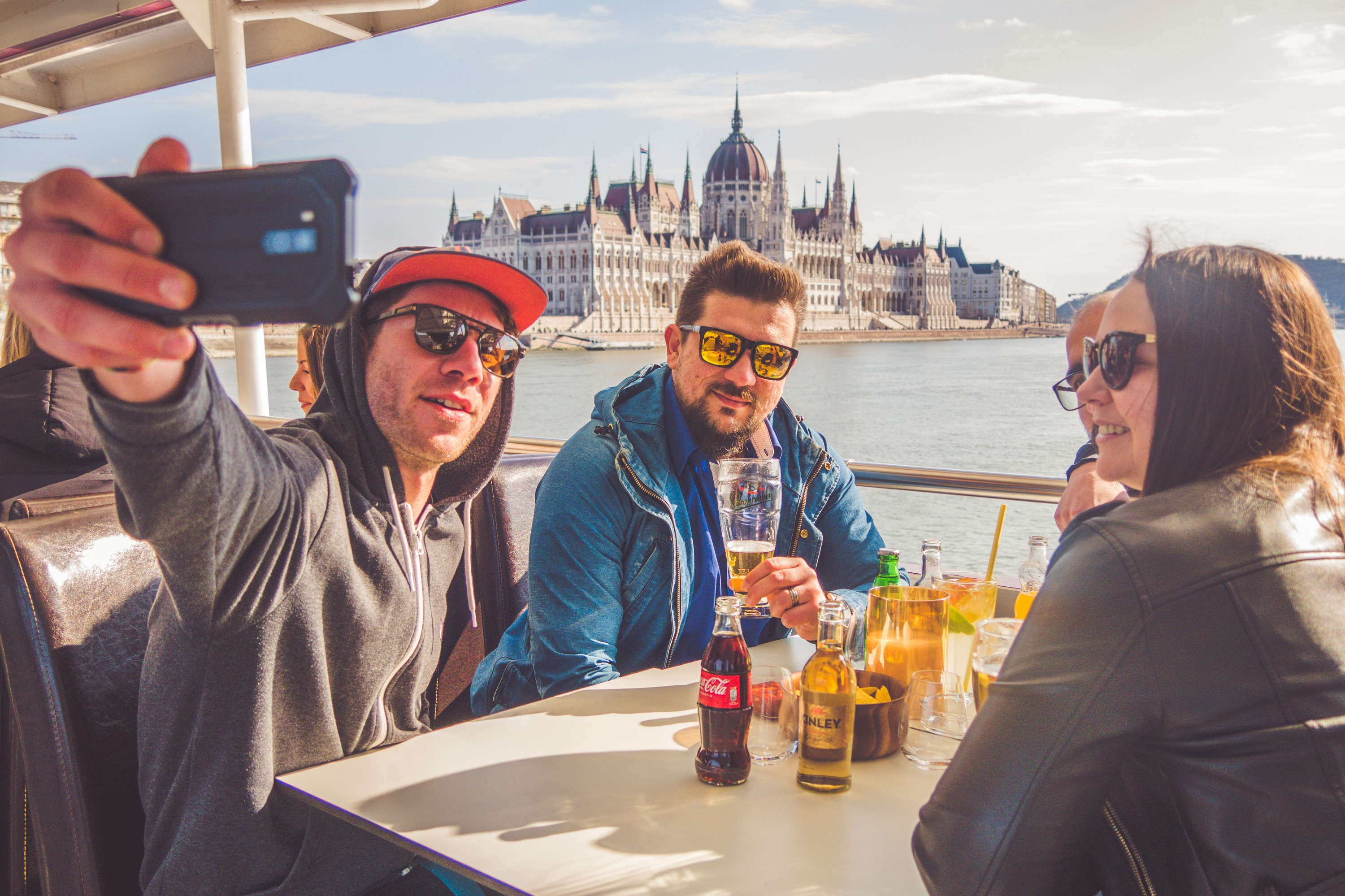
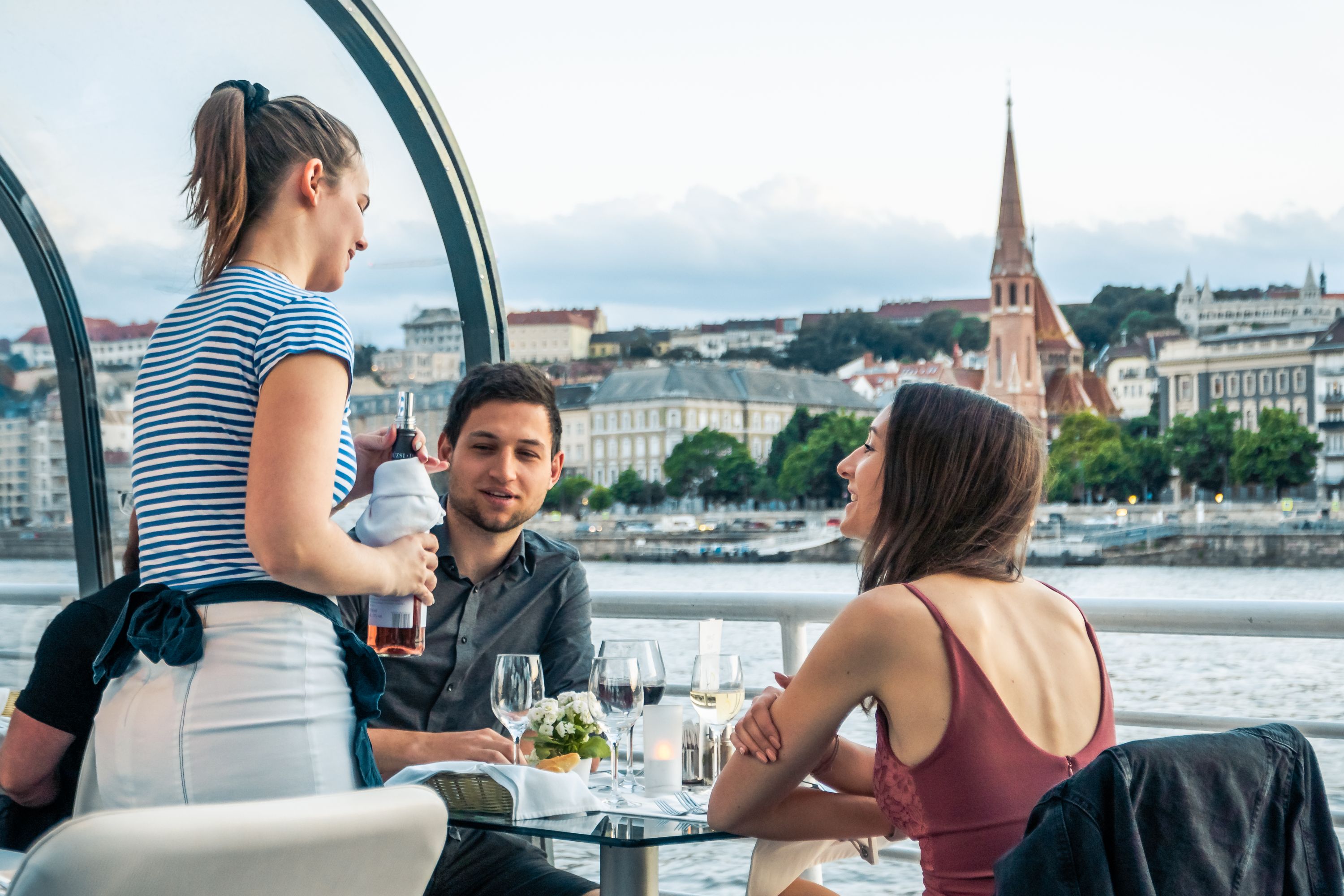
You can consume unlimitedly during the cruise at our bar:
We offer sweet champagne also you can taste our hungarian wine selection.
Engaging commentary: We offer a knowledgeable and entertaining english audio guide about the sights and history of Budapest thisway we think the sightseeing cruise more interesting and informative.
Interactive experiences: Before or after the tour you can visit the Kossuth Museum Ship for free where you can take turns on a steering wheel and where you can read other interesting facts about the hungarian steam ships form the early 20th century.
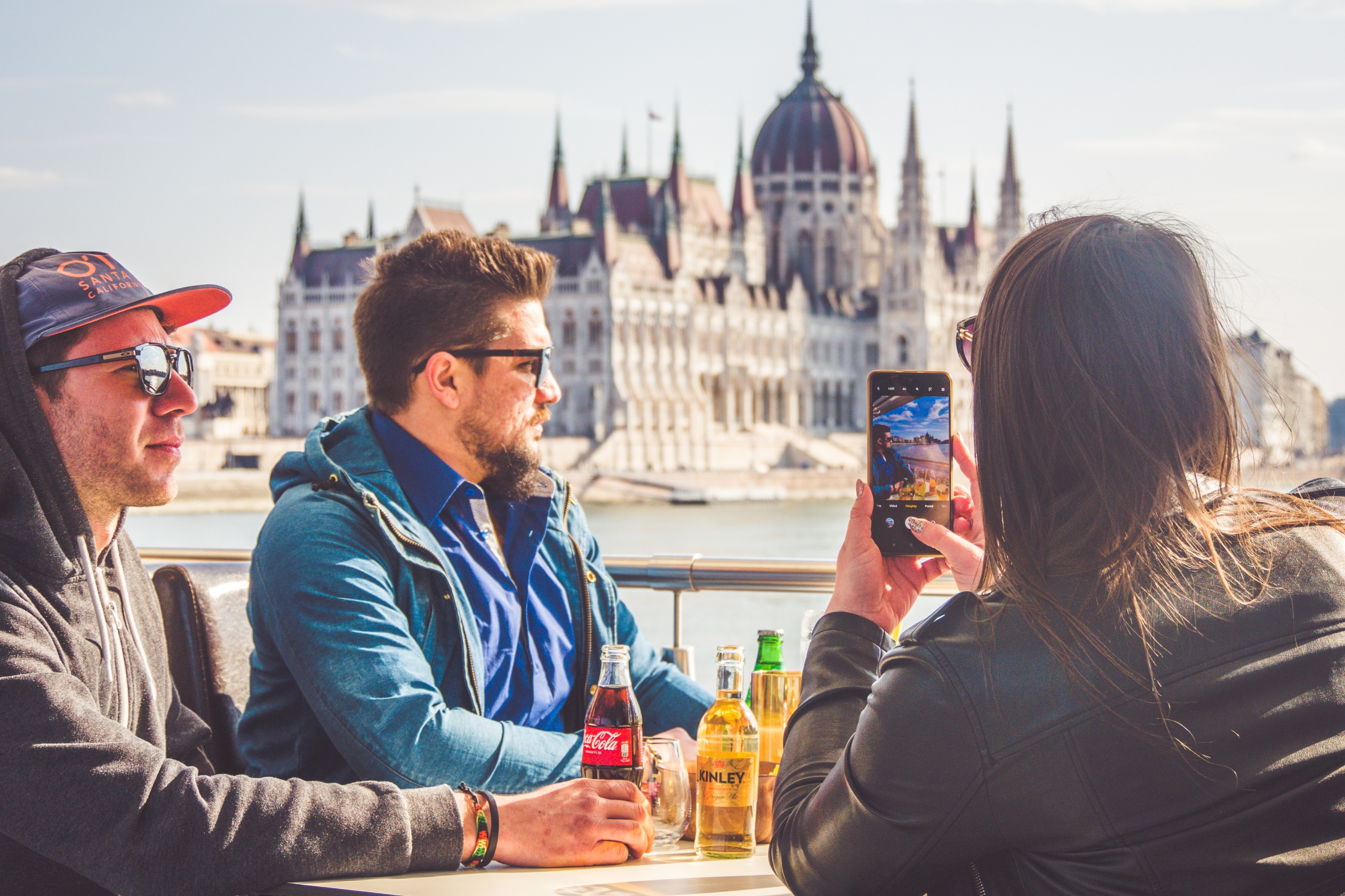
Visit the upper deck to take some really good selfies with the Hungarian Parliament or other beautiful sight of the city! :)
This cruise is informative & beautiful at the same time!
You can see 20+ different famous architecture of the city during this one-hour trip!
Available options
Unlimited Wine & Champagne Cru
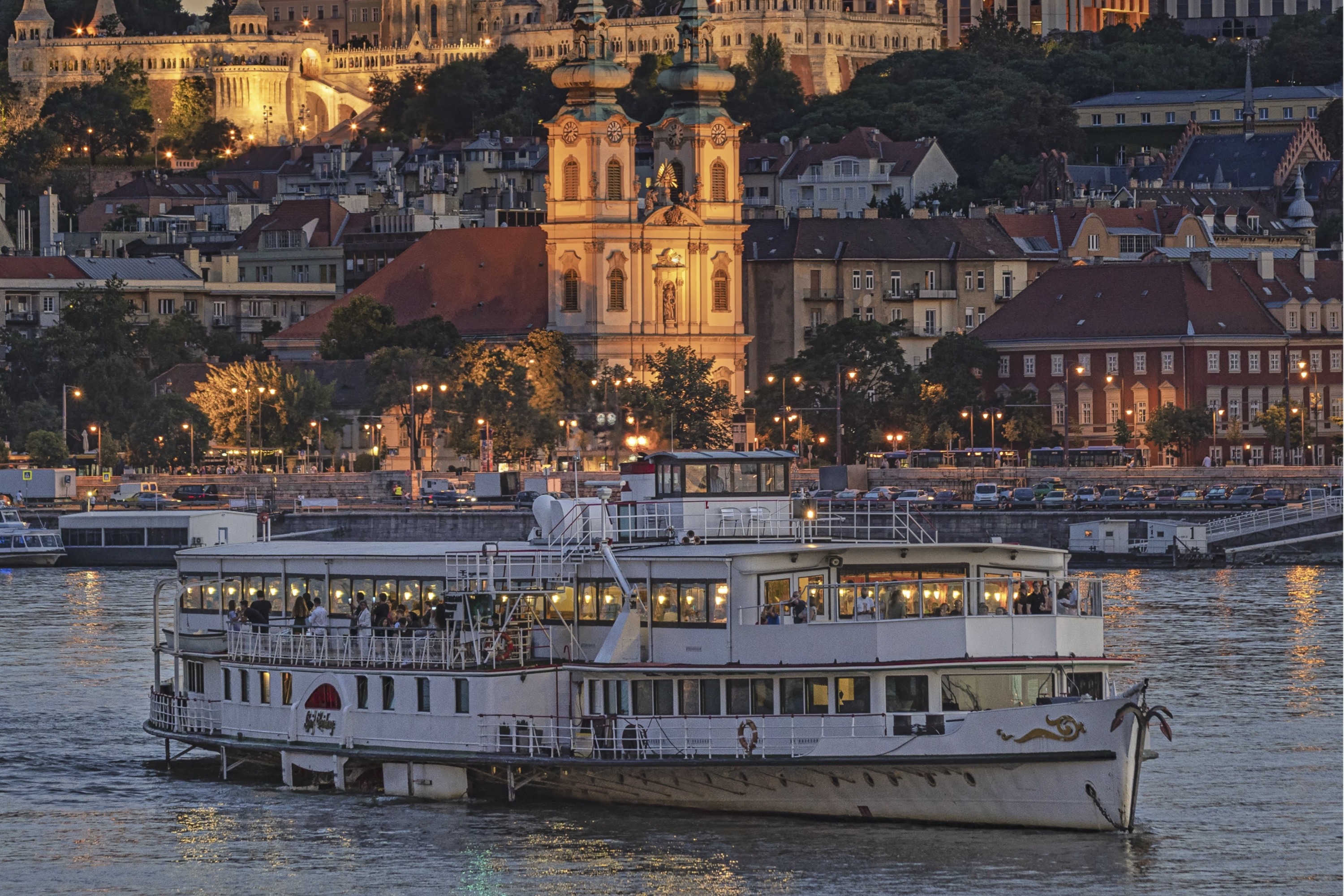
sightseeing cruise<br/>Duration: 1 hour<br/>Unlimited Wine & Champagne <br/>Ship<br/>Audio guide
What's included
WiFi on board
Air-conditioned vehicle
Restroom on board
Music in the background
Detailed itinerary
1
Stop 1
Pass by
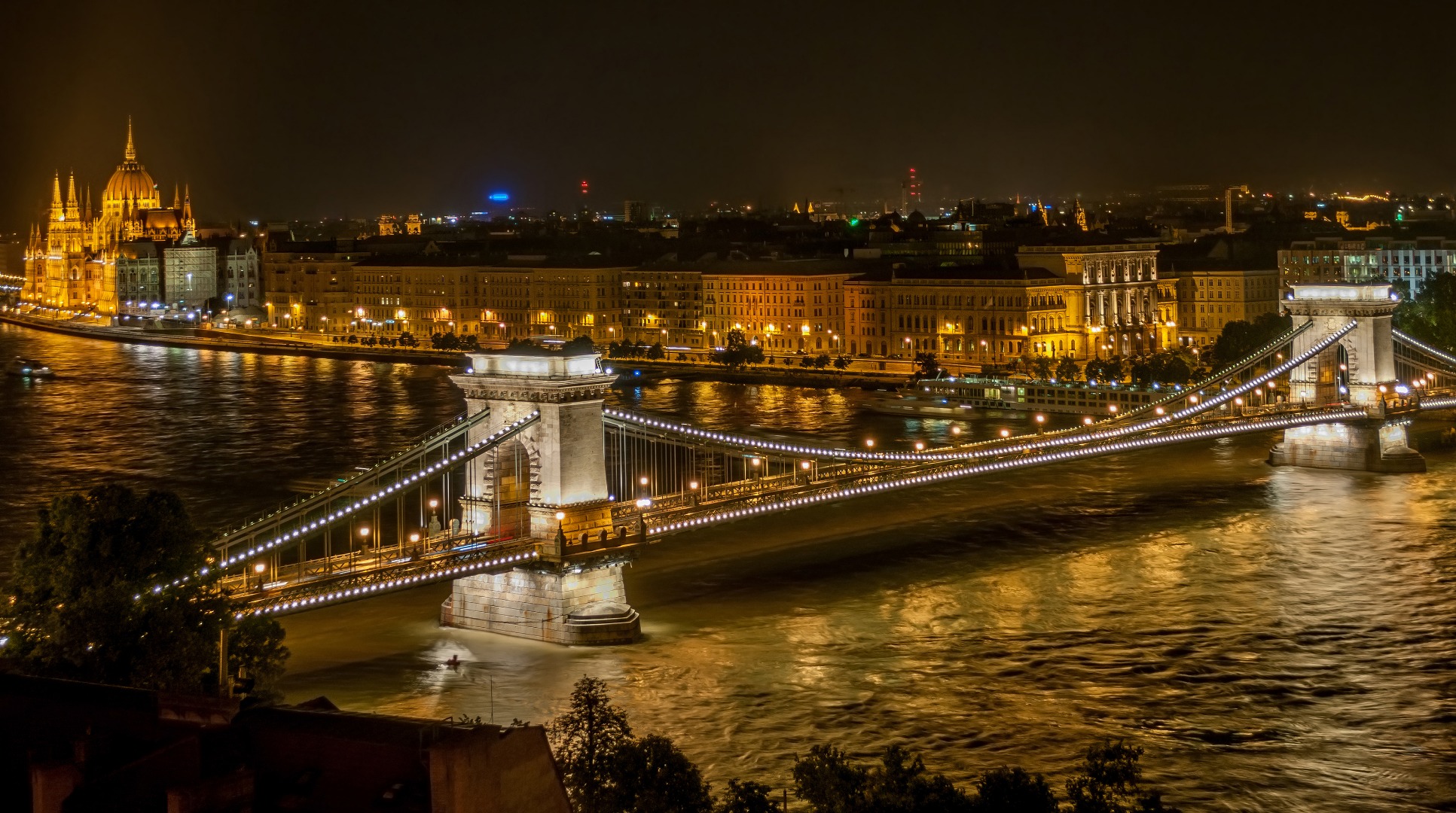
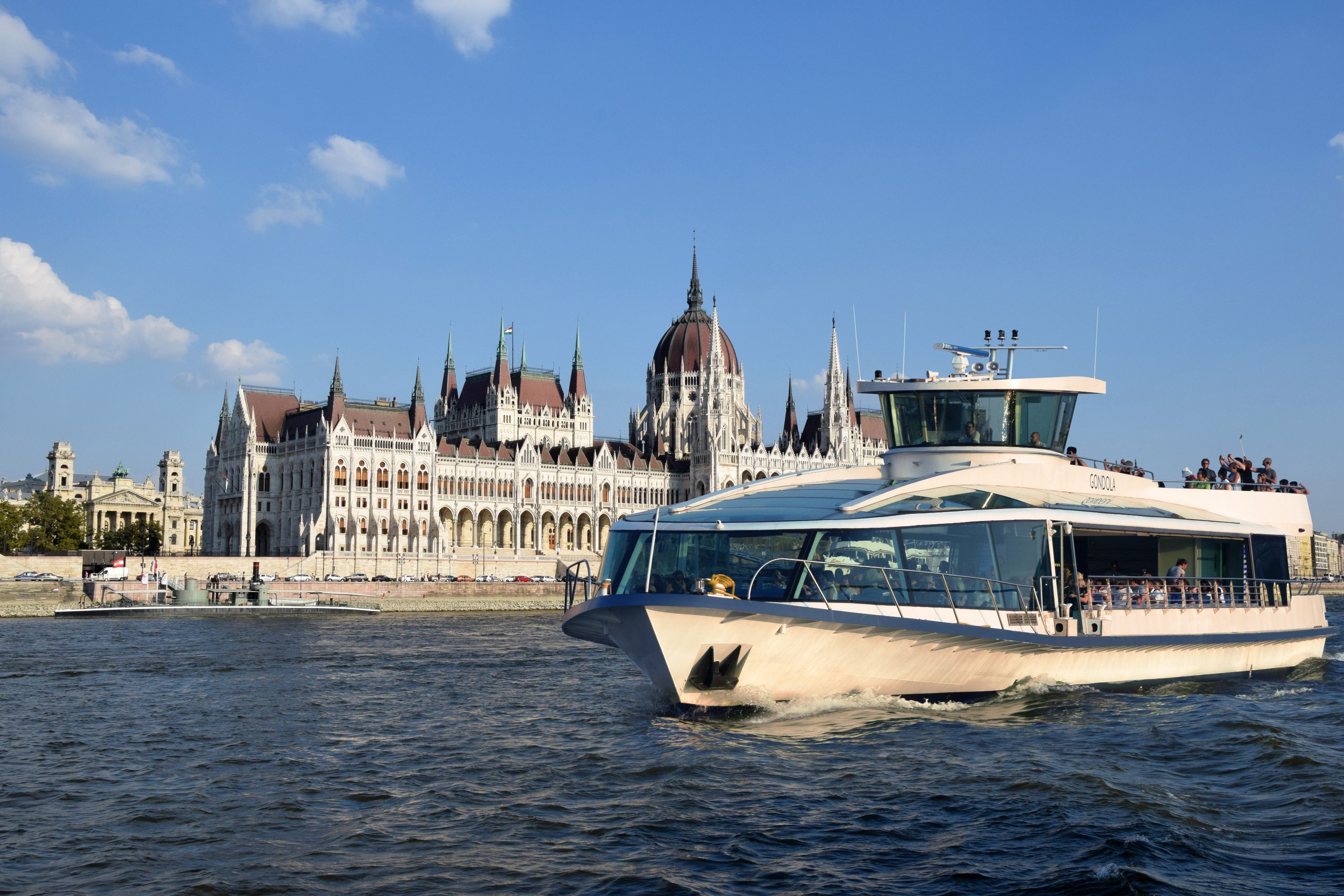
The Hungarian Parliament Building is an iconic landmark in Budapest. The building was completed in 1904 and is situated on the banks of the Danube River. Its architectural style is a blend of Gothic Revival and Renaissance Revival styles, and it features a stunning red dome that is 96 meters tall. The building's interior is equally impressive, with grand halls and ornate decorations.
It is the largest building in Hungary and one of the largest parliament buildings in the world. Its impressive size and scale reflect the country's historical and political significance.
It is a major tourist attraction: The Hungarian Parliament Building is one of the most popular tourist attractions in Budapest, and draws visitors from around the world. Its stunning architecture, rich history, and impressive collections of art and artifacts make it a must-see destination for anyone visiting the city.
2
Stop 2
Pass by
The Margaret Bridge is the second oldest public bridge in Budapest, and was completed in 1876.
The bridge spans the Danube River and connects the districts of Buda and Pest.
The bridge is named after Princess Margaret of Hungary, who was the daughter of King Béla IV and lived on the nearby Margaret Island in the 13th century.
During World War II, the Margaret Bridge was heavily damaged by Allied bombing and was subsequently rebuilt in a simplified design.
Today, the Margaret Bridge is a popular tourist attraction and offers stunning views of the Danube River and the city of Budapest.
3
Stop 3
Pass by
The Matthias Church, also known as the Church of Our Lady, has a rich history that dates back to the 13th century. The original church was built in Romanesque style in the early 1200s, but it was later rebuilt in Gothic style in the 14th century.
It is also known for its stunning architecture, which combines Gothic, Renaissance, and Baroque elements. The church features colorful stained glass windows and a distinctive patterned tile roof that is often photographed by visitors.
The Matthias Church has played an important role in Hungarian culture and history. The church was the site of several royal weddings and coronations.
The Matthias Church underwent a major restoration by Frigyes Schulek who's work helped to restore the church to its former glory and helped to solidify its status as one of Budapest's most iconic landmarks.
Today, the Matthias Church is a popular tourist attraction and is visited by thousands of visitors each year.
4
Stop 4
Pass by
The Buda Castle, also known as the Royal Palace, is a historic castle complex located in Budapest, Hungary.
The castle was originally built in the 14th century, but it has been destroyed and rebuilt several times over the centuries.
The Buda Castle was the residence of the Hungarian kings for several centuries and it was the seat of power for the Kingdom of Hungary.
Today, the Buda Castle is a UNESCO World Heritage Site and is home to several museums, including the Hungarian National Gallery and the Budapest History Museum.
Visitors to the Buda Castle can enjoy stunning views of the city from the castle's terrace and explore its many historic buildings and courtyards.
5
Stop 5
Pass by
Gellért Hill is a 235-meter-high hill located in Budapest, Hungary, on the western bank of the Danube River.
The hill is named after Saint Gellért, a bishop who was martyred in Hungary in the 11th century.
Gellért Hill offers panoramic views of Budapest and is home to several notable landmarks, including the Citadella fortress and the Liberty Statue.
The Citadella fortress was built by the Habsburgs in the mid-19th century and was used as a military barracks and prison before it was converted into a tourist attraction.
The Liberty Statue is a 14-meter-tall statue of a woman holding a palm frond, which was erected on Gellért Hill in 1947 to commemorate the Soviet liberation of Hungary from Nazi occupation during World War II.
6
Stop 6
Pass by
The Gellért Spa is a historic thermal bath located in Budapest, Hungary, on the Buda side of the Danube River.
The spa was built in Art Nouveau style in 1918 and has since become one of Budapest's most iconic landmarks.
The Gellért Spa is known for its beautiful mosaics, stained glass windows, and thermal pools, which are said to have healing properties.
The spa features both indoor and outdoor pools, as well as saunas, steam rooms, and massage services.
The Gellért Spa is open to visitors every day of the week, and it is a popular destination for tourists and locals alike who come to relax and soak in the therapeutic waters.
7
The Budapest University of Technology and Economics (BME) is the oldest and largest technical university in Hungary.
The university was founded in 1782 as the Institutum Geometrico-Hydrotechnicum, and it has since grown to become one of the most prestigious universities in Hungary.
BME is known for its high-quality education in the fields of engineering, computer science, natural sciences, economics, and management.
The university has several faculties, including the Faculty of Mechanical Engineering, the Faculty of Architecture, the Faculty of Electrical Engineering and Informatics, and the Faculty of Transportation Engineering and Vehicle Engineering.
BME has a long history of academic excellence and has produced many notable alumni, including Nobel Prize-winning physicist Albert Szent-Györgyi and Hungarian politician Viktor Orbán.
8
The Liberty Bridge, also known as Szabadság híd in Hungarian, is a historic bridge that spans the Danube River in Budapest, Hungary.
The bridge was built between 1894 and 1896 and was originally named after Emperor Franz Joseph I of Austria-Hungary.
The Liberty Bridge is a suspension bridge and is known for its distinctive green color, which was added during a renovation in the 1980s.
During World War II, the bridge was damaged by retreating German forces, but it was later rebuilt and renamed the Liberty Bridge in honor of Hungary's liberation from Nazi occupation in 1945.
Today, the Liberty Bridge is a popular tourist attraction and offers stunning views of the Danube River and the city of Budapest. It is also used by both pedestrians and vehicles and is an important transportation link between the Buda and Pest sides of the city.
Available languages
Audio guide
EN
Written guide
IT
ES
Reviews breakdown
Viator
2.0
2 reviews
5★
0
4★
0
3★
1
2★
0
1★
1
Tripadvisor
5.0
3 reviews
5★
3
4★
0
3★
0
2★
0
1★
0
Important information
Service animals allowed
Public transportation options are available nearby
Infants and small children can ride in a pram or stroller
Suitable for all physical fitness levels
Meeting point
Please arrive 10-15 minutes before and check in by our colleague in CAPTAIN HAT. He/She will give you your wristbands for unlimited consumtion (soft-open bar) right after you have checked-in!
Location: KOSSUTH TÉR (M) DOCK.
Ship name: MILLENIUM
Google:
https://maps.app.goo.gl/NNVuz3A8rHY3Qe2y5
Important notes
Look for our WHITE DESK and the assistant wearing Captain Hat to change your online ticket to an entry ticket. Thank you!
About Budapest
Budapest, the capital of Hungary, is a vibrant city known for its rich history, stunning architecture, and thermal baths. Straddling the Danube River, it offers a unique blend of Eastern and Western European cultures, making it a captivating destination for travelers.
Top Attractions
Budapest Parliament Building
The Hungarian Parliament Building is a stunning example of neo-Gothic architecture and a symbol of Hungary.
Architecture
1-2 hours
€20-30
Buda Castle
Buda Castle is a historical castle and palace complex that offers panoramic views of the city.
Historical
2-3 hours
Free to explore, €3-5 for museums
Széchenyi Thermal Bath
Széchenyi Thermal Bath is one of the largest thermal baths in Europe, offering a relaxing experience in historic surroundings.
Relaxation
2-3 hours
€15-20
Fisherman's Bastion
Fisherman's Bastion is a neo-Gothic and neo-Romanesque structure offering panoramic views of the Danube and Pest.
Architecture
1 hour
Free (€3 for the tower)
Heroes' Square
Heroes' Square is a significant monument and a major landmark in Budapest, commemorating the heroes of Hungary's history.
Historical
1 hour
Free
Must-Try Local Dishes
Goulash
A traditional Hungarian soup made with beef, vegetables, and paprika.
Dinner
Contains beef, gluten (from bread or flour)
Lángos
A deep-fried dough topped with sour cream, cheese, and garlic.
Snack
Contains dairy, can be made gluten-free
Chimney Cake (Kürtőskalács)
A sweet, cylindrical pastry cooked over an open fire and coated with sugar and cinnamon.
Dessert
Contains wheat, sugar, can be made gluten-free
Töltött Káposzta
Cabbage rolls stuffed with minced pork and rice, cooked in a tomato sauce.
Dinner
Contains pork, gluten (from tomato sauce)
Popular Activities
Hiking in the Buda Hills
Cycling along the Danube
Kayaking on the Danube
Visiting thermal baths
Strolling along Andrássy Avenue
Relaxing in City Park
Visiting museums and galleries
Attending classical music concerts
Best Time to Visit
May to September
This is the best time to visit Budapest for warm weather and outdoor activities. The city is lively with festivals and tourists.
18°C to 30°C
64°F to 86°F
Practical Information
Language
- Official: Hungarian
- Widely spoken: English, German
- English: Moderately spoken
Currency
Hungarian Forint (HUF)
Time Zone
GMT+1 (Central European Time)
Electricity
230VV, 50HzHz
Safety Information
Overall Safety Rating: Generally safe
Budapest is generally safe for travelers, but petty crime and scams can occur, especially in tourist areas.
Important Precautions:
- • Be cautious with valuables in crowded areas
- • Use official taxis or app-based services
- • Check bills carefully at restaurants and bars
Getting there
By air
- Budapest Ferenc Liszt International Airport • 16 km from city center
By train
Budapest-Keleti Railway Station, Budapest-Nyugati Railway Station
By bus
Népliget Bus Station, Árpád Bridge Bus Station
Getting around
Public transport
The metro system is efficient and easy to use, with four lines connecting major attractions.
Taxis
Available • Apps: Bolt, Főtaxi
Rentals
Car, Bike, Scooter
Neighborhoods
District V (Belváros)
District VII (Jewish Quarter)
District VIII (Józsefváros)
District IX (Ferencváros)
Day trips
Szentendre
20 km from Budapest • Half day
A charming town known for its museums, galleries, and colorful houses.
Esztergom
50 km from Budapest • Full day
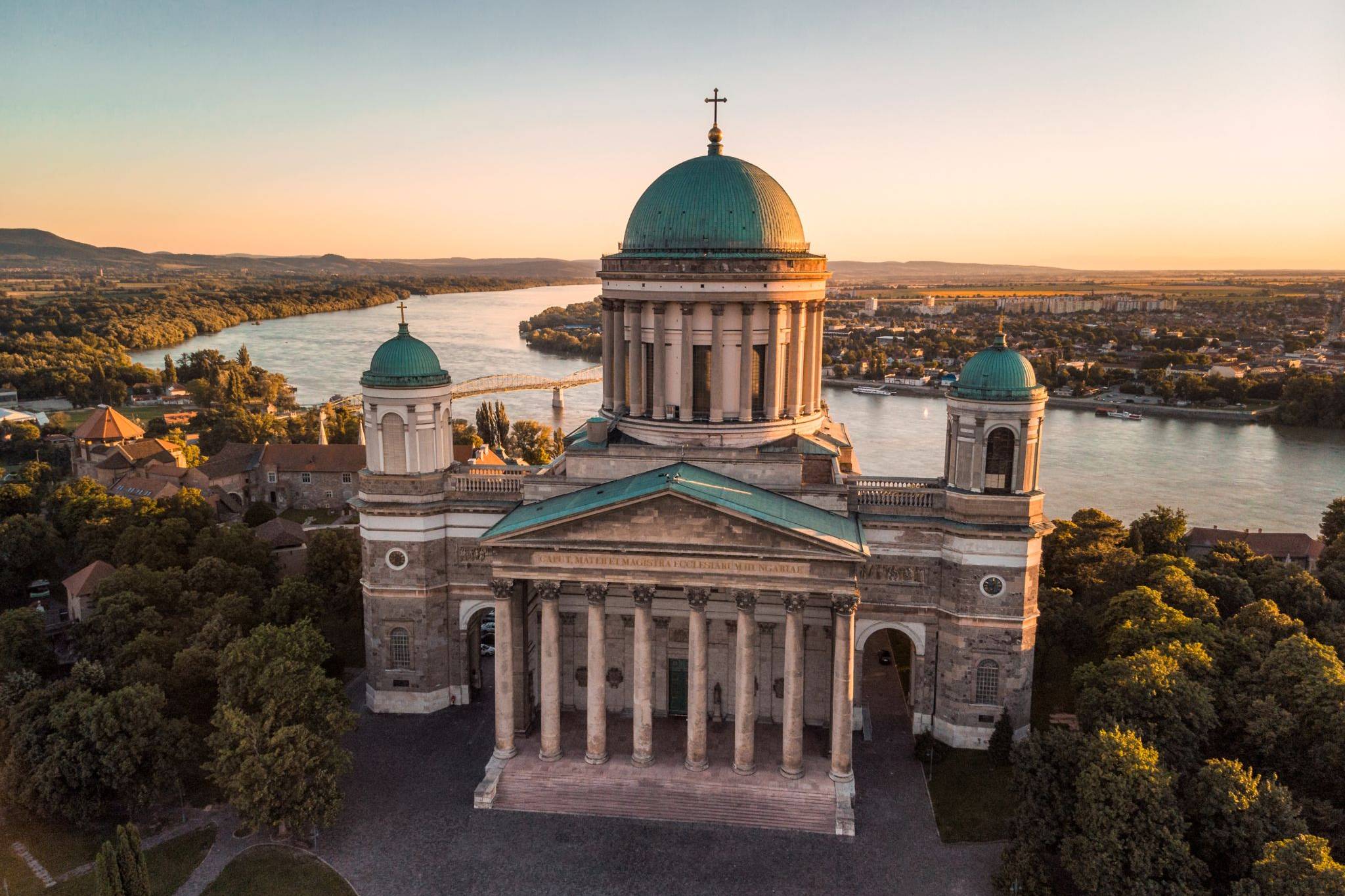
A historic town with a stunning basilica and a rich history.
Visegrád
40 km from Budapest • Full day
A historic town with a royal palace and scenic views of the Danube Bend.
Festivals
Budapest Christmas Market • Late November to early January
Budapest Spring Festival • March
Sziget Festival • August
Pro tips
- Use the Budapest Card for free public transport and discounts on attractions
- Take a Danube River cruise for stunning views of the city
- Visit the thermal baths early in the morning or late in the evening to avoid crowds
- Explore the Jewish Quarter for its vibrant nightlife and historic sites
- Try local street food, such as lángos and kürtőskalács, for an authentic taste of Budapest
From $25
per person
Price varies by option
Secure booking
Free cancellation available
Instant confirmation