Private Guided Tour to Auschwitz & Birkenau from Krakow
Active
6h - 7h
For a full refund, cancel at least 24 hours before the scheduled departure time.
Instant confirmation
Mobile or paper ticket accepted
About this experience
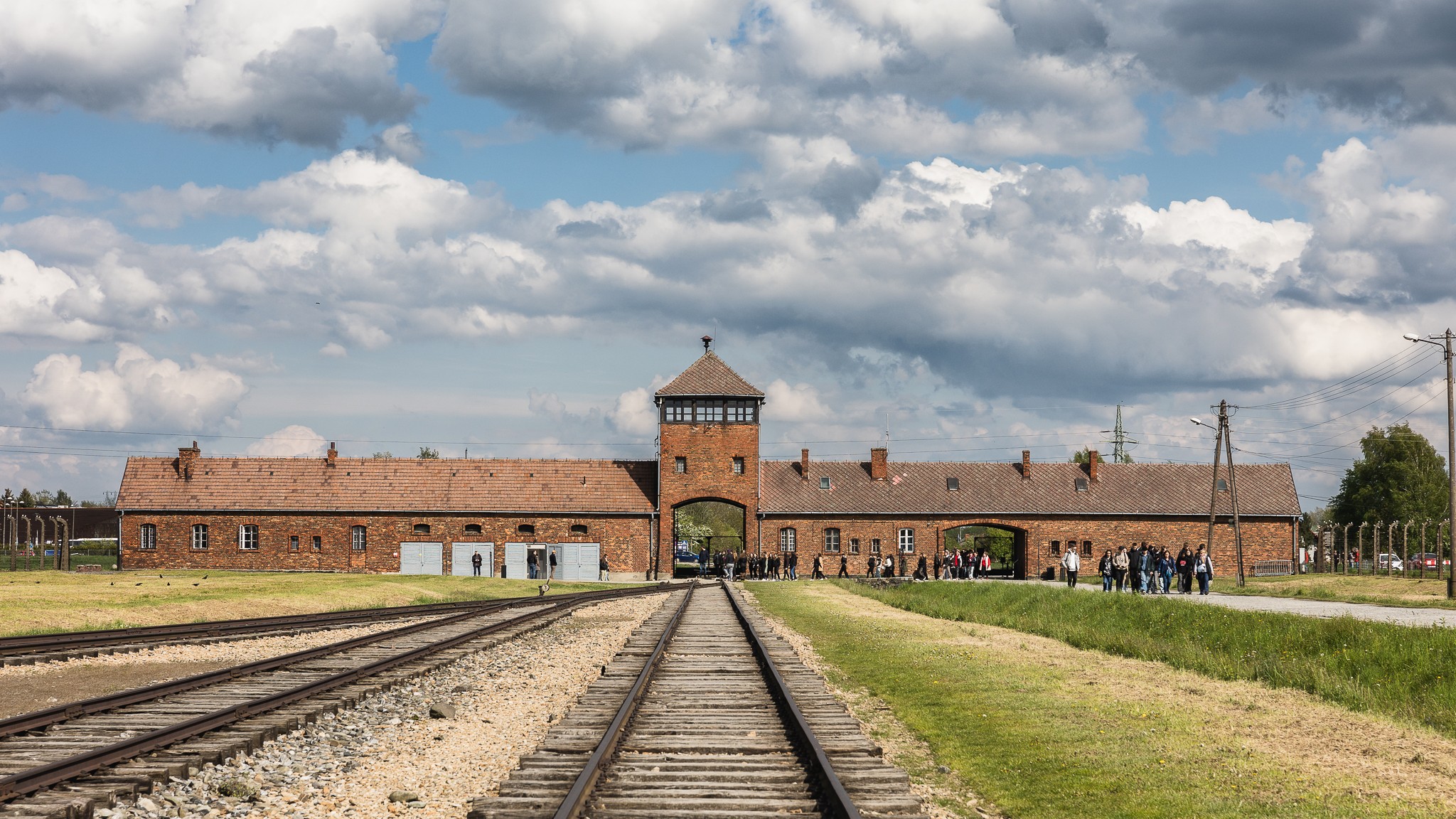
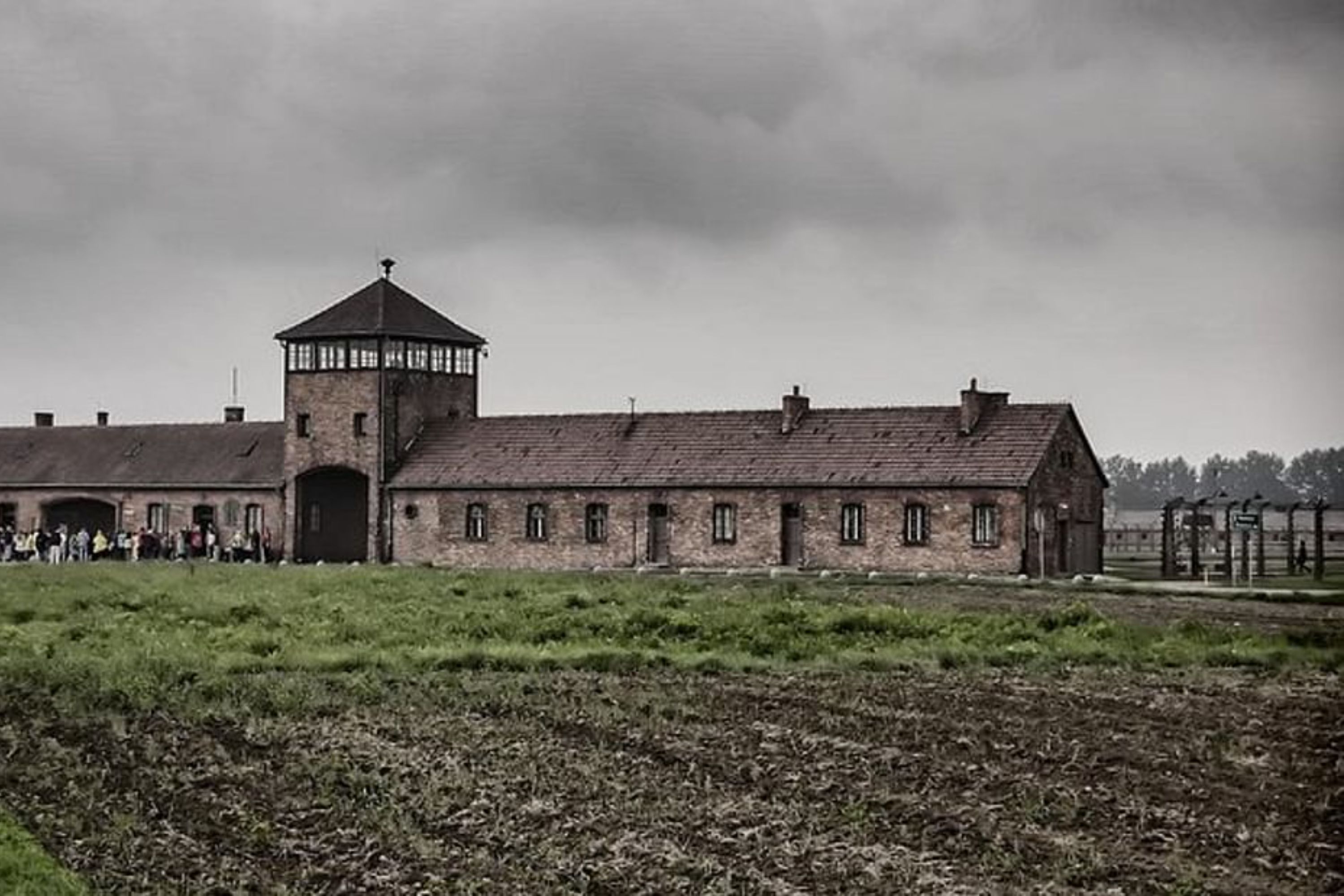
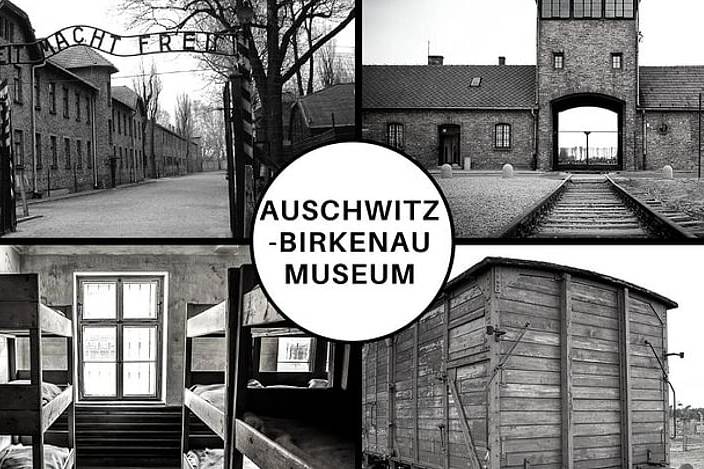
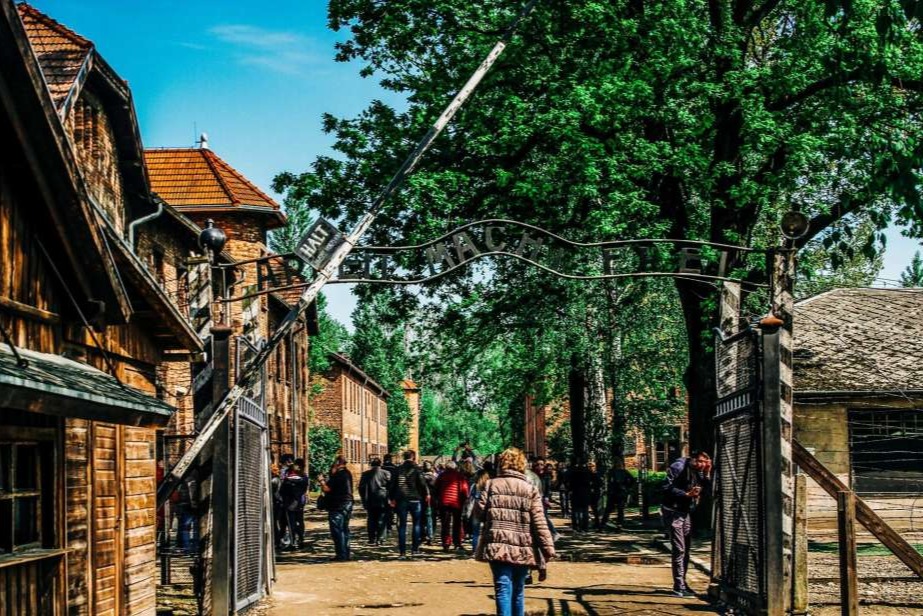
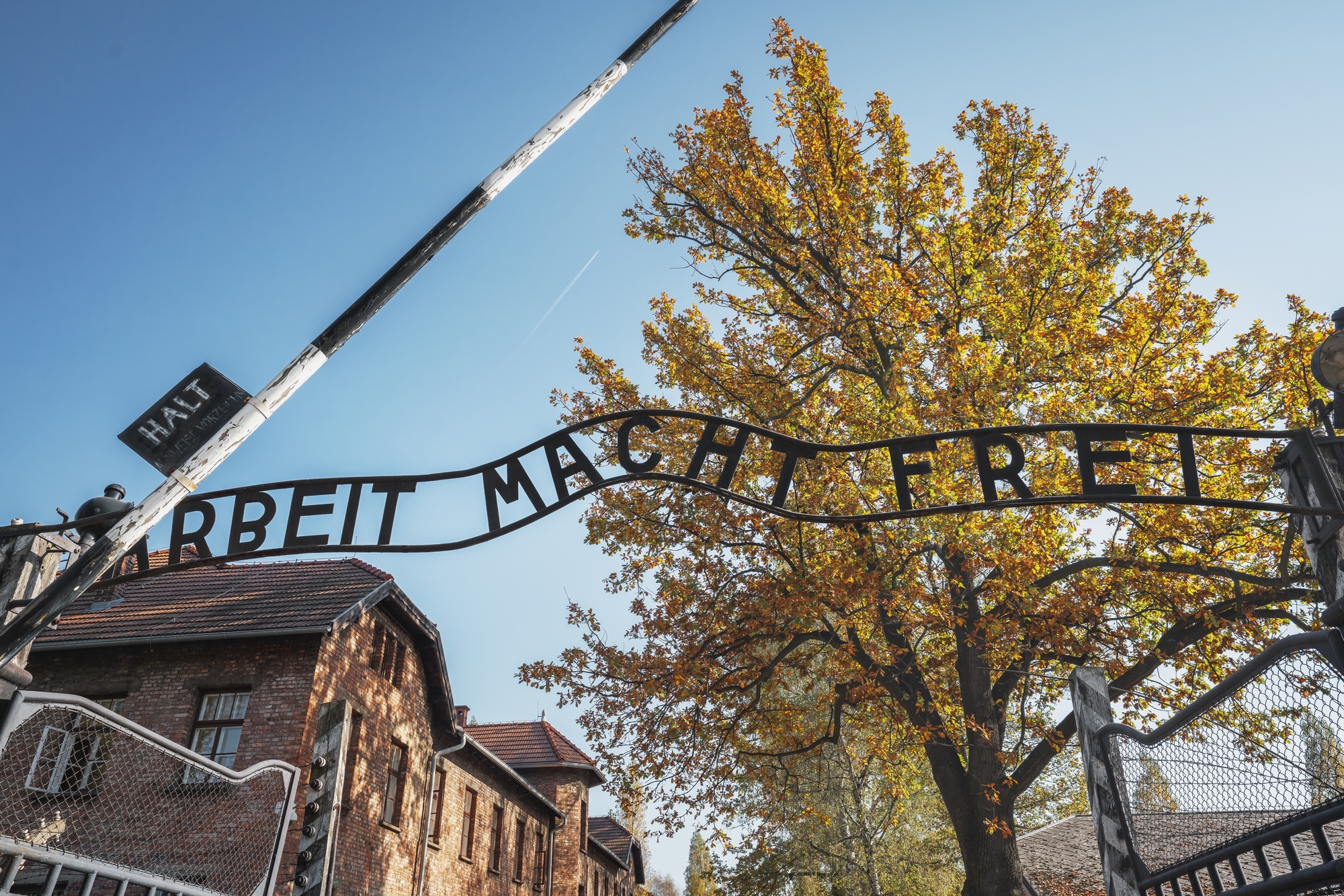
Visit the largest former German concentration camp, located about 70 kilometers from Krakow, in the small town of Oświęcim and step into history and embark on a journey of memory and reflection at Auschwitz and Birkenau. As you explore the grounds of these former German concentration and extermination camps, you will witness one of the most significant chapters in human history – the Holocaust.
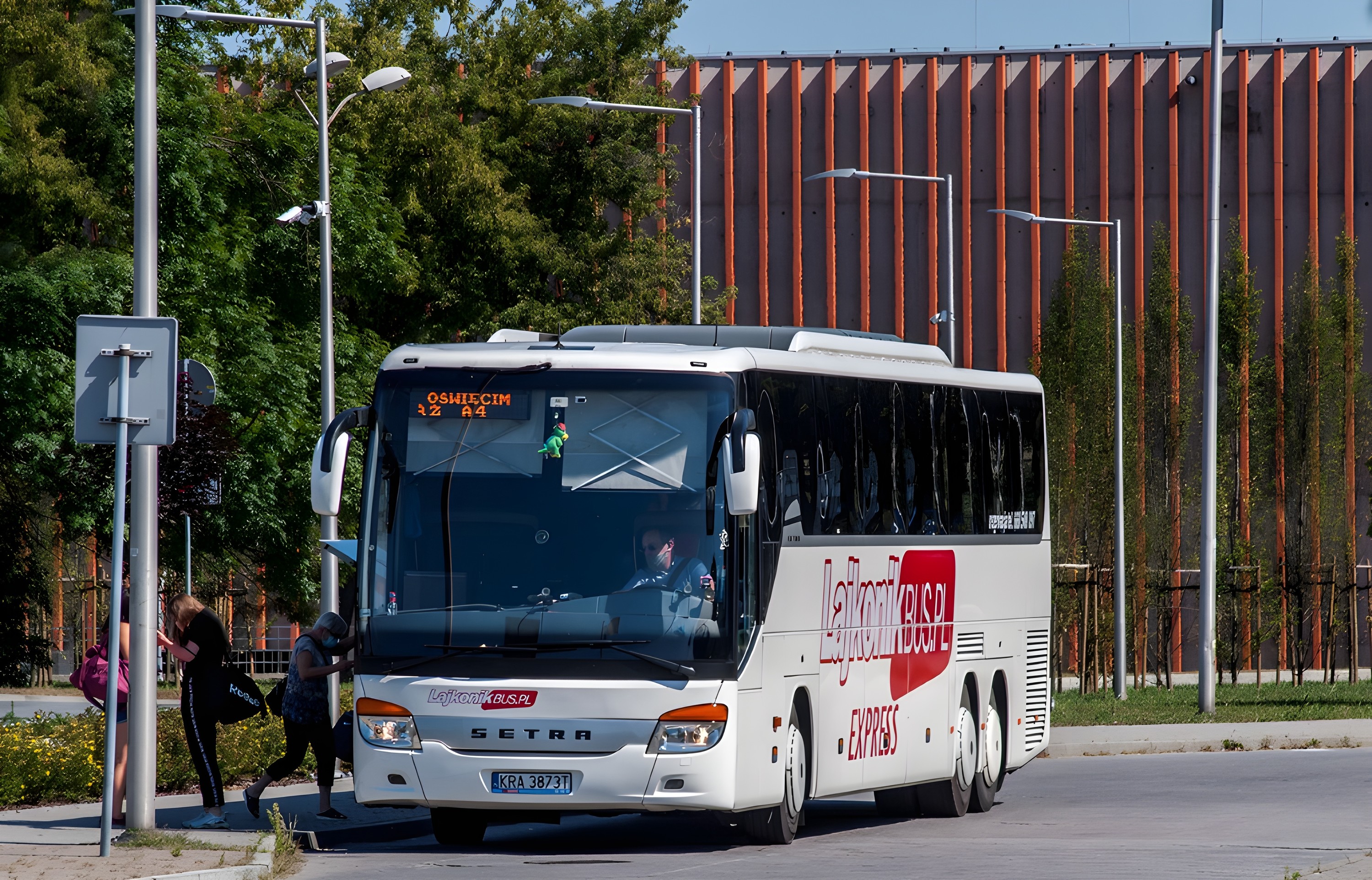
To fully immerse yourself in this experience, you'll need an empathetic driver who can help you prepare for the profound journey ahead. When you book a ride with me, you can count on top-quality transportation and respectful, thoughtful service.
● Get personal attention from your driver in a group of your family or friends. No ridesharing: This is a private transfer service for just your group
● Round-trip transportation with waiting and hotel pick-up.
● Avoid crowds with a guarantee to skip long lines. Admission is included
● Water and snacks included in the tour price.
Available options
Tour without guide 4-8 pax
Explore on your own: No guide, no rush, no large group <br/>Duration: 6 hours<br/>Lounch Box: For a small fee, we can prepare a lunch box for you, which will be served during the break between the two camps.<br/>Minivan: A minivan that can comfortably accommodate 8 people plus the driver.
<br/>Pickup included
Tour without guide 1-3 pax
Explore on your own: No guide, no rush, no large group<br/>Duration: 6 hours<br/>Lounch box: For a small fee, we can prepare a lunch box for you, which will be served during the break between the two camps.<br/>Large sedan: It is possible to book for 4 people, but for travel comfort, for groups of more than 3 people, I recommend choosing a minivan<br/>Pickup included
Aushwitz & Birkenau with guide
Admission Card: Entry tickets are non-changeable and non-refundable. Please make a thoughtful decision when selecting the date and time. <br/>.: WhatsApp: +48 514 536 247 — please contact us before or after making a reservation to arrange the pickup time and location.<br/>Number of people: 3 tickets included. Booking for a larger number of people is possible. An additional charge of €35 applies per extra person. <br/>Duration: 7 hours: In total with round-trip transportation Kraków - Aushwitz - Kraków <br/>Lounch Box: We can prepare a lunch box for you, which will be served during the break between the two camps for small fee<br/>Last minute booking: Please keep in mind that if you book at the last minute, the tour time may be different from the one you initially chose.<br/>Sedan: A spacious and comfortable car with a roomy interior
<br/>Full Names: Mandatory condition: Provide the correct details of everyone participating in the tour. <br/>Pickup included
What's included
Hotel pickup and drop-off
Bottled water
WiFi on board
Air-conditioned vehicle
Travel comfortably in your own group, with a car exclusively for you and your companions
Detailed itinerary
1
Stop 1
Pass by
Historic castle complex located on Wawel Hill, overlooking the Vistula River. It is one of the most significant cultural and architectural landmarks in Poland and a symbol of Polish national pride.
2
Stop 2
Auschwitz was the main and most famous of the six concentration and extermination camps established by Germany to implement the Final Solution policy, which aimed at the mass murder of European Jews. It was built in German-occupied Poland, initially as a concentration camp for Poles, later also for other nationalities.
To get to know the place, it is necessary to visit both parts of the former camp - Auschwitz I and Auschwitz II-Birkenau. We have to spend about 2 hours to stay in Auschwitz and about 1 hour to Birkenau.
3
Located between the Auschwitz I main camp and Auschwitz II-Birkenau, the Judenramp served as the initial point of arrival from 1942 until May 1944. At this location, SS officers conducted the infamous "selections," where arriving prisoners were divided into those deemed fit for forced labor and those sent directly to the gas chambers.
4
The building that served as the residence of the Auschwitz-Birkenau camp commandant Rudolf Höss and his family from 1940 - 1944. Höss was one of the main architects of the Holocaust. He introduced the system of mass murder using gas, initially with shower rooms filled with Zyklon B, and later systematically developing the camp's facilities, such as gas chambers and crematoria. His actions at Auschwitz led to the deaths of hundreds of thousands of people. After the war, Höss was captured by the Allies and tried for his war crimes. In 1947, following a trial in Poland, he was sentenced to death and executed by hanging in Auschwitz, near the camp he had so brutally overseen.
5
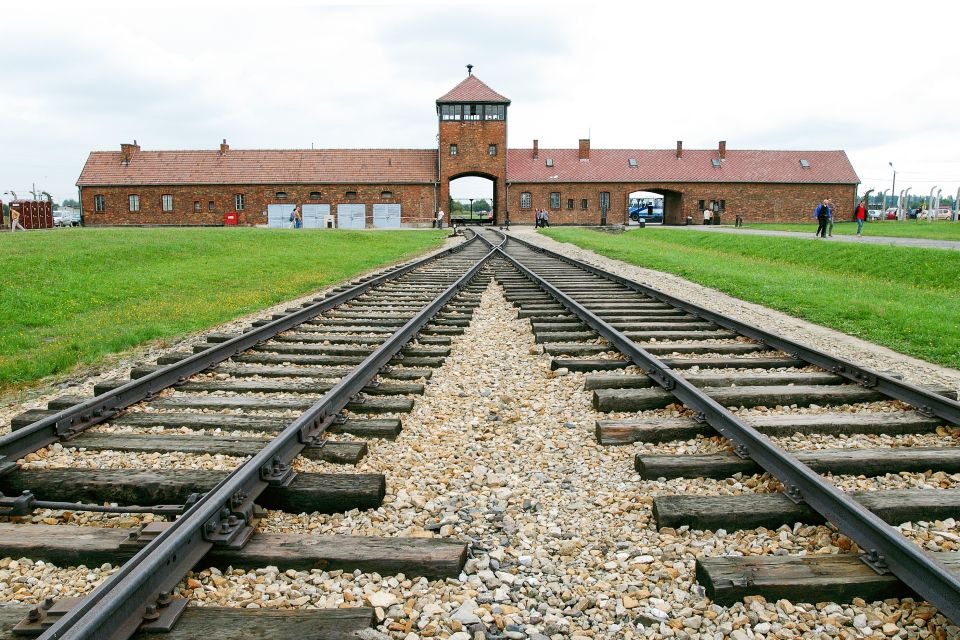
Auschwitz II-Birkenau was the second, much larger camp that was part of the Auschwitz complex. It was established in 1941, about 3 kilometers west of the main Auschwitz I camp, and became one of the most well-known sites associated with the Holocaust. Birkenau was primarily a death camp, where the mass extermination of Jews, Roma, political prisoners, and other groups persecuted by the Nazi regime took place.
The Birkenau camp complex consisted of numerous barracks, as well as powerful gas chambers and crematoria, where the Nazis carried out mass murders of prisoners who were transported to the camp from all over Europe. It is estimated that about 1 million people died in Birkenau, mainly Jews, but also Roma, Poles, prisoners of war, and other victims of the Nazi regime.
Reviews breakdown
Viator
4.9
7 reviews
5★
6
4★
1
3★
0
2★
0
1★
0
Tripadvisor
5.0
63 reviews
5★
63
4★
0
3★
0
2★
0
1★
0
Important information
Infants and small children can ride in a pram or stroller
Service animals allowed
Public transportation options are available nearby
Infants are required to sit on an adult’s lap
Suitable for all physical fitness levels
Important notes
Each visitor will have their own personal ticket, which will be needed together with their ID card before entering the museum.
About Krakow
Krakow, the former capital of Poland, is a city rich in history, culture, and stunning architecture. It's home to the Wawel Royal Castle, the historic Main Market Square, and the largest medieval old town in Europe. Krakow's vibrant arts scene, bustling nightlife, and proximity to Auschwitz-Birkenau and the Wieliczka Salt Mine make it a must-visit destination.
Top Attractions
Wawel Royal Castle
This iconic castle was the residence of Polish kings and a symbol of Polish statehood. It offers a glimpse into Poland's rich history.
Historical/Architecture
2-3 hours
30-50 PLN (€7-12)
Main Market Square (Rynek Główny)
One of the largest medieval town squares in Europe, surrounded by historic buildings, cafes, and shops.
Historical/Cultural
1-2 hours
Free to explore
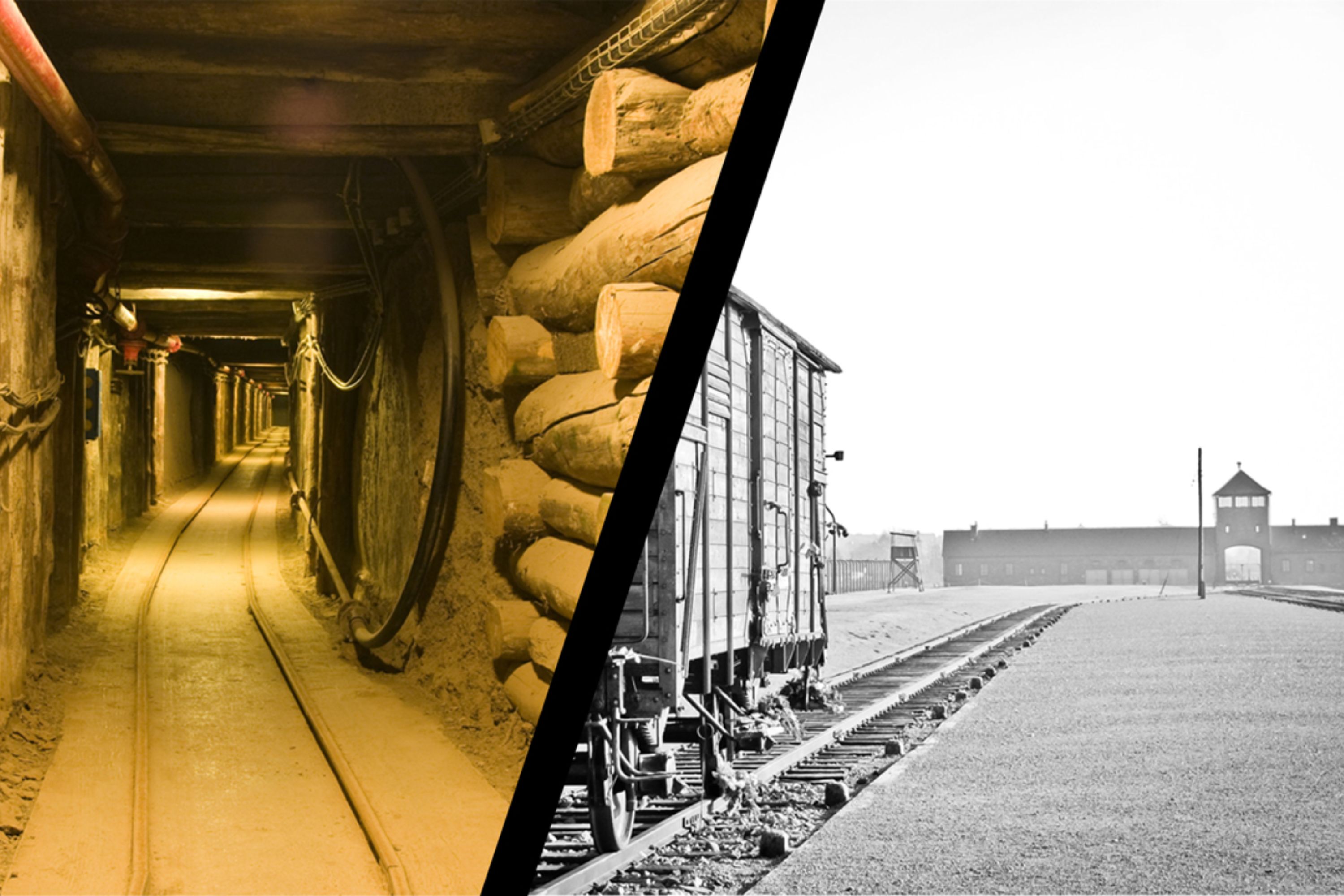
Wieliczka Salt Mine
A UNESCO World Heritage site featuring underground chambers, chapels, and sculptures carved out of salt.
Historical/Adventure
4-5 hours
89-139 PLN (€20-32)
Auschwitz-Birkenau Memorial and Museum
A poignant and sobering visit to the largest Nazi concentration camp, now a memorial and museum.
Historical/Educational
Full day
70-100 PLN (€16-23)
Kazimierz District
The historic Jewish quarter with a rich cultural heritage, vibrant nightlife, and charming streets.
Cultural/Historical
2-3 hours
Free to explore
Must-Try Local Dishes
Pierogi
Dumplings filled with various ingredients like meat, cheese, potatoes, or fruits.
Dinner
Can be vegetarian or vegan
Obwarzanek
A type of bread ring, similar to a bagel, often sold by street vendors.
Snack
Vegetarian
Zapiekanka
A Polish street food consisting of a half-baguette topped with mushrooms, cheese, and various condiments.
Snack
Can be vegetarian
Schabowy
A breaded pork cutlet, similar to schnitzel, often served with potatoes and cabbage.
Dinner
Contains meat
Popular Activities
Hiking in the Tatra Mountains
Skiing in Zakopane
Spa and wellness treatments
Strolling through parks and gardens
Visiting museums and galleries
Attending concerts and performances
Boating on the Vistula River
Skiing and snowboarding in the nearby mountains
Best Time to Visit
May to September
This is the best time to visit Krakow for pleasant weather and outdoor activities. The city is lively with festivals and tourists.
15°C to 28°C
59°F to 82°F
Practical Information
Language
- Official: Polish
- Widely spoken: English, German, Russian
- English: Moderately spoken
Currency
Polish Złoty (PLN)
Time Zone
GMT+1 (CET), GMT+2 (CEST during daylight saving time)
Electricity
230VV, 50HzHz
Safety Information
Overall Safety Rating: Generally safe
Krakow is generally safe for tourists, but petty crime like pickpocketing can occur in crowded areas.
Important Precautions:
- • Keep valuables secure in crowded areas.
- • Use official taxis or ride-hailing apps.
- • Be cautious when withdrawing money from ATMs.
Getting there
By air
- John Paul II International Airport Krakow-Balice • 11 km from city center
By train
Krakow Glowny, Krakow Plaza
By bus
Krakow Main Bus Station, Młocińscy Bus Station
Getting around
Public transport
Krakow's tram system is efficient and covers most of the city. Trams are comfortable and frequent.
Taxis
Available • Apps: Bolt, FreeNow
Rentals
Car, Bike, Scooter
Neighborhoods
Old Town (Stare Miasto)
Kazimierz
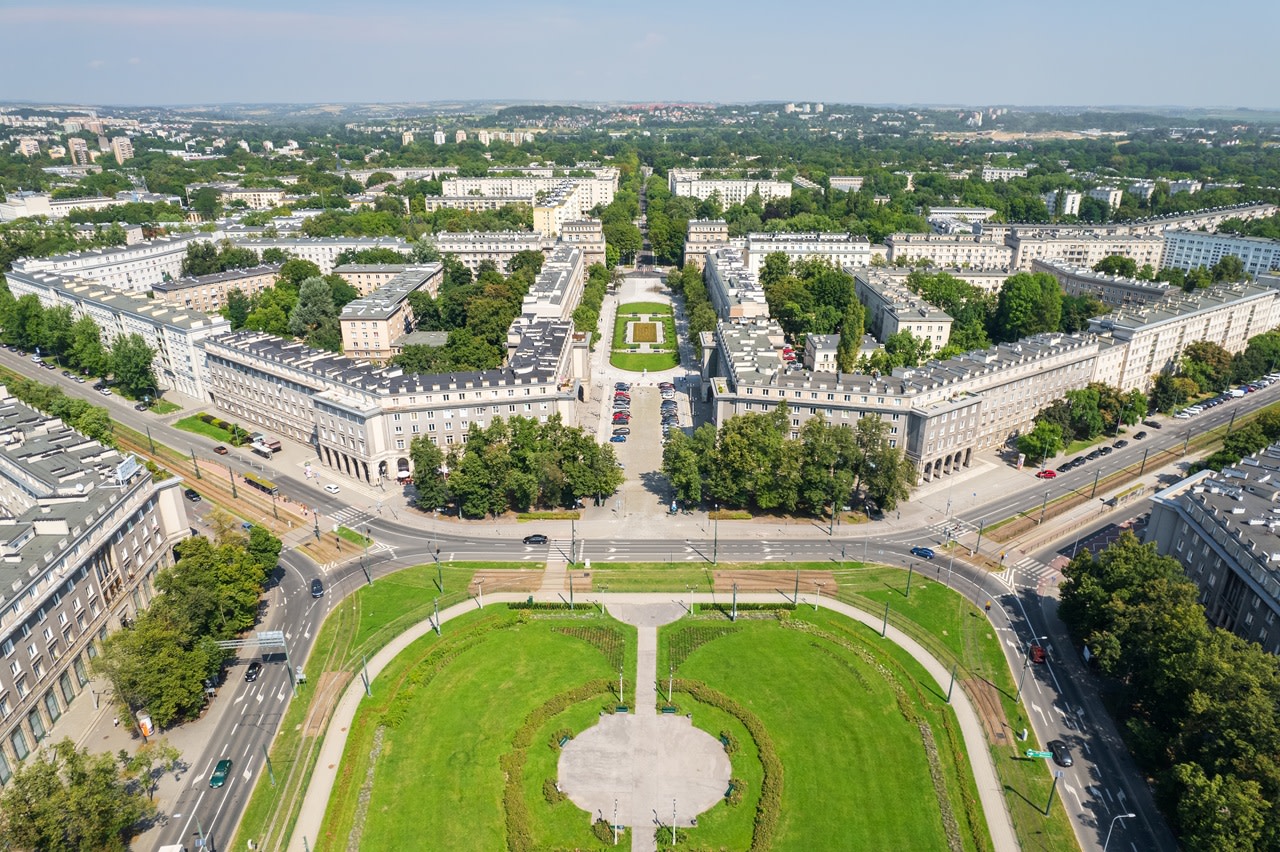
Nowa Huta
Zakrzówek
Day trips
Wieliczka Salt Mine
14 km from Krakow • Full day
Explore the underground chambers, chapels, and sculptures carved out of salt in this UNESCO World Heritage site.
Auschwitz-Birkenau Memorial and Museum
70 km from Krakow • Full day
Visit the largest Nazi concentration camp, now a memorial and museum, to learn about the Holocaust.
Zakopane
100 km from Krakow • Full day
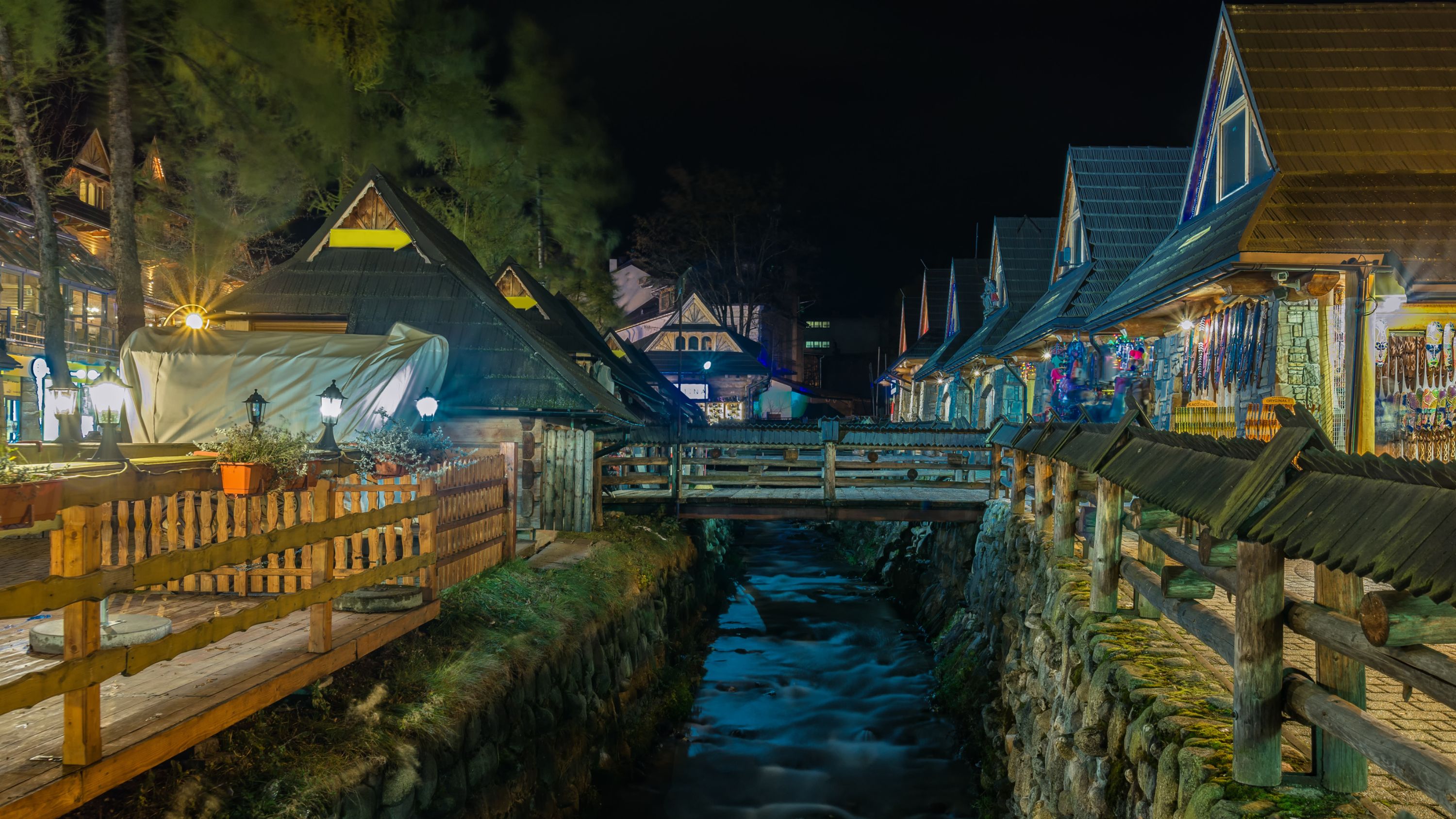
A picturesque mountain town known for its stunning scenery, hiking trails, and skiing opportunities.
Festivals
Krakow Jewish Festival • June or July (annual)
Krakow Film Festival • May (annual)
Krakow Christmas Market • December (annual)
Pro tips
- Use the Krakow Card for unlimited public transport and free entry to many attractions.
- Visit the Wawel Dragon statue and make a wish by placing a coin in its mouth.
- Try traditional Polish dishes like pierogi and żurek at local restaurants.
- Explore the Kazimierz district for its vibrant nightlife and cultural scene.
- Take a day trip to the Wieliczka Salt Mine or Auschwitz-Birkenau for a deeper understanding of Polish history.
From $25
per person
Price varies by option
Secure booking
Free cancellation available
Instant confirmation