Full Day Tour in Mycenae, Epidaurous and Nafplio with Tesla
Active
6h - 10h
For a full refund, cancel at least 24 hours before the scheduled departure time.
Instant confirmation
Mobile or paper ticket accepted
About this experience
Discover Greece with a Tesla car. Full-day tour of Peloponnese, visit the archaeological site of Corinth and Mycenae, check out the perfect acoustics at Epidaurus's 4th-century amphitheater, explore the harbor village of Nafplio and get the personalized experience of a private tour.
We offer a unique experience of transporting our guests with the amazing tesla
cars without pollution creating a clean environment
Available options
Full Day Tour in Mycenae, Epidaurous and Nafplio with Tesla
Pickup included
What's included
Private transportation
Professional drivers with deep knowledge of history (not licensed to accompany you in any site)
Bottled water
WiFi on board
Air-conditioned vehicle
Detailed itinerary
1
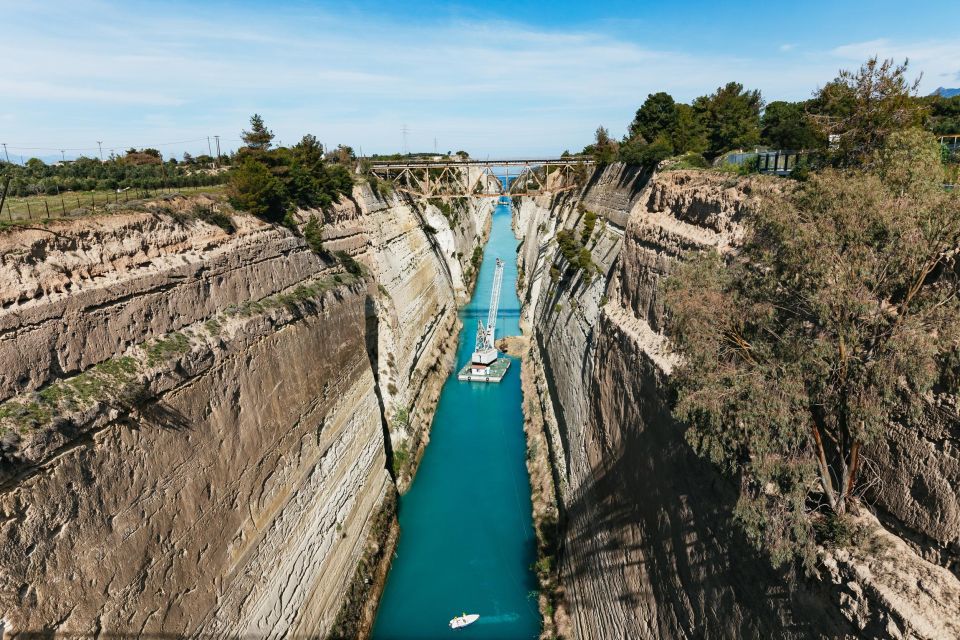
Corinth was a city-state on the Isthmus of Corinth, the narrow stretch of land that joins the Peloponnese to the mainland of Greece, roughly halfway between Athens and Sparta. Ancient Corinth was one of the largest and most important cities of Greece, with a population of 90,000 in 400 BC. The Romans demolished Corinth in 146 BC, built a new city in its place in 44 BC, and later made it the provincial capital of Greece.
2
The Archaeological Museum of Ancient Corinth is located within the archaeological site of Ancient Corinth, Greece, and lies under the jurisdiction of the 37th Ephoreia of the Greek Archaeological Service. Key aspects of the Archaeological site of Ancient Corinth include: Hadgimoustafa spring Lechaion Road Basilica Fountain of Peirene Stoa Agora Odien Other temples Theatre
3
Acrocorinth, "Upper Corinth", the acropolis of ancient Corinth, is a monolithic rock overseeing the ancient city of Corinth, Greece. With its secure water supply, Acrocorinth's fortress was repeatedly used as a last line of defense in southern Greece because it commanded the Isthmus of Corinth, repelling foes from entry by land into the Peloponnese peninsula.
4
Archaeological Museum of Epidaurus noted for its reconstructions of temples and its columns and inscriptions, was established in 1902 and opened in 1909 to display artifacts unearthed in the ancient site of Epidaurus in the surrounding area.
5
Stop 5
The Ancient Theatre of Epidaurus is a theatre in the Greek city of Epidaurus, located on the southeast end of the sanctuary dedicated to the ancient Greek God of medicine, Asclepius. It is considered to be the most perfect ancient Greek theatre with regard to acoustics and aesthetics. The monument retains the characteristic tripartite structure of a Hellenistic theatre that has a theatron, orchestra, and skene. During Roman times, the theatre (unlike many Greek theatres) did not suffer any modifications.
6
Free time for lunch, coffee, or shopping at the ‘Naples of the East’ rich in Venetian architecture, cobbled squares, and towering castles with commanding views of the Argolic Gulf. Afterwards, unwind by the harbor or get lost in the colorful back streets of the most elegant town in mainland Greece. Nafplio is a seaport town in the Peloponnese in Greece that has expanded up the hillsides near the north end of the Argolic Gulf. The town was an important seaport held under a succession of royal houses in the Middle Ages as part of the lordship of Argos and Nauplia, held initially by the de la Roche following the Fourth Crusade before coming under the Republic of Venice and, lastly, the Ottoman Empire. The town was the capital of the First Hellenic Republic and of the Kingdom of Greece, from the start of the Greek Revolution in 1821 until 1834. Nafplio is now the capital of the regional unit of Argolis.
7
Enjoy the view of the water castle of Bourtzi, a Venetian castle located in the middle of the harbor of Nafplio, and take fascinating photos from the harbor side.
8
Palamidi is a fortress to the east of the Acronauplia in the town of Nafplio in the Peloponnese region of southern Greece. Nestled on the crest of a 216-metre high hill, the fortress was built by the Venetians during their second occupation of the area (1686–1715). The fortress commands an impressive view over the Argolic Gulf, the city of Náfplio and the surrounding country. There are 913 steps in the winding stair from the town to the fortress. However, to reach the top of the fortress there are over one thousand, while locals in the town of Nafplion will say there are 999 steps to the top of the castle
9
Stop 9
You'll return to the starting point or to the point you prefer in Athens.
What's not included
Entry or admission fees for Ancient Corinth 8€
Palamidi Fortress 8€
Archaeological Museum of Mycenae 12€
Available languages
Guide guide
EN
Important information
Infants and small children can ride in a pram or stroller
Public transportation options are available nearby
Specialized infant seats are available
Suitable for all physical fitness levels
Our drivers are not official tour guides, but they are knowledgeable and can provide fascinating commentary in fluent English. Although they will not enter the archaeological sites with you, they can answer most of your questions about the places you visit with this tour.
Infant seats available upon request
The total duration includes travel time.
About Athens
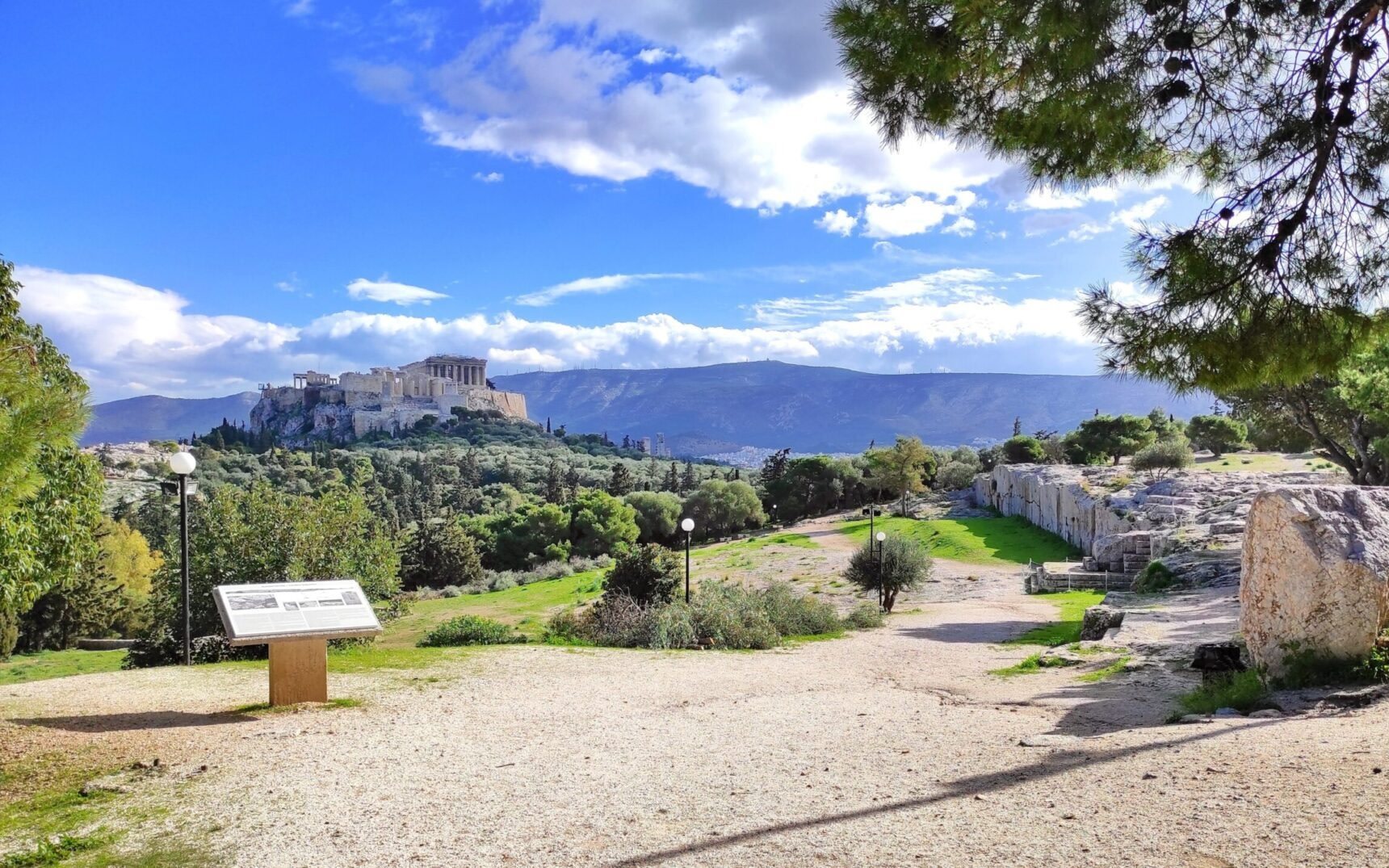
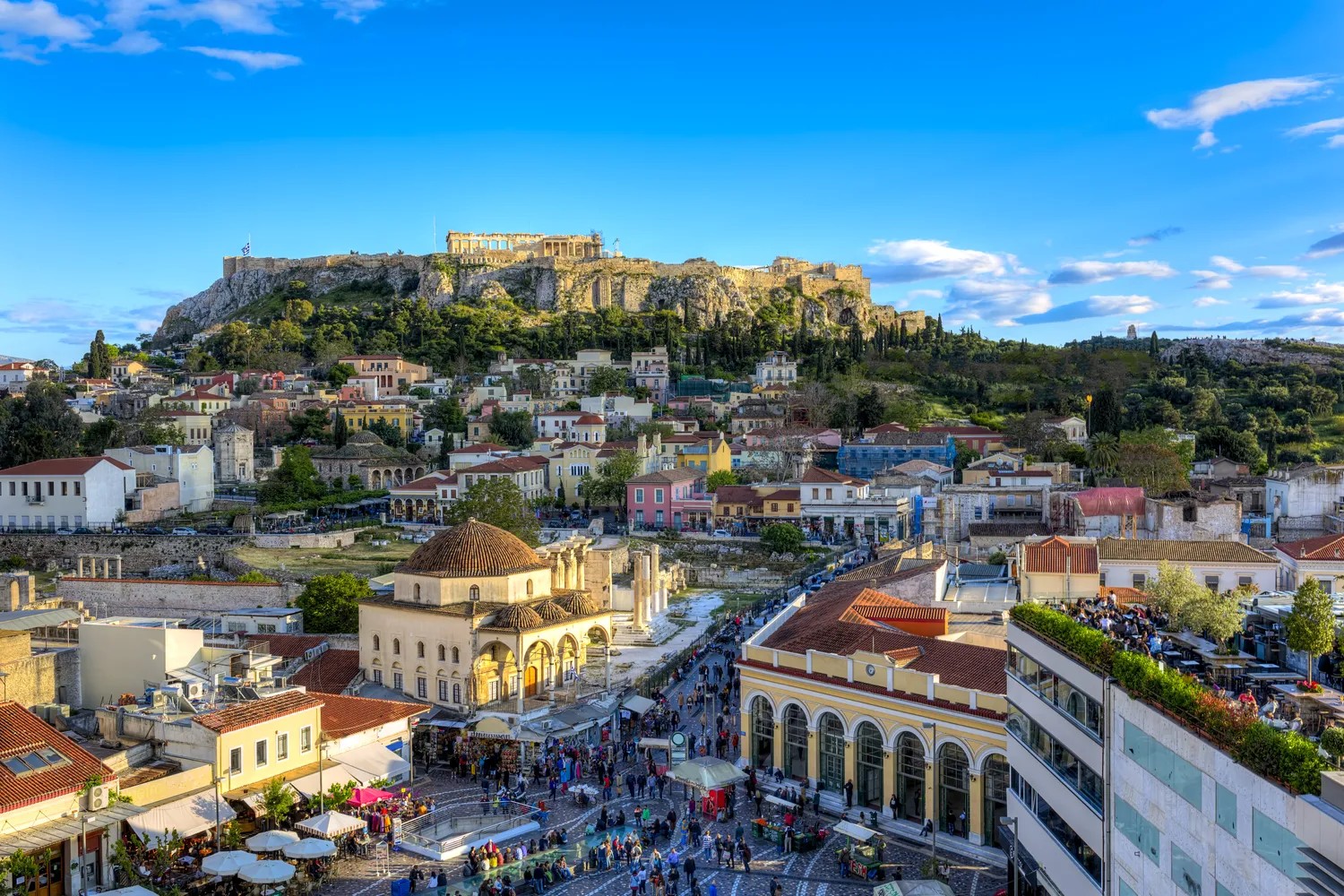
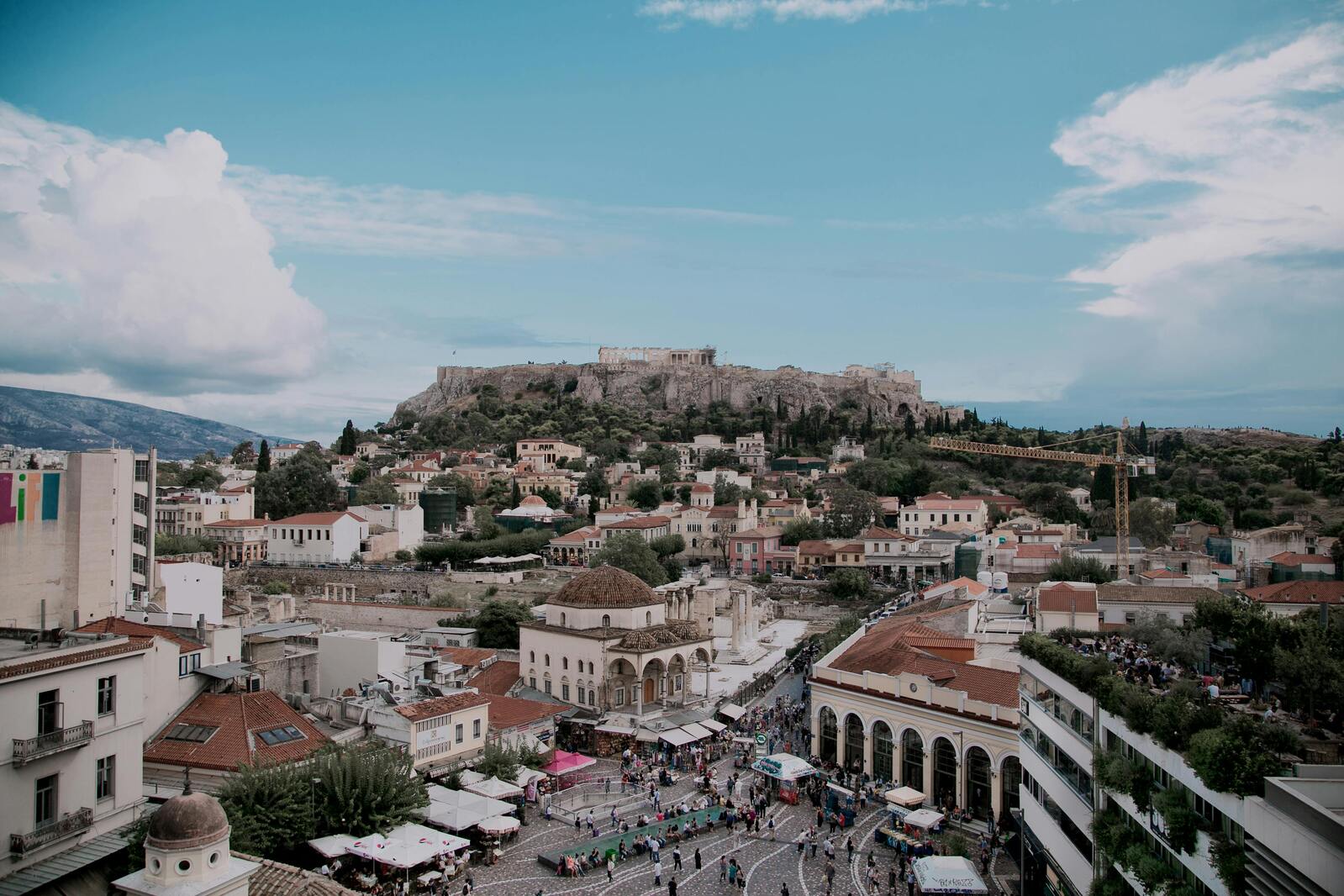
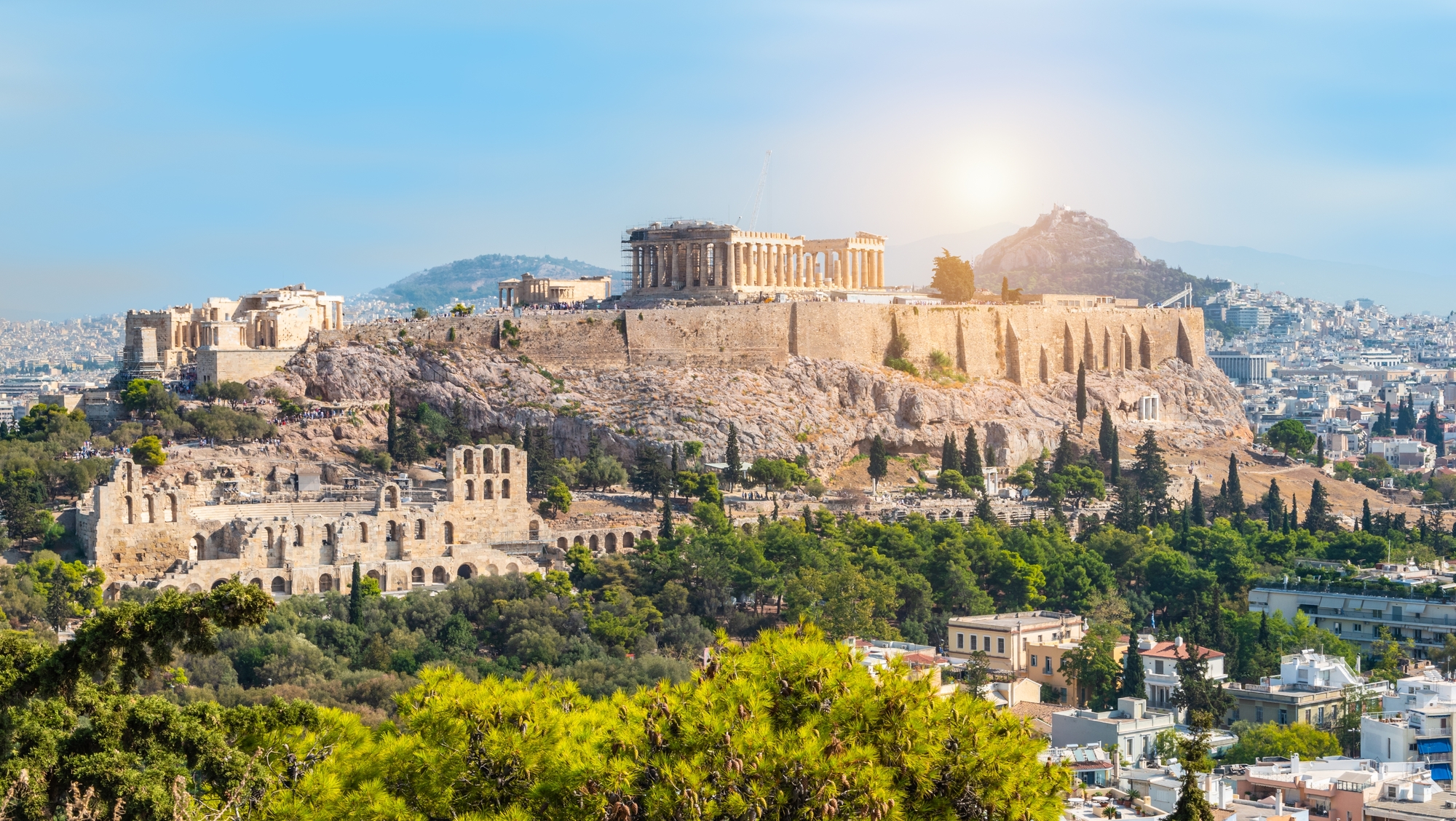
Athens, the capital of Greece, is a city rich in history and culture, often considered the cradle of Western civilization. It is home to iconic ancient landmarks, vibrant neighborhoods, and a thriving modern scene.
Top Attractions
Acropolis of Athens
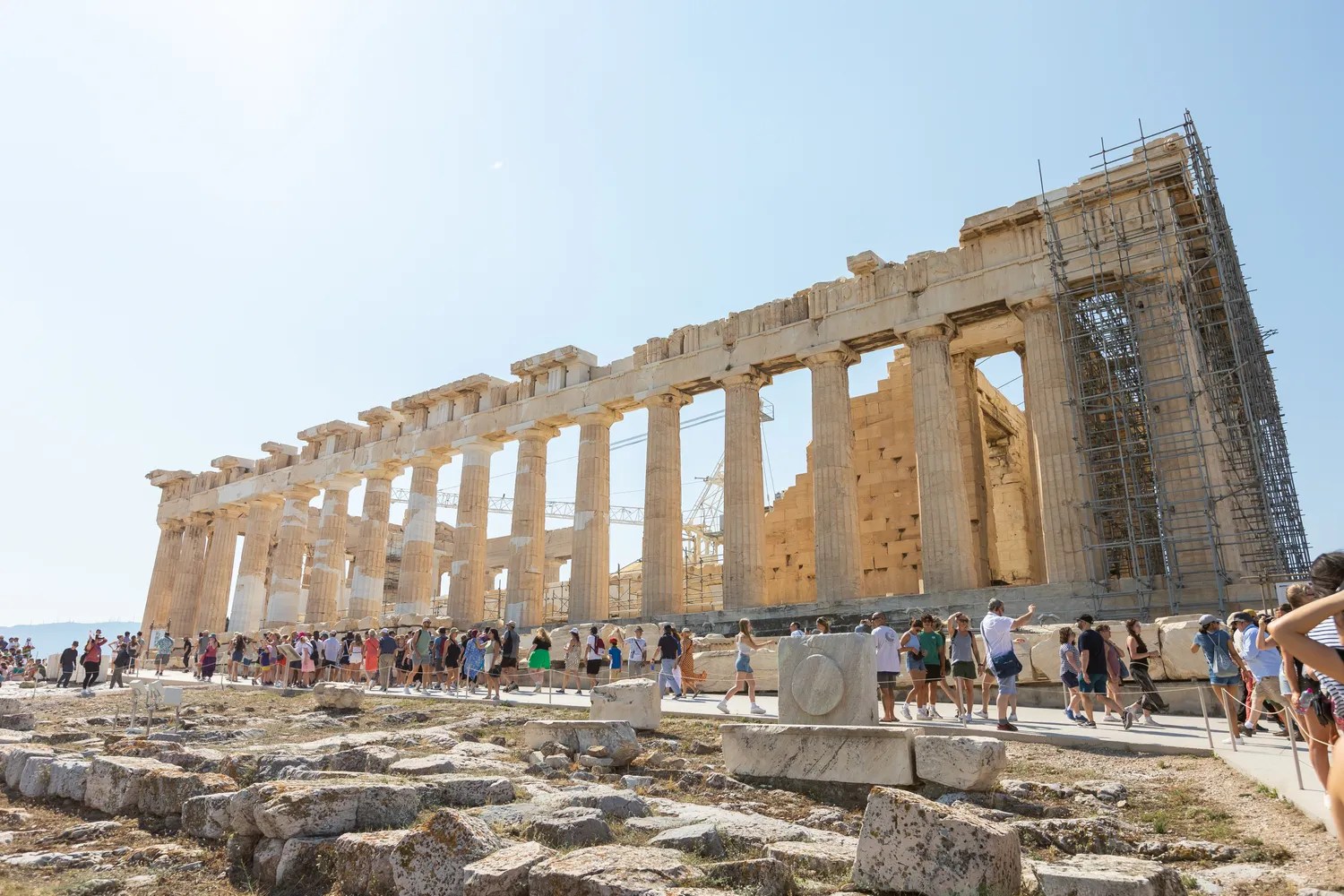
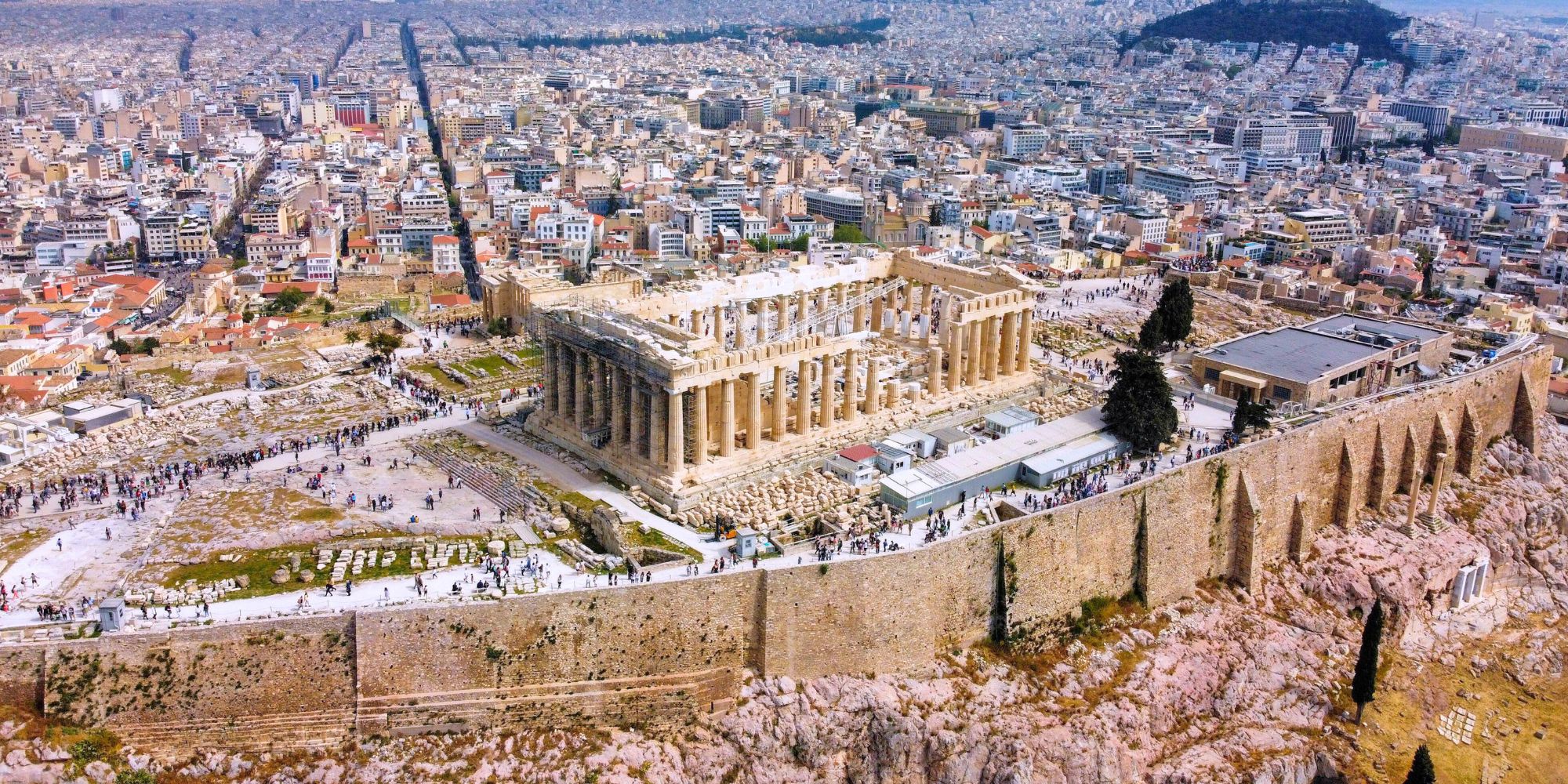
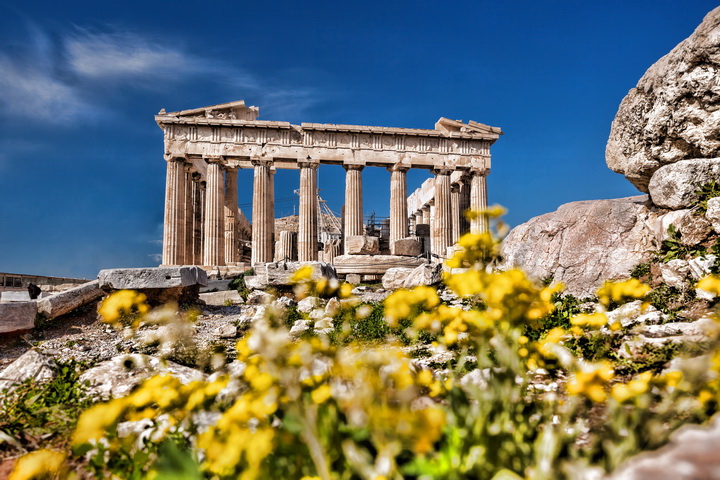
The Acropolis is the most iconic landmark in Athens, featuring ancient ruins and temples, including the Parthenon.
Historical
2-3 hours
€20 (combined ticket for multiple sites)
Ancient Agora of Athens
The heart of ancient Athens, featuring the Temple of Hephaestus and the Stoa of Attalos.
Historical
1-2 hours
€8 (included in the combined ticket)
Plaka
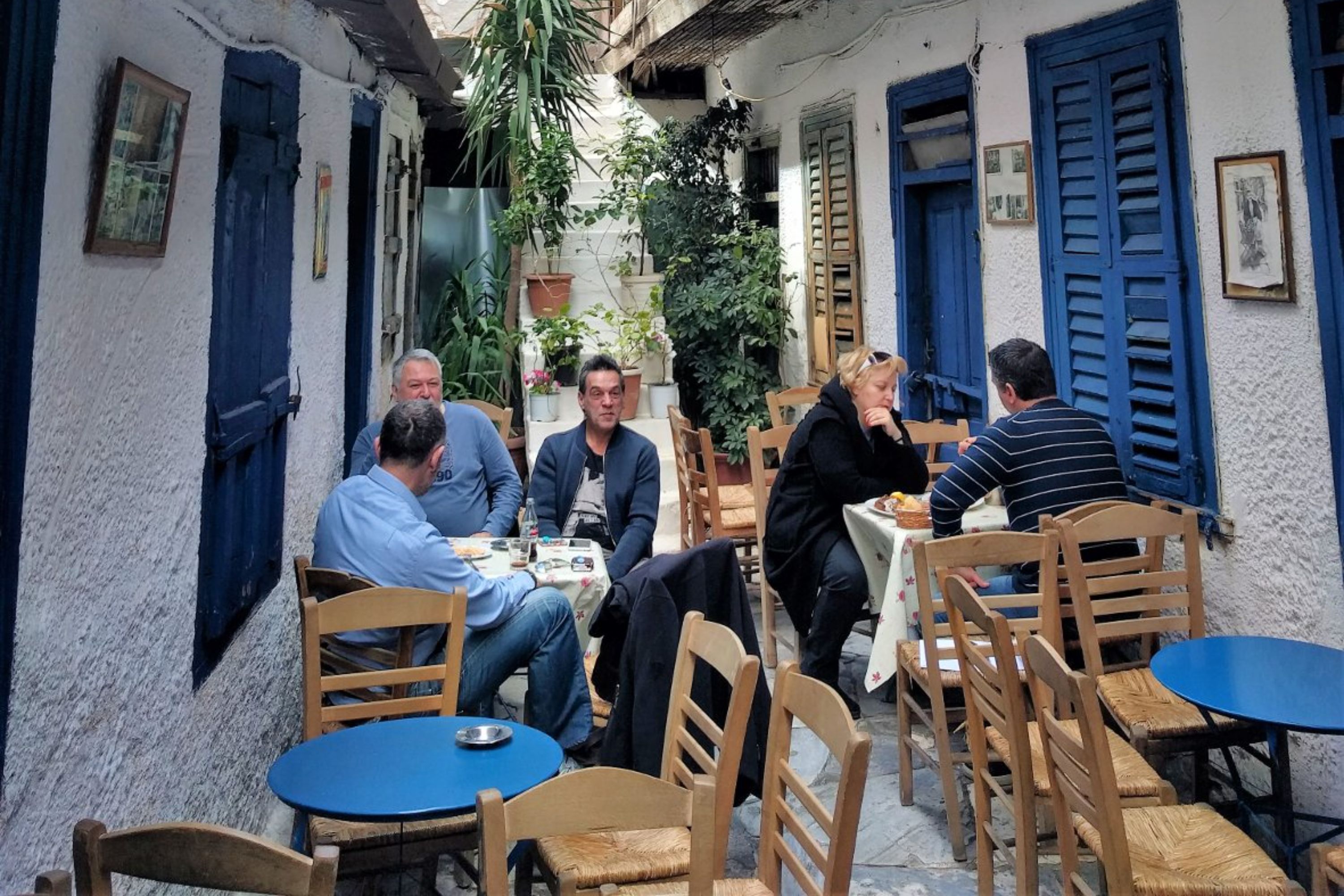
A charming, historic neighborhood with narrow streets, neoclassical houses, and vibrant nightlife.
Cultural
2-3 hours
Free to explore
Acropolis Museum
A modern museum showcasing artifacts from the Acropolis and its surroundings.
Museum
1-2 hours
€10
Temple of Olympian Zeus
An ancient temple dedicated to Zeus, once the largest temple in Greece.
Historical
30 minutes to 1 hour
€6 (included in the combined ticket)
Must-Try Local Dishes
Moussaka
A baked dish with layers of eggplant, minced meat, and béchamel sauce.
Dinner
Vegetarian versions available
Souvlaki
Grilled meat skewers, often served with pita bread and tzatziki.
Snack
Can be made with chicken, pork, or vegetarian options
Tzatziki
A yogurt-based dip with cucumber, garlic, and herbs.
Snack
Vegetarian and vegan options available
Baklava
A sweet pastry made with layers of filo, nuts, and honey syrup.
Dessert
Vegetarian
Popular Activities
Hiking in the mountains
Rock climbing
Scuba diving
Beach visits
Spa treatments
Café hopping
Museum visits
Theater performances
Best Time to Visit
April to June, September to October
The best time to visit Athens is during the spring and autumn months when the weather is pleasant and the tourist crowds are smaller.
18°C to 32°C
64°F to 90°F
Practical Information
Language
- Official: Greek
- Widely spoken: English, French, German
- English: Moderately spoken
Currency
Euro (EUR)
Time Zone
GMT+2 (EET)
Electricity
230VV, 50HzHz
Safety Information
Overall Safety Rating: Generally safe
Athens is generally safe for travelers, but petty crime and pickpocketing can occur in tourist areas. Be cautious with your belongings and avoid poorly lit areas at night.
Important Precautions:
- • Keep valuables secure
- • Use licensed taxis or ride-sharing apps
- • Be cautious with ATMs and credit cards
Getting there
By air
- Eleftherios Venizelos International Airport • 30 km from city center
By train
Athens Central Railway Station
By bus
KTEL Bus Station
Getting around
Public transport
Clean, efficient, and air-conditioned. Easy to navigate with clear signage in English.
Taxis
Available • Apps: Beat, Uber
Rentals
Car, Bike, Scooter
Neighborhoods
Plaka
Monastiraki
Psiri
Koukaki
Kolonaki
Day trips
Cape Sounion
65 km from Athens • Half day to full day
A scenic coastal area featuring the Temple of Poseidon with stunning views of the Aegean Sea.
Delphi
180 km from Athens • Full day
An ancient archaeological site and home to the famous Oracle of Delphi.
Meteora
350 km from Athens • Overnight
A unique landscape featuring rock formations and medieval monasteries perched atop cliffs.
Festivals
Athens Festival • May to October
Athens Epidaurus Festival • June to August
Athens International Film Festival • October
Pro tips
- Visit major attractions early in the morning or late in the afternoon to avoid crowds and heat
- Use the metro for easy and efficient travel around the city
- Explore local neighborhoods for an authentic Greek experience
- Try local street food for a quick and delicious meal
- Learn a few basic Greek phrases to enhance your experience and connect with locals
From $25
per person
Price varies by option
Secure booking
Free cancellation available
Instant confirmation