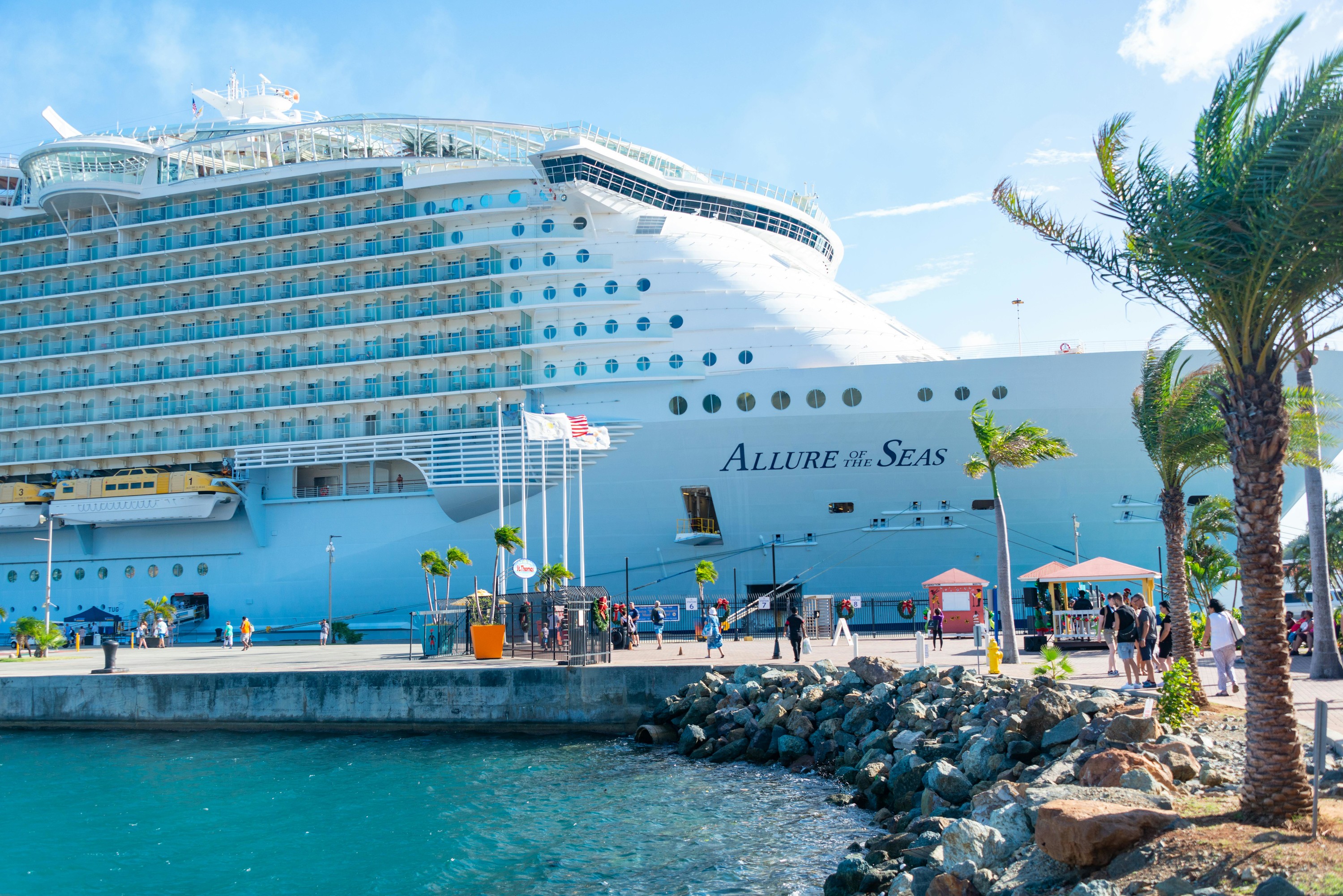
West of jeju tour for Seogwipo Gangjeong Cruise Customers
Active
6h - 8h
For a full refund, cancel at least 24 hours before the scheduled departure time.
Instant confirmation
Mobile or paper ticket accepted
About this experience
This is the travel itinerary for cruise customers arriving at Jeju Seogwipo Gangjeong Cruise.
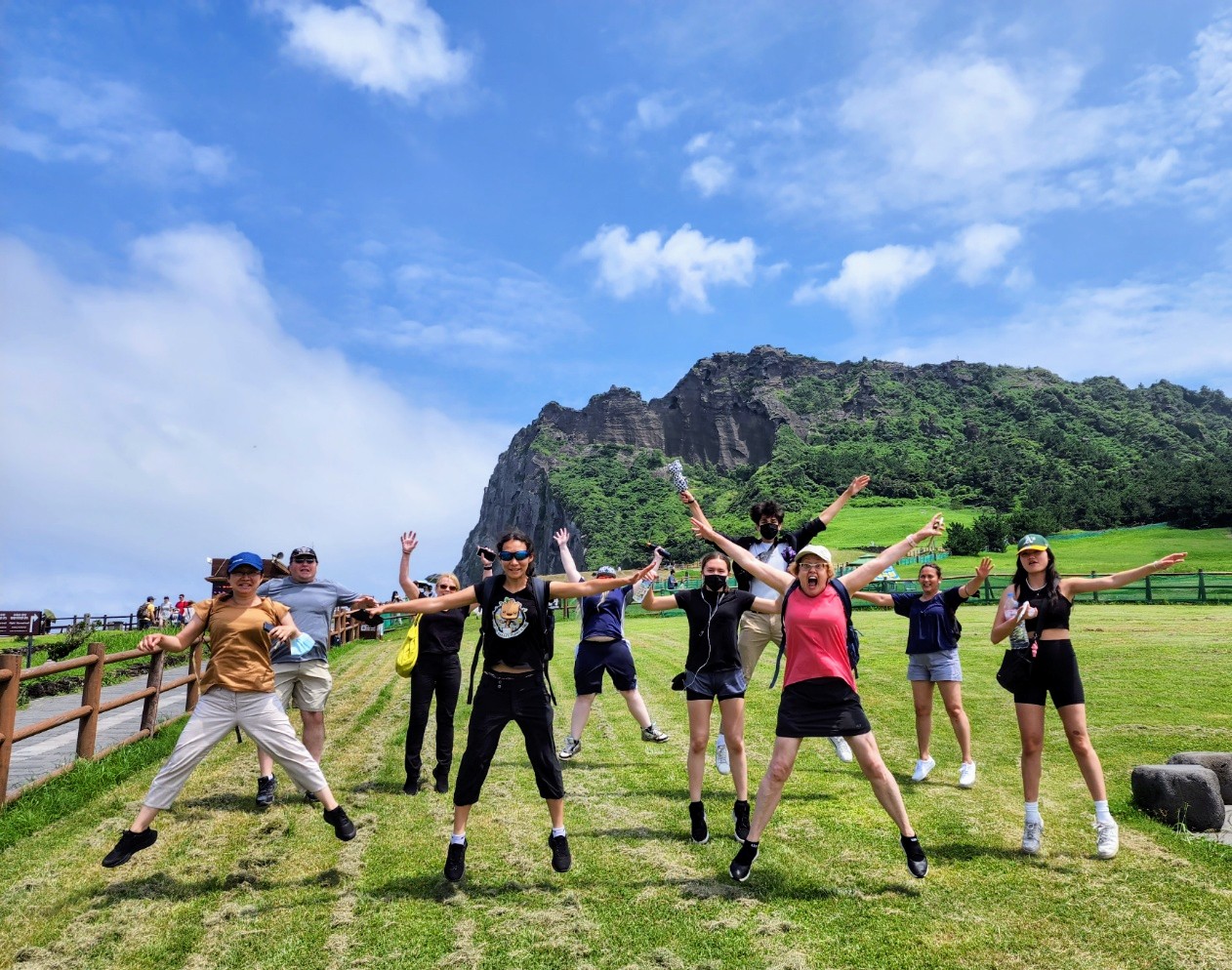
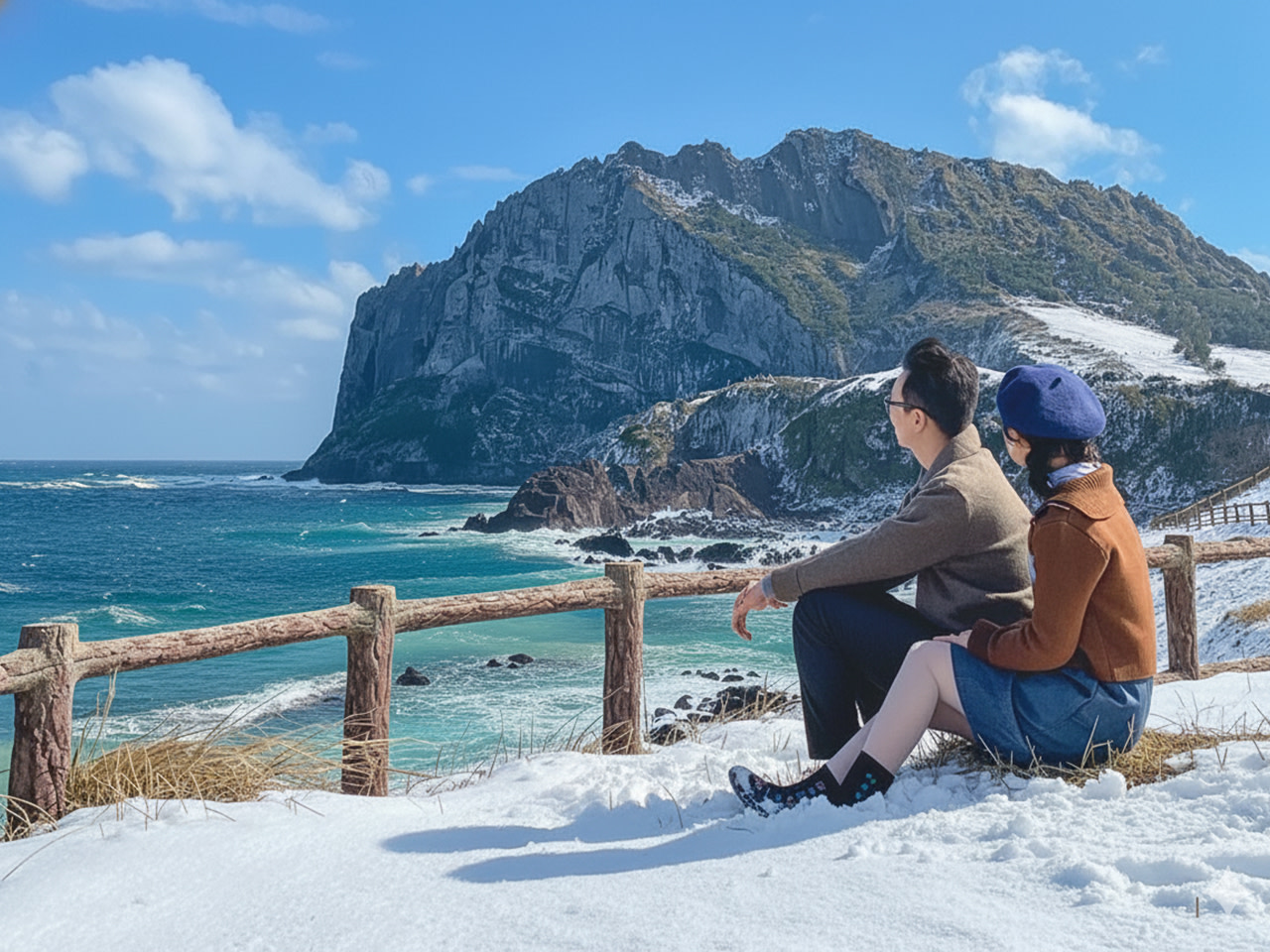
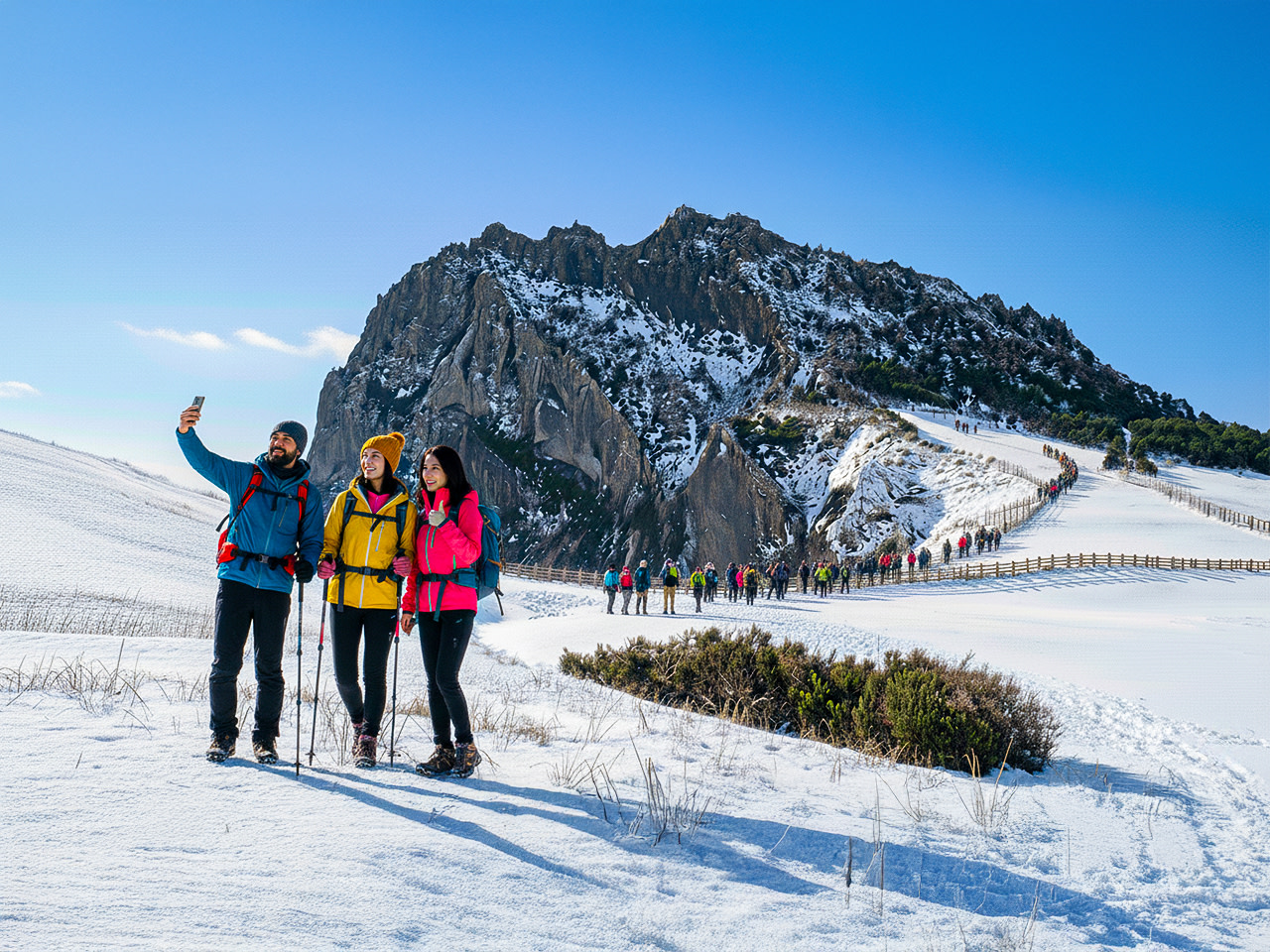
Traveling to the windy west of Jeju, taking a light walk while looking at the windmills that utilize large wind power on the coastal road, climbing Suwolbong Peak, which has been designated as a geopark, and looking at the vast sea will refresh your heart.
Songaksan Mountain, a famous drama filming location in the past and a beach walking course, is so beautiful that it cannot be expressed in words.
Available options
Mini-BUS Tour
mini-bus <br/>Pickup included
Regular Taxi Tour
Regular taxi <br/>Pickup included
Jumbo Taxi / Minivan Tour
Jumbo Taxi / Mini-Van<br/>Pickup included
What's included
Insurance included
Entry / Admission fee
Regular Taxi / Jumbo Taxi / Minivan The fuel and parking fees are included in the price
speak simple English / chinese Driver
we offer pick-up and drop-off services from Seowgipo Gangjeong Cruise Terminal.
Detailed itinerary
1
Sinchang Windmill Coastal Road
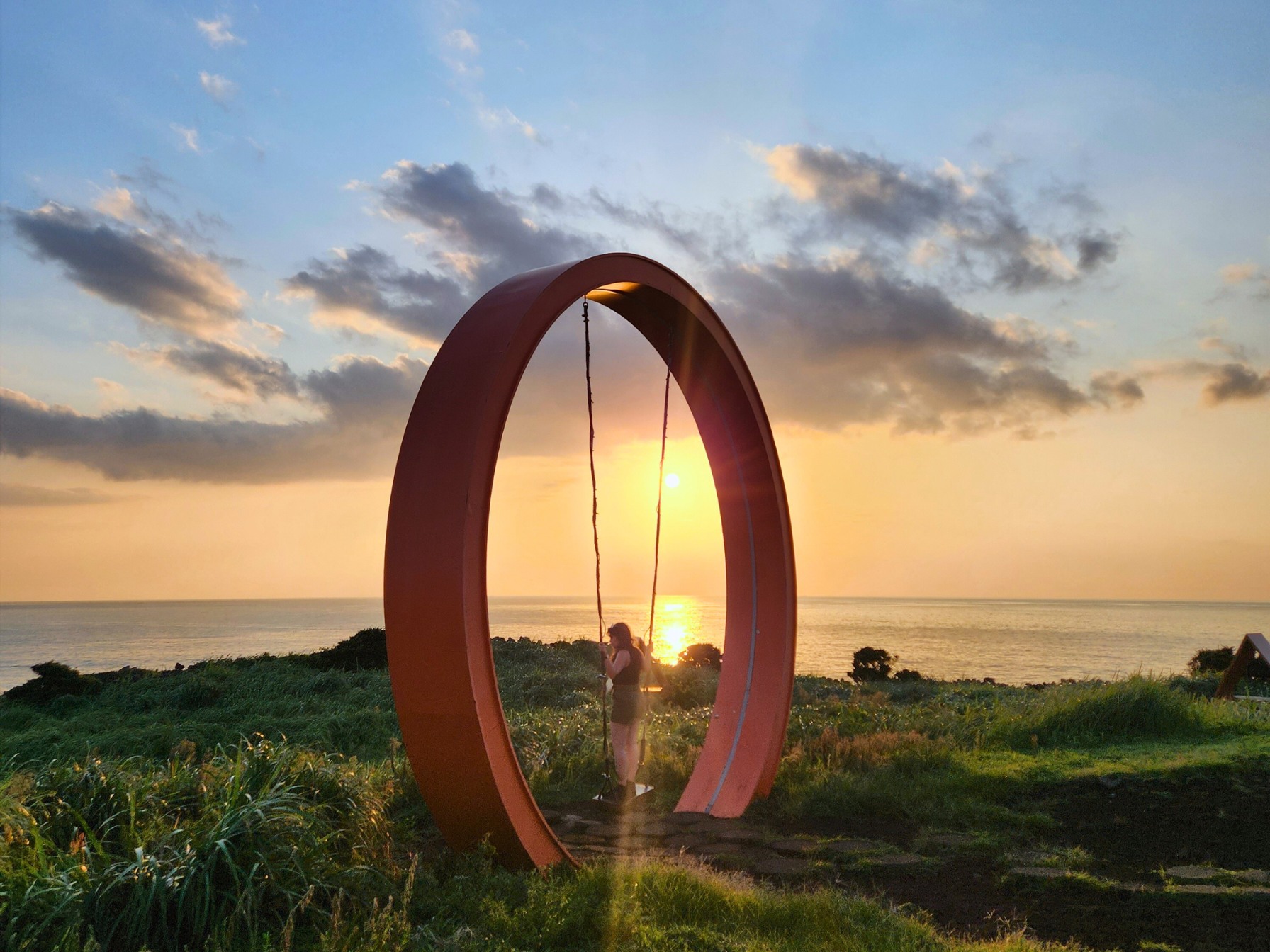
Sinchang Windmill Coastal Road is on the northwest side of Jeju Island and has a distinctive offshore wind farm as a prominent landmark. The white windmills and emerald waters along the winding shoreline are a refreshing example of the autumn landscape and an environmentally friendly way to generate electricity. This road is also one of the most beautiful places to view the sunset from Jeju, so be sure to bring your camera!
You can also find an Ecological Experience Center walking course on the coastal road. The observation deck built midway along the walking course is a convenient place to rest and enjoy the view. Walk along the Sinchang Windmill Coastal Road and leave with many pleasant memories, and of course a photo or two!
2
The scenery of setting sun at this volcanic cone is comparable to the view of the sunset at Sarabong Volcanic Cone. At the observatory located at the peak of Suwolbong Peak, visitors can see Chagwido Island, Songaksan Mountain, Dansan Mountain, and Jukdo Island in one glance, and can even observe Sarabong with binoculars. Suwolbong holds a legend called Nokdumul that tells of a story of a brother and sister’s love for their parents. According to the legend, the siblings, Nokgo and Suwol, were collecting 100 different herbs to cure their mother’s sickness, but weren’t able to find the last herb, Acanthopanax senticosus. When they learned that the last herb grew on Suwolbong Peak’s cliff, Suwol, the sister, climbed the cliff to harvest it.
3
The Yongmeori Coast got its name because the beach looks like a dragon that is jumping into the ocean with its head raised (“Yong” means dragon and “Meori” means head in Korean).Yongmeori is a sandstone bed created by layers of sand that have been deposited for tens of millions of years. The mysterious scenery of the coast is enough to make anyone who witnesses it exclaim in wonder.At the foot of the coast is a Hamel Monument. This monument was established by the Embassy of the Netherlands and the Korean Foundation on April 1st, 1980 to strengthen the diplomatic ties between Korean and the Netherlands, as well as to commemorate the dedication and hard work of Hendrick Hamel
4
Sagye Beach is a combination of rocks and beaches formed by volcanic activity. It is a famous photo spot in Jeju.
5
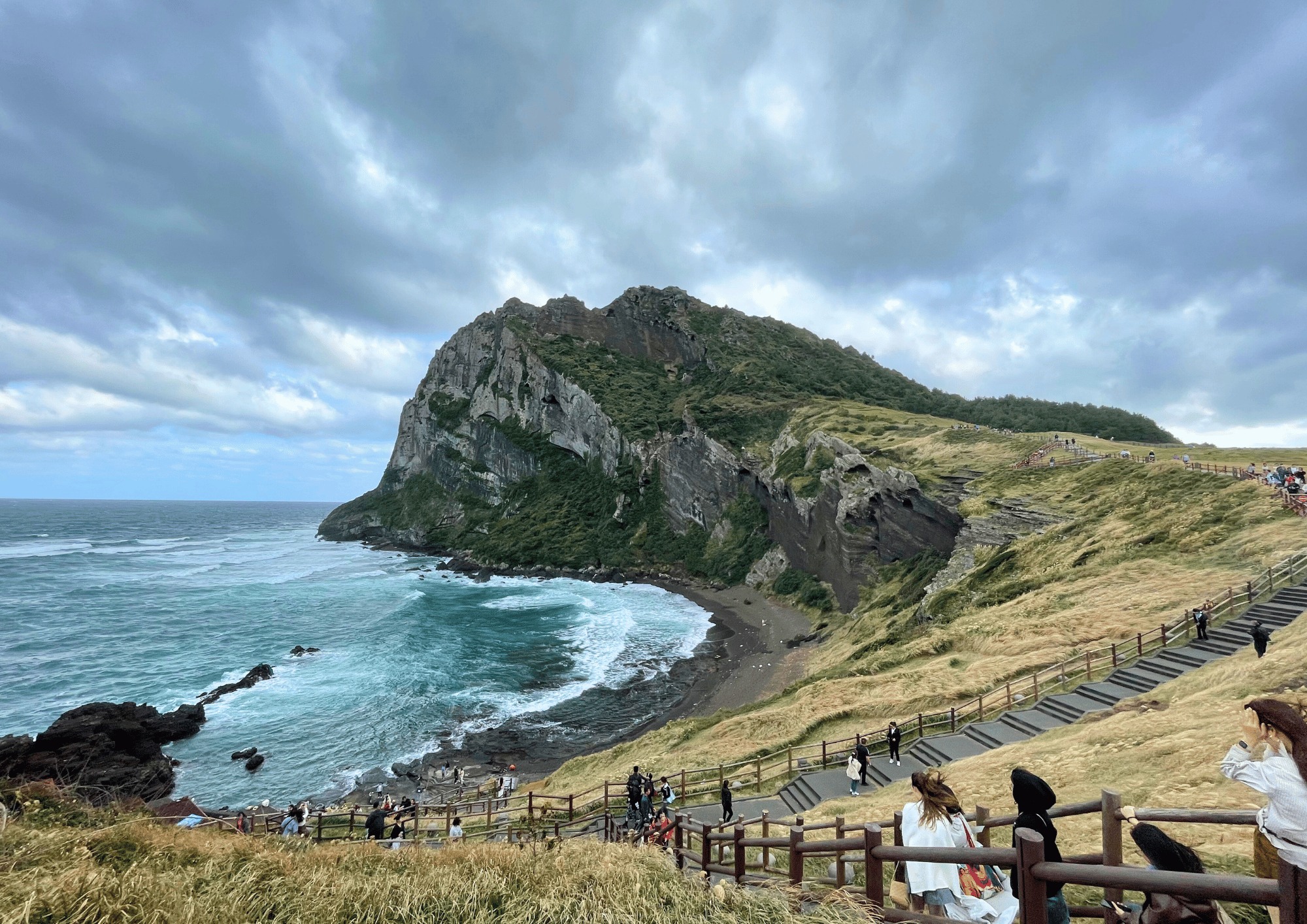
Consisting of a cinder cone in the middle of the crater and its tuff ring, Songaksan Mountain’s peak, which can also be considered as its mouth, has a depth of 69m and has completely preserved its active form.While it was previously unknown to visitors outside of those with archaeological reasons, recently it has become part of a well-known tour course and now many narrow paths lead to it.Songaksan Mountain was used as Japan’s forward operating base during its invasion of China, the last line of defense during the final hours of WWII. Ruins of airfields, hangars, and anti-aircraft artillery are scattered throughout, with 15 coastal trenches below the coastal cliff, four or five of which have naturally decomposed and pose falling hazards.
6
Stop 6
Osulloc Tea Museum, which is adjacent to the Seogwang tea field in Jeju, is the first tea museum in Korea opened in 2001 by AMOREPACIFIC to introduce and widely disseminate tea and Korean traditional tea culture. It is a cultural space that harmonizes East and West, tradition and modernity, and consists of a tea museum, a nature-friendly rest area, and a cafe space where you can enjoy delicious and diverse menus using tea.
What's not included
Lunch / Personal Expenses / Food and Drinks
Gratuities are recommended, but not compulsory
Available languages
Guide guide
EN
ZH-CN
Important information
Suitable for all physical fitness levels
About Jeju Island
Jeju Island, a volcanic island off the coast of the Korean Peninsula, is known for its stunning natural landscapes, unique cultural heritage, and mild climate. It's a UNESCO World Heritage site, offering a mix of volcanic landscapes, lush greenery, and beautiful beaches, making it a perfect destination for nature lovers and adventure seekers.
Top Attractions
Hallasan Mountain
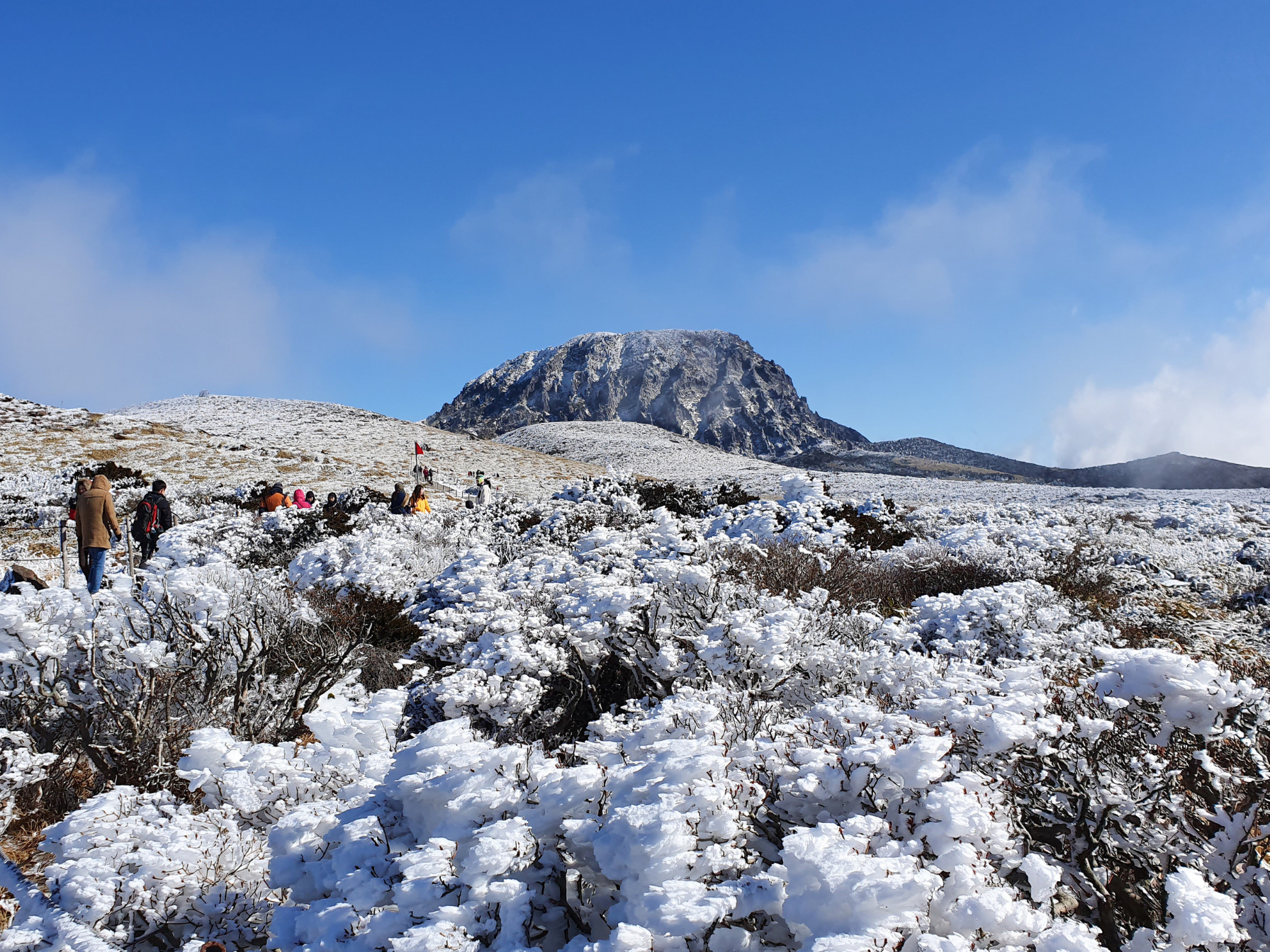
Hallasan is a dormant volcano and the highest mountain in South Korea, offering stunning views and diverse ecosystems. It's a UNESCO World Heritage site and a great spot for hiking and nature lovers.
Nature
Half day to full day
Free
Jeju Loveland
An adult-themed amusement park with sculptures and exhibits focused on human sexuality and relationships. It's a unique and educational experience for adults.
Entertainment
2-3 hours
KRW 12,000
Manjanggul Cave
A UNESCO World Heritage site, Manjanggul is one of the longest lava tubes in the world. It offers a fascinating glimpse into the volcanic history of Jeju Island.
Historical
1-2 hours
KRW 2,000
Seongsan Ilchulbong (Sunrise Peak)
A tuff cone volcano known for its stunning sunrise views. The hike to the top is relatively easy and offers breathtaking panoramic views of the island.
Nature
1-2 hours
KRW 2,000
Jeju Folk Village
A living museum showcasing the traditional life and culture of Jeju Island. Visitors can see traditional houses, costumes, and learn about the island's history and customs.
Cultural
2-3 hours
KRW 6,000
Must-Try Local Dishes
Black Pork (Heukdwaeji)
Jeju Island's black pork is known for its tender and flavorful meat. It's often grilled or used in various dishes like stews and soups.
Main Course
Contains pork, not suitable for vegetarians or vegans
Haemul Pajeon (Seafood Pancake)
A savory pancake made with a variety of fresh seafood, vegetables, and a crispy batter. It's a popular dish in coastal regions and pairs well with soju.
Appetizer
Contains seafood, may contain gluten
Gogiguksu (Oyster Rice)
A local specialty made with fresh oysters and rice, often served with a savory broth. It's a comforting and hearty dish.
Main Course
Contains seafood, may not be suitable for those with shellfish allergies
Jeju Mandu (Dumplings)
Jeju-style dumplings are larger and more flavorful than their mainland counterparts. They can be steamed, boiled, or fried and are often filled with pork, vegetables, and seafood.
Appetizer/Snack
May contain pork or seafood, may not be suitable for vegetarians or vegans
Popular Activities
Hiking
Scuba diving
Snorkeling
Surfing
Paragliding
Beach relaxation
Spa treatments
Tea tasting
Best Time to Visit
April to June, September to October
These months offer pleasant weather with mild temperatures and less rainfall, making it ideal for outdoor activities and sightseeing. The cherry blossoms in spring and the autumn foliage are particularly beautiful.
15°C to 25°C
59°F to 77°F
Practical Information
Language
- Official: Korean
- Widely spoken: English, Japanese, Chinese
- English: Moderately spoken in tourist areas, limited elsewhere
Currency
South Korean Won (KRW)
Time Zone
GMT+9
Electricity
220VV, 60HzHz
Safety Information
Overall Safety Rating: Generally safe
Jeju Island is generally safe for travelers, with low crime rates and a welcoming atmosphere. However, it's always important to exercise common sense and take precautions to ensure a safe and enjoyable trip.
Important Precautions:
- • Keep valuables secure and out of sight
- • Be cautious when using ATMs, especially at night
- • Avoid unlicensed taxis and tour services
Getting there
By air
- Jeju International Airport • 7 km from Jeju City center
By bus
Jeju Intercity Bus Terminal
Getting around
Public transport
The bus system in Jeju Island is efficient and covers most of the island. There are express buses, local buses, and airport buses.
Taxis
Available • Apps: KakaoTaxi, T-Money
Rentals
Car, Bike, Scooter
Neighborhoods
Jeju City
Seogwipo
Aewol
Day trips
Udo Island
10 km from Jeju City • Half day to full day
Udo Island is a small, picturesque island known for its beautiful beaches, scenic views, and unique volcanic landscapes. It's a popular spot for relaxation, hiking, and water activities.
Seongsan Ilchulbong (Sunrise Peak)
20 km from Jeju City • Half day
A tuff cone volcano known for its stunning sunrise views. The hike to the top is relatively easy and offers breathtaking panoramic views of the island.
Manjanggul Cave
15 km from Jeju City • Half day
A UNESCO World Heritage site, Manjanggul is one of the longest lava tubes in the world. It offers a fascinating glimpse into the volcanic history of Jeju Island.
Festivals
Jeju Fire Festival • March 1-3
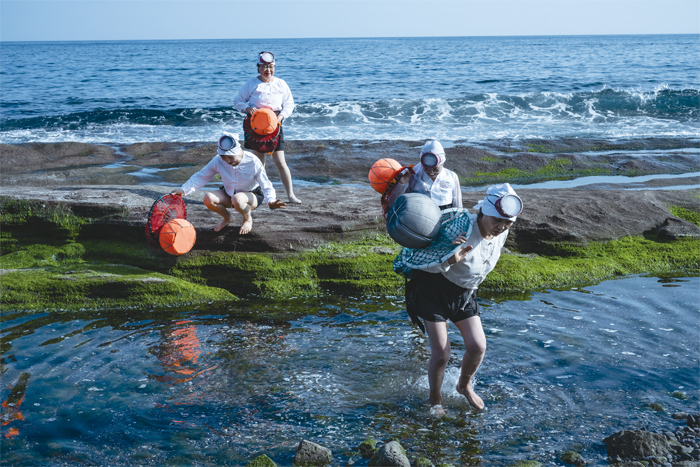
Jeju Haenyeo (Women Divers) Festival • May 31 - June 2
Jeju Olle Culture Festival • October 1-7
Pro tips
- Rent a car for flexibility and to explore the island at your own pace
- Try local specialties like black pork, seafood, and Jeju tea
- Visit popular attractions early in the morning or late in the afternoon to avoid crowds
- Pack layers and be prepared for various weather conditions, especially in the mountains
- Learn a few basic Korean phrases to enhance your travel experience and interact with locals
From $25
per person
Price varies by option
Secure booking
Free cancellation available
Instant confirmation



![[For Cruise Guests] Jeju Shore Excursion Day Tour](https://res.klook.com/image/upload/activities/t6dzgpom376spoczw0e6.jpg)