Jeju island Private UNESCO Tour - For Cruise customer
Active
6h - 8h
For a full refund, cancel at least 24 hours before the scheduled departure time.
Instant confirmation
Mobile or paper ticket accepted
About this experience
Discover UNESCO Heritage Sites, the unique mountain landscape and lava tube with beautiful scenery far from the city and one of the most famous UNESCO sites in Jeju Island. Take a comfortable full day private tour service as you enjoy a hassle-free journey to the UNESCO Heritage Sites and folk village.
The itinerary may change depending on the Cruise Boarding time.
Customers Starting at the Jeju Cruise Terminal , Go to Jeju Haenyeo Museum / Woljeongri Beach Or Hamduck Beach/ Dongmun Market / Seongsan ilchulbong / Seongeup Folkviage
Customers Starting at the Seogwipo City Gangjeong Cruise Terminal , Go to Jeongbang Waterfall / Oedolgae & Hwanguji Coast / Gwangchigi Beach / Seongsan ilchulbong / Olle Market
**Depending on the season, it can be replaced as a flower viewing spot when flowers bloom.
Available options
Regular Taxi Tour
Regular taxi <br/>Pickup included
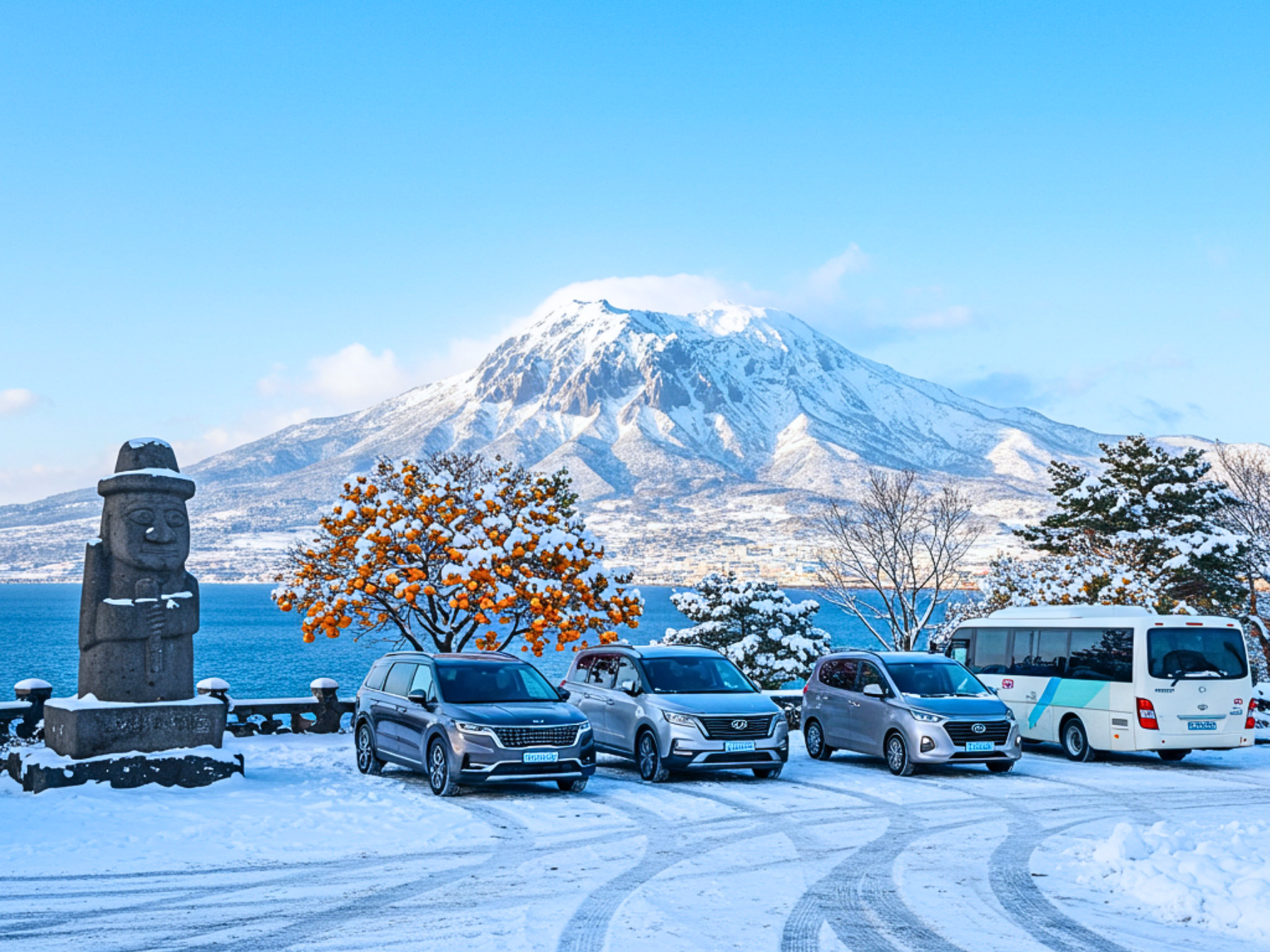
Jumbo Taxi / Minivan Tour
Jumbo Taxi / Mini-Van<br/>Pickup included
Mini-BUS Tour
mini-bus <br/>Pickup included
What's included
speak simple english / chinese / japanese Driver/ Korean Driver
Insurance included and Driver Lunch
we offer pick-up and drop-off services from Jeju Cruise Terminal located in Jeju City downtown
we offer pick-up and drop-off services from Gangjeong Cruise Terminal located in Seogwipo City
Regular Taxi / Jumbo Taxi /Minivan/ Mini-Bus , The fuel and parking fees are included in the price
Detailed itinerary
1
A : Starting Point at JEJU Cruise Terminal (Near Jeju Airport)
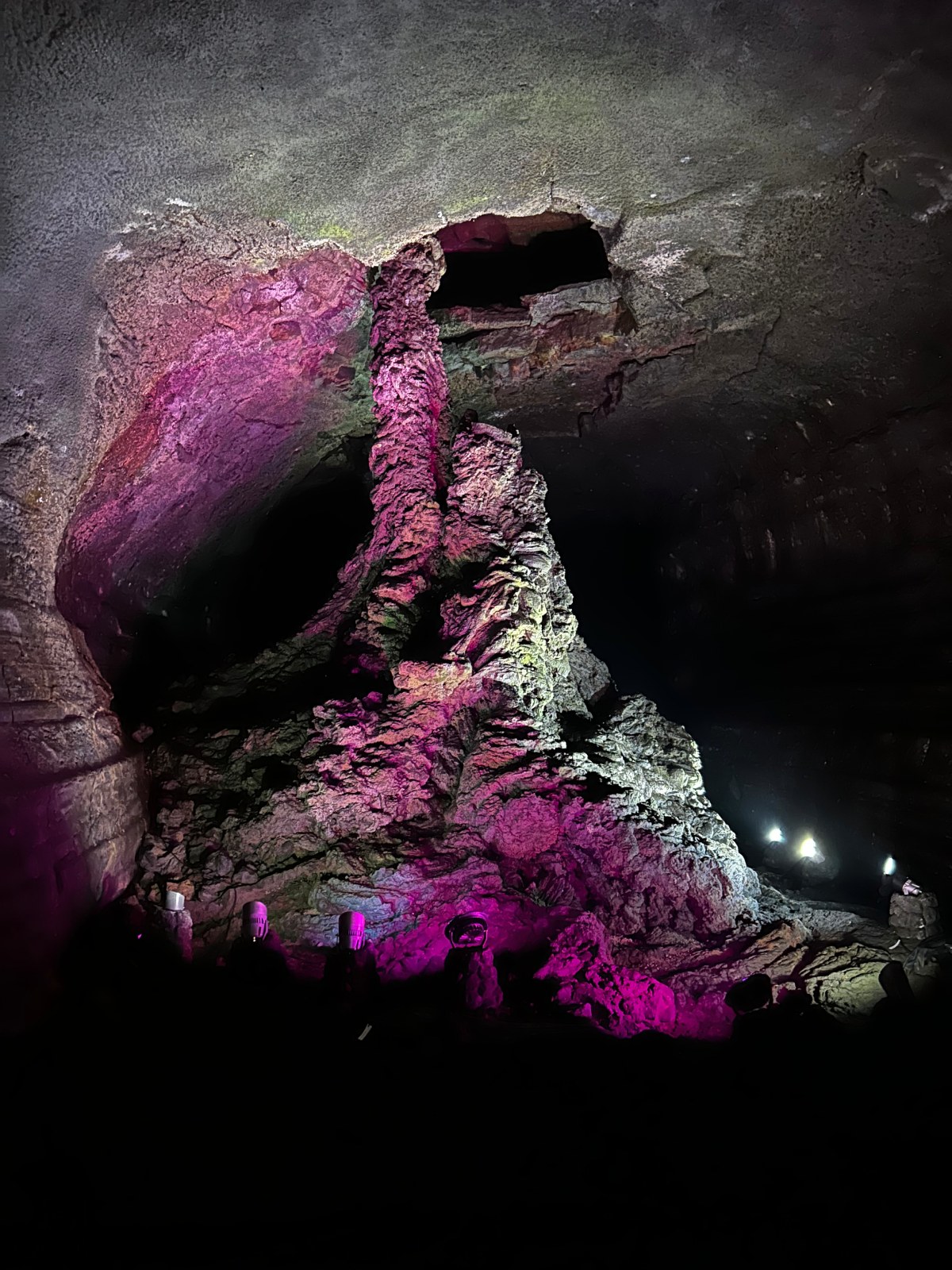
Stop At : Manjanggul Cave, 182, Manjanggul-gil, Jeju, Jeju Island South KoreaUNESCO Heritage.
Duration: 1 hour 10 minutes
From JEJU Cruise Terminal to Manjanggul Cave 40min~50min
2
A : Starting Point at JEJU Cruise Terminal (Near Jeju Airport)
Stop At: Woljeongri Beach, 33-3, Woljeong-ri, Gujwa-eup, Jeju, Jeju Island South KoreaWoljeongri Beach is known for its scenery, tranquil white sand and beautiful emerald ocean. Near the beach, a stretch of cozy and beautiful cafes align the streets.
Duration : 30 minutes
From Manjanggul Cave to Woljeongri Beach 15min
3
A : Starting Point at JEJU Cruise Terminal (Near Jeju Airport)
Pass By: Haenyeo Museum, 3204-1 Hado-ri, Gujwa-eup, Jeju, Jeju Island 695-976 South KoreaIn case of closing of Manjanggul Lava Tube (the first Wednesday of every month) Jeju Haenyeo Museum will be alternative tour course“Haenyeo”.
This is the word to refer those female divers who works especially under the sea in Korea. They gather seaweed, abalone, octopus, clams, sea urchin and other sea products. This word has meaning something special melting in their life beyond description itself as just a kind of job. In recent time, we are able to see them in Jeju Island only, far away one hour by airplane from the capital Seoul in Korea.
4
Stop 4
A : Starting Point at JEJU Cruise Terminal (Near Jeju Airport)
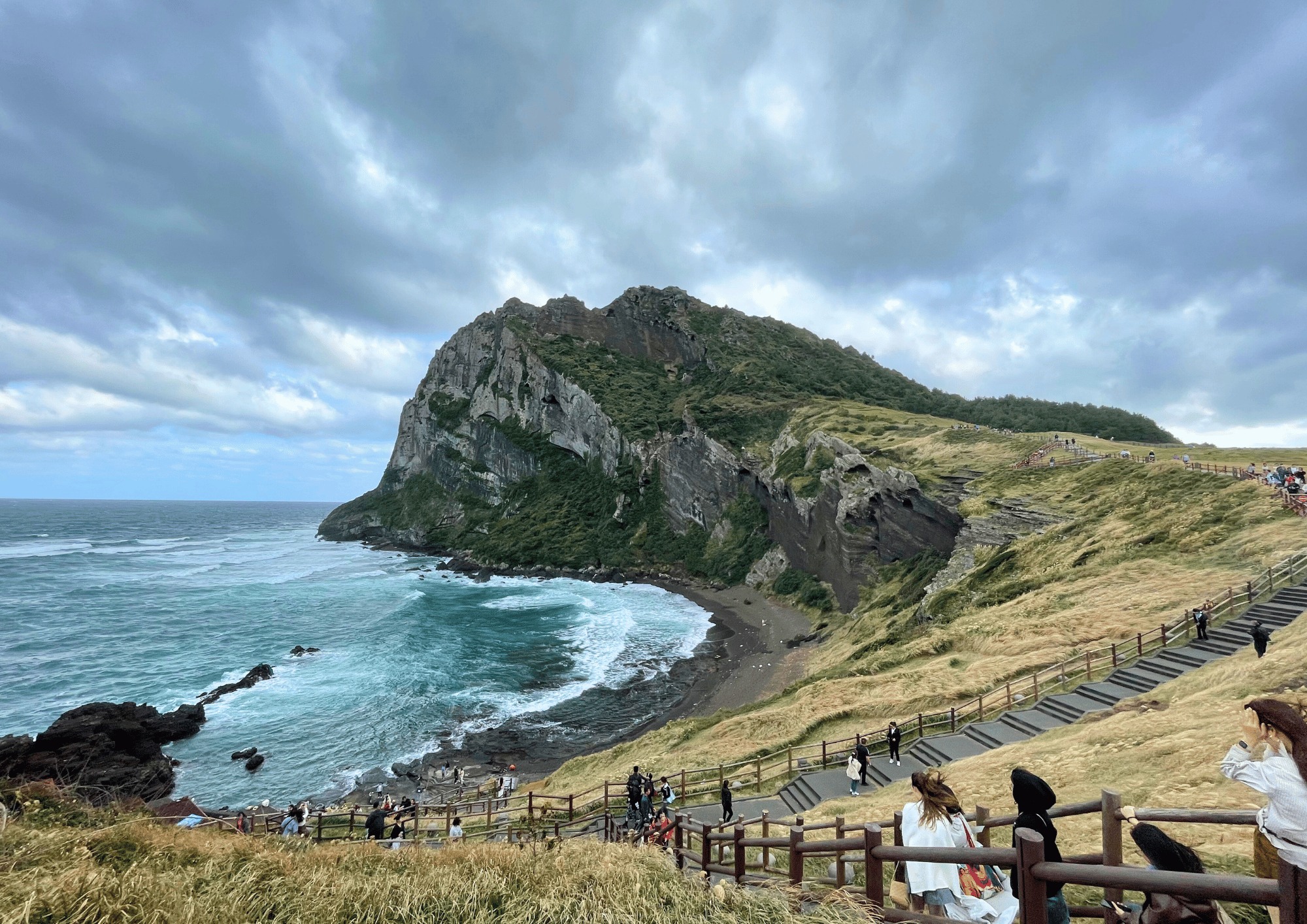
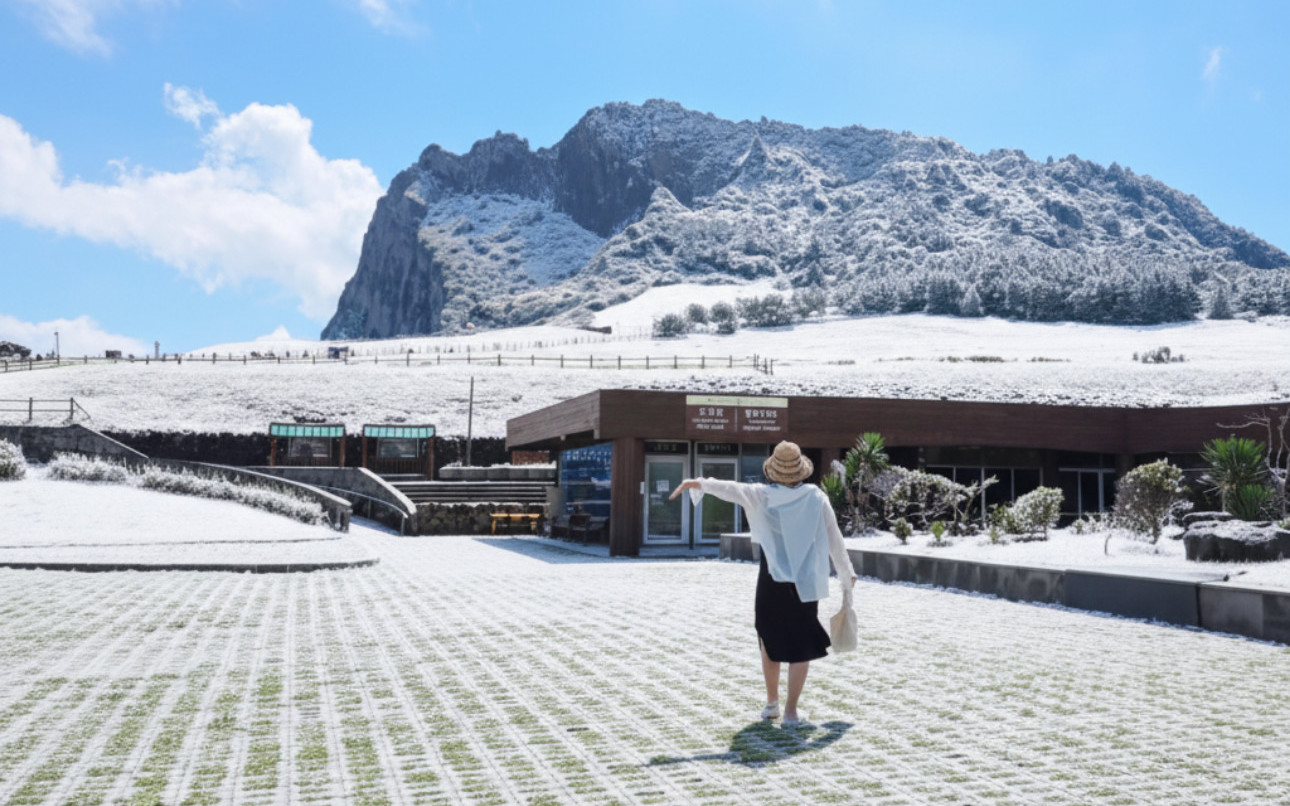
Stop At: Seongsan Ilchulbong, 104 Seongsan-ri, Seongsan-eup, Seogwipo, Jeju Island South KoreaIncluding Women Diver Show Seongsan Ilchulbong, also called ‘Sunrise Peak’, is an archetypal tuff cone formed by hydrovolcanic eruptions upon a shallow seabed about 5 thousand years ago. Situated on the eastern seaboard of Jeju Island and said to resemble a gigantic ancient castle, this tuff cone is 182 meters high, has a preserved bowl-like crater and also displays diverse inner structures resulting from the sea cliff. Duration: 1 hour 10 minutes
From Woljeongri Beach to Seongsan ilchulbong 40min
5
A : Starting Point at JEJU Cruise Terminal (Near Jeju Airport)
Stop At:The entire village, which preserves the living site of the people of old Jeju, has been designated as an Important Folklore Cultural Heritage. Though it can be considered a folk village of sorts, it differs from regular folk villages in that people still live in it to this day. The village residents act as volunteer guides to offer visitors all sorts of information. The Saw-leaf Zelkova and Japanese hackberry in the center of the village are worth taking time to see.
Duration : 20min
From Seonsan ilchulbong to Seongeup Folk Village 25min
6
Stop 6
Pass by
A : Starting Point at JEJU Cruise Terminal (Near Jeju Airport)
Stop At : Sangumburi Crater differs from the 360 or more parasitic cones of Jeju in that it was not formed when the materials ejected from the eruption stacked.Instead, it is a maar-type parasitic cone that was formed as a crater with a hole in it when many materials were ejected.The inner area is 300,000㎡, while the interior bottom circumference is 756m, and the exterior circumference is 2,070m. Nearly vertical, the crater is approximately 130m tall, making it slightly larger and deeper than Hallasan Mountain.In autumn, when the ridges of Sangumburi Crater are colored gold by waves of silvergrass, the planted cedar becomes the dominate species that take up most of the eastern and western slopes, with Sawtooth oak in the surrounding area.
Duration : 50min
From Seongeup Folk Village to Sangumburi Crater 20min
7
Stop 7
B : Customers Starting at the Seogwipo Gangjeong Port Cruise Terminal
Pass by : One attraction many people choose to visit is Jeongbangpokpo Falls, one of the top three waterfalls on Jeju Island. The water falls 23 meters straight down off the cliff and into a pool before flowing to the sea.
Duration : 30min
From Seogwipo Gangjeong Port Cruise Terminal to Jeongbang Waterfall 30min
8
B : Customers Starting at the Seogwipo Gangjeong Port Cruise Terminal
Pass by : Oedolgae, the starting point of Jeju Olle Trail Course 7, is a stone pillar that rises 20m high from the sea. Standing alone on the sea, it was named ‘Oedolgae’. It is also called ‘General Stone’ and ‘Grandma Rock’, and there is a story that General Choi Yeong decorated this rock like a general when fighting against the Yuan Dynasty and made the enemy self-destruct.
Duration : 30min
9
B : Customers Starting at the Seogwipo Gangjeong Port Cruise Terminal
Pass by : Gwangchigi Beach boasts one of the most pristine and spectacular views along Jeju's coastline. In the distance is Seongsan Sunrise Peak, a UNESCO World Natural Heritage site and jewel of Jeju Island.
In the area are many trendy cafes and restaurants, as well as travel accommodations and fun things to do with the family, like the Aquaplanet Aquarium. It is also where Olle walking trails 1 and 2 connect.
Duration : 20min
10
B : Customers Starting at the Seogwipo Gangjeong Port Cruise Terminal
Pass by : You can see the hidden wonders of a natural beach poolmade by a volcanic island and the emerald lights of the sea.
Duration : 30min
11
You can find the largest seafood market in Jeju-si, a place that includes Sanjicheon Fountain. Dongmun Market Place consists of Dongmun street market, Dongmun traditional market, and Dongmun seafood market. You can buy all different kinds of seasonal fish and pickled fish here, among other things.
12
Seogwipo Olle Market is the largest market in Seogwipo-si and a traditional market that was created spontaneously in the early 1960s. Starting with a 120m arcade in 2001, a total of 620m arcade arcades have been installed to play a pivotal role in Seogwipo's economy.
The parking lot here provides maximum convenience to customers by introducing a 1-hour free parking system, and is equipped with a delivery system that delivers goods to the desired location for free for the convenience of customers who purchase products at the market. It is also equipped with an outdoor performance hall and a park with a fountain for future potential customers, teenagers.
What's not included
LUNCH / Personal Expenses / Food and Drinks
Gratuities are recommended, but not compulsory
Entrance fee
Available languages
Guide guide
KO
JA
EN
ZH-CN
Reviews breakdown
Viator
4.0
7 reviews
5★
5
4★
0
3★
0
2★
1
1★
1
Tripadvisor
4.5
11 reviews
5★
9
4★
0
3★
1
2★
0
1★
1
Important information
Suitable for all physical fitness levels
Customers Starting at the Jeju Cruise Terminal , Go to Manjanggul Cave / Woljeongri Beach / Dongmun Market / Seongsan ilchulbong / Seongeup Folkviage
Customers Starting at the Seogwipo City Gangjeong Cruise Terminal , Go to Jeongbang Waterfall / Oedolgae & Hwanguji Coast / Gwangchigi Beach / Seongsan ilchulbong / Olle Market
The itinerary may change depending on the Cruise Boarding time.
Manjanggul Cave, a World Natural Heritage site, will be closed for safety inspection and internal construction as follows. Suspension of operation 2023.12.29. ~ 2025.08.31. so, replaced by another place.
Meeting point
The driver will wait for you hold your name card at the Cruise Terminal Information Desk
About Jeju Island
Jeju Island, a volcanic island off the coast of the Korean Peninsula, is known for its stunning natural landscapes, unique cultural heritage, and mild climate. It's a UNESCO World Heritage site, offering a mix of volcanic landscapes, lush greenery, and beautiful beaches, making it a perfect destination for nature lovers and adventure seekers.
Top Attractions
Hallasan Mountain
Hallasan is a dormant volcano and the highest mountain in South Korea, offering stunning views and diverse ecosystems. It's a UNESCO World Heritage site and a great spot for hiking and nature lovers.
Nature
Half day to full day
Free
Jeju Loveland
An adult-themed amusement park with sculptures and exhibits focused on human sexuality and relationships. It's a unique and educational experience for adults.
Entertainment
2-3 hours
KRW 12,000
Manjanggul Cave
A UNESCO World Heritage site, Manjanggul is one of the longest lava tubes in the world. It offers a fascinating glimpse into the volcanic history of Jeju Island.
Historical
1-2 hours
KRW 2,000
Seongsan Ilchulbong (Sunrise Peak)
A tuff cone volcano known for its stunning sunrise views. The hike to the top is relatively easy and offers breathtaking panoramic views of the island.
Nature
1-2 hours
KRW 2,000
Jeju Folk Village
A living museum showcasing the traditional life and culture of Jeju Island. Visitors can see traditional houses, costumes, and learn about the island's history and customs.
Cultural
2-3 hours
KRW 6,000
Must-Try Local Dishes
Black Pork (Heukdwaeji)
Jeju Island's black pork is known for its tender and flavorful meat. It's often grilled or used in various dishes like stews and soups.
Main Course
Contains pork, not suitable for vegetarians or vegans
Haemul Pajeon (Seafood Pancake)
A savory pancake made with a variety of fresh seafood, vegetables, and a crispy batter. It's a popular dish in coastal regions and pairs well with soju.
Appetizer
Contains seafood, may contain gluten
Gogiguksu (Oyster Rice)
A local specialty made with fresh oysters and rice, often served with a savory broth. It's a comforting and hearty dish.
Main Course
Contains seafood, may not be suitable for those with shellfish allergies
Jeju Mandu (Dumplings)
Jeju-style dumplings are larger and more flavorful than their mainland counterparts. They can be steamed, boiled, or fried and are often filled with pork, vegetables, and seafood.
Appetizer/Snack
May contain pork or seafood, may not be suitable for vegetarians or vegans
Popular Activities
Hiking
Scuba diving
Snorkeling
Surfing
Paragliding
Beach relaxation
Spa treatments
Tea tasting
Best Time to Visit
April to June, September to October
These months offer pleasant weather with mild temperatures and less rainfall, making it ideal for outdoor activities and sightseeing. The cherry blossoms in spring and the autumn foliage are particularly beautiful.
15°C to 25°C
59°F to 77°F
Practical Information
Language
- Official: Korean
- Widely spoken: English, Japanese, Chinese
- English: Moderately spoken in tourist areas, limited elsewhere
Currency
South Korean Won (KRW)
Time Zone
GMT+9
Electricity
220VV, 60HzHz
Safety Information
Overall Safety Rating: Generally safe
Jeju Island is generally safe for travelers, with low crime rates and a welcoming atmosphere. However, it's always important to exercise common sense and take precautions to ensure a safe and enjoyable trip.
Important Precautions:
- • Keep valuables secure and out of sight
- • Be cautious when using ATMs, especially at night
- • Avoid unlicensed taxis and tour services
Getting there
By air
- Jeju International Airport • 7 km from Jeju City center
By bus
Jeju Intercity Bus Terminal
Getting around
Public transport
The bus system in Jeju Island is efficient and covers most of the island. There are express buses, local buses, and airport buses.
Taxis
Available • Apps: KakaoTaxi, T-Money
Rentals
Car, Bike, Scooter
Neighborhoods
Jeju City
Seogwipo
Aewol
Day trips
Udo Island
10 km from Jeju City • Half day to full day
Udo Island is a small, picturesque island known for its beautiful beaches, scenic views, and unique volcanic landscapes. It's a popular spot for relaxation, hiking, and water activities.
Seongsan Ilchulbong (Sunrise Peak)
20 km from Jeju City • Half day
A tuff cone volcano known for its stunning sunrise views. The hike to the top is relatively easy and offers breathtaking panoramic views of the island.
Manjanggul Cave
15 km from Jeju City • Half day
A UNESCO World Heritage site, Manjanggul is one of the longest lava tubes in the world. It offers a fascinating glimpse into the volcanic history of Jeju Island.
Festivals
Jeju Fire Festival • March 1-3
Jeju Haenyeo (Women Divers) Festival • May 31 - June 2
Jeju Olle Culture Festival • October 1-7
Pro tips
- Rent a car for flexibility and to explore the island at your own pace
- Try local specialties like black pork, seafood, and Jeju tea
- Visit popular attractions early in the morning or late in the afternoon to avoid crowds
- Pack layers and be prepared for various weather conditions, especially in the mountains
- Learn a few basic Korean phrases to enhance your travel experience and interact with locals
From $25
per person
Price varies by option
Secure booking
Free cancellation available
Instant confirmation


![[For Cruise Guests] Jeju Shore Excursion Day Tour](https://res.klook.com/image/upload/activities/t6dzgpom376spoczw0e6.jpg)