Private Full Day Seoul City Tour and N Tower Cable Car
Active
7h - 9h
For a full refund, cancel at least 24 hours before the scheduled departure time.
Instant confirmation
Mobile or paper ticket accepted
About this experience
Enjoy a private Seoul tour with an experienced guide! (Min. 2 people departure)
This program has been changed to a private tour starting from November 1. Reservations made before October 31 do not include lunch.
Explore Seoul's famous attractions. You can experience the beauty of Korea, including Gyeongbokgung Palace, Bukchon Hanok Village, N Tower Cable Car, Insa-dong, and Gwangjang Market street food.
1. Full-day guided tour of Seoul (English Speaker)
2. Gyeongbok Palace
2. Bukcheon Hanok village and Insadong
3. N Tower cable car (No observatory)
4. Gwangjang Market
5. Admission tickets are included.
6. Hotel Pick up & Drop off is included
7. Min. 2 people departure!
Available options
Private Full Day Seoul City Tour and N Tower Cable Car
Pickup included
What's included
Reservations made before October 31 do not include lunch
This program has been changed to a private tour starting from November 1.
Air-conditioned vehicle
Guide (English speaker)
Admission fee (Inc. N tower cable car) / No observatory
Detailed itinerary
1
Stop 1
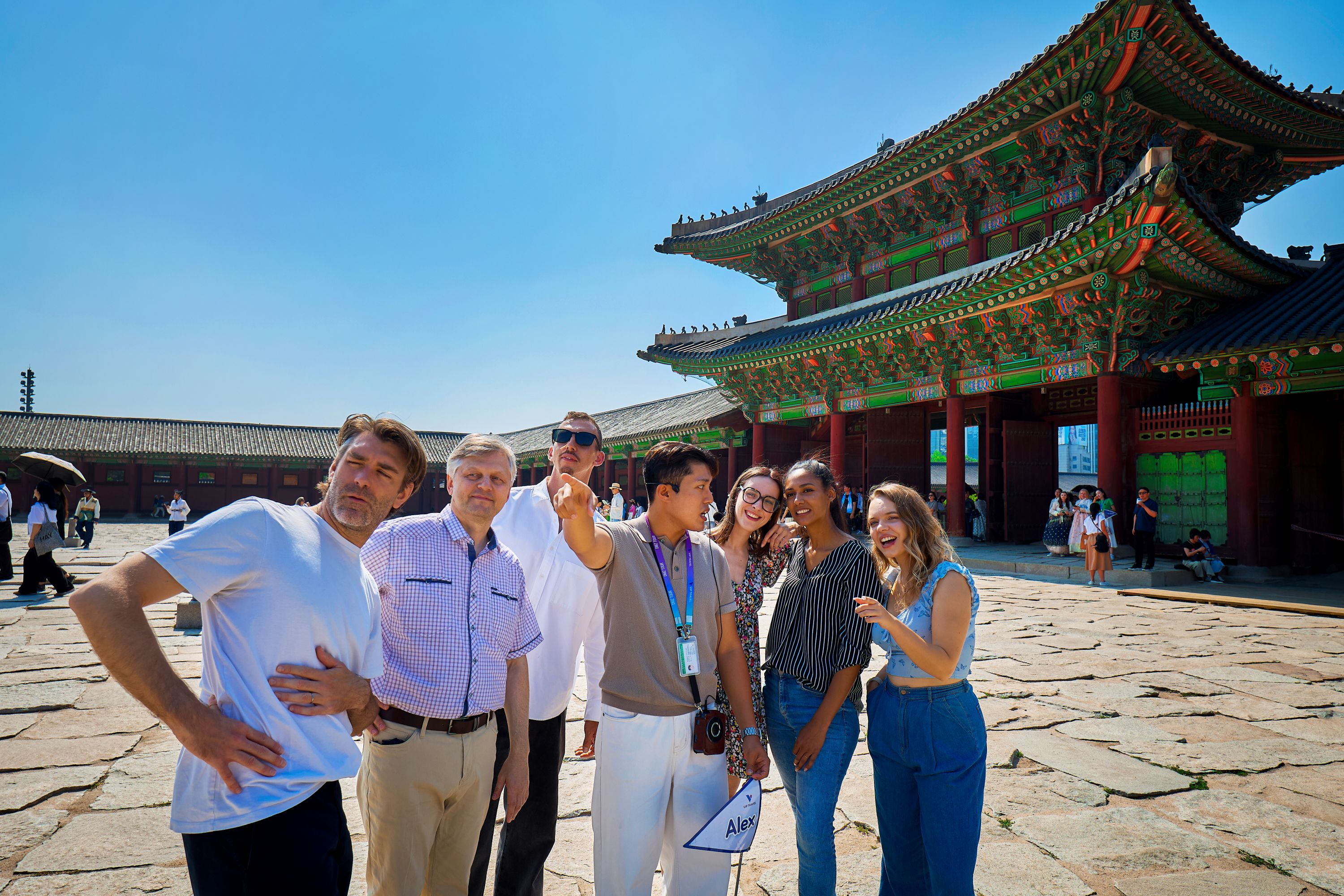
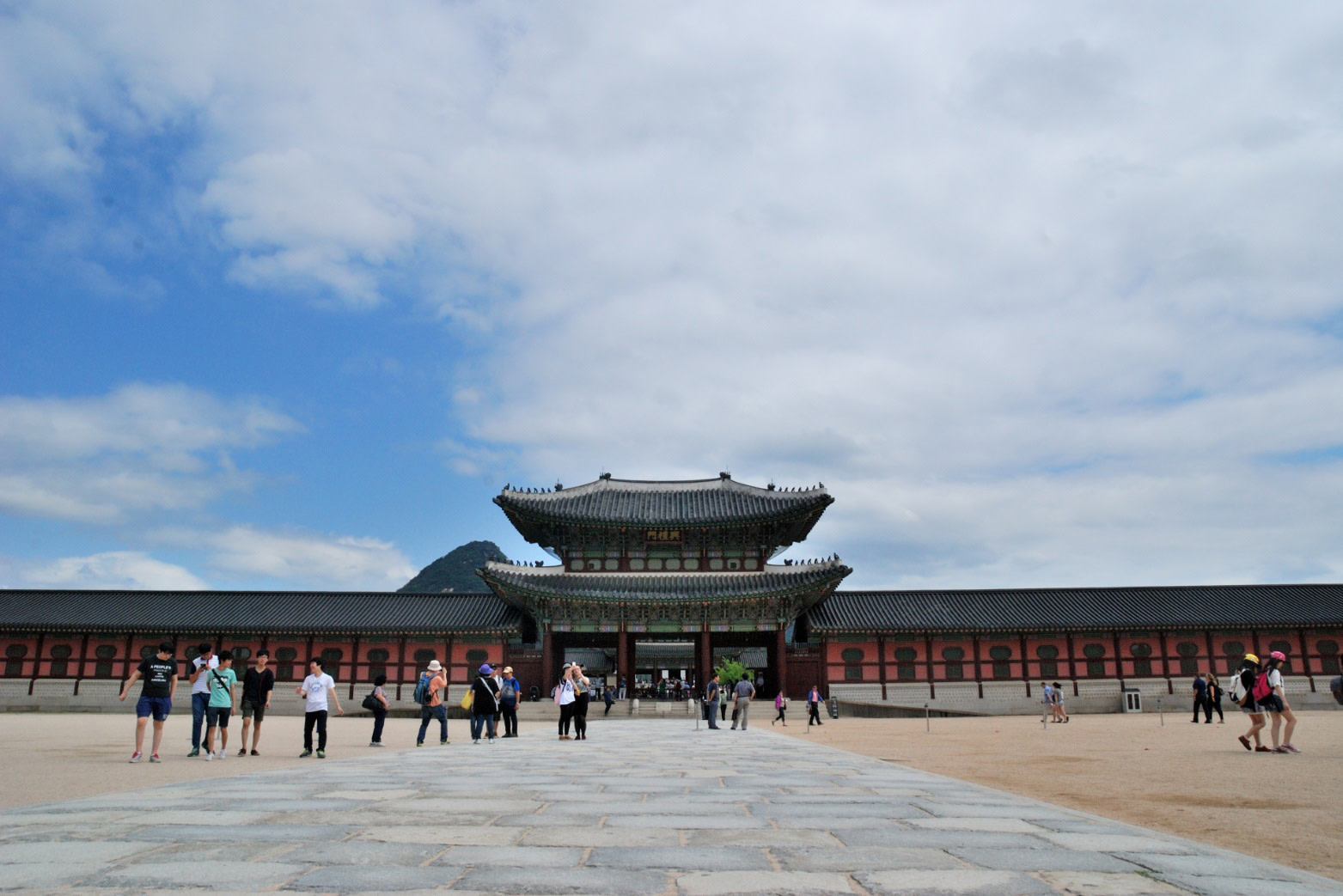
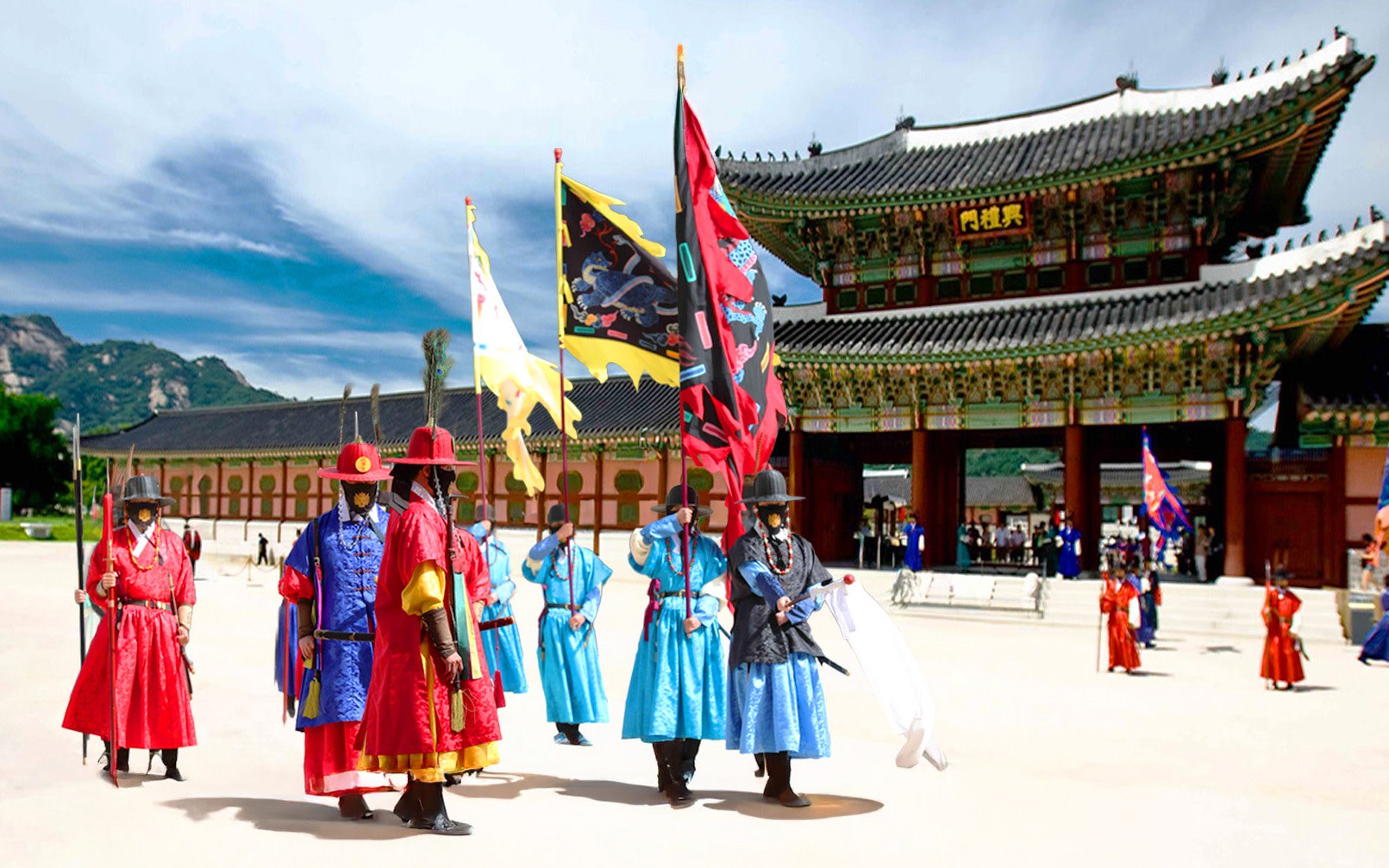
Gyeongbokgung Palace was built as the official palace of the Joseon dynasty by Yi Seong-gye, who becomes King Taejo and the founder of the new regime. Gyeongbokgung Palace is commonly referred to as the Northern Palace because its location in the north of Changdeokgung Palace in the east and Gyeonghuigung Palace in the west. Gyeongbokgung Palace is arguably the most beautiful and is the largest of all five palaces. Many Joseon kings were crowned here, including the 2nd King Jeongjong, 4th King Sejong, 6th King Danjong, 7th King Sejo, 9th King Seongjong, 11th King Jungjong, and the 13th King Myeongjong. The premises were once destroyed by fire during the Imjin War (1592-1598). However, all of the palace buildings were later restored under the leadership of Heungseondaewongun during the reign of King Gojong. The assassination of Empress Myeongseong, however, resulted in Gyeongbokgung Palace losing its function as a royal palace, eventually witnessing the downfall of the Joseon dynasty.
2
Stop 2
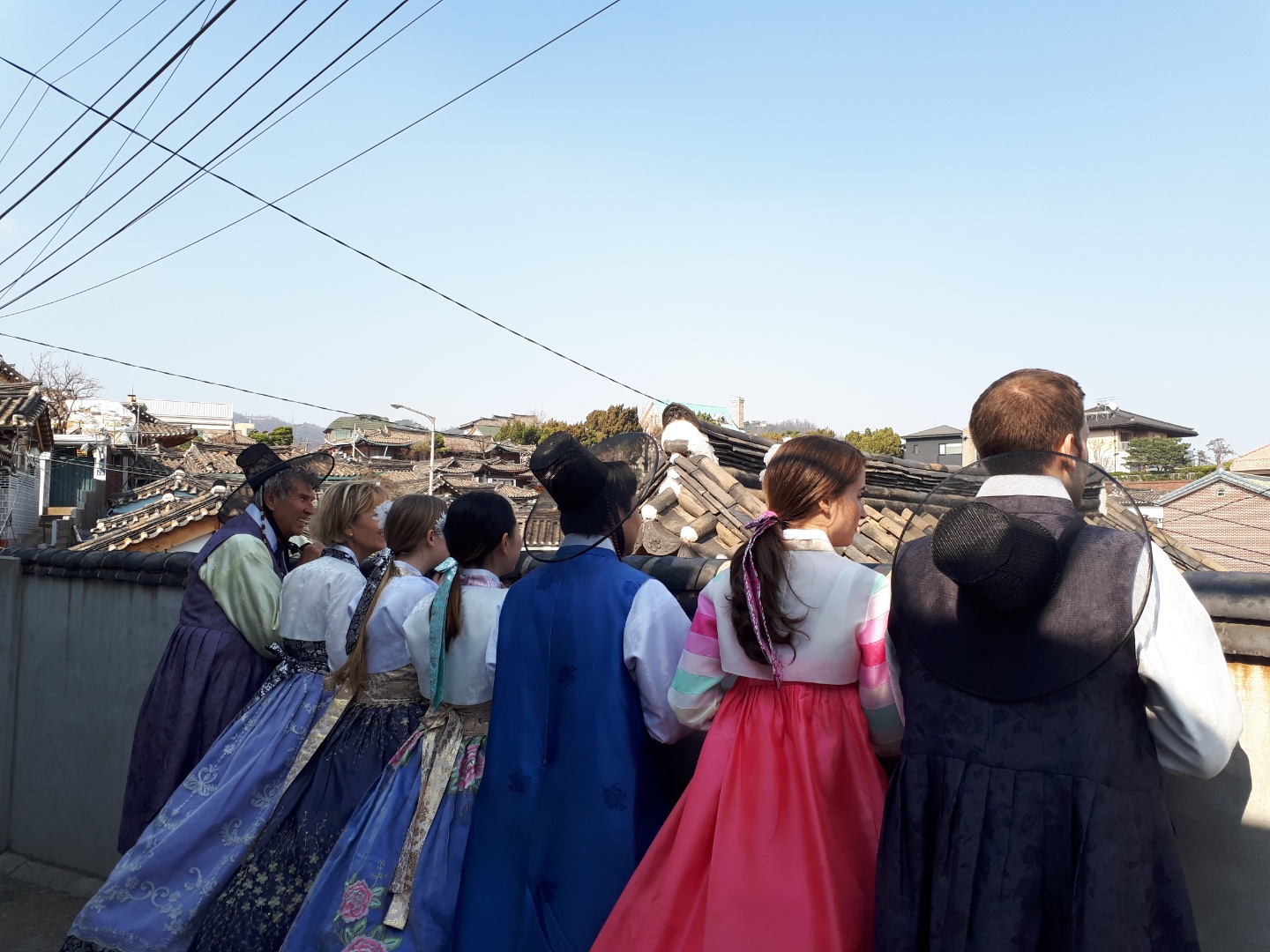
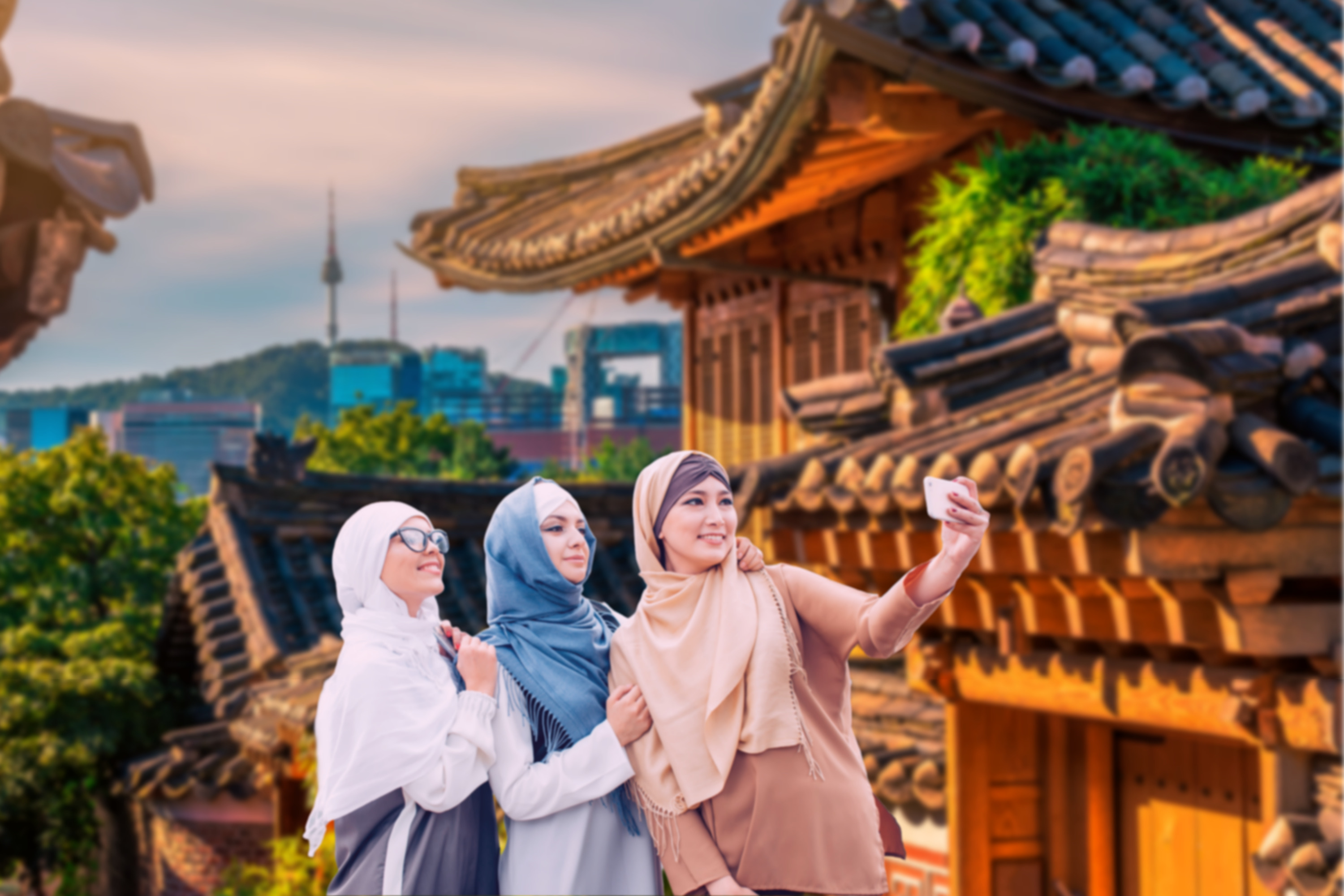
Surrounded by Gyeongbokgung Palace, Changdeokgung Palace and Jongmyo Shrine, Bukchon Hanok Village is home to hundreds of traditional houses, called hanok, that date back to the Joseon dynasty. The name Bukchon, which literally translates to "northern village," came about as the neighborhood lies north of two significant Seoul landmarks, Cheonggyecheon Stream and Jongno. Today, many of these hanoks operate as cultural centers, guesthouses, restaurants and tea houses, providing visitors with an opportunity to experience, learn and immerse themselves in traditional Korean culture. As Bukchon Hanok Village is an actual neighborhood with people's homes, visitors are advised to be respectful at all times while looking around.
3
Stop 3
Insa-dong, located in the heart of the city, is an important place where old but precious traditional goods are on display. There is one main road in Insa-dong with alleys on each side. Within these alleys are galleries, traditional restaurants, teahouses, and cafes.
The galleries are the heartbeat of Insa-dong. There are about 100 galleries in the area offering every example of traditional Korean fine art from paintings to sculptures. The most famous galleries are Hakgojae Gallery, which functions as the center of folk art, Gana Art Gallery, which promotes many promising artists, and Gana Art Center.
The teahouses and restaurants are the perfect complement to the galleries. They are hidden deep within the twisting alleyways, making it feel like a treasure hunt. The shops in Insa-dong are very popular among all age groups, because each one is unique.
4
Stop 4
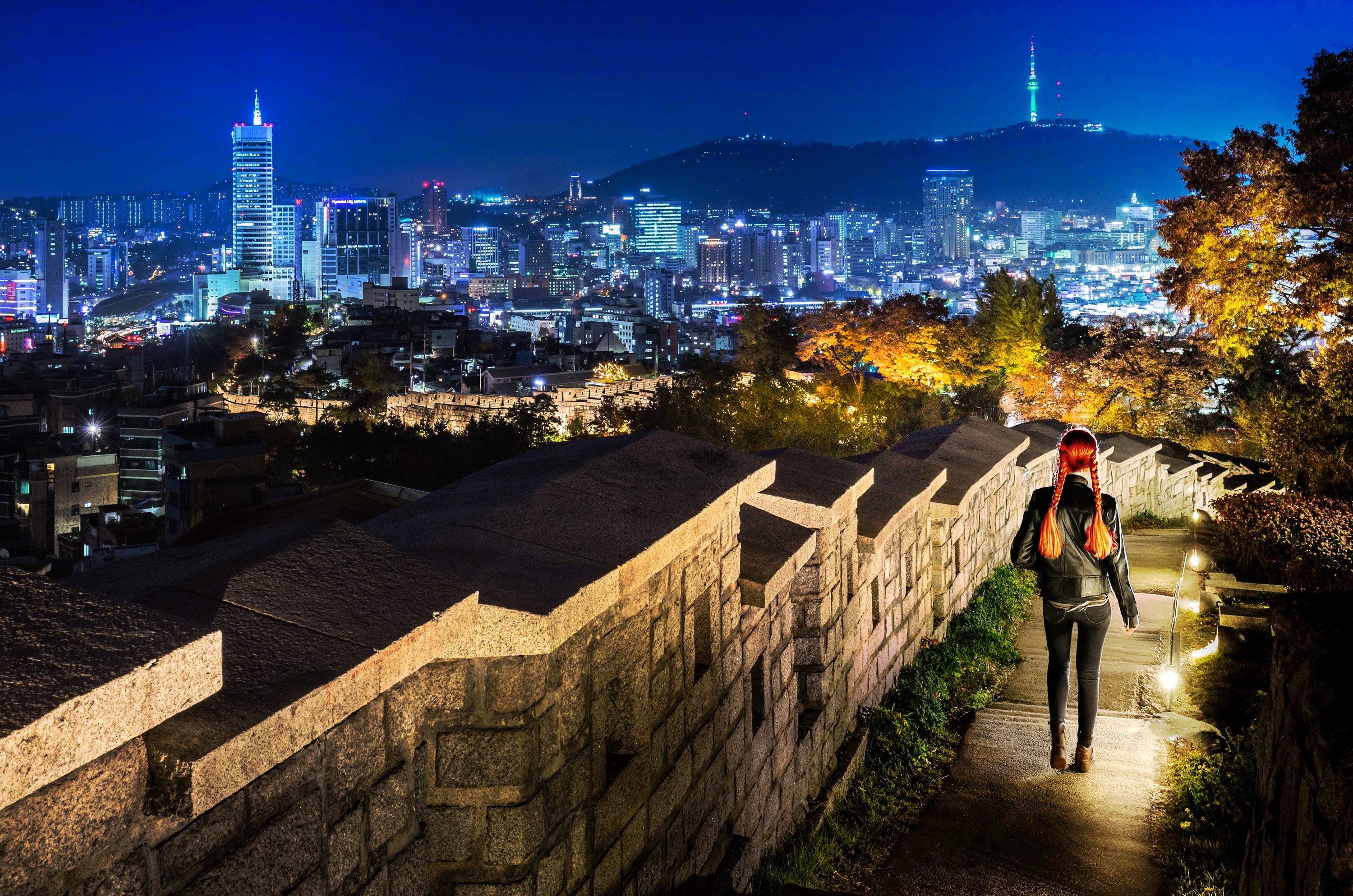
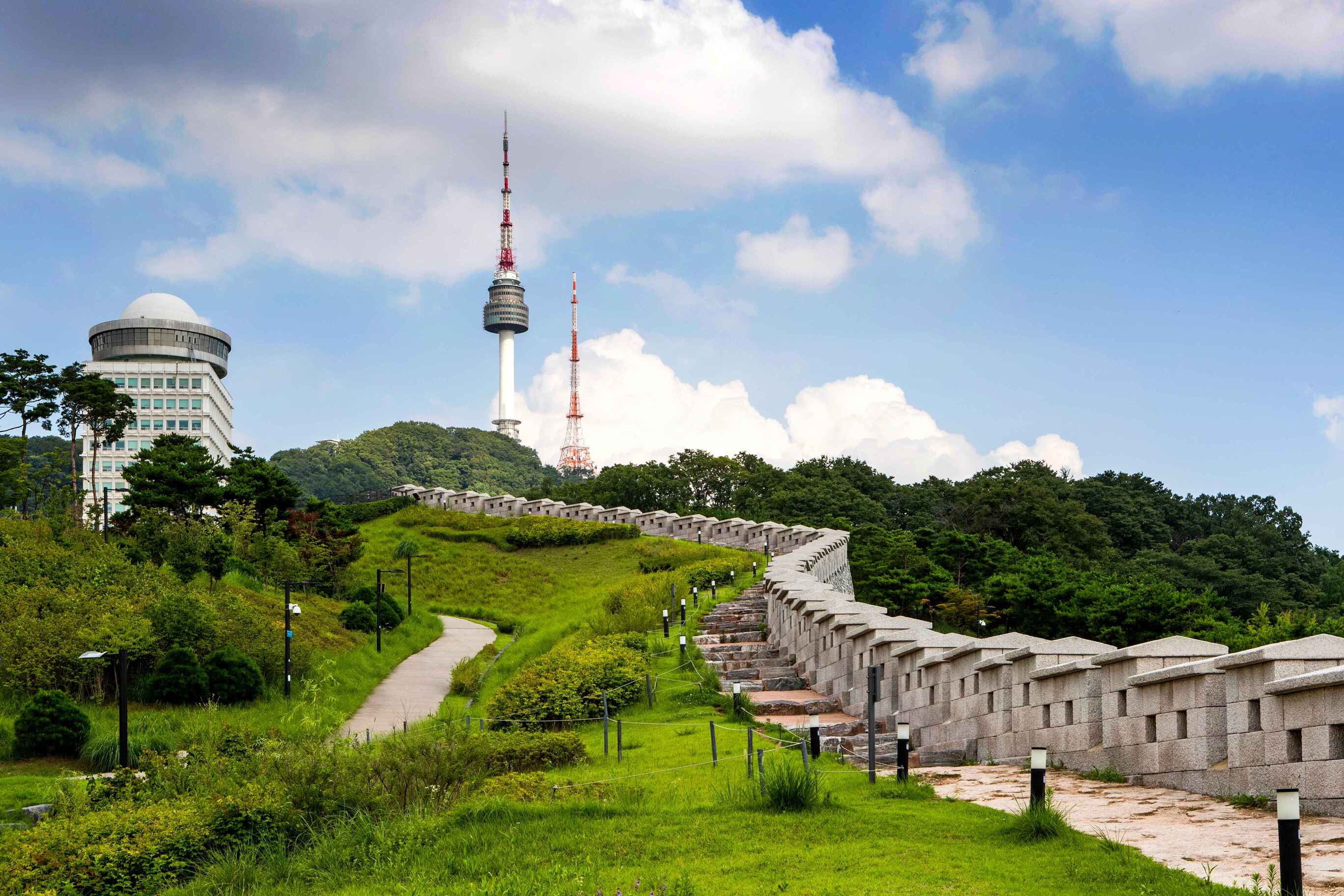
Namsan Seoul Tower was the first multipurpose tower to be established in Korea, effectively incorporating a sightseeing observatory to a broadcasting tower. For the past 40 years, Namsan Seoul Tower has served as an iconic landmark of Korea and a representative tourist attraction. The tower's observatory offers an unobstructed view of the whole city, allowing it to become one of the all-time favorite attractions of Seoul citizens as well as domestic and international tourists. Another highlight of the tower is the Namsan Cable Car. The cable car began its operation in 1962, transferring passengers from the foot of the mountain to the base of the tower. Shuttle buses to the Namsan Cable Car from downtown Seoul are also available for visitors' convenience.
5
Stop 5
Namsan Cable Car provides a panoramic view of downtown Seoul. The cable car has been in operation for over 40 years, taking tourists and residents alike to Namsan Seoul Tower, one of the most representative tourist attractions in the city.
6
Stop 6
Gwangjang Market was the first permanent market in Korea and continues to thrive as a popular tourist destination today. The name Gwangjang means "to gather from afar and keep altogether." The market began as a small trading center that brought in goods from nearby regions, but has now grown into a large wholesale market selling a variety of goods, including upholstery, imported goods, groceries, dried fish, traditional goods, and more. The most popular section of the market is the food street connected to the East Gate, North Gate 2, and South Gate 1. The food street caters to a wide range of patrons due to the plethora of menus available. It is also one of the most recommended tourist attraction for international travelers.
What's not included
Gratuities
on Tuesdays, Gyeongbokgung palace is replaced to Duksugung palace
N tower observatory
Lunch
Available languages
Guide guide
EN
Reviews breakdown
Viator
5.0
17 reviews
5★
17
4★
0
3★
0
2★
0
1★
0
Tripadvisor
5.0
1 reviews
5★
1
4★
0
3★
0
2★
0
1★
0
Important information
Infants and small children can ride in a pram or stroller
Service animals allowed
Public transportation options are available nearby
Infants are required to sit on an adult’s lap
Suitable for all physical fitness levels
Important notes
Emergency contact +82 10 4099 4646
Emergency contact +1 778 561 1232
About Seoul
Seoul, the capital of South Korea, is a dynamic metropolis where ancient palaces stand alongside futuristic skyscrapers. Known for its vibrant street life, cutting-edge technology, and rich cultural heritage, Seoul offers a unique blend of tradition and modernity that captivates every traveler.
Top Attractions
Gyeongbokgung Palace
The largest of the Five Grand Palaces built during the Joseon Dynasty, Gyeongbokgung is a must-visit for its historical significance and beautiful architecture.
Historical
2-3 hours
3,000 KRW (free for those wearing hanbok)
Bukchon Hanok Village
A traditional Korean village nestled between Gyeongbokgung Palace and Changdeokgung Palace, offering a glimpse into traditional Korean life.
Cultural
1-2 hours
Free (some cultural experiences may have fees)
Namsan Seoul Tower
Located atop Namsan Mountain, this iconic tower offers panoramic views of Seoul and is a popular spot for couples to lock love locks.
Viewpoint
2-3 hours
10,000 KRW (observatory), 1,500 KRW (cable car)
Myeongdong
A bustling shopping district known for its street food, fashion, and beauty products, offering a vibrant and energetic atmosphere.
Shopping
Half-day
Varies widely, from budget to luxury
Hongdae
A lively and youthful neighborhood near Hongik University, famous for its nightlife, street performances, and trendy cafes.
Entertainment
Evening or night
Varies widely, from budget to upscale
Must-Try Local Dishes
Kimchi
Fermented spicy cabbage, a staple in Korean cuisine, often served with every meal.
Side dish
Vegetarian (check for seafood in some varieties)
Bibimbap
A mixed rice bowl with vegetables, meat, and gochujang (spicy paste), often served with a fried egg.
Main dish
Can be made vegetarian or vegan
Bulgogi
Marinated grilled beef, often served with rice and side dishes.
Main dish
Contains meat
Tteokbokki
Spicy stir-fried rice cakes, a popular street food often served with fish cakes and boiled eggs.
Snack
Vegetarian (check for seafood in some varieties)
Popular Activities
Hiking in Bukhansan National Park
Biking along the Han River
Water sports at Seokchon Lake
Visiting traditional tea houses
Enjoying a jjimjilbang (Korean spa) experience
Strolling through scenic gardens and parks
Participating in a traditional hanbok photo shoot
Attending a traditional Korean performance
Best Time to Visit
April to June, September to November
Spring and autumn offer comfortable temperatures and beautiful scenery, with cherry blossoms in spring and vibrant foliage in autumn. These are the busiest times with higher tourist volumes.
10°C to 25°C
50°F to 77°F
Practical Information
Language
- Official: Korean
- Widely spoken: English (in tourist areas and by younger generations)
- English: Moderately spoken in tourist areas, limited in other places
Currency
South Korean Won (KRW)
Time Zone
Korea Standard Time (KST, GMT+9)
Electricity
220VV, 60HzHz
Safety Information
Overall Safety Rating: Generally safe
Seoul is generally a safe city for travelers, with low crime rates and a strong police presence. However, as with any major city, it is important to be aware of your surroundings and take precautions to ensure a safe and enjoyable trip.
Important Precautions:
- • Be cautious of your surroundings and belongings, especially in crowded areas
- • Use reputable transportation services and avoid unlicensed taxis
- • Be wary of strangers offering help or assistance, as they may be trying to scam you
Getting there
By air
- Incheon International Airport • 52 km from city center
- Gimpo International Airport • 15 km from city center
By train
Seoul Station, Yongsan Station
By bus
Seoul Express Bus Terminal, Central City Bus Terminal, East Seoul Bus Terminal
Getting around
Public transport
The subway system is efficient, clean, and easy to navigate. It operates from 5:30 AM to 12:00 AM, with frequent trains.
Taxis
Available • Apps: KakaoTaxi, T-money
Rentals
Car, Bike, Scooter
Neighborhoods
Jongno
Gangnam
Hongdae
Itaewon
Insadong
Day trips
DMZ (Korean Demilitarized Zone)
50 km from Seoul • Half day to full day
A unique and fascinating day trip, the DMZ offers a glimpse into the history and current status of the Korean Peninsula, with tours visiting various historical sites and observation points.
Nami Island
56 km from Seoul • Half day to full day
A picturesque island known for its beautiful landscapes, walking trails, and filming locations for popular K-dramas like 'Winter Sonata'.
Suwon
30 km from Seoul • Full day
A historic city known for its well-preserved fortress, traditional markets, and cultural attractions, offering a mix of history, culture, and local cuisine.
Festivals
Seoul International Fireworks Festival • Mid-October (annual)
Seoul Lantern Festival • Late November to early December (annual)
Cherry Blossom Festival • Late March to early April (annual)
Pro tips
- Learn a few basic Korean phrases to enhance your experience and show respect for the local culture
- Use a T-money card for convenient and discounted public transportation
- Try street food and local specialties for an authentic and delicious culinary experience
- Visit popular attractions early in the morning or late in the afternoon to avoid crowds
- Explore Seoul's diverse neighborhoods and hidden gems for a more unique and immersive experience
From $25
per person
Price varies by option
Secure booking
Free cancellation available
Instant confirmation