Audio guides to discover Bologna: food, culture, art and history
Active
37m
For a full refund, cancel at least 24 hours before the scheduled departure time.
Instant confirmation
Mobile or paper ticket accepted
About this experience
Visit Bologna... with Audiogiro audio guides! Choose this tour (Italian, English, German, French and Spanish language) to discover the city with the voice of an advanced digital guide. All audio guides were first checked by a historian to verify their reliability.
You will always know where you are, thanks to the geolocation of our navigation map. Start the tour from wherever you want! If you prefer offline listening, remember to download the audio tracks first.
Within 24 hours you will receive a link from us to redeem the minutes for the audio-guided tour. After that, all you have to do is start exploring the map. No need to download external apps!
Available options
Audio guides to discover Bologna: food, culture, art and history
What's included
Professional audio guides recorded by an advanced digital voice
Entrance to free attractions (e.g. Duomo)
Detailed itinerary
1
Stop 1
Pass by
The house of Guglielmo Marconi, the place where the Nobel Prize winner for physics carried out his first experiments with radio waves.
2
The Valverde Conservancy is a water collection and decanting system, desired within the great renewal project of Bologna promoted by Pope Pius IV.
3
Stop 3
A very significant church for Christianity and above all for one of the most important religious orders of the Catholic church, the order of friars preachers, known by all as the Dominican order.
4
Stop 4
Pass by
The Palazzo dell'Archiginnasio, or more simply the Archiginnasio, is one of the most characteristic buildings of ancient Bologna.
5
A refined example of Gothic architecture in Bologna, the basilica of Santa Maria dei Servi was built in the 14th century and subsequently modified and decorated several times over the centuries.
6
Stop 6
Pass by
The sections of the art gallery range from the thirteenth century to the eighteenth century and host works of great importance, such as paintings by Giusto de' Menabuoi, Giotto, Raphael, Vasari and Annibale Carracci.
7
The basilica was built in the 13th century, but has no specific builder. It is likely that it was the work of the entire Franciscan community, which was also establishing itself in Bologna in those years.
8
Probably built between the 10th and 11th centuries, initially in Romanesque style and with the typical tripartite façade, it had a 40 meter bell tower.
9
Stop 9
Pass by
In addition to the two most famous towers, there are others in Bologna, as many as 24, scattered throughout the city and with variable heights. This is all that remains of a phenomenon, still rather studied, which characterized Bologna between the 12th and 13th centuries, when there were around 300 towers.
10
The new church was built between 1454 and 1502, with the characteristic three naves, while a new oratory was built above.
11
Stop 11
The Basilica of San Petronio is immediately striking for its size. It is in fact the fifth largest church in Italy and one of the largest in Europe. It is dedicated to the patron saint of the city and has very ancient origins, having been built starting from 1390.
12
Stop 12
Piazza Maggiore, 115 meters long and 60 meters wide, was commissioned by the Municipality as early as 1200, with a very specific function: to bring together the various city activities, especially commerce, and to establish a main point that testified to the importance of the municipal institution .
13
Stop 13
The large marble basin has a large plinth in the center, on which rests the pedestal with the majestic figure of Neptune on it, over three meters high alone and the work of the Flemish sculptor Giambologna.
14
The building, only three years after its construction, became the forced home for life of King Enzo of Sardinia, son of Emperor Frederick II of Swabia, who had been taken prisoner following Bologna's victory in the Battle of Fossalta.
15
The palace today appears as a large complex, with the façade on Piazza Maggiore particularly rich in decorations. On the western side stands the clock tower, or Torre Accursi, built in the mid-13th century, which is part of the original nucleus of the palace.
16
Stop 16
A modern and equipped space within one of the most characteristic places of nineteenth-century Bologna. The Salaborsa library obviously takes its name from the Sala Borsa, which houses it, and was inaugurated in 2001.
17
Stop 17
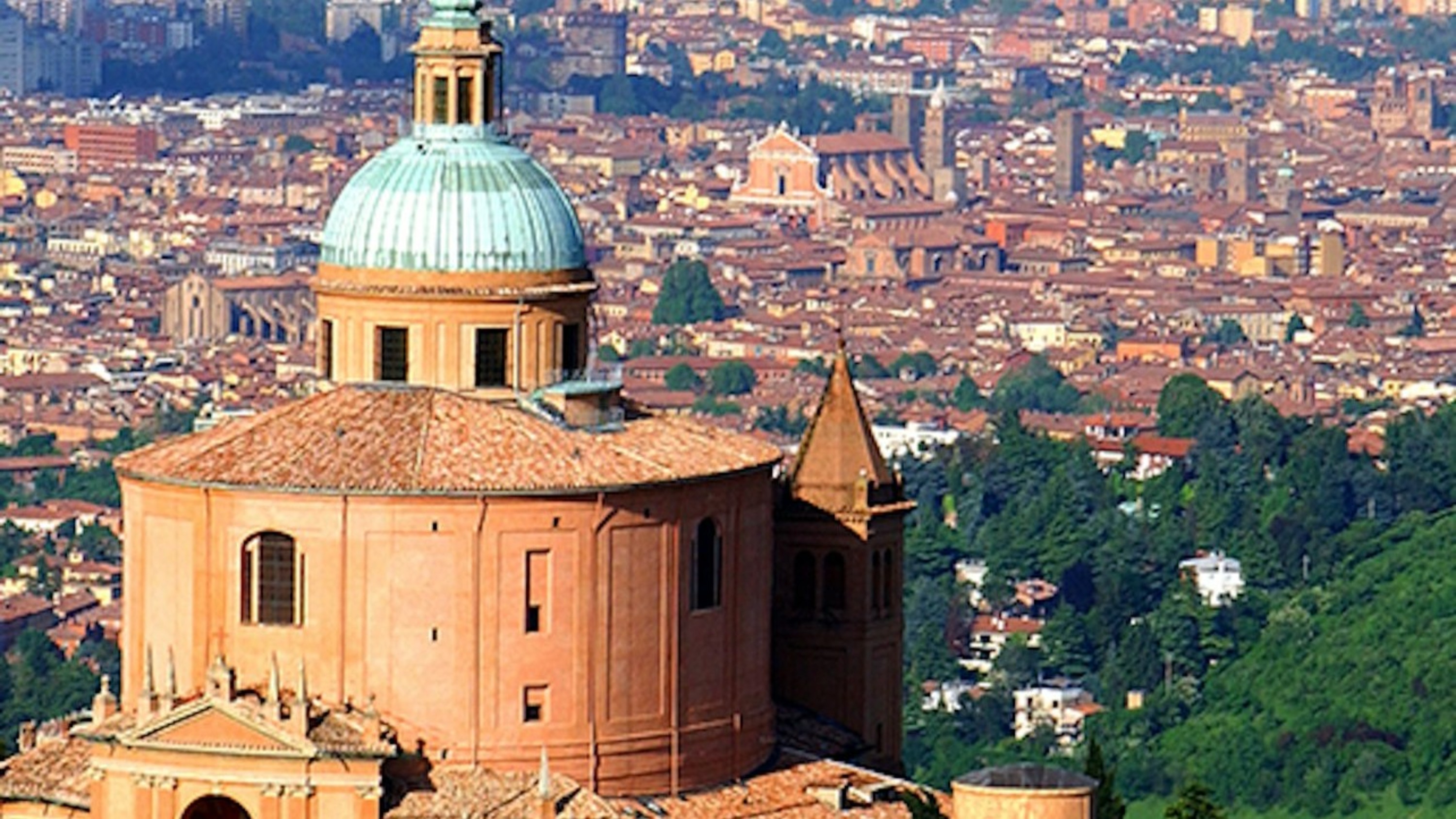
The actual sanctuary stands at the top of the Guardia hill, 280 meters above sea level, and boasts an almost mythical origin. The famous portico was built between 1674 and 1721, to protect the numerous pilgrims who went to the sanctuary from rain and bad weather, and in 2021 it was included, together with all the porticoes of Bologna, in the list of heritage UNESCO World Heritage Site.
What's not included
Transportation (e.g. train ticket, bus, highway), possible parking, food/drinks
Headphones or radio guides: Audiogiro audio guides can be listened to directly from your smartphone!
Tickets for paid attractions (e.g. art gallery)
Available languages
Audio guide
DE
EN
IT
FR
ES
Important information
Wheelchair accessible
Infants and small children can ride in a pram or stroller
Service animals allowed
Public transportation options are available nearby
Transportation options are wheelchair accessible
Suitable for all physical fitness levels
Within the next 24 hours of your booking, you will receive a link from us to redeem the minutes you purchased.
Once you have collected the minutes purchased on our platform, to listen to the audio guides all you have to do is choose which point to start from and look for it on the navigation map. All points will still be geolocalized around you.
To access places of worship, appropriate clothing is required. Failure to enforce this dress code may result in entry being denied.
Remember to download the audio tracks beforehand, if you want to listen to them offline later.
If you have minutes left over, you can use them until they run out with all the audio guides on our platform.
Meeting point
The meeting point is indicative; the traveler can start the itinerary from wherever he prefers.
Important notes
Within 24 hours you will receive a link from us to redeem the audio guide minutes. Afterwards, not
all you have to do is start exploring the map. No need to download apps
external!
About Bologna
Bologna, the capital of the Emilia-Romagna region in Italy, is renowned for its rich history, vibrant culture, and exceptional cuisine. Known as 'La Dotta' for its university, 'La Grassa' for its food, and 'La Rossa' for its red-tiled roofs, Bologna offers a unique blend of medieval charm and modern sophistication.
Top Attractions
Two Towers (Due Torri)
The Two Towers, Garisenda and Asinelli, are iconic symbols of Bologna. Built in the 12th century, they offer panoramic views of the city from the top.
Architecture
1-2 hours
€5 for the Asinelli Tower, €2 for the Garisenda Tower
Piazza Maggiore
Piazza Maggiore is the heart of Bologna, surrounded by stunning medieval buildings, including the Basilica di San Petronio and the Palazzo d'Accursio.
Historical
30 minutes to a few hours
Free
Basilica di San Petronio
This massive basilica is one of the largest churches in the world. Built in the 14th century, it features a stunning interior with beautiful art and architecture.
Religious
1 hour
Free, €3 for the museum and crypt
Piazza Santo Stefano
Known as 'Piazza dei Guai' (Square of Troubles), this charming square is surrounded by medieval buildings and features the Basilica di Santo Stefano.
Historical
30 minutes to 1 hour
Free
Piazza del Nettuno
This square is home to the Fontana del Nettuno, a stunning fountain featuring a statue of Neptune. The square is also surrounded by beautiful Renaissance buildings.
Historical
30 minutes
Free
Archiginnasio
The Archiginnasio was the main building of the University of Bologna from 1563 to 1803. Today, it houses the Anatomical Theatre and the Historical Library.
Historical
1 hour
€5
Must-Try Local Dishes
Tortellini in Brodo
Tortellini pasta filled with a mixture of meats, served in a rich broth. A classic Bolognese dish, perfect for a comforting meal.
Main Dish
Contains meat and gluten
Ragù alla Bolognese
A rich meat-based sauce served with tagliatelle pasta. This iconic dish is a must-try for any visitor to Bologna.
Main Dish
Contains meat and gluten
Lasagne alla Bolognese
Layered pasta with ragù sauce and béchamel, baked to perfection. A hearty and delicious dish that showcases Bolognese cuisine.
Main Dish
Contains meat and gluten
Mortadella
A type of large Italian sausage made from finely ground heat-cured pork, flavored with spices. Often served in thin slices as an antipasto.
Snack
Contains pork and may contain other meats
Popular Activities
Cycling tours
Hiking in the nearby Apennine Mountains
Visiting spas and wellness centers
Strolling through the city's parks and gardens
Attending concerts and performances at Teatro Comunale
Visiting museums and art galleries
Boating on the Reno River
Ice skating in Piazza Maggiore
Best Time to Visit
April to June, September to October
The best time to visit Bologna is during the spring and autumn months when the weather is mild, and the tourist crowds are smaller. These seasons offer pleasant temperatures and fewer crowds, making it ideal for sightseeing and outdoor activities.
15-28°C
59-82°F
Practical Information
Language
- Official: Italian
- Widely spoken: English, French, Spanish
- English: Moderately spoken in tourist areas, limited elsewhere
Currency
Euro (EUR)
Time Zone
GMT+1 (CET), GMT+2 (CEST) during daylight saving time
Electricity
230VV, 50HzHz
Safety Information
Overall Safety Rating: Generally safe
Bologna is generally a safe city for travelers, with low crime rates and a welcoming atmosphere. However, as with any destination, it's important to be aware of your surroundings and take precautions to protect yourself and your belongings.
Important Precautions:
- • Keep valuables secure and out of sight
- • Be cautious of pickpockets and bag snatchers, especially in crowded areas
- • Avoid walking alone at night in isolated areas
Getting there
By air
- Bologna Guglielmo Marconi Airport • 6 km from city center
By train
Bologna Centrale
By bus
Bologna Autostazione
Getting around
Public transport
Bologna's public bus network is efficient and covers most of the city. Buses are a convenient way to get around, especially for reaching areas not served by the tram.
Taxis
Available • Apps: FreeNow, MyTaxi
Rentals
Car, Bike, Scooter
Neighborhoods
Centro Storico
Saragozza
San Vitale
Sant'Agostino
San Donato
Day trips
Modena
45 km from Bologna • Half day to full day
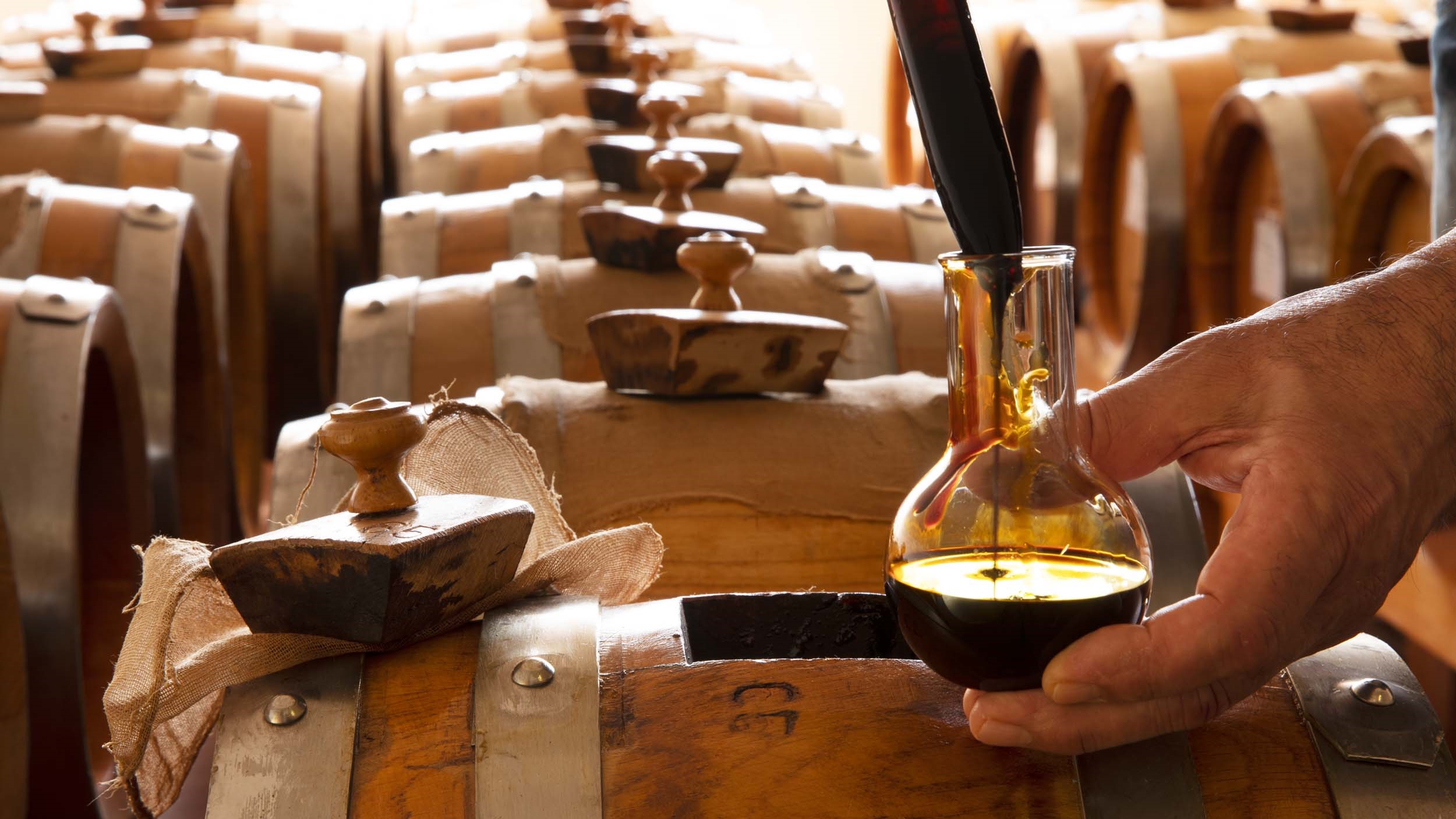
Modena is a charming city known for its rich history, beautiful architecture, and world-famous balsamic vinegar. It's a great day trip from Bologna, offering a mix of culture, history, and gastronomy.
Parma
100 km from Bologna • Full day
Parma is a beautiful city known for its rich cultural heritage, stunning architecture, and delicious food. It's a great day trip from Bologna, offering a mix of art, history, and gastronomy.
Ferrara
50 km from Bologna • Full day
Ferrara is a charming city known for its well-preserved Renaissance architecture, rich history, and vibrant cultural scene. It's a great day trip from Bologna, offering a mix of history, art, and local traditions.
Festivals
Bologna Jazz Festival • July
Bologna Children's Book Fair • March
Bologna Film Festival • June
Pro tips
- Explore the city's historic center on foot, as it's compact and pedestrian-friendly
- Try local specialties like tortellini, ragù alla Bolognese, and mortadella
- Visit the Two Towers for a panoramic view of the city
- Take a food tour to discover the city's rich culinary heritage
- Use public transportation or walk to get around, as driving in the city center can be challenging
From $25
per person
Price varies by option
Secure booking
Free cancellation available
Instant confirmation