Private Reykjanes Peninsula with transfer to Blue Lagoon
Active
8h
For a full refund, cancel at least 24 hours before the scheduled departure time.
Instant confirmation
Mobile or paper ticket accepted
About this experience
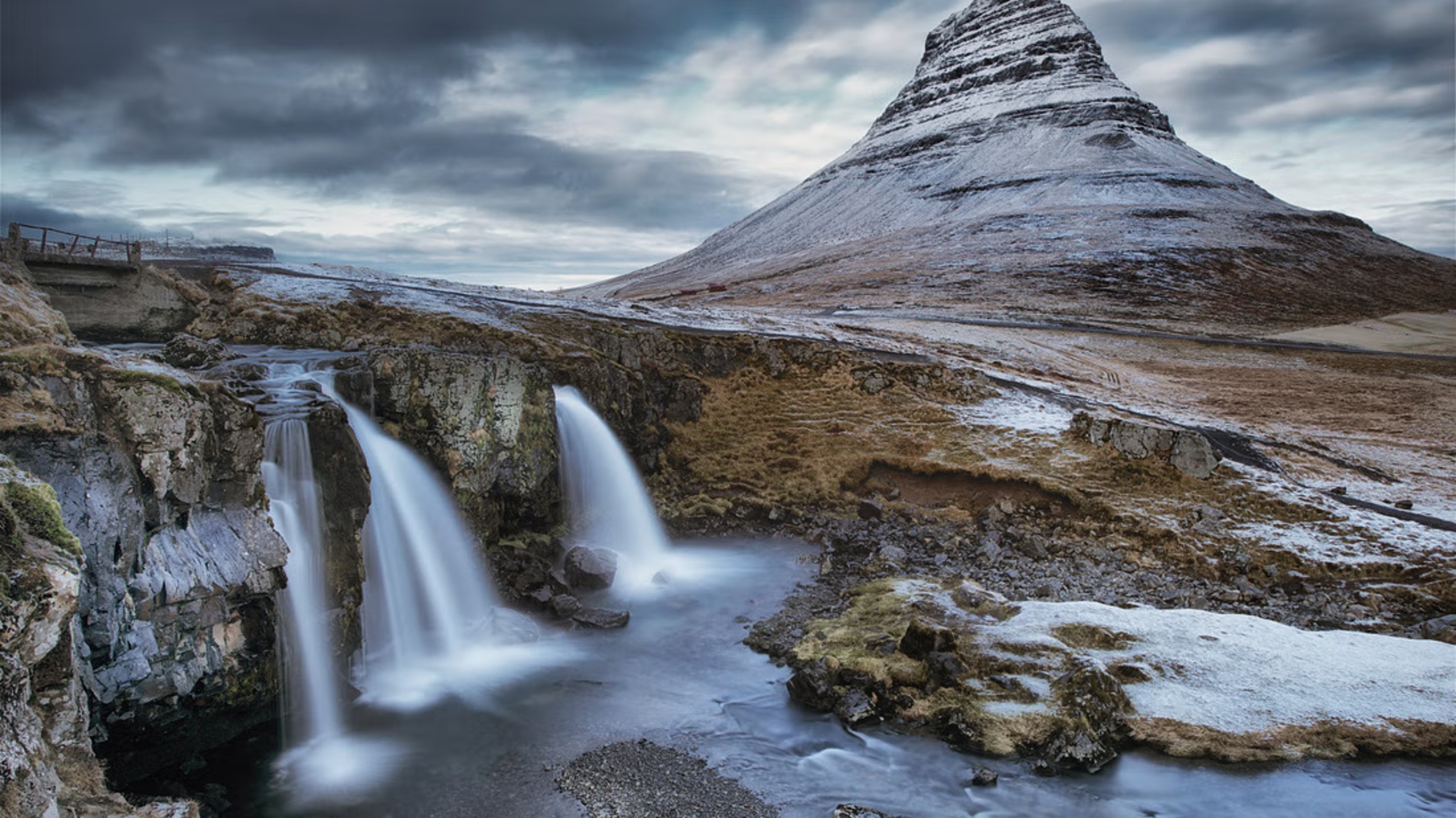
Explore the Wonders of the Reykjanes Peninsula: A tour through Iceland’s Volcanic and Geothermal Marvels. Embark on an unforgettable journey through the Reykjanes Peninsula, one of Iceland’s most dramatic and geologically active regions. This tour takes you through a landscape shaped by powerful volcanic forces, rugged coastlines, and ancient lava fields, offering a one-of-a-kind adventure filled with natural wonders and fascinating history.
Available options
Private Reykjanes Peninsula with transfer to Blue Lagoon
Pickup included
What's included
WiFi on board
Licensed Guide
Air-conditioned vehicle
Parking Fees
Detailed itinerary
1
Kleifarvatn Lake: A Hidden Gem in Iceland’s Volcanic Landscape
Kleifarvatn is a stunning volcanic lake located on the Reykjanes Peninsula, just a short drive from Reykjavik. Nestled between rugged mountains and dramatic lava fields, it offers travelers a unique and peaceful escape into Iceland’s untamed nature. With its deep blue waters and mysterious atmosphere, Kleifarvatn is one of the largest lakes in southern Iceland, yet it remains relatively undiscovered by tourists, making it a perfect spot for those seeking solitude.
Kleifarvatn is not only visually striking but also geologically fascinating. The lake sits on an active fault line, and after an earthquake in 2000, parts of the lakebed drained, significantly lowering the water level. This unusual phenomenon adds to the allure of the place, where the landscape can feel otherworldly. The surrounding area also features geothermal activity, including hot springs and steam vents, enhancing the lake’s mysterious beauty.
2
Seltún Krýsuvík: Iceland’s Geothermal Wonderland on the Reykjanes Peninsula.
Seltún Krýsuvík is one of Iceland’s most impressive geothermal areas, located on the Reykjanes Peninsula, just a short drive from Reykjavik. Known for its vibrant, multicolored hot springs, bubbling mud pools, and steaming vents, Seltún Krýsuvík offers a glimpse into Iceland’s powerful geothermal activity. The area is perfect for those looking to explore Iceland’s natural wonders, combining stunning landscapes with a surreal, almost otherworldly atmosphere.
Seltún is part of the larger Krýsuvík geothermal system, which lies on an active volcanic zone. Visitors to Seltún are greeted by vivid colors of sulfur-rich soil, ranging from bright yellow to deep red, with geothermal steam rising from the earth. Wooden boardwalks allow you to explore the area safely, walking among the steaming fumaroles and boiling mud pits.
3
Gígvatnsvatn (Grænavatn): Iceland’s Mesmerizing Green Lake on the Reykjanes Peninsula
Gígvatnsvatn, also known as Grænavatn (Green Lake), is one of the hidden treasures of Iceland’s Reykjanes Peninsula. This stunning volcanic lake gets its striking green color from a combination of mineral-rich water and algae, creating a surreal landscape that stands out even in Iceland’s dramatic scenery. Located near the Krýsuvík geothermal area, Gígvatnsvatn offers a tranquil and unique stop for travelers exploring the region’s natural wonders.
Gígvatnsvatn is formed in a volcanic crater, which contributes to its deep green hue. The lake’s color varies with light conditions, sometimes appearing a brilliant emerald, and other times, a more subdued green. The contrast of the green water against the surrounding black lava fields and hills creates a breathtakingly unique view.
4
Krýsuvíkurkirkja: The Historic Church of the Reykjanes Peninsula
Krýsuvíkurkirkja, once a picturesque and beloved wooden church, was located in the Krýsuvík area on Iceland’s Reykjanes Peninsula. Built in 1857, this small church stood as a symbol of Iceland’s rural religious heritage, blending harmoniously with the rugged volcanic landscape around it. Although Krýsuvíkurkirkja tragically burned down in 2010, its history and the memory of its striking appearance live on as part of Iceland’s cultural and historical landscape.
Krýsuvíkurkirkja was a prime example of traditional Icelandic architecture, with its simple, whitewashed wooden exterior and red roof, typical of rural churches in Iceland. It was a place of worship and reflection for the local community for over a century, though by the 20th century, it was primarily used for special occasions due to depopulation in the area. The church was often photographed, set against the dramatic backdrop of volcanic mountains.
5
Geldingadalir Volcano: A Spectacular Eruption Site in Iceland
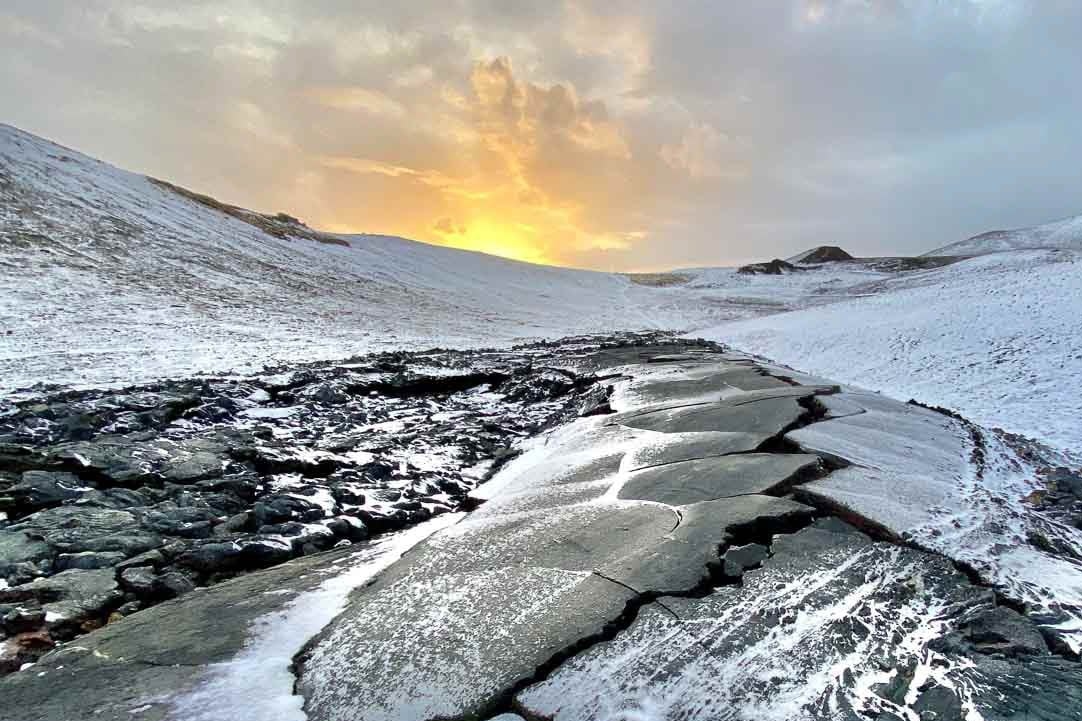
Geldingadalir, located on the Reykjanes Peninsula, is known for its stunning volcanic activity that began in March 2021. This eruption marked the first significant volcanic event in the region in over 800 years, attracting visitors from around the world eager to witness the power of nature. The volcano is part of a fissure system and has produced mesmerizing lava flows, creating a surreal landscape of glowing red and black rock formations
6
Fagradalsfjall Volcano: A Stunning Natural Wonder in Iceland
Fagradalsfjall is an active volcanic mountain located on the Reykjanes Peninsula in Iceland. It gained international attention in March 2021 when it erupted for the first time in over 800 years, creating spectacular lava flows and transforming the landscape. The volcanic activity resulted in a series of eruptions that captured the imagination of both locals and tourists, showcasing the raw power of nature.
7
Brimketill Lava Rock Pool: A Natural Wonder on the Reykjanes Peninsula
Brimketill is a stunning natural lava rock pool located on the Reykjanes Peninsula in Iceland, just a short drive from the town of Grindavík. This unique pool is carved out of the rugged volcanic coastline by the powerful Atlantic waves, creating a picturesque spot where visitors can marvel at the raw beauty of Iceland’s volcanic landscape. Though it resembles a natural hot spring, Brimketill is not for bathing due to the rough and often dangerous ocean currents.
Historically, Brimketill was referred to as “Oddnýjarlaug,” named after a giantess from Icelandic folklore who was said to bathe in the pool. Today, it’s a popular stop for tourists looking to experience the dramatic interaction between lava rock and ocean waves. The viewing platform allows visitors to safely observe the intense waves crashing into the pool, creating a mesmerizing display of nature’s power.
8
Gunnuhver: Iceland’s Largest Geothermal Area on the Reykjanes Peninsula
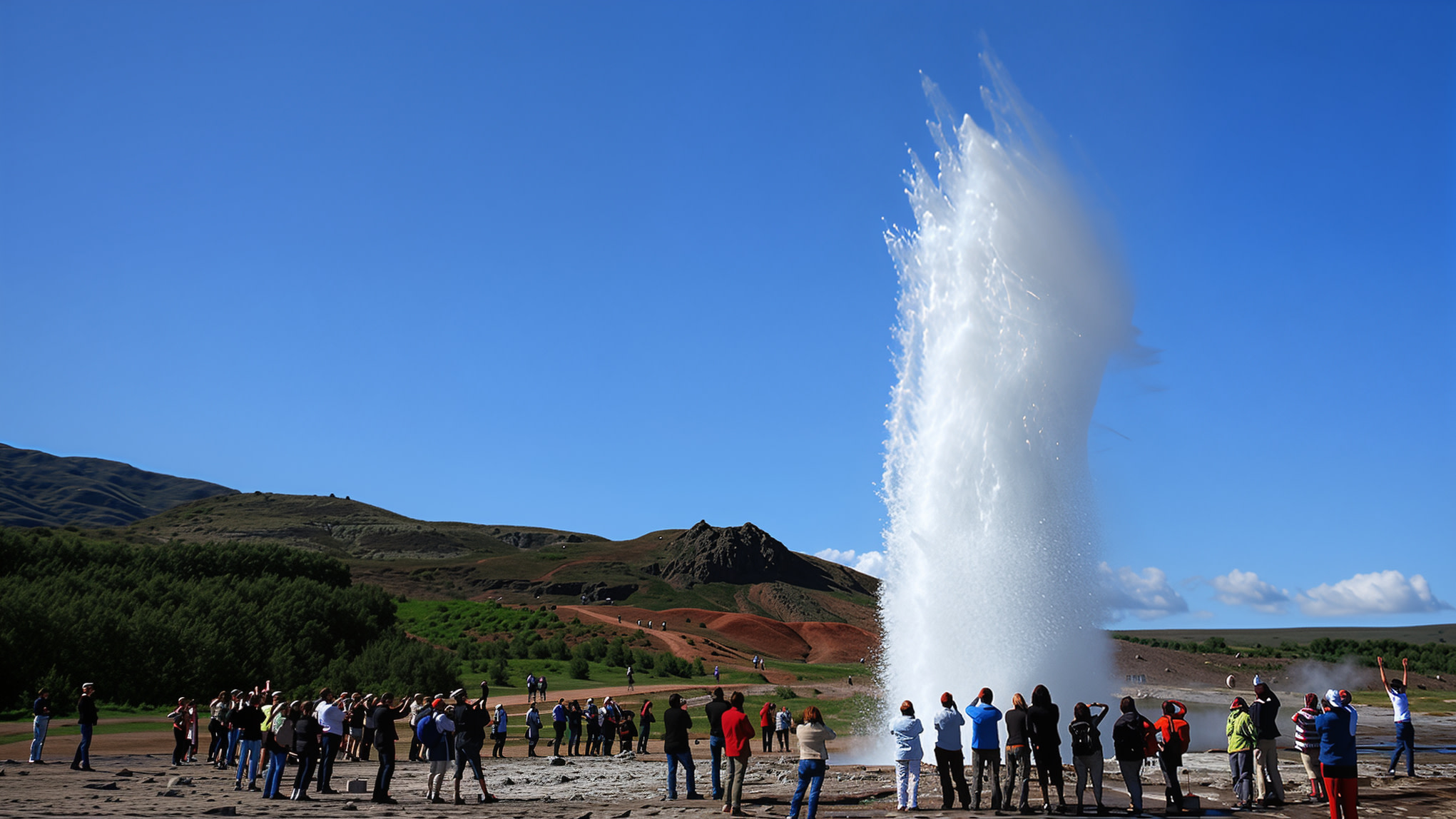
Gunnuhver is a spectacular geothermal area located on the Reykjanes Peninsula in Iceland, known for its powerful steam vents, bubbling mud pools, and eerie landscape. This geothermal field is Iceland’s largest, with boiling mud pots and fumaroles that release steam into the air, creating a dramatic and otherworldly environment. The area is named after the ghostly legend of Gunna, a spirit said to haunt the place, adding an extra layer of intrigue to the site.
Visitors to Gunnuhver can explore the geothermal features via safe wooden walkways that provide excellent vantage points for viewing the steamy landscape up close. The boiling mud pools are rich in minerals, creating a range of colors from deep reds to vivid yellows. The geothermal activity here is incredibly intense due to the area’s proximity to the Mid-Atlantic Ridge, where the Eurasian and North American tectonic plates meet.
9
The Bridge Between Two Continents: A Unique Geological Wonder in Reykjanes
The Bridge Between Two Continents, located on the Reykjanes Peninsula in Iceland, is a symbolic and physical representation of the rift between the Eurasian and North American tectonic plates. This small footbridge spans a gap created by the diverging plates, offering visitors the unique experience of walking between two continents.
The bridge sits over a dramatic fissure in the Mid-Atlantic Ridge, where the plates are slowly pulling apart, leaving behind a rugged landscape of black volcanic rock and shifting earth. The site provides an extraordinary glimpse into the powerful geological forces that shape Iceland, making it a popular stop for tourists interested in geology and natural history.
Visitors to the Bridge Between Two Continents can walk across the structure, symbolically “crossing” from Europe to North America, making it a fun and educational experience.
10
Valahnúkamöl is a striking and dramatic coastal area located on the Reykjanes Peninsula in Iceland, known for its jagged cliffs, volcanic rock formations, and powerful ocean waves. This natural wonder is formed from ancient lava flows, which have been shaped by relentless erosion from the Atlantic Ocean, creating a rugged, otherworldly landscape.
Visitors to Valahnúkamöl are treated to breathtaking views of the surrounding coastline, with towering cliffs and rocky outcrops that provide a dramatic backdrop. The area is particularly popular for photography, with its stark contrasts of black volcanic rock, white seafoam, and the deep blue ocean. On windy days, the waves crashing against the cliffs create a mesmerizing display of nature’s raw power, making it a must-see for nature lovers and adventurers.
Just a short distance from Valahnúkamöl is the historic Reykjanesviti Lighthouse, Iceland’s oldest lighthouse, which adds to the area’s charm and makes for a perfect addition to any visit
11
Stop 11
Notice tickets to the Blue Lagoon are not included.
Blue Lagoon: Iceland’s Iconic Geothermal Spa
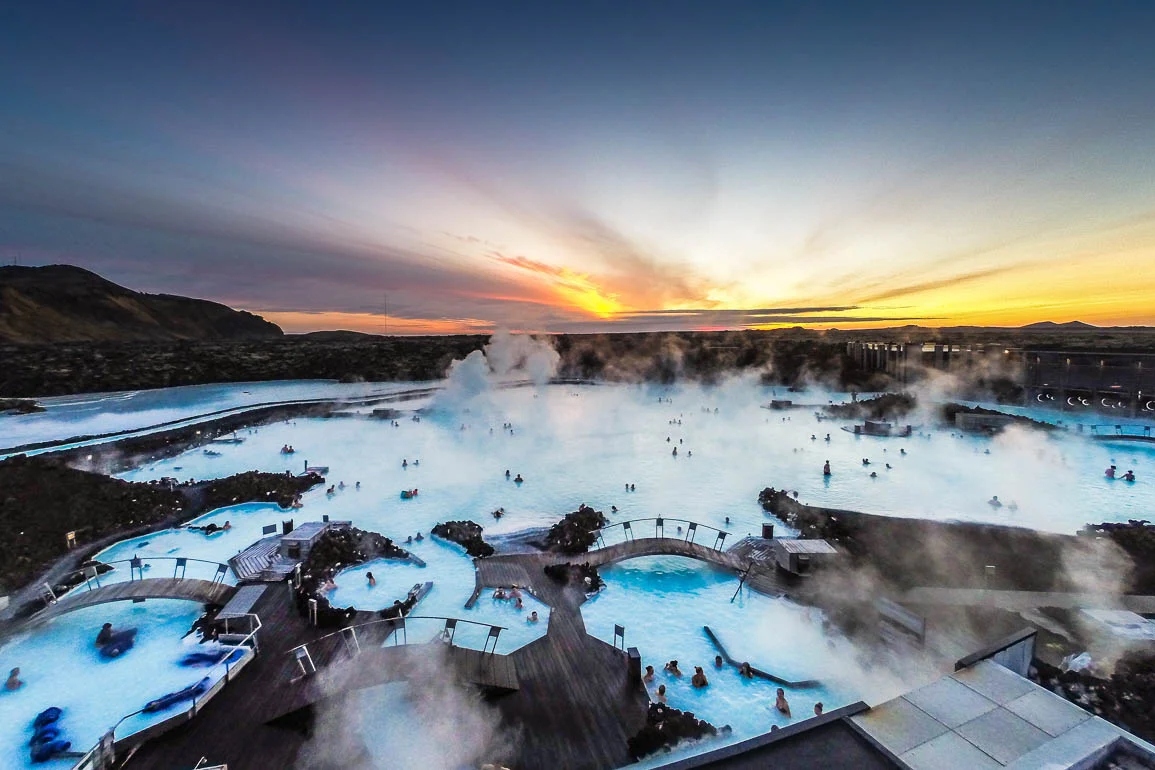
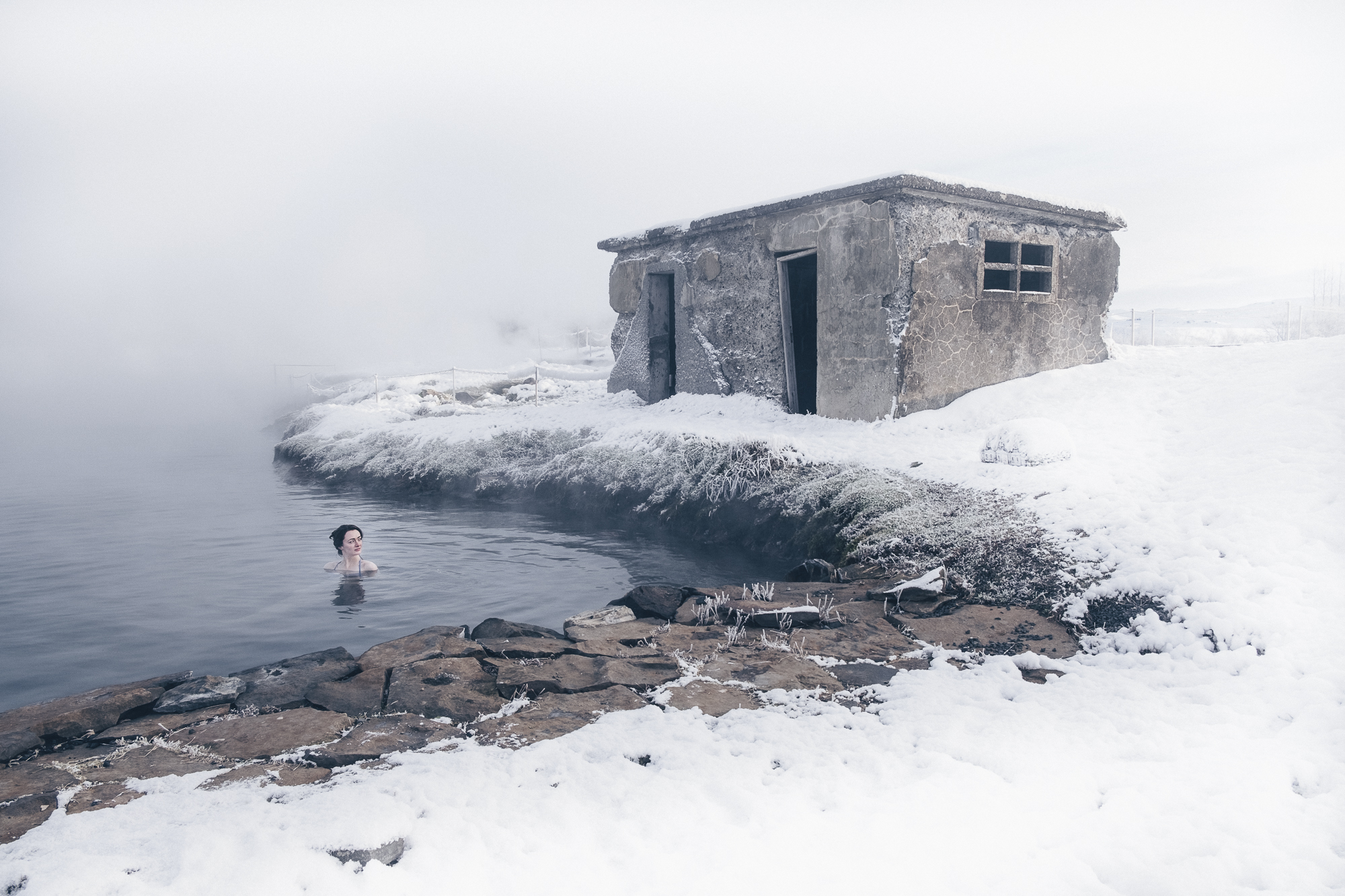
The Blue Lagoon is one of Iceland’s most famous attractions, located on the Reykjanes Peninsula near Grindavík. This stunning geothermal spa is renowned for its milky blue, mineral-rich waters, which are naturally heated by the earth’s volcanic activity. The lagoon is a man-made pool filled with water from a nearby geothermal power plant, but it has become a world-famous destination for relaxation and wellness due to its unique environment and healing properties.
The water in the Blue Lagoon is rich in silica, algae, and minerals, which are believed to have therapeutic benefits for the skin. Visitors can bathe in the warm waters, typically around 37–39°C (98–102°F), and apply silica mud masks that leave the skin feeling refreshed and rejuvenated. Surrounded by black lava fields, the contrast between the turquoise water and the rugged landscape creates a surreal, otherworldly atmosphere.
What's not included
Tickets to Blue Lagoon are not included and must be bought separately (Optional - price may vary)
Available languages
Guide guide
RU
UK
EN
PL
Important information
Infants and small children can ride in a pram or stroller
Service animals allowed
Public transportation options are available nearby
Infants are required to sit on an adult’s lap
Suitable for all physical fitness levels
The remaining hours are allotted for travel time
About Reykjavik
Reykjavik is the world's northernmost capital city, known for its vibrant cultural scene, stunning natural surroundings, and unique Icelandic charm. It offers a blend of modern amenities and ancient geothermal wonders, making it a must-visit destination for travelers seeking both adventure and relaxation.
Top Attractions
Hallgrímskirkja
This iconic church is a landmark of Reykjavik, known for its distinctive architecture and towering spire. It offers panoramic views of the city from its tower.
Architecture/Religious
1-2 hours
Moderate (ISK 1000 for the tower)
Harpa Concert Hall
A stunning modern concert hall with a glass facade that reflects the surrounding landscape. It hosts a variety of performances and events.
Architecture/Entertainment
1-2 hours
Free to enter, performance tickets vary
Blue Lagoon
A geothermal spa known for its milky-blue waters rich in minerals. It's a popular spot for relaxation and rejuvenation.
Nature/Relaxation
Half a day
Expensive (ISK 49,900 and up)
Reykjavik Art Museum
A museum showcasing contemporary Icelandic and international art. It's housed in a striking building with a glass facade.
Museum
1-2 hours
Moderate (ISK 1400)
Perlan Museum
A unique museum located in a glass dome that offers a variety of exhibits, including a glacier exhibit and a planetarium.
Museum
2-3 hours
Moderate to Expensive (ISK 3,990 and up)
Must-Try Local Dishes
Plokkfiskur
A traditional Icelandic fish stew made with mashed potatoes, white fish, onions, and béchamel sauce.
Main Course
Contains fish and dairy
Hákarl
Fermented shark, a traditional Icelandic delicacy known for its strong smell and taste.
Snack
Contains fish
Skyr
A thick, creamy Icelandic yogurt-like dairy product, often served with berries or cream.
Dessert
Contains dairy
Rúgbrauð
A dense, dark rye bread traditionally baked underground using geothermal heat.
Bread
Vegan
Popular Activities
Glacier hiking and ice climbing
Whale watching
Snowmobiling on a glacier
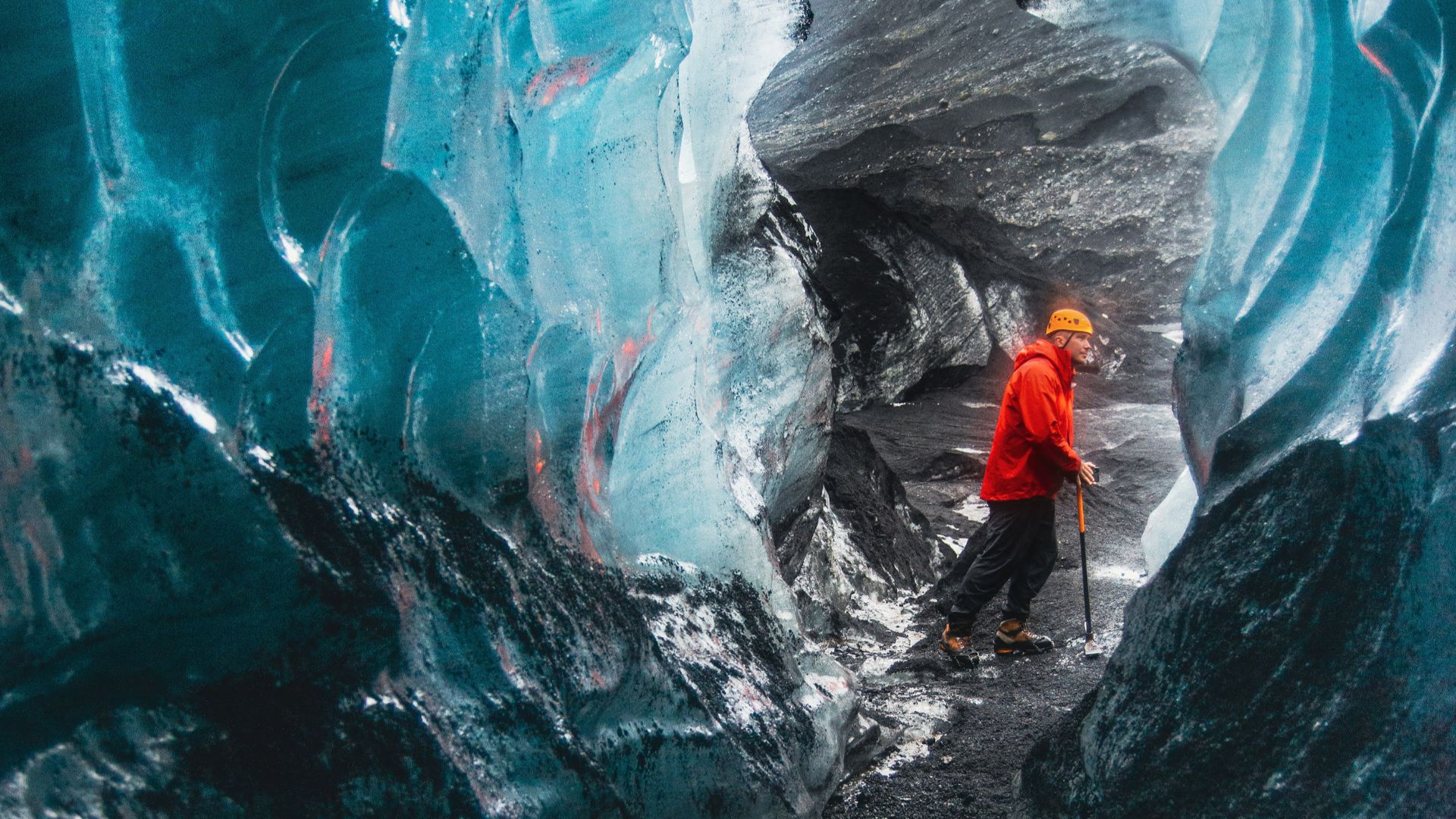
Caving and lava tunnel exploration
Visiting geothermal spas like the Blue Lagoon or Sky Lagoon
Enjoying a traditional Icelandic massage or spa treatment
Taking a leisurely walk around Tjörnin Lake in Reykjavik
Visiting museums and galleries
Best Time to Visit
June to August
This is the warmest time of the year with long daylight hours, making it ideal for outdoor activities and sightseeing. The city is lively with numerous festivals and events.
8°C to 13°C (46°F to 55°F)
46°F to 55°F
Practical Information
Language
- Official: Icelandic
- Widely spoken: English, Danish, German
- English: Widely spoken
Currency
Icelandic Króna (ISK)
Time Zone
GMT+0
Electricity
230VV, 50HzHz
Safety Information
Overall Safety Rating: Generally safe
Iceland is a very safe country with low crime rates. However, it's always important to be aware of your surroundings and take precautions to ensure your safety.
Important Precautions:
- • Keep your valuables secure and be aware of your surroundings, especially in crowded areas
- • Be cautious when using ATMs, and only use ATMs located in secure, well-lit areas
- • Research tour operators and rental companies before booking to ensure they are reputable and legitimate
Getting there
By air
- Keflavík International Airport • 50 km (31 miles) from Reykjavik
By bus
BSÍ Bus Terminal
Getting around
Public transport
The bus system is efficient and affordable, with frequent services and easy-to-use ticketing.
Taxis
Available • Apps: Bustravel, Uber (limited availability)
Rentals
Car, Bike, Scooter
Neighborhoods
Downtown Reykjavik
Hlemmur
Vesturbær
Day trips
Golden Circle
230 km (143 miles) from Reykjavik • Full day
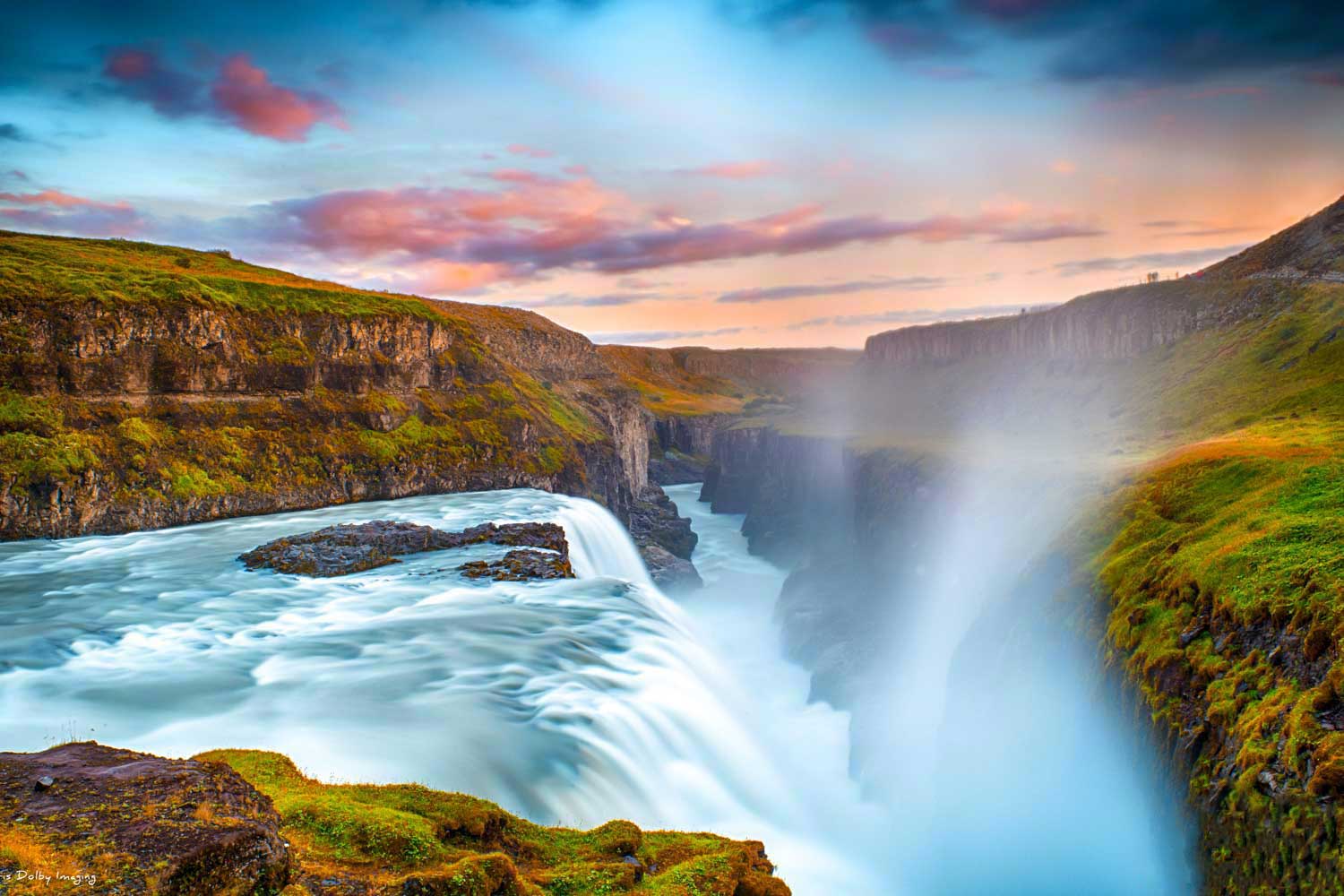
A popular day trip route that includes three of Iceland's most famous attractions: Þingvellir National Park, Geysir Geothermal Area, and Gullfoss Waterfall.
South Coast
150-200 km (93-124 miles) from Reykjavik • Full day or overnight
A scenic drive along Iceland's south coast, offering a variety of attractions, including waterfalls, black sand beaches, and glaciers.
Snæfellsnes Peninsula
240 km (149 miles) from Reykjavik • Full day or overnight
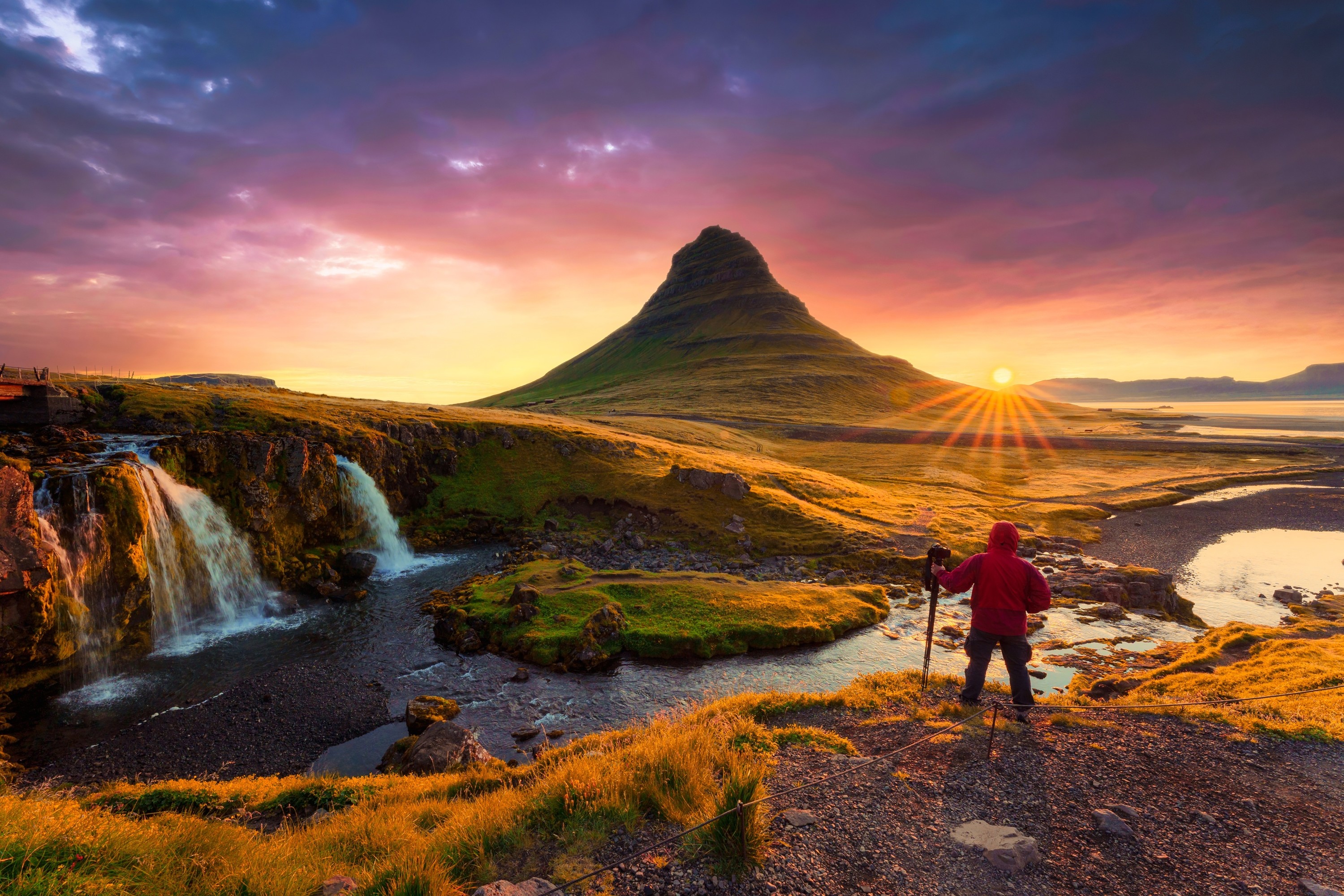
A scenic peninsula known as 'Iceland in Miniature' due to its diverse landscapes, including mountains, glaciers, lava fields, and beaches.
Festivals
Reykjavik Arts Festival • Late May to early June
Iceland Airwaves • Early November
Reykjavik Winter Lights Festival • Late January to early February
Pro tips
- Visit the Blue Lagoon or another geothermal spa for a relaxing and rejuvenating experience
- Explore Reykjavik's street art and murals, which can be found throughout the city
- Take a day trip to the Golden Circle or another nearby attraction for a taste of Iceland's natural wonders
- Try traditional Icelandic food, such as lamb soup, fish stew, and fermented shark
- Visit a local brewery or distillery and sample Icelandic craft beer or spirits
From $25
per person
Price varies by option
Secure booking
Free cancellation available
Instant confirmation