Guilty Pleasures Walking Food Tours in Quito
Active
2h - 3h
For a full refund, cancel at least 24 hours before the scheduled departure time.
Instant confirmation
Mobile or paper ticket accepted
About this experience
I am an expert agriculturist, working for more than 10 years in local food systems and sustainable travel. I have guided in South America (Ecuator, Peru, Bolivia), visiting traditional attractions, off-the-beaten-track charms, and most importantly local communities. It will be pure excitement exploring the city, in the most tasteful and informative way! This unforgettable experience includes sampling local Ecuadorian food while uncovering the rich, vibrant stories attached to the historical sites of Quito.
We will get a taste of local life, during our journey, we will go to:
Four food stops (sample tasting is included on the tour price): dark chocolate, tons of native Ecuadorian fruits (you will be surprised), "Envueltos" (tamales, humitas), Colonial candies, "mistelas", local drinks, and more Andean cuisine. Enjoy the tour while talking about Ecuatorian culture and geography from a food perspective.
Available options
Guilty Pleasures Walking Food Tours in Quito
What's included
UNLIMITED FOOD AND DRINKS ON THE FOOD TOUR. ENTRANCES FEE TO HISTORICAL PLACES ARE ALSO INCLUDED.
Detailed itinerary
1
This beautifully restored building houses the municipal library and lecture rooms, and hosts temporary art exhibitions. Its rooftop affords views of several Colonial icons from a unique perspective. The building was, in addition to one of the city’s first educational institutions, and the headquarters of its first newspaper in Quito. (This is also a bathroom stop). We will visit a traditional restaurant, and taste some Ecuatorian gems. As well we will eat an array of local fruits.
2
This arch is on Calle de las Siete Cruces (Garcia Moreno). The main function of the arched building in 1726 was to provide shelter to the worshipers of Mariana de Jesus, the first person of Quito to be declared a saint. The Arch joins the Carmen Alto church with the old San Juan de Dios Hospital, which is currently the City Museum. Here we will try some Ecuatorian fresh snacks. We will be able to see how this artisan makes them.
3
Stop 3
The Church and Convent of San Francisco forms part of the City of Quito World Heritage Site, the first site ever inscribed on the World Heritage List in 1978. It is the oldest and most significant religious site in the city. We will visit the church and admire the colonial art displayed. Every surface is gilded, painted, or carved, creating an environment of impressive splendor. Close to this plaza, we will have the opportunity to try the famous and unique Ecuatorian "Chocolate fino de aroma"
4
Stop 4
This is the centre core of downtown. Plaza Grande or Independencia is surrounded by four large buildings: Carondelet (Presidential Palace), the Archbishop's Palace, the Metropolitan Cathedral of Quito, and the Municipal Palace. At its center, it features a statue of the Heroes of the Independence, the memorial symbolizes the country’s first attempt at independence from Spain in 1809. We will also visit the Archbishop's Palace. At this place, we will have one of the Ecuatorian favorite sorbets, "Helados De Paila".
5
Stop 5
The museum is located inside a restored 17th-century mansion. On display are famous sculptures and paintings of the Escuela Quiteña (colonial art). Close to this building, we will try Ecuadorian food and drink, this food stop will allow us to talk about traditions and food history.
What's not included
Private transportation
Available languages
Guide guide
EN
ES
Reviews breakdown
Viator
5.0
1 reviews
5★
1
4★
0
3★
0
2★
0
1★
0
Tripadvisor
3.0
2 reviews
5★
1
4★
0
3★
0
2★
0
1★
1
Important information
Wheelchair accessible
Infants and small children can ride in a pram or stroller
Service animals allowed
Public transportation options are available nearby
Infants are required to sit on an adult’s lap
Transportation options are wheelchair accessible
Suitable for all physical fitness levels
Not recommended for travelers with toddlers (2-3 years old)
Meeting point
Main entrance of the Centro Cultural Metropolitano, one of the corners of Plaza de la Independencia (Streets: García Moreno and Espejo)
About Quito
Quito, the capital of Ecuador, is a vibrant city nestled in the Andean highlands. It is renowned for its well-preserved colonial architecture, rich cultural heritage, and stunning views of the surrounding volcanoes. The city is a UNESCO World Heritage Site and offers a unique blend of historical charm and modern urban life.
Top Attractions
Historic Center of Quito
The Historic Center of Quito is a UNESCO World Heritage Site featuring well-preserved colonial architecture, churches, and plazas.
Historical
Half to full day
Free to visit the plazas and streets; entry fees for churches and museums
TelefériQo
A cable car that takes visitors to the top of Cruz Loma for breathtaking views of Quito and the surrounding volcanoes.
Adventure
1-2 hours
Moderate
Mitad del Mundo
A monument marking the equator, where you can stand in both the northern and southern hemispheres at once.
Historical
Half day
Moderate
Pululahua Geobotanical Reserve
A unique crater reserve with hiking trails, scenic viewpoints, and a chance to see local flora and fauna.
Nature
Half to full day
Budget
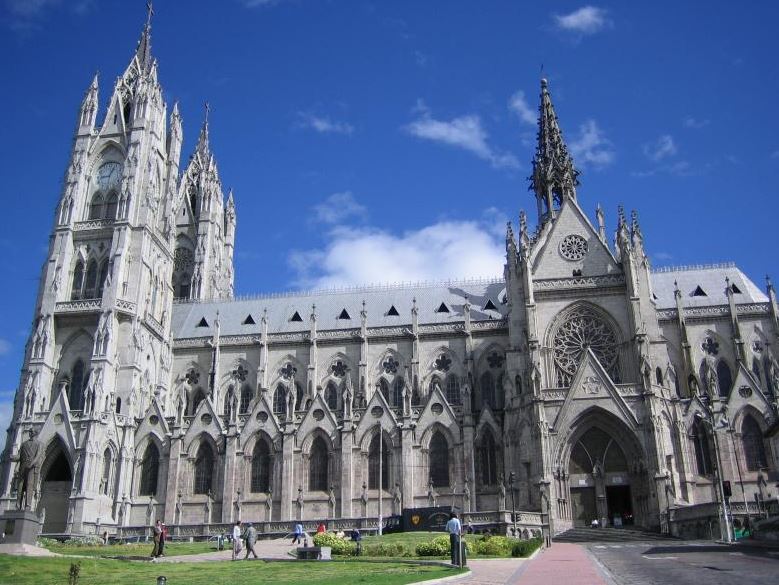
Basílica del Voto Nacional
One of the largest neo-Gothic basilicas in South America, offering stunning architecture and panoramic views from its towers.
Religious
1-2 hours
Budget
Capilla del Hombre
A museum dedicated to the works of Ecuadorian artist Oswaldo Guayasamín, featuring his paintings and sculptures.
Cultural
1-2 hours
Moderate
Must-Try Local Dishes
Llocro de Papa
A hearty potato soup with cheese, avocado, and sometimes meat.
Dinner
Vegetarian options available
Cuy Asado
Roasted guinea pig, a traditional Andean dish.
Dinner
Contains meat
Encebollado
A fish soup with yuca, onions, and tomatoes, often served with pickled onions.
Lunch
Contains fish
Empanadas de Viento
Fried empanadas filled with cheese and sometimes meat, dusted with sugar.
Snack
Vegetarian options available
Popular Activities
Hiking in Cotopaxi National Park
Zip-lining in Mindo Cloud Forest
Paragliding over Quito
Soaking in Papallacta Hot Springs
Visiting La Ronda Street for live music and performances
Exploring the Historic Center at a leisurely pace
Visiting museums and cultural attractions in the Historic Center
Exploring local markets and shopping areas
Best Time to Visit
June to September
This is the dry season with clear skies and pleasant weather, making it ideal for outdoor activities and sightseeing.
12°C to 20°C (54°F to 68°F)
54°F to 68°F
Practical Information
Language
- Official: Spanish
- Widely spoken: English (in tourist areas)
- English: Moderately spoken in tourist areas, limited elsewhere
Currency
US Dollar (USD)
Time Zone
GMT-5
Electricity
120VV, 60HzHz
Safety Information
Overall Safety Rating: Exercise caution
Quito is generally safe for tourists, but petty crime and scams can occur. Be cautious of pickpocketing, scams, and unsafe taxis. Avoid walking alone at night in poorly lit or deserted areas.
Important Precautions:
- • Be cautious of your surroundings, especially in crowded areas.
- • Use official taxis or app-based services for safer transportation.
- • Avoid walking alone at night in poorly lit or deserted areas.
Getting there
By air
- Mariscal Sucre International Airport • 18 km (11 miles) from city center
By bus
Quito Bus Terminal (Ofelia)
Getting around
Public transport
Quito has a well-developed bus system, including the Trolebús and Ecovía, which are affordable and efficient.
Taxis
Available • Apps: InDriver, TaxiApp
Rentals
Car, Bike, Scooter
Neighborhoods
Historic Center (Centro Histórico)
La Floresta
González Suárez
El Panecillo
Day trips
Cotopaxi National Park
50 km (31 miles) south of Quito • Full day
A stunning national park featuring the Cotopaxi volcano, hiking trails, and wildlife.
Mindo Cloud Forest
80 km (50 miles) northwest of Quito • Full day
A lush cloud forest with hiking trails, waterfalls, and a variety of wildlife.
Papallacta Hot Springs
65 km (40 miles) northeast of Quito • Half to full day
Natural hot springs nestled in the Andes, offering a relaxing and rejuvenating experience.
Festivals
Fiestas de Quito • Early December
Inti Raymi • June 21-24
Semana Santa • March or April (dates vary)
Pro tips
- Visit the Historic Center early in the morning to avoid crowds and enjoy the peaceful atmosphere.
- Try local street food and snacks, such as empanadas, hornado, and choclo con queso.
- Use the Metrocable for a unique and scenic way to reach the historic center and enjoy panoramic views of the city.
- Be cautious of altitude sickness, as Quito's high elevation can cause headaches, dizziness, and shortness of breath. Drink plenty of water, take it easy, and allow time to acclimate.
- Learn a few basic Spanish phrases to enhance your experience and connect with locals.
From $25
per person
Price varies by option
Secure booking
Free cancellation available
Instant confirmation