Fiat 500 Classic Tour of Rome with Photoshoot
Active
1h - 2h
For a full refund, cancel at least 24 hours before the scheduled departure time.
Instant confirmation
Mobile or paper ticket accepted
About this experience
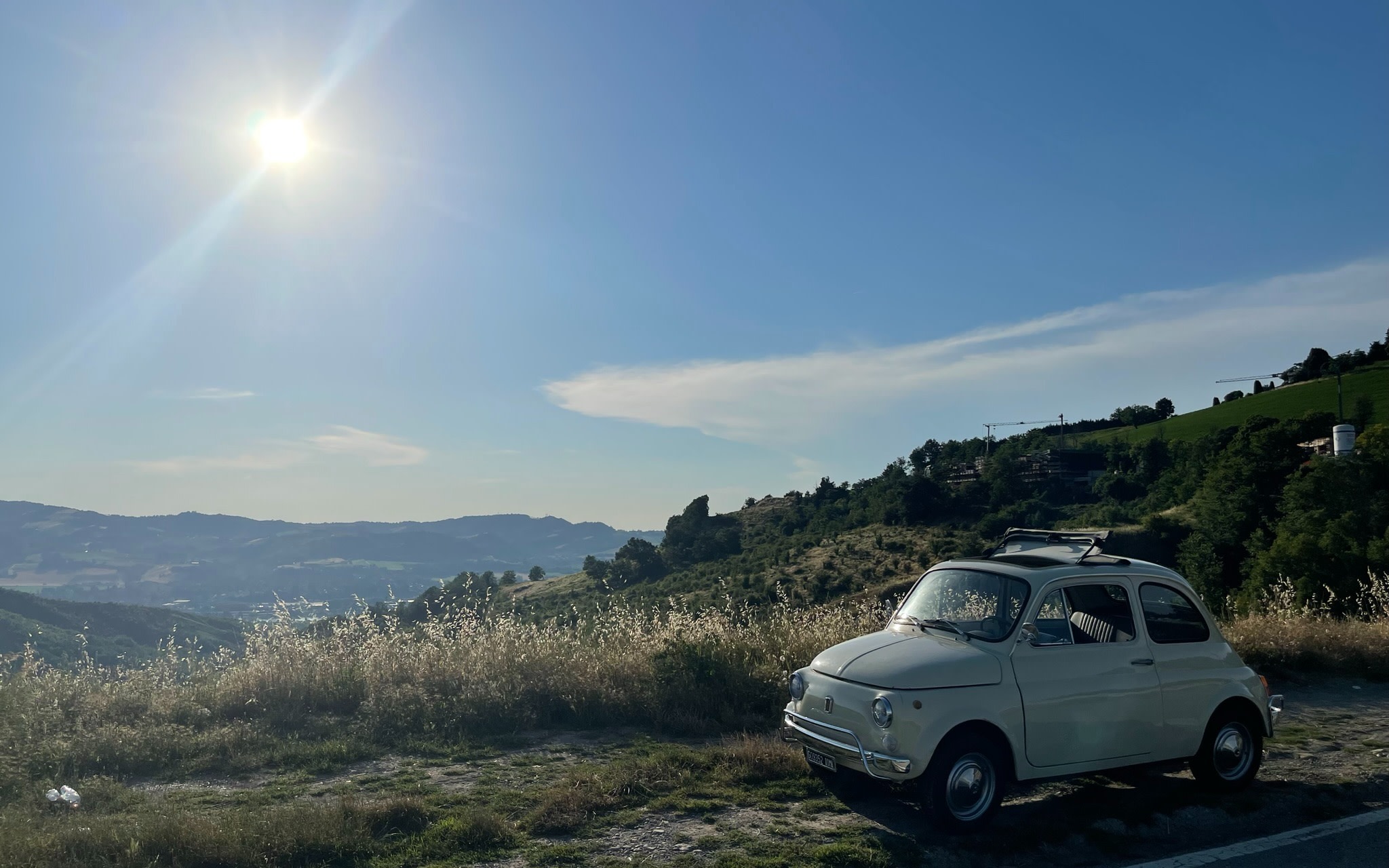
Explore Rome in style with the Fiat 500 Classic Tour, where vintage charm meets iconic sights. Begin your journey at the Colosseum, driving through historic landmarks like Circus Maximus and the serene Orange Garden, enjoying breathtaking views from Janiculum Hill. This unique adventure blends cultural exploration with a professional photoshoot, allowing you to capture unforgettable moments against the stunning backdrop of Rome’s skyline. Perfect for couples, families, or solo travelers, this tour offers a memorable way to experience the Eternal City.
Available options
Fiat 500 Classic Tour of Rome with Photoshoot
What's included
Ride in a classic Fiat 500 with driver
1 dedicated photoshoot stop at a scenic location
Commentary about each location
Detailed itinerary
1
Stop 1
Pass by
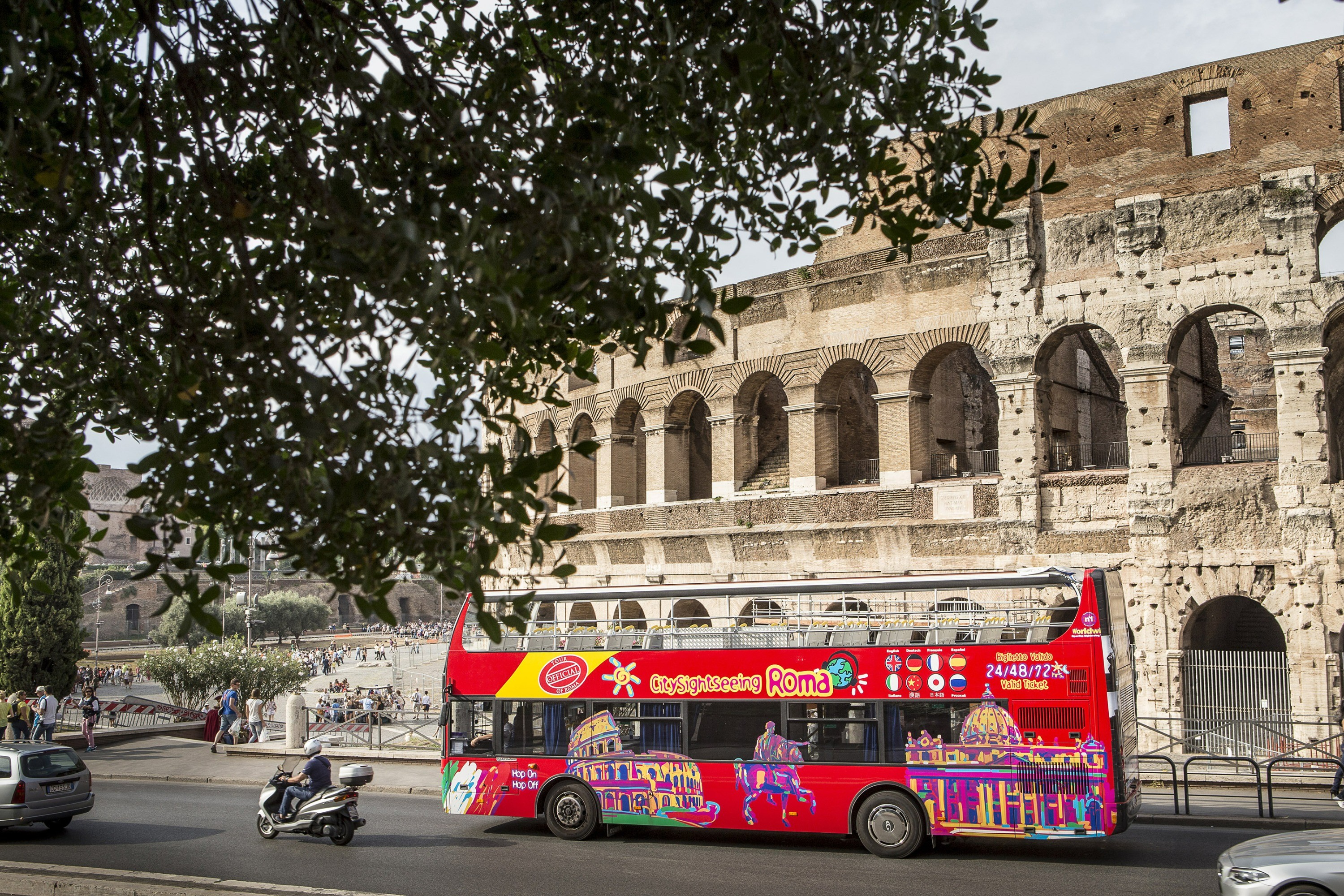
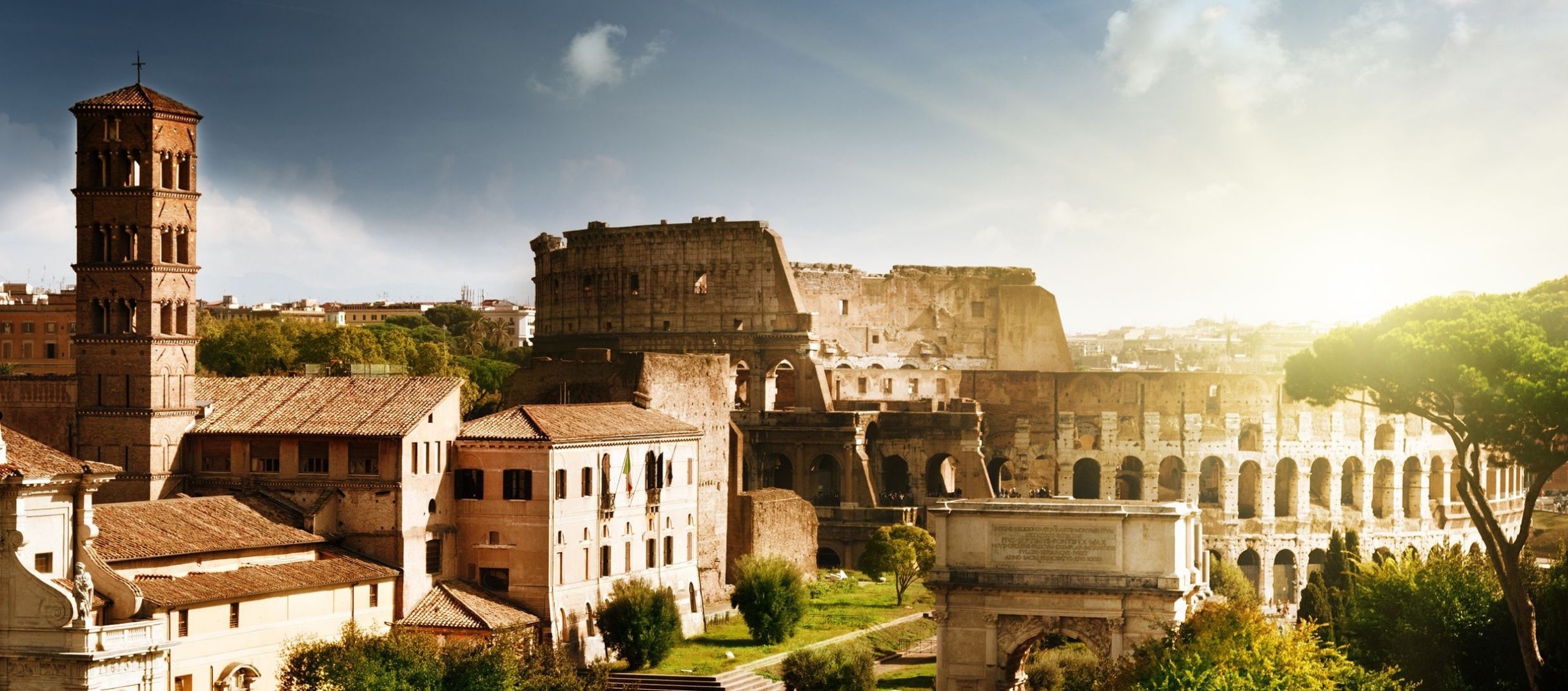
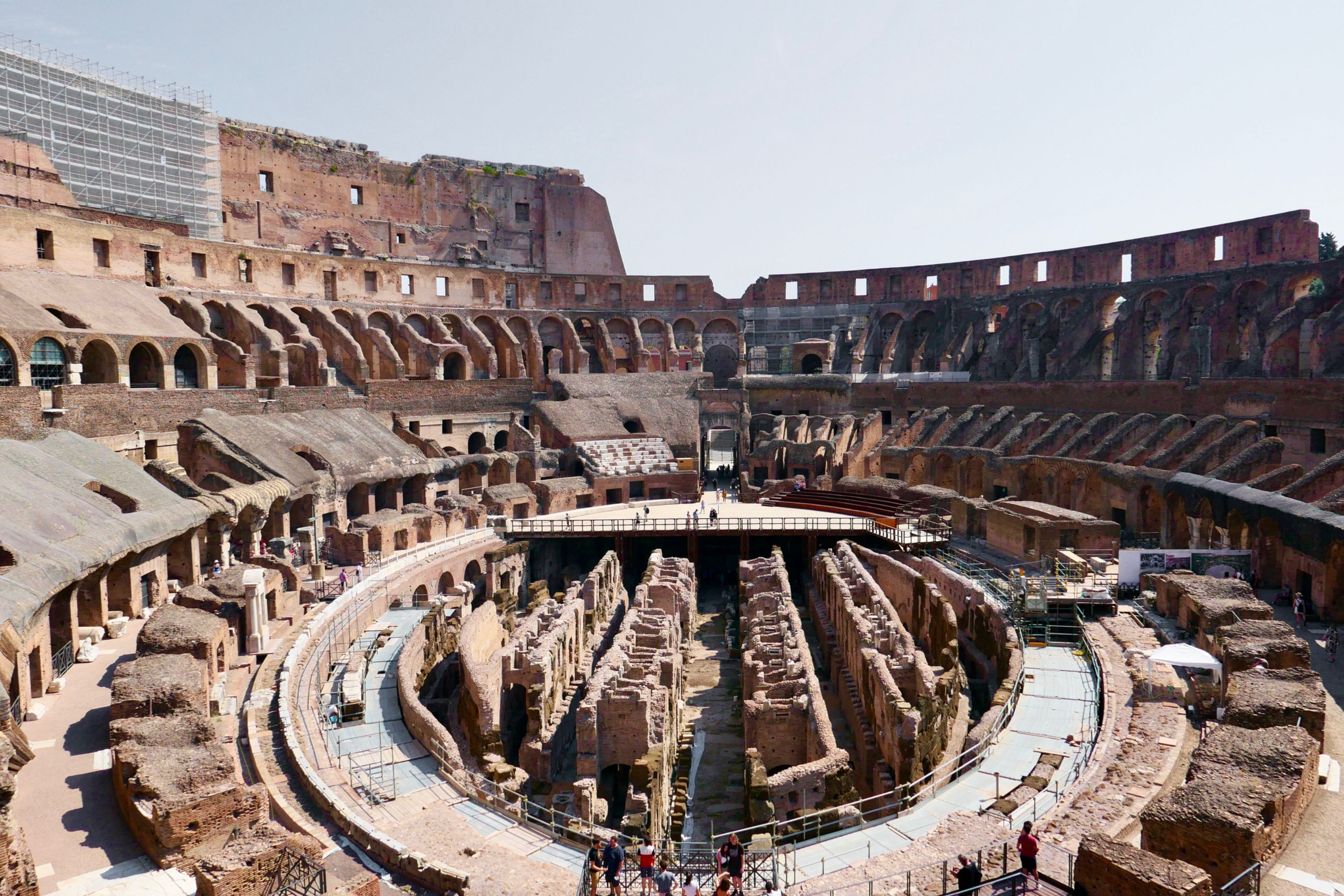
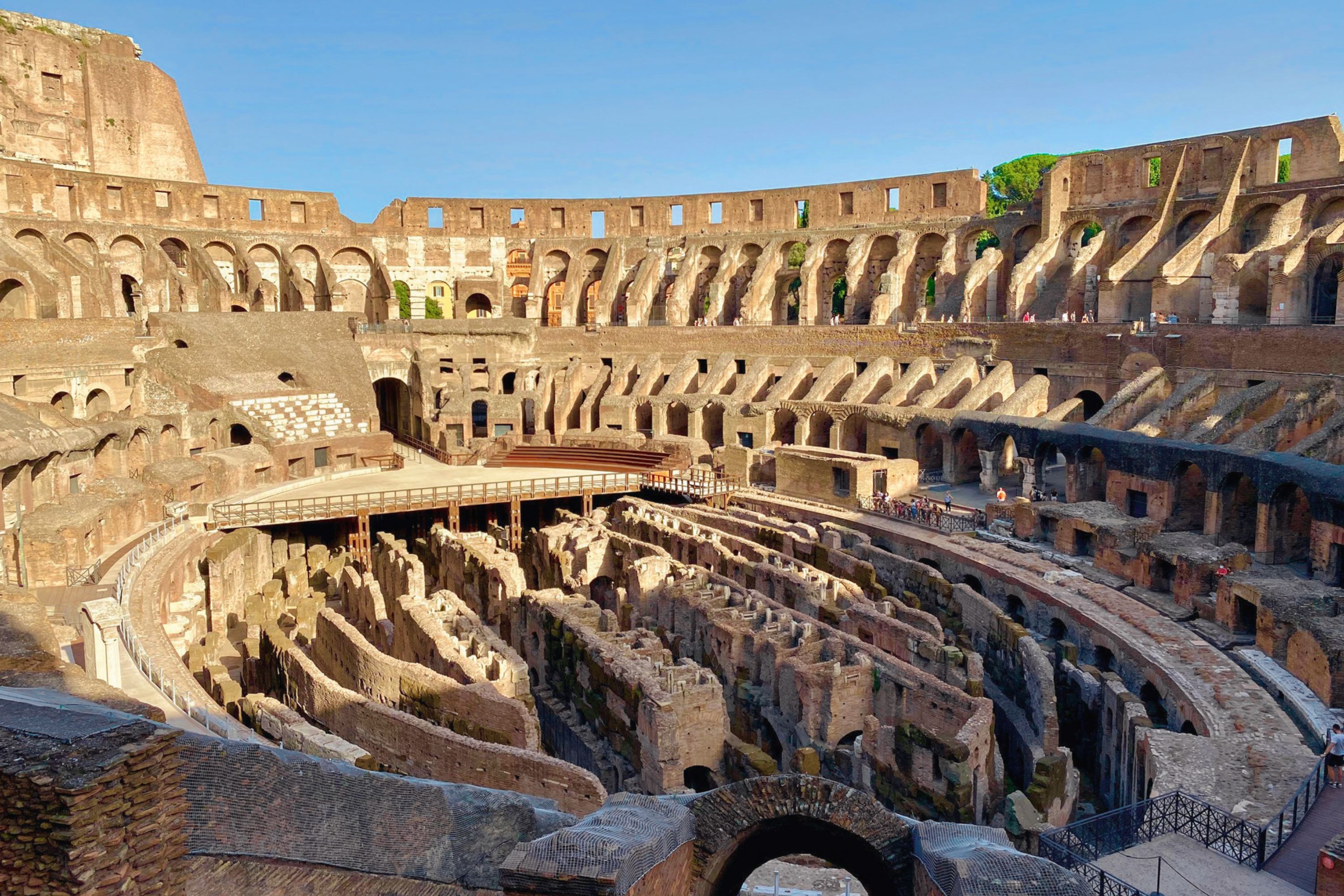
The Colosseum, also known as the Flavian Amphitheatre, is the most famous symbol of ancient Rome and one of the greatest engineering achievements of the Roman Empire. Built between 70–80 AD under Emperors Vespasian and Titus, it was designed to host massive public spectacles, including gladiator battles, animal hunts, mock naval battles, and theatrical performances.
Made of travertine stone, concrete, and marble, the Colosseum once held 50,000–80,000 spectators, who entered through 80 arched entrances. Its advanced system of corridors, lifts, and trapdoors allowed performers, animals, and scenery to appear dramatically from below the arena floor.
Although partially damaged by earthquakes and stone removal during the Middle Ages, the Colosseum remains incredibly well-preserved and is recognized as a UNESCO World Heritage Site. Today, it stands as a powerful reminder of Rome’s ancient glory and attracts millions of visitors each year.
2
Stop 2
Pass by
Circus Maximus is one of the most ancient and iconic landmarks of Rome, famous as the city’s largest entertainment venue of antiquity. Located between the Palatine and Aventine Hills, it was originally created in the 6th century BC and later expanded by several emperors, including Julius Caesar.
In its prime, Circus Maximus could hold an astonishing 150,000 to 250,000 spectators, making it the biggest stadium in the Roman Empire. It hosted thrilling chariot races, athletic competitions, religious festivals, and grand public celebrations. The most popular events were the four-horse chariot races (quadriga), where teams represented different Roman factions and competed at incredible speed around the massive track.
Although only the outline of the arena remains today, Circus Maximus still conveys its vast scale and historic importance.
3
The Orange Garden, officially called Giardino Savello, is one of Rome’s most peaceful and romantic viewpoints. Located on the Aventine Hill, the garden was created in the 1930s on land once belonging to the Savelli family fortress. Its name comes from the fragrant orange trees that fill the space, giving the garden its charming character.
Visitors love the Orange Garden for its quiet atmosphere, symmetrical pathways, and stunning terrace overlooking the city. From the viewpoint, you can admire the Tiber River, the Trastevere neighborhood, and a postcard-perfect view of St. Peter’s Basilica framed beautifully in the distance.
It’s a favorite spot for couples, photographers, and anyone seeking a peaceful break from the busy city. The combination of nature, history, and panoramic views makes the Orange Garden a true hidden gem of Rome.
4
The Basilica of Santa Sabina is one of the oldest and best-preserved early Christian churches in Rome. Located on the quiet Aventine Hill, right beside the Orange Garden, it was built between 422 and 432 AD by the priest Peter of Illyria on the site of a Roman house belonging to a woman named Sabina, who later became a saint.
Santa Sabina is renowned for its simple yet majestic architecture, a perfect example of early basilica style. Inside, the church preserves its original 5th-century structure: tall marble columns, large windows that fill the nave with soft natural light, and a wooden door carved with biblical scenes — including one of the earliest known depictions of the Crucifixion.
The basilica’s peaceful atmosphere and ancient beauty make it a favorite spot for history lovers and visitors seeking a quiet moment away from the city. Together with the Orange Garden, it forms one of the most serene and spiritual corners of Rome.
5
Stop 5
Pass by
Trastevere is one of Rome’s most charming and lively neighborhoods, known for its narrow cobblestone streets, colorful buildings, and authentic Roman atmosphere. Its name comes from the Latin “trans Tiberim”, meaning “beyond the Tiber”, as it sits on the river’s west bank.
Originally a working-class district, Trastevere has kept its traditional character while becoming a vibrant area filled with cafés, artisan shops, trattorias, and hidden courtyards. Visitors love wandering through its maze-like alleys, where laundry hangs between windows and ivy grows on centuries-old walls — a picture-perfect scene of everyday Roman life.
At the heart of the neighborhood stands Piazza di Santa Maria, one of Rome’s oldest squares, home to the beautiful Basilica of Santa Maria in Trastevere. By day, Trastevere feels slow and picturesque; by night, it becomes one of the city’s most energetic areas, full of music, lights, and local charm.
6
About Fontana dell’Acqua Paola
The Fontana dell’Acqua Paola, often called “Il Fontanone” (the big fountain), is one of Rome’s most impressive Baroque fountains. Completed in 1612 under Pope Paul V, it marked the end of the restored Acqua Paola aqueduct, which brought fresh water back to the western side of Rome, including the Janiculum Hill and Trastevere.
Designed by Giovanni Fontana and Flaminio Ponzio, the fountain features five grand arches crowned by papal symbols and decorative columns. Water cascades into a wide basin, creating a dramatic, theatrical effect typical of the Baroque era. Its white marble façade includes materials taken from ancient Roman monuments, giving it a rich historical character.
7
Janiculum Hill, known in Italian as Gianicolo, is one of the highest and most scenic viewpoints in Rome. Although it lies just outside the ancient city walls, it has always played an important role in Rome’s history and defense. Today, it is beloved for its sweeping panoramic views over the city’s domes, rooftops, and historic skyline.
The hill is dotted with monuments, including the impressive equestrian statue of Giuseppe Garibaldi, a key figure in Italy’s unification. Nearby, the Faro al Gianicolo (lighthouse) and several commemorative busts celebrate Italy’s heroes.
One of the hill’s most charming traditions is the daily noon cannon: every day at 12:00, a cannon fires a blank shot — a ritual started in the 1800s to help synchronize the city’s church bells.
8
Stop 8
Pass by
Castel Sant’Angelo, originally built as Emperor Hadrian’s mausoleum in 135 AD, is one of Rome’s most iconic and historically rich monuments. Over nearly two thousand years, it has transformed from an imperial tomb into a fortress, papal residence, prison, and now a museum.
The castle’s cylindrical structure is topped by a statue of the Archangel Michael, who, according to legend, appeared above the building in 590 AD to signal the end of a devastating plague — giving the castle its name, “Castle of the Holy Angel.”
9
Stop 9
Pass by
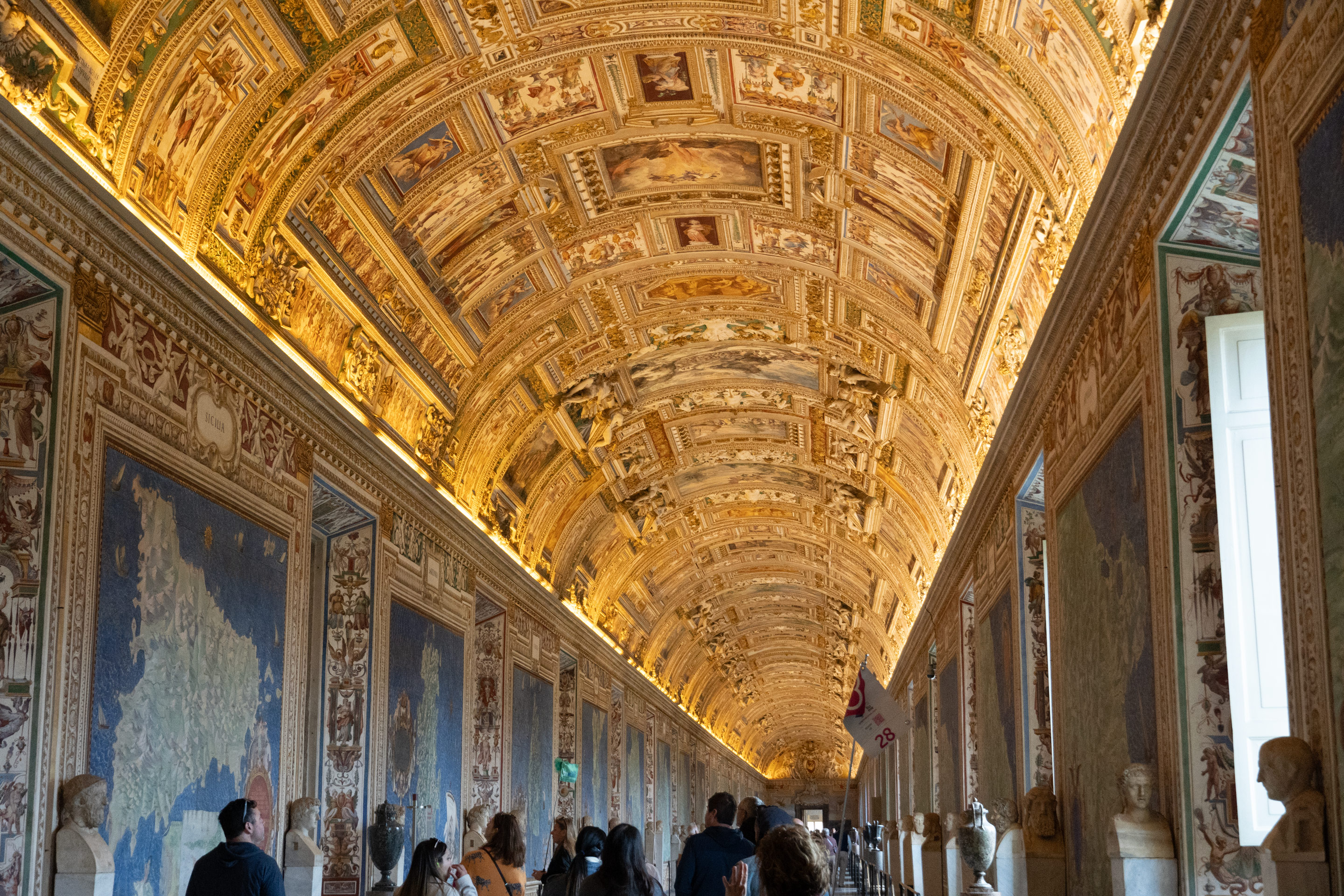
St. Peter’s Basilica, located in Vatican City, is the largest and one of the most important churches in the world. Built over the site where Saint Peter, the apostle and first pope, is believed to be buried, it has been a place of pilgrimage for centuries. The current basilica was constructed between the 1500s and 1600s, with contributions from legendary artists such as Michelangelo, Bernini, and Bramante.
What's not included
Dinner
Available languages
Guide guide
EN
TR
Important information
Public transportation options are available nearby
Suitable for all physical fitness levels
Meeting point
we will meet at square and you will see classic fiat 500
About Rome
Rome, the capital of Italy, is a city of ancient ruins, artistic masterpieces, and vibrant culture. Known as the Eternal City, it is a living museum where every corner tells a story of its rich history spanning over 2,500 years.
Top Attractions
Colosseum
The Colosseum is an iconic symbol of Rome and one of the most famous ancient amphitheaters in the world. It was used for gladiatorial contests and public spectacles.
Historical
1-2 hours
€16 (combined ticket with Roman Forum and Palatine Hill)
Vatican City
Vatican City is an independent city-state enclaved within Rome. It is the spiritual and administrative center of the Roman Catholic Church.
Religious
Half day
€17 (Vatican Museums and Sistine Chapel), Free (St. Peter's Basilica)
Roman Forum
The Roman Forum was the political, commercial, and legal hub of the Roman Republic and Empire. It is a sprawling ruin of temples, basilicas, and arches.
Historical
1-2 hours
€16 (combined ticket with Colosseum and Palatine Hill)
Pantheon
The Pantheon is a former Roman temple, now a church, known for its large dome and oculus. It is one of the best-preserved ancient buildings in Rome.
Historical
30 minutes to 1 hour
Free
Trevi Fountain
The Trevi Fountain is a Baroque masterpiece and the largest fountain in Rome. It is a popular spot for visitors to throw coins and make wishes.
Architecture
15-30 minutes
Free
Must-Try Local Dishes
Cacio e Pepe
A simple yet delicious pasta dish made with Pecorino Romano cheese and black pepper.
Pasta
Vegetarian
Carbonara
A rich pasta dish made with eggs, Pecorino Romano, guanciale (cured pork cheek), and black pepper.
Pasta
Contains pork and eggs
Supplì
Fried rice balls filled with mozzarella and tomato sauce.
Snack
Vegetarian (some variations may contain meat)
Carciofi alla Romana
Artichokes braised with garlic, mint, and olive oil.
Vegetable
Vegetarian
Popular Activities
Hiking in the Appian Way Regional Park
Biking along the Tiber River
Rock climbing in the nearby mountains
Picnicking in Villa Borghese Gardens
Boating on Lake Albano
Enjoying a spa day at a luxury hotel
Visiting the Vatican Museums
Attending an opera at the Teatro dell'Opera di Roma
Best Time to Visit
April to June, September to October
Spring and fall offer pleasant weather and fewer crowds compared to the summer peak. Ideal for sightseeing and outdoor activities.
15-30°C
59-86°F
Practical Information
Language
- Official: Italian
- Widely spoken: English, Spanish, French
- English: Moderately spoken
Currency
Euro (EUR)
Time Zone
GMT+1 (CET), GMT+2 (CEST during daylight saving time)
Electricity
230VV, 50HzHz
Safety Information
Overall Safety Rating: Generally safe
Rome is generally safe for tourists, but pickpocketing and scams can be a problem in crowded areas. Be aware of your surroundings and take precautions to protect your belongings.
Important Precautions:
- • Keep valuables secure and out of sight
- • Use official taxis or ride-sharing services
- • Be cautious of strangers approaching you with petitions or bracelets
Getting there
By air
- Leonardo da Vinci International Airport • 35 km from city center
- Ciampino Airport • 15 km from city center
By train
Roma Termini, Roma Tiburtina
By bus
Tiburtina Bus Station, Roma Termini
Getting around
Public transport
The metro system is efficient and covers major tourist areas. It operates from 5:30 AM to 11:30 PM.
Taxis
Available • Apps: Uber, FreeNow
Rentals
Car, Bike, Scooter
Neighborhoods
Trastevere
Monti
Prancipio
Testaccio
Day trips
Ostia Antica
30 km from Rome • Half day
An ancient Roman port city with well-preserved ruins, including a theater, baths, and mosaics. It offers a glimpse into daily life in ancient Rome.
Tivoli
30 km from Rome • Full day
A picturesque town known for its stunning villas and gardens, including the famous Villa d'Este with its elaborate fountains and gardens.
Orvieto
120 km from Rome • Full day
A charming hilltop town known for its stunning cathedral, underground caves, and local wine. It offers a mix of history, culture, and scenic views.
Festivals
Natale di Roma • April 21
Festa de' Noantri • July
Rome Film Festival • October
Pro tips
- Visit major attractions early in the morning or late in the afternoon to avoid crowds
- Use public transport or walk instead of taking taxis to save money and experience the city like a local
- Try local specialties and ask for recommendations from locals and restaurant staff
- Dress modestly when visiting religious sites and be respectful of local customs and traditions
- Be aware of pickpockets and scams, especially in crowded areas and tourist hotspots
From $25
per person
Price varies by option
Secure booking
Free cancellation available
Instant confirmation