Private Tour in South Bonaire - Flamingos and Salt flats
Active
3h
For a full refund, cancel at least 24 hours before the scheduled departure time.
Instant_then_manual confirmation
Mobile or paper ticket accepted
About this experience
During this extended private tour, you will explore all the famous highlights of Bonaire’s vibrant southern region and more. With only your own group and your guide, you will enjoy pink flamingos, turquoise waters, lush mangroves, sweeping views, colorful street art, and secluded beaches.
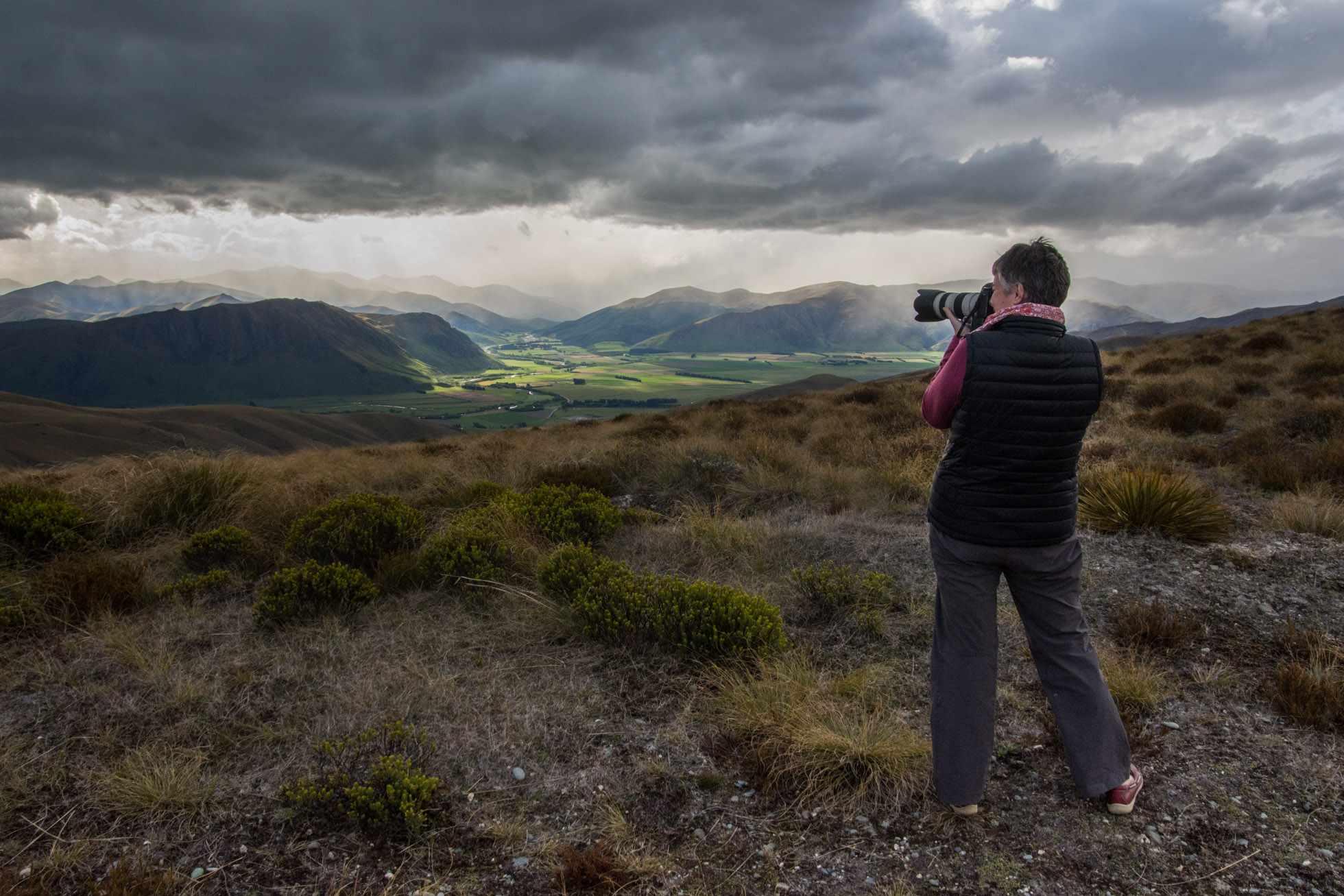
Enjoy fresh snacks and drinks as you explore at your own pace, with a knowledgeable guide providing insights into nature, history, and culture. Along the way, photos will be taken with a professional camera and telephoto lens of what you are seeing through your binoculars. After the tour, the best shots will be emailed to you as a beautiful reminder of your tour.
• Visit iconic spots: Seru Largu, the Pink Lakes, and more
• Enjoy a private tour tailored to your preferences
• Discover quiet, remote locations away from the crowds
• Travel in comfort with snacks, drinks, and expert guidance included
Available options
Private Tour in South Bonaire - Flamingos and Salt flats
What's included
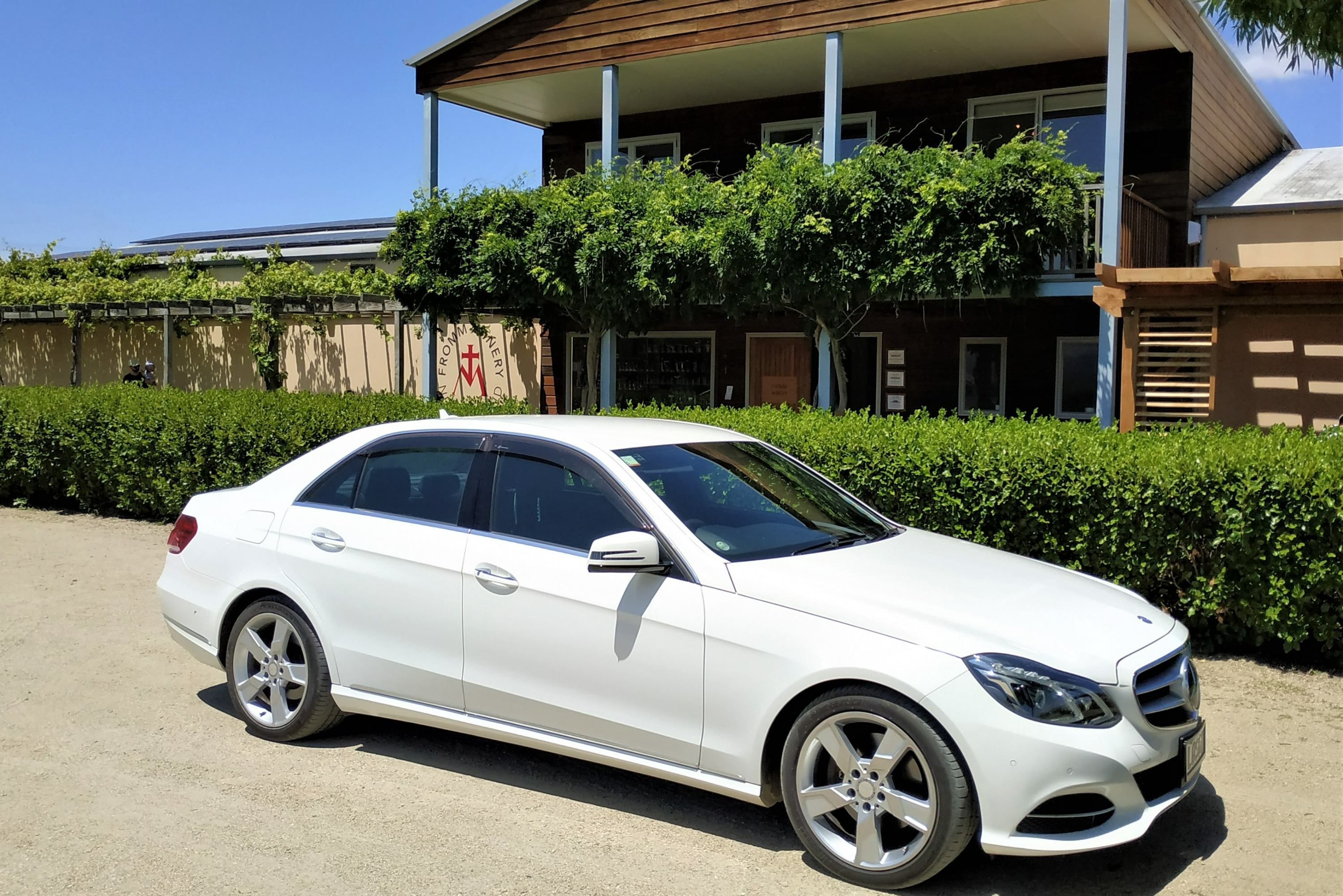
Private transportation
Soda/Pop
Use of binoculars
Snacks
Air-conditioned vehicle
Detailed itinerary
1
Stop 1
You start the tour at Seru Largu, the most famous lookout point on Bonaire. From here, you overlook the capital Kralendijk and the entire southern tip of the island, including many of the places you will visit during the tour. On clear days, you can even see the neighboring island of Curaçao.
At the top, you will find the bright yellow and white Millennium Monument with a white cross, placed in 2000 by Bonaire’s Council of Churches. The inscription “Kristu Ayera Awe Semper” translates to “Christ, yesterday, today and forever,” and the cross is visible from many parts of the island.
2
Stop 2
Lac Cai is a local beach that should not be missed during your visit to the south of Bonaire. This paradisiacal sandy beach along the azure blue waters of Lac Bay has a relaxed end of the road vibe that feels far away from town. It is a favorite stop to stretch your legs and take beautiful photos, including shots of the small fishing boats, piles of conch shells, and the lone tree on the beach.
Lac Cai is located in the heart of one of the island’s most important natural areas. The lagoon is part of the Bonaire National Marine Park, is internationally recognized as a Ramsar wetland and an Important Bird Area, and is valued for its mangrove forest, seagrass beds, and reef fringe. Along the way, your guide will share insights about this fascinating ecosystem and stop at one of the best places on Bonaire to observe flamingos up close.
3
Sorobon is one of the most well known highlights of Bonaire. This peninsula in Lac Bay is a lively place with a relaxed surfer vibe. We visit the lookout tower used by the rangers of the Bonaire National Marine Park to oversee the area. From the top, you can enjoy a spectacular view of the azure blue water, the mangroves, the seagrass beds, the windsurfers, Lac Cai, and the waves breaking on the reef.
The views, the shade, and a refreshing breeze make this the perfect spot for a drink and some fresh fruit.
4
In the far south, you will admire Willemstoren, a photogenic lighthouse set in a rocky landscape along Bonaire’s wild, rugged coastline.
On the way, we will drive past the old shrimp factory for a quick stop to see some iconic street art, including the Bona Lisa, It’s Gonna Be OK, and Enjoy the Little Things. A little further down the road, we will visit a spot featuring local driftwood art.
5
Pekelmeer Flamingo Sanctuary is Bonaire’s iconic salt-lake reserve in the southern salt pans, where Caribbean flamingos gather in impressive numbers. It is a protected breeding area, so you cannot enter the sanctuary. While you watch the flamingos through the binoculars we provide, your guide will share fascinating insights about these iconic birds and their breeding behavior.
6
The Slave Huts are small, stark stone shelters along the historic salt pans near Pekelmeer. They are a powerful reminder of Bonaire’s slavery past, when the island was known as “the White Hell” because of the harsh work in the salt. Here, you will learn more about this dark chapter in Dutch colonial history and the people who lived and labored under these conditions.
7
If you would like, we can make a quick photo stop at the white slave huts. Compared to the red huts you visited earlier, this site is smaller and often a bit busier. Just tell your guide.
On the way, we will pass Atlantis Beach. On windy days, you will often see kitesurfers soaring high above the water and landing spectacular tricks. Definitely worth a quick stop.
8
Pink Beach is your tropical photo moment. Picture yourself under a palm tree with the calm, crystal-clear Caribbean Sea in the background. It does not get more tropical than this.
9
The pink lakes, salt pyramids and the salt pier are an absolute highlight of this tour.
You will drive through Bonaire’s southern salt pans, where the landscape suddenly turns almost unreal. The salt lakes are shallow evaporation ponds that can glow soft pink or even lavender, framed by a strip of land and the bright turquoise Caribbean Sea. Those special colors come from salt-loving microorganisms and tiny brine shrimp that thrive in the extra-salty water.
Right alongside the ponds, you will see the famous white salt pyramids: huge mountains of harvested sea salt stacked in long rows while they wait for shipment. The crisp white peaks against the blue sky and pastel water make one of the most photogenic scenes on the island.
Finally, you will see the Salt Pier. This is where the salt leaves Bonaire, as ships are loaded for transport.
Available languages
Guide guide
EN
NL
Important information
Suitable for all physical fitness levels
About Bonaire
Bonaire is a picturesque Caribbean island known for its stunning marine life, vibrant coral reefs, and pristine beaches. It is part of the ABC islands (Aruba, Bonaire, and Curaçao) and offers a unique blend of Dutch influence and Caribbean culture.
Top Attractions
Klein Bonaire
A small, uninhabited island off the coast of Bonaire, known for its pristine beaches and excellent snorkeling and diving spots.
Nature
Half day to full day
Free (boat transport may cost)
Washington-Slagbaai National Park
A large national park covering the northern part of Bonaire, featuring diverse landscapes, wildlife, and scenic views.
Nature
Full day
Moderate (entry fee applies)
Bonaire National Marine Park
A protected marine area surrounding Bonaire, offering some of the best diving and snorkeling in the Caribbean.
Nature
Half day to full day
Free (diving/snorkeling gear rental may cost)
Bonaire Museum
A museum showcasing the history and culture of Bonaire, from its indigenous inhabitants to its Dutch colonial past.
Historical
1-2 hours
Budget
Must-Try Local Dishes
Keshi Yena
A traditional Bonairean dish made with cheese, meat, and spices, baked in a hollowed-out cheese wheel.
Dinner
Contains dairy and meat
Funchi
A cornmeal-based dish similar to polenta, often served with fish or meat.
Side Dish
Vegetarian
Bonairean Pancakes
Thick, fluffy pancakes often served with fruit and syrup.
Breakfast
Vegetarian (can be made vegan)
Popular Activities
Diving
Snorkeling
Hiking
Windsurfing
Beach relaxation
Sunset watching
Spa treatments
Visiting museums
Best Time to Visit
December to April
This is the most popular time to visit Bonaire, with pleasant temperatures and minimal rainfall. It's ideal for diving, snorkeling, and beach activities.
24-30°C
75-86°F
Practical Information
Language
- Official: Dutch
- Widely spoken: Papiamento, English, Spanish
- English: Widely spoken
Currency
Netherlands Antillean Guilder (ANG)
Time Zone
GMT-4
Electricity
127VV, 50HzHz
Safety Information
Overall Safety Rating: Generally safe
Bonaire is generally safe for tourists, with low crime rates and a relaxed atmosphere. However, standard precautions should be taken to ensure a safe and enjoyable trip.
Important Precautions:
- • Keep valuables secure
- • Use reputable tour operators
- • Be cautious of aggressive sales tactics
Getting there
By air
- Flamingo International Airport • 2 km from Kralendijk
Getting around
Public transport
Buses are infrequent and not the most reliable mode of transport.
Taxis
Available • Apps: None available
Rentals
Car, Bike, Scooter
Neighborhoods
Kralendijk
Rincon
Sorobon
Day trips
Klein Bonaire
1 km from Kralendijk • Half day to full day
A small, uninhabited island off the coast of Bonaire, known for its pristine beaches and excellent snorkeling and diving spots.
Washington-Slagbaai National Park
15 km from Kralendijk • Full day
A large national park covering the northern part of Bonaire, featuring diverse landscapes, wildlife, and scenic views.
Lac Bay
10 km from Kralendijk • Half day to full day
A picturesque bay known for its calm waters, making it ideal for windsurfing, kitesurfing, and other water sports.
Festivals
Bonaire Carnival • February to March
Bonaire International Dive Festival • May to June
Bonaire Art Festival • November to December
Pro tips
- Rent a car for flexibility and to explore the island at your own pace
- Visit Klein Bonaire for a secluded and pristine beach experience
- Try local dishes like Keshi Yena and Funchi for an authentic Bonairean culinary experience
- Book diving and snorkeling tours in advance, especially during peak season
- Respect the marine environment and follow park guidelines when visiting Bonaire National Marine Park
From $25
per person
Price varies by option
Secure booking
Free cancellation available