Rome Dolce Vita Tour in Vintage Electric Fiat
Active
3h
For a full refund, cancel at least 24 hours before the scheduled departure time.
Instant confirmation
Mobile or paper ticket accepted
About this experience
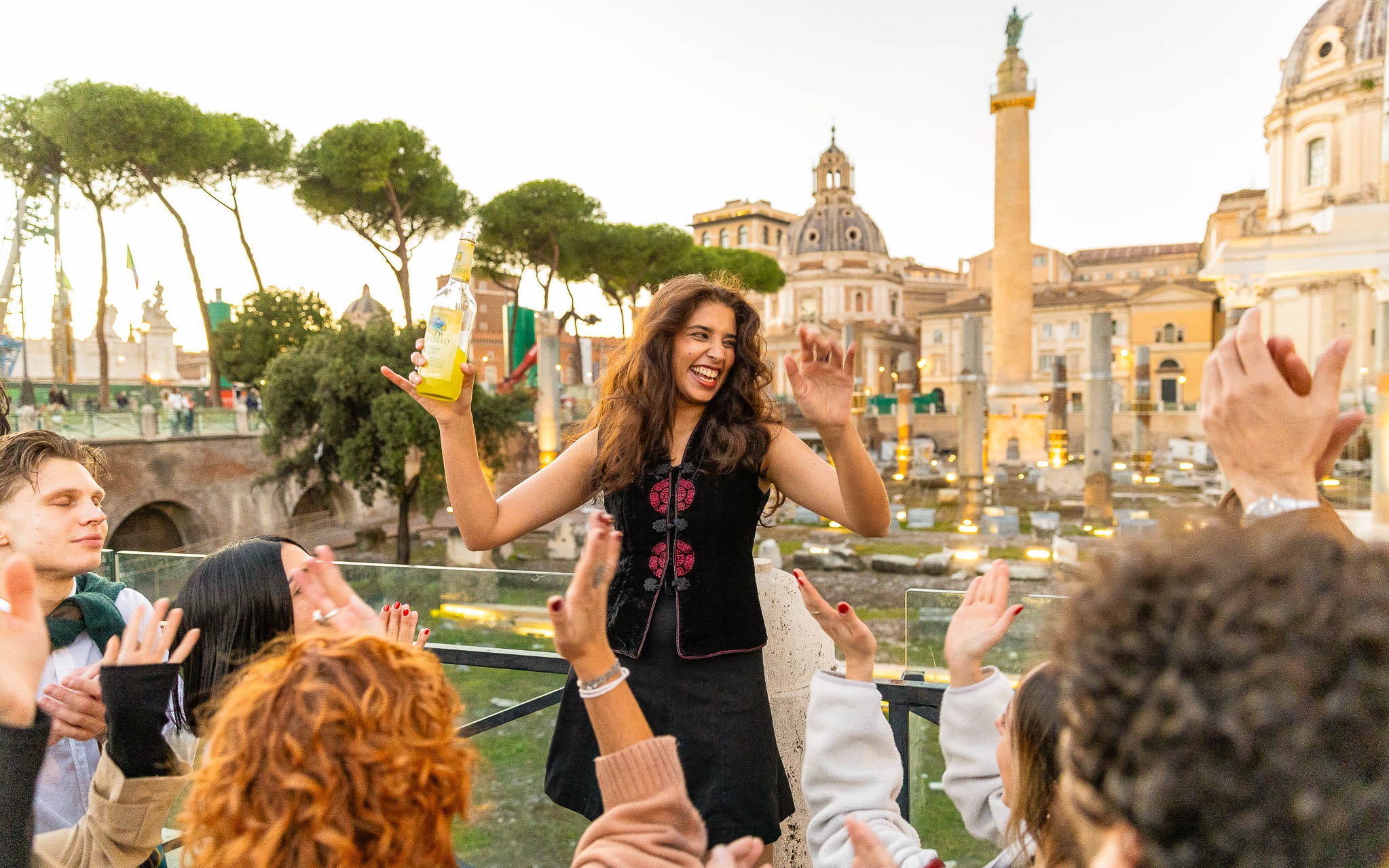
Discover the charm of Rome on the Dolce Vita Tour, a private driving experience in vintage electric cabrios. Glide through iconic sites like the Pantheon, Trevi Fountain, and Spanish Steps while enjoying the beauty of Villa Borghese gardens. This eco-friendly tour not only showcases Rome’s history and culture but also offers a personalized touch with an English-speaking driver.
- Explore famous landmarks and hidden gems in stylish electric cabrios
- Enjoy personalized service with central hotel pickup and drop-off
Available options
Rome Dolce Vita Tour in Vintage Electric Fiat
What's included
English speaking driver
Pick-up from your central hotel in Rome
Detailed itinerary
1
Villa Borghese is one of Rome’s largest parks, stretching across more than 80 hectares of landscaped gardens, shady paths, fountains, and sculptures. It’s also a cultural hub, home to museums and galleries such as the Borghese Gallery, famous for its Renaissance and Baroque masterpieces. With a boating lake, picnic areas, and plenty of open space, it’s ideal for a relaxing break—whether you explore on foot, by bike, or even by horse-drawn carriage.
2
Stop 2
Piazza del Popolo is a grand, elegant square that has welcomed travelers into Rome for centuries. Dominated by an ancient Egyptian obelisk and framed by historic churches and architecture, it’s a lively gathering point with a classic Roman atmosphere. For one of the best views in the city, the nearby Pincio Terrace offers a panoramic overlook that’s especially beautiful at sunset.
3
Built in 28 BC, the Mausoleum of Augustus is the monumental tomb of Rome’s first emperor and one of the most fascinating symbols of the early Empire. Even today, its scale and presence are impressive, offering a glimpse into the ambition and legacy of Augustus. Set in a calmer area with greenery nearby, it’s a striking stop for anyone curious about ancient Roman history and imperial grandeur.
4
Stop 4
Pass by
Via del Corso is one of Rome’s main arteries, running through the historic center from Piazza del Popolo to Piazza Venezia. It’s always buzzing—lined with shops, cafés, and grand palaces—making it perfect for taking in the city’s everyday energy. Passing through here feels like seeing Rome’s modern rhythm set against a timeless backdrop.
5
Stop 5
Rising high in the city center, the Column of Marcus Aurelius is a remarkable ancient monument carved with detailed reliefs that spiral upward like a story in stone. It celebrates the emperor’s military campaigns and offers a rare look at Roman artistry and propaganda. It’s a quick stop, but one that rewards those who look closely at the intricate scenes.
6
Piazza Venezia is one of Rome’s most dramatic crossroads, where the city’s modern traffic meets the monumental backdrop of history. The scene is dominated by the Vittoriano, a massive white marble monument dedicated to Italy’s first king, and it’s also a gateway area to the ancient heart of Rome. From here, the Eternal City’s layers—ancient, medieval, and modern—feel especially vivid.
7
The Trajan Markets are an extraordinary ancient complex that once served as a center of commerce and administration during Emperor Trajan’s reign. Nearby, the Forum of Augustus adds another powerful chapter of imperial Rome, with ruins that still convey the scale and sophistication of the ancient city. Together, they offer one of the best places to appreciate Rome’s architectural genius and the legacy of the Imperial Fora.
8
Stop 8
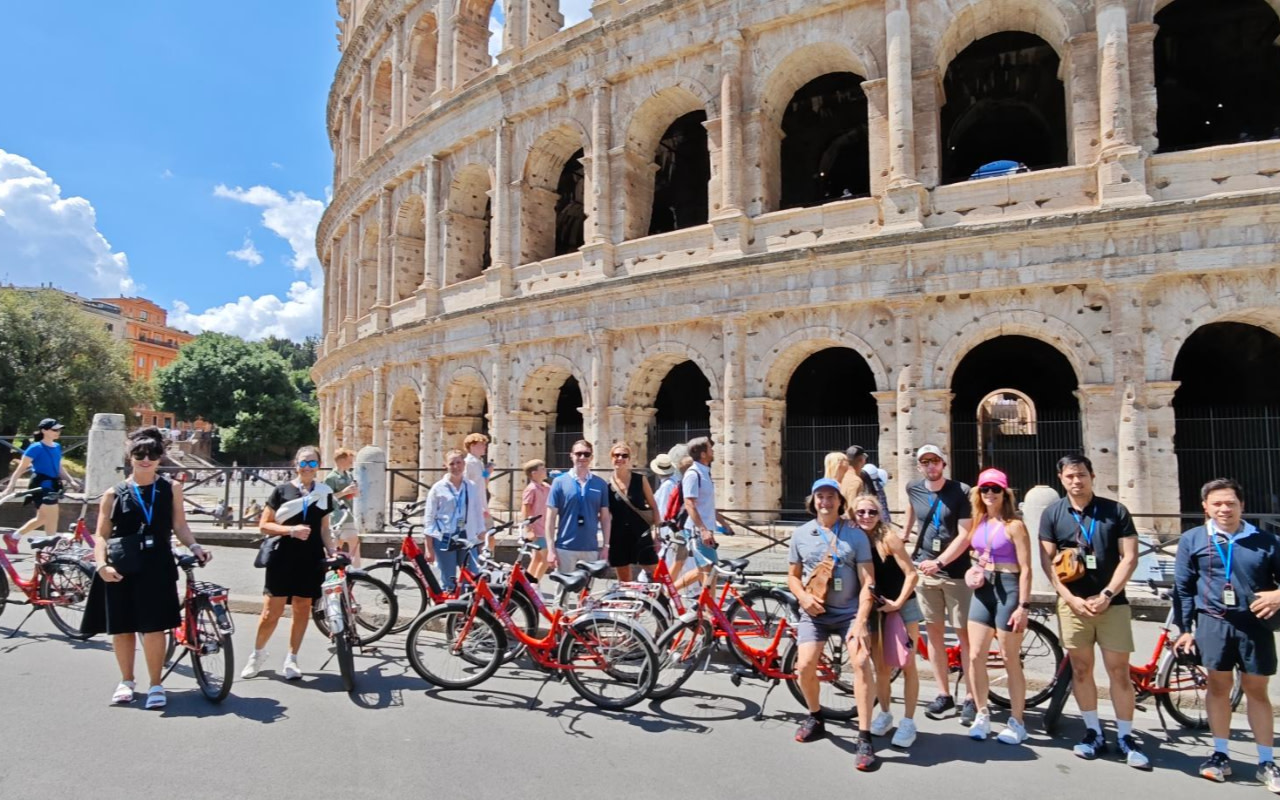
The Colosseum is Rome’s most iconic landmark and the largest amphitheater ever built in the ancient world. Its arches and massive structure still inspire awe, echoing the spectacles that once captivated thousands of spectators. Whether viewed from outside or visited inside, it remains the ultimate symbol of Rome’s power, engineering, and history.
9
Stop 9
Once the greatest chariot-racing stadium of the ancient world, Circus Maximus could host enormous crowds for races and public events. Today, it’s an open, walkable area where you can still sense the vast scale of what once stood here. It’s a fascinating stop for imagining the excitement and pageantry of ancient Rome.
10
The Orange Gardens (Giardini degli Aranci) are a public park in Rome, Italy. The park is on Aventine Hill, offering panoramic views over the city and the nearby Tiber River. The Orange Gardens are famous for their lush greenery, beautiful flower beds, and citrus trees that give the park its name. The park is a peaceful oasis in the heart of the city, providing visitors with a respite from the busy streets of Rome. The Orange Gardens are also famous for a small keyhole in one of the walls, which offers a framed view of St. Peter's Basilica in the Vatican City when viewed from the correct angle.
11
Stop 11
The Mouth of Truth is a legendary marble mask with a famous tale: place your hand inside, and if you lie, it will “bite” you. Located at Santa Maria in Cosmedin, it’s a fun and iconic photo stop made even more interesting by the ancient surroundings nearby, including the impressive remains of Roman-era temples such as the Temple of Hercules and the Temple of Portunus.
12
Stop 12
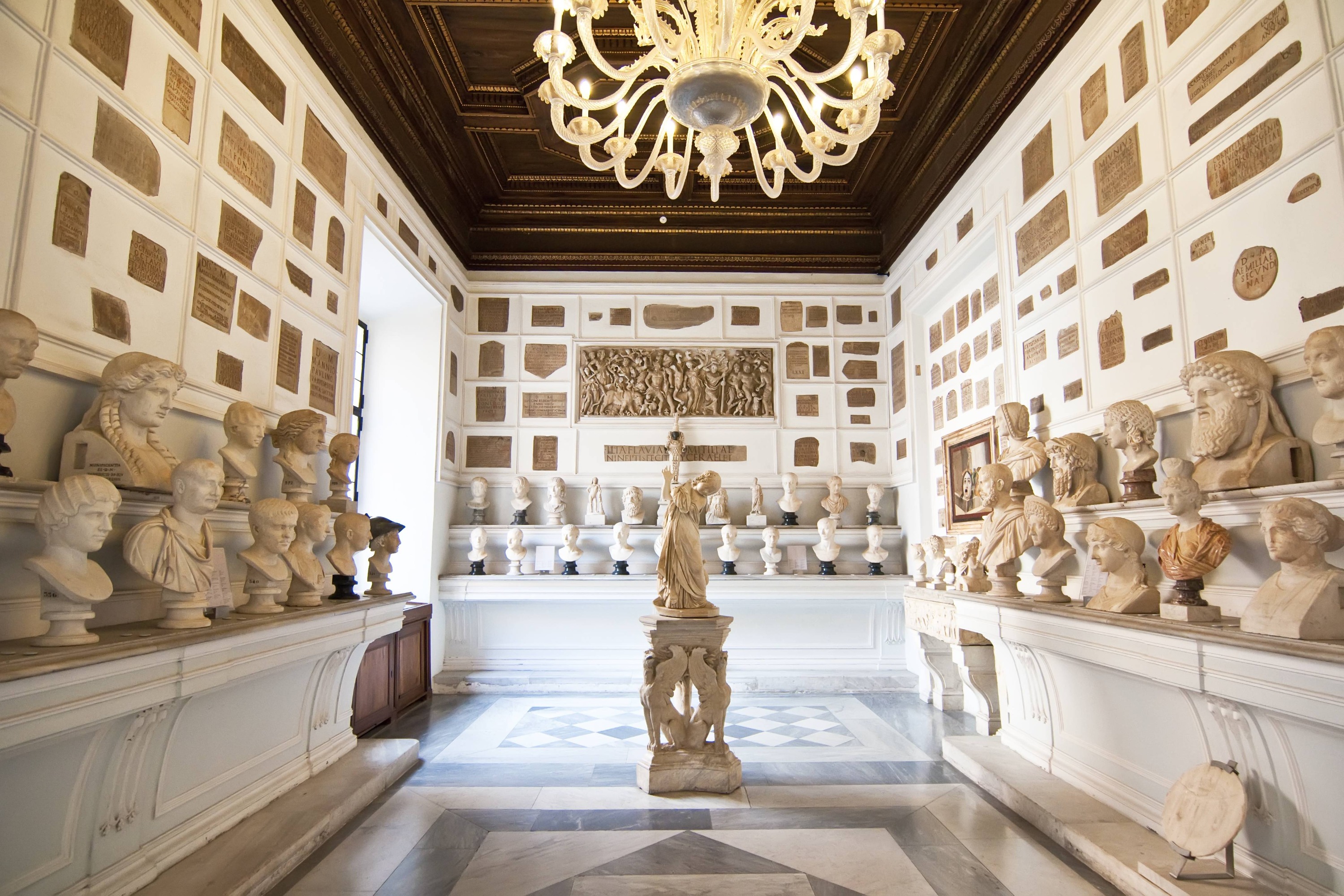
Located in the center of Capitoline Hill is one of the seven hills of Rome and is located in the center of the city. This hill was an important religious and political center during ancient Rome and was the location of the Temple of Jupiter and the seat of the Roman Senate. Today, Capitoline Hill is a significant tourist destination home to several important museums and historic sites. The Capitoline Museums, housed in the Palazzo dei Conservatori and the Palazzo Nuovo, are among the oldest public museums in the world and house an impressive collection of ancient Roman art and artifacts. The hill is also home to the Piazza del Campidoglio, designed by Michelangelo, and the statue of Marcus Aurelius, one of the few equestrian statues to have survived from ancient Rome.
13
Stop 13
Piazza Navona is one of Rome’s most beautiful and lively squares, built over the footprint of an ancient Roman stadium. It’s famous for its baroque fountains—especially Bernini’s Fountain of the Four Rivers—along with outdoor cafés, street artists, and an upbeat atmosphere that feels uniquely Roman. It’s a perfect place to stop, admire, and soak in the city’s charm.
14
Stop 14
The Pantheon is one of the best-preserved monuments of ancient Rome and an architectural masterpiece. Its vast dome—still the largest unsupported concrete dome in the world—creates a breathtaking interior, lit by the open oculus at its center. Rich marble details and perfect proportions make it a must-see, even for visitors who’ve already seen Rome’s major highlights.
15
Stop 15
Sant’Ignazio is a baroque treasure known for its spectacular illusionistic ceiling frescoes. The most famous feature is the “false dome,” a trompe-l’oeil painting that looks like real architecture from the perfect viewing spot. Inside, gold details, dramatic artwork, and a sense of theatrical beauty make it one of the most surprising churches in Rome.
16
Stop 16
The Trevi Fountain is a dazzling Baroque masterpiece and one of the most famous fountains on Earth. Its sculpted figures, dramatic façade, and roaring water create an unforgettable scene day or night. Tradition says that tossing a coin into the fountain ensures a return to Rome—making it both a beautiful landmark and a classic Roman ritual.
17
Stop 17
The Spanish Steps are a sweeping staircase of 138 steps connecting Piazza di Spagna to the church of Trinità dei Monti. It’s one of Rome’s most stylish meeting points, known for its views, elegant surroundings, and the Barcaccia Fountain at the base. A perfect stop for photos, people-watching, and experiencing Rome’s classic atmosphere.
Available languages
Guide guide
EN
IT
Important information
Service animals allowed
Public transportation options are available nearby
Suitable for all physical fitness levels
In the event of rain or wet weather, we will need to switch to golf cart vehicles equipped with rain covers to ensure comfort and safety.
Due to the vintage nature of our vehicles, which are not equipped with seat belts, we cannot install baby seats. Therefore, we cannot legally accommodate babies younger than 3 years old. Only children aged 3 years and above, accompanied by a parent, are permitted on the tour.
About Rome
Rome, the capital of Italy, is a city of ancient ruins, artistic masterpieces, and vibrant culture. Known as the Eternal City, it is a living museum where every corner tells a story of its rich history spanning over 2,500 years.
Top Attractions
Colosseum
The Colosseum is an iconic symbol of Rome and one of the most famous ancient amphitheaters in the world. It was used for gladiatorial contests and public spectacles.
Historical
1-2 hours
€16 (combined ticket with Roman Forum and Palatine Hill)
Vatican City
Vatican City is an independent city-state enclaved within Rome. It is the spiritual and administrative center of the Roman Catholic Church.
Religious
Half day
€17 (Vatican Museums and Sistine Chapel), Free (St. Peter's Basilica)
Roman Forum
The Roman Forum was the political, commercial, and legal hub of the Roman Republic and Empire. It is a sprawling ruin of temples, basilicas, and arches.
Historical
1-2 hours
€16 (combined ticket with Colosseum and Palatine Hill)
Pantheon
The Pantheon is a former Roman temple, now a church, known for its large dome and oculus. It is one of the best-preserved ancient buildings in Rome.
Historical
30 minutes to 1 hour
Free
Trevi Fountain
The Trevi Fountain is a Baroque masterpiece and the largest fountain in Rome. It is a popular spot for visitors to throw coins and make wishes.
Architecture
15-30 minutes
Free
Must-Try Local Dishes
Cacio e Pepe
A simple yet delicious pasta dish made with Pecorino Romano cheese and black pepper.
Pasta
Vegetarian
Carbonara
A rich pasta dish made with eggs, Pecorino Romano, guanciale (cured pork cheek), and black pepper.
Pasta
Contains pork and eggs
Supplì
Fried rice balls filled with mozzarella and tomato sauce.
Snack
Vegetarian (some variations may contain meat)
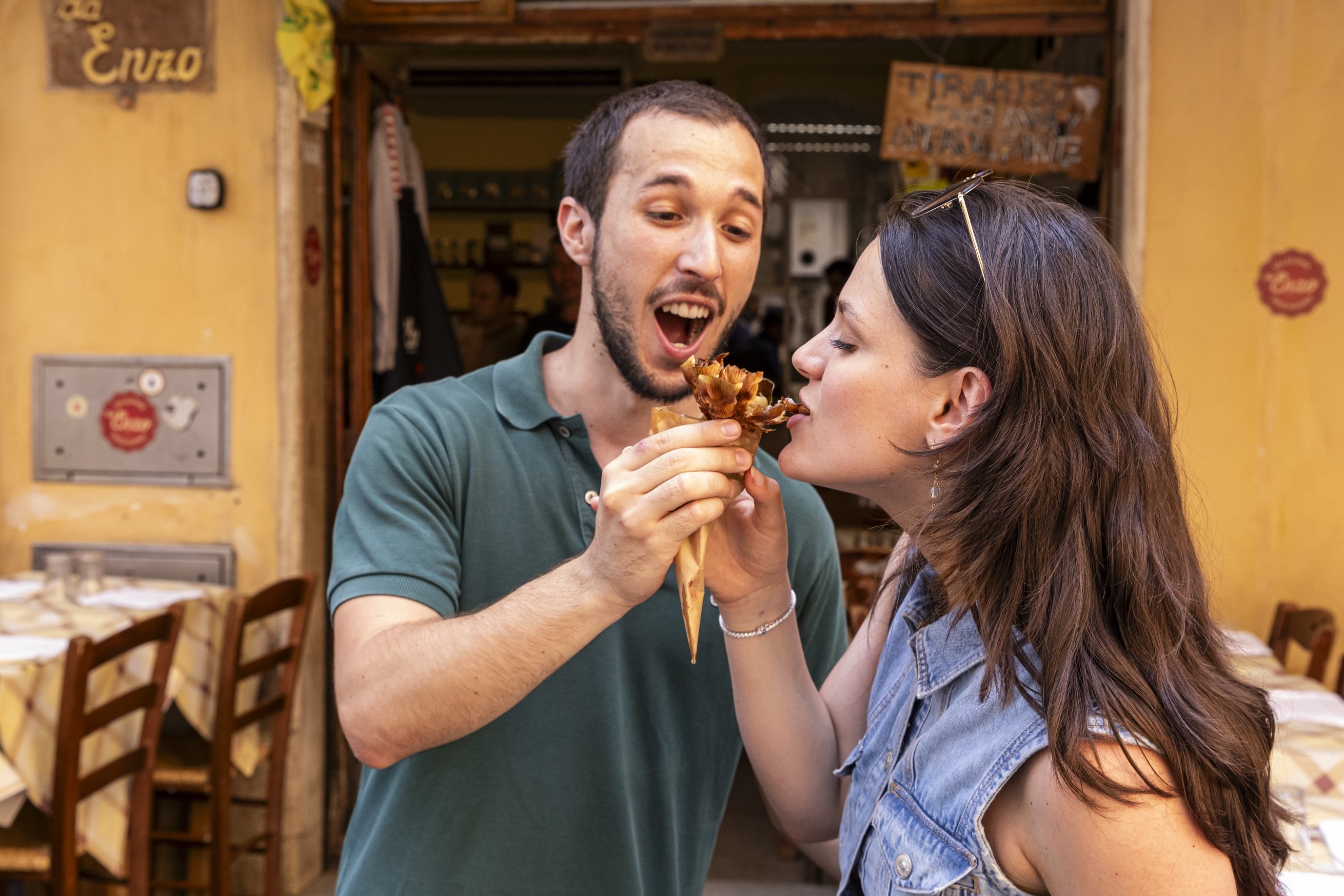
Carciofi alla Romana
Artichokes braised with garlic, mint, and olive oil.
Vegetable
Vegetarian
Popular Activities
Hiking in the Appian Way Regional Park
Biking along the Tiber River
Rock climbing in the nearby mountains
Picnicking in Villa Borghese Gardens
Boating on Lake Albano
Enjoying a spa day at a luxury hotel
Visiting the Vatican Museums
Attending an opera at the Teatro dell'Opera di Roma
Best Time to Visit
April to June, September to October
Spring and fall offer pleasant weather and fewer crowds compared to the summer peak. Ideal for sightseeing and outdoor activities.
15-30°C
59-86°F
Practical Information
Language
- Official: Italian
- Widely spoken: English, Spanish, French
- English: Moderately spoken
Currency
Euro (EUR)
Time Zone
GMT+1 (CET), GMT+2 (CEST during daylight saving time)
Electricity
230VV, 50HzHz
Safety Information
Overall Safety Rating: Generally safe
Rome is generally safe for tourists, but pickpocketing and scams can be a problem in crowded areas. Be aware of your surroundings and take precautions to protect your belongings.
Important Precautions:
- • Keep valuables secure and out of sight
- • Use official taxis or ride-sharing services
- • Be cautious of strangers approaching you with petitions or bracelets
Getting there
By air
- Leonardo da Vinci International Airport • 35 km from city center
- Ciampino Airport • 15 km from city center
By train
Roma Termini, Roma Tiburtina
By bus
Tiburtina Bus Station, Roma Termini
Getting around
Public transport
The metro system is efficient and covers major tourist areas. It operates from 5:30 AM to 11:30 PM.
Taxis
Available • Apps: Uber, FreeNow
Rentals
Car, Bike, Scooter
Neighborhoods
Trastevere
Monti
Prancipio
Testaccio
Day trips
Ostia Antica
30 km from Rome • Half day
An ancient Roman port city with well-preserved ruins, including a theater, baths, and mosaics. It offers a glimpse into daily life in ancient Rome.
Tivoli
30 km from Rome • Full day
A picturesque town known for its stunning villas and gardens, including the famous Villa d'Este with its elaborate fountains and gardens.
Orvieto
120 km from Rome • Full day
A charming hilltop town known for its stunning cathedral, underground caves, and local wine. It offers a mix of history, culture, and scenic views.
Festivals
Natale di Roma • April 21
Festa de' Noantri • July
Rome Film Festival • October
Pro tips
- Visit major attractions early in the morning or late in the afternoon to avoid crowds
- Use public transport or walk instead of taking taxis to save money and experience the city like a local
- Try local specialties and ask for recommendations from locals and restaurant staff
- Dress modestly when visiting religious sites and be respectful of local customs and traditions
- Be aware of pickpockets and scams, especially in crowded areas and tourist hotspots
From $25
per person
Price varies by option
Secure booking
Free cancellation available
Instant confirmation