Special Access: Join a Traditional Shinto Ritual at Meiji Shrine
Active
1h
For a full refund, cancel at least 24 hours before the scheduled departure time.
Instant confirmation
Mobile or paper ticket accepted
About this experience
Meiji Jingu shrine, despite being an iconic tourist attraction featuring authentic Japanese culture, can be a bit inaccessible to foreigners unfamiliar with Shinto. We are thus arranging this tour to help you make the most of Meiji Jingu and leave you with a peace of mind by guiding you through the philosophy and practices of Shinto and enjoying a personal prayer session during with you can experience the essence of Shinto.
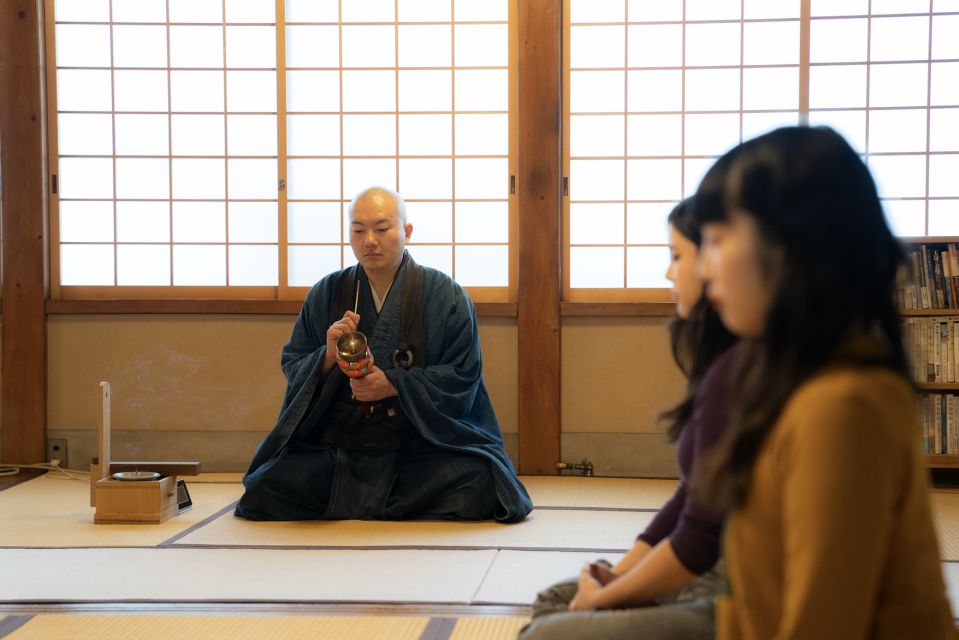
In the personal prayer, you first write down your wishes to God for family safety, marriage, health, academic success, etc. Then you are taken to a tatami room where you can watch priests in ancient costumes purify the place with the sound of bells, a performance of Gagaku (ancient court music) on ancient instruments and flutes (a UNESCO Intangible Cultural Heritage), and a Miko (shrine maiden) dance performance. Finally, with your heart cleansed and refreshed, you receive an Ofuda, which is an amulet filled with your wishes along with the power of today's prayer.
Available options
Special Access: Join a Traditional Shinto Ritual at Meiji Shrine
What's included
Information and application form translation fees
Detailed itinerary
1
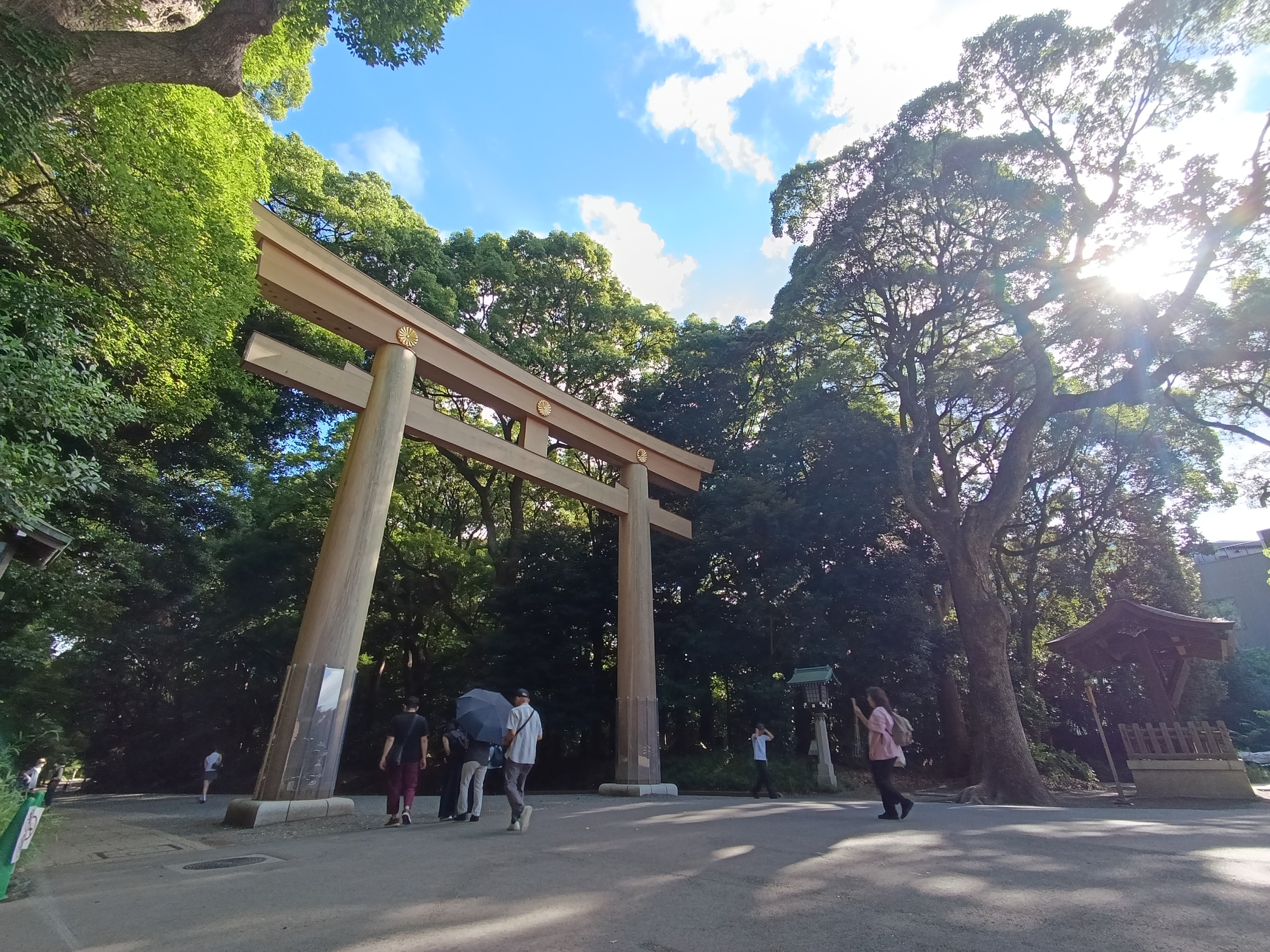
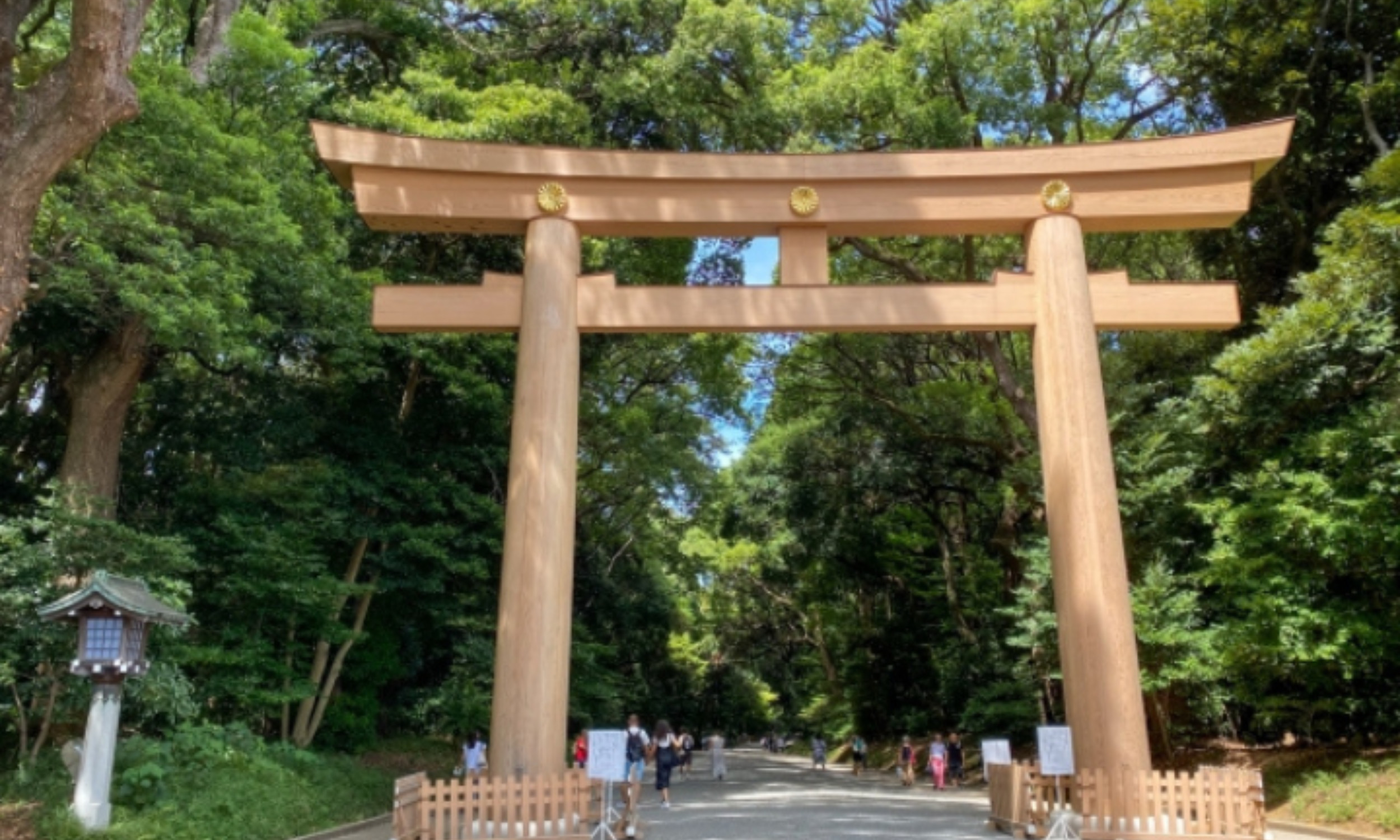
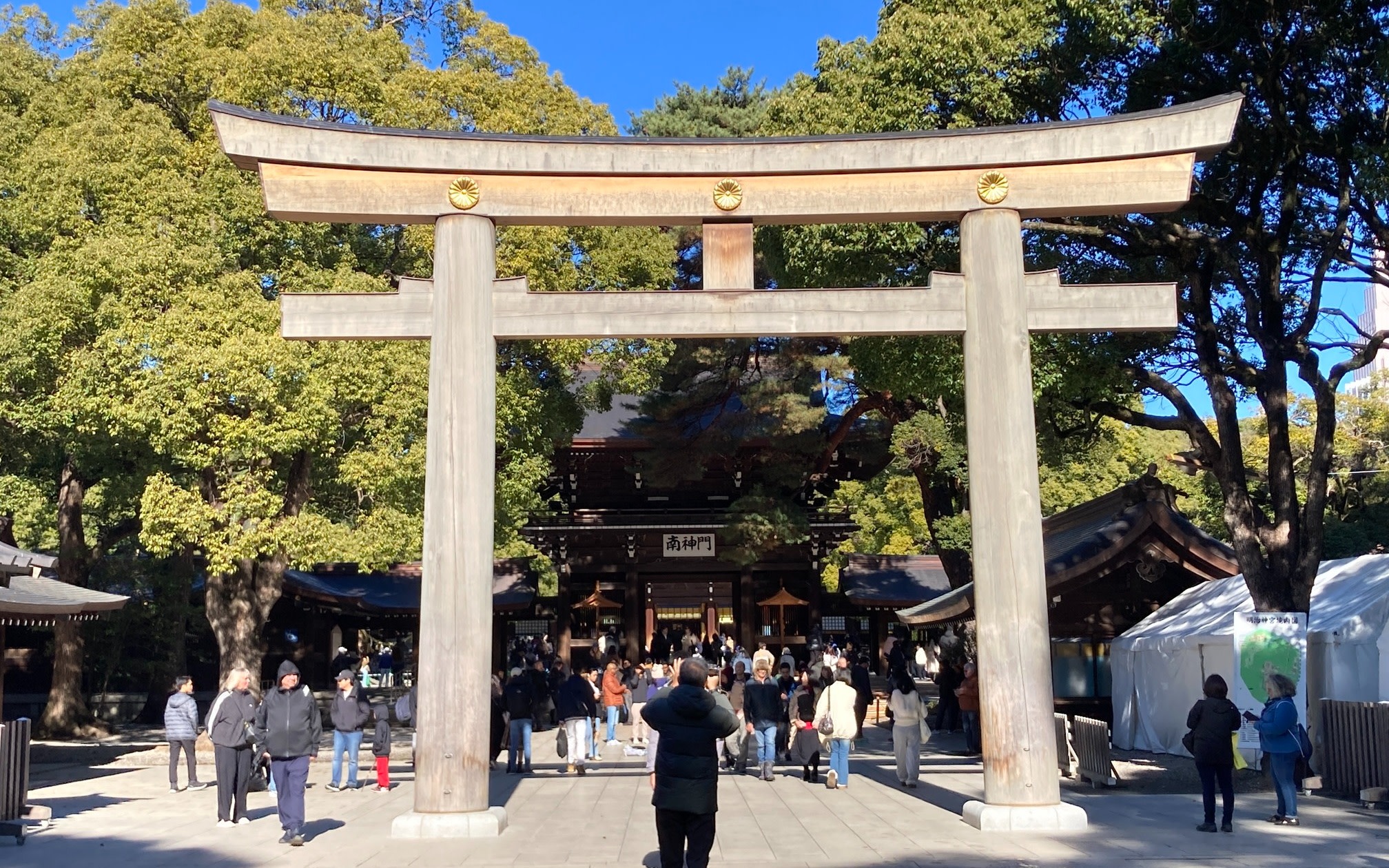
Let's meet under the second torii gate. Here, I will guide you through the details of the torii's unique features, the displays of sake barrels and wine barrels nearby, as well as the waka poem prominently displayed at the front. It's a great spot for taking photos, so feel free to capture as many as you like. I'll be happy to assist you!
2
We will walk from the second torii gate to the third torii gate. Along the way, I will teach you the proper etiquette for walking along the approach and passing through the torii gates. Many foreign tourists mistakenly perform these rituals incorrectly, which can come across as quite disrespectful. By learning the correct manners from us, you will gain the favor of the deities.
I will also guide you through the waka poems and buildings we encounter along the way. Feel free to take photos at all these locations. I encourage you to capture great shots, and I'll be happy to assist you!
3
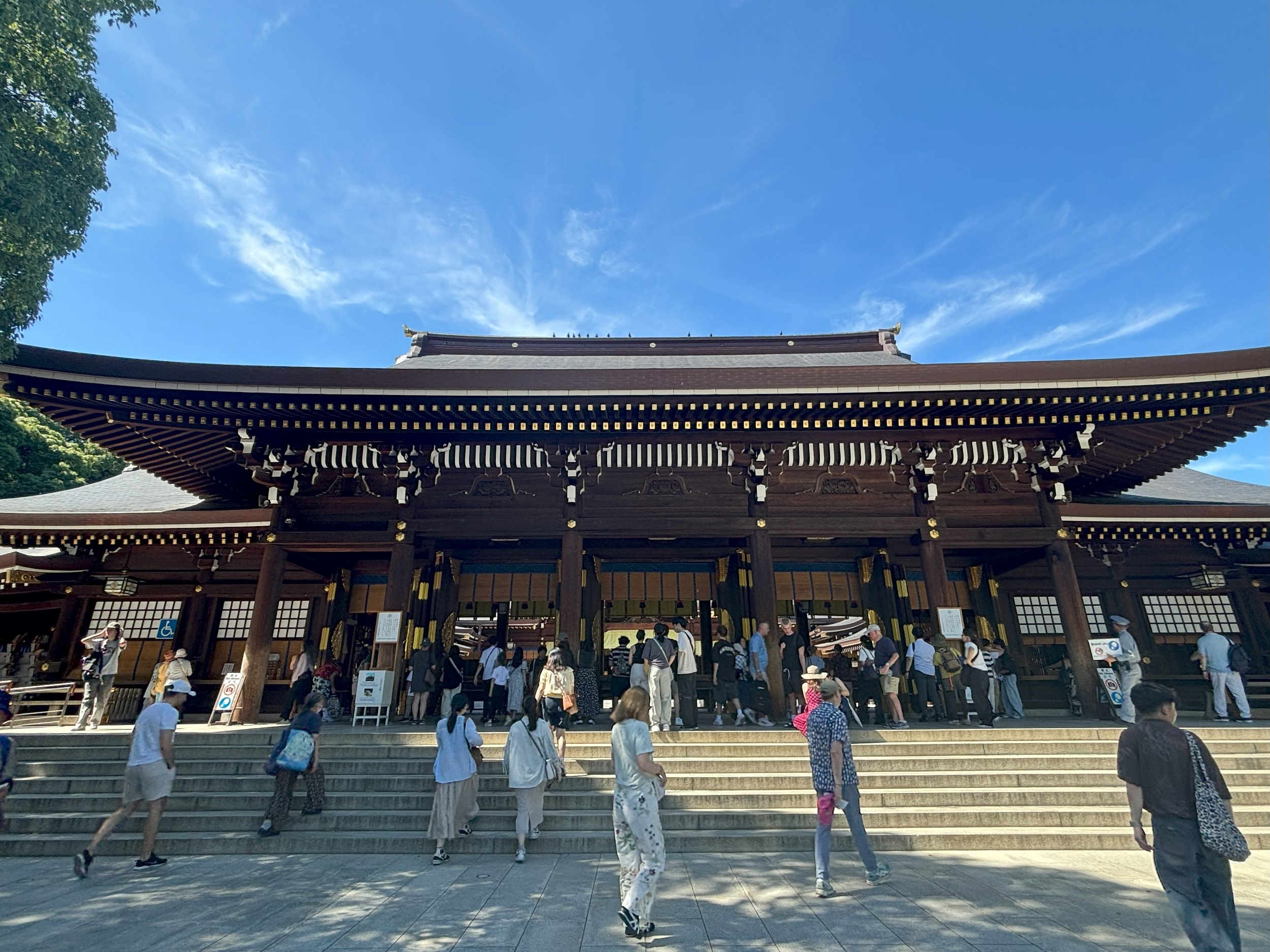
At the purification fountain, cleanse your hands and mouth before proceeding to the main shrine area. First, let's experience the same method of worship as the general public. Using the ritual of offering a coin, followed by two bows, two claps, and one final bow, you will express your gratitude to the deities.
There are areas where photography is not allowed, and I will guide you accordingly.
4
Next, we will move to the Kagura Hall, where you can receive individual blessings.
First, you will fill out an application form at the entrance. On the form, you’ll indicate your prayer intentions, such as world peace, household safety, travel safety, recovery from illness, business success, finding a good match, safe childbirth, or academic achievement, along with your address and name. Once completed, submit the form along with the offering fee (starting from 5,000 yen) to the shrine priest to complete the process.
The forms are available only in Japanese, but we will assist you thoroughly to ensure everything is handled smoothly.
Once registration is complete, you’ll wait in the lounge for the ceremony to begin. This lounge is also a beautiful space where you can fully appreciate traditional Japanese art.
5
Now, we proceed to the altar in the Kagura Hall, where the ceremony will take place.
The sound of a drum resonates as shrine priests, dressed in traditional Japanese attire, use sacred tools to perform a purification ritual for us. This cleansing brings a sense of peace and fulfillment.
Following the purification, traditional court music known as gagaku is performed, accompanied by a dance by shrine maidens (miko). Gagaku, a musical tradition played on elaborately decorated drums and flutes from ancient times, has been designated as a UNESCO Intangible Cultural Heritage.
The shrine maidens, adorned in traditional costumes, dance gracefully, creating an atmosphere of elegance.
Watching this performance, you’ll feel as though you’ve become royalty in a grand palace.
6
After the ceremony concludes, the ritual is completed by receiving sacred offerings (shinsen) and drinking sacred sake (omiki).
Shinsen refers to the offerings presented to the deities during the ceremony, which are later shared with participants as a souvenir. It is often in the form of nori (seaweed) and is meant to be enjoyed at home.
Omiki is sacred sake offered to the deities, a portion of which is shared with participants. At the exit, you will receive a small cup, and a shrine maiden will pour the sake for you to drink on the spot.
It is believed that items offered to the deities are imbued with spiritual power, and consuming these offerings is a way to pray for good health and protection from illness.
This marks the end of the tour. While photography inside the Kagura Hall is strictly prohibited, you are free to take as many pictures as you like outside. Please feel free to ask for assistance—we’ll be happy to help!
What's not included
Prayer fee paid to the shrine (5,000 yen for personal prayer)
Amulets, etc. purchased privately
Available languages
Guide guide
EN
Reviews breakdown
Viator
3.0
2 reviews
5★
1
4★
0
3★
0
2★
0
1★
1
Tripadvisor
5.0
1 reviews
5★
1
4★
0
3★
0
2★
0
1★
0
Important information
Wheelchair accessible
Infants and small children can ride in a pram or stroller
Public transportation options are available nearby
Infants are required to sit on an adult’s lap
Transportation options are wheelchair accessible
All areas and surfaces are wheelchair accessible
Suitable for all physical fitness levels
Not recommended for those who have pain in sitting straight
Meeting point
Meet under the Second Torii Gate at Meiji Jingu Shrine.
The guide will be waiting for you with a board displaying your name.
About Tokyo
Tokyo, the capital of Japan, is a bustling metropolis that beautifully blends traditional culture with cutting-edge technology. Known for its neon-lit streets, historic temples, and world-class cuisine, Tokyo offers a unique experience that caters to every type of traveler.
Top Attractions
Senso-ji Temple
Senso-ji is Tokyo's oldest temple and one of its most significant. The temple's massive lantern and five-story pagoda are iconic landmarks.
Historical/Religious
1-2 hours
Free (small fee for some areas)
Meiji Shrine
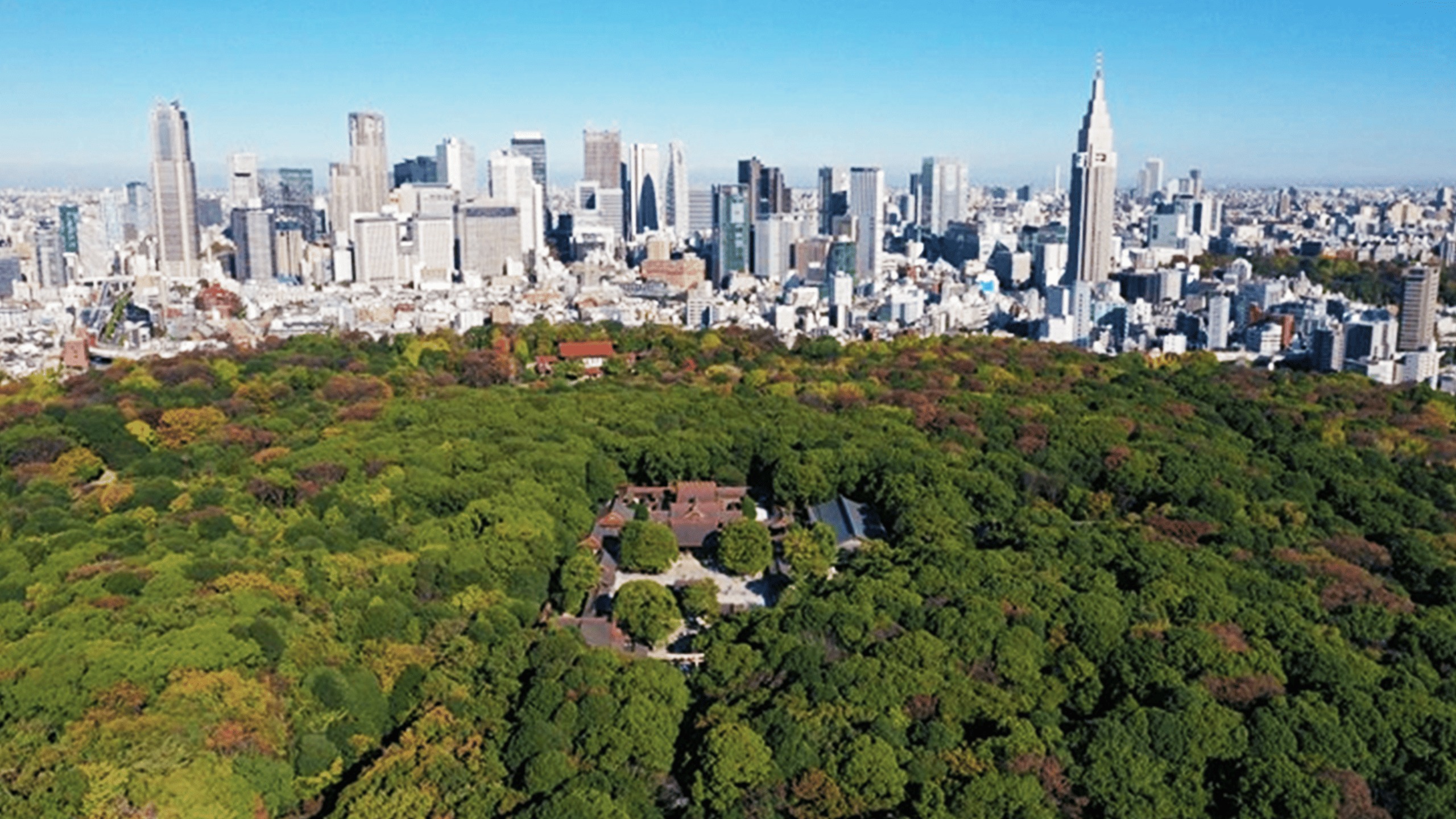
Meiji Shrine is a Shinto shrine dedicated to the deified spirits of Emperor Meiji and his wife, Empress Shoken. It is surrounded by a beautiful forest.
Historical/Religious
1-2 hours
Free
Shibuya Crossing
Shibuya Crossing is the world's busiest pedestrian crossing and a symbol of Tokyo's bustling urban life. It's a must-see for its chaotic yet orderly nature.
Cultural
30 minutes to 1 hour
Free (¥2,200 for Shibuya Sky)
Tokyo Skytree
Tokyo Skytree is the tallest tower in Japan and the second tallest freestanding structure in the world. It offers breathtaking views of the city.
Architecture
2-3 hours
¥2,100 to ¥3,100 (USD $15 to $22)
Odaiba
Odaiba is a man-made island in Tokyo Bay known for its shopping, dining, and entertainment options. It's a great place for families and tech enthusiasts.
Entertainment
Half day to full day
Varies by attraction
Must-Try Local Dishes
Sushi
Fresh raw fish served on vinegared rice, a staple of Japanese cuisine.
Dinner
Contains fish, can be vegetarian with substitutes.
Ramen
Noodle soup with various broths and toppings, a popular comfort food.
Lunch/Dinner
Vegan and vegetarian options available.
Tempura
Deep-fried seafood and vegetables, known for its crispy texture.
Lunch/Dinner
Contains seafood and deep-fried ingredients.
Okonomiyaki
Savory pancake with various ingredients, often topped with sauce and bonito flakes.
Lunch/Dinner
Contains seafood and can be made vegetarian.
Popular Activities
Hiking in the nearby mountains
Parasailing at Odaiba
Onsen (hot spring) visits
Tea ceremonies
Traditional tea ceremonies
Kimono rentals and photo shoots
Boat tours on the Sumida River
Beach activities at Odaiba
Best Time to Visit
March to May (Spring) and September to November (Autumn)
These seasons offer comfortable temperatures and beautiful scenery, with cherry blossoms in spring and vibrant foliage in autumn. However, these are also the busiest times for tourism.
10°C to 25°C (50°F to 77°F)
50°F to 77°F
Practical Information
Language
- Official: Japanese
- Widely spoken: English, Chinese, Korean
- English: Moderately spoken in tourist areas, limited elsewhere
Currency
Japanese Yen (JPY)
Time Zone
GMT+9
Electricity
100VV, 50/60HzHz
Safety Information
Overall Safety Rating: Very safe
Tokyo is generally very safe, with low crime rates and a strong emphasis on public order. However, petty crimes like pickpocketing can occur in crowded areas.
Important Precautions:
- • Be cautious of your belongings in crowded areas.
- • Use licensed taxis and check fares before getting in.
- • Be aware of your surroundings, especially at night.
Getting there
By air
- Narita International Airport • 60 km (37 miles) from city center
- Haneda Airport • 15 km (9 miles) from city center
By train
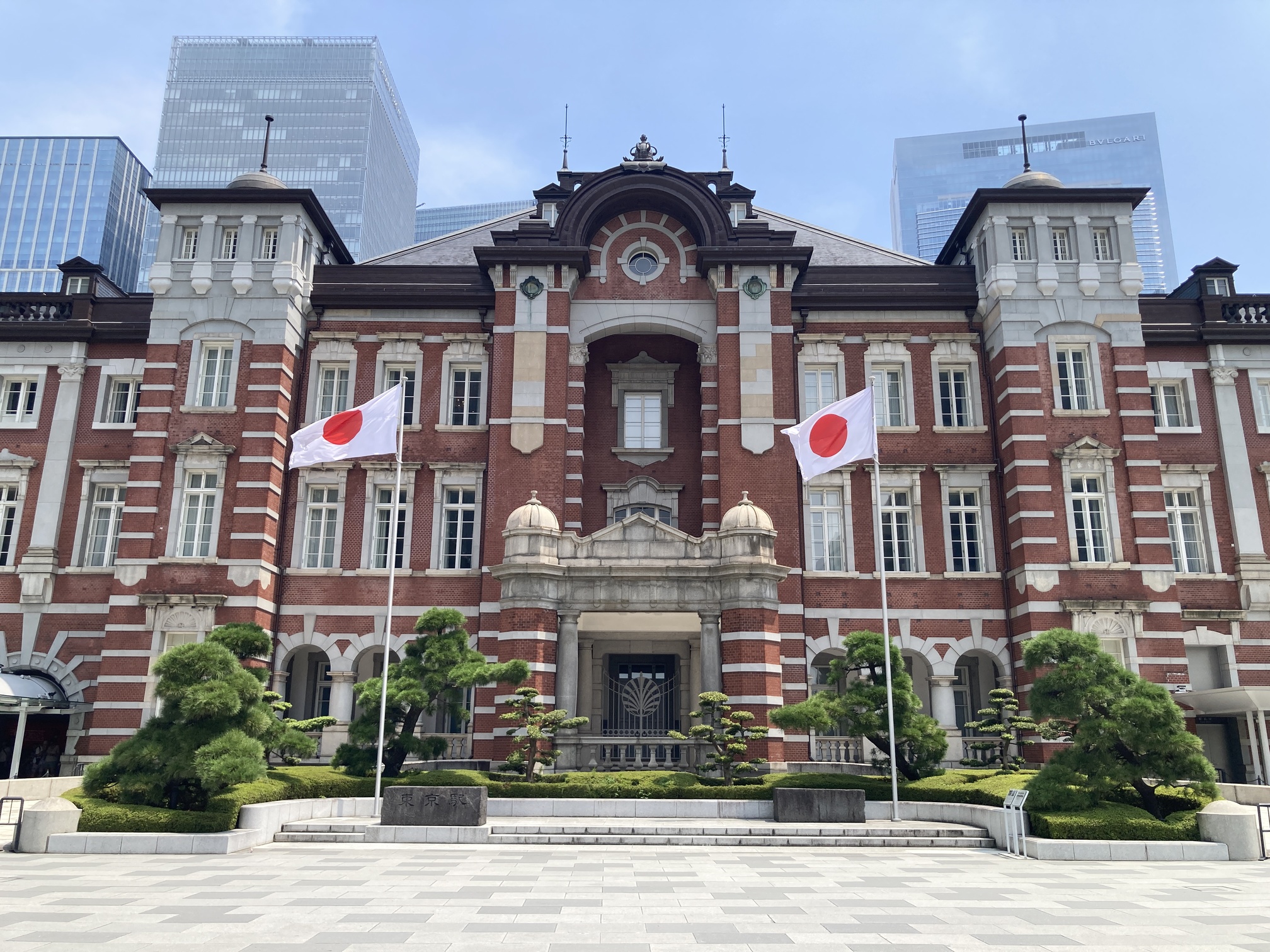
Tokyo Station, Shinjuku Station
By bus
Tokyo Station Bus Terminal, Shinjuku Expressway Bus Terminal
Getting around
Public transport
Tokyo's subway system is efficient, clean, and punctual. It consists of multiple lines operated by Tokyo Metro and Toei Subway.
Taxis
Available • Apps: JapanTaxi, DiDi
Rentals
Car, Bike, Scooter
Neighborhoods
Shibuya
Shinjuku
Asakusa
Ginza
Akihabara
Day trips
Nikko
120 km (75 miles) from Tokyo • Full day
Nikko is a city known for its beautiful shrines, temples, and natural scenery. It's a UNESCO World Heritage site and offers a peaceful retreat from the bustling city.
Kamakura
50 km (31 miles) from Tokyo • Half day to full day
Kamakura is a coastal town known for its historic temples, shrines, and the Great Buddha statue. It's a great place to experience traditional Japanese culture.
Hakone
90 km (56 miles) from Tokyo • Full day or overnight
Hakone is a hot spring resort town known for its onsen (hot springs), scenic views of Mount Fuji, and the Open-Air Museum. It's a popular destination for relaxation and nature.
Festivals
Sannō Matsuri • Mid-June (every 2 years)
Kanda Matsuri • Mid-May (every 2 years)
Sumida River Fireworks Festival • Last Saturday of July
Pro tips
- Use IC cards like Suica or Pasmo for convenient and discounted public transport.
- Download useful apps like Google Maps, Japan Transit Planner, and Japan Travel by Navitime.
- Learn a few basic Japanese phrases to enhance your experience and show respect for the local culture.
- Carry cash, as some smaller shops and restaurants may not accept credit cards.
- Visit popular attractions early in the morning or late in the afternoon to avoid crowds.
From $25
per person
Price varies by option
Secure booking
Free cancellation available
Instant confirmation